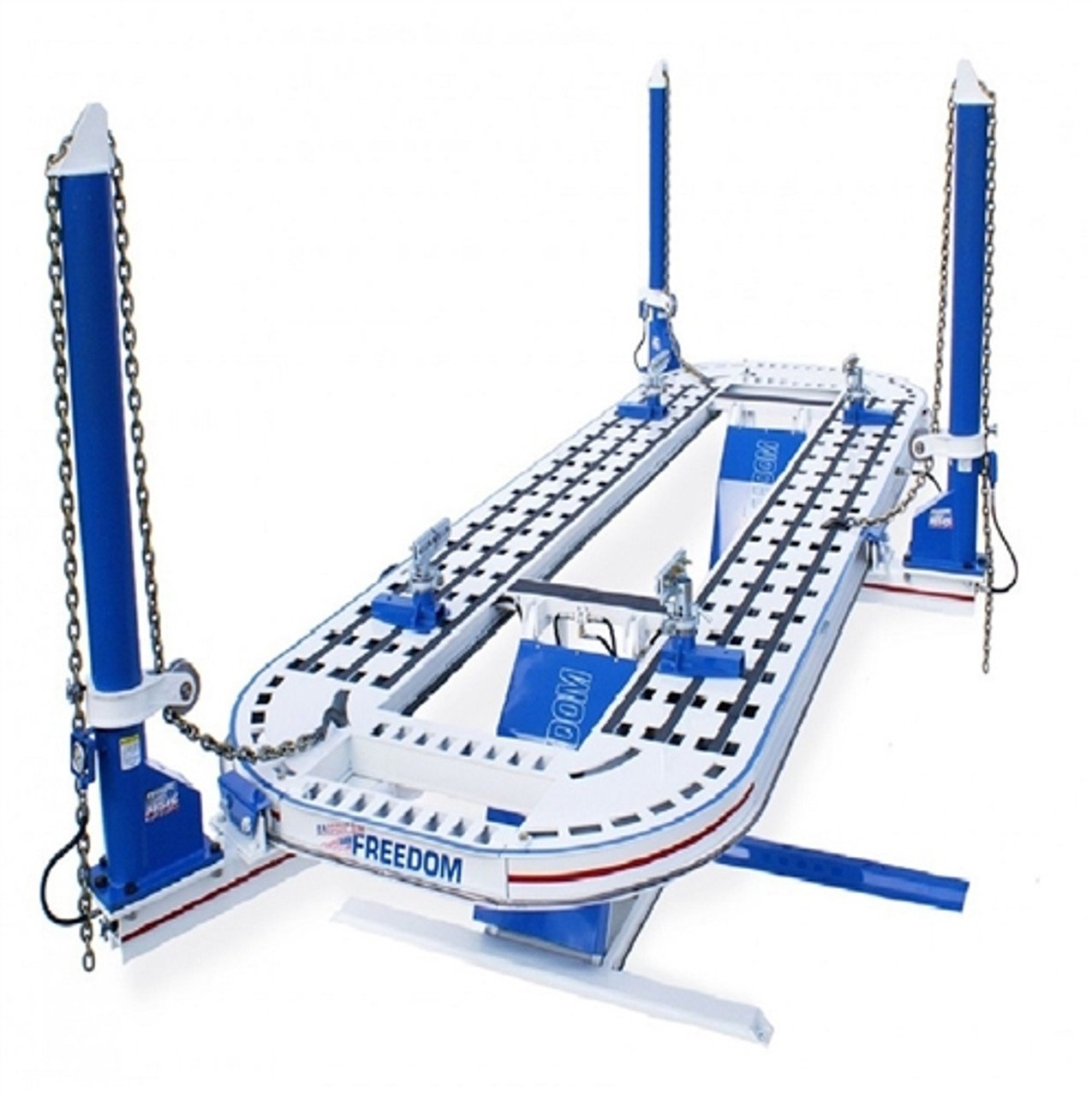
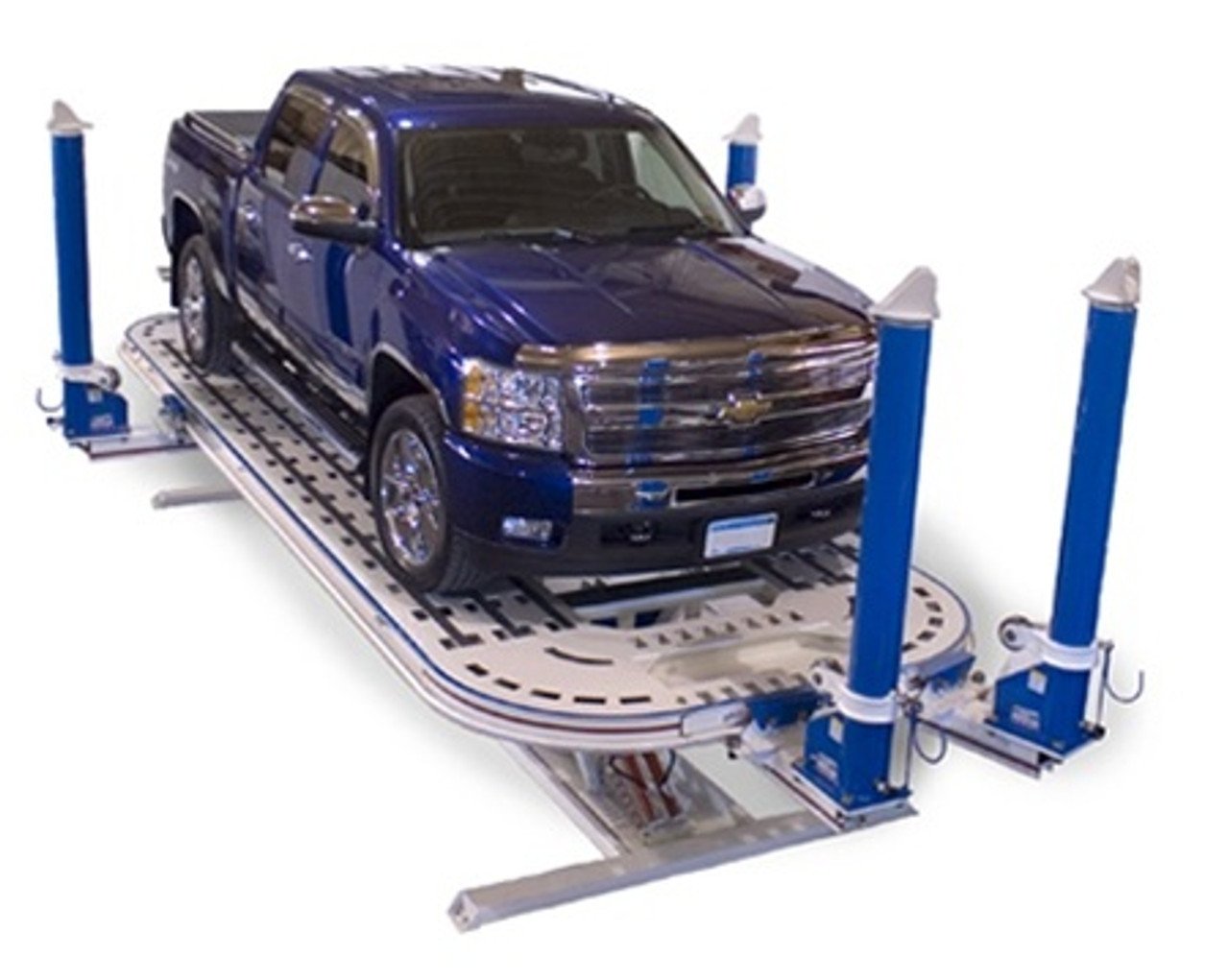
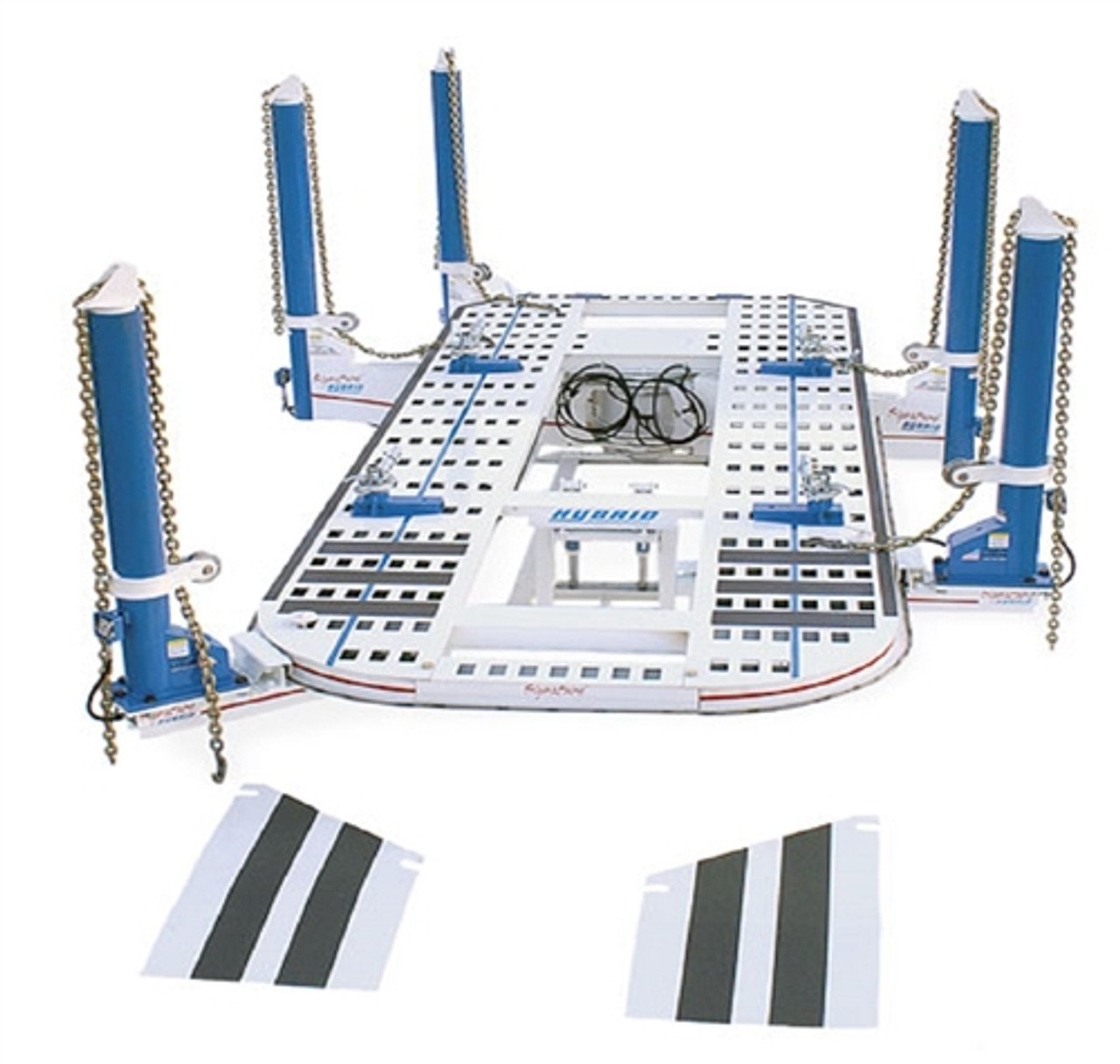
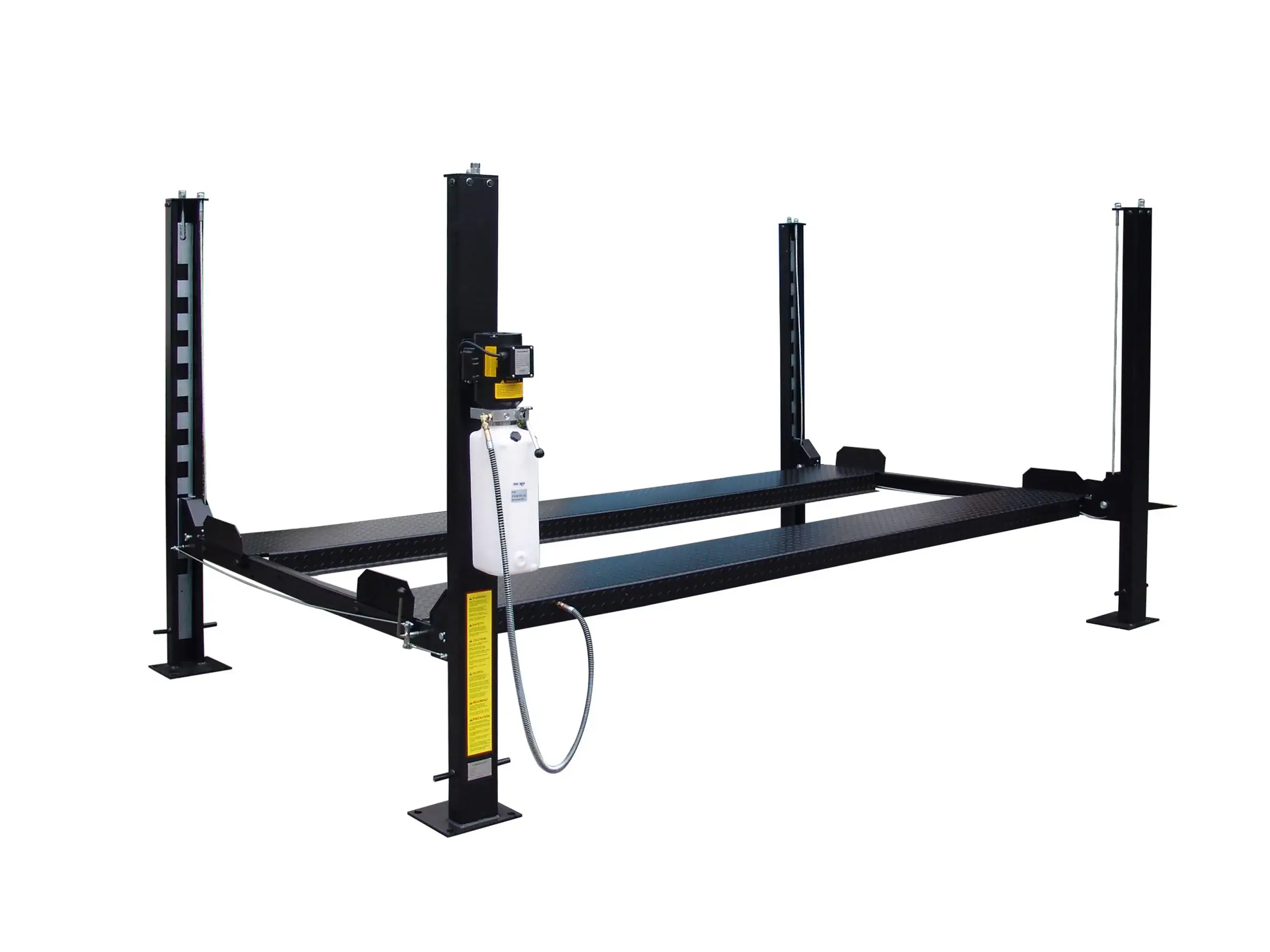


In every auto body shop, there are tools that steal the spotlight — frame machines, welding stations, spray booths. But one unsung hero makes all of it possible: the hydraulic pump for a frame machine. It might not be the first piece of equipment that catches attention, but without it, even the most advanced frame machine cannot deliver the strength required to repair vehicles. In fact, a pump that underperforms can slow down production, compromise accuracy, and even risk technician safety. Understanding how these pumps work and why they matter can change the way shops look at collision repair.
Why are Hydraulic Pumps More Than Just a Power Source?
Hydraulic pumps are often dismissed as “just the part that powers the frame machine.” In reality, they control far more than that. The pump determines the force, speed, and precision with which a frame can be corrected. For instance, if the hydraulic pump produces uneven pressure, the pulling force becomes jerky. This can result in frames being pulled too far or not far enough, forcing rework.
When doors don’t close properly, wheels do not align straight, or airbags no longer sit at the right depth, it is not always because of poor technician skill. Sometimes, the pump is the hidden culprit. That is why shops that value long-term repair quality always put effort into selecting and maintaining high-performing pumps.
The Science Behind Hydraulic Force in Frame Repair
Hydraulic systems operate on Pascal’s Law, which states that pressure applied to a fluid in a confined space is transmitted equally in all directions. A hydraulic pump uses this principle to convert small mechanical force into massive pulling power.
To put this in perspective:
- A pump driven by a modest electric motor can generate pressures up to 10,000 PSI.
- This pressure, when applied through hydraulic cylinders, allows a frame machine to realign twisted steel or aluminum structures with pinpoint accuracy.
The beauty of hydraulics is efficiency. A small movement in the pump translates to a large movement in the cylinder. This force multiplication makes it possible for a two-person team in a shop to handle repair jobs that would otherwise require industrial-level machinery.
Real-World Problems Caused by Weak or Poorly Maintained Pumps
When a pump begins to fail, the effects ripple through the entire repair process. Common issues include:
| Problem | How It Affects the Shop? |
| Slow Pulling Force | Frame adjustments take longer, reducing how many cars can be repaired per day |
| Inconsistent Pressure | Leads to frames being slightly misaligned, which may cause customer complaints |
| Overheating | Damages seals and creates leaks, leading to costly downtime |
| Safety Risks | Sudden hose bursts or pressure drops put technicians in danger |
Even small drops in performance can lead to hours of lost labor and expensive rework. That’s why professionals see pump maintenance as an investment, not an expense.
Choosing the Right Hydraulic Pump for Your Shop
No two shops are identical, and the choice of pump should match the scale of operations.
- Manual Pumps – Low-cost and reliable, but too slow for busy shops. Mostly kept as backup.
- Electric Pumps – Offer consistent pressure and fast pulling, ideal for high-volume collision centers.
- Air-Powered Pumps – Useful in shops already running pneumatic systems. They are efficient and integrate well with other air tools.
Another factor to consider is the frame material being worked on. With more vehicles using high-strength steel and aluminum, pumps must be capable of delivering smooth, controlled force without snapping or over-bending the material.
Advanced Tips to Extend Pump Life
A pump can last years longer if handled with care. Some advanced tips include:
- Hydraulic Oil Quality – Cheap or contaminated oil quickly destroys seals. Always use the manufacturer-recommended grade.
- Filtration Systems – Adding inline filters removes tiny particles that the eye cannot see but that wear down internal components.
- Avoid Constant Max Load – Running the pump at full pressure continuously accelerates wear. Use staged pulls where possible.
- Monitor Noise – A whining or grinding noise is an early warning sign of pump damage. Catching it early saves bigger repair costs.
- Routine Inspections – Monthly checks of hoses, connections, and seals prevent small leaks from becoming shop-halting failures.
Technicians who treat pumps like precision instruments rather than brute-force machines often get the best performance and longest lifespan out of them.
Also Read: What Every Collision Repair Technician Should Know About the Dent Fix 900B?
Why KGM Equipment Pumps Stand Out
KGM Equipment has built its reputation on supplying auto shops with dependable, high-performance tools. Their hydraulic pumps are engineered for steady output, meaning no sudden dips or spikes in pressure. This helps technicians deliver clean, precise pulls without fighting against the equipment.
Beyond the pump itself, KGM offers support and guidance for choosing the right setup. That means shops don’t have to gamble on equipment, they can trust that the pump they purchase will suit their workflow and handle their toughest repair jobs. For busy shops where downtime is money lost, this reliability makes all the difference.
Strengthening Repair Efficiency with the Right Hydraulic Pump
Hydraulic pumps may not take center stage in an auto shop, but they are the quiet force that makes safe and accurate frame repairs possible. The right pump ensures consistent performance, reduces downtime, and keeps technicians working with confidence. By pairing strong equipment with smart maintenance, shops can achieve higher productivity and better customer satisfaction.
Also, explore our trusted automotive battery chargerat KGM Equipment and keep your operations running at full power.

