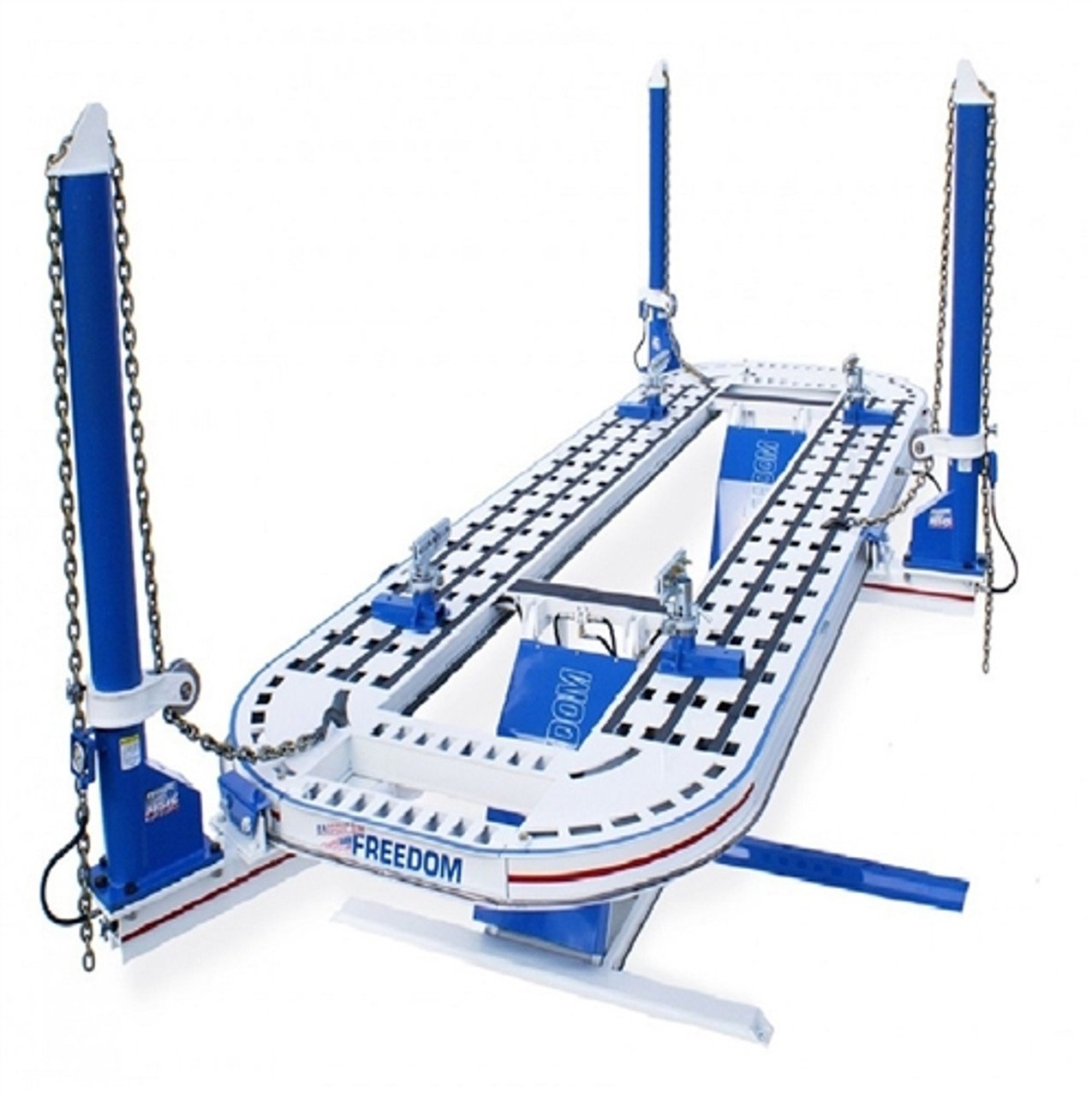
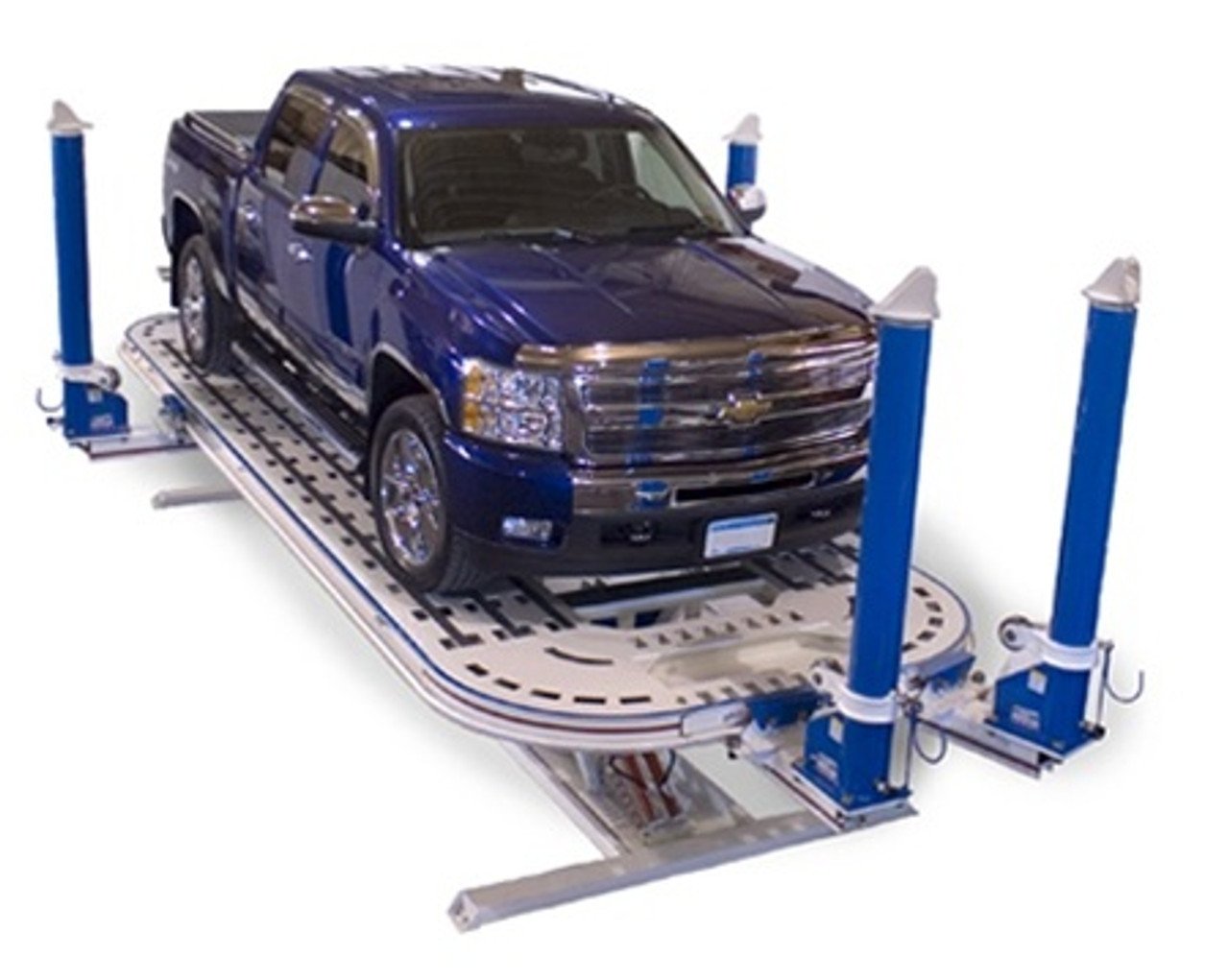
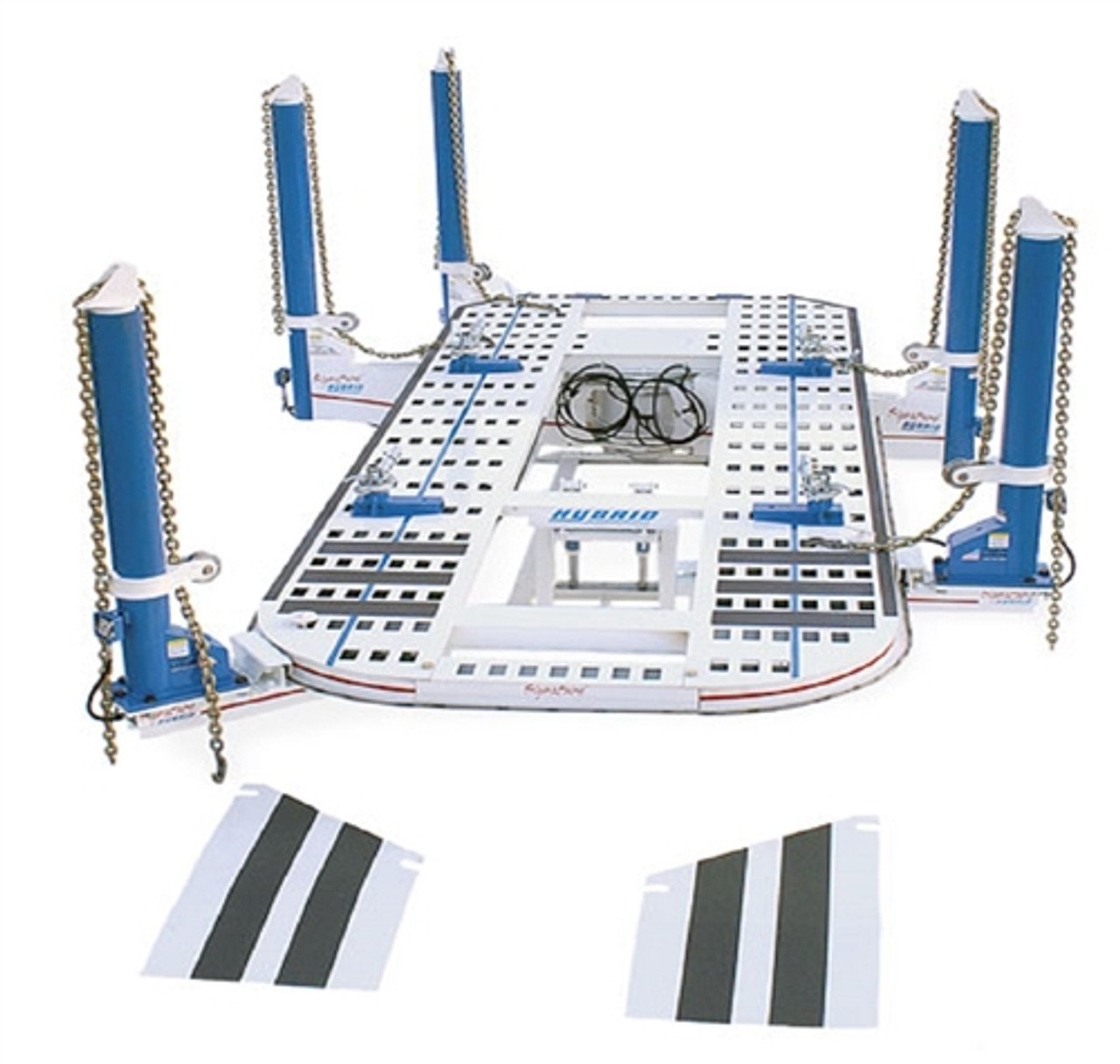
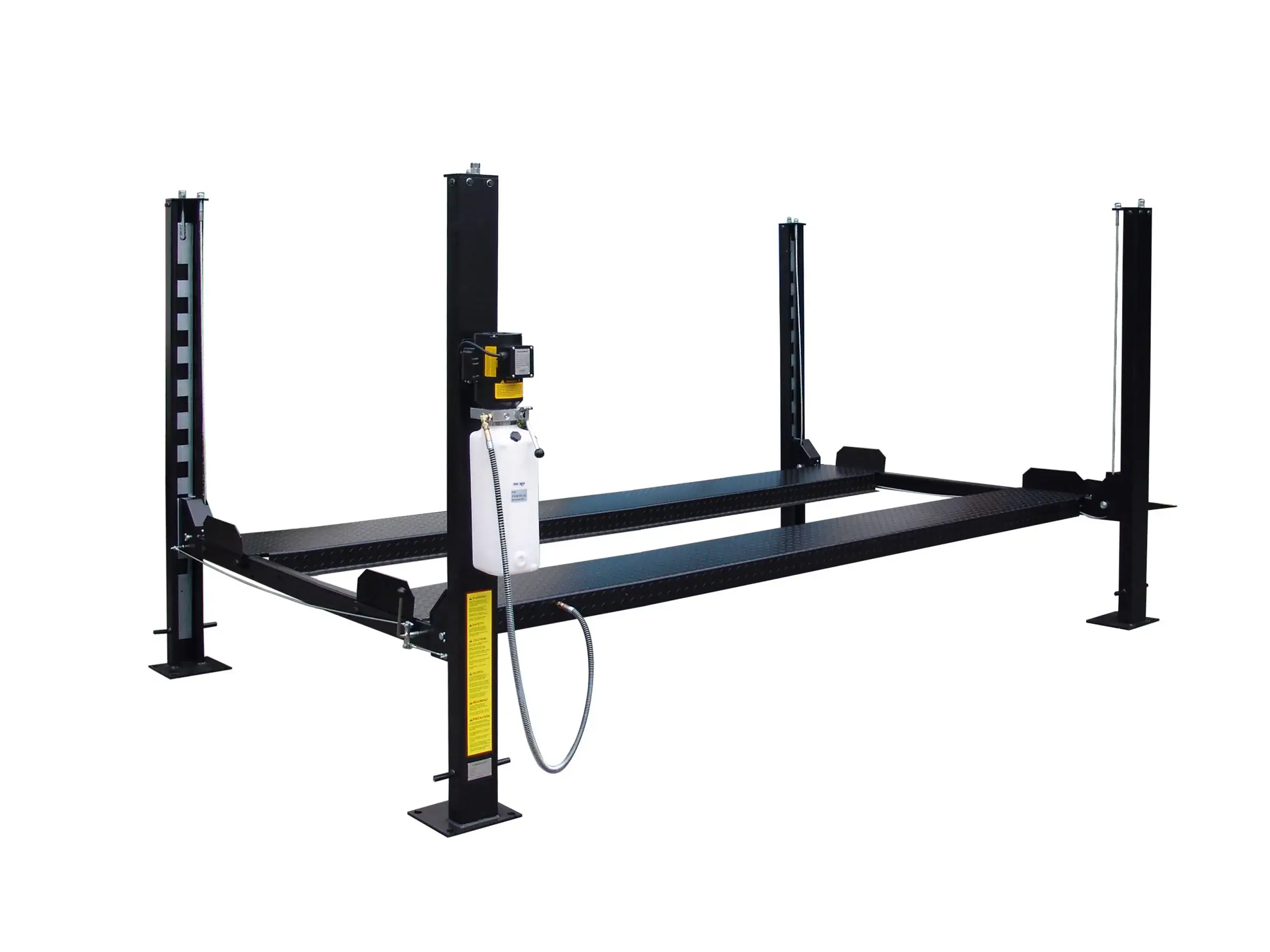


Many auto body shops focus on buying the latest frame machines but often overlook one of the most critical components: the hydraulic pump. It may seem like a minor part, but the pump determines how efficiently your machine operates, how safe your staff is, and how much money you might be losing without realizing it. Even high-end frame machines cannot perform at their best if the hydraulic pump is low-quality, underpowered, or poorly maintained.
Shop owners and mechanics who don’t pay attention to their pump may notice slower repairs, uneven pulls, and frequent rework. Understanding how a frame machine hydraulic pump affects workflow, repair quality, and safety can help shops prevent unnecessary downtime, reduce costs, and increase customer satisfaction.
The Hidden Role of a Hydraulic Pump
The hydraulic pump is often overlooked because it is “behind the scenes,” but it is the engine of your frame machine. Every lift, push, and pull performed during vehicle repairs relies on consistent hydraulic pressure. A pump that underperforms may not generate enough pressure for heavier vehicles or may operate inconsistently, causing uneven pulls that damage the frame or require multiple attempts to correct alignment.
Many shops assume the frame machine itself is responsible for repair quality, but it is the pump that controls smoothness and precision. A high-quality pump ensures uniform pressure, smooth operation, and accurate realignment, which is essential for both small cars and larger vehicles such as SUVs and trucks.
Common Mistakes Shops Make
Auto shops often overlook critical aspects of hydraulic pump selection and maintenance, which can lead to inefficiency, extra costs, and even safety risks. Here are the most common mistakes:
- Ignoring Pump Capacity
Many shops buy pumps rated for lighter vehicles but later struggle when working on trucks, SUVs, or commercial vehicles. Using an underpowered pump slows down repairs, creates uneven pulls, and can overstrain the frame machine. Over time, this mismatch increases wear on both the pump and the machine, potentially causing premature failure.
- Skipping Maintenance
Hydraulic pumps require regular checks and maintenance, including monitoring fluid levels and replacing contaminated fluid. Skipping this step can lead to overheating, reduced pressure, and internal damage. Dirty hydraulic fluid can also cause premature wear of seals and valves, leading to leaks or sudden failure during critical repairs.
- Using Non-Compatible or Generic Pumps
Not every pump works with every frame machine. Generic or incompatible pumps may seem cheaper initially, but they often fail to provide the precise pressure and flow required. This can result in uneven pulls, slower operations, and increased stress on the machine, ultimately costing more in repairs and replacements than a quality, compatible pump.
Read More: How Anti Static Guns Reduce Rework and Boost Efficiency in Auto Shops?
- Overestimating the Frame Machine Alone
Some shops assume that a high-end frame machine can compensate for a low-quality pump. Even the most advanced machines cannot perform optimally without consistent hydraulic pressure. Overestimating the machine’s capabilities often leads to repeated adjustments, inefficiency, and rework, as the pump cannot keep up with the tasks required.
- Neglecting Flow Rate Considerations
Many shop owners focus only on pressure ratings but ignore flow rates. Low flow rates result in slower operations and jerky movements during lifts or pulls. This not only extends repair time but can also stress the machine and compromise the precision of frame realignment.
- Ignoring Warning Signs
Shop owners sometimes dismiss early signs of pump issues, such as strange noises, slow lifting, or minor leaks. Ignoring these warning signs allows problems to escalate, potentially leading to complete pump failure, costly downtime, and compromised safety.
By recognizing and avoiding these common mistakes, auto shops can maintain efficient operations, extend the lifespan of their frame machines, and ensure safer, higher-quality repairs.
The Real Costs of an Underperforming Pump
The cost of ignoring hydraulic pump performance is often hidden but substantial. Low-quality pumps can create uneven frame pulls, resulting in additional labor to correct mistakes. Over time, repeated strain on the frame machine increases wear and shortens its lifespan.
Safety is another hidden cost. Inconsistent hydraulic pressure can create unexpected movement or sudden drops, putting technicians at risk. Financially, shops may think they are saving by buying cheaper pumps, but repeated replacements, slower job completion, and increased labor costs quickly outweigh initial savings. Even customer satisfaction can be affected if repairs take longer or frames are not aligned properly, potentially harming the shop’s reputation.
How the Right Pump Improves Repairs?
A properly selected and maintained hydraulic pump can significantly improve shop operations:
- Efficiency: Consistent pressure reduces the time needed for lifts and pulls, allowing more vehicles to be serviced daily.
- Precision: Accurate pressure ensures frames are realigned correctly the first time, reducing rework and wasted materials.
- Equipment Longevity: Pumps matched to the machine’s specifications reduce wear and strain on the frame machine, extending its operational life.
- Safety: Predictable, stable performance minimizes the risk of accidents caused by sudden pressure loss or uneven lifting.
When shops use a pump that matches their needs, repairs are faster, safer, and more reliable, translating to improved workflow, better margins, and happier customers.
Advanced Tips for Maintaining Peak Pump Performance
Even the best hydraulic pumps require attention to maintain performance. Some advanced tips include:
- Monitor Fluid Quality: Dirty or low hydraulic fluid can damage internal components. Check fluid regularly and replace it according to manufacturer recommendations.
- Match Pump to Vehicle Weight: Heavier vehicles require pumps rated for higher pressures. Using an underpowered pump will slow repairs and strain the machine.
- Check Flow Rate: A higher flow rate allows smoother and faster operation, reducing wear on both pump and frame machine.
- Preventive Maintenance: Schedule inspections for leaks, seal condition, and pump operation to prevent sudden failures.
- Temperature Control: Avoid overheating by allowing pumps to rest during continuous heavy use or using machines with cooling features.
These small, often overlooked practices can dramatically improve performance, reduce downtime, and prevent costly repairs.
How KGM Equipment Supports Auto Shops?
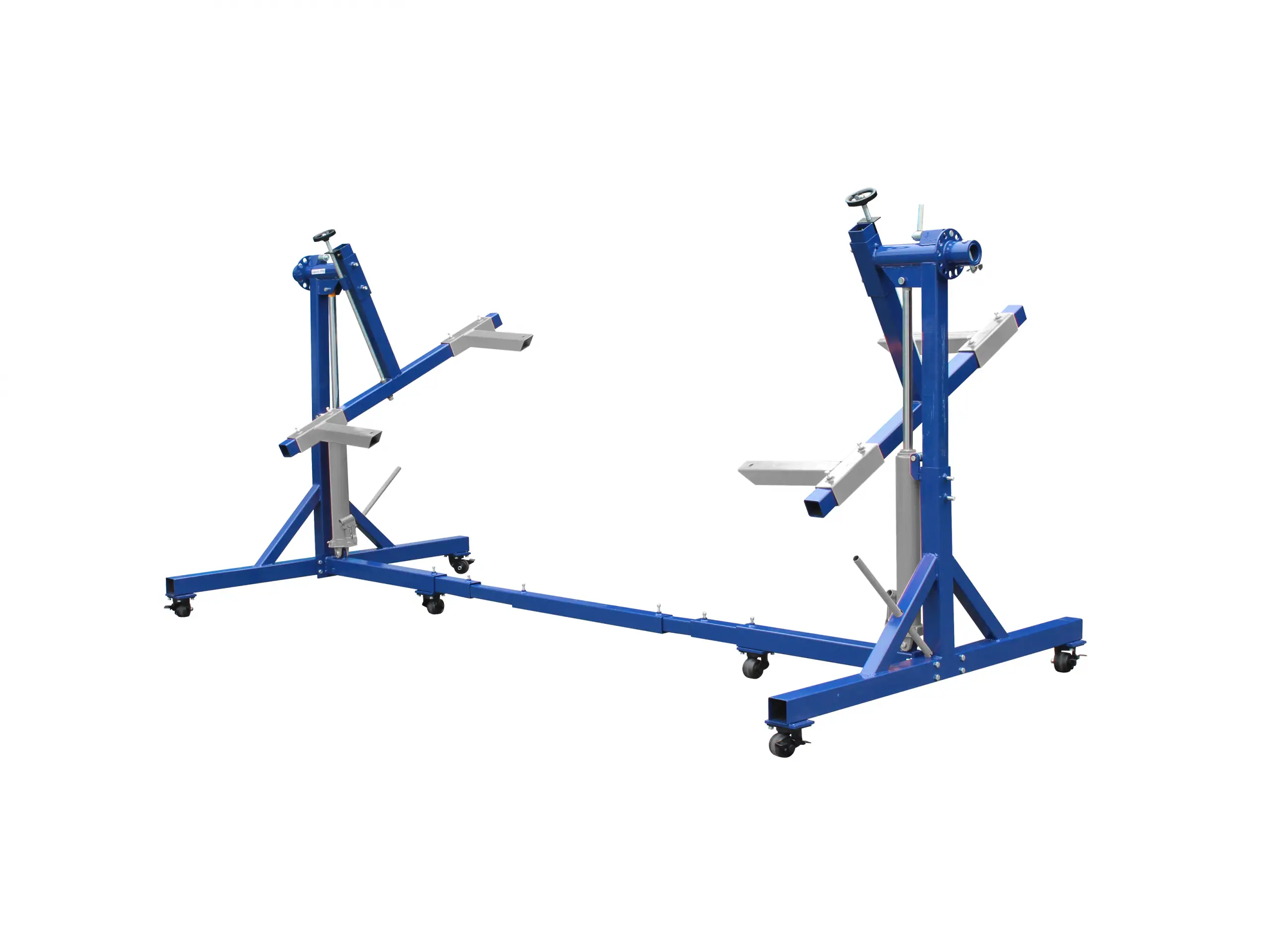
KGM Equipment provides hydraulic pumps designed for durability, reliability, and consistent performance. Their products are built to handle daily heavy-duty operations, from passenger cars to commercial trucks. The team at KGM helps shop owners select the right pump for their frame machine, ensuring compatibility, optimal pressure, and efficient flow.
With KGM pumps, your Kansas Jack Frame Machine performs at its best, reducing rework, increasing safety, and boosting productivity.
Upgrade Your Shop’s Efficiency with the Right Hydraulic Pump
Many auto shops underestimate the importance of a hydraulic pump, but it affects speed, precision, safety, and long-term costs. A reliable pump ensures that every pull and lift is smooth and accurate, protecting both your equipment and your customers’ vehicles.
So, investing in a high-quality pump from KGM Equipment is a simple step that provides measurable results in efficiency, safety, and repair quality. Upgrade your equipment today with a Kansas jack frame machine pump and see the difference in your shop’s workflow and customer satisfaction.

