






Last Updated: October 30, 2026
Quick Summary
Choose spot weld equipment by matching machine type, capacity, and electrode tooling to what you weld, how thick it is, and how many cars roll through your doors each week. Stationary units suit high-volume bench work, portable and handheld welders reach on-vehicle joints, and battery units handle field repair. Weld a test coupon on your thickest stack-up before you buy.
- Steel body panels in the 0.6 mm to 1.2 mm range suit handheld and stationary resistance welders.
- Handheld units run on a 110 V, 60 Hz circuit but need cool-down periods between welds.
- Size duty cycle to your busiest hour, not your average day.
- Dress electrode tips on a schedule, not when welds start looking bad.
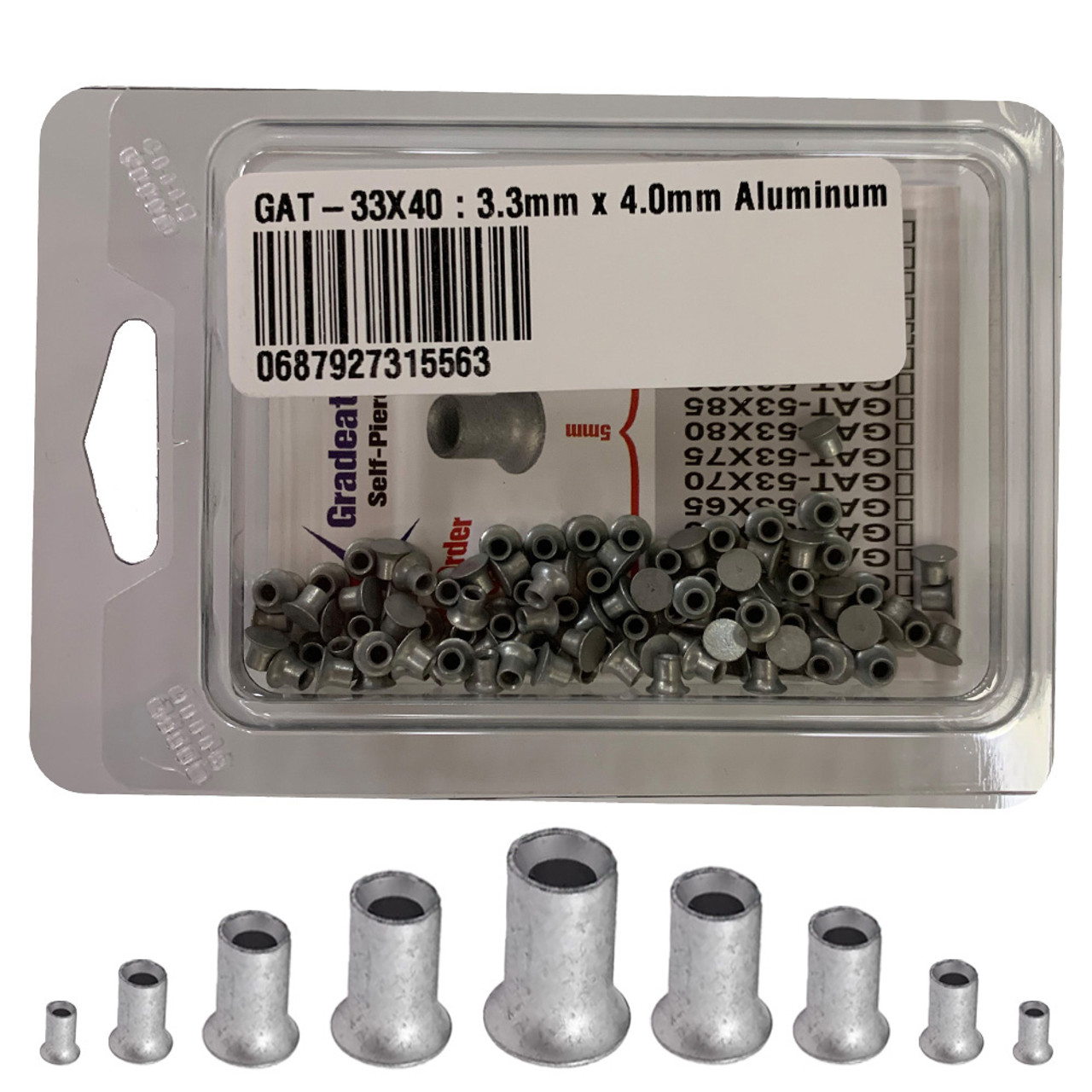
- A self-piercing rivet tool wins on aluminum and mixed-material joints where spot welding struggles.
Table of Contents
- Matching Spot Weld Equipment to Your Shop’s Work
- How the Resistance Spot Welding Process Works
- Types of Spot Weld Equipment: Stationary, Portable, and Battery
- Power Supply, Electrodes, and Machine Capacity
- Spot Welding Safety Protocols Every Operator Should Follow
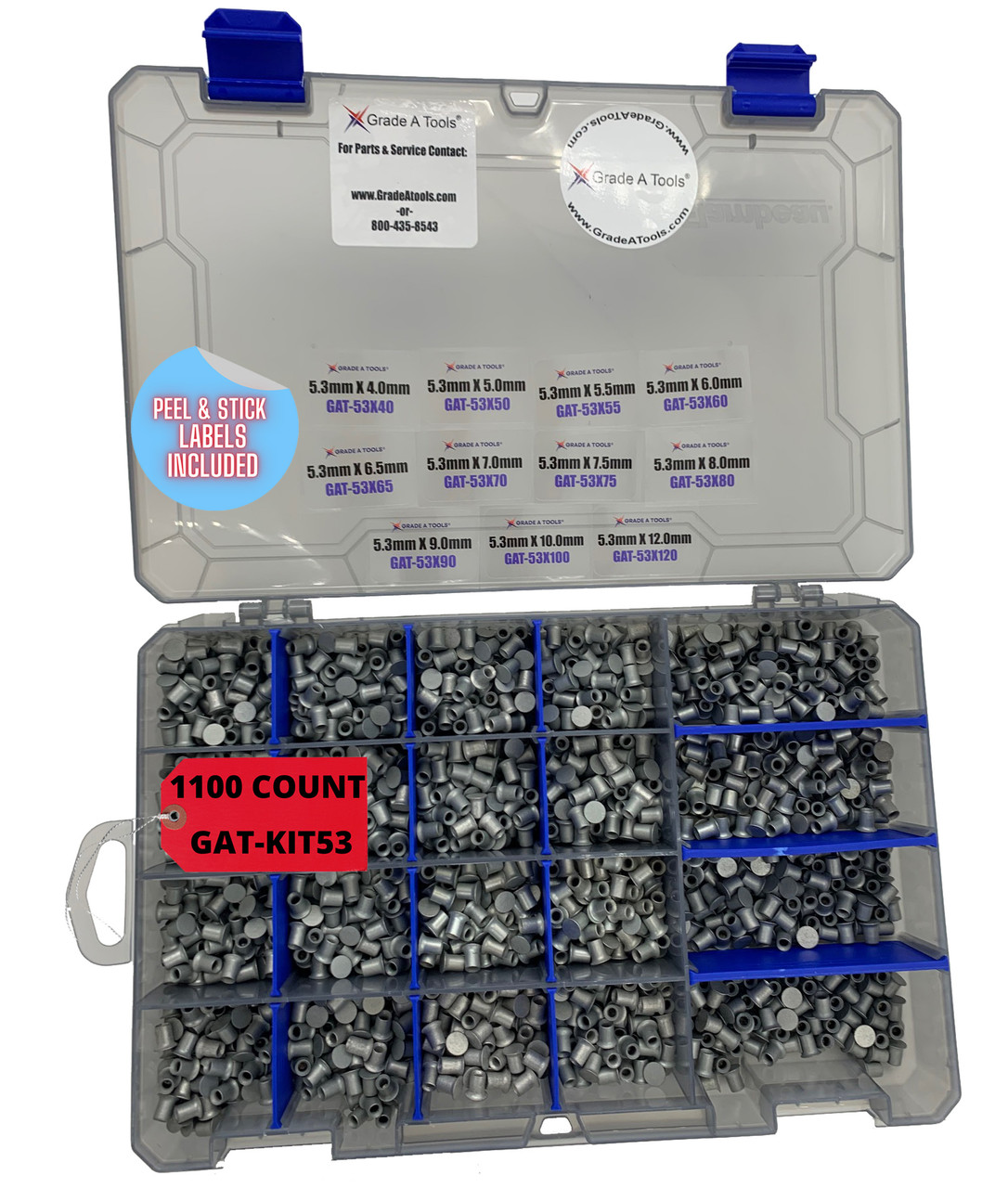
- When a Self-Piercing Rivet Tool Beats a Spot Welder
- Setup, Weld-Quality Checks, and Maintenance
- Requesting a Spot Weld Equipment Quote From KGM
- Frequently Asked Questions
Matching Spot Weld Equipment to Your Shop’s Work
Shops are increasingly replacing older gear with machines that hold tighter tolerances. The collision repair shop equipment requirements guide lays out the full picture.
This guide covers the resistance spot welding process, machine types, power and electrode requirements, safety, and maintenance, plus when a self-piercing rivet tool makes more sense for aluminum-intensive vehicles.
Choosing the wrong match can mean overspending on unused capacity or dealing with weak welds. Small operations planning purchases can use this repair equipment buying guide for small body shops.
How the Resistance Spot Welding Process Works
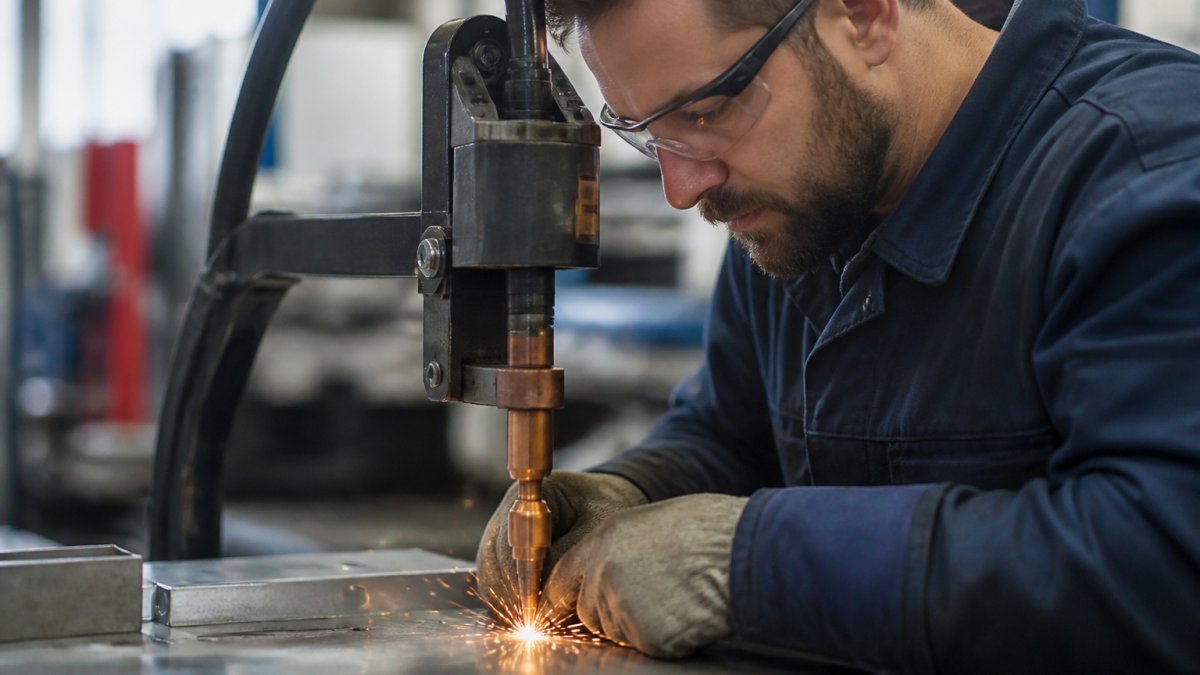
Resistance spot welding joins two overlapping metal sheets by passing a large current through them while clamping the joint between two copper electrodes. The resistance at the sheet interface generates heat, melting a small nugget of metal that fuses the panels together when the current stops.
The cycle runs in four stages: squeeze, weld, hold, and off. Squeeze builds electrode force before current flows; weld passes current for a set time, usually measured in cycles; hold keeps pressure on the cooling nugget; then the electrodes release.
Current, time, and electrode force decide weld quality, change one and the others shift. Precise control produces consistent nuggets; sloppy control produces spitting, stick welds, and panels that fail a peel test.
Types of Spot Weld Equipment: Stationary, Portable, and Battery
Three machine families cover most shop work, and each suits a different production pattern. Stationary units anchor to a bench or floor frame and handle high-volume panel work where the part comes to the machine. Portable and handheld welders travel to the vehicle. Battery-powered units cut the cord entirely for field and mobile repair.
Automatic machines lead the market because they deliver high output, quick weld cycle times, and lower welding costs, according to Credence Research market analysis. That advantage matters most in shops running steady collision volume where cycle time drives revenue.
| Machine Type | Best For | Typical Power Source | Portability | Duty Cycle Behavior |
|---|---|---|---|---|
| Stationary (pedestal/rocker-arm) | High-volume bench work, repeatable panel stacks | 220V single-phase shop circuit | Fixed | Continuous with water-cooled transformer |
| Portable/handheld | On-vehicle repairs, low-to-moderate volume | 110V or 220V | Carried by hand | Intermittent; needs cool-down between welds |
| Battery | Mobile and field repair, tab welding on battery packs | Lithium-ion battery | Fully cordless | Limited by battery and thermal capacity |
| Projection | Studs, fasteners, nuts, and multi-weld tooling | 220V shop circuit | Fixed or benched | Continuous with cooled tooling |
How to Choose Between Them
Work backward from the job, not the catalog. Four questions settle most of the decision:
- What material and thickness? Steel body panels in the 0.6 mm to 1.2 mm range suit handheld and stationary resistance welders. Aluminum closures and mixed-material joints change the calculation (see the rivet section below). Thicker stack-ups push you toward a stationary machine with more kVA and a water-cooled transformer.
- How many welds per day? A shop doing a handful of panels a day can live with a handheld unit’s cool-down periods. A production line running continuous welds needs a stationary machine that holds duty cycle.
- Where is the work? If the vehicle stays on the frame, a portable gun reaches door frames, rockers, and quarter panels. If panels come to a bench, a stationary rocker-arm machine is faster and more repeatable.
- What access does the joint allow? Electrode arm length and offset decide reach. A long, offset lower arm gets into tight spots a straight arm cannot. Match the arm to the panel geometry before you commit.
Portable and Handheld Spot Welders
Portable and handheld spot welders bring the electrode gun to the vehicle instead of moving the vehicle to a bench. Many run on a 110 V, 60 Hz circuit, so they can plug into standard shop outlets.
The trade-off is duty cycle: handheld units heat up faster and need cool-down periods between welds, fine for a handful of panels a day, but a production line running continuous welds needs a stationary machine with a water-cooled transformer.
Before you buy, weld a test coupon on the thickest stack-up your shop actually sees. A machine that passes on thin stock can still spit and stick on the heavy end of your range.
Projection Welding and Tooling
Projection welding is resistance welding with a twist: current concentrates at embossed dimples or shaped tooling, so several welds or a stud can be placed in one cycle. It suits fasteners, nuts, and studs rather than flat panel seams. Tooling, platens, electrodes, and fixtures, does the locating, so setup time is higher but per-weld time drops.
Equipment Comparison by Application
| Application | Best-Fit Family | Why |
|---|---|---|
| Collision body panel repair | Portable/handheld or stationary | Reach into frames; repeatable nuggets on steel |
| High-volume bench fabrication | Stationary rocker-arm | Duty cycle and cycle time |
| Studs and fasteners | Projection | Multiple welds or a stud per cycle |
| Battery pack tab welding | Battery | Short pulse, cordless, fine control |
| Field and mobile repair | Battery or portable | No dedicated service drop |
Power Supply, Electrodes, and Machine Capacity
Power supply, electrode condition, and rated capacity decide whether a machine can handle the metal in front of it.
Power Supply and Transformer Requirements
Resistance welders are rated in kVA, which tells you how much current the transformer can deliver at the electrodes. Thicker stack-ups or continuous production usually mean a 220 V single-phase circuit and a machine rated well above the handheld class, often with a water-cooled transformer to hold duty cycle. Readers sizing a machine can find guidance on the most reliable industrial welding power supplies for auto body shops.
Three practical checks before you wire a bay:
- Circuit capacity: Confirm the breaker and wire gauge match the machine’s nameplate draw, not just its kVA rating. A machine that trips a shared circuit mid-job is a downtime problem.
- Duty cycle: The percentage of a ten-minute period a machine can weld before cooling. Handheld units are intermittent; stationary water-cooled units run closer to continuous. Size duty cycle to your busiest hour, not your average day.
- Cooling: Water-cooled transformers and electrode holders shed heat faster than air-cooled designs, which keeps nuggets consistent late in the shift.
Electrodes and Electrode Arms
Contact face diameter controls current density, a dressed, flat face concentrates current; a mushroomed face spreads it and weakens the nugget.
Electrode arms come in different lengths and offsets. The lower arm and lower knee position the bottom electrode so the gun reaches door frames, rocker panels, and other tight spots. Swap arms to match the panel geometry, not the other way around.
Subscribe to our newsletter! →
Dress tips on a schedule, not when welds start looking bad. A mushroomed face is already producing inconsistent nuggets by the time it is visible on the panel.
Machine Capacity and Material Thickness
Machine capacity is rated in kVA and material thickness. Match capacity to the thickest stack-up your shop actually welds, then add a margin.
Current, time, and force move together. Raising current without adjusting force or time can cause spitting; lowering force without adjusting current can cause stick welds. The machine’s control should let you set all three independently and repeat the settings job to job.
Total Cost of Ownership
Purchase price is the smallest part of the number for a busy shop. The real cost is the sum of:
- Power: Circuit upgrades, dedicated drops, and yearly electricity draw.
- Cooling: Water lines, chillers, or air-cooled maintenance.
- Tooling and consumables: Electrode tips, arms, and dressing tools are recurring costs, and tip life depends on how well you dress and cool them.
A cheaper machine that eats tips and trips breakers can cost more over three years than a higher-rated unit that holds duty cycle. Price the whole system, not the box.
Spot Welding Safety Protocols Every Operator Should Follow
Spot welding safety comes down to four hazards: electrical shock, burns, fumes, and eye damage. Train every operator on all four before they touch a gun, and enforce the protocols on every shift.
- Electrical protection: Inspect cables and electrode holders for cracked insulation before each shift. Ground the machine properly and never weld with wet gloves or on a wet floor.
- Burn prevention: Wear leather gloves and a long-sleeve jacket. The nugget and surrounding metal stay hot for several seconds after the weld cycle ends.
- Eye protection: Safety glasses block spatter; a face shield adds protection during overhead work.
Lockout procedures apply when servicing electrodes or arms. Disconnect power before changing tips.
When a Self-Piercing Rivet Tool Beats a Spot Welder
A self-piercing rivet tool wins on aluminum and mixed-material joints where spot welding struggles.
Modern vehicles mix aluminum, high-strength steel, and composites in the same body structure. For a deeper comparison of alternatives to traditional steel welding for vehicles, see the full guide.
Watch out: rivets are not a universal substitute. Steel-to-steel joints still favor spot welding on cost and speed, and rivet placement needs access to both sides of the panel.
Setup, Weld-Quality Checks, and Maintenance
Setup starts with clean mating surfaces. Oil, coating, and mill scale raise resistance and produce inconsistent nuggets. Wipe the joint, set electrode force, and confirm current and time settings match the material thickness before the first weld.
Weld-quality checks catch problems before they reach the panel:
- Peel test: Weld a test coupon, peel it apart, and inspect the nugget. A proper nugget tears a button out of the sheet.
- Visual inspection: Look for spitting, surface discoloration, and electrode indentation depth.
- Destructive testing: Cut and etch a sample weld to measure nugget diameter on critical joints.
Maintenance keeps the machine in spec. If feed problems crop up during checks, this guide on how to fix common shop welder wire feed issues walks through the fixes.
Requesting a Spot Weld Equipment Quote From KGM
Picking the right spot weld equipment comes down to matching machine type, capacity, and electrode tooling to the work your bays actually see.
At KGM Equipment, we supply top-quality auto body and industrial machinery built for reliable performance on every job site. KGM Equipment offers lightweight and effective aluminum collision repair tools, and provides expert customer support.
Get started with KGM Equipment and build a welding setup that holds up to daily shop wear.
Frequently Asked Questions
What kind of welder is best for automotive spot welding?
For collision repair, a resistance spot welder sized to the thinnest sheet you weld is the practical choice: a portable unit suits light gauge panels, while stationary machines suit heavier production. Match machine capacity to material thickness rather than buying the largest unit, and confirm the lower arm and electrode reach fit the panels you actually repair.
What safety gear is required when operating spot weld equipment?
Spot welding safety protocols call for a welding helmet or face shield rated for the arc flash, safety glasses underneath, flame-resistant gloves, and long sleeves with no exposed skin. Keep fume extraction running, dry the floor around the machine, and inspect the power supply, switch, and ground connections before each shift. Lock out the machine before changing electrodes or servicing the transformer.
What maintenance is required for professional spot welding machines?
Dress or replace electrode tips as they mushroom, check cooling water flow and temperature daily, and inspect air lines and the foot pedal for leaks or sticking. Clean the lower arm and fixturing of spatter, verify cable connections at the transformer, and log weld-quality checks on scrap coupons weekly. Skipping tip maintenance raises resistance and produces weak welds that fail inspection.
How do you determine the correct pressure for spot weld equipment?
Set electrode force from the machine and electrode chart, then confirm it by testing on the same material thickness you weld in production. Too little pressure causes expulsion and surface marking; too much can dent thin panels. Run a peel or chisel test on a coupon, adjust force and pulse time together, and record the setting so every technician runs the same parameters.
Sizing spot weld equipment is not a guess-and-check exercise. It takes a clear read on your material mix, your volume, and the tooling your techs will actually use. Reach out to KGM Equipment for a quote on collision repair machinery and aluminum repair tools matched to your operation.

