

Table of Contents
- Core Collision Repair Equipment Every Shop Needs
- Welding Systems and How to Troubleshoot Industrial Welding Power Supplies
- Auto Body Shop Safety Standards OSHA Requires
- OEM Collision Repair Certification Requirements and Equipment Upgrades
- Equipment Maintenance Schedules That Prevent Downtime
- Budgeting and ROI for Collision Repair Equipment
- Conclusion: Building a Compliant, Productive Shop
- Frequently Asked Questions
Last Updated: September 15, 2026
Core Collision Repair Equipment Every Shop Needs
Setting up a collision repair shop equipment requirements list starts with the tools technicians touch every single day. This guide breaks down what you need, what it costs to maintain, and how to decide what to buy first.
The floor of any profitable shop rests on three categories: hand tools, lifting and structural equipment, and welding systems. Get those right, and everything else becomes an upgrade. Get them wrong, and you’ll be paying for it in comebacks and downtime.
Hand Tools and Pneumatic Essentials
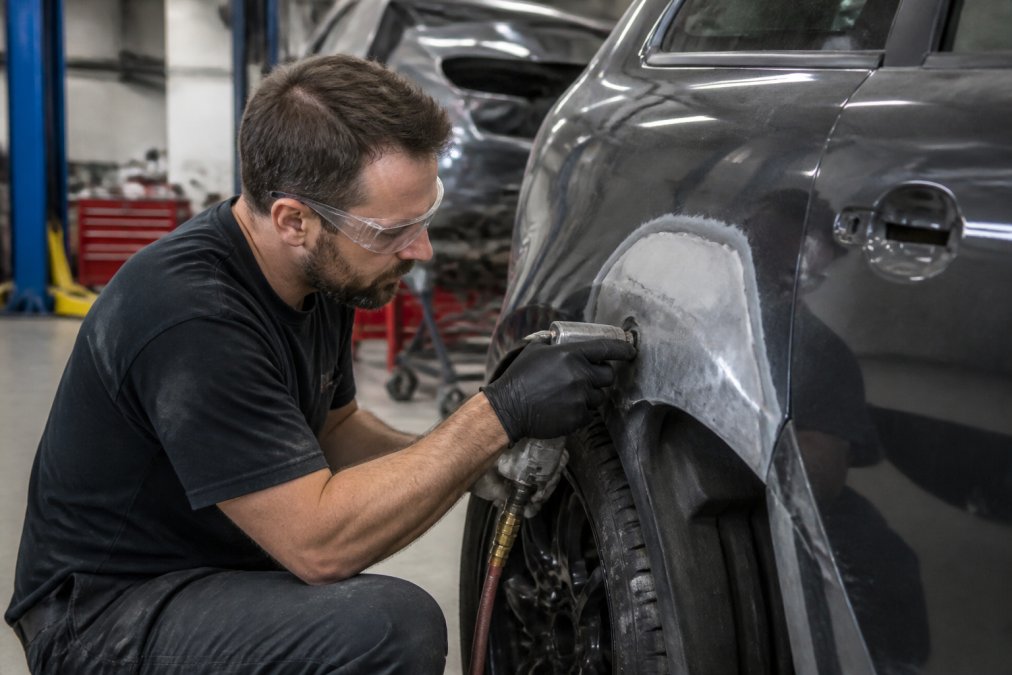
Hand tools and pneumatic essentials are the foundation of daily collision work, covering everything from a metric socket set to air-powered sanders and impact wrenches.
A complete setup typically includes:
- Metric socket and ratchet sets in 1/4″, 3/8″, and 1/2″ drive, plus specialty sockets for trim and body fasteners
- Body hammers and dollies in multiple profiles for metal finishing
- Pneumatic tools: impact wrenches, die grinders, air saws, and orbital sanders
- Dent pulling systems with glue-pull tabs and slide hammers for paintless and conventional repair
- Panel caddy or panel stands for safe handling during replacement
What most guides miss is the compressor sizing. A shop running multiple pneumatic tools at once needs enough CFM to keep pressure steady, or technicians lose time waiting on air. Size the air compressor to your busiest bay, not your average day.
Lifts, Frame Machines, and Structural Support
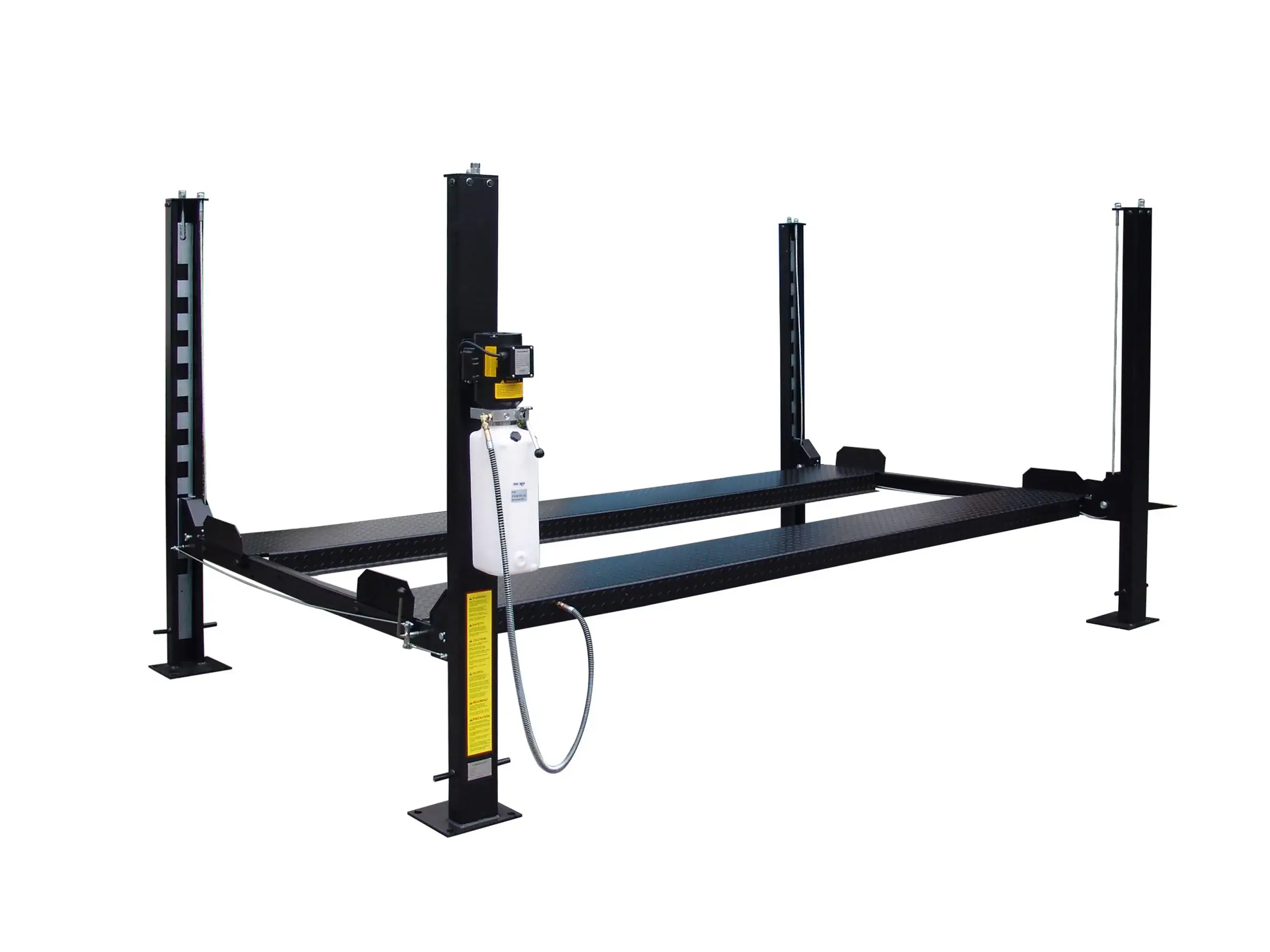
Automotive lifts and vehicle support equipment determine how safely and efficiently your team can access structural repair areas.
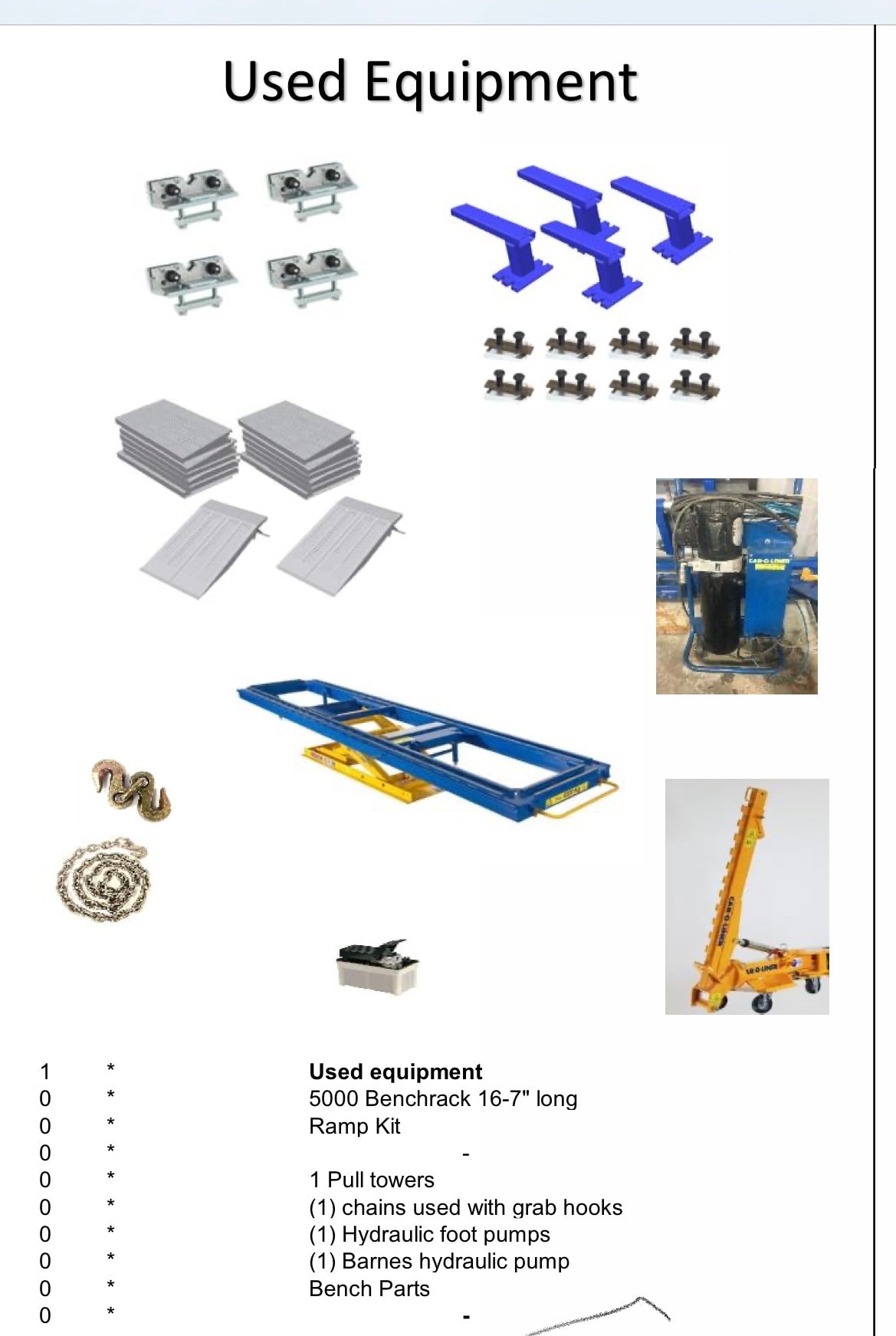
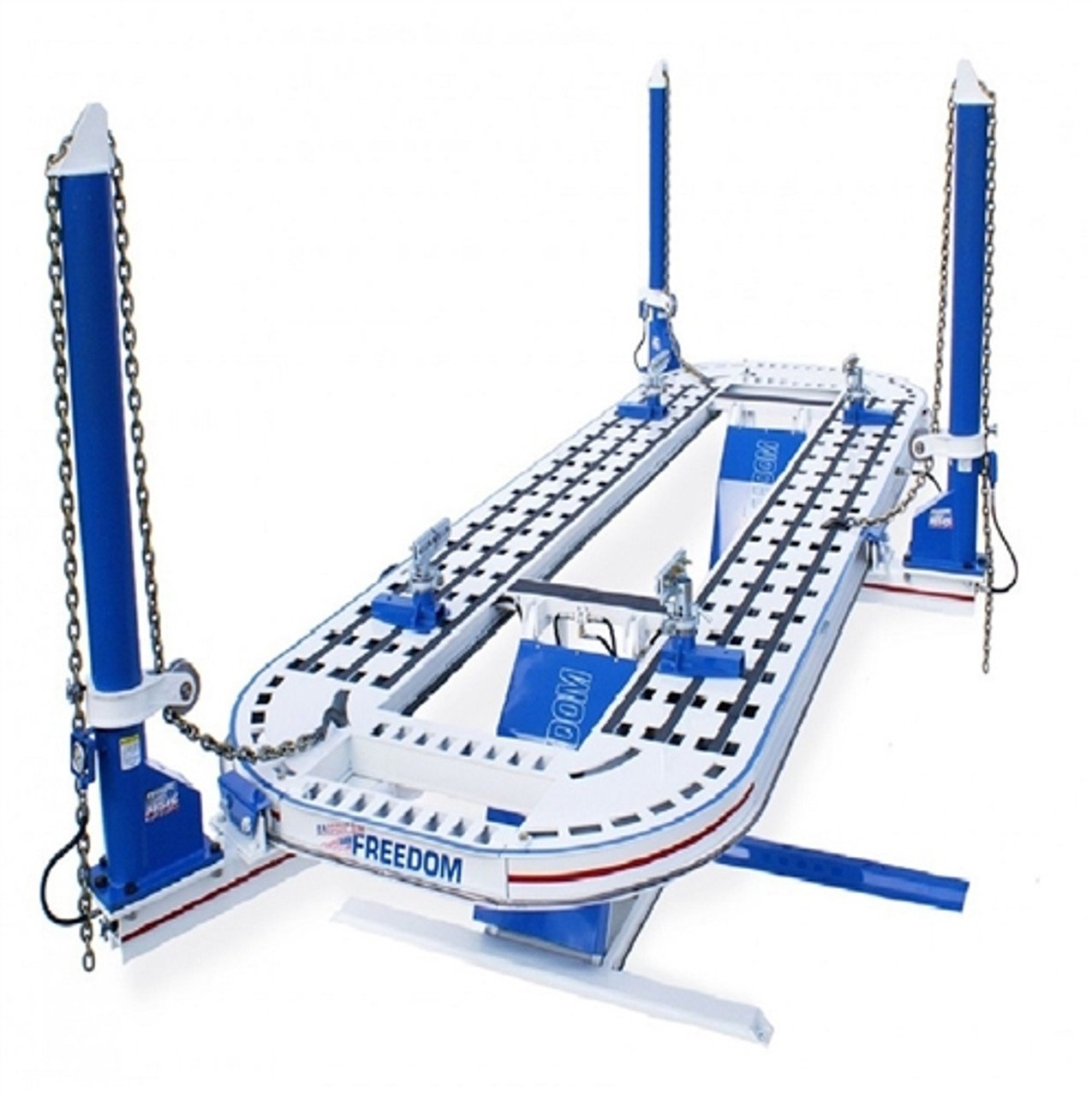
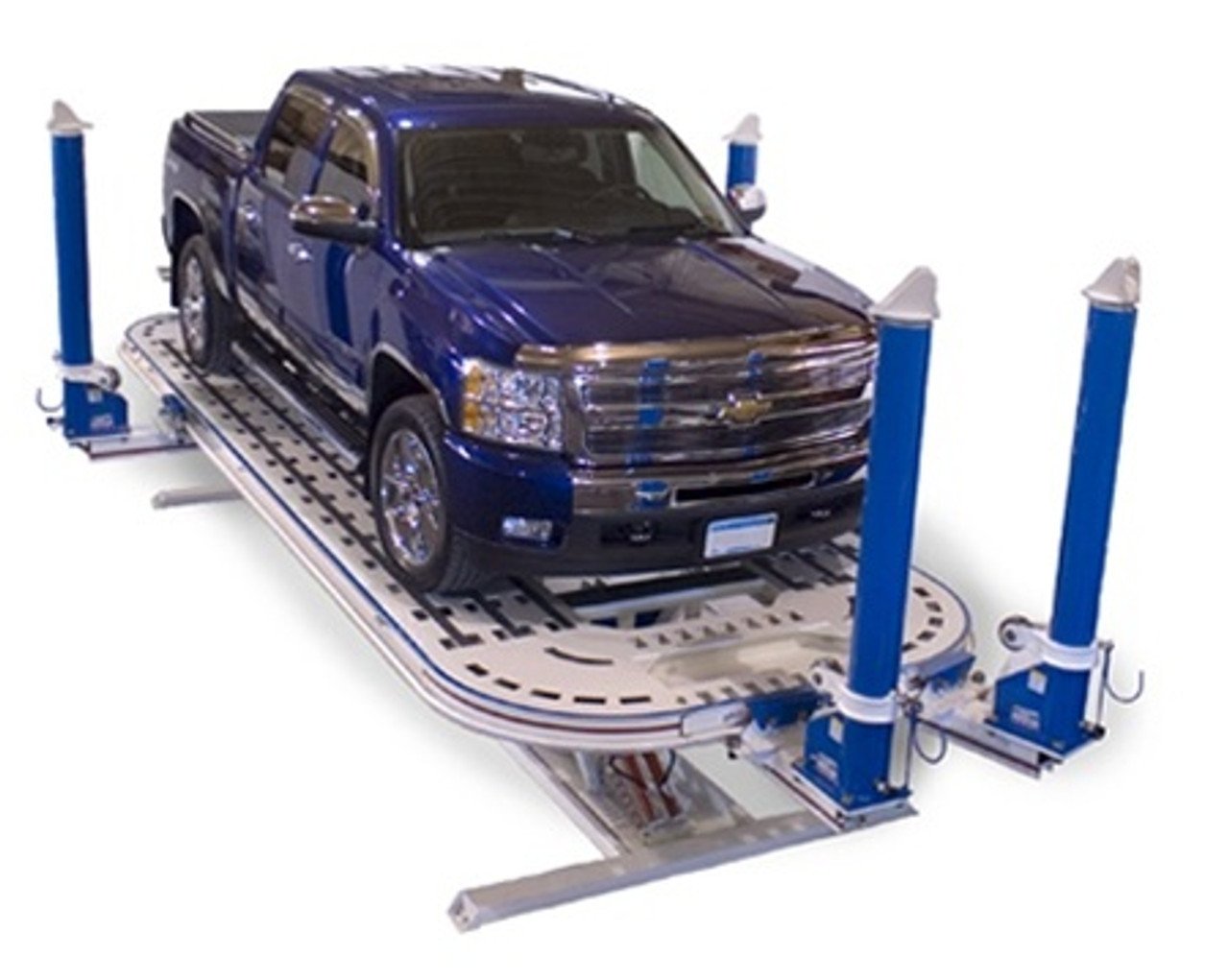
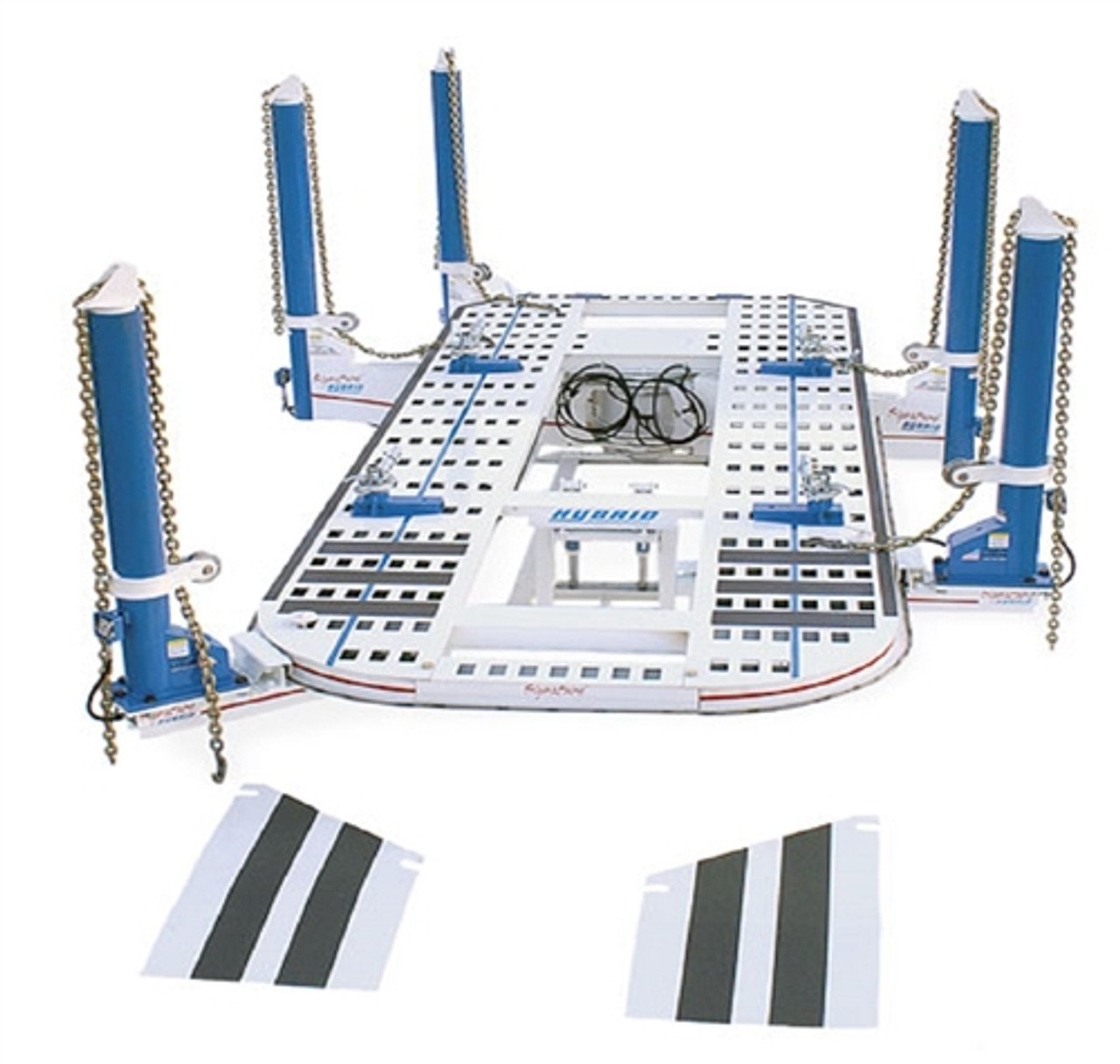
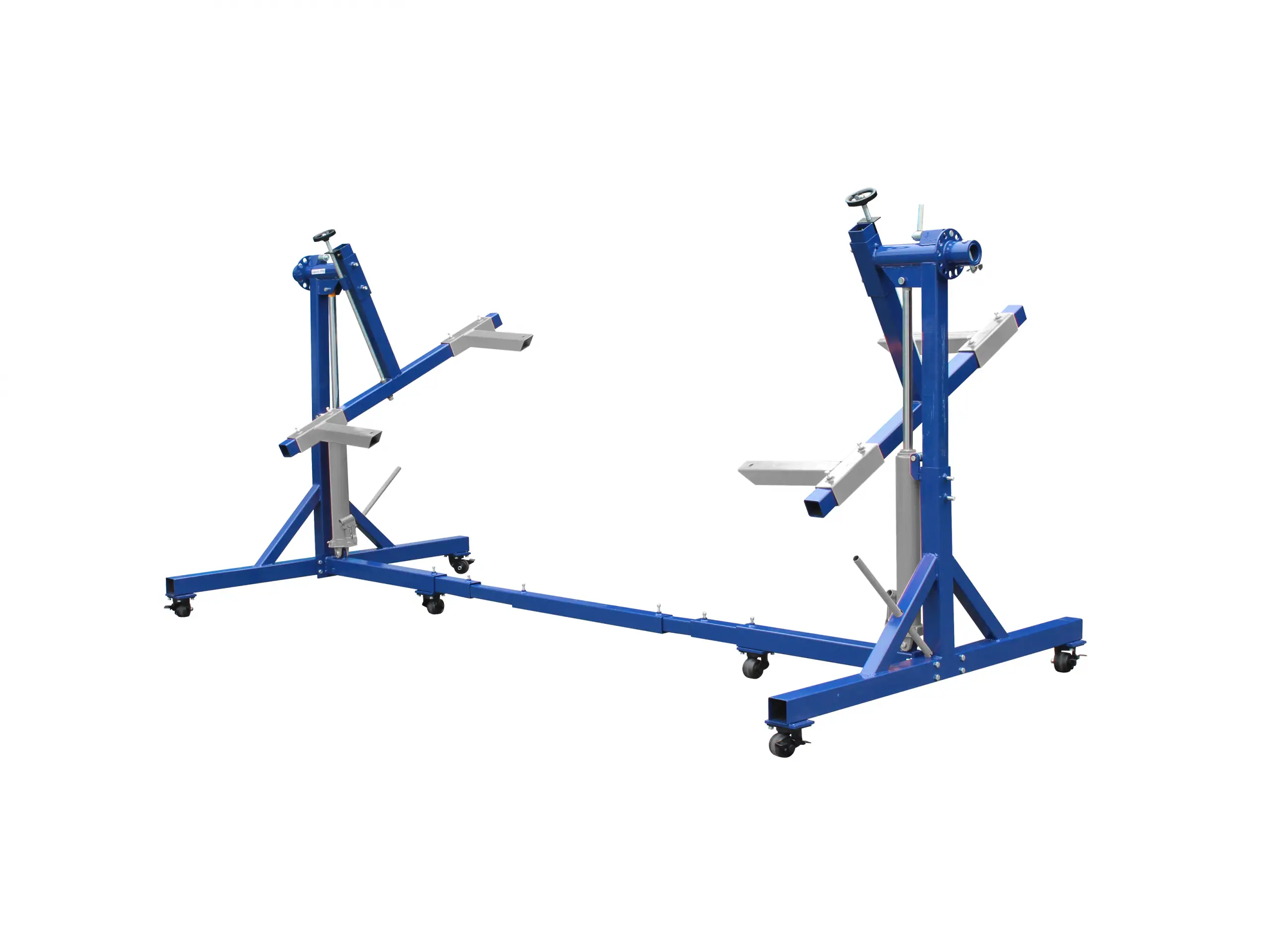
A two-post lift handles most unibody work, while four-post lifts suit alignment and heavier vehicles. For structural repair, a frame machine with a dedicated measuring system lets technicians pull damage back to factory specifications. Modern frame machines often pair with electronic measuring systems for accuracy that tape measures cannot match.
Vehicle alignment capability matters too. Even a basic alignment rack helps confirm structural repairs before the vehicle leaves the shop, reducing comebacks. If you’re a smaller operation, consider which lifts and frame equipment scale with your bay count rather than buying for a shop you don’t have yet.
Welding Systems and How to Troubleshoot Industrial Welding Power Supplies
Learning how to troubleshoot industrial welding power supplies protects your shop from the single most expensive downtime category in collision work. When a welder goes down mid-repair, the whole bay stalls.
Start troubleshooting with the basics:
- Check input power first. A tripped breaker or loose connection causes more “dead welder” calls than any internal fault.
- Inspect the ground clamp and leads. Poor contact produces erratic arcs that mimic a failing power supply.
- Review duty cycle. Pushing a machine past its rated duty cycle triggers thermal shutdown, which resets once the unit cools.
- Check wire feed and gas flow on MIG units before assuming the power supply itself failed.
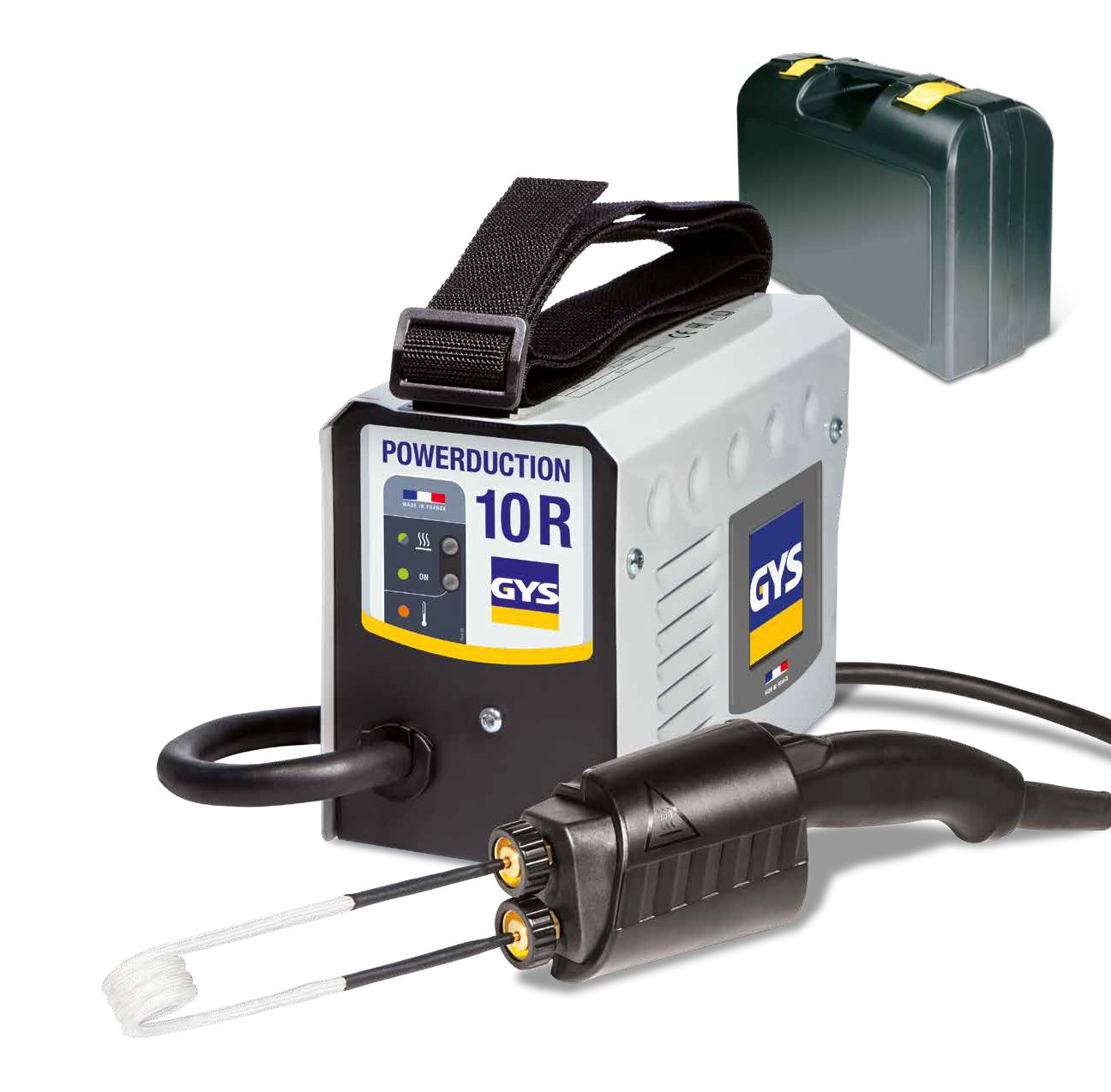
For aluminum work, a spool gun or push-pull setup paired with the right power supply makes the difference between clean welds and constant frustration. KGM Equipment offers specialized collision repair solutions, including lightweight and effective aluminum repair tools, ensuring technicians achieve superior results with confidence.
Keep a spare set of leads, a ground clamp, and a torch liner on the shelf. These cheap parts cause a disproportionate share of welding downtime, and swapping one takes minutes versus waiting on a service call.
Auto Body Shop Safety Standards OSHA Requires
Auto body shop safety standards OSHA requires cover respiratory protection, hazard communication, machine guarding, and electrical safety. Compliance is not optional, and inspectors do not care that you were busy.
Key requirements to build into daily operations:
- Respirator fit testing and a written respiratory protection program for anyone spraying paint or working with isocyanates
- Hazard communication training and accessible safety data sheets for every chemical in the shop
- Eye and face protection for grinding, cutting, and welding tasks
- PPE including gloves, hearing protection, and welding helmets rated for the process
- Machine guarding on rotating equipment and proper lockout procedures for maintenance
The OSHA respiratory protection standard spells out fit testing frequency and program requirements. Document everything. A written program that nobody follows fails an inspection just as fast as no program at all.
Skipping respirator fit testing is one of the most common citations in body shops. Beyond the fine, technicians exposed to isocyanate paints face serious long-term health risk, and a single incident can shut your paint operation down.
OEM Collision Repair Certification Requirements and Equipment Upgrades
OEM collision repair certification requirements vary by manufacturer, but most demand proof of specific equipment, training, and facility standards before a shop can be listed in their network. This is the section most generic guides skip, and it is where the real barrier to entry lives. Below is how the major certification programs differ and what equipment each one forces you to own.
What Nearly Every OEM Program Requires
Regardless of brand, certified programs tend to converge on a common baseline:
- Welding certifications for the materials you repair, including steel and aluminum, with documented technician credentials
- Squeeze-type resistance spot welding (STRSW) capability for modern unibody construction, since many OEM repair procedures specify squeeze-type welds over MIG plug welds
- MIG brazing capability for high-strength steel and boron components where heat input must stay low
- ADAS calibration equipment and a dedicated, level, controlled calibration space
- Electronic estimating systems integrated with insurer and OEM workflows
- Documented repair procedures and technician training records tied to each brand’s repair information portal
How the Major Programs Differ
The specific equipment list shifts by manufacturer, and the differences are where shops get surprised:
- Aluminum-intensive programs require a dedicated aluminum repair area, separate tooling to prevent cross-contamination with steel, and often a dedicated aluminum MIG or spool gun setup. Mixing steel and aluminum tools in one bay is a common disqualifier.
- Programs built around high-strength and ultra-high-strength steel push toward MIG brazing equipment and squeeze-type resistance welders with the right electrode tips, plus sectioning tools that avoid heat-affected zone damage.
- Brands with advanced driver assistance suites require OEM-specific calibration targets, software subscriptions that stay current with each model year, and a floor that meets the brand’s levelness and lighting specification. A generic aftermarket target set may not satisfy the audit.
- Some programs require a dedicated structural bay with a frame rack capable of documented measuring, while others accept a shared bay if the equipment list is met.
Because these requirements change with each model year and each program update, the only reliable source is the manufacturer’s current certification requirements document.
The Equipment Gap Between General and Certified Shops
A Practical Path to Certification
Certification audits check documentation, not just equipment. Missing training records or an expired calibration software subscription can fail an audit even when the hardware is correct. Assign one person to own certification compliance the same way you would own a maintenance schedule.
Equipment Maintenance Schedules That Prevent Downtime
| Equipment | Maintenance Task | Frequency |
|---|---|---|
| Air compressor | Drain moisture, check belts and filters | Weekly |
| Frame machine | Inspect chains, cables, and hydraulics | Monthly |
| Welding power supplies | Clean contacts, check leads and liners | Monthly |
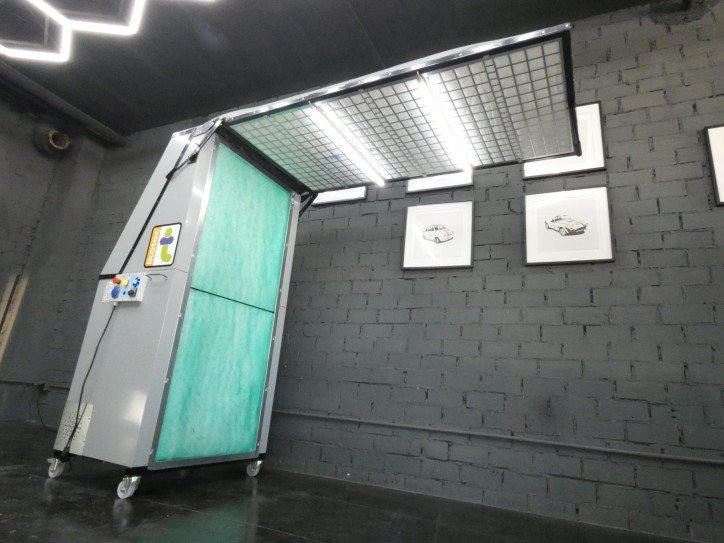
| Spray booth | Replace filters, inspect seals | Per booth hours |
| Lifts | Inspect cables, locks, and hydraulics | Monthly, annual certification |
| ADAS calibration targets | Verify level and target condition | Before each calibration |
The shops with the least downtime are not the ones with the newest equipment. They are the ones with a written maintenance schedule and a technician who actually owns it.
Budgeting and ROI for Collision Repair Equipment
A practical approach to ROI:
Conclusion: Building a Compliant, Productive Shop
Frequently Asked Questions
What equipment is essential for a modern collision repair facility?
A modern shop needs a frame machine, MIG welder for steel and aluminum, paint booth, vehicle lifts, ADAS calibration tools, and a diagnostic scan tool. Hand tools like a metric socket set and body hammer are also required. Safety gear including respirators and PPE must meet OSHA standards. Shops pursuing OEM certification may need additional equipment such as aluminum-specific dent pulling systems and spot welders.
How do OEM certification requirements influence shop equipment needs?
OEM collision repair certification requirements often dictate specific equipment brands and capabilities. For example, aluminum-intensive vehicles may require dedicated aluminum welding systems, separate tool sets to prevent cross-contamination, and ADAS calibration targets. Shops must document equipment maintenance and technician training. Meeting these requirements ensures warranty-approved repairs and can expand your shop’s referral network.
What are the primary safety requirements for auto body shop machinery?
Auto body shop safety standards OSHA enforces include machine guarding, lockout/tagout procedures, respirator fit testing, and proper ventilation for paint and welding fumes. Lifts must be ALI certified and inspected regularly. Electrical system testers and leak detectors help identify hazards. Training records and safety protocols must be kept current to avoid citations and protect technicians.
How do you troubleshoot industrial welding power supplies in a collision shop?
Start by checking input power and connections, then inspect the torch and ground clamp for damage. Review the duty cycle; if the machine overheated, let it cool and reduce amperage. Test with a multimeter to confirm voltage output. If the wire feeder jams, clean or replace the liner. For recurring faults, consult the manual or call technical support. Regular maintenance prevents most power supply issues.
What is the difference between general auto repair and collision repair equipment?
General auto repair focuses on mechanical and electrical systems, using lifts, diagnostic scan tools, and hand tools. Collision repair equipment is specialized for structural damage: frame machines, welding systems, dent pulling tools, and paint booths. Collision shops also need ADAS calibration equipment and aluminum repair tools. The two overlap in basic hand tools and lifts, but collision work demands heavier machinery and stricter safety compliance.
Building a compliant, productive shop takes the right partner as much as the right tools. KGM Equipment supplies durable auto body and industrial machinery, specialized collision repair tools, and lightweight aluminum repair equipment backed by responsive technical support. Whether you run five bays or fifty, our team helps you spec equipment that scales with your operation. Subscribe to our newsletter to get equipment guidance and shop management tips delivered straight to your inbox.

