

Table of Contents
- Why Body Shops Are Searching for a Shopsolidus Alternative for Collision Repair
- Top Collision Repair Shop Management Software Alternatives
- Software Feature Comparison: What Each Platform Actually Covers
- Migrating from Legacy Systems: What to Expect
- Best Aluminum Repair Tools for Body Shops
- How to Choose Auto Body Repair Tools That Match Your Shop
- ROI of Upgrading Your Collision Repair Equipment and Software
- Conclusion
Last Updated: August 30, 2026
Body shops searching for a shopsolidus alternative for collision repair are deciding whether their entire digital workflow, estimating process, and equipment stack can carry them through an industry consolidating fast and demanding more from every repair bay. At KGM Equipment, we work closely with collision repair professionals across the country, and frustration with legacy platforms comes up constantly. The shops that pull ahead run tighter cycles, better documentation, and the right physical tools to back up whatever software sits on the front desk.
Below, we break down the top software alternatives, what each platform covers, how to migrate away from legacy systems, and how your physical equipment choices tie directly into profitability.
Why Body Shops Are Searching for a Shopsolidus Alternative for Collision Repair
The collision repair industry is under real pressure. Private equity consolidation has accelerated across the sector, with large multi-shop operators absorbing independent facilities at a pace that changes the competitive landscape. I-CAR’s industry training and standards resources documents how repair complexity has grown alongside this consolidation, with OEM repair procedures becoming more demanding and structural integrity requirements tightening.
For smaller shops, the problem with legacy platforms is that they were built for a different era, before aluminum-intensive vehicles became the norm, before insurers required digital documentation at every stage, and before customer communication expectations shifted toward real-time updates.
A genuine shopsolidus alternative needs to address several failure points: estimating accuracy tied to current OEM repair procedures, digital workflow that reduces cycle time, insurance DRP compatibility without sacrificing shop efficiency, customer communication tools that reduce phone traffic, and parts procurement integration that speeds up repair order management.
Top Collision Repair Shop Management Software Alternatives
CCC ONE Total Repair Platform
CCC ONE is the closest thing to an industry standard in collision repair. Its integration with insurance direct repair programs runs deeper than most competing platforms, which matters enormously for shops where DRP volume drives revenue. AI-powered estimating tools pre-populate estimate lines based on vehicle data, reducing time spent building repair orders from scratch.
The platform covers repair order management, parts management, labor management, and scheduling within a single interface. Its mobile application supports digital checklists and customer communication, reducing back-and-forth that inflates cycle time.
CCC ONE’s pricing requires direct vendor conversation, and the breadth of features means new users face a real training curve. For shops coming from simpler legacy systems, onboarding should be budgeted carefully. For shops prioritizing insurance factory relationships and supplemental claims processing, CCC ONE is the platform most insurers are already configured to work with.
Best for: Shops of any size where DRP volume is the primary revenue driver and insurance integration is non-negotiable.
Mitchell Cloud Estimating
Mitchell Cloud Estimating focuses on the estimating process itself with OEM procedure depth that’s hard to to match. VIN scanning or photo integration speeds up the initial appraisal, and the cloud-based architecture means estimators can work from anywhere on any web-enabled device.
The Refinish Materials Calculator is a feature independent shops consistently undervalue until they use it. Precise calculation of refinishing material costs reduces the gap between estimated and actual job costs, compounding into meaningful profitability metrics over a quarter.

Mitchell’s projected scenarios feature forecasts potential extra costs not visible during initial estimates, reducing supplemental claims frequency and friction with insurance partners.
Best for: Independent appraisers, shops prioritizing OEM repair procedure compliance, and facilities where estimating accuracy directly affects insurance relationships.
Shop-Ware
Shop-Ware’s Digital Vehicle Experience shares photos, videos, and notes with customers in real time, driving significantly higher work approval rates. Customers who can see what’s wrong approve more work, faster.
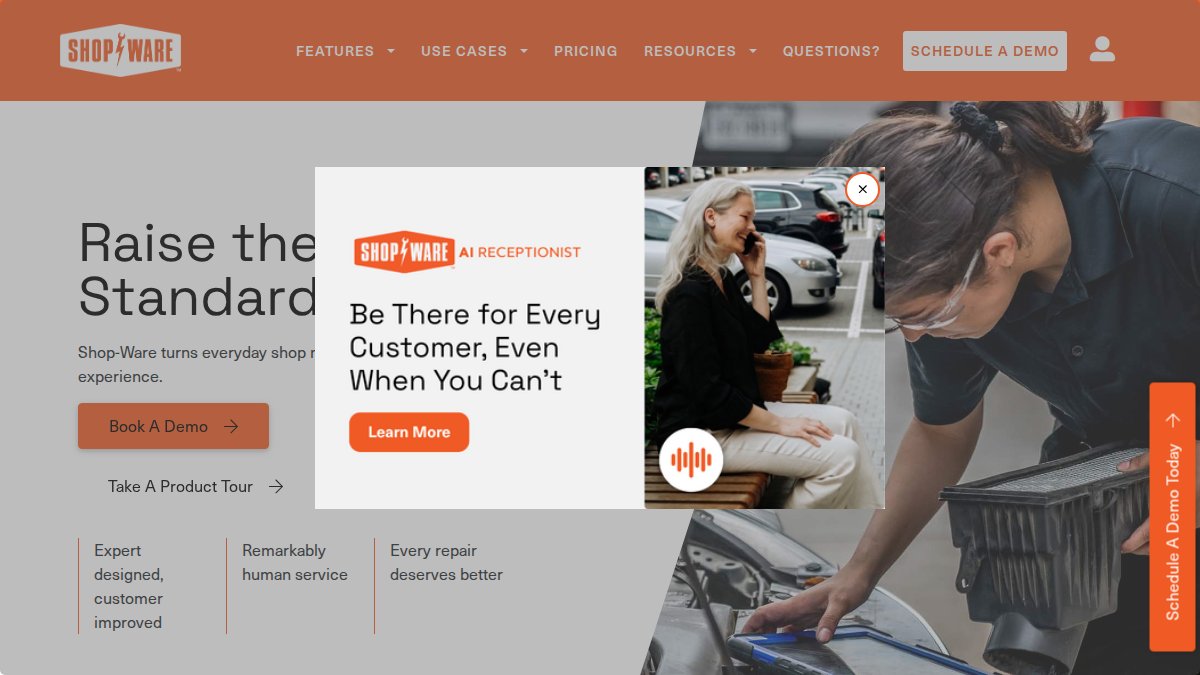
The AI Parts Matrix adjusts parts pricing automatically to maintain gross profit targets, removing manual calculations most service advisors handle inconsistently. Unlimited two-way texting is included across all plans, with a starting price of $249/month and unlimited users.
Shop-Ware doesn’t offer self-serve free trials, only guided demos, and there are additional fees for data migration and QuickBooks integration. For shops moving off legacy systems, migration costs need to be factored into ROI upfront.
Best for: Service-advisor-driven independent shops prioritizing customer communication and digital vehicle inspections over deep insurance integration.
Web-Est
Web-Est positions itself as the cost-effective alternative to major estimating platforms. It uses the Mitchell Database for collision information, giving it credibility with insurers. The Pro-Advisor AI tool pre-populates parts line items, and unlimited imaging ensures estimates are thoroughly documented.
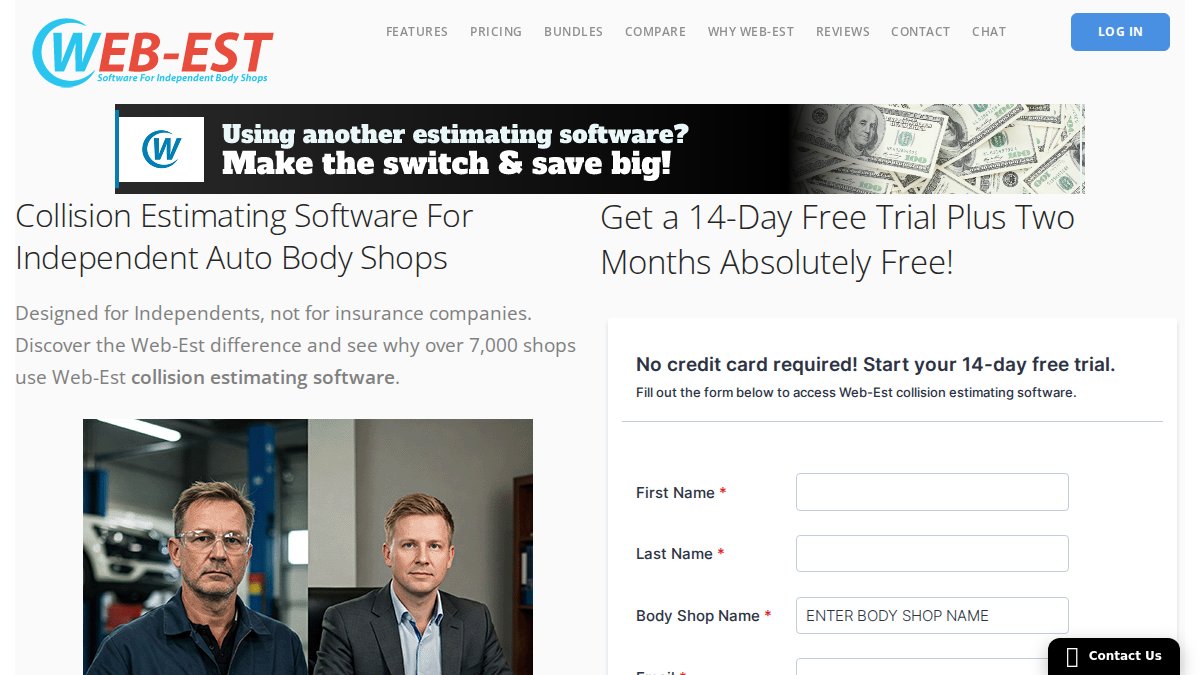
The multiple rate profiles feature is practical for shops serving mixed customer types: walk-in retail, fleet accounts, wholesale, and non-taxable clients can each have distinct pricing structures without manual adjustments on every estimate.
Web-Est lacks the integration depth of CCC ONE or Mitchell, which can create friction on DRP work. For shops where cash-pay repairs and fleet accounts represent significant revenue, that limitation matters less.
Best for: Independent body shops and budget-conscious operators needing solid AI-assisted estimating without major platform costs.
Software Feature Comparison: What Each Platform Actually Covers
Choosing a shopsolidus alternative means comparing platforms against the specific workflow gaps your shop actually has.
| Platform | Primary Strength | Insurance Integration | Starting Price | Best For |
|---|---|---|---|---|
| CCC ONE | Full shop management + DRP | Deep, industry-standard | Contact for quote | DRP-heavy shops, all sizes |
| Mitchell Cloud | OEM procedure accuracy | Strong | Contact for quote | Estimating accuracy, OEM compliance |
| Shop-Ware | Customer communication + DVX | Moderate | $249/month | Independent shops, service-advisor focus |
| Web-Est | Cost-effective estimating | Moderate (Mitchell DB) | Contact for quote | Budget-conscious independents |
Platforms dominating insurance factory relationships are built for shops where insurer approval speed drives cycle time. Platforms built around customer communication are built for shops where customer approval speed is the bottleneck. That distinction matters more than any individual feature comparison.
Subscribe to our newsletter! →
Before requesting demos, map your current cycle time breakdown: what percentage of delays come from estimating, insurer approval, customer approval, parts procurement, and technician productivity? That map tells you which platform type solves your problem.
Migrating from Legacy Systems: What to Expect
Migration from a legacy platform is where most shops underestimate cost and timeline. The software decision is easy; operational disruption is the real variable.
A practical migration plan covers four phases: (1) Data audit, identify what historical data you need versus what can be archived; (2) Parallel operation, run the new system alongside the legacy platform for two to four weeks on new repair orders only; (3) Staff training by role, service advisors, estimators, and technicians interact with software differently; (4) Integration verification, confirm insurance DRP connections, parts supplier feeds, and accounting software links are live and accurate.
The biggest mistake is treating migration as a one-day cutover. Phased transitions consistently outperform hard cutovers for operational continuity.
Do not migrate during your shop’s busiest season. A botched migration during peak volume can set cycle times back by weeks and damage insurance partner relationships.
Best Aluminum Repair Tools for Body Shops
Aluminum repair is where the gap between software capability and physical equipment capability becomes most visible. A shop can have flawless digital workflow and still lose money on aluminum-intensive vehicles without matched physical tools.
Aluminum repair tools fall into three functional categories: dent removal systems, welding equipment, and dedicated work surfaces. Each has distinct requirements for aluminum versus steel.
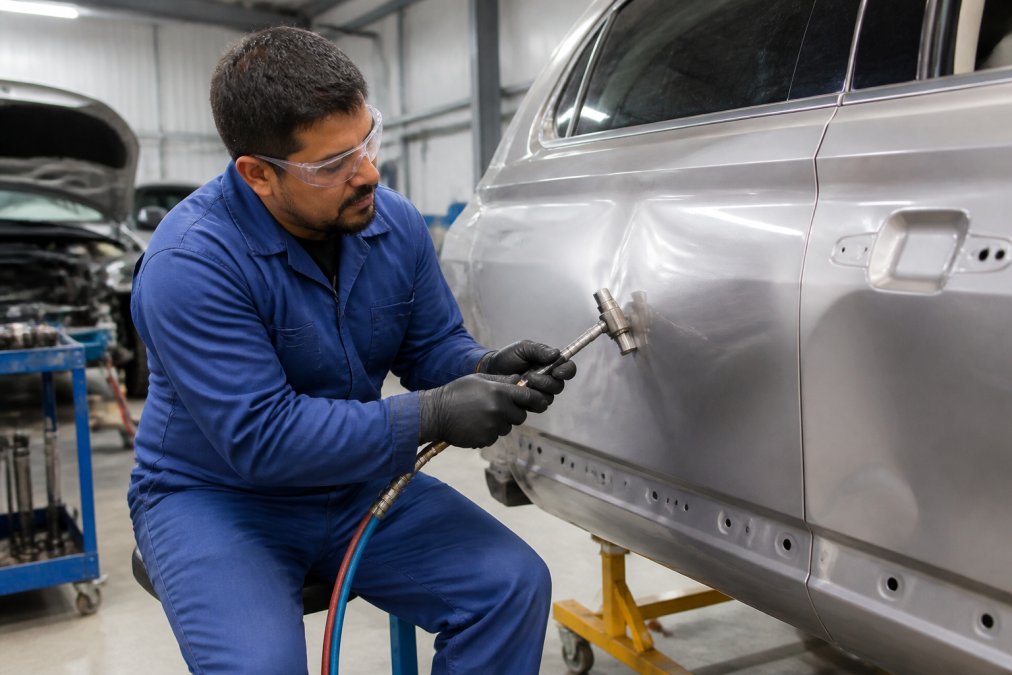
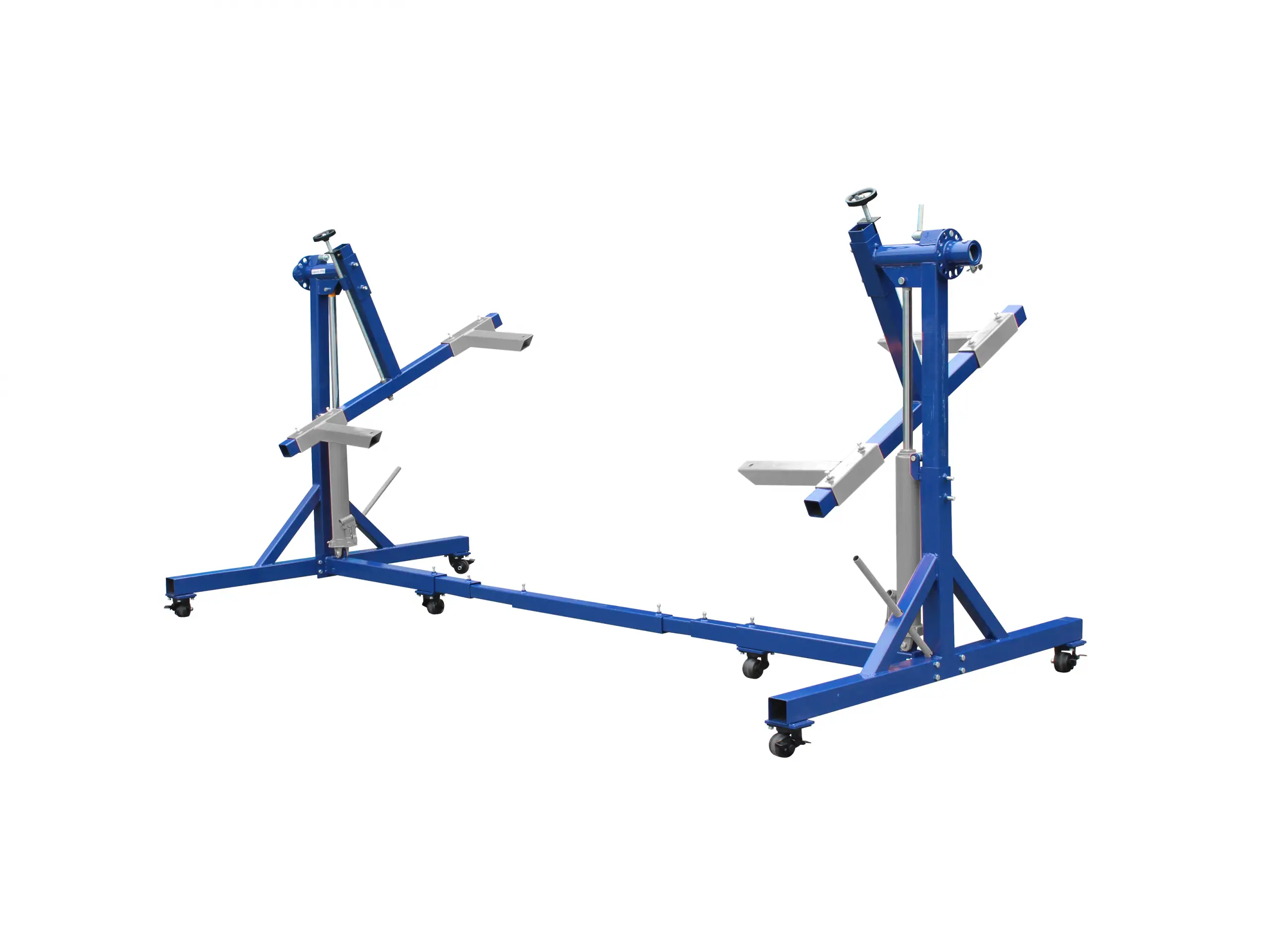
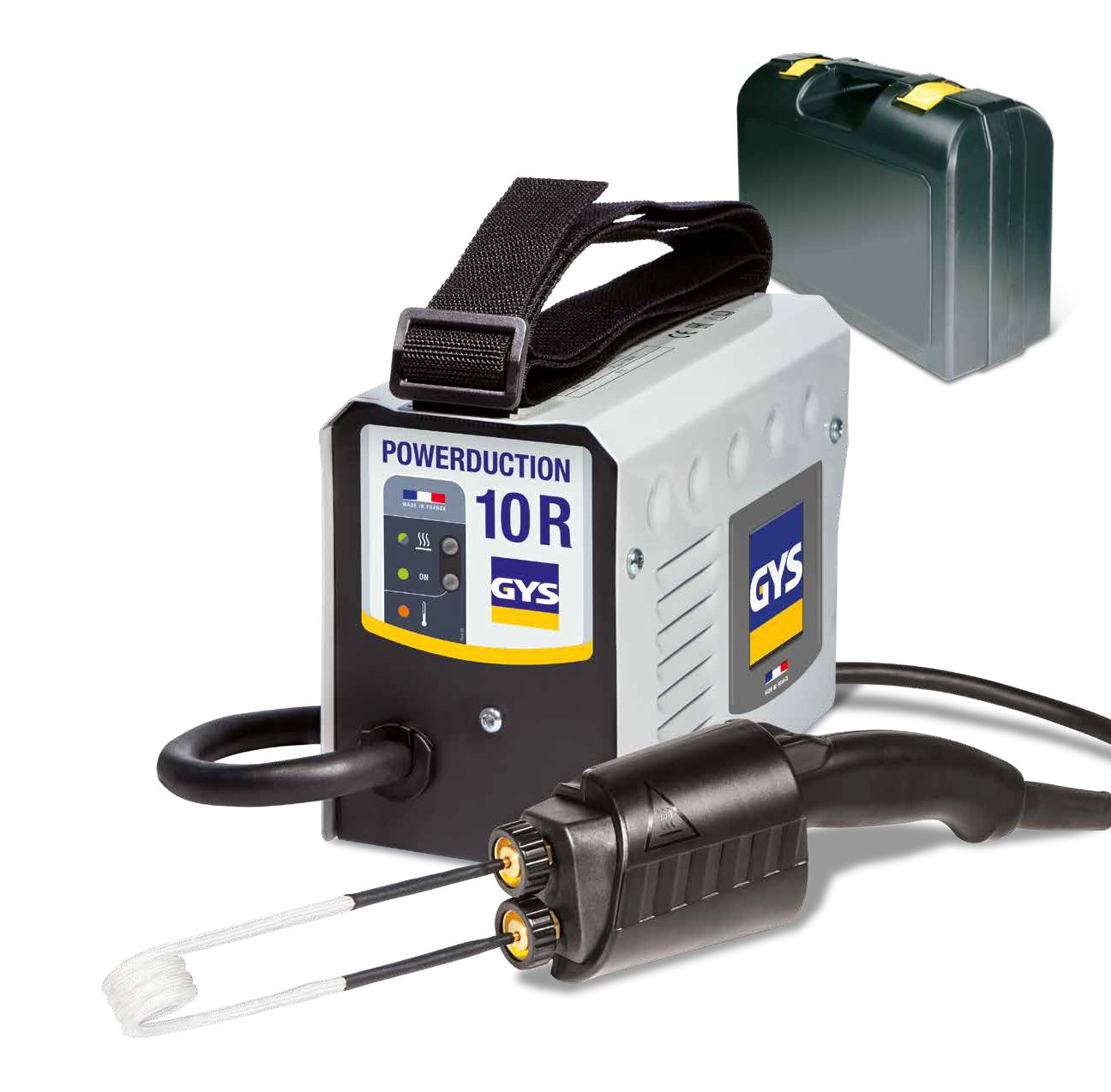
Core tools every aluminum-capable shop needs include aluminum stud welding systems that operate at lower amperage settings than steel equivalents, dedicated aluminum hammer and dolly sets to prevent galvanic corrosion, aluminum-specific pulling systems for structural repairs, and dedicated work surfaces that prevent steel particle contamination.
KGM Equipment specializes in lightweight and effective aluminum collision repair tools designed for shops handling both traditional steel work and modern aluminum-intensive vehicles. As the Aluminum Association’s automotive resources documents, aluminum’s use in vehicle body structures has grown substantially, making aluminum repair capability a baseline expectation rather than a specialty service.
Aluminum repair tools are not interchangeable with steel tools. Contamination between materials causes long-term corrosion issues resulting in warranty claims and reputation damage. Invest in dedicated aluminum sets from the start.
How to Choose Auto Body Repair Tools That Match Your Shop
How to choose auto body repair tools starts with an honest assessment of your current job mix, not a wish list of capabilities.

The right framework for evaluating auto body repair tools runs through five criteria:
| Criteria | What to Assess | Why It Matters |
|---|---|---|
| Job mix | Steel vs. aluminum ratio | Determines tool material compatibility requirements |
| Bay count | 1-5 bays vs. 6+ | Affects quantity and portability requirements |
| Technician skill level | Entry vs. master tech | Influences complexity of tool systems appropriate |
| Cycle time targets | Current vs. target cycle time | Identifies where equipment is the bottleneck |
| Budget structure | Capex vs. ongoing costs | Affects buy vs. lease vs. finance decision |
A common mistake is buying tools based on vehicles you want to work on rather than vehicles currently coming through the door. A five-bay shop doing mostly steel work doesn’t need a full aluminum repair system immediately.
For shops scaling from five bays or fewer, the priority is durability and versatility. Equipment that handles daily wear without downtime is worth more than specialized tools that sit idle between aluminum jobs. The total cost of ownership calculation changes dramatically when you factor in technician productivity lost to equipment downtime.
ROI of Upgrading Your Collision Repair Equipment and Software
The ROI analysis of upgrading collision repair management tools needs to account for both software and physical equipment sides, because they interact.
A shop upgrading to a modern estimating platform but keeping outdated physical tools will see partial gains. Digital workflow improves, but technician productivity stays flat. The reverse is equally true: excellent physical equipment with poor repair order management loses time in administrative friction.
The clearest ROI signals to track after any upgrade: cycle time per repair order, supplement frequency, customer approval speed, parts procurement lead time, and technician productive hours per day.
According to ASA’s collision division industry resources, cycle time reduction is consistently the highest-use variable in collision repair profitability. A one-day reduction in average cycle time can translate into meaningful additional repair orders completed per month.
Break-even timeline on software upgrades varies by shop size and current inefficiency level. Shops with significant administrative friction tend to see faster payback periods. For physical equipment, durable tools that minimize downtime are the foundation of any ROI calculation.
Track cycle time before any upgrade for at least 30 days. Without a baseline measurement, you cannot calculate ROI accurately.
Choosing the right shopsolidus alternative for collision repair is a decision that touches software, equipment, and operational workflow simultaneously. The shops that get it right treat it as a systems upgrade, not a software swap. KGM Equipment provides the physical side of that equation: durable aluminum repair tools, specialized collision repair equipment, and expert customer support. Explore our full range of collision repair tools and subscribe to our newsletter for equipment guides, shop efficiency resources, and new product updates.
Frequently Asked Questions
What features should I look for in a collision repair equipment vendor?
Focus on vendors who offer equipment that handles both steel and aluminum repairs. Check whether they provide responsive technical support, not just at the point of sale but after delivery. Durability documentation, parts availability, and whether consumables can be sourced independently are also worth verifying before committing. A vendor who disappears after the invoice is a liability for any active repair facility.
How do I choose between different auto body repair tool brands?
Start by matching the tool to your most common repair types, high aluminum volume shops have different needs than shops still running mostly steel work. Compare cycle time impact, not just upfront specs. Ask vendors for real-world performance data from shops similar in size to yours. Also factor in training requirements: a tool that cuts cycle time but takes three weeks to learn correctly may not deliver faster throughput in the short term.
How does equipment quality impact collision repair cycle times?
Low-quality or mismatched collision repair tools slow every stage of the workflow. Technicians compensate for equipment limitations with extra steps, rework, or workarounds that add hours to each repair order. Quality tools built for the specific repair type, whether paintless dent repair, frame straightening, or aluminum welding, reduce rework rates and help shops move vehicles through bays faster, which directly affects profitability metrics and customer throughput.
Is it time to upgrade my collision repair shop equipment?
If your current equipment regularly causes rework, can't handle aluminum panels on modern vehicles, or requires technicians to use workarounds on standard jobs, an upgrade is overdue. Industry consolidation and private equity pressure on repair facilities have raised the baseline for shop efficiency. Shops still running outdated tools are at a structural disadvantage on cycle time, quality control, and the ability to take on OEM-certified repair procedures.
What are the benefits of switching to KGM Equipment for body shop tools?
KGM Equipment specializes in collision repair tools built for durability in daily shop conditions, including lightweight aluminum repair systems. Their customer support is designed to respond when shops actually need it, not just during business hours. For shops that have dealt with equipment suppliers who go silent after delivery, the difference in ongoing support can significantly reduce unplanned downtime. Contact KGM Equipment directly for current pricing and available configurations.
This article was written using GrandRanker

