

Table of Contents
- Essential Hand Tools for Collision Repair
- Self-Piercing Rivet Tools and Aluminum Repair Equipment for Body Shops
- Welding and Structural Repair Equipment
- Frame Straightening Systems and Precision Calibration
- Paint and Refinishing Tools for Professional Results
- Collision Repair Shop Equipment Checklist: Building Your Toolkit
- Tool ROI and Lifecycle Cost Analysis for Shop Profitability
- Frequently Asked Questions
Last Updated: September 19, 2026
Collision repair shops face a critical choice: invest in durable collision repair equipment for professionals that pays dividends for years, or cut corners and face constant downtime and rework. The right toolkit separates shops that hit deadlines and margins from those that struggle with equipment failures and technician frustration.
This guide walks you through the essential collision repair equipment categories, what makes each category matter for modern vehicles, and how to think about ROI when capital is tight.
Essential Hand Tools for Collision Repair
Hand tools are the foundation of any collision repair operation. A technician working without quality hand tools wastes time fighting broken equipment instead of focusing on the repair itself.
The core set includes body hammers, dolly sets, pry bars, and trim removal tools. These aren’t glamorous purchases, but they’re non-negotiable. A quality body hammer from Snap-on’s professional tool line costs more upfront than a generic alternative, but it holds its shape through hundreds of impacts and transfers energy cleanly to the panel. Budget hammers deform, bounce unpredictably, and force technicians to make multiple strikes where one precise hit would work.
Dolly sets pair with hammers for metal finishing work. The investment here is modest, typically under $500 for a solid set, but the difference between a dented panel and finished work comes down to having the right dolly shape for each repair. Shops that rotate through multiple dolly sets reduce rework significantly.
For trim removal and panel separation, specialized pry tools prevent damage to clips and fasteners. Generic screwdrivers and flatbars snap or bend under the use required. Purpose-built trim removal tools distribute force across a wider area, protecting both the tool and the vehicle.
| Tool Type | Primary Use | Durability Factor |
|---|---|---|
| Body hammers | Metal shaping and finishing | High-carbon steel that resists deformation |
| Dolly sets | Support and shaping during hammer work | Hardened steel in varied shapes |
| Pry bars & trim tools | Panel and trim removal | Reinforced use points |
| Clamps & holders | Securing panels during work | Heavy-duty steel construction |
Organize hand tools on a panel caddy or wall-mounted board. Technicians waste 8-12 minutes per shift hunting for tools. A dedicated storage system pays for itself in recovered labor within weeks.
Self-Piercing Rivet Tools and Aluminum Repair Equipment for Body Shops
Modern vehicles increasingly use aluminum for weight reduction and fuel efficiency. A collision repair shop without aluminum repair capability is leaving revenue on the table, and frustrating customers whose newer vehicles require this work.
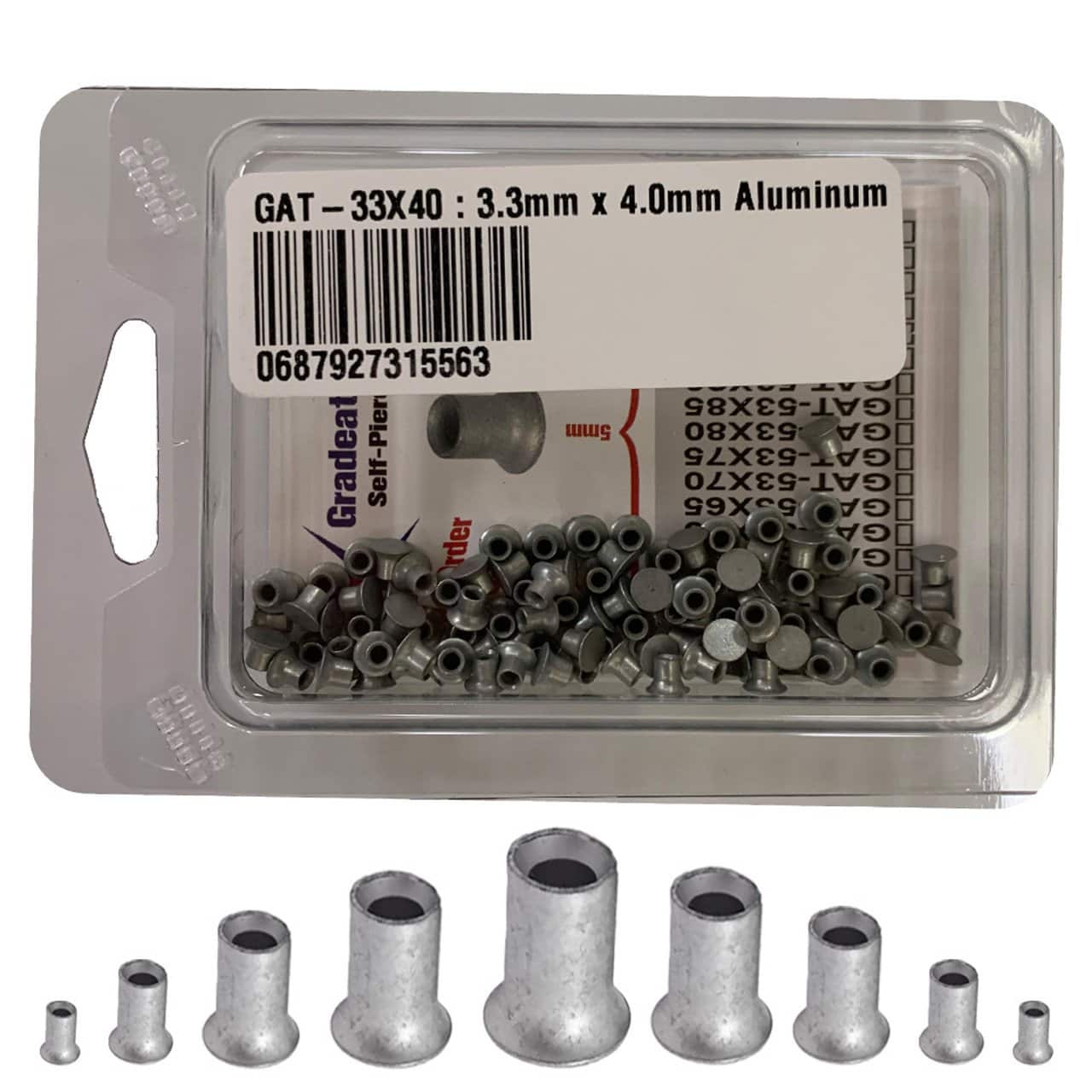
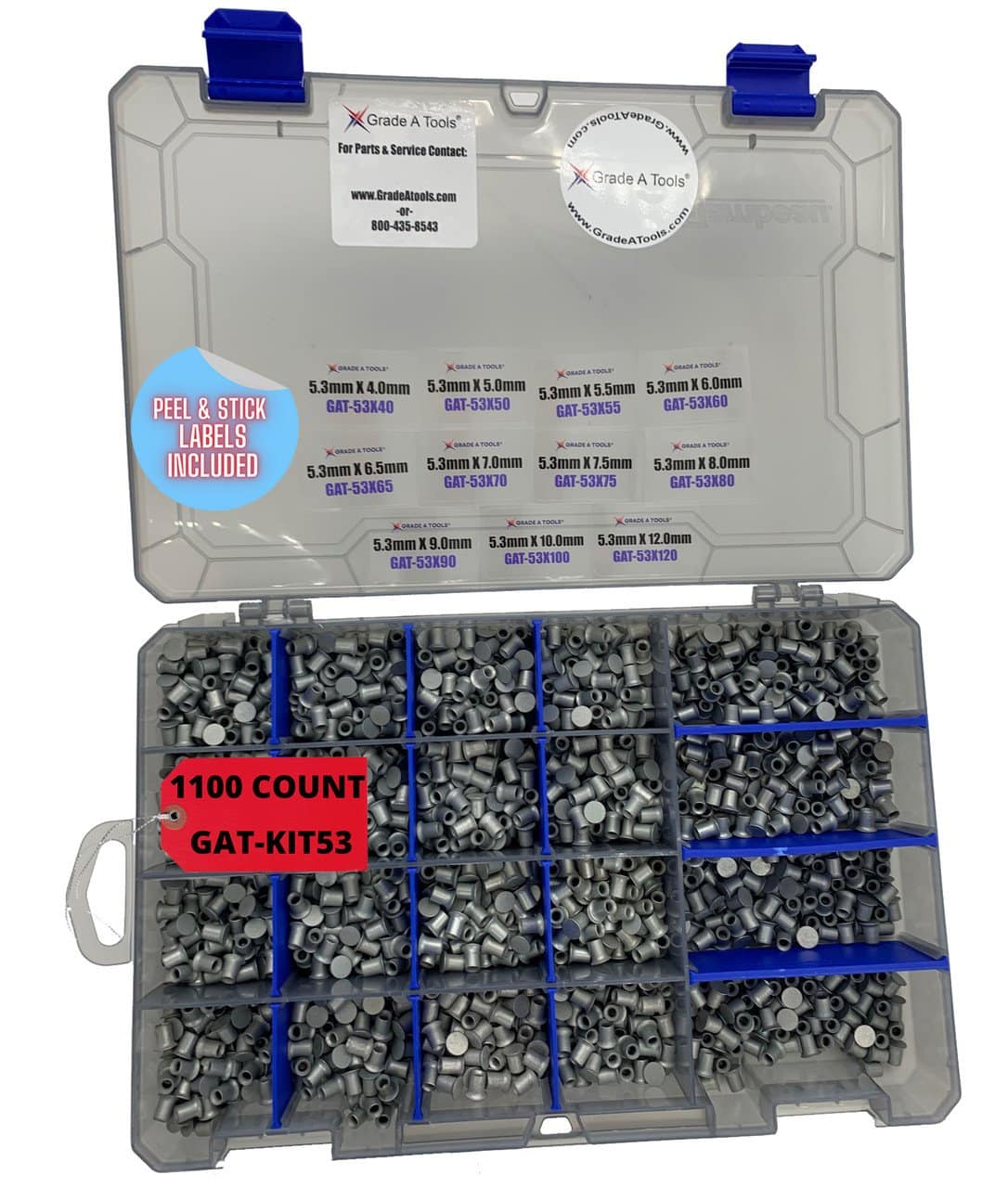
Self-piercing rivet tools are the backbone of aluminum panel repair. Unlike traditional rivets that require drilling, self-piercing rivets create a mechanical joint by deforming the rivet and the surrounding material. The process is faster, creates stronger joints, and doesn’t weaken the panel through drilling. Dent Fix Equipment specializes in self-piercing rivet systems designed specifically for collision repair workflows.
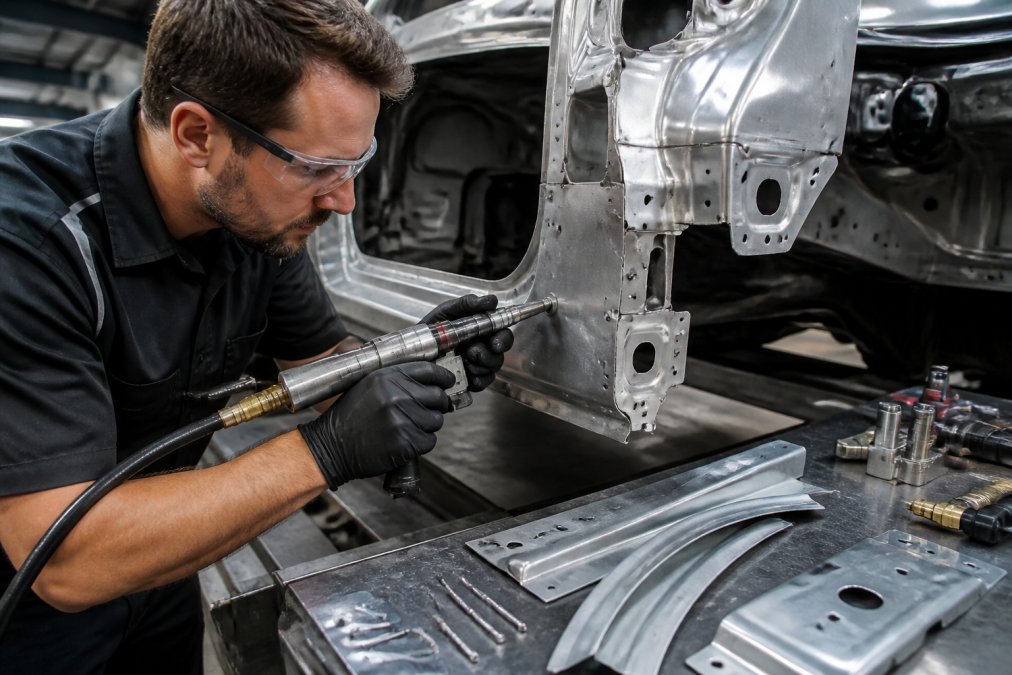
Aluminum repair equipment includes rivet guns, dies, and consumable rivets. The initial investment is higher than traditional tools, but shops that master aluminum repair command premium labor rates. Shops offering aluminum repair capability can command premium labor rates.
When selecting aluminum repair tools, durability matters because pneumatic rivet guns operate under high pressure. Cheap guns fail under load, strip threads, and create inconsistent rivets. Industrial-grade pneumatic tools from established manufacturers handle the repetitive stress of daily use without degradation.
Aluminum requires different welding techniques than steel. Shops mixing steel and aluminum repair without proper training risk weak joints and customer safety issues. Invest in technician training when adding aluminum capability.
Welding and Structural Repair Equipment
Structural damage, frame bends, rail damage, unibody creasing, requires welding equipment that delivers consistent, high-quality welds. This is where equipment durability directly impacts repair quality and safety.
Spot welding equipment creates the mechanical joints that hold modern vehicle frames together. A quality spot welder maintains consistent heat and pressure across thousands of welds, producing joints that meet OEM specifications. Budget welders fluctuate in output, creating weak or brittle welds that fail under stress.
MIG welding (metal inert gas) handles panel welding and structural repairs on steel components. The equipment includes a welding gun, wire feeder, gas supply, and power source. Professional-grade MIG welders are built for continuous use in shop environments, they handle thermal cycling, vibration, and the dust of a busy collision center.
Plasma cutting tools trim damaged material cleanly before welding, preventing contamination in the repair. A quality plasma cutter cuts through thick steel quickly without warping the surrounding material, setting up the weld joint properly.
According to industry standards for collision repair published by the Society of Automotive Engineers, structural welds must meet specific penetration and strength requirements. Equipment that can’t maintain those standards creates liability for the shop and safety risk for the vehicle owner.
Frame Straightening Systems and Precision Calibration
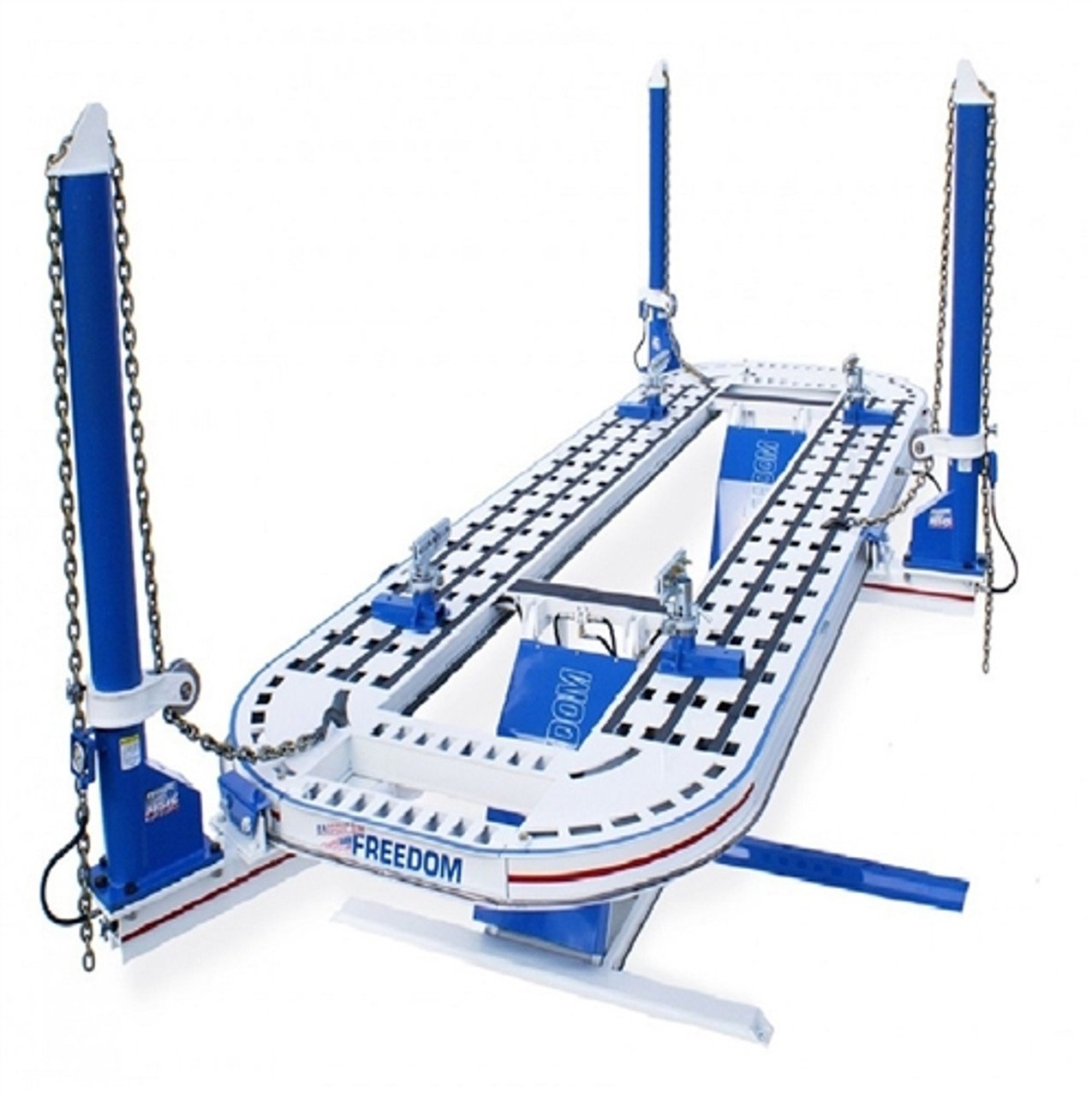
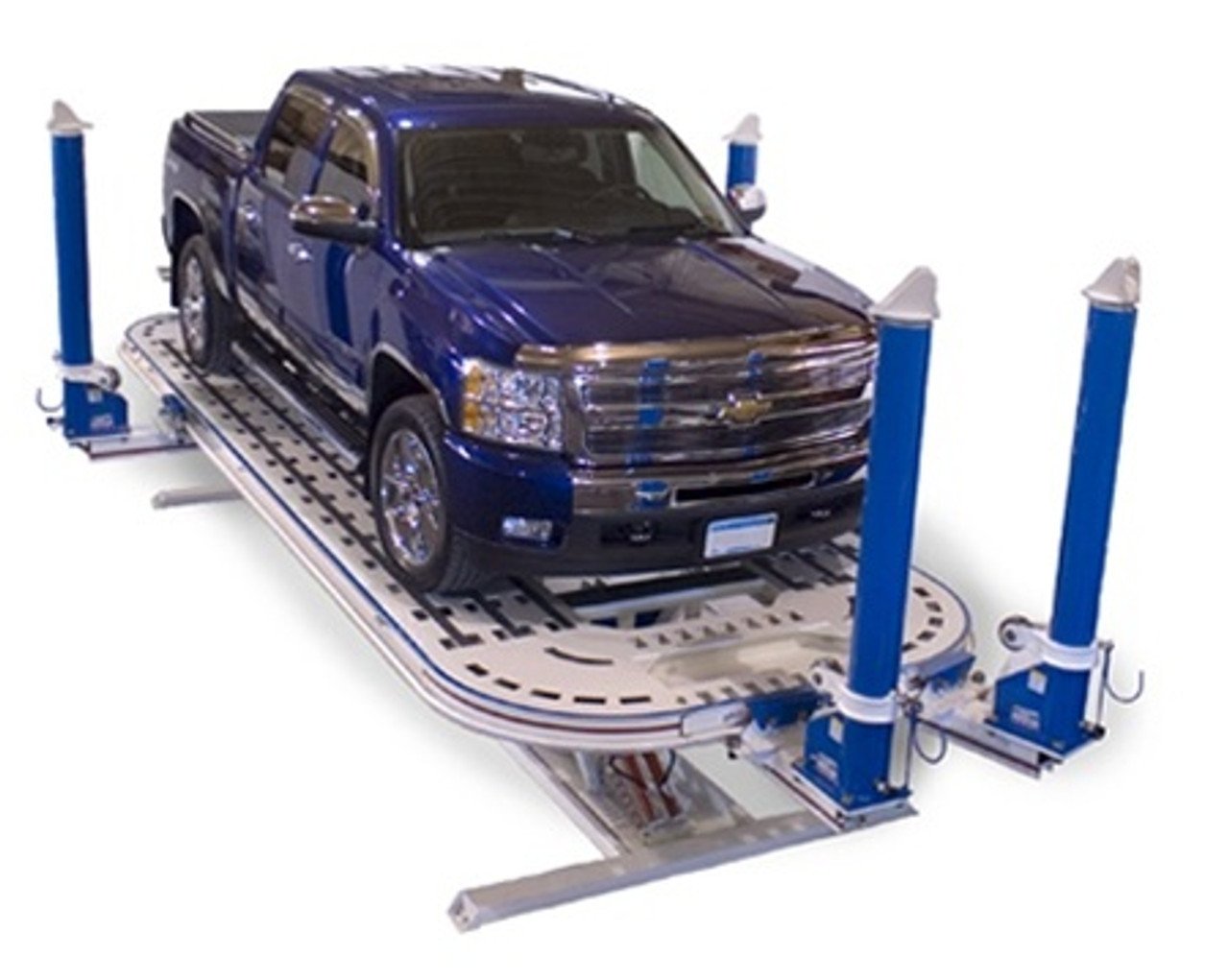
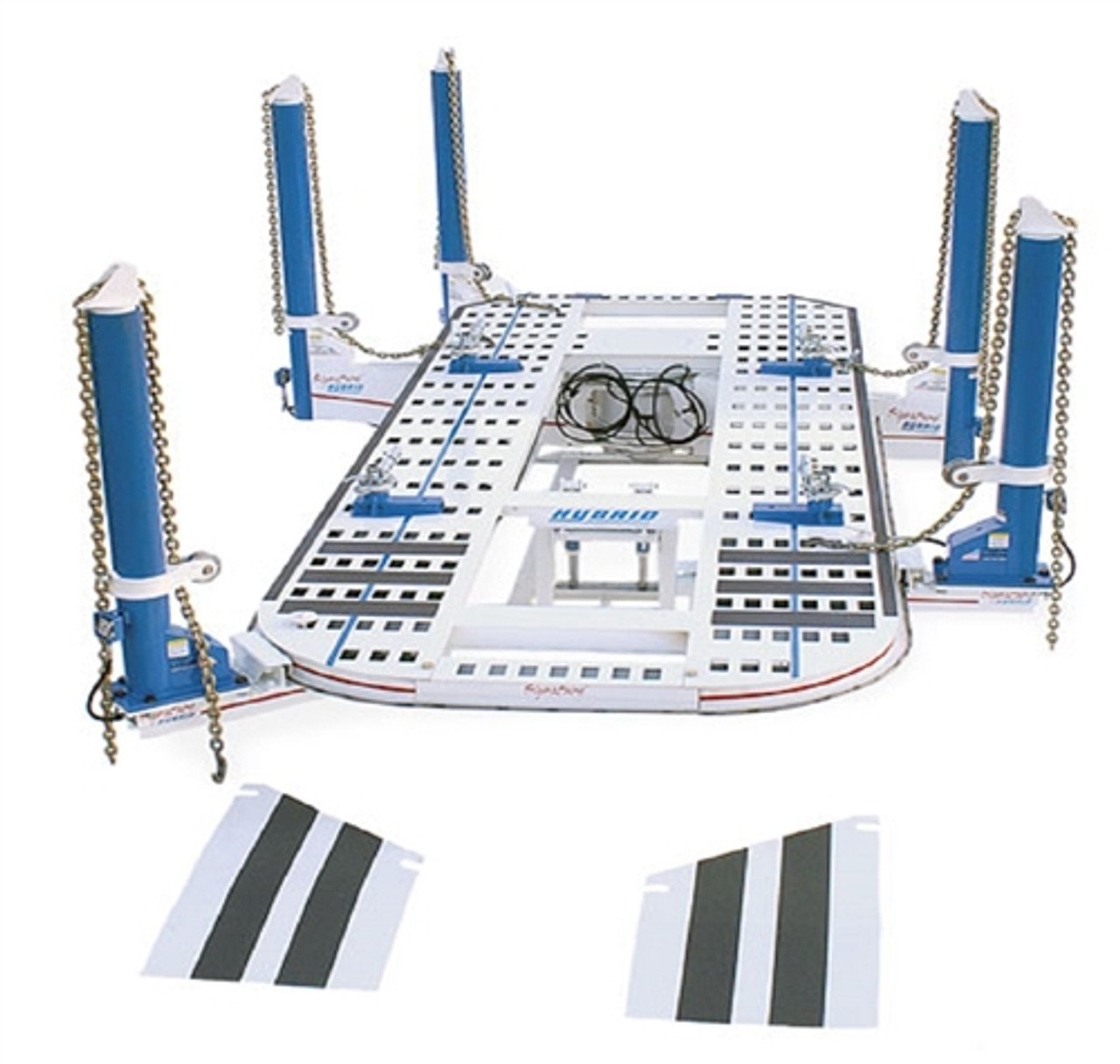
Frame damage is the most complex collision repair scenario. A bent frame affects suspension geometry, wheel alignment, and vehicle handling. Frame straightening systems pull the frame back to OEM specifications using hydraulic force and precision measurement.
Subscribe to our newsletter! →
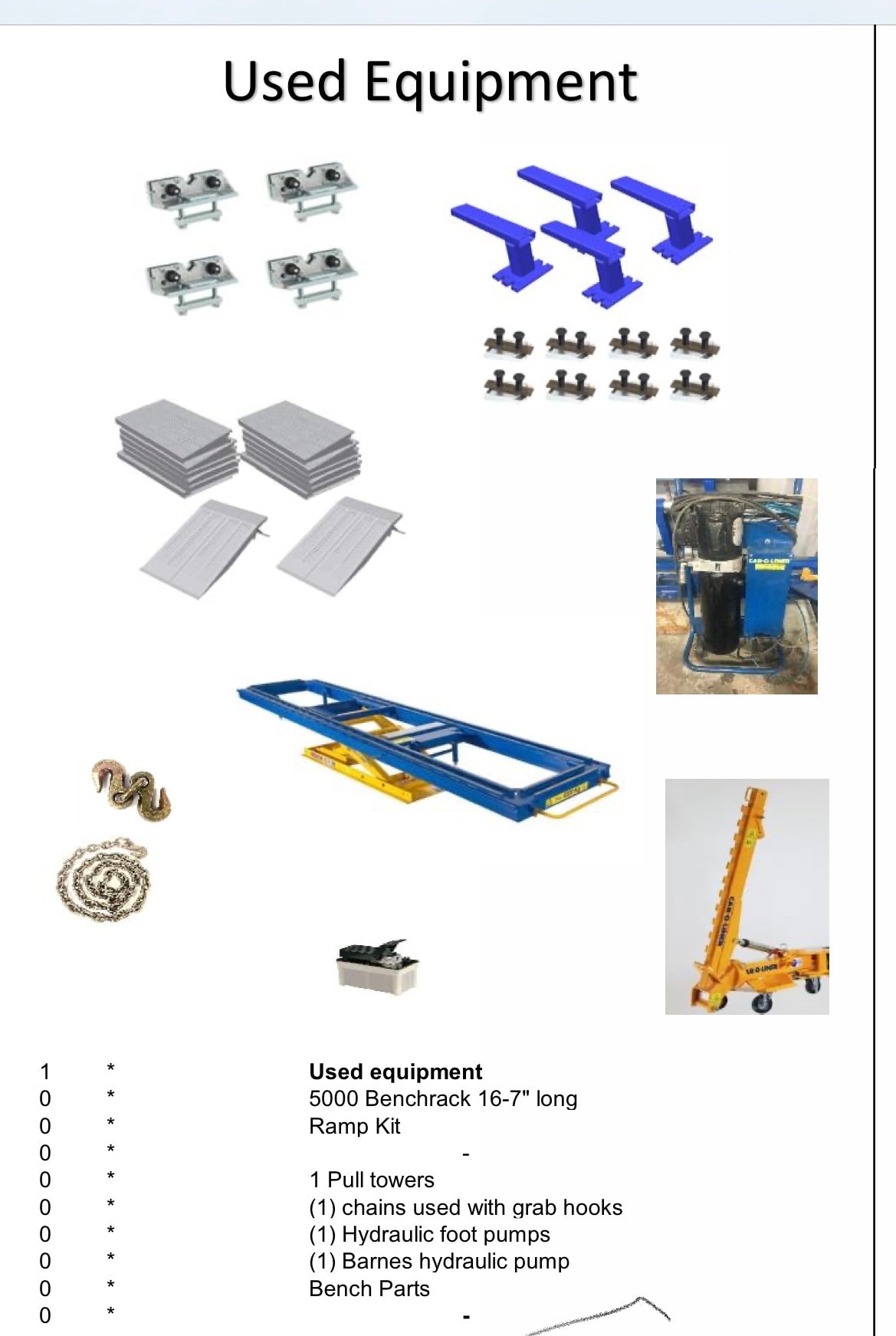
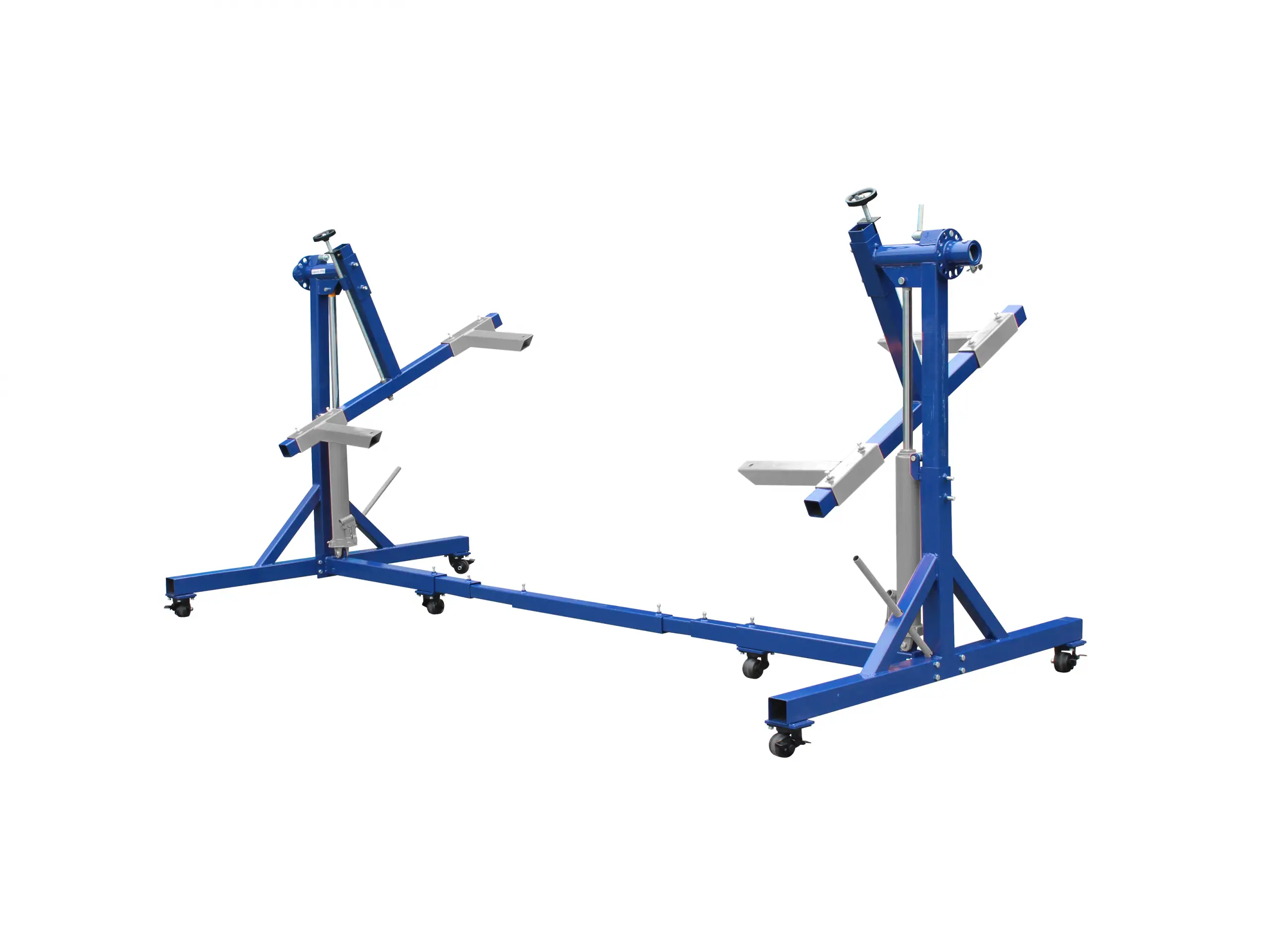
Celette Frame Straightening Systems represent the industry standard for OEM-compliant structural repair. These benches use modular designs that accommodate different vehicle sizes and damage patterns. The key durability feature is the steel construction and the precision of the measurement system, a frame straightening bench that drifts out of calibration creates misaligned vehicles.
A quality frame straightening system includes:
- Modular bench with heavy-duty steel construction
- Hydraulic pulling towers with consistent force output
- Precision measurement equipment (laser or mechanical gauges)
- Fixture systems that secure vehicles during pulling
The investment in a frame straightening system is substantial, but it’s essential for shops handling structural damage. Without it, shops must outsource frame work, losing margin and control over timeline.
Modern vehicles increasingly integrate ADAS sensors into bumpers and frames. Frame straightening must account for sensor calibration requirements. After pulling a frame, technicians must verify that camera mounts and sensor housings are within tolerance, or the vehicle’s safety systems won’t function correctly.
A frame straightening system that can’t achieve OEM specifications becomes an expensive liability. Invest in equipment from manufacturers with a track record of precision, not just low price.
Paint and Refinishing Tools for Professional Results
Paint work is where the collision repair meets customer perception. A flawless paint job requires equipment that delivers consistent spray patterns, proper atomization, and controlled application.
Paint spray guns are the primary tool. A quality spray gun maintains consistent air pressure, fluid flow, and spray pattern across hundreds of applications. Budget guns clog, spit, and create uneven coverage, forcing technicians to apply extra coats and waste material.
The 3M Perfect-It Random Orbital Polishing System handles the finishing stage, removing swirl marks and haze to achieve a high-gloss result.
| Equipment | Function | Quality Impact |
|---|---|---|
| Paint spray gun | Atomization and application | Spray pattern consistency, material waste |
| Random orbital polisher | Finishing and swirl removal | Final gloss and appearance |
| Dual action sander | Surface prep and paint removal | Paint adhesion and finish quality |
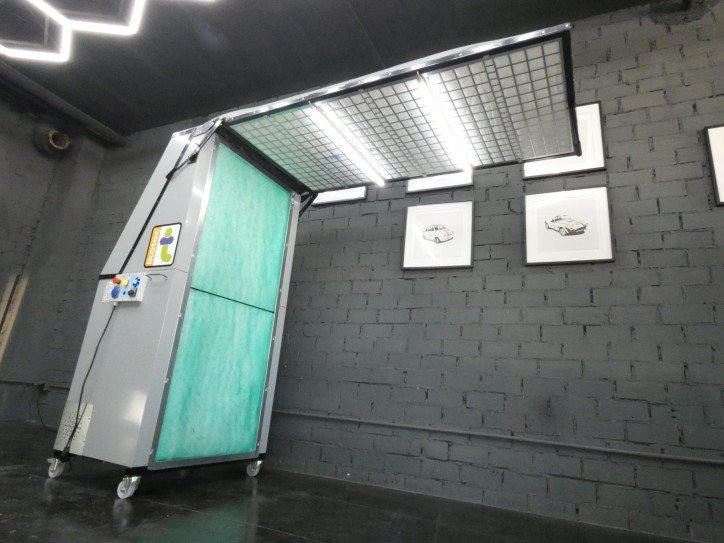
| Dust extraction | Air quality and cleanup | Technician health, shop cleanliness |
Collision Repair Shop Equipment Checklist: Building Your Toolkit
Building a complete toolkit requires balancing immediate needs against growth. A five-bay shop has different requirements than a fifteen-bay operation, but the core categories remain the same.
Essential equipment for any collision shop:
- Hand tool set (hammers, dollies, pry bars, clamps)
- Pneumatic tools (impact drivers, grinders, drills)
- Welding equipment (MIG welder, plasma cutter, spot welder)
- Frame straightening system (if handling structural damage)
- Paint spray gun and air compressor
- Dual action sanders and finishing equipment
- Dust extraction system
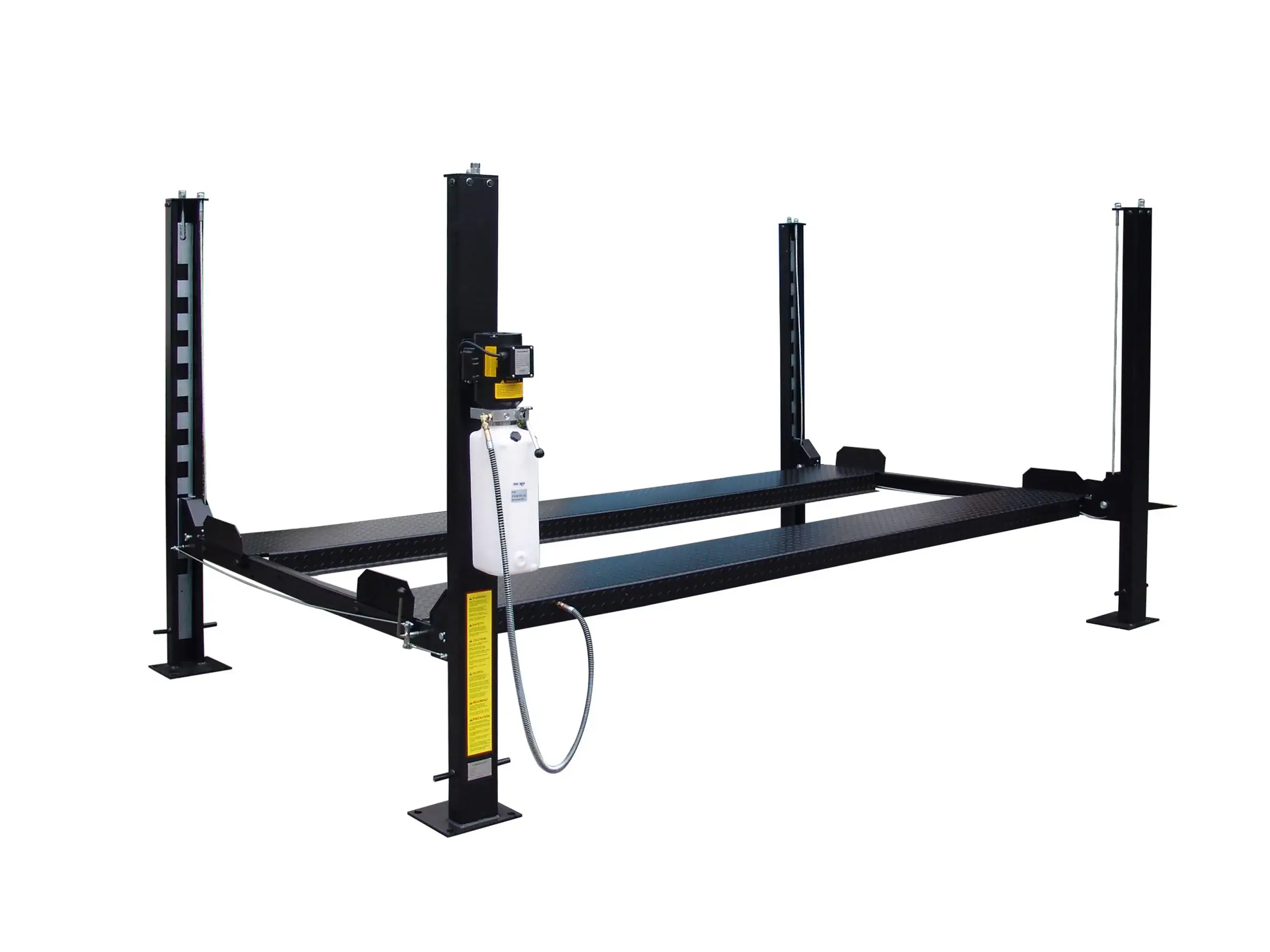
- Automotive lift or jack system
- Parts storage and organization (panel caddy, shelving)
- Safety equipment (respirators, eye protection, gloves)
Tool ROI and Lifecycle Cost Analysis for Shop Profitability
Labor efficiency gains: A quality frame straightening system can significantly reduce pulling time per structural job, leading to substantial labor savings.
When evaluating equipment, compare total cost of ownership, not purchase price:
- Purchase cost
- Installation and setup
- Annual maintenance
- Expected lifespan
- Downtime risk
- Support responsiveness
Frequently Asked Questions
What are the most durable brands for collision repair equipment?
Professional-grade collision repair equipment from established manufacturers like Snap-on, Dent Fix, and Celette are recognized for durability and reliability in demanding shop environments. Equipment durability depends on materials, build quality, and how well tools handle repetitive use and heavy loads. When evaluating durability, look for high-strength alloys, reinforced construction, and equipment designed specifically for automotive repair rather than general-purpose tools. Brands that offer extended warranties and responsive technical support typically stand behind their durability claims.
How do you choose heavy-duty collision repair tools for professional use?
Start by assessing your shop’s specific repair types, modern vehicles often require both traditional steel repair equipment and specialized aluminum repair tools. Evaluate tools based on precision requirements, frequency of use, and compatibility with your existing systems. Consider ergonomic design to reduce technician fatigue during long shifts. Prioritize equipment that meets OEM specifications for structural repairs and integrates with your shop’s workflow. Request demonstrations or trial periods before committing to major equipment investments, and verify that technical support is readily available.
What is the importance of using professional-grade aluminum repair tools?
Aluminum requires different repair techniques than traditional steel because it doesn’t respond the same way to conventional body hammers and dollies. Professional-grade aluminum repair equipment, including self-piercing rivet tools, ensures structural integrity and prevents damage to the aluminum material. Using improper tools can weaken panels, create stress points, and compromise vehicle safety. Specialized aluminum tools designed for modern vehicles help technicians work faster, reduce rework, and maintain the vehicle’s original strength and performance characteristics.
How does equipment durability impact shop efficiency and ROI?
Durable collision repair equipment reduces unplanned downtime, minimizes maintenance costs, and extends tool lifespan, directly improving your return on investment. High-quality tools maintain precision over thousands of cycles, reducing rework and customer complaints. When equipment fails unexpectedly, repair cycles slow, technicians lose productivity, and emergency repairs become expensive. Investing in durable, professional-grade machinery from the start typically costs less over time than replacing cheaper equipment repeatedly. Calculate ROI by comparing upfront investment against reduced downtime, faster cycle times, and lower maintenance expenses.

