

Table of Contents
- 1. ADAS Calibration Equipment Requirements
- 2. AI-Powered Damage Assessment and Automated Estimating
- 3. Aluminum Repair Tools for Body Shops
- 4. OEM Repair Procedure Compliance and Digital Documentation
- 5. 3D Measuring and Computerized Frame Alignment
- 6. Advanced Paint Matching and Digital Color Management
- 7. What Collision Repair Technology Trends Mean for Your Shop
- Frequently Asked Questions
Last Updated: September 17, 2026
1. ADAS Calibration Equipment Requirements
Modern collision repair technology trends start with one unavoidable reality: a vehicle that looks repaired is not necessarily a vehicle that is safe to drive. ADAS calibration is the process of realigning and retesting the cameras, radar, and sensors that power driver-assistance features after any repair that disturbs their field of view. Shop owners often ask: what does a realistic calibration setup actually require?
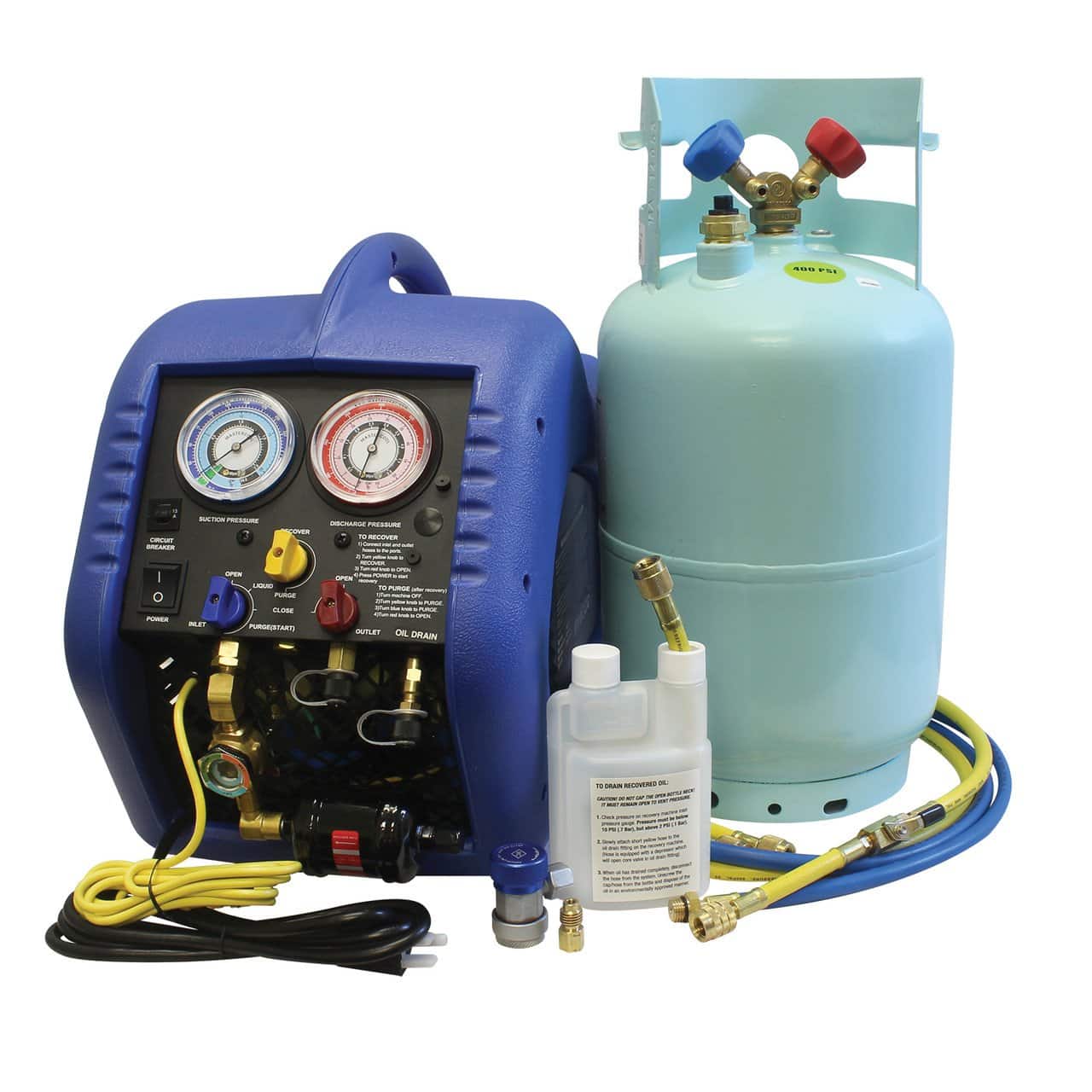
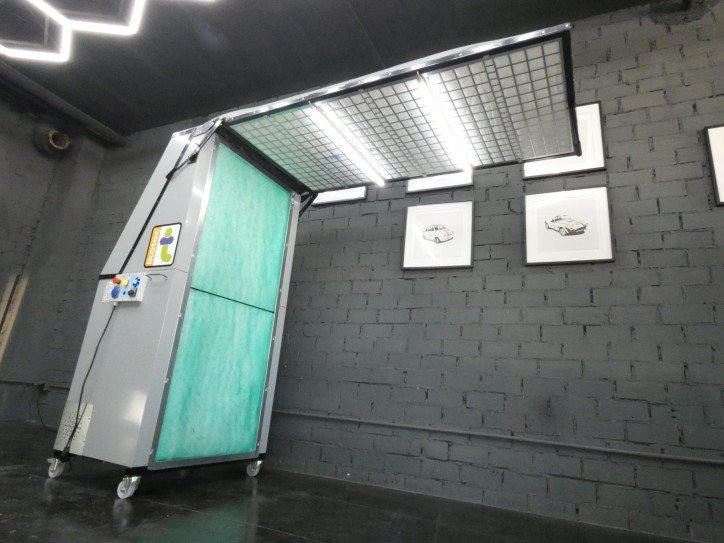
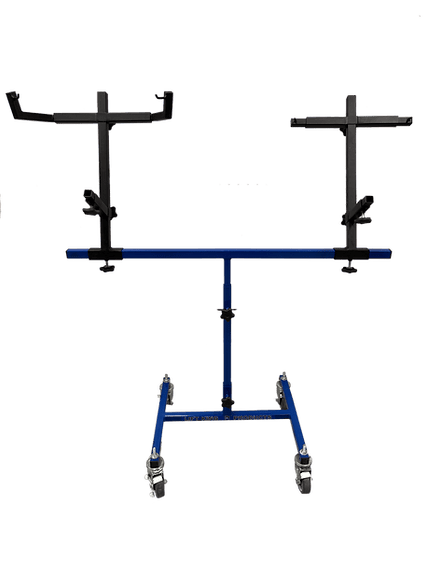
A typical setup includes targets and target boards specific to each manufacturer, a level floor with controlled lighting, a scan tool capable of communicating with the vehicle’s modules, and documented procedures pulled from OEM specifications.
2. AI-Powered Damage Assessment and Automated Estimating
Artificial intelligence has moved from demo videos into daily estimating. AI-powered diagnostics now use image recognition to scan photos of a damaged vehicle and propose an initial parts and labor list, which an estimator then reviews and adjusts. Platforms such as Mitchell Cloud Estimating build this into the estimating workflow and connect directly to insurer networks.
How the Systems Actually Work
It helps to understand the pipeline, because the failure points are predictable. Most platforms run through the same stages:
- Image intake. Photos are uploaded from a phone, tablet, or shop camera. Some systems accept video walkarounds.
- Damage detection. Computer vision models identify panels, dents, cracks, and likely hidden damage based on visual patterns learned from large sets of prior claims.
- Parts and labor mapping. The detected damage is matched against a parts database and a labor time guide, producing a draft estimate.
- Estimator review. A human validates the draft, adds what the model missed, and adjusts for OEM procedures and supplements.
- Insurer handoff. The estimate is submitted through the same network the shop already uses.
The Cost-Benefit View for Smaller Shops
AI estimating is often pitched as a headcount replacement. A more realistic framing for a small-to-mid-sized shop is cycle-time compression. The value shows up in three places:
- Faster first estimate. A draft estimate that used to take an hour of line-by-line entry can be produced in minutes, then refined. That frees the estimator for supplements and customer calls.
- Fewer supplements later. Better initial documentation reduces the back-and-forth with insurers, which shortens the time the vehicle sits in the lot.
- More consistent output. A standardized photo set and a standardized review checklist reduce the variance between estimators.
Training the Estimator’s New Role
The estimator becomes a validator, not a data-entry clerk. That shift requires a different skill set:
- Reading the model’s confidence. Learn which damage types the system handles well and which it routinely misses, such as hidden structural damage or damage under panels.
- Knowing the OEM procedures. The model does not know that a particular model year requires a specific sectioning method. The estimator does, or should.
- Documenting the review. Note what was added or changed and why. That record supports supplements and defends the estimate if it is questioned.
Before committing to an AI estimating platform, run a small pilot on a defined set of recent closed claims. Compare the draft estimate against the final approved estimate and measure the gap. That gap, not the vendor’s demo, tells you what the tool will actually do in your shop.
What to Watch
- Photo standards. Inconsistent angles and lighting are the most common cause of poor output. Standardize before you scale.
- Database currency. Parts and labor data change. Ask how often the platform updates and whether updates are included.
- Insurer acceptance. Confirm the platform submits through the networks your shop already uses, or you will be re-entering data by hand.
- Hidden damage. Image recognition sees what the camera sees. Structural and concealed damage still requires a physical inspection.
AI estimating is a productivity tool, not an autopilot. The shops that get the most from it treat it as a first draft generator and invest the saved time in the parts of the job that still require a human: supplements, OEM compliance, and the customer conversation.
3. Aluminum Repair Tools for Body Shops
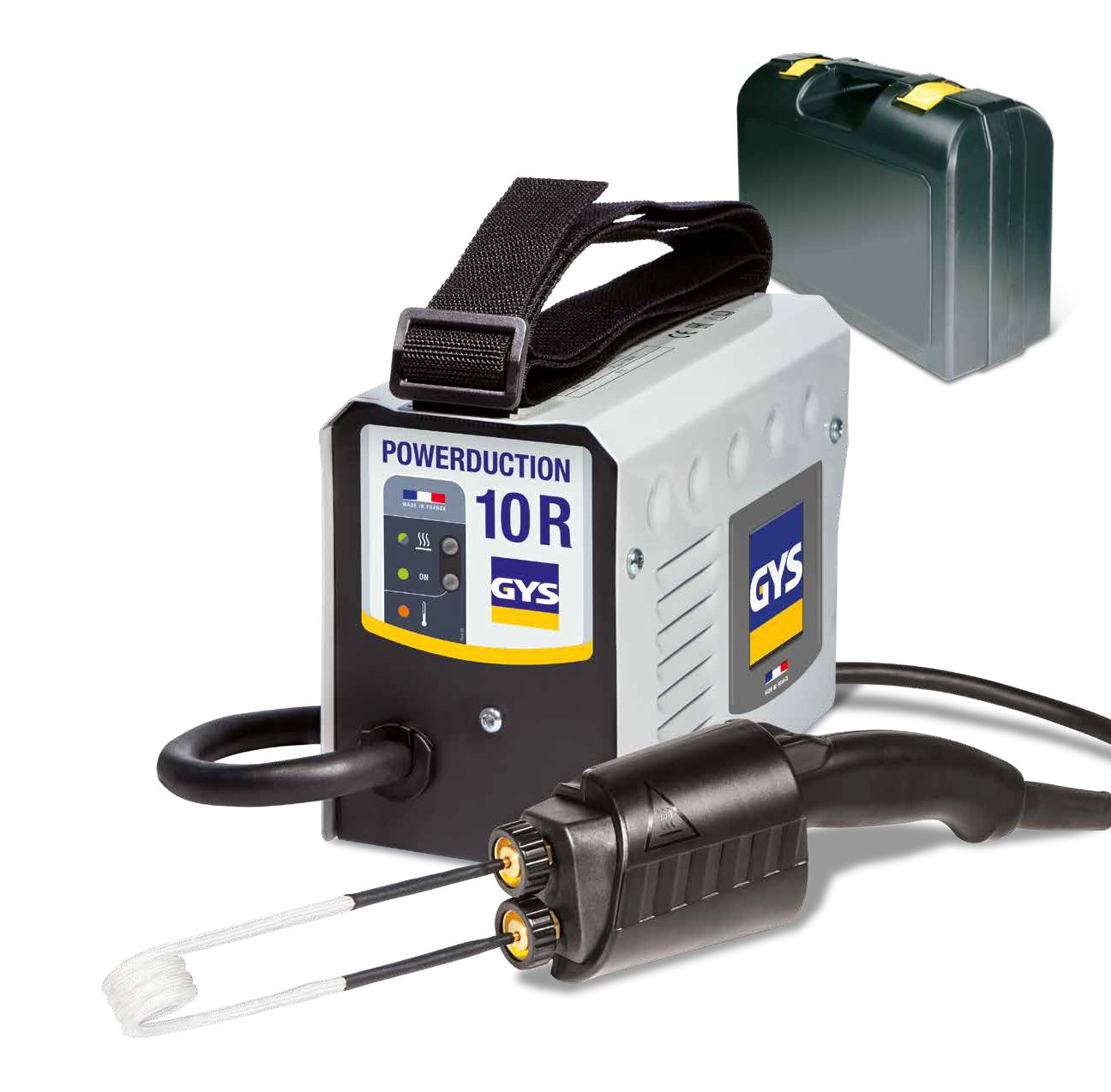
Aluminum repair is no longer a niche skill. As vehicle architecture shifts toward lightweight materials, aluminum repair tools for body shops have become core equipment rather than specialty add-ons. Aluminum behaves differently from steel: it work-hardens, it demands dedicated tooling to avoid cross-contamination, and it requires separate consumables and storage.
The Cost-Benefit Math Most Guides Skip
The real question for a small-to-mid-sized shop is not whether aluminum tooling is nice to have. It is whether the investment pays back before the next model year changes the mix of vehicles in the bay. A common pattern is to start with a single dedicated aluminum bay rather than outfitting every technician. That bay holds the rivet gun, the aluminum-capable welder, the dedicated dollies, and a locked cabinet for aluminum-only consumables.
What to Watch Before You Buy
- Welder capability. Not every welder handles aluminum wire cleanly. Confirm the machine supports the wire and gas setup your procedures call for, and that your technicians have been trained on it.
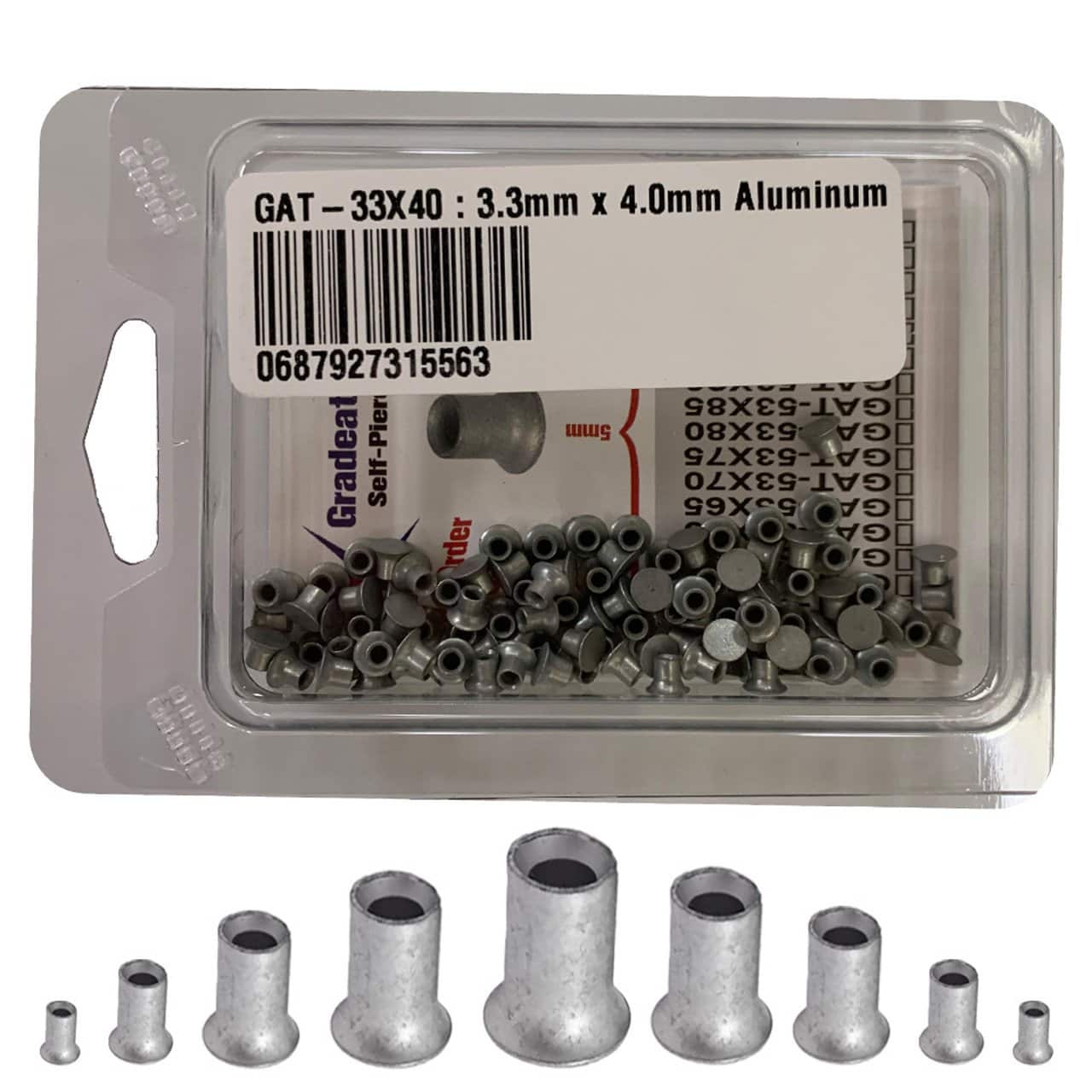
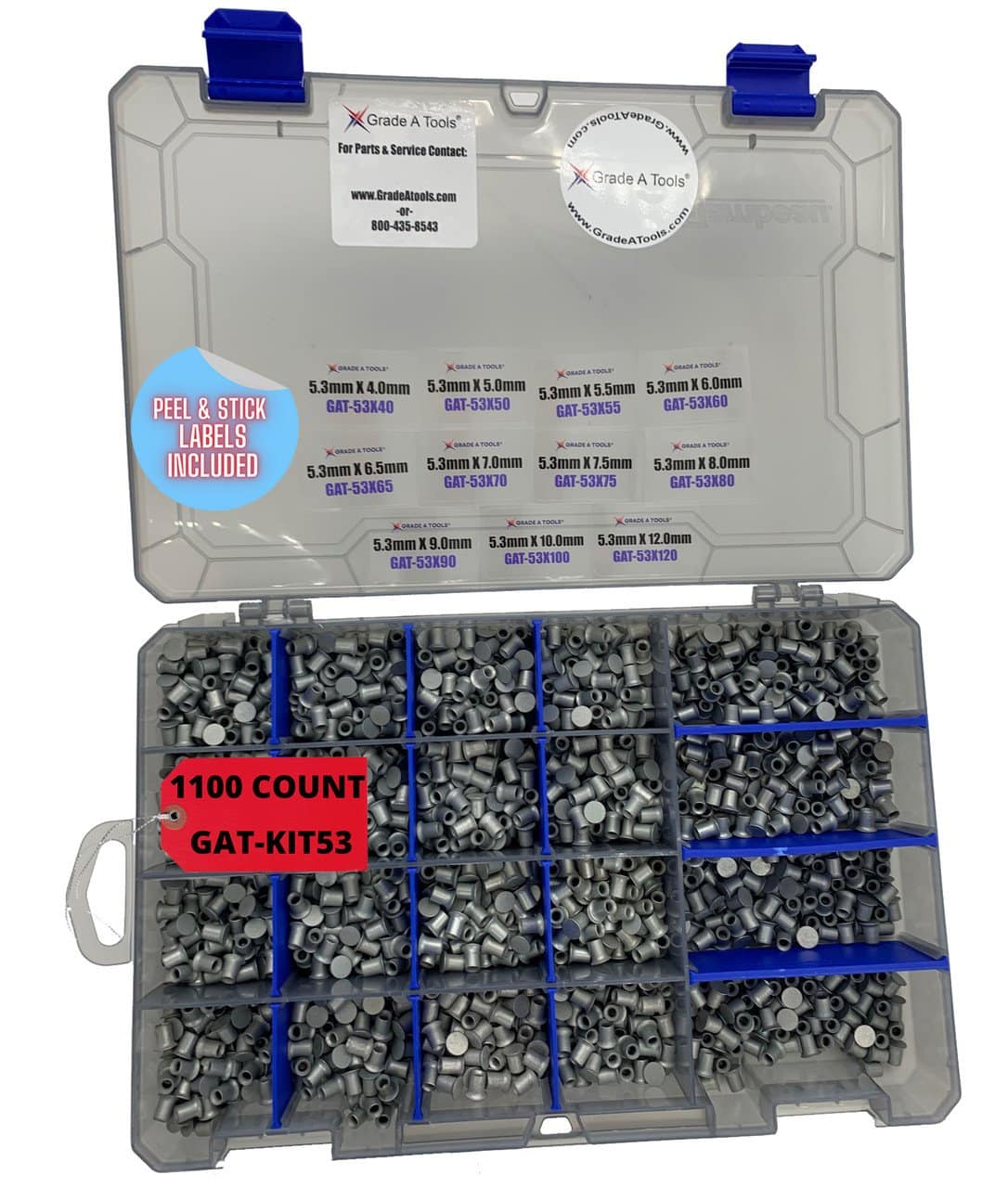
- Rivet gun reach and rivet range. Self-piercing rivets come in different sizes and materials. A gun that only handles one rivet family will limit which OEM procedures you can follow.
- Consumable discipline. Aluminum-specific abrasives, brushes, and bits must never touch steel. Budget for duplicates, not just one set.
- Storage. Cross-contamination often happens in storage, not at the bench. A labeled, closed cabinet is cheaper than a corrosion comeback.
The most expensive aluminum mistake is not a bad weld. It is contamination that shows up as corrosion months after delivery, when the customer returns and the repair is out of warranty. Separate tooling and separate storage are the cheapest insurance you can buy.
Training Is Part of the Tool Budget
Tooling without training produces inconsistent results. Aluminum work-hardens quickly, so heat control and technique matter more than they do on steel. Many shops pair a new aluminum station with manufacturer or equipment-vendor training for at least one technician, then let that technician train the rest of the team on the shop’s own procedures. Budget the training time into the same decision as the equipment, or the tools will sit idle while the work continues to go out the door.
4. OEM Repair Procedure Compliance and Digital Documentation
OEM repair procedure compliance means following the vehicle manufacturer’s published repair instructions exactly, including sectioning points, weld types, adhesives, and required calibration steps. It is not optional, and it is no longer something a shop can manage from memory. Procedures change constantly, and a repair performed to last year’s method can put the shop in legal and financial jeopardy.
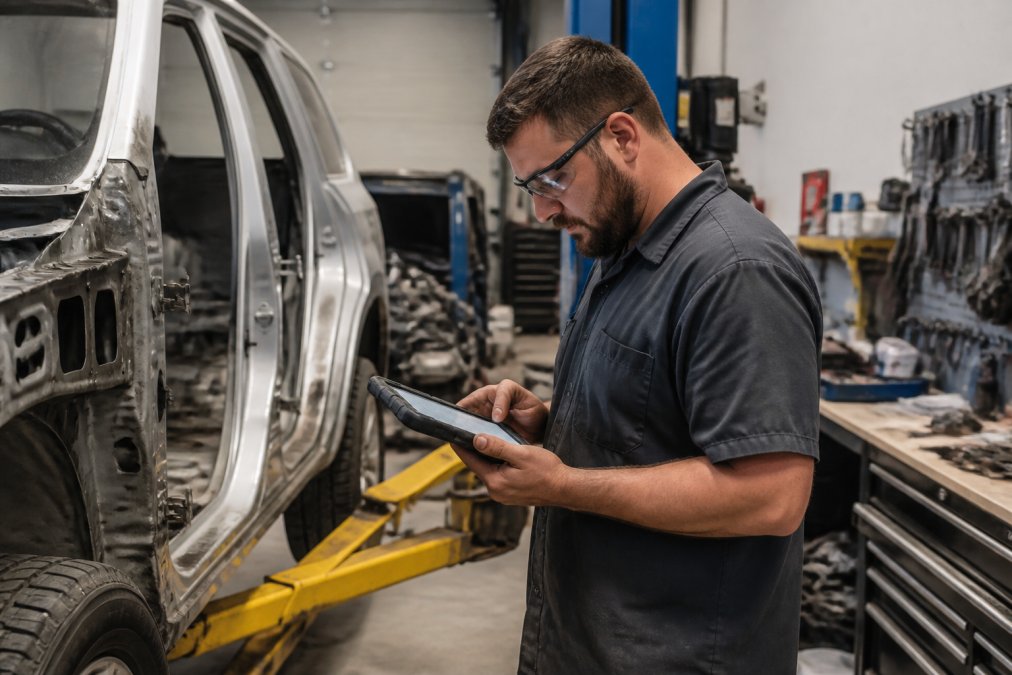
The most expensive mistake in this category is assuming a repair “looks the same” as an older model year. Sectioning points and weld specifications change between generations of the same vehicle. Verify the exact year, make, model, and trim before you cut.
5. 3D Measuring and Computerized Frame Alignment
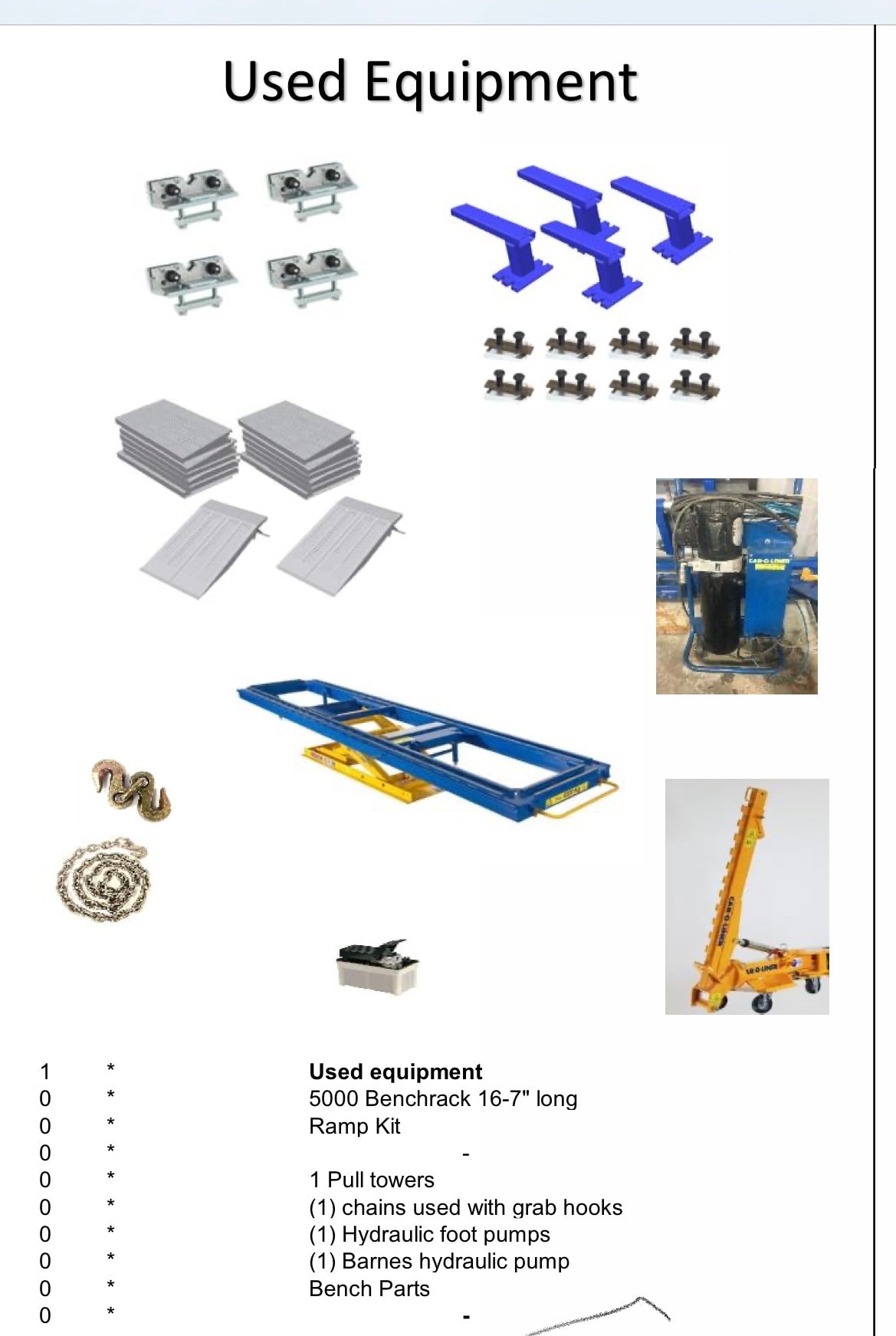
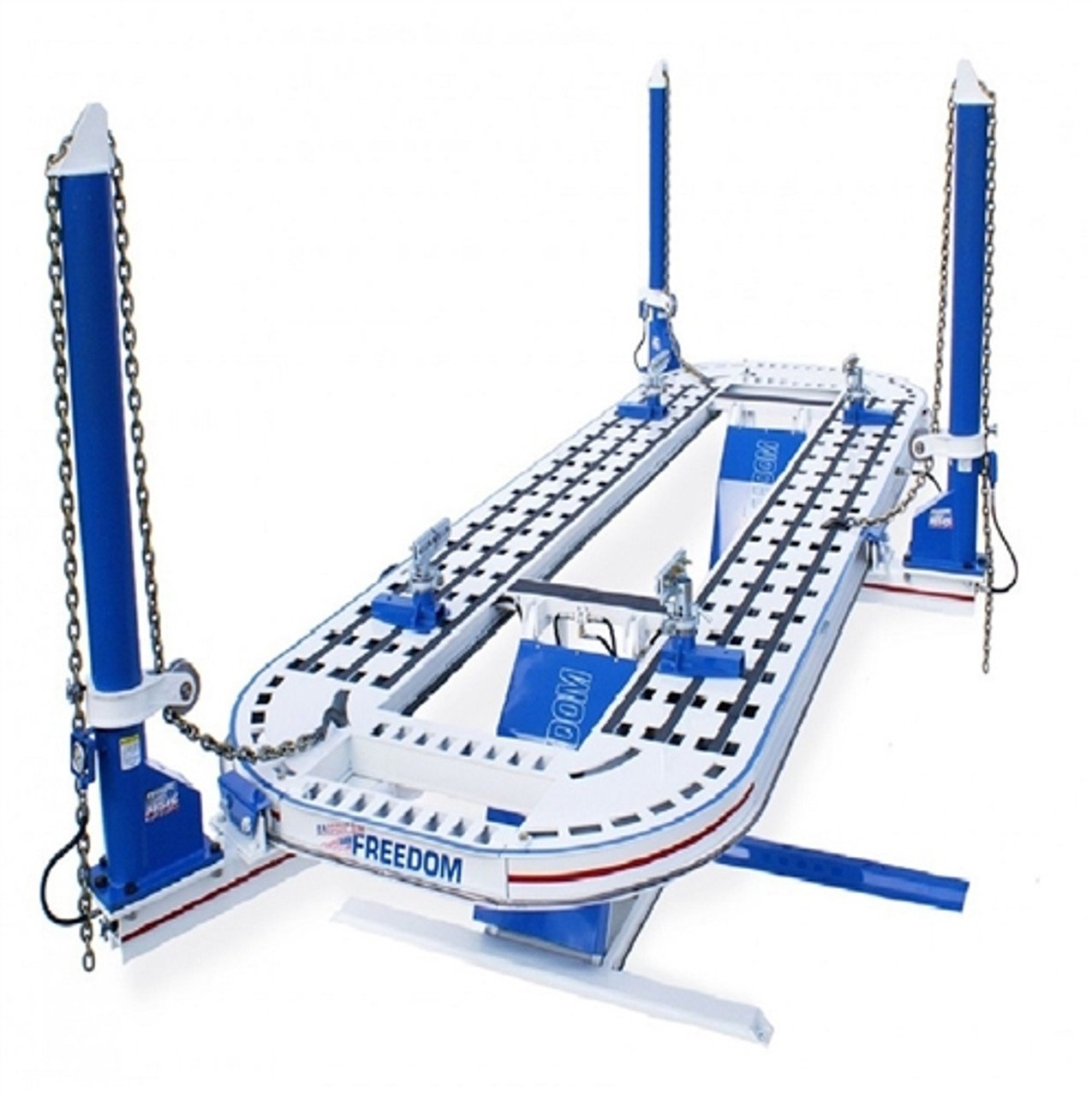
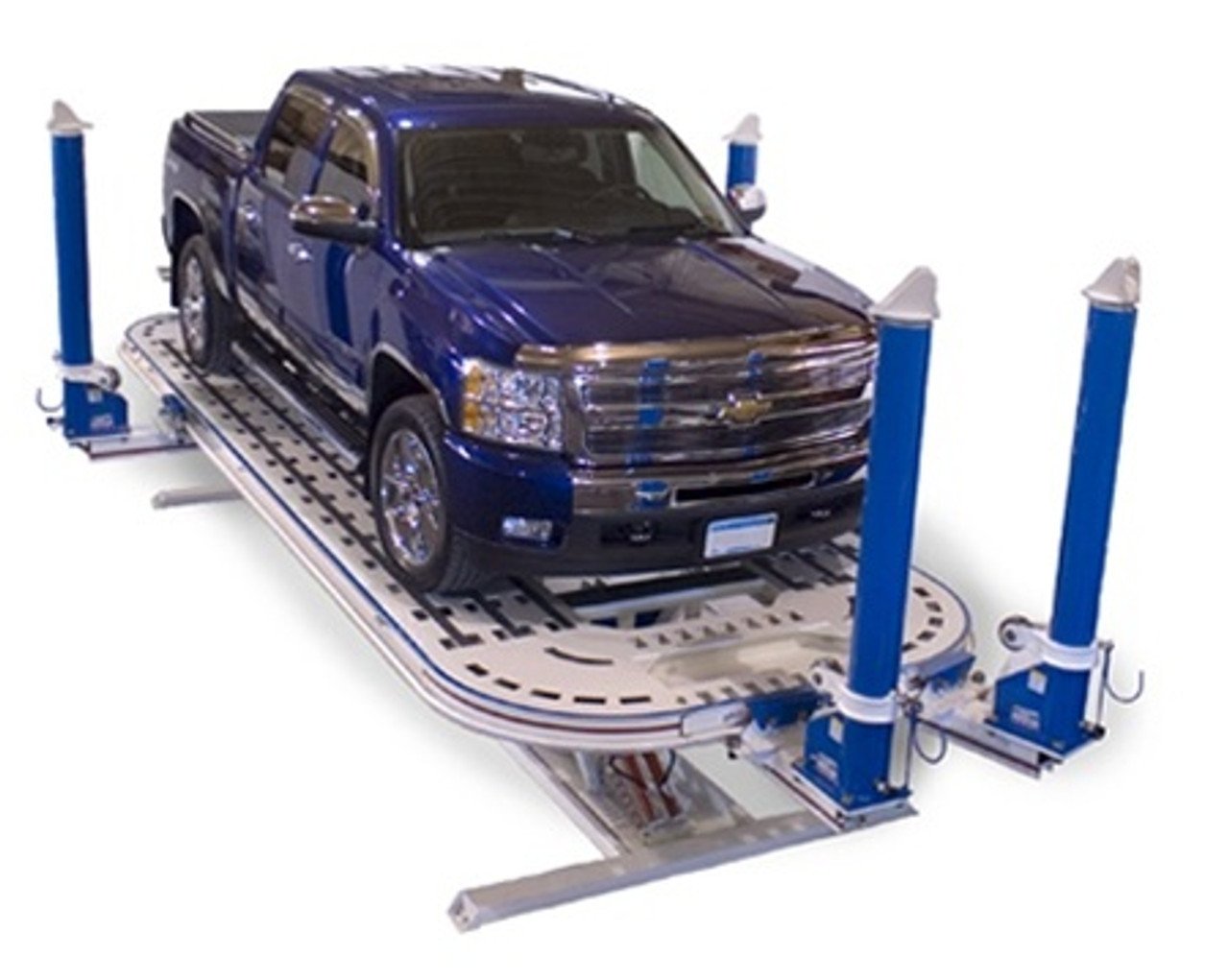
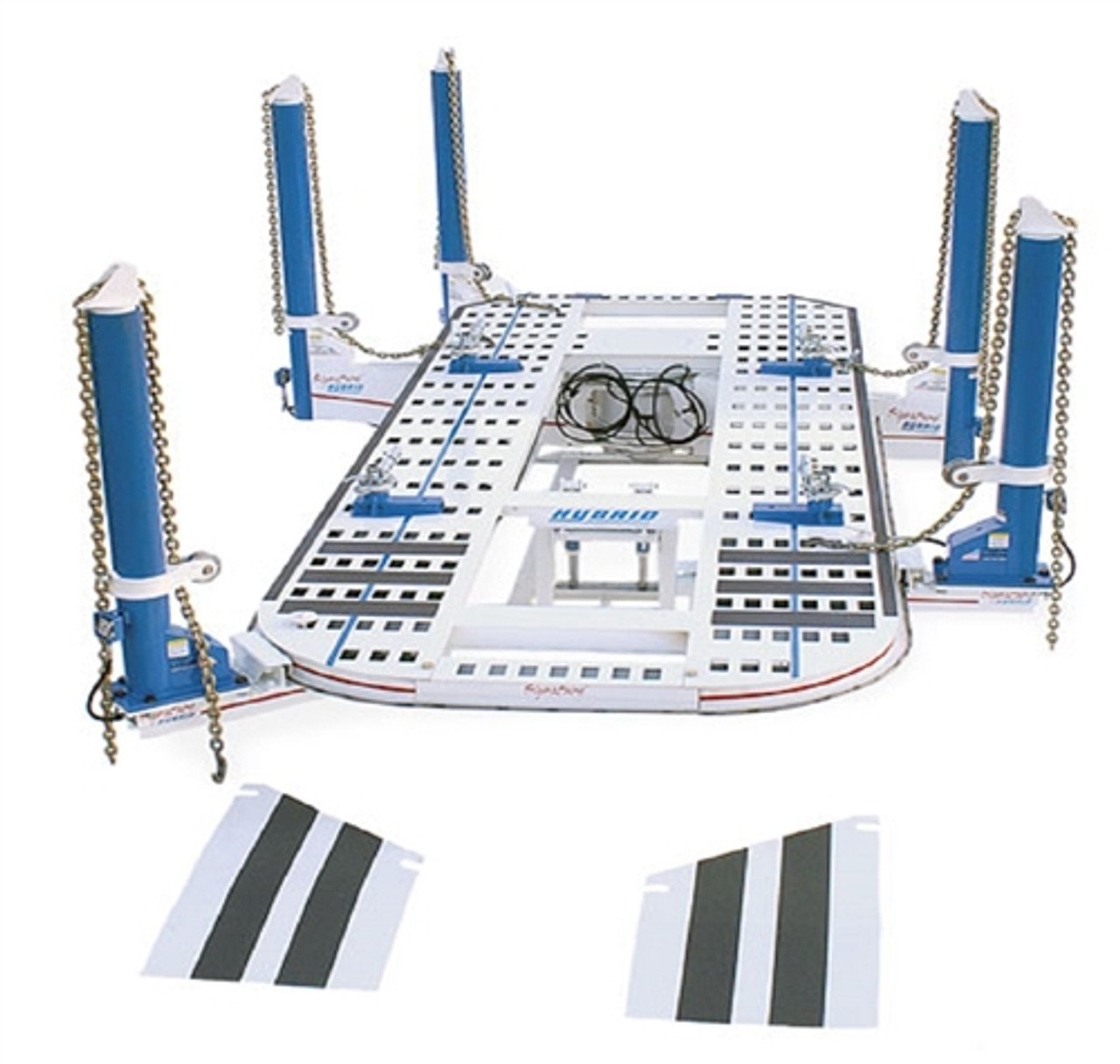
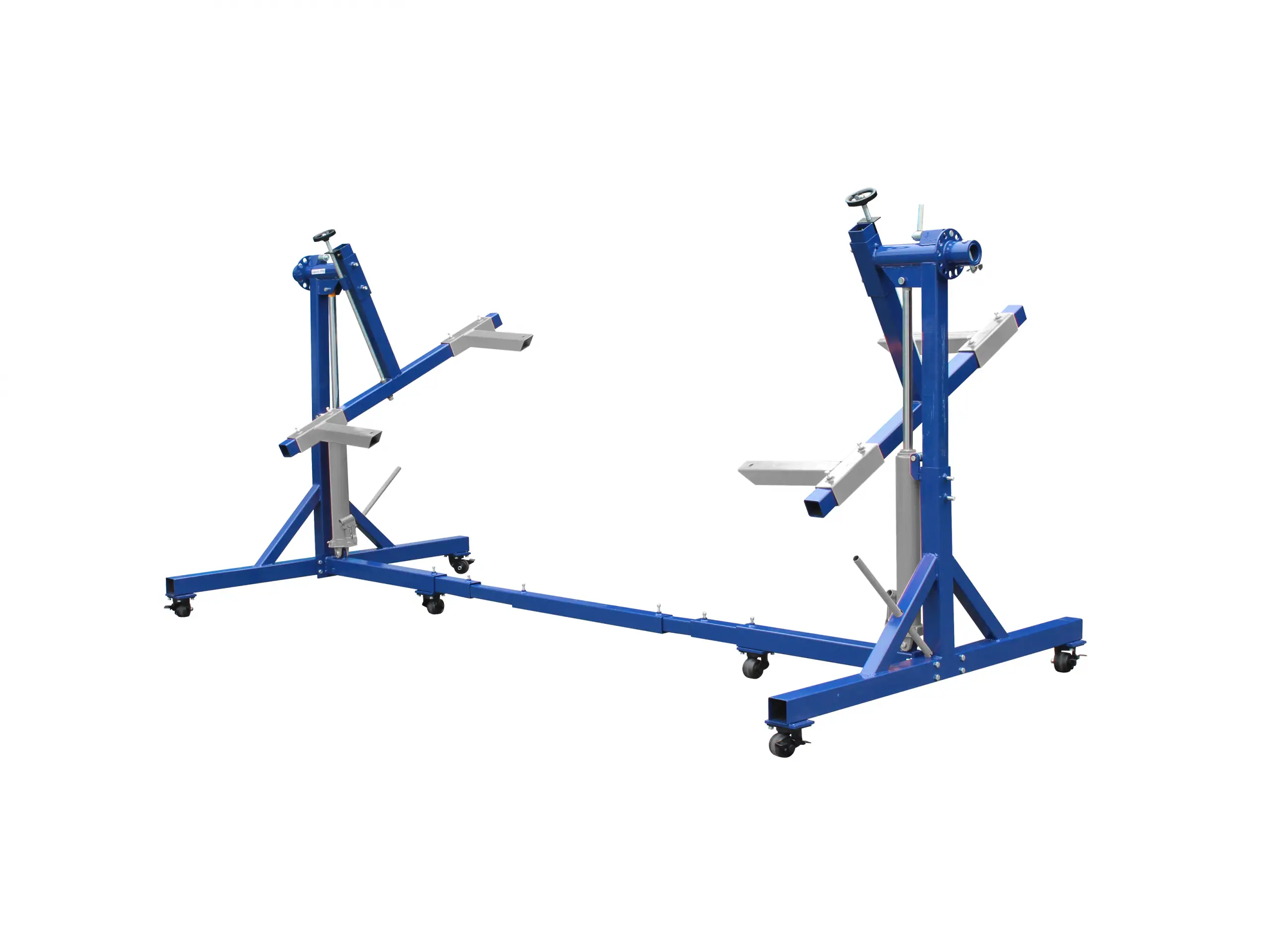
Structural repair lives or dies on measurement. Computerized measuring systems and 3D digital scanning replace the old tape-and-tram method with point-to-point accuracy against a manufacturer’s database. Benches such as Car-O-Liner systems and portable electronic measuring tools like the Spanesi Touch system give technicians real-time data on whether a frame has moved and whether a pull has brought it back into specification.
6. Advanced Paint Matching and Digital Color Management
Paint matching has quietly become one of the most data-heavy parts of the repair. Paint matching now relies on spectrophotometers that read a vehicle’s actual finish, cloud-connected formula databases, and mixing systems that track every drop of product. PPG LINQ is one example of a digital ecosystem that links the spectrophotometer, the mixing room, and inventory into a single connected workflow.
7. What Collision Repair Technology Trends Mean for Your Shop
The throughline across every trend above is the same: repair decisions are increasingly data-driven, documented, and verified. That shift rewards shops that invest in the right equipment and training, and it punishes shops that treat calibration, measurement, and documentation as afterthoughts.
| Trend | Primary Benefit | What to Watch |
|---|---|---|
| ADAS calibration | In-house safety verification | Floor space and lighting |
| AI estimating | Faster approvals | Photo quality discipline |
| Aluminum tooling | Lightweight vehicle capability | Contamination control |
| OEM compliance | Liability protection | Procedure currency |
| 3D measuring | Structural accuracy | Regular calibration |
| Digital paint | Less waste, better matches | Clean prep before scanning |
Before buying any measuring or calibration system, ask the vendor how often the vehicle database updates and whether updates are included. A system with a stale database is worse than no system, because it gives you confident wrong numbers.
Frequently Asked Questions
What are the latest technologies in auto collision repair?
The biggest shifts right now are ADAS calibration, AI-powered damage assessment, 3D computerized measuring, and digital paint matching. Shops are also adopting cloud-based estimating platforms that connect directly with insurers, plus specialized aluminum repair tools for mixed-material vehicles. Together, these collision repair technology trends reduce cycle times, improve repair accuracy, and give shops the documentation OEMs and insurers now expect.
How is ADAS calibration changing the collision repair process?
ADAS calibration equipment requirements now include specific floor space, target placement distances, lighting conditions, and vehicle pre-alignment before any sensor recalibration. Cameras, radar, and LiDAR systems must be reset after structural pulls, windshield replacement, or suspension work. Shops without in-house calibration often sublet the job, which adds days to cycle time. Investing in a modular system keeps that step under your roof.
How does aluminum repair technology differ from traditional steel repair?
Aluminum requires dedicated tools because it work-hardens differently, conducts heat faster, and cannot share tooling with steel without cross-contamination. Body shops need separate hand tools, dent pullers, and welding equipment rated for aluminum, plus a clean bay to prevent galvanic corrosion. Dedicated aluminum repair tools for body shops protect structural integrity and meet the OEM repair procedure compliance standards most automakers now require.
Why does OEM repair procedure compliance matter for my shop?
Automakers publish model-specific repair procedures that specify weld types, sectioning points, adhesives, and calibration steps. Following them is no longer optional: insurers increasingly deny claims for repairs that skip documented procedures, and liability falls on the shop. Compliance also protects your reputation and keeps you eligible for OEM certification programs, which can unlock better referral volume and higher labor rates.
Collision repair is shifting from craft alone to craft plus verified data, and shops that adapt early will win the cycle-time battle. KGM Equipment supplies the durable auto body machinery and specialized aluminum collision repair tools that keep pace with that shift, backed by expert customer support when a machine goes down. Explore the lineup at KGM Equipment and subscribe to our newsletter for equipment guidance built for working shops.

