

Table of Contents
- Why Industrial Machinery Financing Matters for Your Shop in 2026
- Equipment Leasing vs. Buying Pros and Cons
- How Equipment Financing Works: Loans, Leases, and Key Terms
- Current Interest Rates, APR Ranges, and What Drives Your Rate
- Section 179 Tax Deduction 2026: What It Means for Your Financing Decision
- The Equipment Financing Approval Process: From Application to Funding
- Lifecycle Cost Analysis: Calculating the True Cost of Your Machinery
- Financing Used vs. Refurbished Machinery: What Lenders Look For
- Frequently Asked Questions
Last Updated: September 18, 2026
Why Industrial Machinery Financing Matters for Your Shop in 2026
Industrial machinery financing options in 2026 have shifted in ways that matter to every shop owner writing a capital expenditure check. Lenders now weigh cash flow management and equipment lifecycle more heavily, and the gap between a well-structured deal and a poorly structured one can run into tens of thousands of dollars over a machine’s useful life. This guide from KGM Equipment breaks down how loans, leases, and tax incentives actually work.
Equipment Leasing vs. Buying Pros and Cons
Leasing wins when you need the machine now, plan to upgrade within a few years, or want to preserve cash for payroll and consumables. Buying wins when you’ll keep the equipment past its depreciation window and want to build equity in a durable asset.
| Factor | Lease | Loan (Buy) |
|---|---|---|
| Upfront cost | Lower down payment | Higher down payment |
| Ownership | Lender retains title | You own the asset |
| Tax treatment | Deduct payments | Section 179 or bonus depreciation |
| Upgrade flexibility | High at term end | Sell or trade the asset |
| Best for | Fast-changing tech | Long-life machinery |
When Leasing Makes Sense for Your Shop
Leasing fits shops that cycle through equipment quickly or need to protect liquidity during seasonal slowdowns. A fair market value lease lets you return the machine at term end or buy it at current market value, which suits diagnostic systems and software-heavy tools that lose value fast. Seasonal payment structures, with lower payments during slow months, are worth asking your lender about.
When Buying Is the Better Move
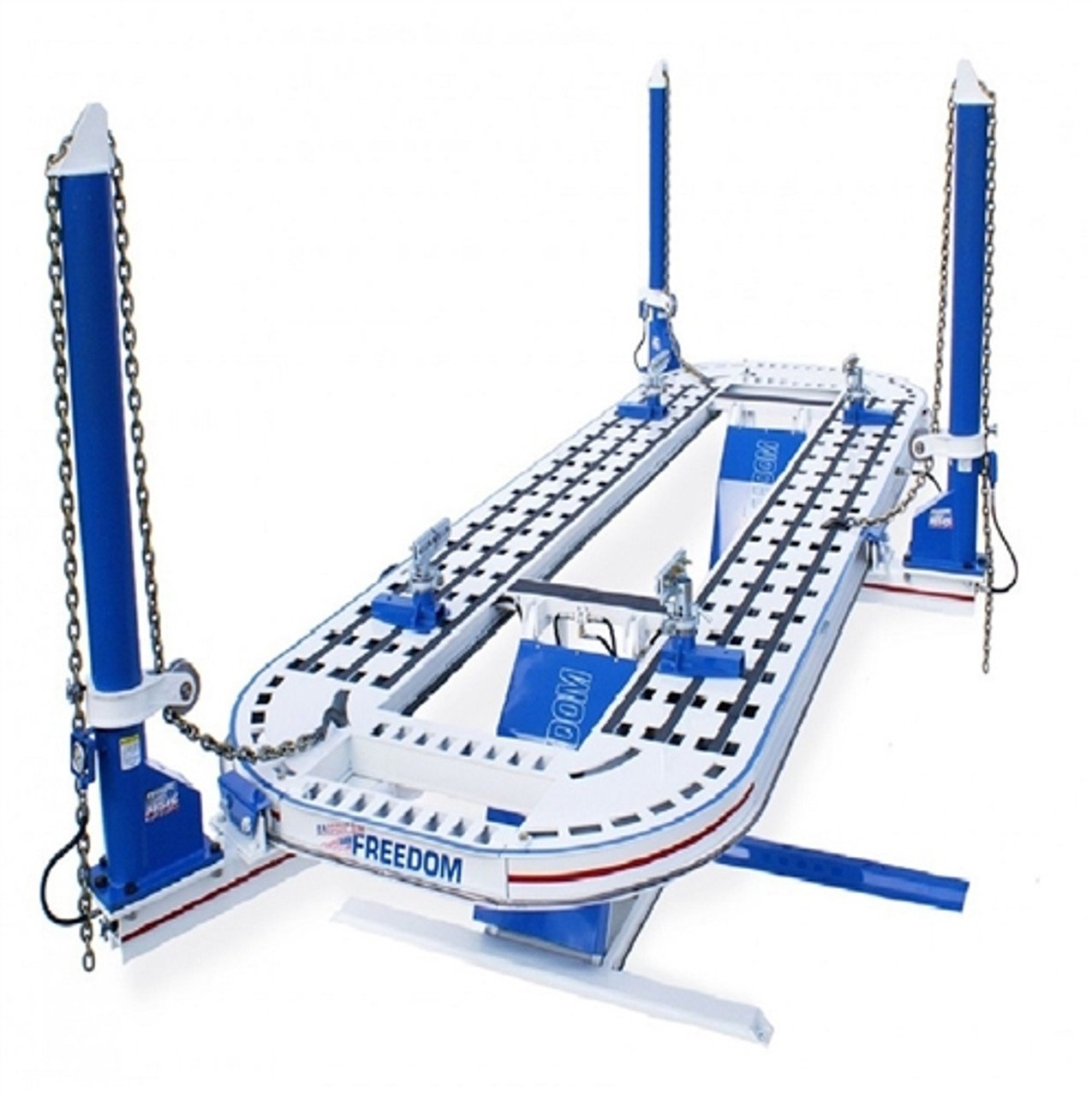
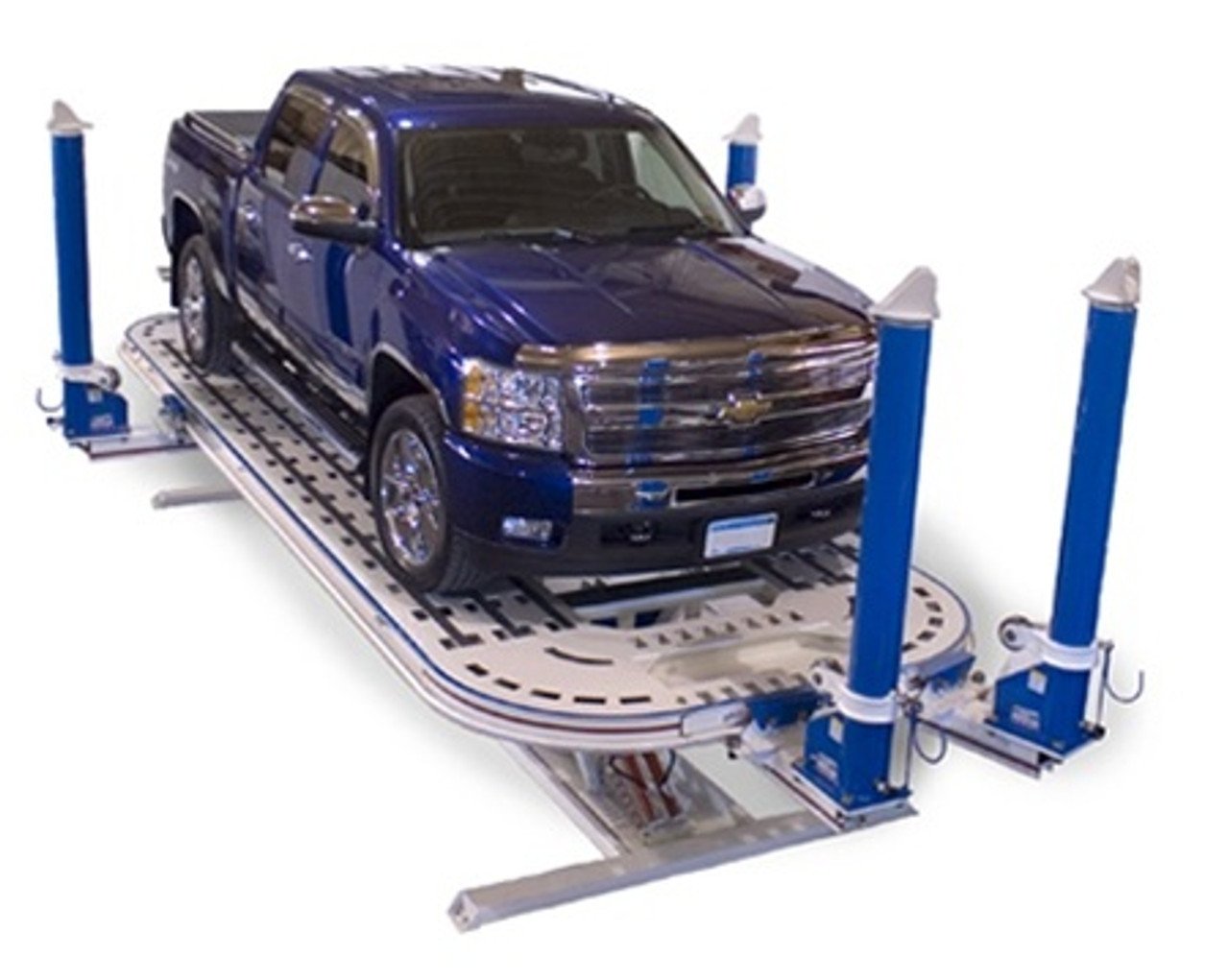
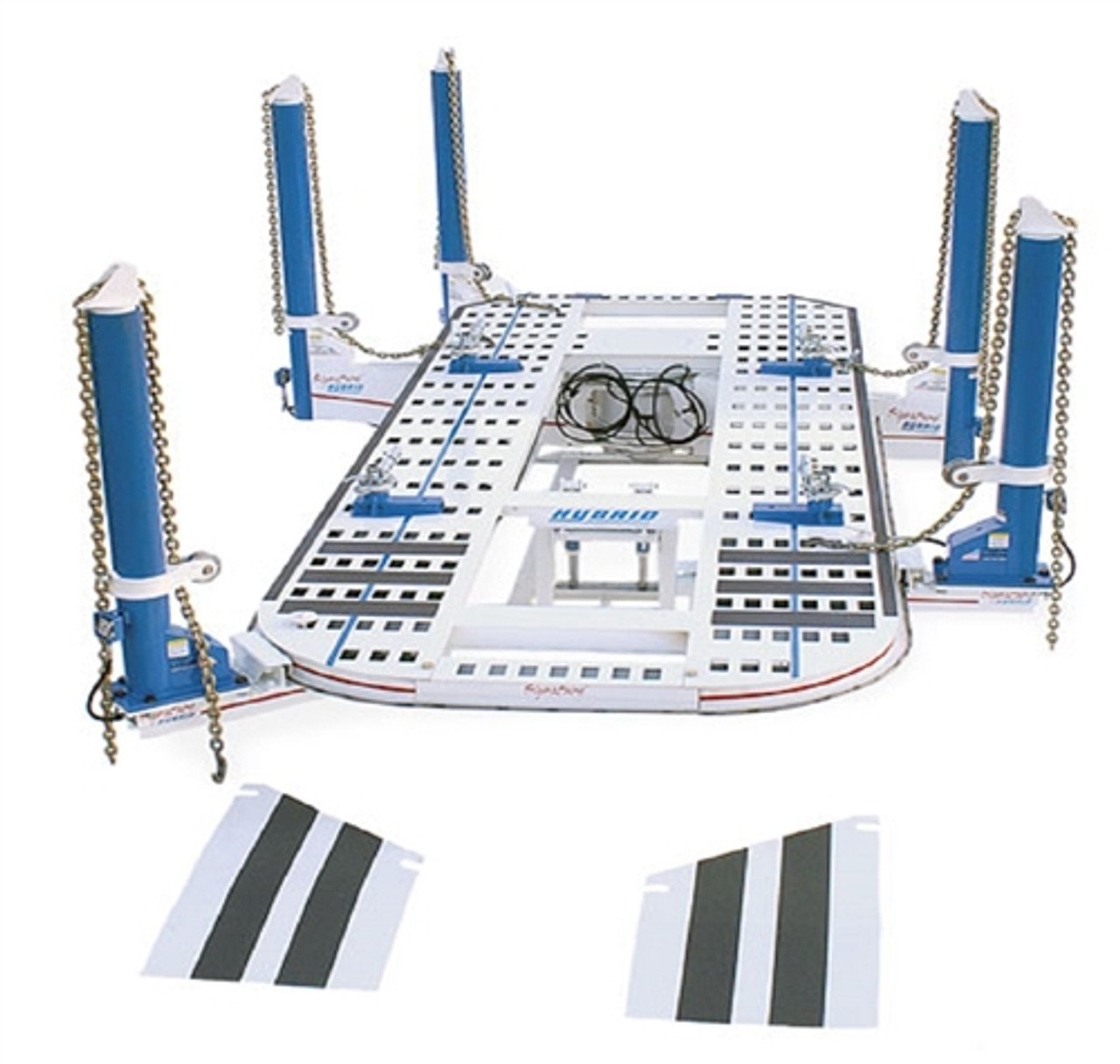
Buying makes sense for durable assets you’ll run for a decade: frame racks, lifts, compressors, and heavy welding stations. You build equity, control the depreciation schedule, and avoid return-condition charges. If your financials show strong liquidity and you can absorb a larger down payment, a collateralized loan usually beats a lease on total cost.
A common mistake is choosing a lease purely for the lower monthly payment without checking the total cost across the full term. Add up payments, origination fees, and any end-of-term buyout, then compare that number to a loan’s total. The cheaper monthly payment often costs more overall.
How Equipment Financing Works: Loans, Leases, and Key Terms
Equipment financing works by securing a loan or lease against the machinery itself, which lowers the lender’s risk and your rate. Because the equipment serves as collateral, these asset-backed lending arrangements typically price better than unsecured credit.
Three structures dominate:
- Secured equipment loan: You borrow against the machine, repay over a fixed term, and own it outright at the end.
- Fair market value lease: You make payments, then return, buy, or extend at term end based on market value.
- Dollar buyout lease: Payments run through the term, and you purchase the asset for one dollar at the end.
Understanding Balloon Payments vs. Fully Amortized Loans
A balloon payment loan spreads smaller payments across the term and leaves a large lump sum due at the end. A fully amortized loan builds principal reduction into every payment, so nothing is owed when the term closes. Balloon structures keep monthly cash flow lighter but require planning for that final payment. If your revenue is predictable, a fully amortized loan removes the end-of-term surprise.
Ask your lender for the amortization schedule before signing. It shows exactly how much principal you’re paying down each month. On a balloon deal, that schedule reveals how little equity you build until the final payment, which is the number most borrowers miss.
Current Interest Rates, APR Ranges, and What Drives Your Rate
Industrial machinery financing is priced as asset-backed lending: a spread over a benchmark index plus a risk premium tied to your file and the machine. Understanding that structure lets you negotiate instead of accepting the first quote.
What actually moves your rate:
- Credit profile: Business credit score, payment history, and any prior defaults drive the base spread. A clean file with established trade lines prices best.
- Time in business: Lenders reward operating history. Two or more years of filed returns typically unlocks better pricing than a startup with strong personal credit alone.
- Down payment: A larger down payment reduces the lender’s exposure and lowers your APR. On used equipment, expect the required down payment to rise as the machine ages.
- Term length: Longer terms carry higher rates because the lender’s capital is exposed longer. A 60-month term usually prices above a 36-month term on the same machine.
- Equipment age and condition: New machinery prices lowest. Used and refurbished units price higher, and units past a certain age may fall outside a lender’s standard program entirely.
- Appraisal strength: A documented machinery valuation supports the loan-to-value the lender will extend. A weak or missing appraisal pushes the rate up or kills the deal.
- Fees and penalties: Origination fees, documentation fees, and prepayment penalties raise your effective cost even when the headline rate looks competitive. Always compare APR, not the nominal rate.
Ask whether the rate is fixed or variable, and if variable, which index it tracks and how often it resets. A variable-rate machinery loan can move meaningfully over a five- to seven-year term, and that movement belongs in your cash flow model before you sign.
Section 179 Tax Deduction 2026: What It Means for Your Financing Decision
The Section 179 tax deduction 2026 rules let qualifying businesses deduct the full purchase price of eligible equipment in the year it’s placed in service, rather than depreciating it over several years. That can change which financing structure makes sense, because the deduction applies to purchased equipment, not leased assets in most cases.
The Equipment Financing Approval Process: From Application to Funding
The equipment financing approval process moves through four stages: application, underwriting, approval, and funding. Most straightforward deals close in days to a few weeks, depending on how complete your documentation is and how quickly the appraisal is returned.
Subscribe to our newsletter! →
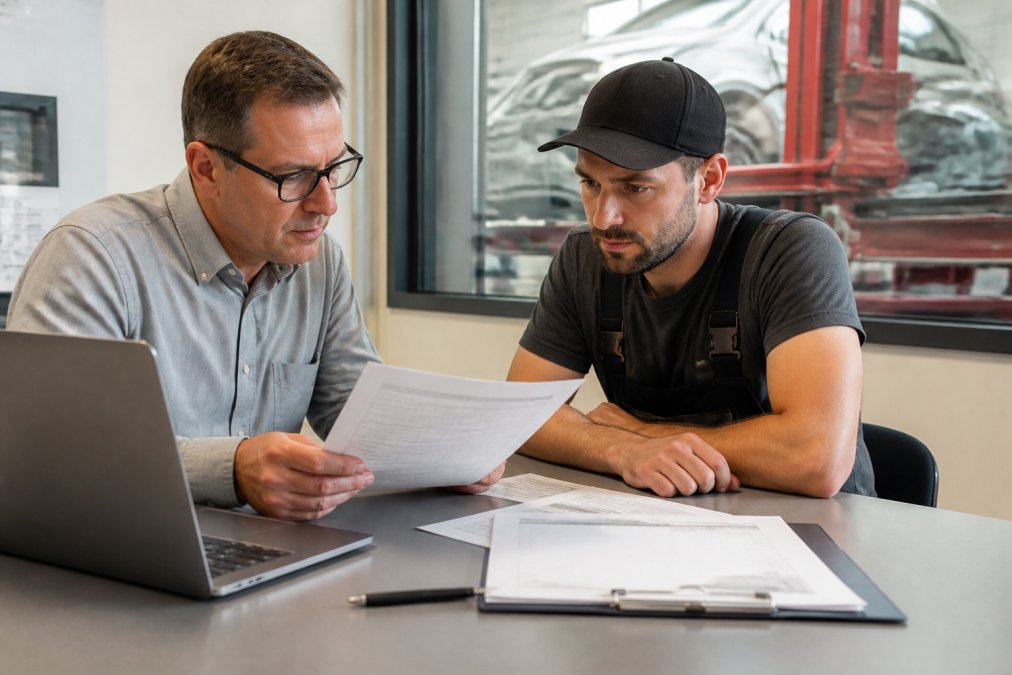
What underwriting actually evaluates on an industrial machinery deal:
- Debt service coverage ratio: Lenders want to see that operating cash flow covers the proposed payment with margin. A thin DSCR is the most common reason a deal gets restructured rather than approved as submitted.
- Business liquidity: Cash on hand and available credit lines signal whether you can absorb a slow month without missing a payment.
- Equipment appraisal: For new machinery, the invoice and specification sheet establish value. For used or refurbished units, an independent machinery valuation carries the file.
- Collateral position: The lender wants the machine’s value to cover the loan balance through the term, which is why age and condition drive both the rate and the required down payment.
- Industry and use: Lenders who specialize in industrial and collision repair equipment understand the asset class and price it better than a generalist who has to research resale values from scratch.
Documents You’ll Need to Get Approved
- Business tax returns for the last two years
- Current financial statements (profit and loss, balance sheet)
- Business bank statements for the last three to six months
- Equipment quote or invoice with specifications
- Equipment appraisal for used or refurbished machinery
- Proof of business registration and ownership
- Personal financial statement, if required by the lender
How Lead Times Affect Your Repayment Schedule
Industrial machinery frequently ships on long lead times, and the gap between signing and the machine producing revenue can run weeks or months. If repayment starts at funding rather than installation, you can be making payments on an asset that isn’t earning yet.
Ask your lender two questions before you sign:
- Does repayment begin at funding or at acceptance? Some lenders offer a deferral period or an interest-only start until the machine is installed and commissioned.
- Will the loan finance freight, installation, and training? Soft costs are frequently left out of the loan amount, which forces you to fund them from working capital right when cash is tightest.
The fastest way to slow down your approval is an incomplete file. Gather every document before you apply, and ask the lender for their checklist upfront. Then confirm whether repayment starts at funding or at installation, aligning the first payment with the machine’s first revenue month is one of the highest-value terms you can negotiate.
Lifecycle Cost Analysis: Calculating the True Cost of Your Machinery
Lifecycle cost analysis totals every cost a machine generates over its full service life, not just the purchase price. Most buyers compare sticker prices; the better comparison includes financing, soft costs, maintenance, downtime, and resale value.
Total cost of ownership for industrial machinery includes:
- Acquisition cost: Purchase price, down payment, and origination fees
- Soft costs: Freight and installation, electrical work, and technician training
- Operating cost: Consumables, parts, and scheduled maintenance
- Downtime cost: Lost production when the machine is out of service
- Residual value: What the asset is worth when you sell or trade it
Financing Used vs. Refurbished Machinery: What Lenders Look For
Used and refurbished machinery can be financed, but lenders apply stricter terms: a documented equipment appraisal, a clear maintenance history, and meaningful useful life remaining.
Frequently Asked Questions
What is the current interest rate for a machinery loan?
Rates for industrial machinery financing in 2026 depend on your creditworthiness, the loan term, and whether the loan is secured by the equipment. Well-qualified borrowers with strong financial statements may see rates starting in the single digits, while higher-risk profiles or longer terms can push rates higher. Because rates shift with market conditions, request a personalized quote for your specific situation rather than relying on advertised averages.
Do commercial equipment loans typically require a 20% down payment?
Not always. Many lenders offer equipment financing with 10% to 20% down, and some programs allow zero down for borrowers with excellent credit and a strong business history. Your down payment requirements depend on the lender’s underwriting standards, the equipment’s useful life, and your debt service coverage ratio. A larger down payment usually means a lower rate and more favorable terms.
How does the Section 179 tax deduction 2026 impact my financing decision?
Section 179 lets you deduct the full purchase price of qualifying equipment in the year you put it into service, up to the annual limit. For 2026, this can significantly reduce your taxable income, effectively lowering the real cost of buying versus leasing. If you finance the equipment, you still qualify for the deduction as long as it’s used for business. Consult your tax advisor to confirm eligibility and maximize the benefit.
What credit score do I need for industrial machinery financing?
Most lenders look for a credit score of at least 650, though some programs accept lower scores with a larger down payment or additional collateral. A score above 700 typically unlocks the best rates and terms. Lenders also review your business financial statements, time in business, and existing debt obligations. Building a strong relationship with a lender can help if your score is borderline.

