

Table of Contents
- Why Professional Collision Tools Matter
- Restoration of Vehicle Safety and Structural Integrity
- Essential Auto Body Shop Equipment List
- Benefits of Aluminum Repair Tools for Modern Vehicles
- OEM Repair Procedure Compliance and Standardization
- How Professional Tools Impact Resale Value and Depreciation
- Time and Cost Efficiency Gains in Your Shop
- Frequently Asked Questions
Last Updated: September 17, 2026
Why Professional Collision Tools Matter
The difference between a mediocre repair and one that restores a vehicle to factory specifications comes down to equipment. Professional collision tools aren’t luxuries, they’re the foundation of safe, efficient, and profitable repairs. At KGM Equipment, we understand that shops investing in quality professional collision tools aim for measurable improvements in safety outcomes, turnaround times, and customer satisfaction.
When a vehicle arrives damaged, the technician’s skill matters. But skill without precision equipment produces inconsistent results. Modern vehicles, especially those with aluminum components and advanced safety systems, demand tools engineered for accuracy. The wrong equipment leads to rework, frustrated customers, and lost revenue. The right equipment transforms your operation.
This guide covers the essential professional collision tools your shop needs, how they deliver results, and why the investment pays for itself through faster repairs and fewer comebacks.
Restoration of Vehicle Safety and Structural Integrity
Structural integrity after a collision isn’t negotiable. A vehicle that looks repaired but isn’t structurally sound puts drivers at risk and exposes your shop to liability. Professional collision tools restore vehicles to manufacturer specifications, the only acceptable standard.
Frame and structural alignment systems ensure every measurement meets OEM standards. When a vehicle’s frame is even slightly misaligned, suspension geometry changes, handling becomes unpredictable, and safety systems may not function properly. Electronic measuring equipment provides real-time data on frame dimensions, comparing them against the vehicle’s original specifications. This removes guesswork.
Welding equipment designed for automotive use ensures structural welds meet safety standards. Spot welders, MIG systems, and stud welding equipment used in collision repair are engineered for thin-gauge metals. They produce consistent, strong welds that won’t fail under stress. A weld done wrong compromises the entire repair.
Dent pulling and straightening tools restore panels to their original shape without excessive heat or material removal. Precision equipment prevents over-working panels, which weakens the metal and creates future problems. The goal is restoration, not replacement.
When you use professional-grade tools, you’re not just fixing damage, you’re ensuring the vehicle is as safe as it was before the collision.
Essential Auto Body Shop Equipment List
A properly equipped collision shop requires tools across several categories. Each serves a specific function in the repair process.
Frame and Structural Alignment Systems
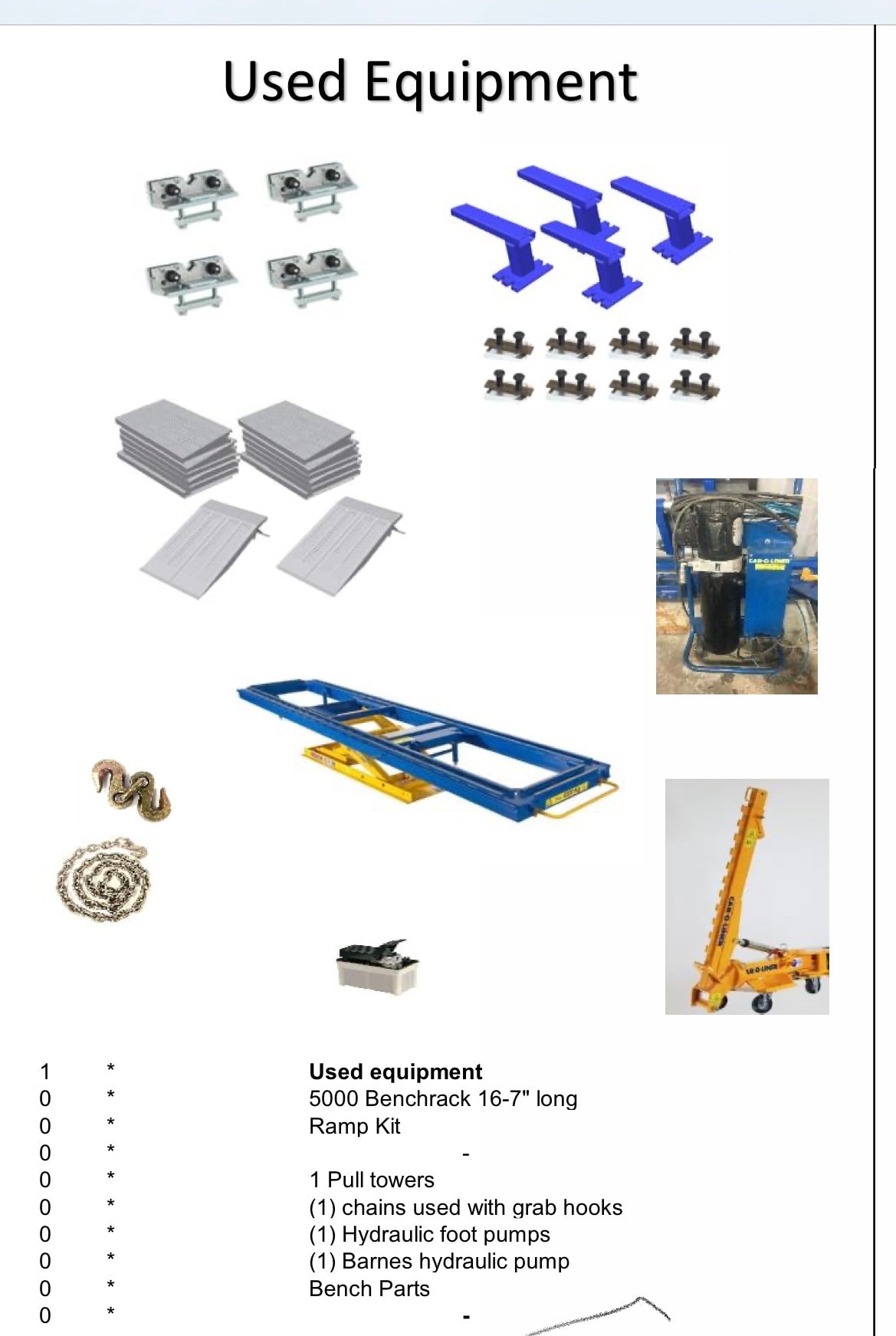
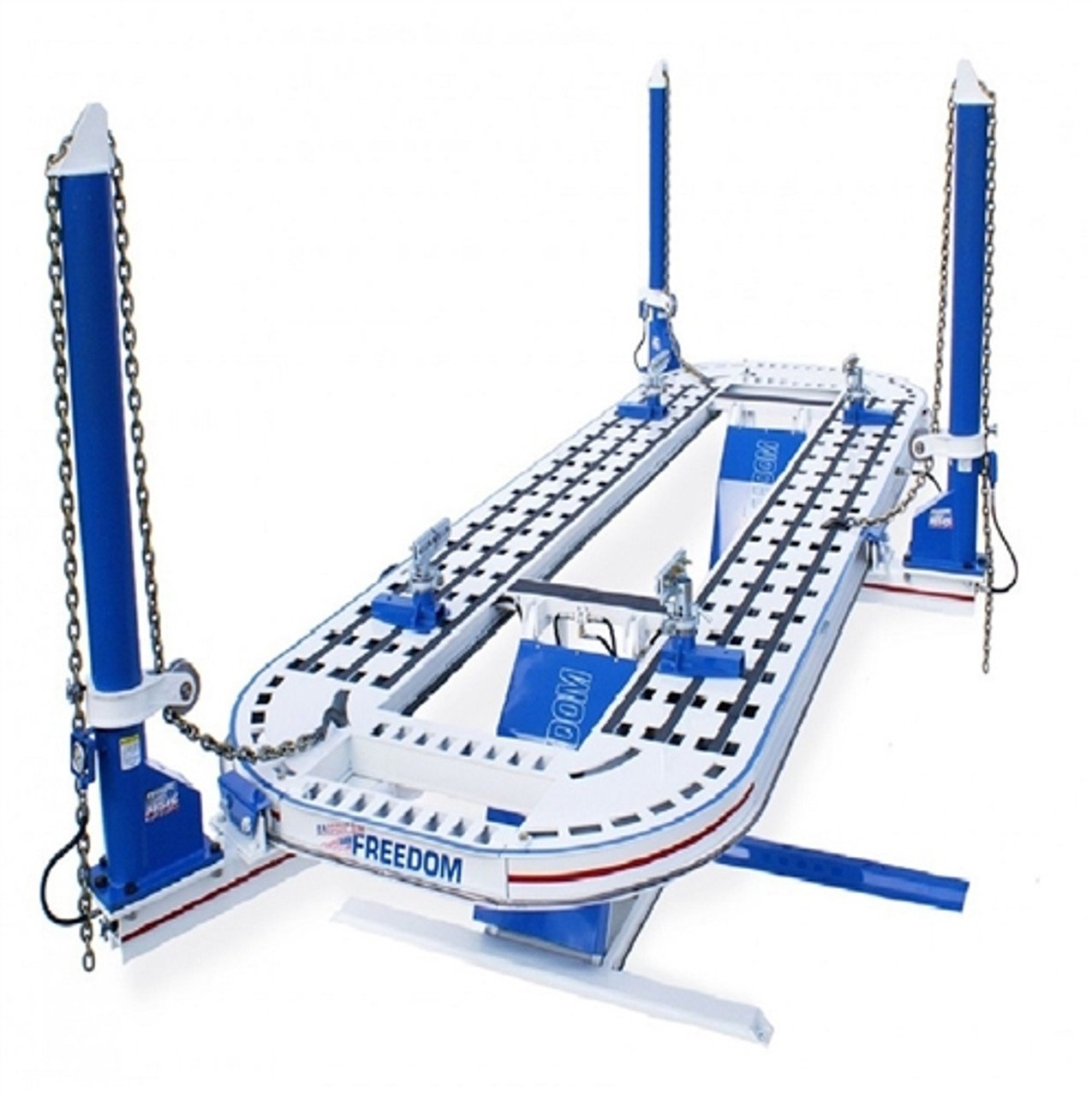
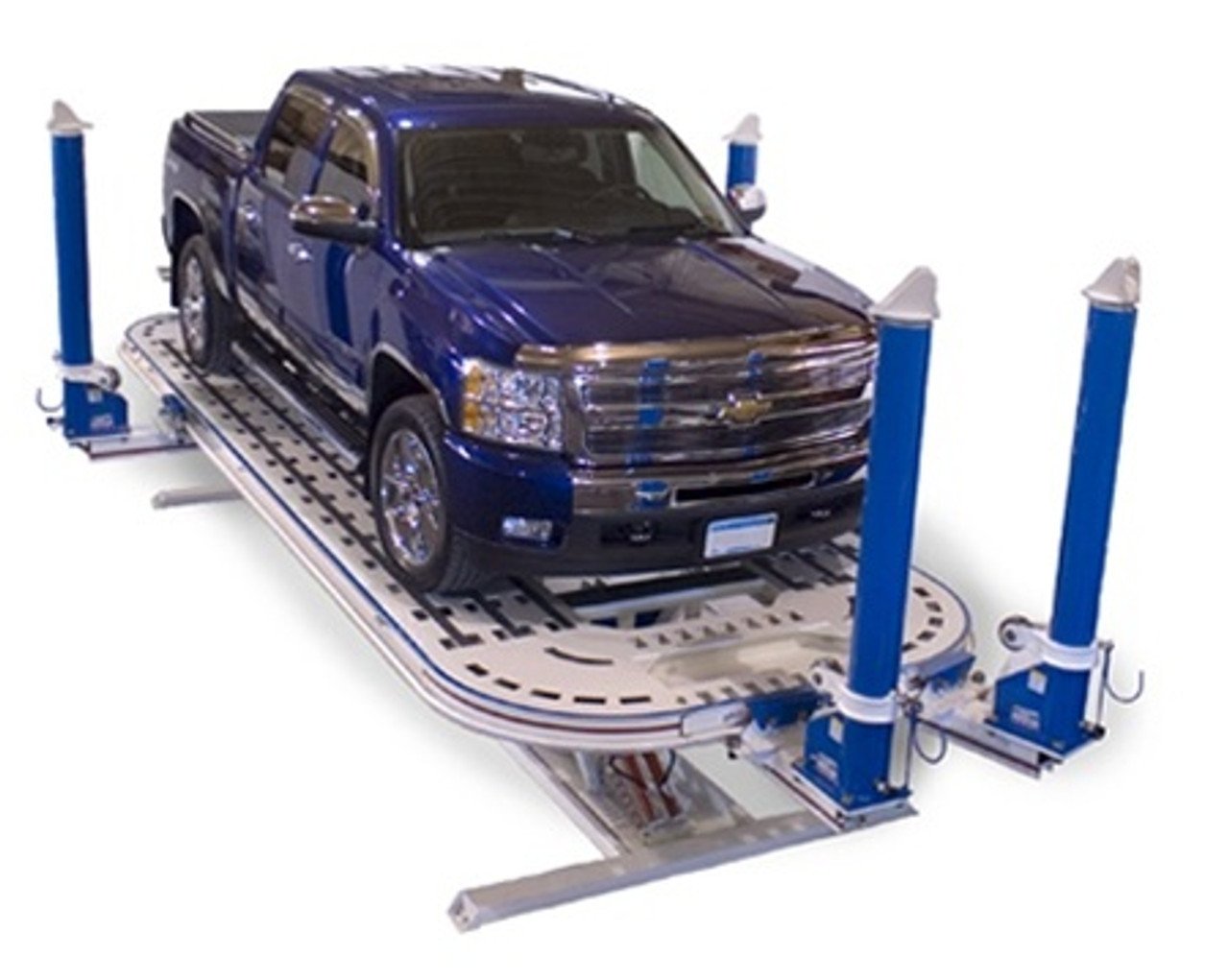
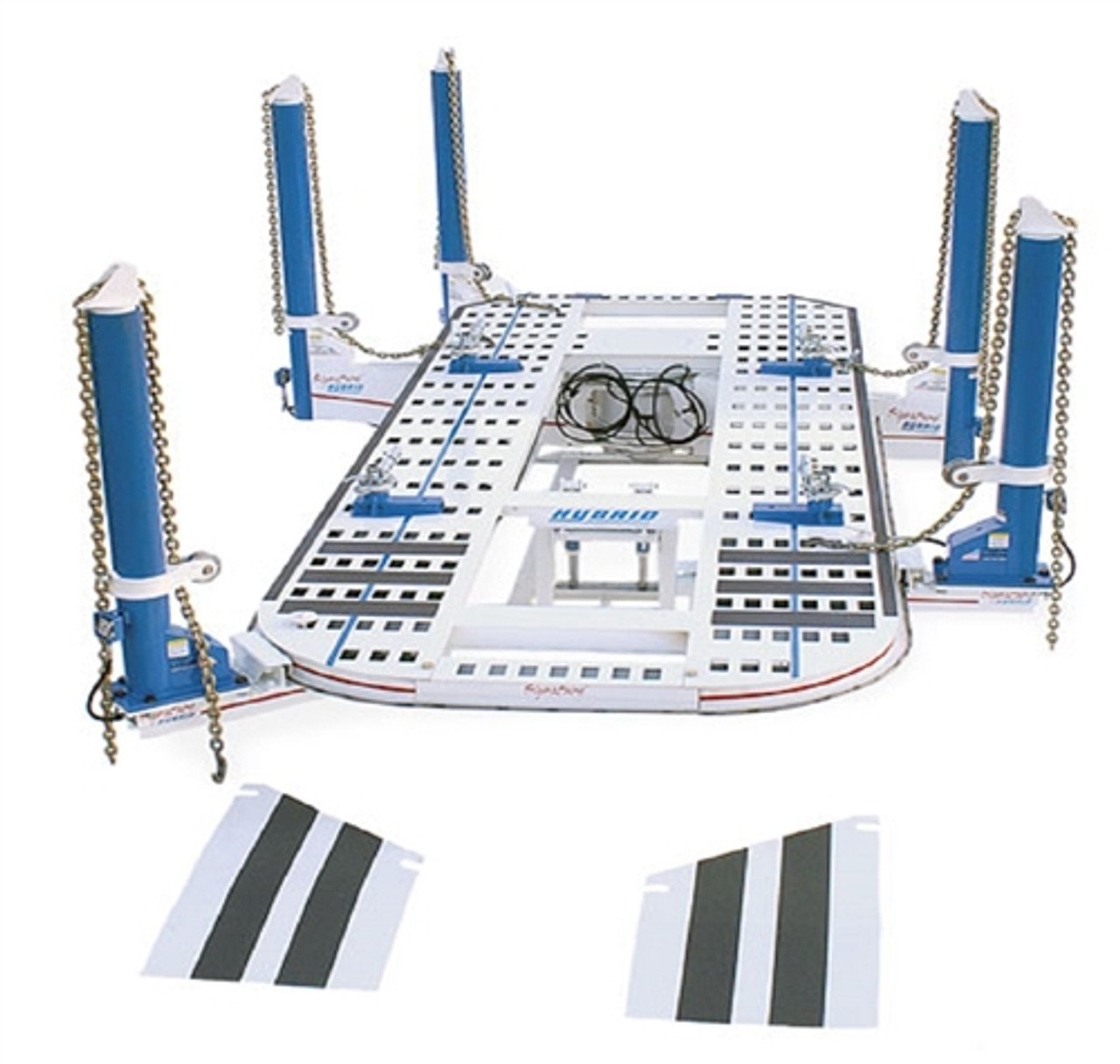
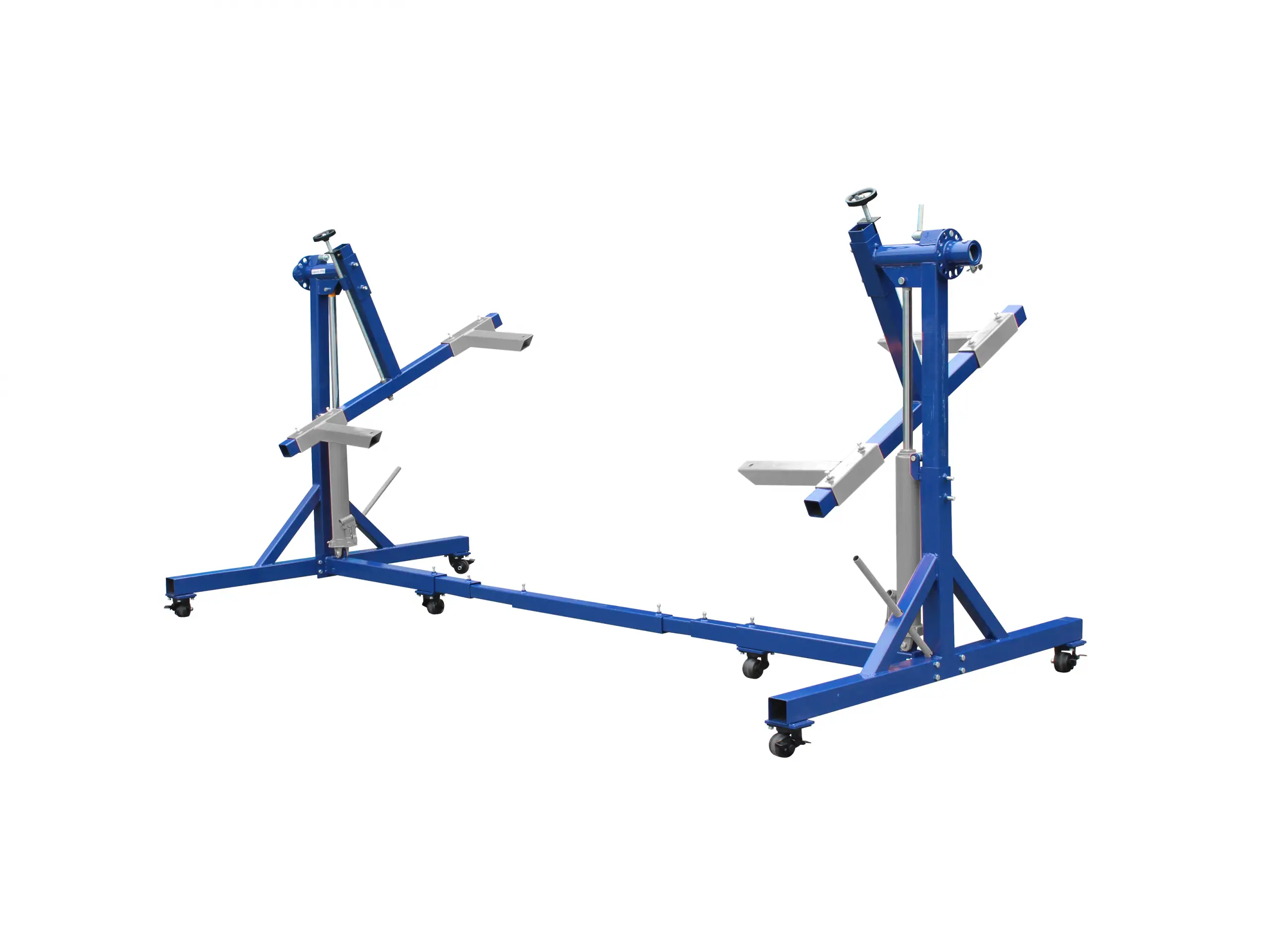
Frame racks and measuring systems are the backbone of structural repair. Frame alignment systems use computerized measurement to ensure precise restoration. These systems include hydraulic pulling towers that apply controlled force to bent frames, bringing them back to exact OEM specifications.
The benefit is clear: shops using frame alignment systems aim to reduce structural rework by eliminating guesswork. A technician can see in real time whether the frame matches manufacturer specs. Insurance companies and customers often recognize this precision as a mark of quality.
The investment is significant, but for shops handling structural damage regularly, a frame alignment system is essential. Smaller shops might partner with larger facilities or invest gradually. The key is ensuring structural repairs meet OEM standards.
Precision Welding and Dent Pulling Equipment
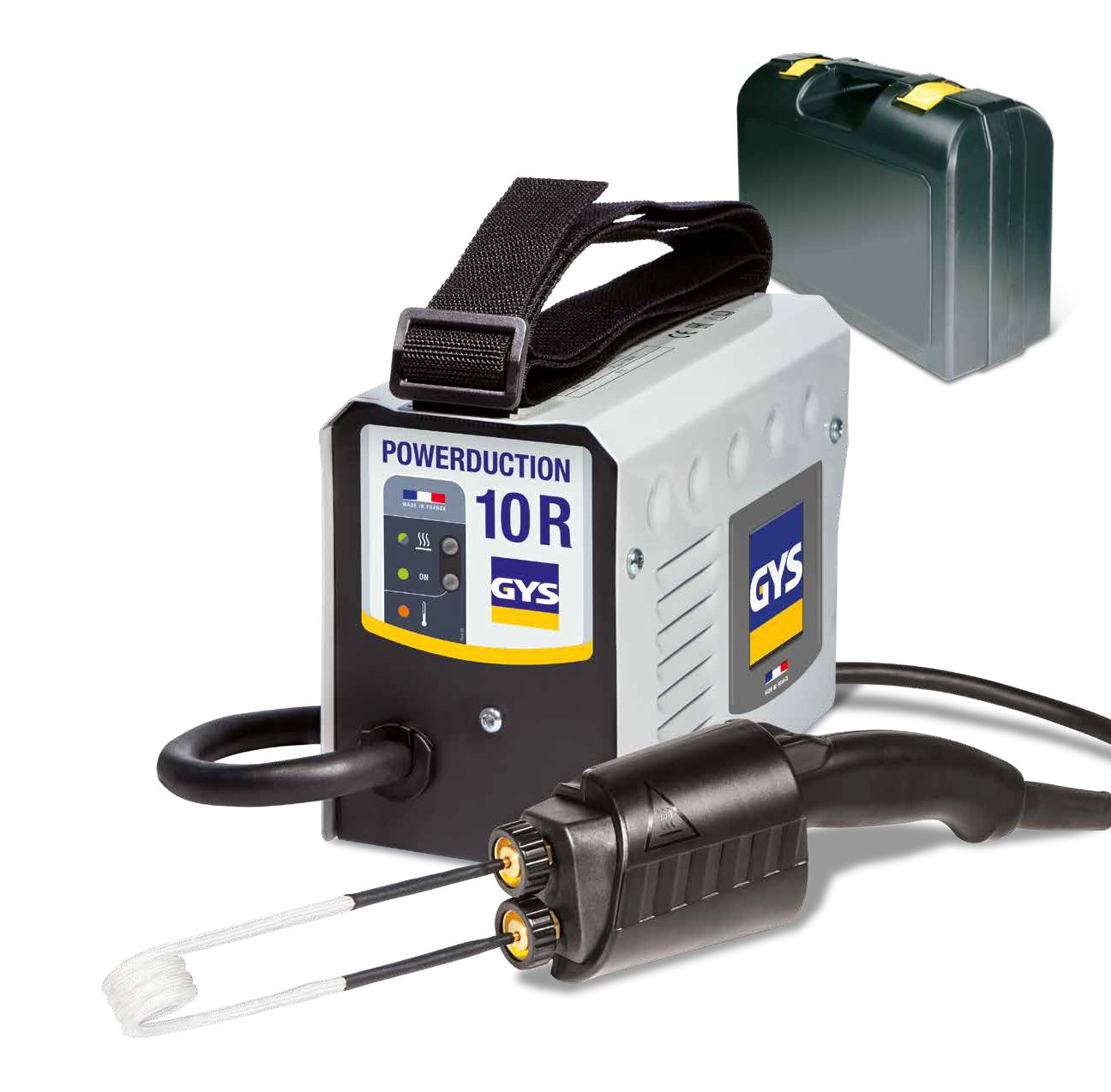
Welding equipment designed for collision repair differs from general-purpose welders. Collision welders, for example, feature auto-set technology that simplifies parameter configuration for different metal thicknesses. They maintain stable arc performance on delicate body panels, critical for preventing burn-through on thin automotive metals.
Stud welding systems allow technicians to pull dents without removing interior trim or causing additional damage. These systems apply precise heat and pulling force, restoring panel shape efficiently.
The workflow improvement can be significant. Without stud welding capability, technicians may resort to destructive methods, removing panels, grinding, filling, sanding. With the right equipment, a deep dent can often be addressed efficiently with minimal material removal.
Diagnostic and Measuring Tools
Measuring systems provide wireless connectivity and comprehensive vehicle specification databases. Technicians can document frame measurements, compare them against OEM specs, and generate reports for insurance companies. This documentation protects your shop and helps prove repair quality.
Electronic measuring eliminates the time-consuming process of manual measurement. A technician spends less time measuring and more time repairing. The data is objective, no arguing about whether the repair meets standards.
Benefits of Aluminum Repair Tools for Modern Vehicles
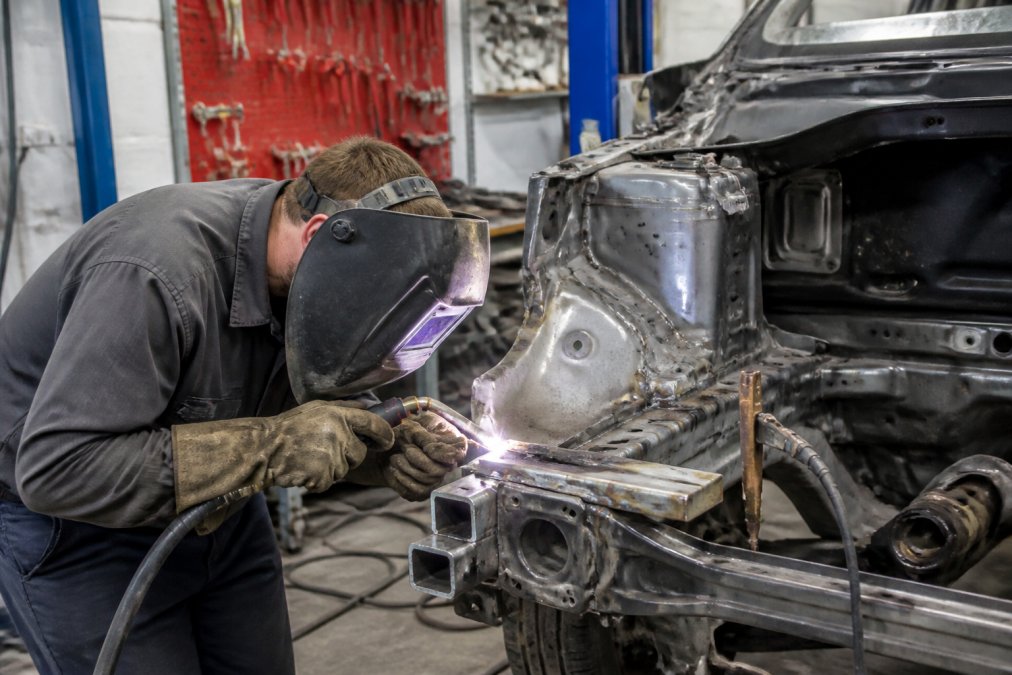
Aluminum has become structural standard in modern vehicles. Manufacturers now use aluminum for body panels, hoods, doors, fenders, and increasingly for frame components and crash structures. This shift reflects weight reduction goals and fuel economy regulations, but it creates a critical repair challenge: aluminum behaves fundamentally differently from steel during welding, straightening, and finishing.
Why Aluminum Demands Specialized Equipment
Aluminum has a lower melting point than steel (1,220°F versus 2,750°F), conducts heat three times faster, and expands at nearly twice the rate. Standard steel welding parameters overheat aluminum, causing burn-through on thin body panels, loss of structural strength in the heat-affected zone, and brittleness that leads to cracking under stress. Aluminum also oxidizes instantly when exposed to air, forming aluminum oxide with a melting point higher than aluminum itself, this oxide layer prevents proper fusion if not removed immediately before welding.
Subscribe to our newsletter! →
Professional aluminum repair stations use pulse welding technology specifically engineered for aluminum’s thermal properties. Pulse welding applies energy in controlled bursts rather than continuous current, allowing the base metal to cool between pulses. This prevents heat buildup, reduces distortion, and maintains structural integrity. The equipment monitors amperage, pulse duration, and frequency in real time, adjusting parameters automatically based on material thickness and alloy type.
Corrosion Prevention and Material Isolation
Galvanic corrosion occurs when aluminum contacts dissimilar metals like steel or copper in the presence of moisture. This electrochemical reaction degrades aluminum rapidly, creating white powdery corrosion that weakens joints and compromises structural repairs. Professional aluminum repair tools include dedicated storage, isolation pads, and stainless steel fasteners that prevent this degradation.
Shops that mix aluminum and steel tools in the same toolbox or use steel clamps on aluminum panels create corrosion that becomes visible within months. Customers see white deposits, assume the repair failed, and the shop’s reputation suffers. Professional-grade aluminum repair stations enforce material separation through design, aluminum-only welding stations, dedicated tool storage, and color-coded equipment prevent cross-contamination.
Impact on Repair Quality and Longevity
Aluminum repairs done with improper technique fail in predictable ways. Weak welds crack under suspension stress or impact. Heat-damaged aluminum becomes brittle and fractures during minor collisions. Corrosion spreads from fasteners into surrounding structure, creating hidden damage that emerges months after repair. Insurance companies and manufacturers recognize these failure modes and increasingly require documentation that aluminum repairs followed OEM procedures using certified equipment.
Shops certified to repair modern vehicles must invest in professional aluminum tools. The alternative, using steel welding equipment or manual straightening techniques on aluminum, produces repairs that fail warranty inspections and generate comebacks. For shops competing on quality and certification status, professional aluminum repair capability is non-negotiable.
OEM Repair Procedure Compliance and Standardization
Manufacturers publish specific repair procedures for their vehicles. These procedures specify which welding methods to use, what heat settings are appropriate, and how to verify structural alignment. Following OEM procedures isn’t optional, it’s the standard that determines whether a repair is acceptable.
Professional collision tools enable compliance with OEM standards. Frame alignment systems measure against OEM specs. Welding equipment allows technicians to apply the exact heat and technique each repair requires. Diagnostic tools document that repairs meet specifications.
Insurance companies increasingly require OEM compliance documentation. Shops that can prove repairs followed manufacturer procedures command higher rates and attract quality-conscious customers. Shops that can’t document compliance lose business.
How Professional Tools Impact Resale Value and Depreciation
A vehicle repaired with professional tools and techniques retains more value. Buyers and dealers recognize quality repairs. A vehicle that’s been through a professional collision center with proper equipment commands a higher resale price than one repaired with shortcuts.
Accelerated depreciation happens when repairs are substandard. Hidden structural issues, weak welds, or misaligned frames reveal themselves over time. Buyers discover problems, resale value plummets, and the original owner loses money. Professional tools prevent this.
Documentation matters too. When a vehicle has records showing it was repaired using frame alignment systems, proper welding procedures, and OEM-compliant techniques, that documentation adds value. Buyers pay more for transparency and quality.
Time and Cost Efficiency Gains in Your Shop
Professional collision tools reduce repair cycle time across multiple stages. A frame that takes two days to straighten manually can often be completed in hours with a frame alignment system. A dent that requires panel removal, grinding, and body filler can often be addressed efficiently with a stud welder. Faster turnaround can mean more vehicles through your shop. More vehicles can mean higher revenue without expanding your facility. The math suggests that if professional tools can cut repair time, your throughput may increase proportionally.
Material costs drop too.
The Hidden Efficiency Gain: ADAS Calibration Integration
Frequently Asked Questions
What are the primary benefits of using professional-grade collision repair tools?
Professional collision tools deliver precision, safety, and efficiency that DIY or entry-level equipment cannot match. They restore structural integrity to OEM specifications, can help reduce repair turnaround time, and minimize costly rework. Advanced diagnostic equipment can help identify frame damage, potentially preventing accelerated depreciation. Quality craftsmanship from professional-grade tools also protects your shop’s reputation and customer satisfaction.
Why is specialized equipment necessary for aluminum repair tools?
Modern vehicles use high-strength aluminum to reduce weight and improve fuel efficiency. Aluminum requires different welding parameters, temperatures, and techniques than traditional steel. Specialized aluminum repair tools prevent galvanic corrosion, ensure proper heat distribution, and meet strict OEM standards. Using steel equipment on aluminum panels causes structural weakness and safety failures. Dedicated aluminum stations protect material integrity and deliver repairs that pass inspection.
How do professional collision tools help shops meet OEM repair procedure compliance?
OEM repair procedure compliance is mandatory for warranty coverage and vehicle safety. Professional collision tools include computerized measuring systems that verify frame alignment to manufacturer specifications, welding equipment with precise arc control for structural welds, and diagnostic tools that document repairs for insurance approval. Shops using professional equipment reduce liability exposure and maintain certification with vehicle manufacturers, protecting both customer safety and your business.
What is the impact of high-quality collision tools on shop efficiency and turnaround time?
Professional collision tools can reduce repair cycle time by automating measurement, straightening, and welding processes. Precision equipment can help eliminate guesswork, reducing rework and body filler waste. Technicians may complete repairs faster with less physical strain, potentially improving productivity per bay. Faster turnaround can mean higher job throughput, better cash flow, and competitive pricing. Shops with advanced equipment often report faster completion times compared to shops using basic hand tools alone.

