

Ready to give your vehicle a fresh, flawless look and keep its value high? The shop paint car guide for 2025 is your go-to resource for mastering automotive paintwork like a pro.
This handbook walks you step-by-step through choosing the right paints, preparing your workspace, and using expert techniques for stunning results. Whether you are new to shop paint car projects or looking to refine your skills, you will discover the latest trends, essential tools, and proven maintenance tips.
Unlock the secrets to a perfect finish with trusted, expert-backed advice. Dive in and transform your car with confidence.
Understanding Automotive Paint Systems in 2025
Automotive painting is evolving fast, and every shop paint car professional needs to stay updated. The latest trends and technologies can make a big difference in the final result, from initial prep to high-gloss finishes. In this section, we’ll break down the essential systems and standards you’ll encounter in 2025, helping you choose the right products, tools, and methods for your shop.
Evolution of Automotive Paint Technology
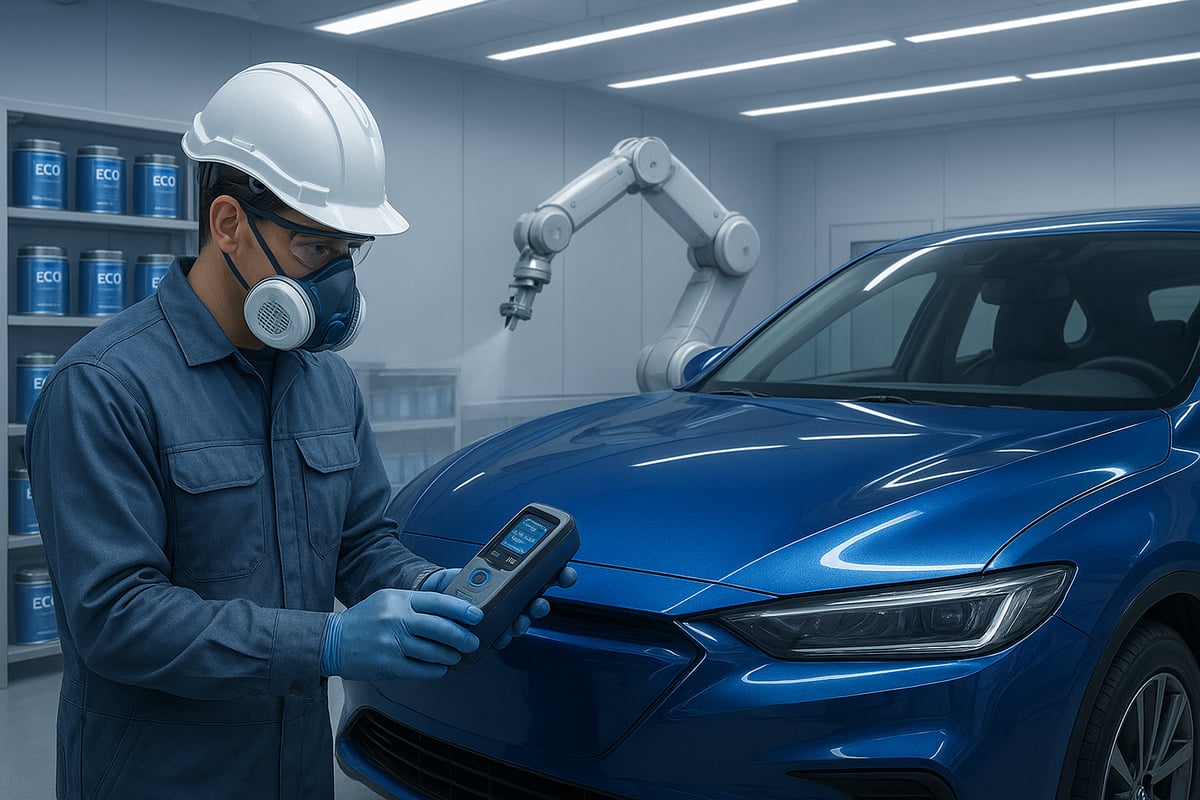
Over the past decade, shop paint car systems have seen notable advancements in paint chemistry and application. Low-VOC and waterborne formulations have become popular due to stricter emissions standards. Ceramic-based paints are also gaining ground, offering improved scratch resistance and longevity.
Environmental regulations are pushing shops to adopt products that reduce harmful emissions. As a result, eco-friendly and high-durability paints are now common in professional settings. These innovations not only benefit the environment but also help shops offer longer-lasting finishes to their clients.
Types of Paints and Finishes
Choosing the right paint system is crucial for any shop paint car project. The main options include single-stage paints, which combine color and gloss in one product, and two-stage systems, where a basecoat is topped with a clearcoat for extra protection and shine. Specialty paints, like metallics and pearls, add unique effects.
| Paint Type | Finish Options | Pros | Cons |
|---|---|---|---|
| Single-Stage | Gloss/Matte | Simple, cost-effective | Less durable |
| Two-Stage | Metallic/Gloss | Durable, vibrant | More steps, costly |
| Specialty | Pearlescent | Unique look | Skilled application |
Each finish brings its own benefits and challenges. Matte finishes are trendy but require careful handling, while gloss and metallics are classic choices for most shop paint car jobs.
Color Matching and Digital Tools
Accurate color matching is critical in every shop paint car process, especially for repairs or custom projects. In 2025, digital spectrophotometers and advanced software make it easier to analyze and replicate OEM colors. Many shops rely on manufacturer color codes, but aftermarket solutions are also available for unique requests.
Emerging digital paint technologies, such as Axalta’s NextJet™ digital paint technology, are enhancing precision and flexibility in color application. These tools help ensure consistency and save time, whether you’re blending panels or designing a custom look.
Paint Brands and Industry Leaders
Selecting a reputable supplier is vital for any shop paint car operation. Leading brands like PPG, BASF, and Axalta are recognized for their innovation and reliability. These companies invest heavily in research, resulting in products that keep up with the demands of modern shops.
When choosing a supplier, consider factors such as product range, technical support, and availability of new releases. In 2025, expect to see more eco-friendly lines, improved color-matching solutions, and coatings designed for advanced substrates.
Compliance and Safety Standards
Staying compliant with OSHA and EPA regulations is essential in a shop paint car environment. The latest rules cover permissible exposure limits, labeling, and proper waste disposal. Shops must provide safety data sheets and ensure all chemicals are stored according to guidelines.
Personal protective equipment (PPE) is non-negotiable. Regular training and up-to-date safety protocols protect both workers and clients. Keeping your shop in line with industry standards not only avoids fines but also builds trust with customers.
Setting Up Your Shop for Professional Car Painting
Getting your shop paint car process right starts with a well-thought-out setup. A professional environment ensures high-quality finishes, boosts productivity, and keeps your team safe. Let’s break down each element you need for a successful shop paint car operation, from tools to budgeting and trusted partners.
Essential Equipment and Tools
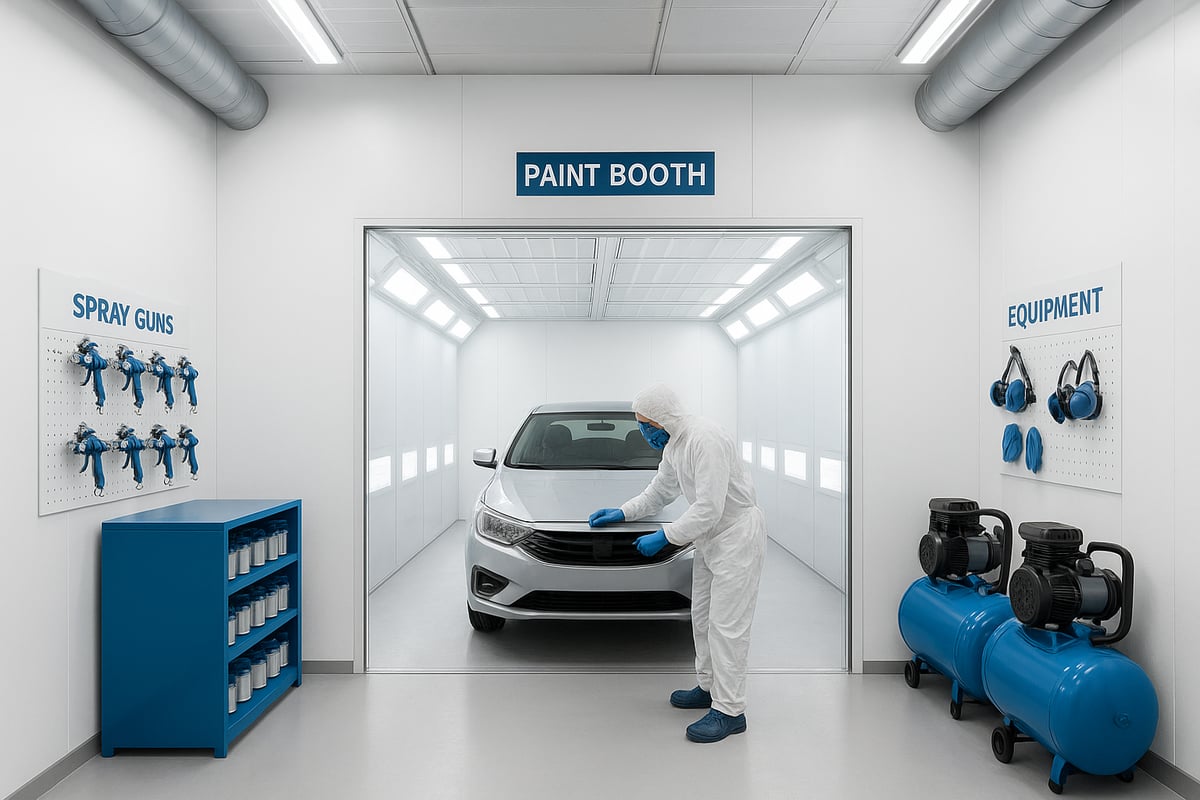
A successful shop paint car setup starts with the right equipment. Key items include spray guns, air compressors, paint booths, and respirators. Modern shops often choose HVLP (High Volume Low Pressure) spray guns for their efficiency and reduced overspray compared to conventional models.
Regular maintenance is crucial. Clean spray guns after every use, check compressor filters, and keep paint booth ventilation unobstructed. Investing in quality equipment ensures reliability and consistent shop paint car results.
Create a checklist of essential tools for your team. Well-maintained tools boost efficiency, extend equipment lifespan, and directly impact finish quality in any shop paint car environment.
Workspace Preparation and Layout
An efficient shop paint car workspace maximizes productivity and finish quality. Start with a logical layout: separate clean and prep areas, ensure clear pathways for vehicles, and allocate space for mixing paint safely.
Proper ventilation and dust control are non-negotiable. Install exhaust fans and filtration systems to keep air clean and particles away from fresh paint. Use bright, color-corrected lighting for accurate color matching.
For more strategies on optimizing your workspace, check out these Automotive Paint Shop Setup Tips. A smart layout and environment reduce errors and help deliver flawless shop paint car finishes every time.
Environmental Controls and Cleanliness
Environmental control is vital for flawless shop paint car results. Maintain a steady temperature, ideally between 70-75°F, and control humidity to prevent paint defects. Use dehumidifiers or climate systems if needed.
Install high-quality air filtration systems to capture dust and airborne particles. Clean all surfaces, floors, and tools before every job. Adopt strict cleaning protocols, including tack cloths and regular booth wipe-downs.
A clean, controlled environment prevents contamination and ensures your shop paint car projects meet professional standards. Make cleanliness a daily habit, not just a one-time prep step.
Safety Protocols and PPE
Safety is essential in any shop paint car operation. Require personal protective equipment (PPE) like respirators, gloves, eye protection, and coveralls for every painter. These basics protect against harmful fumes and chemicals.
Establish fire prevention strategies. Store flammable materials in approved cabinets and keep extinguishers nearby. Train staff in emergency procedures and safe chemical handling.
Keep Material Safety Data Sheets (MSDS) accessible for all products. Following these safety measures not only protects your team but also ensures your shop paint car process remains compliant and efficient.
Budgeting and Cost Considerations
Budgeting is key to a sustainable shop paint car business. Factor in costs for setup, including equipment, ventilation, and safety gear. Regularly budget for supplies like paint, solvents, and protective films.
To maximize ROI, invest in equipment that balances quality and longevity with price. Consider used or refurbished items for savings. Track maintenance expenses and plan for occasional tool upgrades.
Watch for hidden costs, such as increased energy use for paint booths or waste disposal fees. Careful budgeting keeps your shop paint car operation profitable and prepared for future growth.
KGM Equipment: Your Collision Repair Shop Partner
KGM Equipment is a trusted name for shop paint car professionals. They supply industry-leading paint booths, spray guns, and essential shop tools, catering to diverse budgets with both new and used options.
Their expert consultation helps you choose the right equipment for your shop paint car needs. Flexible financing options make upgrades accessible, supporting shop growth and modernization.
Countless automotive professionals rely on KGM Equipment for quality products, excellent customer support, and a comprehensive selection. Partnering with KGM streamlines your shop paint car setup, ensuring you stay ahead in 2025.
Step-by-Step Guide: The Shop Car Painting Process
Achieving flawless results on every shop paint car project requires a systematic approach. By following a proven process, you can ensure consistent quality and customer satisfaction. This step-by-step guide breaks down each phase of the shop paint car workflow, from initial inspection to final detailing.
Step 1: Surface Assessment and Planning
The first step in any shop paint car process is thorough assessment. Begin by inspecting the vehicle’s body for existing paint defects, rust, dents, or previous repairs. Document all findings and determine whether the project calls for a full respray, spot repair, or color blending.
Gather OEM color codes or digital scans to ensure accurate color matching. Planning at this stage prevents costly mistakes later. By setting clear goals and identifying necessary repairs, your shop paint car workflow starts on solid ground.
Step 2: Surface Preparation
Proper preparation is the foundation of a professional shop paint car finish. Start by washing and degreasing the entire surface to remove contaminants. Mask off trim, glass, and any non-painted areas using high-quality tape and paper.
Next, sand the old paint and primer to create a smooth, even substrate. Use tack cloths and anti-static measures to remove dust and prevent imperfections. The time invested here ensures a flawless shop paint car result.
Step 3: Priming and Sealing
Choosing the right primer is crucial for adhesion and durability in any shop paint car job. Select primers based on the substrate, such as metal, plastic, or aluminum. Apply primer using even strokes, ensuring complete coverage without excessive buildup.
Allow proper drying time, then sand between coats for a smooth finish. Sealing the surface creates an ideal base for the paint and prevents future issues. Take care to follow manufacturer instructions for your shop paint car products.
Step 4: Basecoat Application
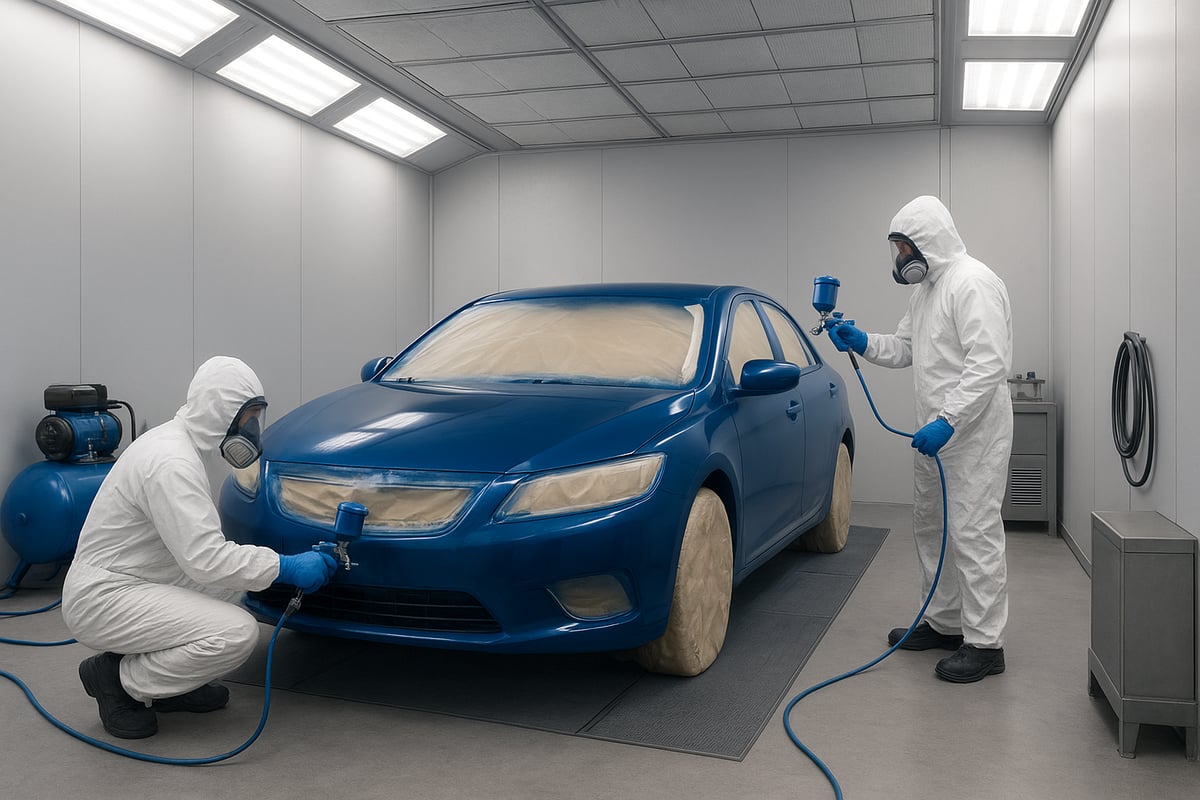
Mix and thin your basecoat according to the paint manufacturer’s guidelines. The right consistency is key for even application in your shop paint car projects. Use overlapping passes with your spray gun to avoid streaks and runs.
Allow proper flash time between coats, typically a few minutes, to ensure each layer sets before the next. Consistency in technique across the shop paint car process leads to vibrant, uniform color.
Step 5: Clearcoat and Finishing
Clearcoat is the shield that protects your shop paint car investment. Apply two to three coats, using either wet-on-wet or dry techniques as recommended. Each layer adds depth and enhances UV resistance.
Proper curing—whether air-dried or baked in a booth—is essential for durability. Monitor temperature and humidity to avoid defects. The clearcoat phase is where your shop paint car truly gets its lasting shine.
Step 6: Polishing and Detailing
Once cured, the shop paint car finish may have minor imperfections like dust nibs or orange peel. Wet sanding with fine-grit paper removes these flaws, followed by buffing with a polishing compound to restore gloss.
Inspect the entire surface carefully under proper lighting. Touch up any missed spots and clean the car thoroughly. This step ensures your shop paint car leaves the booth looking showroom-ready.
Step 7: Quality Control and Troubleshooting
Quality control is vital for every shop paint car operation. Use inspection lights to spot common defects such as fisheyes, runs, or color mismatches. Document all findings and address issues before delivery.
Measuring paint thickness is a key part of professional quality control. For more insights, explore the Benefits of Measuring Paint Thickness, which can help you avoid costly redos and ensure consistent results in your shop paint car workflow.
| Defect | Cause | Solution |
|---|---|---|
| Orange Peel | Incorrect technique | Adjust spray gun |
| Fisheyes | Surface contamination | Clean thoroughly |
| Dust Nibs | Poor booth hygiene | Improve cleaning |
Time Management and Workflow Optimization
Efficient time management is essential for any successful shop paint car business. Create a schedule that allows for proper drying and curing times without bottlenecks. Use parallel processing by prepping one car while another is painting.
Implement checklists and standard operating procedures (SOPs) to maintain consistency and reduce errors. Optimizing workflow in your shop paint car operation leads to faster turnaround and higher customer satisfaction.
Real-World Example: Shop Workflow Case Study
A mid-sized collision shop recently overhauled its shop paint car process. By reorganizing workspace layout and adopting strict preparation protocols, they cut average job time by 20 percent.
The team used digital color matching and implemented regular quality checks. As a result, finish quality improved and customer complaints dropped. Their shop paint car workflow is now a model for efficiency and excellence.
Advanced Techniques and Trends in Shop Car Painting
Staying ahead in the shop paint car industry means mastering new techniques and understanding the latest trends. In 2025, shops see exciting advancements, from bold graphics to smart coatings and increased automation. Let’s explore what’s shaping the future of professional car painting.
Custom Paint Effects and Graphics
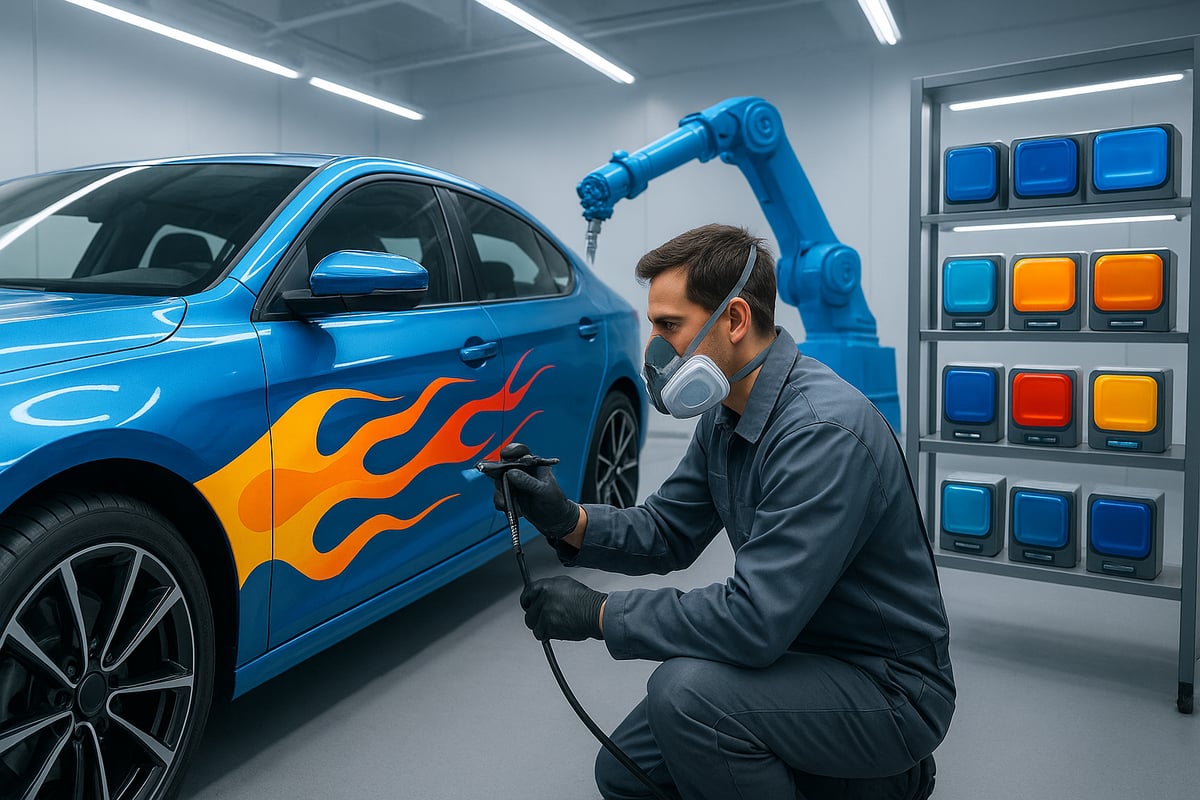
Custom finishes are taking the shop paint car experience to the next level. Techniques like airbrushing, vinyl wraps, and hydro-dipping allow shops to offer unique designs and bold colors. In 2025, popular trends include geometric patterns, color-shifting pigments, and matte-metallic combinations.
To create standout looks, shops often blend:
- Airbrush detailing for fine graphics
- Vinyl wraps for temporary or complex effects
- Hydro-dipping for intricate, seamless patterns
Staying updated with BASF’s 2025-2026 automotive color trends helps shops offer fashionable options that attract customers. These techniques require skilled hands, but they set a shop paint car business apart from the competition.
Smart Paints and Self-Healing Coatings
The rise of smart paints is transforming the shop paint car landscape. Nanotechnology now allows coatings to repair minor scratches with heat or sunlight, reducing the need for frequent touch-ups. Self-healing clearcoats are especially popular for high-end vehicles and fleet services.
Benefits of smart paints in a shop paint car environment include:
- Less time spent on minor repairs
- Enhanced long-term protection
- Higher customer satisfaction
However, these coatings can be more expensive and may require special curing processes. Shops must weigh the cost and benefits before offering these advanced services.
Waterborne vs. Solvent-Based Paints
Environmental considerations are shaping every shop paint car operation. Waterborne paints have become the standard in many regions due to lower VOC emissions and compliance with stricter regulations. Solvent-based paints remain popular for some custom jobs but are less eco-friendly.
Here’s a quick comparison:
| Feature | Waterborne Paints | Solvent-Based Paints |
|---|---|---|
| Eco-Friendly | Yes | No |
| Application Complexity | Moderate | Easy |
| Drying Time | Faster | Slower |
Using anti-static tools, as explained in Why Use Anti-Static Guns, helps achieve smoother finishes, especially with waterborne systems. A modern shop paint car process often combines new paint types with advanced equipment for best results.
Automation and Robotics in Painting
Automation is rapidly changing the shop paint car workflow. Robotic arms now deliver consistent coverage and reduce overspray, while digital color-matching tools automate the mixing process. These systems are most common in larger or high-volume shops.
Advantages of robotics in a shop paint car setting:
- Improved consistency and speed
- Reduced labor costs
- Enhanced safety for workers
However, small shops may find the investment challenging. Weighing the pros and cons helps each shop decide if automation fits their workflow.
Training and Certification Opportunities
Keeping up with new standards is crucial for any shop paint car business. In 2025, certification programs focus on advanced techniques, eco-friendly practices, and equipment handling. Both online and in-person courses are available, making ongoing education accessible.
Key training trends for shop paint car professionals:
- Digital color matching and repair methods
- Safety and environmental compliance
- Mastery of custom finishes and smart coatings
Investing in training not only maintains quality but also builds trust with clients seeking expert service.
Maintenance, Care, and Customer Education
Keeping your shop paint car results looking flawless requires attention to detail after the painting process is complete. Proper maintenance, care, and customer education help preserve the finish, prevent premature wear, and ensure lasting satisfaction. By focusing on post-paint handling, protection strategies, repairs, and informed customer guidance, you can maximize the life and beauty of every shop paint car project.
Post-Paint Curing and Handling
The first days after a shop paint car job are crucial for long-term durability. Always allow proper curing time before exposing the vehicle to weather or cleaning products. Most modern paints need at least 24 to 48 hours for initial curing, though full hardness may take a few weeks.
Advise customers to avoid washing or waxing the freshly painted surface during this period. Premature handling or cleaning can damage the delicate finish or cause swirl marks. Whenever possible, store the car in a clean, dry, and dust-free environment to prevent contaminants from settling on the paint. These best practices set the foundation for a lasting, high-gloss result.
Long-Term Paint Protection Strategies
Protecting a shop paint car involves more than just a good paint job. Recommend advanced solutions like ceramic coatings, paint protection films, or sealants to customers seeking maximum longevity. Ceramic coatings create a hydrophobic barrier, making it easier to clean and more resistant to minor scratches.
Paint protection films offer a physical shield against chips and road debris. Each option has its pros and cons, such as cost, durability, and required upkeep. Discuss maintenance schedules with clients, emphasizing the importance of regular inspections and gentle washing techniques. A proactive approach ensures the paint remains vibrant and resilient for years to come.
Addressing Common Issues and Repairs
Even with the best care, shop paint car finishes can develop chips, scratches, or fading over time. Spot repairs and touch-ups are essential skills for any shop. Matching the original finish requires careful color selection and blending techniques.
When deeper damage is present, refer customers to resources like Essential Body Work Repair Advice for guidance on more complex repairs. Knowing when to recommend professional help versus DIY fixes builds trust and protects the vehicle’s value. Prioritizing quality repairs keeps both new and repeat customers satisfied with your shop paint car services.
Educating Customers on Paint Care
Empowering customers with the right knowledge is key to extending the life of a shop paint car finish. Provide easy-to-follow care instructions, covering safe washing, waxing, and common hazards to avoid, such as harsh chemicals or automated car washes.
Encourage regular gentle cleaning and periodic inspections for early signs of damage. Offer aftercare support and be available to answer questions, strengthening customer loyalty. By educating your clients, you ensure their investment in a shop paint car pays off with years of lasting beauty and protection.
Now that you’ve seen how the right tools and techniques can make all the difference in achieving flawless, professional car paint results, you might be wondering where to find reliable equipment and expert support for your own shop. That’s where KGM Equipment comes in—they offer everything from advanced spray guns and paint booths to trusted advice, helping you set up or upgrade your workspace with confidence. Whether you’re just starting out or looking to streamline your shop for 2025, you’ll find the essentials you need to deliver quality repairs and stand out in the collision repair industry.
Shop Now
