

Want to keep your vehicle in top shape as the automotive world evolves? Staying ahead in car repair and body shop practices is essential for protecting your investment and driving with confidence.
This guide gives you the latest, expert-backed tips for car repair and body shop services. You'll find practical advice for maintaining your car, navigating repairs, and choosing the right professionals.
Get ready to explore new trends, cutting-edge repair methods, and strategies to save money while future-proofing your ride for 2025 and beyond.
Understanding the Latest Trends in Car Repair and Body Shops
Staying informed about the latest trends in car repair and body shop services is crucial for vehicle owners in 2025. The automotive industry is evolving rapidly, and these changes impact everything from materials used in cars to the tools and techniques found in modern repair shops.
Evolving Automotive Materials and Their Impact on Repairs
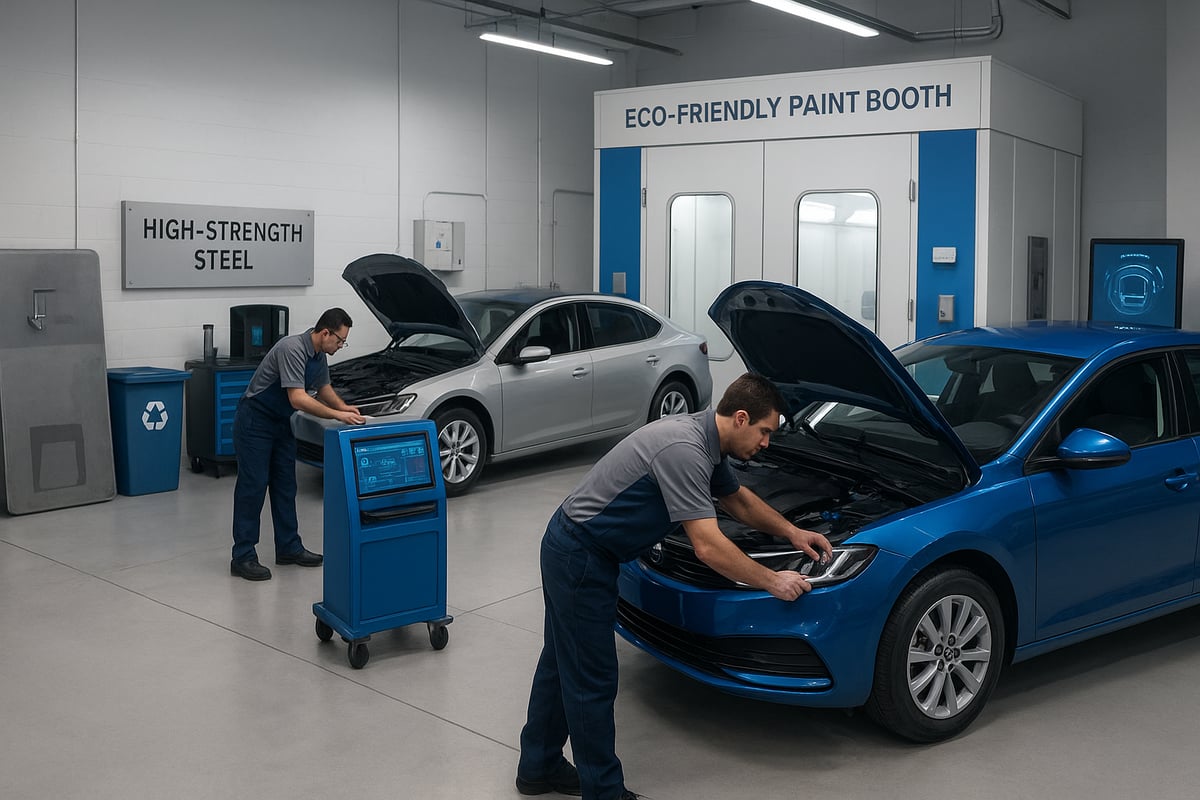
Recent years have seen a shift toward lightweight materials in car manufacturing. Aluminum, composites, and high-strength steel are now common in 2025 models. While these materials improve fuel efficiency and safety, they also bring new challenges for car repair and body shop teams.
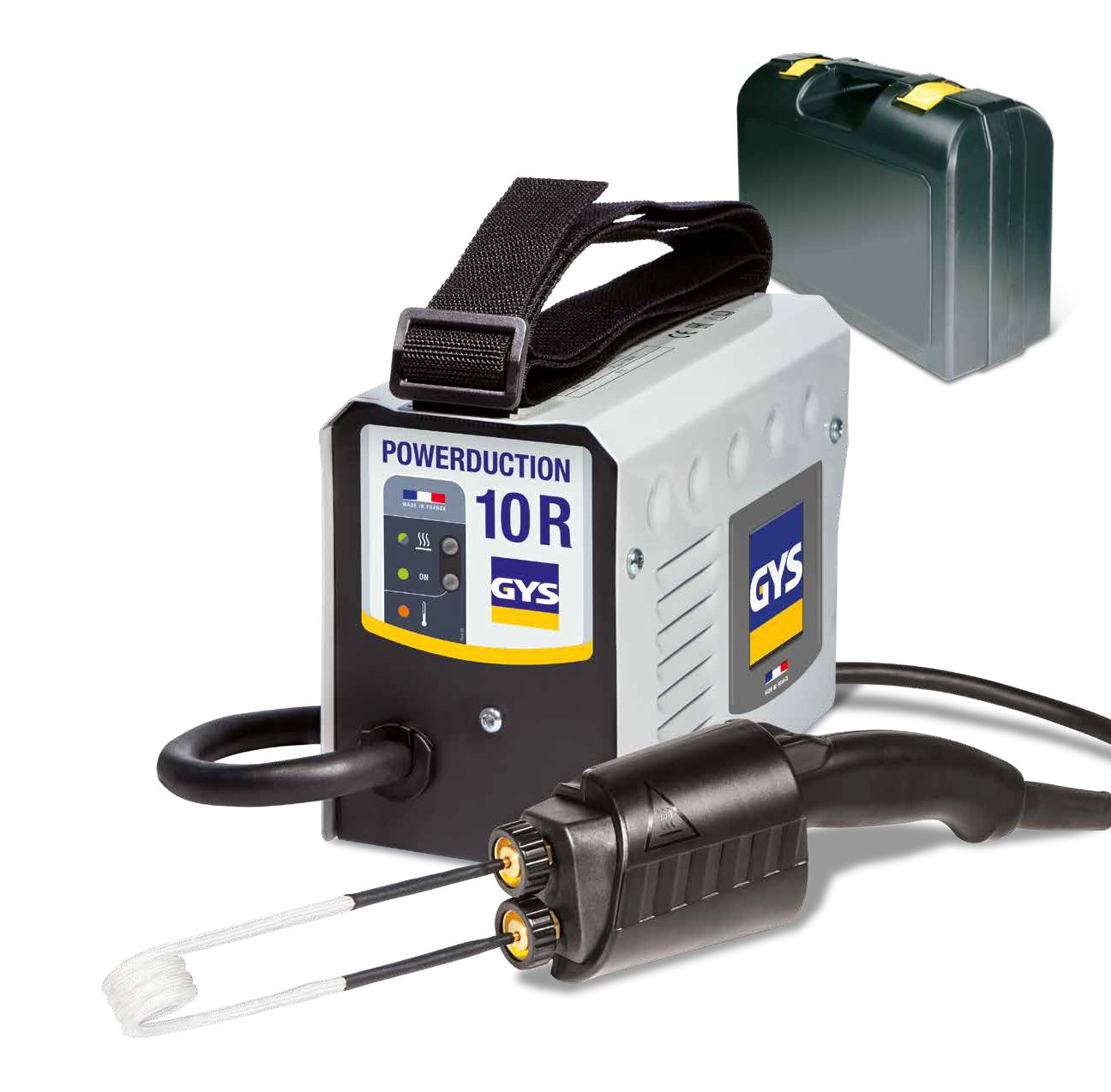
Repairing advanced materials requires specialized tools and training. For example, high-strength steel demands precise welding techniques and careful heat management. Shops must stay up to date with these changes to ensure proper repairs and maintain vehicle integrity.
Integration of Advanced Driver Assistance Systems (ADAS)
The rise of ADAS features like sensors, cameras, and radar systems has transformed both driving and repairs. After any collision or windshield replacement, these systems often need recalibration. In fact, 90% of new vehicles in 2025 are expected to include ADAS technology.
Repair shops now invest in diagnostic equipment to test and recalibrate these systems. Failing to do so can compromise safety features such as lane-keeping assist and automatic emergency braking, making ADAS expertise a must for car repair and body shop professionals.
Sustainability and Eco-Friendly Repair Practices
Sustainability is now a priority across the industry. Body shops increasingly use waterborne paints and low-VOC products to reduce environmental impact. Recycling parts and fluids is standard practice, and many shops seek green certifications.
- Use of waterborne paints cuts harmful emissions.
- Proper recycling of metal, plastic, and fluids.
- Certification programs encourage responsible practices.
Eco-friendly initiatives not only benefit the environment but also meet the growing demand from eco-conscious customers.
Digitalization and Automation in Body Shops
Digital tools are redefining the car repair and body shop experience. Shops now use AI-driven estimates and digital damage assessments for greater accuracy and speed. Automated paint booths and robotic welding systems increase efficiency and consistency.
A recent fact shows that 30% of leading body shops use AI for workflow management. Digitalization allows customers to receive quicker service and more precise quotes, reflecting a broader trend toward smarter, tech-enabled repairs.
Rise of Electric and Hybrid Vehicles
Electric and hybrid vehicles are becoming mainstream, making up an estimated 20% of repairs by 2025. These vehicles require unique repair protocols, especially for battery systems and high-voltage components.
Shops must invest in insulated tools and safety training for technicians. Handling EVs safely demands knowledge of electrical hazards and proper battery management, setting a new standard for car repair and body shop safety procedures.
Insurance and Repair Process Modernization
Insurance claims and repair processes are now more streamlined. Many shops offer digital claims, real-time repair tracking, and mobile apps for customer updates. This modernization speeds up communication and improves transparency.
For example, some shops provide online portals where customers can check repair status, approve estimates, and upload documents. These innovations simplify the entire car repair and body shop experience for drivers.
Workforce Training and Certification Trends
Ongoing education is critical in today's car repair and body shop sector. Demand for I-CAR, ASE, and OEM-specific certifications is on the rise. Technicians must continually update their skills to keep pace with new materials, technologies, and repair standards.
Shops that invest in workforce training can deliver higher-quality repairs and enhanced safety. Certified technicians reassure customers that their vehicles are in expert hands.
For a deeper dive into how these trends shape the industry, explore this Comprehensive auto repair and body shop guide.
Step-by-Step Guide to Effective Car Repair and Maintenance
Keeping your vehicle in top shape is easier when you break the process into manageable steps. The following guide walks you through each phase, from the first inspection to keeping your records organized. Whether you visit a car repair and body shop for major work or handle minor fixes yourself, these steps help you get the best results and value.
Step 1: Initial Assessment and Diagnosis
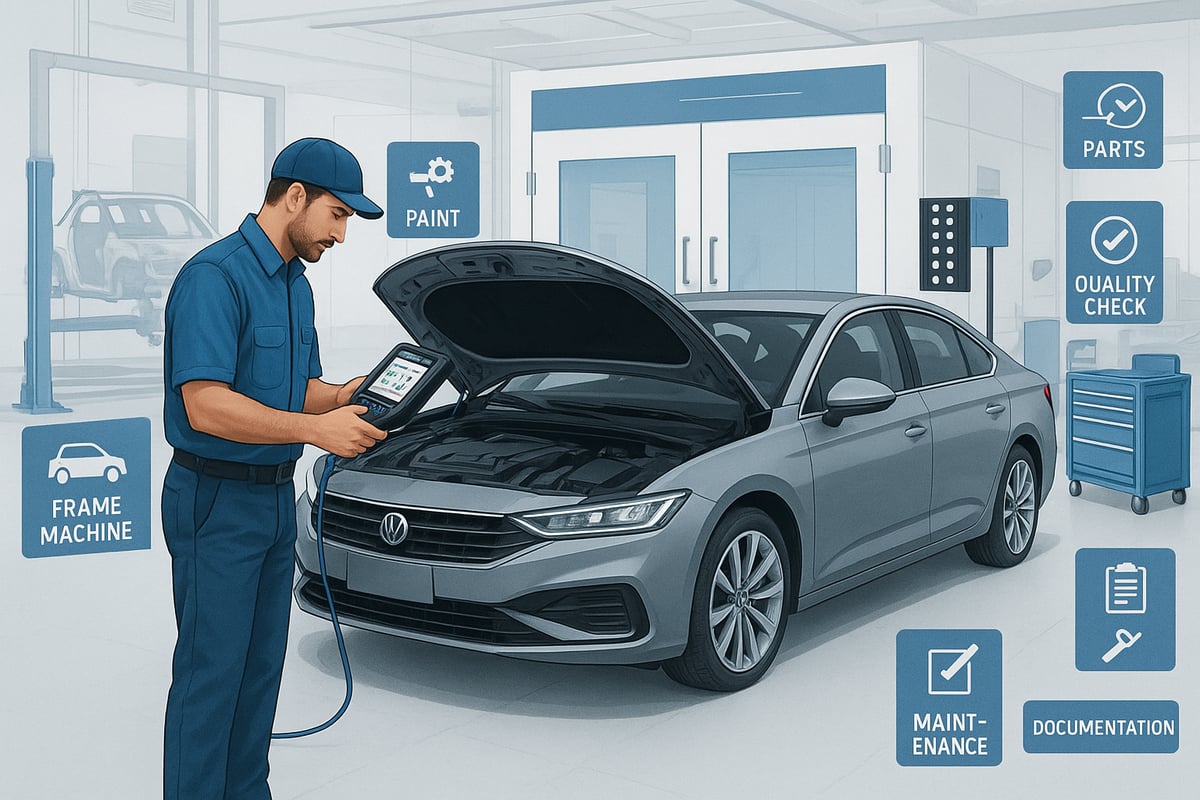
Every successful car repair and body shop service starts with a thorough assessment. Begin with a visual inspection, checking for visible body damage, leaks, or warning lights. Next, use diagnostic tools like OBD-II scanners to uncover hidden issues in the engine or electronic systems.
Accurate documentation is vital. Take photos of all damage and note any unusual sounds or performance changes. This information helps the car repair and body shop identify problems that might not be immediately obvious.
Sometimes, what looks like a simple fender-bender may hide structural damage beneath the surface. Catching these issues early prevents bigger headaches down the road and ensures you get a complete repair.
Step 2: Choosing Genuine vs. Aftermarket Parts
Once the assessment is done, you and the car repair and body shop team must decide between OEM (Original Equipment Manufacturer) and aftermarket parts. This choice impacts quality, warranty, and price.
| Feature | OEM Parts | Aftermarket Parts |
|---|---|---|
| Quality | Consistent, matches car | Varies by brand |
| Warranty | Usually included | Sometimes, may differ |
| Price | Higher | Often lower |
| Fit & Compatibility | Exact match | May require adjustment |
Data shows that 60% of consumers prefer OEM parts for collision repairs. While OEM parts guarantee a precise fit, high-quality aftermarket options can offer savings. Discuss the options with your car repair and body shop to make an informed decision that balances cost and reliability.
Step 3: Professional Repair Process
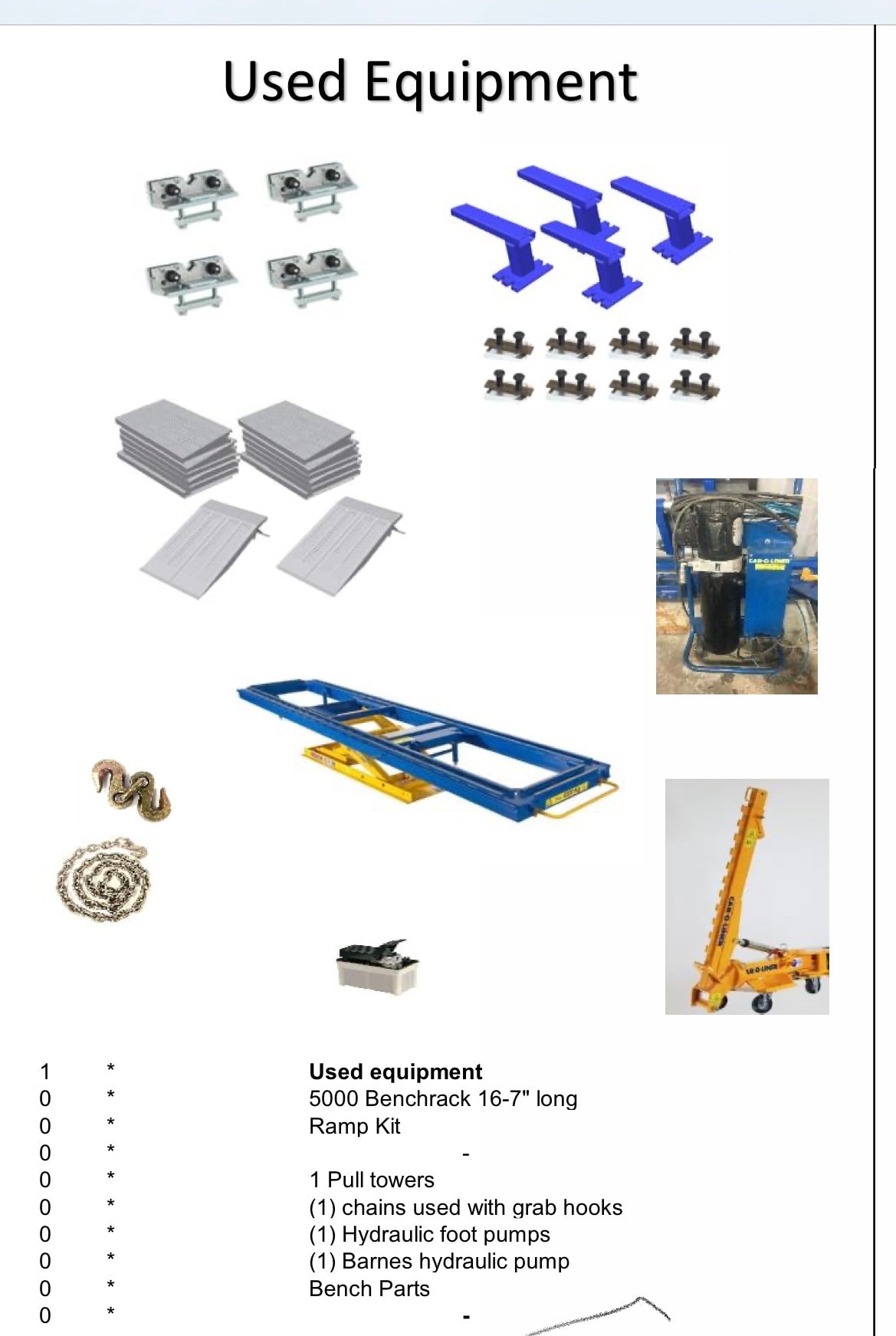
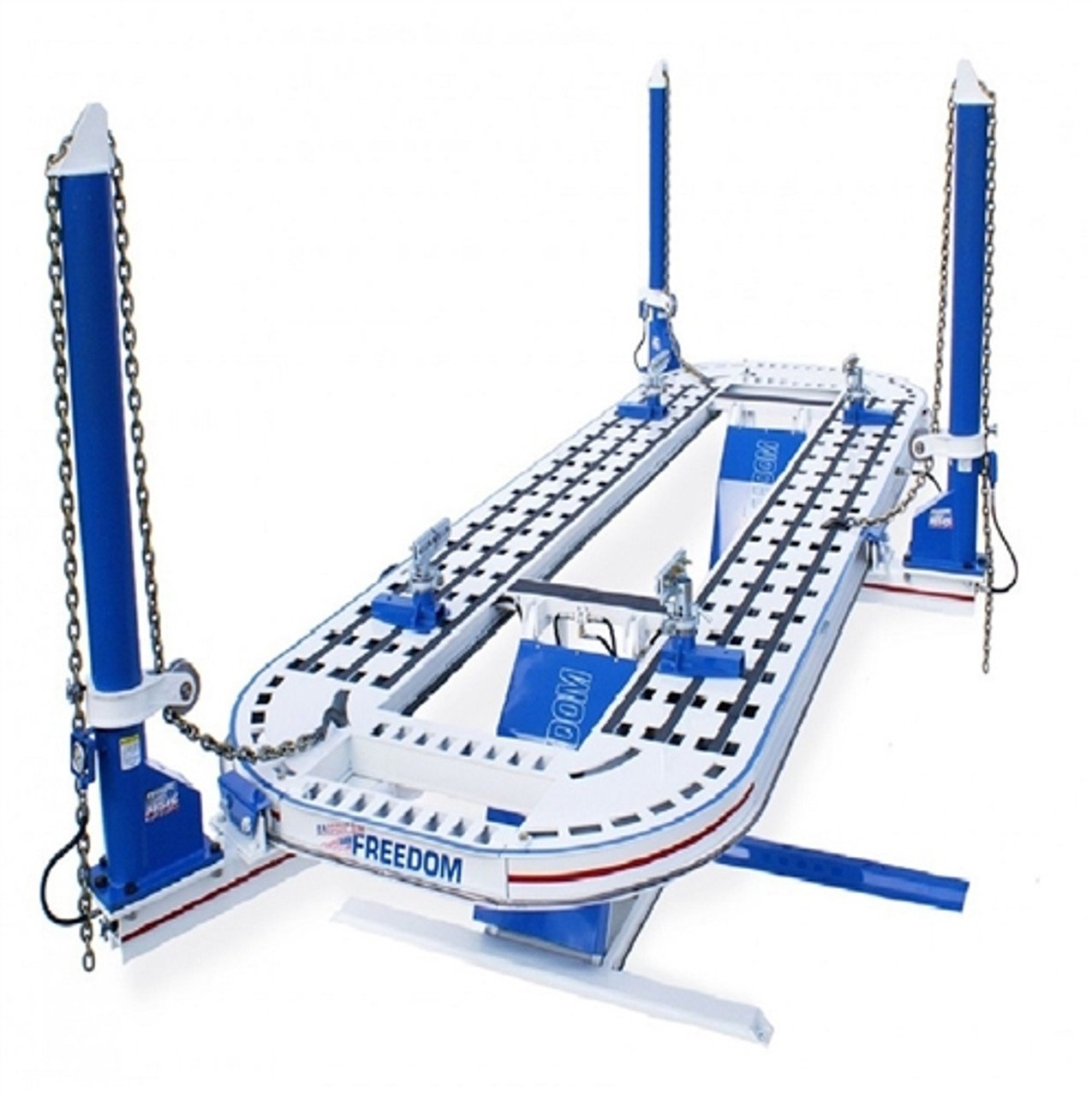
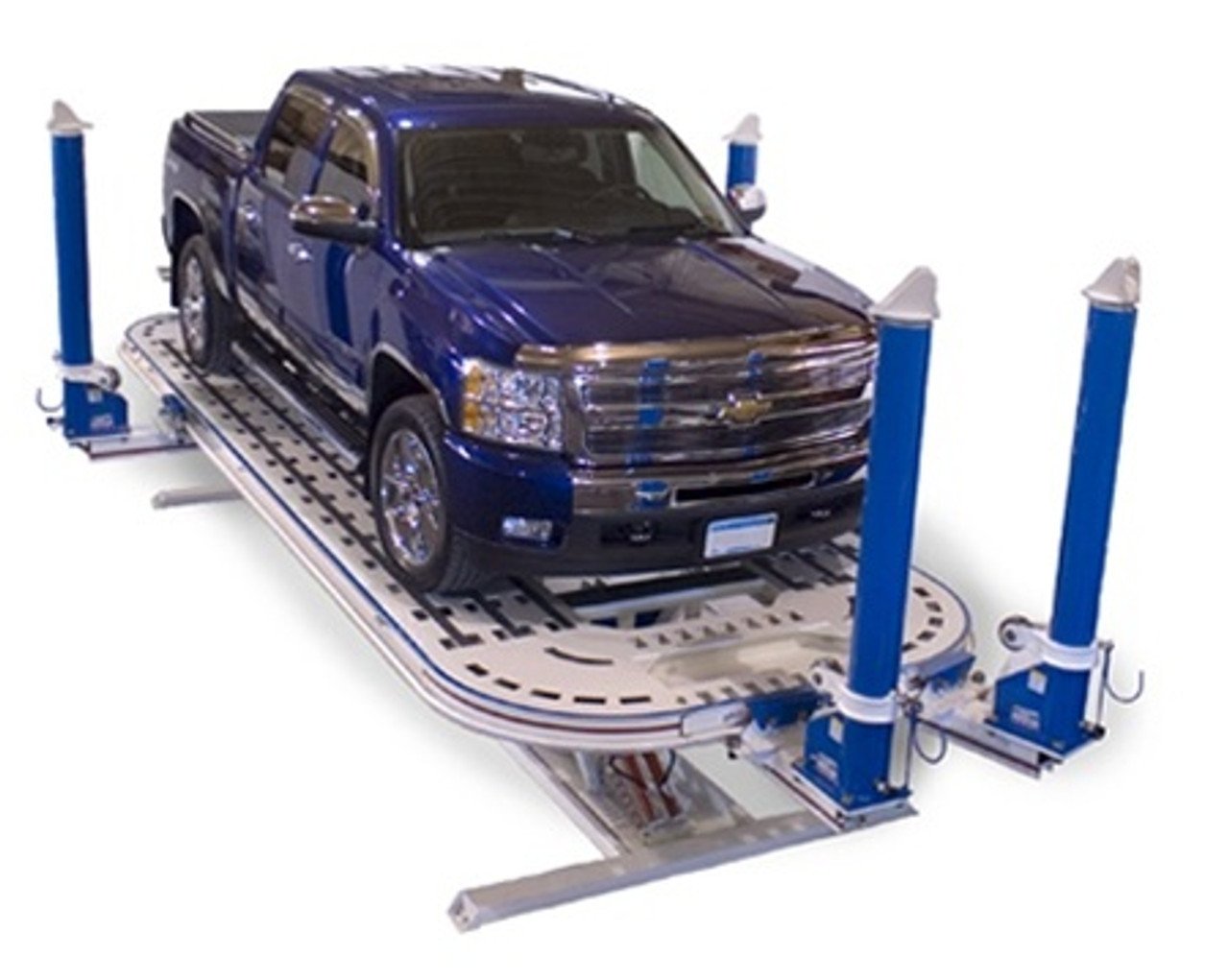
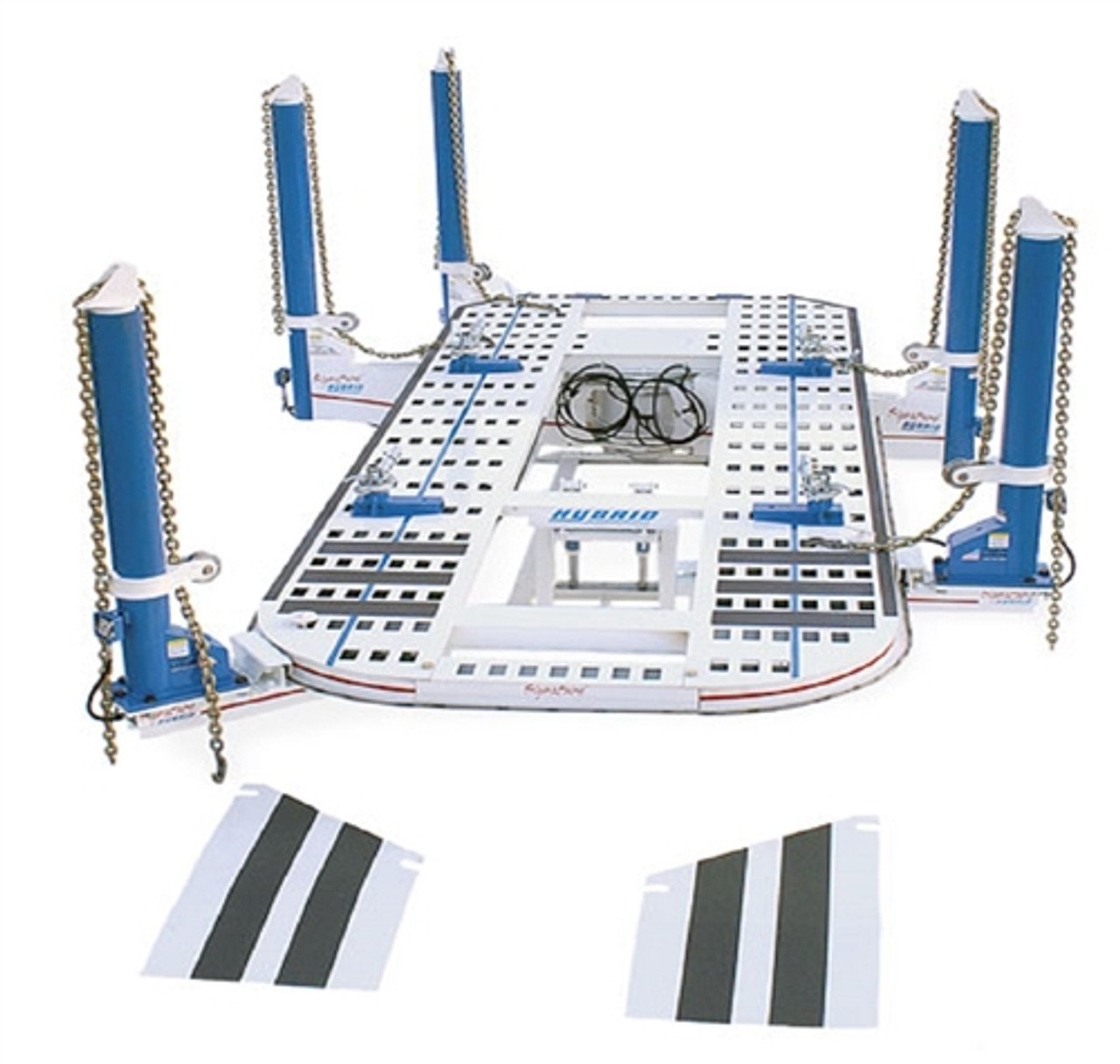
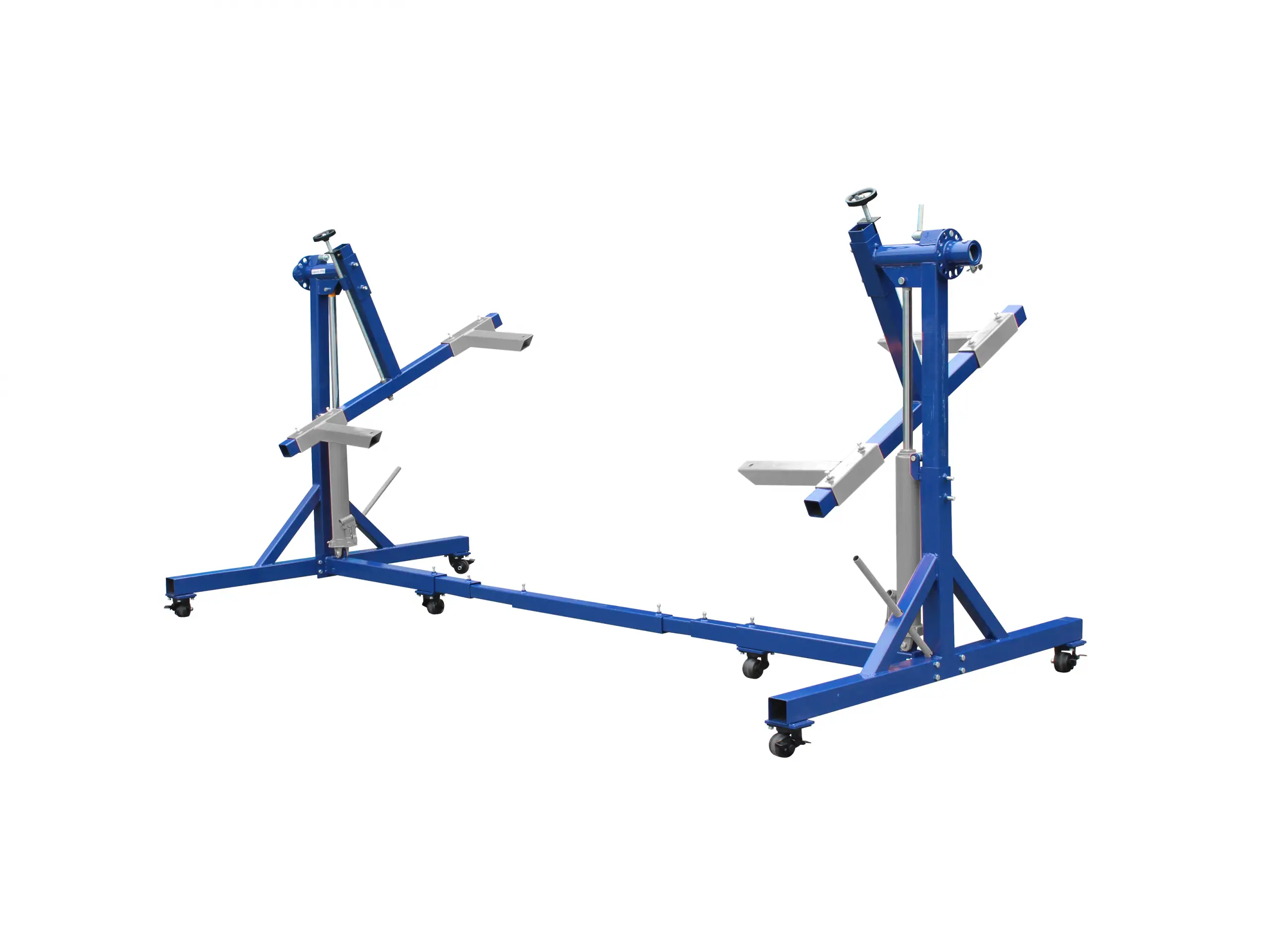
With parts chosen, the car repair and body shop moves to the repair phase. This starts with careful disassembly, allowing technicians to map all damage and plan the repair sequence. Specialized equipment, like frame alignment machines and welding tools, ensures structural repairs meet factory standards.
For minor dings or hail damage, many shops now use paintless dent repair, a technique that restores panels without repainting. This method saves time and money while keeping the original finish intact. For more detailed guidance on these methods, check out Essential auto body repair tips.
Technicians document every step, ensuring transparency and accuracy throughout the process. This approach guarantees your vehicle gets back on the road safely and looking great.
Step 4: Paint and Finish Restoration
Paint and finish work is where your car starts to look new again. Modern car repair and body shop professionals use digital spectrophotometry to match paint colors with precision. This technology eliminates guesswork and ensures seamless results.
Eco-friendly paints, such as waterborne products, are now standard in many shops. These paints reduce environmental impact and often cure faster. Some facilities use UV-cured paints, which can cut repair time by up to 40%.
Proper preparation and curing techniques are key to a flawless finish. Attention to detail in this step means your vehicle not only shines, but its paint lasts longer.
Step 5: Quality Control and Safety Checks
Before returning your vehicle, the car repair and body shop performs thorough quality checks. Post-repair inspections cover everything from panel alignment to system diagnostics.
A checklist approach ensures nothing is missed. Technicians may conduct test drives to confirm proper handling and recalibrate ADAS (Advanced Driver Assistance Systems) if needed. Final detailing, inside and out, leaves your car in showroom condition.
Quality control is about more than looks. It ensures your car is safe, reliable, and ready for the road ahead.
Step 6: Preventative Maintenance Tips
Preventative maintenance is the secret to avoiding costly repairs. A reputable car repair and body shop will recommend regular checks on fluids, tire rotation, and brake inspections.
Consider these seasonal tips:
- Test your battery before winter.
- Check air conditioning in spring.
- Inspect wiper blades and lights before rainy seasons.
Routine maintenance can reduce overall repair costs by 30% over your vehicle’s lifetime. Staying ahead with these simple steps keeps your car running smoothly and extends its life.
Step 7: Documentation and Warranty Management
After repairs, make sure to organize all paperwork. Keep records of work orders, invoices, and warranty documents from your car repair and body shop. These records are valuable for insurance claims and can boost your car’s resale value.
Understand the terms of your repair warranty. Some shops offer coverage for parts and labor, while others may have limitations. Ask questions and clarify coverage before you leave the shop.
Proper documentation ensures peace of mind and helps you get the most from your investment in car repair and body shop services.
How to Choose the Right Body Shop in 2025
Choosing the right car repair and body shop in 2025 is more important than ever. With new vehicle technologies and higher repair standards, your decision impacts your safety, wallet, and peace of mind. Let’s break down the essential factors to consider when selecting a shop that meets your needs.
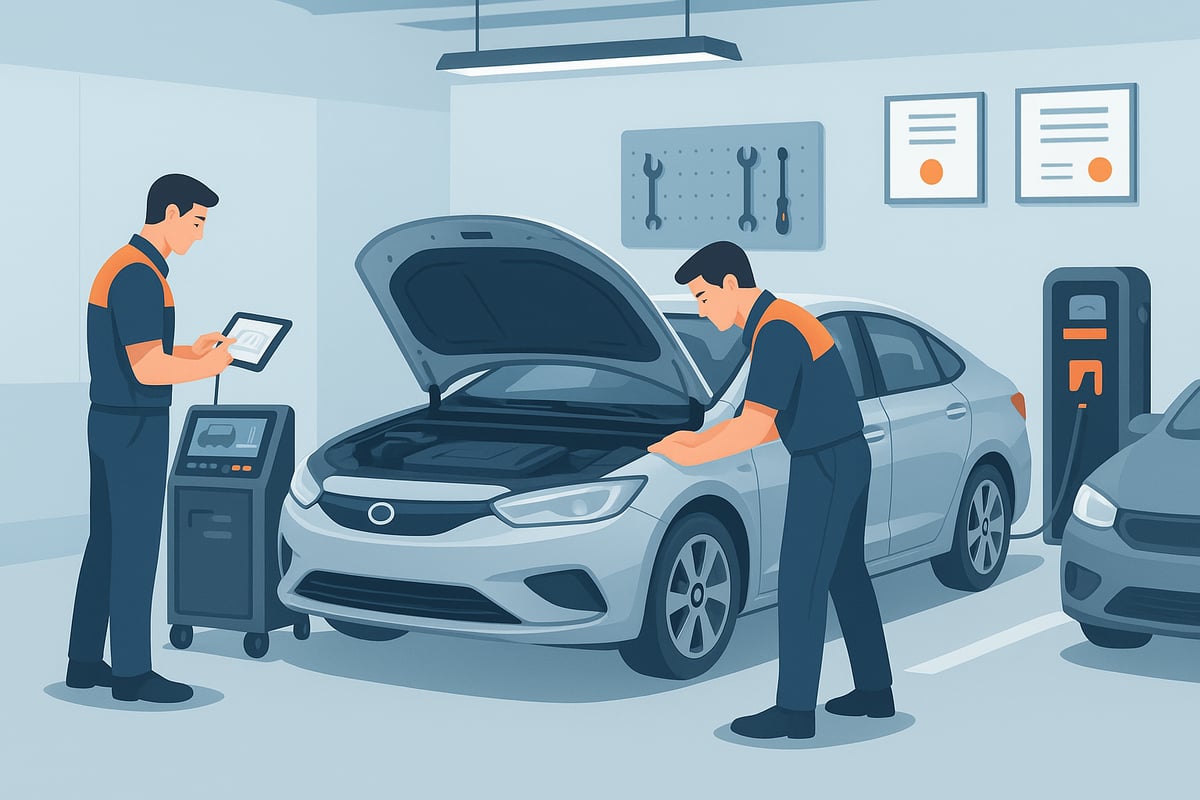
Evaluating Certifications and Credentials
Start by checking a shop’s certifications. Credentials like I-CAR, ASE, and OEM-specific training show a commitment to industry standards. Certified technicians are more likely to use the latest methods and maintain high-quality results for your car repair and body shop needs.
| Certification | Focus Area | Importance |
|---|---|---|
| I-CAR | Collision Repair | Industry Standard |
| ASE | General Auto Repair | Technician Quality |
| OEM | Brand-Specific Repair | Manufacturer Specs |
Ask about ongoing education and how often staff update their training. Top-rated shops often hold several certifications, a sign that they’re serious about safety and performance.
Assessing Technology and Equipment
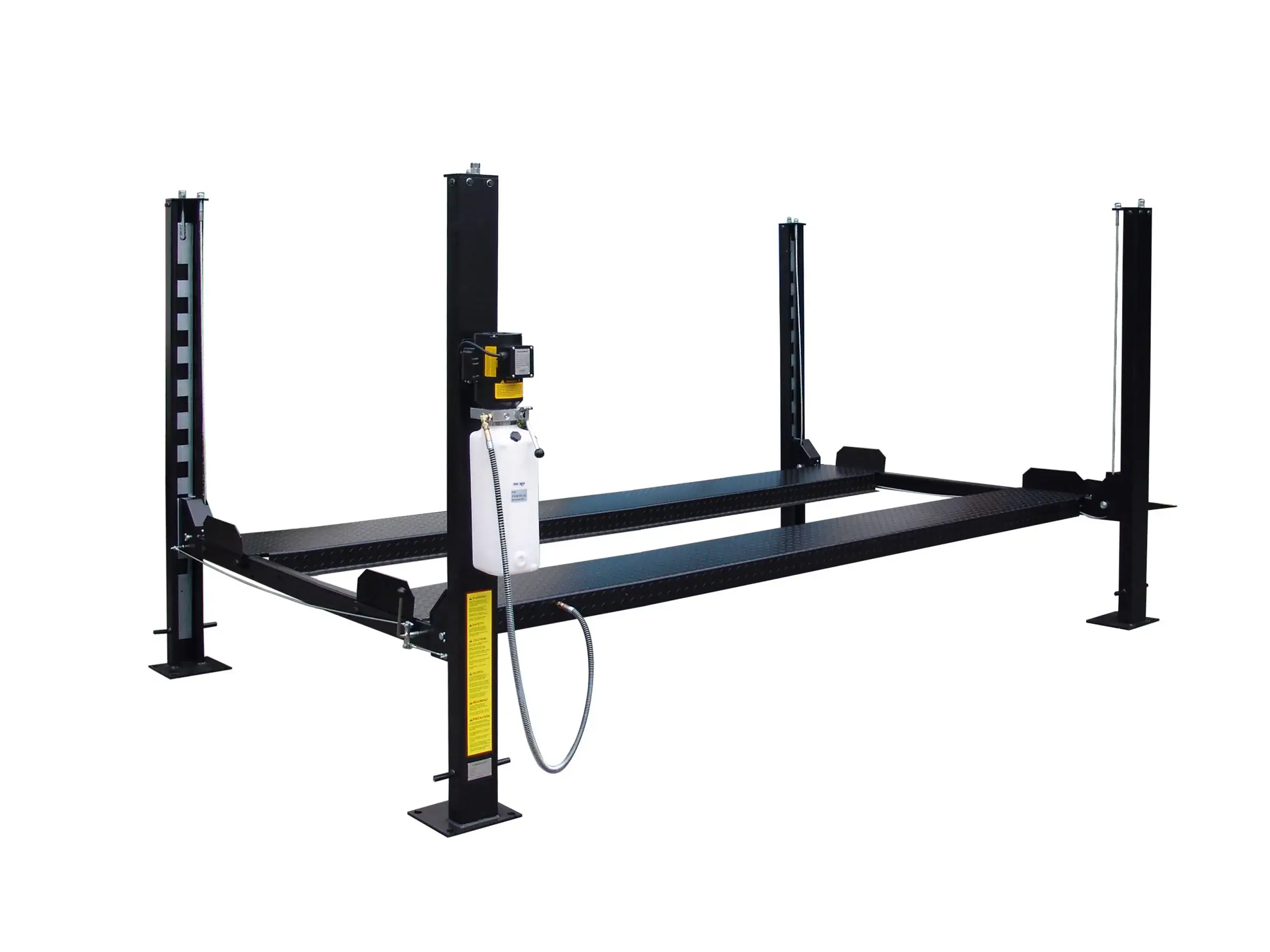
Modern vehicles require advanced tools for accurate repairs. Look for a car repair and body shop equipped with digital frame machines, ADAS calibration tools, and EV-specific equipment. Shops investing in the latest modern frame machine technologies can better protect your vehicle’s advanced safety systems.
- Digital measuring systems for precision
- Robotic welders for consistent results
- Specialized lifts for electric vehicles
A well-equipped shop is prepared for both traditional and cutting-edge repairs.
Transparency and Communication
Clear communication is essential when dealing with a car repair and body shop. Reputable shops provide detailed estimates, explain repair steps, and set realistic timelines. Many offer online portals where you can track repair status and communicate with staff.
Look for shops that welcome questions and keep you updated. Transparency builds trust and helps you avoid unexpected costs or delays.
Reviews, Reputation, and Customer Service
Research a shop’s reputation before committing. Read online reviews, ask friends for recommendations, and request references. Positive feedback about a car repair and body shop often highlights excellent workmanship and friendly service.
Signs of great customer service include satisfaction guarantees, follow-up calls after repairs, and courteous staff. A strong reputation is a reliable indicator of consistent quality.
Warranty and Insurance Partnerships
Choose a car repair and body shop that stands behind its work with a robust warranty. Ask about the length and coverage of repair warranties. Shops partnered with major insurers can also streamline claims, making the process smoother for you.
Direct repair programs with insurers help reduce paperwork and speed up approvals. Always clarify what’s covered before authorizing work.
Facility Cleanliness and Safety Standards
A clean, organized facility reflects a shop’s professionalism and attention to detail. Check if the car repair and body shop follows strict safety protocols, especially when handling EVs or hazardous materials.
Shops that prioritize cleanliness and safety tend to deliver more reliable results. A tidy workspace also protects your vehicle from accidental damage during repairs.
Local vs. National Chains
Decide whether you prefer a local shop or a national franchise. Local car repair and body shop businesses often provide personalized service and build lasting relationships with customers. National chains may offer standardized processes and broad warranty coverage.
Consider your priorities, such as convenience, price, and customer care, before making your final choice.
Advanced Technologies Transforming Car Repairs
The world of car repair and body shop services is evolving at lightning speed, with technology reshaping every step of the repair journey. Today, advanced tools, digital platforms, and eco-friendly innovations are redefining how vehicles are restored, increasing both efficiency and precision. Staying updated on these advancements is crucial for anyone looking to get the best results from their car repair and body shop experience.

Digital Damage Assessment and Estimating Tools
Digital tools have revolutionized how body shops assess vehicle damage. Using 3D imaging and AI-powered platforms, technicians can now scan your car, identify hidden issues, and generate highly accurate repair estimates in minutes. This means less guesswork and quicker turnaround for customers.
For example, AI-driven systems compare thousands of previous repairs to suggest the best approach for your specific make and model. According to the Crash Course Q3 2025 Report, shops using these technologies deliver faster, more precise quotes, improving transparency and customer satisfaction.
Robotic and Automated Repair Systems
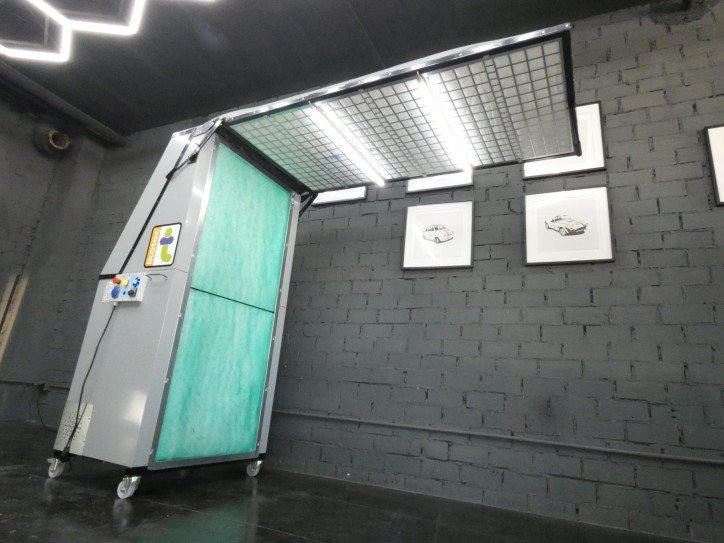
Automation is taking over repetitive and delicate repair tasks in the car repair and body shop industry. Robotic arms now handle welding and painting with a level of consistency that surpasses human abilities. Automated paint booths ensure an even finish, eliminating common imperfections caused by manual spraying.
These systems not only boost quality but also reduce repair times. As more shops adopt automation, customers benefit from a smoother, more predictable repair process.
Innovations in Welding and Frame Alignment
Modern vehicles use advanced materials that require specialized welding and frame alignment tools. Laser-guided machines have replaced traditional measuring methods, making it possible to restore a car’s structural integrity with pinpoint accuracy.
Advanced welding equipment is essential for working with high-strength steel and aluminum, both now common in 2025 models. This innovation ensures that repairs meet strict safety standards and maintain the vehicle’s original performance.
ADAS Calibration and Diagnostics
With the rise of Advanced Driver Assistance Systems (ADAS), proper calibration after repairs is non-negotiable. ADAS components, including cameras and sensors, must be accurately realigned to guarantee safety features work as intended.
Specialized diagnostic tools help technicians recalibrate these systems after a collision or windshield replacement. The Impact of ADAS on Repair Costs highlights how missed calibrations can compromise safety and increase long-term repair expenses, making it vital to choose a shop with the right expertise.
Electric and Hybrid Vehicle Repair Tools
Electric and hybrid vehicles bring new challenges to the car repair and body shop landscape. Repairs now require insulated tools, battery handling equipment, and lifts designed for high-voltage systems. Technicians must follow strict safety protocols to protect themselves and your vehicle.
Shops that invest in EV-specific tools and ongoing training can handle everything from minor cosmetic fixes to complex battery replacements, giving you peace of mind as electric vehicles become more common on the road.
Eco-Friendly Paints and Materials
Sustainability is at the forefront of modern car repair and body shop practices. Waterborne paints, recycled panels, and low-VOC materials help reduce environmental impact without sacrificing quality.
Some shops even pursue green certifications, ensuring responsible disposal of fluids and parts. Eco-friendly innovations not only benefit the planet but can also contribute to a cleaner, safer workplace for technicians and customers alike.
KGM Equipment: Supporting Professional Body Shops with Advanced Tools
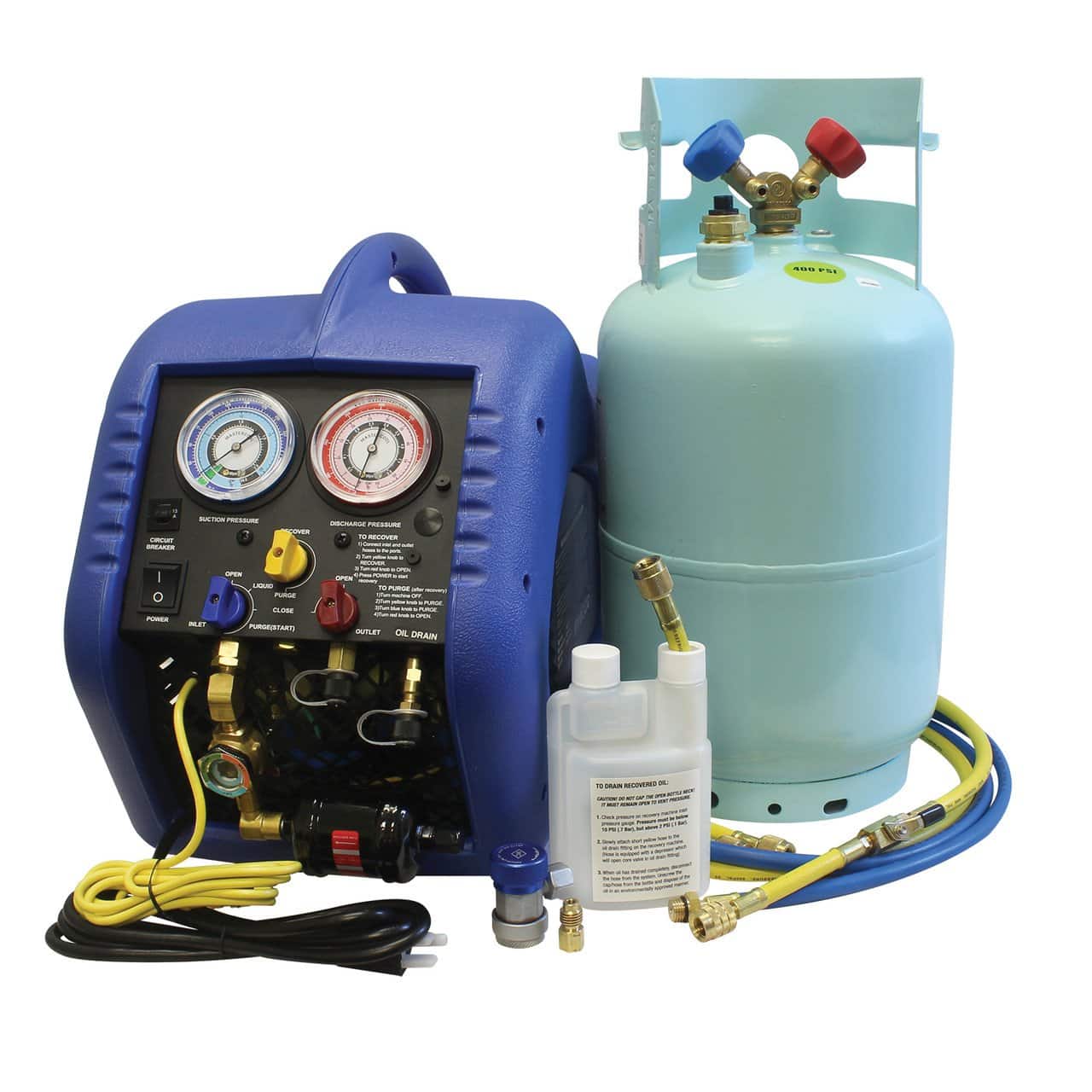
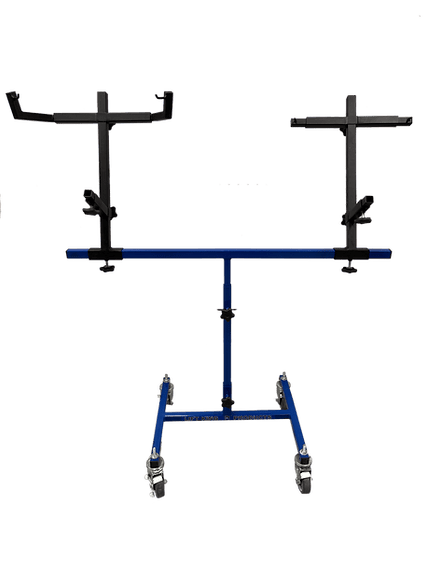
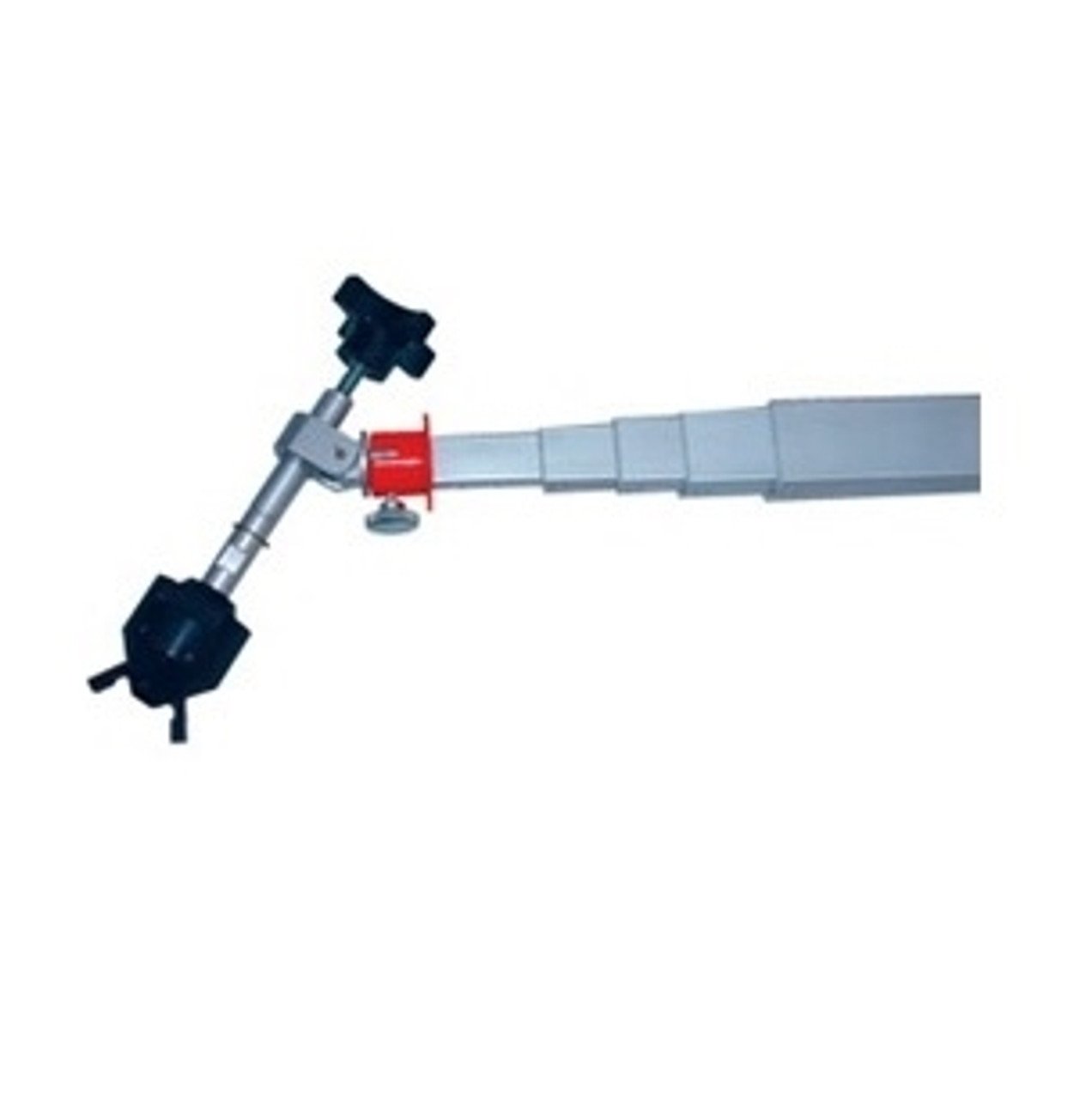
To keep up with these trends, body shops rely on partners like KGM Equipment. Their comprehensive catalog features everything from frame machines and dent pullers to spot welders and EV-specific gear. With professional support and flexible financing, KGM Equipment empowers shops to master the latest car repair and body shop technologies and deliver top-tier results for every customer.
Cost-Saving Strategies and Maximizing Value in Car Repairs
Keeping your car in top shape does not have to drain your wallet. With the right cost-saving strategies, you can get the most value from every car repair and body shop visit. Let us break down the best ways to save without cutting corners.
Understanding Repair Estimates and Hidden Costs
When you visit a car repair and body shop, it is important to understand what is behind the estimate. Common cost categories include:
| Cost Component | What it Covers |
|---|---|
| Labor | Technician work hours |
| Parts | OEM or aftermarket items |
| Paint | Materials and application |
| Miscellaneous | Shop fees, hazardous waste |
Hidden costs can pop up, such as fees for extra diagnostics or unexpected part replacements. Comparing multiple estimates can help you spot discrepancies and negotiate a fair price. According to the CarMD 2025 Vehicle Health Index, being informed about common repairs and their average costs can help you avoid surprises at your next car repair and body shop.
DIY vs. Professional Repairs
Deciding between tackling a fix yourself or heading to a car repair and body shop depends on the issue. DIY repairs can be a smart choice for minor cosmetic damage, such as small dents or scratches. However, working on complex systems or safety features often requires professional experience.
- DIY Pros: Saves money, immediate results, personal satisfaction
- DIY Cons: Risk of mistakes, voiding warranties, safety hazards
- Professional Pros: Expertise, warranty protection, quality assurance
For major repairs, trust a certified car repair and body shop to ensure your vehicle stays safe and dependable.
Leveraging Insurance Effectively
Insurance can be a powerful tool for controlling costs at a car repair and body shop. Start by understanding your deductible and coverage limits. When filing a claim, ask your insurer about direct repair programs that connect you with trusted shops, often streamlining the approval process and reducing wait times.
Keep all documentation and use mobile apps to track your repair status. This helps you avoid out-of-pocket expenses and ensures your car repair and body shop experience is as smooth as possible.
Preventative Maintenance as a Cost Saver
Regular maintenance is one of the most effective ways to reduce long-term expenses at any car repair and body shop. Staying on top of oil changes, brake inspections, and tire rotations helps catch small issues before they become costly problems.
- Check fluids monthly
- Rotate tires every 6,000 miles
- Inspect brakes each season
Routine maintenance can cut repair costs by up to 30 percent over your vehicle’s lifetime, making every trip to the car repair and body shop an investment in future savings.
Using Quality Parts and Equipment
Choosing the right parts goes a long way in maximizing value from your car repair and body shop. OEM parts often come with better warranties and fit, while high-quality aftermarket options can offer savings without sacrificing reliability.
Ask your technician about parts choices and their impact on performance, safety, and resale value. Investing in quality now helps you avoid repeat visits and unexpected breakdowns later.
Seasonal Promotions and Financing Options
Many car repair and body shop locations offer seasonal deals, loyalty programs, or interest-free financing. Take advantage of these offers during peak maintenance periods, like spring tune-ups or pre-winter checks.
Look for shops advertising discounts on labor, parts, or bundled services. Flexible payment plans can also ease the burden of major repairs, letting you keep your car in top shape without straining your budget.
Now that you’ve seen how staying up to date with the latest repair trends and using the right tools can make all the difference in your car’s longevity and safety, why not take the next step? If you’re a professional looking to equip your shop for 2025, or just curious about the tools behind top-quality repairs, you’ll find everything from advanced frame machines to EV repair gear at KGM Equipment. Their commitment to quality and customer support means you can handle any challenge the road throws your way. Ready to explore your options? Learn more

