








In today’s fast-paced automotive world, the right car lift scissor lift can transform how you work. These lifts are essential for safe, efficient repairs and maintenance in both professional shops and home garages.
Selecting the right car lift scissor lift isn’t just about convenience. It directly affects safety, technician comfort, and your shop’s bottom line. With so many options available, making an informed choice is crucial.
This guide will break down everything you need to know for 2025. We’ll answer your top questions, explore features, and give you practical buying tips. Dive in for expert advice and the latest industry trends.
What is a Car Lift Scissor Lift?
Understanding what a car lift scissor lift is can make a huge difference in your approach to auto repair or maintenance. This specialized equipment streamlines vehicle lifting, saving time and boosting safety in both professional shops and home garages. Let's break down the essentials, explore the types, highlight must-have features, and see where the industry is heading for 2025.
Definition and Basic Functionality
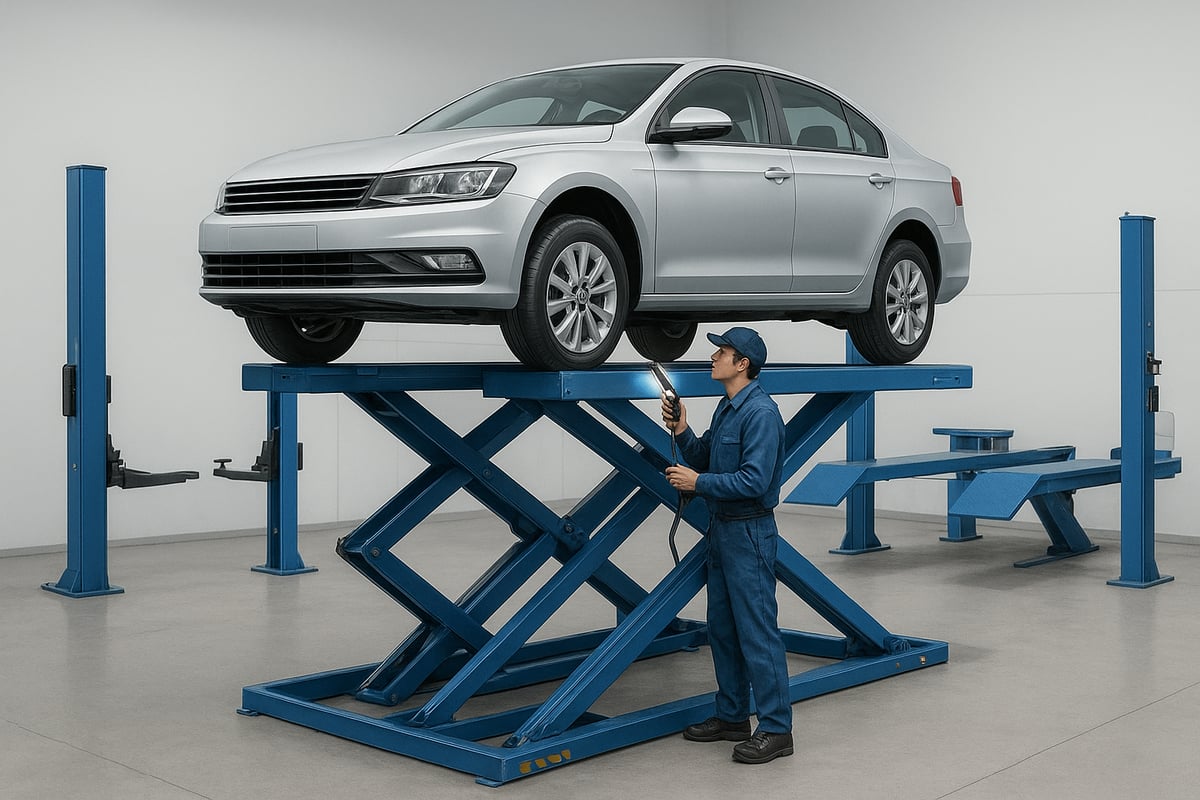
A car lift scissor lift is a platform-based lifting device that uses a crisscrossing, scissor-like mechanism to raise vehicles off the ground. Unlike two-post or four-post lifts, which use columns or posts for elevation, the scissor lift’s structure sits under the vehicle and extends upwards, powered by hydraulic or pneumatic systems.
This design makes the car lift scissor lift ideal for quick repairs, tire changes, detailing, and even home garage projects. With weight capacities ranging from 6,000 to over 12,000 pounds, these lifts accommodate most passenger vehicles and light trucks.
The lifting process is smooth and stable, offering better ergonomics compared to traditional floor jacks. For a detailed comparison of scissor lifts with other lift types, check out the Types of Auto Lifts Explained guide. Many technicians prefer using a car lift scissor lift over basic jacks because it allows for faster, safer access to a vehicle’s undercarriage.
Types of Scissor Lifts
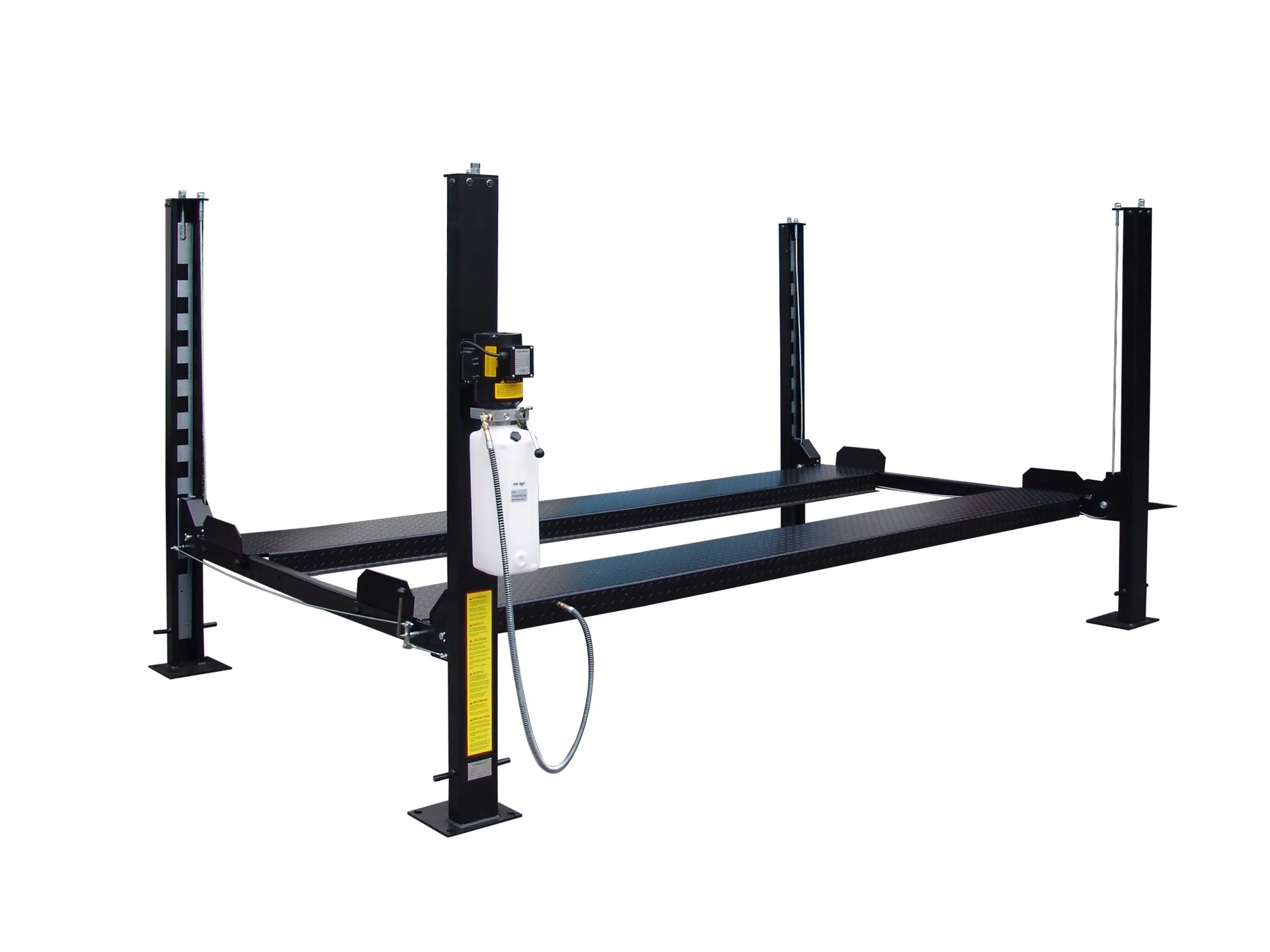
There are several types of car lift scissor lift options to suit different needs. The most common are mid-rise and full-rise models. Mid-rise scissor lifts raise vehicles to a moderate height, perfect for tire, brake, and bodywork, while full-rise lifts can elevate cars to the same height as traditional lifts for complete undercarriage access.
Portable car lift scissor lifts offer flexibility, allowing you to move the lift where needed, while fixed models are anchored to the floor for stability. Surface-mounted lifts sit above the garage floor, requiring minimal installation, whereas in-ground scissor lifts are recessed for a flush finish and more open workspace.
Specialty versions exist for electric and hybrid vehicles, featuring insulated platforms and compatibility with unique chassis designs. Choosing the right type depends on your space, vehicle mix, and workflow needs.
Key Features and Components
When selecting a car lift scissor lift, focus on platform size, lifting height, and approach angle. Larger platforms accommodate wider vehicles, while a low approach angle is crucial for sports cars or vehicles with low ground clearance.
Safety is a top priority. Look for models with mechanical safety locks, automatic shut-off in case of overload, and emergency lowering systems. Power requirements vary: some use electric motors, others rely on compressed air or hydraulic pumps.
Durability matters too. High-quality lifts use thick-gauge steel with corrosion-resistant coatings for long service life. Accessories like rolling jacks, drip trays, or LED lighting can further enhance the lift’s utility.
Industry Statistics and Trends
The car lift scissor lift market is growing fast, driven by demand from both commercial shops and DIY enthusiasts. Recent reports show a projected compound annual growth rate (CAGR) of over 7% for automotive lifts through 2025, with adoption rates rising in home garages due to their compact design.
New models feature smart technology, such as remote controls and diagnostic sensors, making operation easier and safer. Innovations in hydraulic efficiency and eco-friendly materials are also trending upward.
As electric vehicles become more common, manufacturers are introducing specialized car lift scissor lift solutions tailored for these platforms. The future looks bright with continuous upgrades in safety, convenience, and compatibility.
Benefits of Using a Scissor Lift in 2025
Choosing a car lift scissor lift in 2025 offers a range of benefits, transforming how professionals and DIYers approach vehicle maintenance. From safety to adaptability, these lifts deliver value for modern garages.
Enhanced Safety and Ergonomics
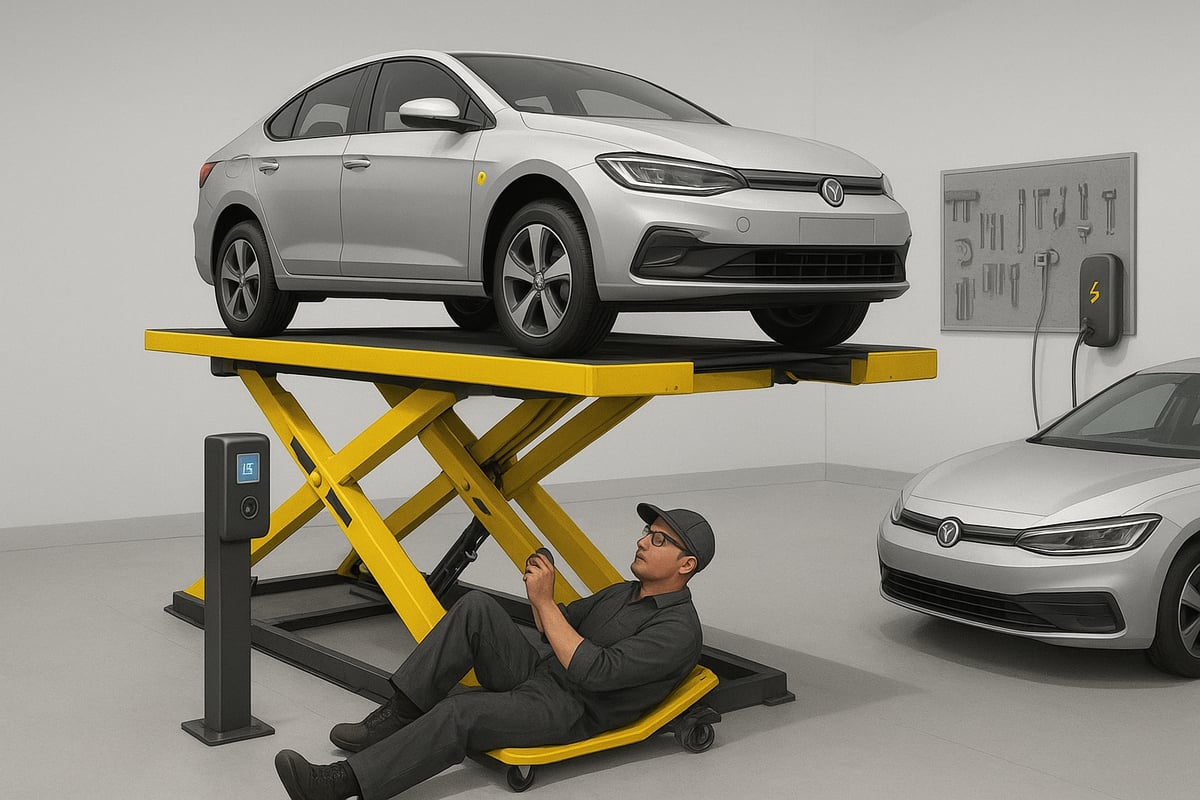
A primary advantage of a car lift scissor lift is the significant boost in safety compared to manual jacks or ramps. The stable lifting platform lowers the risk of vehicle slips and technician injuries.
Technicians benefit from improved access to the undercarriage and wheels. This ergonomic setup reduces strain, fatigue, and awkward working positions. Built-in safety features like locking mechanisms and overload protection create a more secure workspace.
If you're considering the safest way to elevate vehicles, the differences between car lifting jacks vs. lifts are substantial. Scissor lifts provide a more controlled and reliable lifting process, making them the preferred choice for many shops.
Space Efficiency and Versatility
A car lift scissor lift is known for its compact footprint, making it an excellent fit for smaller workshops or home garages. Unlike bulky four-post lifts, these models require less floor space and can be installed in locations with lower ceilings.
Their versatility shines through in varied use cases. Whether you are doing routine repairs, detailing, or tire changes, a car lift scissor lift adapts easily. Portable models further enhance flexibility for multi-bay shops or mobile repair services.
Productivity and Workflow Improvements
Switching to a car lift scissor lift streamlines daily operations. The quick setup and lifting times mean vehicles spend less time waiting and more time being serviced.
Busy auto shops report increased throughput after upgrading. For example, technicians can complete jobs faster compared to traditional lifts or jacks, leading to more satisfied customers and higher revenue.
A car lift scissor lift also encourages organized workflows, with better tool access and clearer floor layouts, minimizing bottlenecks.
Cost-Effectiveness and ROI
For those weighing investment options, a car lift scissor lift often presents a lower upfront cost than four-post or in-ground alternatives. Maintenance needs are typically less demanding, leading to lower ongoing expenses.
Energy-efficient designs help reduce power consumption. Over time, the extended lifespan and strong resale value contribute to a high return on investment.
Below is a simple table summarizing cost benefits:
| Benefit | Car Lift Scissor Lift | Four-Post Lift |
|---|---|---|
| Upfront Cost | Lower | Higher |
| Maintenance Cost | Lower | Higher |
| Energy Consumption | Reduced | Moderate |
| Resale Value | High | Moderate |
Adaptability for Modern Vehicles
With more electric and hybrid vehicles on the road, a car lift scissor lift offers the adaptability required for diverse vehicle designs. Adjustable arms and pads ensure compatibility with a wide range of chassis, including SUVs and EVs.
Specialty models are engineered for high-voltage safety standards and unique undercarriage layouts. This future-proofing means your investment remains relevant as vehicle technology evolves.
Industry Data and User Testimonials
Recent surveys show that technicians overwhelmingly prefer a car lift scissor lift for its efficiency and safety. Many auto shops that upgraded to scissor lifts report higher satisfaction and reduced downtime.
User testimonials highlight time savings, ease of use, and improved shop organization. Industry data also points to growing adoption rates in both commercial and home garage settings, signaling a strong trend for 2025.
Key Considerations When Choosing a Car Lift Scissor Lift
Selecting the right car lift scissor lift in 2025 is a pivotal decision for any garage or shop. The right choice impacts efficiency, safety, and your ability to handle diverse vehicles. Let’s break down the essential factors you need to weigh before making your investment.
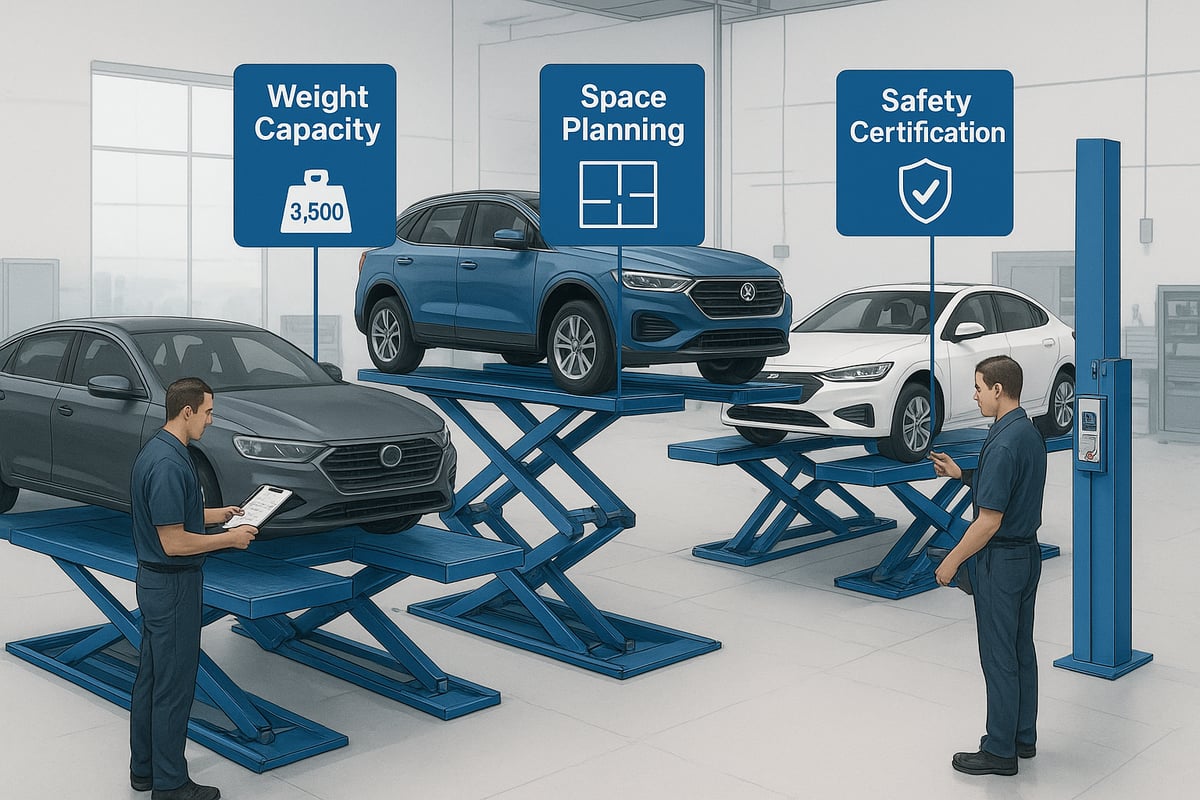
Weight Capacity and Vehicle Types
The first step in choosing a car lift scissor lift is matching its capacity to your typical vehicle mix. Consider the heaviest vehicles you plan to service, such as SUVs, trucks, or electric cars. A lift with insufficient capacity poses serious safety risks and limits your shop’s capabilities.
Scissor lifts generally range from 6,000 to 12,000 pounds in capacity. Always check your vehicle fleet and future needs. For shops handling a variety of vehicles, opt for a higher-capacity car lift scissor lift to ensure flexibility and safety.
Installation Requirements and Space Planning
Proper installation is crucial for both safety and performance. Assess your floor’s thickness and strength, as most car lift scissor lift models require a solid, level concrete base. Typical minimum thickness is 4 to 6 inches, but always confirm manufacturer guidelines.
Measure your available space, including ceiling height. Scissor lifts are popular in shops with limited vertical clearance. Also, plan for power sources: some lifts are electric, others require hydraulic or air connections. For a detailed comparison of installation and space needs, check out this Choosing Vehicle Car Lifts guide.
Safety Standards and Certification
Safety should never be compromised when selecting a car lift scissor lift. Look for lifts certified by the Automotive Lift Institute (ALI) or meeting ANSI standards. These certifications ensure your lift meets rigorous safety and performance benchmarks.
Compliance with OSHA and local building codes is also essential. Keep documentation of inspections and maintenance for insurance and warranty claims. Certified equipment not only protects staff but also builds trust with clients.
Features and Customization Options
Modern car lift scissor lift models offer a variety of features to boost efficiency and adaptability. Look for adjustable platforms and approach ramps to accommodate different chassis designs. Accessories like drip trays, rolling jacks, and LED lighting can make day-to-day operations smoother.
Smart features, such as remote controls and diagnostic alerts, add convenience and support preventive maintenance. Choose features that match your shop’s workflow and the types of services you provide.
Budget and Financing
Budget is often a deciding factor. Entry-level car lift scissor lift models are more affordable than four-post or in-ground lifts, but prices vary by capacity and features. Evaluate financing options if you’re aiming for a higher-end model.
Factor in the total cost of ownership, including installation, operation, and maintenance. Lower upfront costs can sometimes mean higher maintenance, so analyze the long-term value.
Typical Cost Breakdown Table
| Lift Type | Entry Price | Maintenance Cost | Expected Lifespan |
|---|---|---|---|
| Mid-rise Scissor | $2,000 | Low | 8-10 years |
| Full-rise Scissor | $4,000 | Medium | 10-15 years |
Manufacturer Reputation and Warranty
Not all car lift scissor lift brands are created equal. Research manufacturer reputation, reliability, and after-sales support. A robust warranty covering parts and labor can save money and hassle over the lift’s lifetime.
Compare leading manufacturers, focusing on customer reviews and service agreements. A reputable brand often translates to better durability and easier access to spare parts.
Future-Proofing Your Investment
The automotive landscape is evolving quickly. Choose a car lift scissor lift that supports emerging vehicle technologies, such as electric and hybrid models. Look for modular designs that allow upgrades or expansion as your shop grows.
Investing in a future-ready lift ensures your equipment remains valuable and compliant with new standards. This adaptability protects your investment and keeps your shop competitive.
Step-by-Step Guide: Selecting, Installing, and Using a Scissor Lift
Choosing the right car lift scissor lift can transform your workspace, but it requires careful planning and execution. This step-by-step guide will walk you through every stage, from the initial assessment to daily operations, ensuring you get the most from your investment.
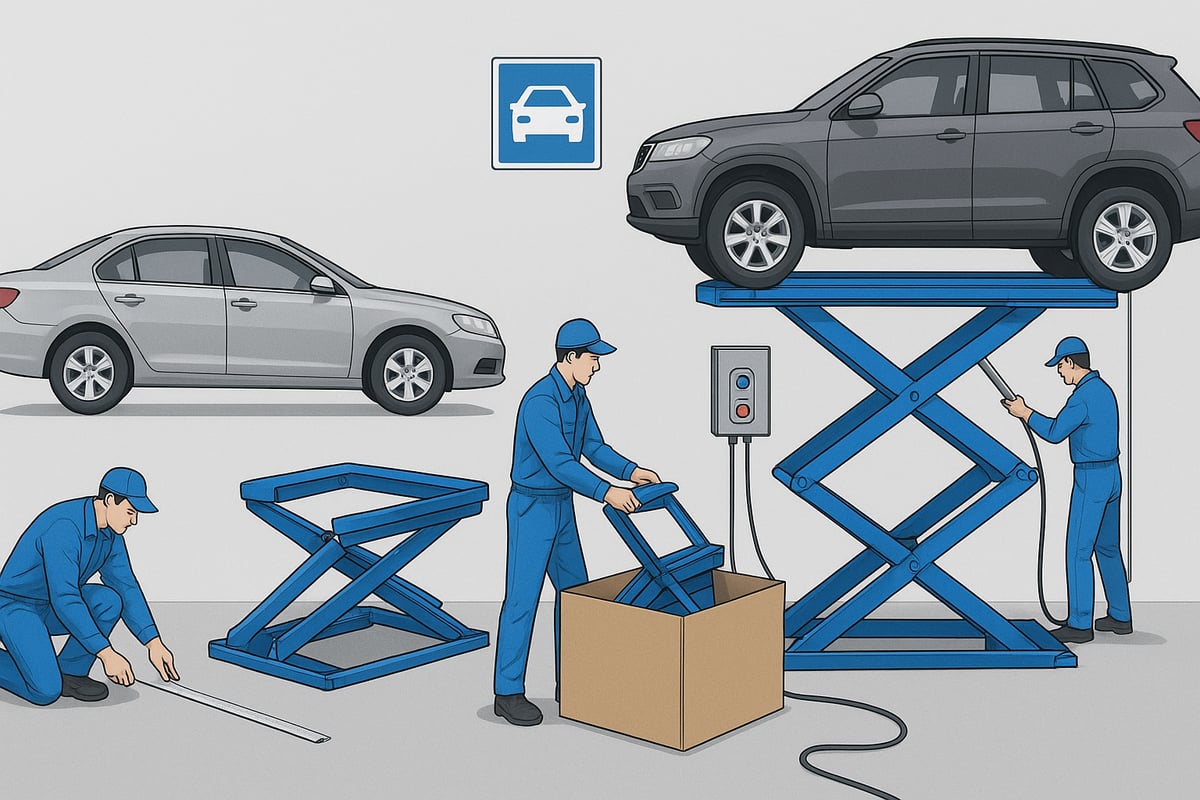
Step 1: Assess Your Needs and Shop Layout
Begin by evaluating your shop's requirements. Identify the types of vehicles you service most often, such as sedans, SUVs, or trucks. Note their average weights, as this will influence which car lift scissor lift models are suitable.
Next, measure the floor space and ceiling height of your garage. A car lift scissor lift needs enough room for safe operation and technician movement. Mark out potential installation spots and consider workflow—ensure the lift won't block essential paths or access points.
- List the number and size of vehicles you plan to work on.
- Check for obstructions like columns or low-hanging pipes.
- Document your shop’s daily service volume.
A precise assessment sets the foundation for a seamless buying and installation process.
Step 2: Research and Compare Scissor Lift Models
With your needs defined, research available car lift scissor lift models. Compare specifications like weight capacity, platform size, lifting height, and approach angle. Use manufacturer guides, user reviews, and shop case studies for real-world insights.
Create a shortlist based on features that match your requirements. For example, if you work in tight spaces, consider a mid-rise or portable car lift scissor lift. If you handle a mix of vehicles, look for models with adjustable arms and extended platforms.
A simple comparison table can help:
| Feature | Model A | Model B |
|---|---|---|
| Capacity | 6,000 lbs | 8,000 lbs |
| Lifting Height | 48 inches | 60 inches |
| Portability | Yes | No |
| Power Source | Electric | Hydraulic |
This approach ensures you select a lift tailored to your specific needs.
Step 3: Prepare Your Shop for Installation
Preparation is crucial for a smooth car lift scissor lift installation. Start by clearing and cleaning the designated area. Mark the lift’s footprint on the floor and verify that the concrete meets the required thickness and levelness—typically, a minimum of 4 inches of reinforced concrete is needed.
Plan for electrical and hydraulic connections. Confirm you have the correct power supply (e.g., 110V or 220V) and that wiring or air lines are accessible. Arrange for necessary tools, hardware, and any installation accessories.
Key steps include:
- Cleaning the area and removing debris.
- Checking concrete thickness and quality.
- Ensuring access to power and hydraulic lines.
Proper preparation avoids delays and safety risks during installation.
Step 4: Professional Installation and Initial Testing
Always use a certified installer for your car lift scissor lift. Professionals ensure the unit is anchored securely, power connections are safe, and all components function as intended. During setup, they test the lift’s operation, safety locks, and emergency lowering systems.
It’s essential to follow the latest safety protocols. For detailed standards on safe vehicle lift installation and service, consult the ALI Safety Standards Update to ensure compliance.
Once installed, conduct an initial load test with a vehicle similar to your typical workload. Observe the lift’s motion, check for unusual noises, and confirm all safety features engage correctly.
Step 5: Operator Training and Safety Protocols
After installation, train your team on the correct use of the car lift scissor lift. Go over the control panel, safety locks, and emergency procedures. Emphasize daily inspection routines, including checking for leaks or worn components.
Develop clear safety checklists and display them near the lift. Establish emergency protocols, such as what to do if the lift stops mid-cycle or if a safety lock fails.
Training topics include:
- Proper vehicle positioning and weight distribution.
- Using safety locks and emergency lowering.
- Performing daily pre-use inspections.
Consistent training promotes confidence and reduces workplace accidents.
Step 6: Routine Maintenance and Troubleshooting
Routine maintenance keeps your car lift scissor lift running smoothly. Set a schedule for lubrication, hydraulic fluid checks, and cleaning. Inspect hoses, seals, and moving parts for signs of wear or damage.
If you encounter issues like slow lifting, uneven platforms, or hydraulic leaks, follow the troubleshooting instructions in your lift’s manual. Minor issues can often be resolved in-house, but major repairs or persistent problems require professional attention.
Maintenance checklist:
- Lubricate all moving joints weekly.
- Inspect hydraulic fluid monthly.
- Clean platforms and remove debris after each use.
A proactive maintenance plan reduces downtime and extends the life of your lift.
Step 7: Maximizing Lift Longevity and Performance
To maximize the value of your car lift scissor lift, schedule regular professional inspections. Keep a detailed maintenance log recording all services, repairs, and usage hours. This documentation helps track performance and supports warranty claims if needed.
Upgrade your lift with accessories like LED lighting, drip trays, or rolling jacks to enhance versatility. Stay informed about software or firmware updates, especially if your lift features smart diagnostics or remote controls.
Tips for long-term performance:
- Schedule annual safety inspections.
- Document all maintenance and repairs.
- Invest in accessories that suit your workflow.
With proper care and regular upgrades, your car lift scissor lift will deliver reliable service for years to come.
Maintenance, Safety, and Troubleshooting for Scissor Lifts
Keeping your car lift scissor lift in top shape is essential for safety and performance. Proper maintenance routines, safety procedures, and troubleshooting knowledge can prevent unexpected breakdowns and costly repairs. Let’s break down the best practices and real-world lessons every shop or home user should know.
Daily and Periodic Maintenance
Routine care is the first defense against failure with your car lift scissor lift. Start each day with a visual inspection: look for hydraulic leaks, damaged hoses, and worn cables. Check the platform for debris, oil, or rust. Wipe down surfaces to reduce corrosion.
Follow a lubrication schedule for all pivot points and moving parts. Most lifts need grease every week, with hydraulic fluid levels checked monthly. Replace worn parts as soon as you spot them. Keeping your car lift scissor lift clean and lubricated extends its life and boosts safety.
- Inspect for leaks, cracks, or bent components.
- Clean platform and ramps after each use.
- Lubricate all moving joints as recommended.
Safety Best Practices
Safety should always come first when using a car lift scissor lift. Always engage all safety locks before working under the vehicle. Use lockout/tagout procedures when performing maintenance or repairs.
Position vehicles carefully, making sure weight is balanced on the lift pads. Never exceed the rated capacity of your car lift scissor lift. Teach all operators to follow a daily safety checklist and to report any concerns immediately.
- Use safety locks and chocks.
- Lockout power source when working on the lift.
- Double-check vehicle placement and weight distribution.
Troubleshooting Common Issues
Even the best car lift scissor lift can develop problems over time. The most common issues are slow lifting, hydraulic leaks, or uneven platform movement. If you notice slow or jerky operation, check for low fluid levels or air in the hydraulic lines.
For electrical issues, inspect fuses and wiring. Uneven lifting may signal a worn cylinder or debris blocking movement. If you cannot resolve a problem after basic checks, call a professional for help rather than risk safety or further damage.
| Issue | Quick Check | DIY or Pro? |
|---|---|---|
| Slow lifting | Hydraulic fluid level | DIY |
| Uneven platform | Inspect cylinders/obstacles | Pro |
| Electrical failure | Check fuses/connections | DIY, then Pro |
Compliance and Documentation
Keeping accurate records is critical for your car lift scissor lift. Maintain a log of all inspections, repairs, and maintenance. This documentation helps with warranty claims and is often required by insurers.
Make sure your lift meets OSHA and local safety regulations. Only use lifts that are certified and display compliance labels. Schedule regular professional inspections, and keep all reports on file for future reference.
- Log all maintenance and repairs.
- Store compliance certificates and inspection reports.
- Review and update safety procedures annually.
Real-World Examples and Statistics
Studies show that up to 60% of lift failures are due to poor maintenance or ignored safety checks. For example, one shop avoided a major accident by catching a small hydraulic leak during a daily inspection of their car lift scissor lift.
According to recent Automotive Lifts Market Trends and Forecast, the industry is seeing increased adoption of smarter diagnostics and predictive maintenance features. Shops upgrading their routines report fewer breakdowns and higher technician satisfaction.
Regular maintenance and diligent record-keeping turn your car lift scissor lift into a long-term investment rather than a safety risk.
Latest Innovations and Future Trends in Scissor Lifts (2025)
The future of the car lift scissor lift is bright, with 2025 shaping up to be a year of rapid innovation. As technology advances, so do the capabilities and features of these essential tools. Let’s explore what’s new and what’s next in the world of car lift scissor lift systems.
Smart Technology Integration
Today’s car lift scissor lift models are embracing smart technology. Many now feature IoT-enabled systems for real-time remote monitoring and predictive maintenance alerts. With mobile app integration, technicians can control lifts, access diagnostics, and receive service reminders on the go. These advancements not only boost efficiency but also help prevent costly downtime.
By leveraging cloud-based service logs and remote diagnostics, shops can track performance and address issues proactively. This smart connectivity is quickly becoming a must-have for any forward-thinking car lift scissor lift solution.
Green and Energy-Efficient Designs
Sustainability is a major trend for the car lift scissor lift market in 2025. Manufacturers are introducing eco-friendly hydraulic fluids and motors that consume less energy. Some lifts now offer solar-powered or low-voltage options, reducing the environmental impact and utility costs for shops.
Energy-saving features do not compromise power or reliability. Instead, they help auto professionals meet green business goals while maintaining top performance. The car lift scissor lift of the future is as efficient as it is powerful.
Enhanced Safety Features
Safety remains a top priority for every car lift scissor lift. New models are equipped with advanced sensors to detect overloads and obstructions, instantly stopping operation to avoid accidents. Automated safety lock engagement is now standard, ensuring the platform remains securely in place during service.
These innovations provide peace of mind for technicians and shop owners alike. Enhanced safety features are setting a new benchmark for what users can expect from a car lift scissor lift in 2025.
Adaptation for Electric and Hybrid Vehicles
As electric vehicles become more common, the car lift scissor lift industry is adapting quickly. Lifts now offer insulated platforms and EV-specific accessories to protect against electrical hazards. Compliance with updated high-voltage safety standards is essential for servicing modern cars.
Adjustable arms and modular pads accommodate a wide variety of chassis types, making the latest car lift scissor lift models versatile for both traditional and electric vehicles. This adaptability is crucial as the automotive landscape continues to evolve.
Market Outlook and Industry Predictions
The car lift scissor lift market is expected to see significant growth, especially among small shops and home garages. Innovations on display at major trade shows are driving demand and shaping future trends. According to Automotive Lift Market Growth Projections, the global market is set to expand rapidly, fueled by the rise of electric vehicles and stricter safety regulations.
Manufacturers are investing heavily in R&D, bringing smarter, safer, and more sustainable lifts to market. The outlook for the car lift scissor lift segment is stronger than ever.
Case Studies and User Feedback
Early adopters of next-generation car lift scissor lift systems report impressive results. Shops using smart lifts note faster turnaround times and fewer unexpected breakdowns. User reviews highlight the value of integrated diagnostics and automated safety features.
Productivity gains are especially notable in shops that have upgraded to the latest technology. Real-world feedback confirms that investing in an advanced car lift scissor lift pays off in both safety and efficiency.
Now that you’ve got a handle on what makes scissor lifts so essential for modern auto repair and how the right choice can boost your shop’s safety, efficiency, and profitability, why not take the next step? If you’re ready to explore high quality options that fit your needs—whether you run a busy shop or work out of your own garage—KGM Equipment offers a range of reliable lifts and expert support to help you make the best decision. Want to see what’s available and learn even more? Learn more
