




In 2025, efficient tire changer equipment is no longer a luxury, but a necessity for any shop aiming to thrive in the fast-evolving automotive industry. Rapid advances in vehicle technology, changing tire designs, and rising customer expectations are transforming the way tire service is delivered.
Staying competitive means understanding how new tools, smarter machines, and streamlined processes influence daily operations. This guide dives deep into the latest tire changer equipment, exploring essential features and best practices to keep your shop ahead.
You will discover the different types of tire changers, must-have capabilities, criteria for choosing the right model, maintenance tips, and future trends shaping the industry. Ready to upgrade your knowledge and improve your tire service? Let’s get started with this essential guide.
The Evolution of Tire Changer Equipment: 2020-2025
The past five years have transformed the landscape of tire changer equipment. As technology advanced, so did the demands from vehicles, regulators, and customers. Shops today must keep pace with smarter, safer, and more versatile machines. Let’s explore how the industry has evolved and what these changes mean for your business.
Key Industry Shifts and Innovations
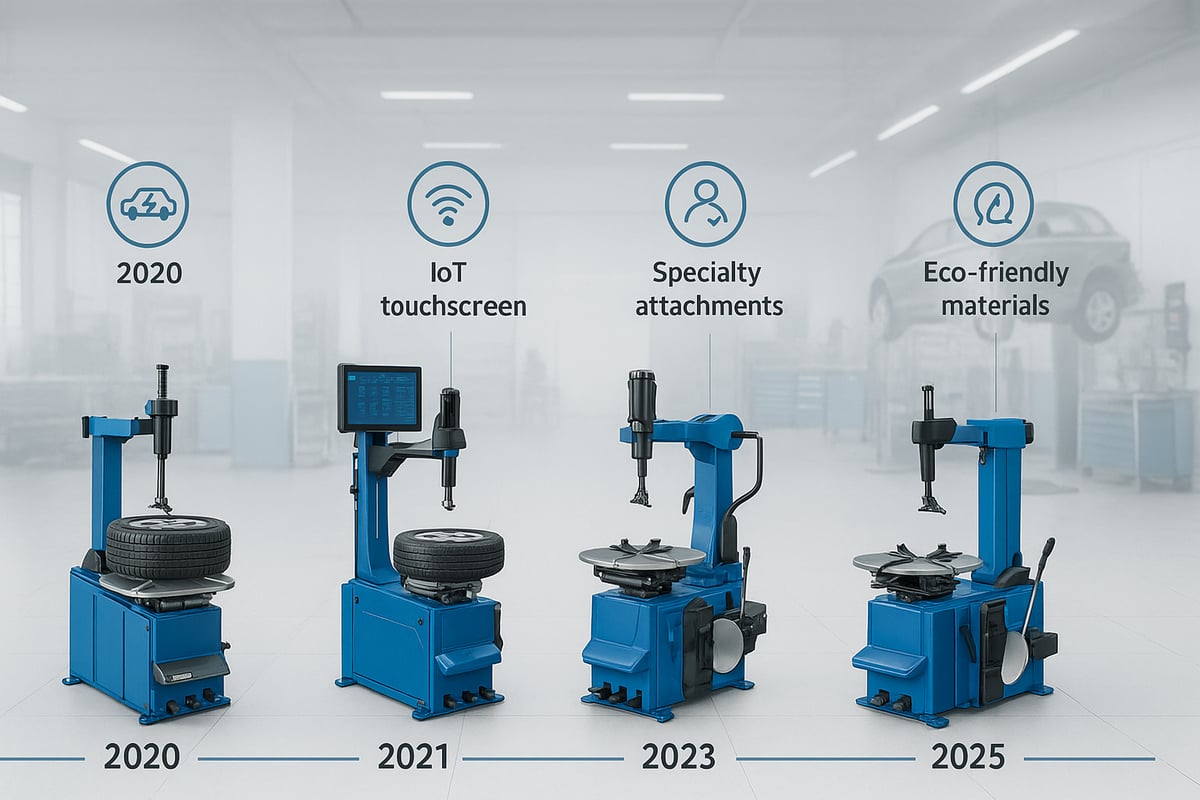
Since 2020, tire changer equipment has seen a wave of innovation. The explosive rise of electric and hybrid vehicles has pushed manufacturers to rethink machine design. Equipment now handles larger, heavier wheels and unique rim profiles.
Smart technology is at the forefront. IoT sensors, automation, and digital controls are now common, making machines easier to use and maintain. Features like automated rim clamping, programmable cycles, and real-time diagnostics reduce errors and speed up workflow.
Shops have also demanded more ergonomic and user-friendly designs. Adjustable work heights, intuitive controls, and safety shields are now expected. New safety standards require compliance, leading to more built-in emergency stops and anti-pinch technology.
Data from industry reports shows a 35% increase in the adoption of smart tire changer equipment since 2020. Many shops have shifted from manual to semi-automatic or fully automatic machines, increasing efficiency and reducing operator fatigue.
Environmental and Regulatory Influences
Environmental regulations have placed new demands on tire changer equipment. Manufacturers are now using recyclable materials and reducing hazardous waste in production. Energy efficiency is a top priority, with newer models consuming up to 20% less power than older versions.
Workplace safety is another focus. Compliance with OSHA and similar standards is mandatory. Shops that upgraded to compliant equipment in 2025 report a 40% drop in workplace injuries related to tire service.
A case study from a Midwest auto shop highlights this progress. After replacing their outdated units with energy-efficient, OSHA-certified machines, they saw fewer incidents and lower energy bills.
Eco-friendly designs now include modular components for easier recycling and disposal. As a result, tire changer equipment is not only safer but also greener and more cost-effective for shops.
Rise of Specialty Tire Changers
Demand for specialty tire changer equipment has surged. Motorcycle, ATV, and heavy-duty vehicles require unique solutions. Manufacturers responded with machines featuring adjustable clamps, protective adapters, and powerful bead blasters for tough tires.
Innovations include assist arms for handling low-profile and run-flat tires, which are common on modern vehicles. The market share for specialty tire changers reached 18% in 2025, reflecting a growing need for versatility.
Specialty auto shops praise these advancements. One motorcycle repair shop owner shared that bead blasters and dedicated adapters cut service times in half and reduced rim damage.
As vehicles diversify, so must the tools. Investing in specialty tire changer equipment allows shops to serve a broader range of clients and stay ahead in a competitive market.
Market Trends and Consumer Expectations
Today’s consumers expect fast, damage-free tire service. Online reviews and social media heavily influence which shops succeed. As a result, brands compete to provide tire changer equipment that delivers speed, reliability, and minimal rim damage.
Warranty and after-sales support have become deciding factors for many buyers. Popular brands in 2025 offer extended warranties and responsive service teams. Customer satisfaction scores for leading tire changer models have climbed, reflecting improved design and support.
According to the Tire Changing Machines Market Analysis, the global demand for advanced tire changer equipment continues to grow, driven by evolving vehicle technology and rising consumer expectations.
In this dynamic market, shops that invest in high-quality tire changer equipment can boost reputation, efficiency, and customer loyalty.
Types of Tire Changer Equipment for 2025
Choosing the right tire changer equipment in 2025 can make or break your shop’s efficiency. The fast pace of automotive innovation means there are now more equipment options than ever before. To help you navigate these choices, here’s a breakdown of the main types of tire changer equipment, their features, and which shops they suit best.
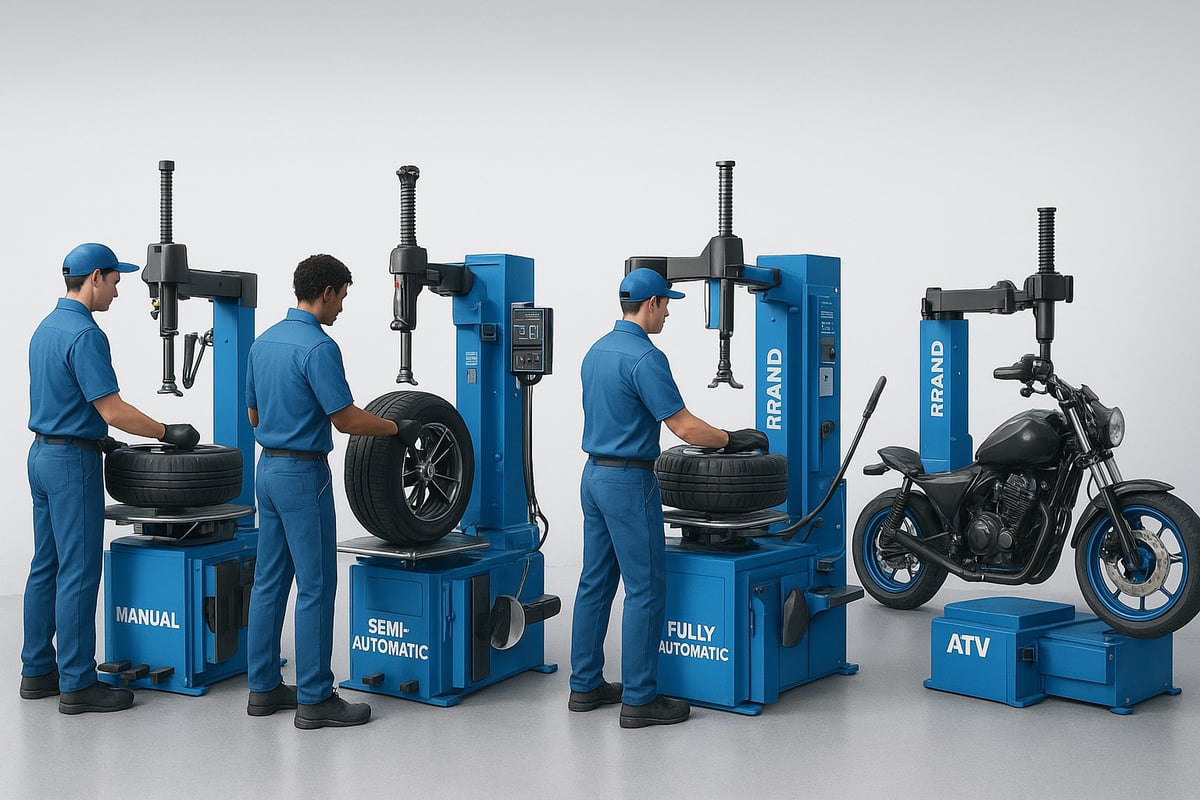
Manual Tire Changers: Pros, Cons, and Use Cases
Manual tire changer equipment remains a popular choice for shops on a budget or those needing portable solutions. These units rely on physical force and basic levers to remove and mount tires.
Pros:
- Low purchase cost
- Simple design with few moving parts
- Easy to transport for mobile services
Cons:
- Slower operation compared to other tire changer equipment
- Higher risk of rim scratches or damage
- Greater physical effort required
Manual tire changer equipment is best for small garages, roadside assistance, or operations with low volume. For example, a mobile tire service can quickly set up a manual unit for emergency roadside jobs, while a comparison with automatic models often shows significant time savings for larger shops. The simplicity appeals to those who want minimal maintenance.
Semi-Automatic Tire Changers
Semi-automatic tire changer equipment strikes a balance between affordability and efficiency. These machines typically feature a powered bead breaker and manual mounting head control, allowing for faster workflow without the full cost of automation.
Key Features:
- Foot pedal controls for bead breaking
- Manual adjustment for mounting heads
- Suitable for a range of tire types
Advantages:
- Faster than manual units
- Moderate learning curve
- Good for medium-sized shops or fleets
Drawbacks:
- Less automation than premium models
- Some manual steps remain
For mid-sized shops, semi-automatic tire changer equipment provides a strong mix of speed and cost-effectiveness. Popular models in 2025 often include ergonomic improvements and basic digital displays. Many fleet maintenance operations rely on these machines for daily tire changes and rotations.
Fully Automatic Tire Changers
Fully automatic tire changer equipment leads the way in speed and consistency. These advanced machines automate the entire mounting and demounting process, reducing operator fatigue and minimizing errors.
Features:
- Automated rim clamping
- Programmable cycles for repeat jobs
- Touchscreen controls and error alerts
Benefits:
- Fastest operation, ideal for high-volume shops
- Consistent results and reduced training time
- Less physical strain on technicians
Drawbacks:
- Higher upfront investment
- More complex maintenance requirements
A real-world example is a dealership that upgraded to fully automatic tire changer equipment and saw a 30% boost in productivity. These units are the top choice for busy shops where time and consistency are critical.
Specialty Tire Changers (Motorcycle, ATV, Heavy-Duty)
Specialty tire changer equipment is designed for non-standard wheels, like those found on motorcycles, ATVs, and commercial vehicles. These machines include unique features to handle diverse rim sizes and shapes.
Design Innovations:
- Adjustable clamps for smaller or unusual rims
- Protective adapters to prevent damage
- Bead blasters for tough, heavy-duty tires
Specialty shops, such as those servicing motorcycles or power sports vehicles, often choose dedicated tire changer equipment. For more information on these solutions, explore Power Sports Tire Changers. In 2025, specialty equipment holds a growing market share, reflecting the rise in demand for custom and heavy-duty tire services. User testimonials highlight the flexibility and reliability these machines offer for unique applications.
Accessories and Attachments
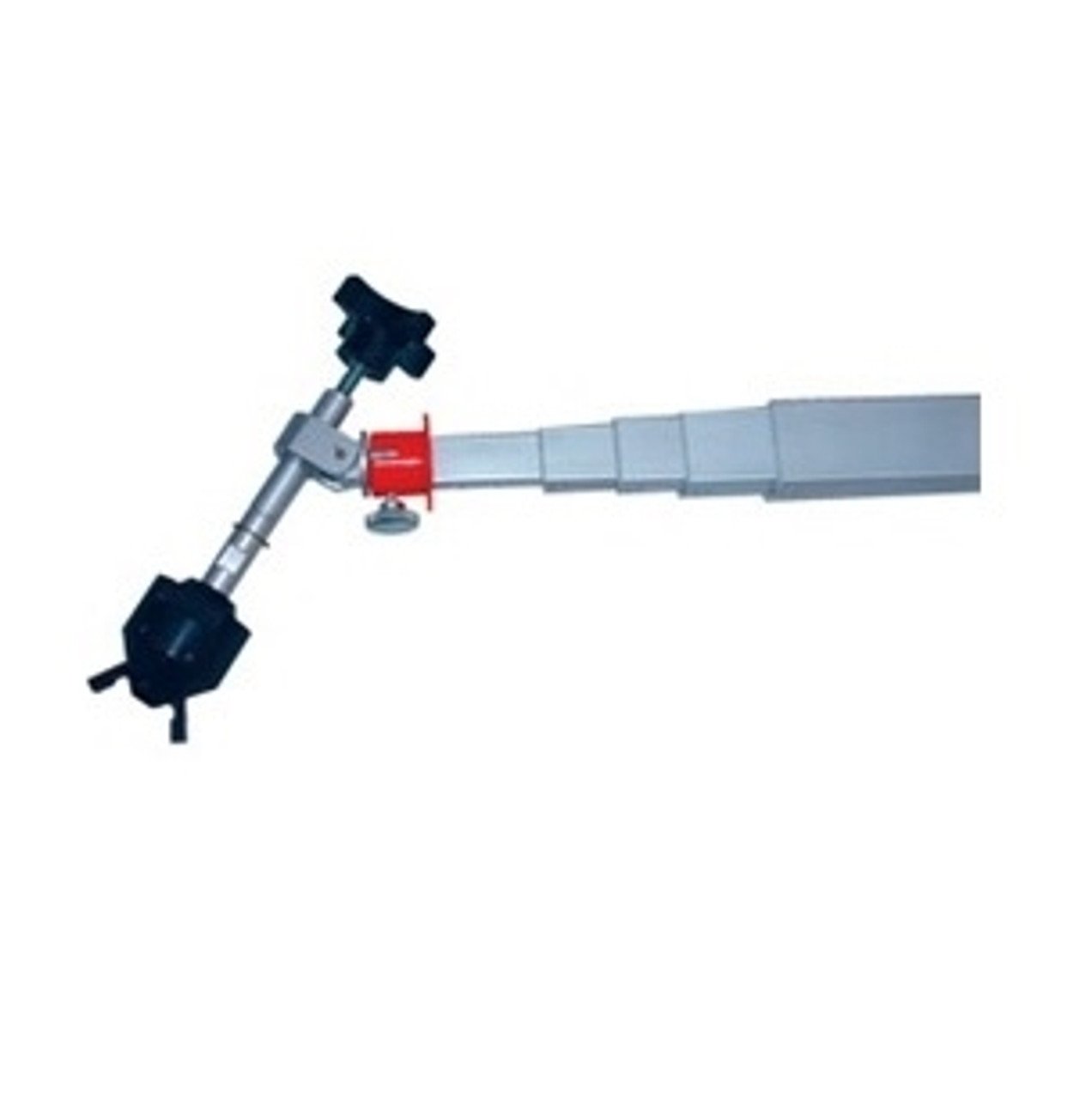
The right accessories can dramatically increase the versatility of your tire changer equipment. Common add-ons include assist arms, bead blasters, and adapters for various wheel types.
Popular Accessories:
- Right and left hand assist arms for run-flat tires
- Motorcycle adapters for smaller rims
- Extension hoses for improved reach
Investing in quality attachments often pays off by reducing labor time and improving safety. For instance, assist arms can help prevent operator injury and rim damage, while bead blasters make it easier to handle stubborn tires. In 2025, the most popular tire changer equipment accessories are those that enhance efficiency and protect both the technician and the wheel. Choosing the right add-ons can also extend the service life of your core equipment.
Must-Have Features in Modern Tire Changer Equipment
Choosing the right tire changer equipment in 2025 means looking for technology that keeps your shop ahead of the curve. Today’s machines are smarter, safer, and more adaptable than ever before. Let’s explore the essential features that define the best tire changer equipment this year.
Automation and Smart Technology
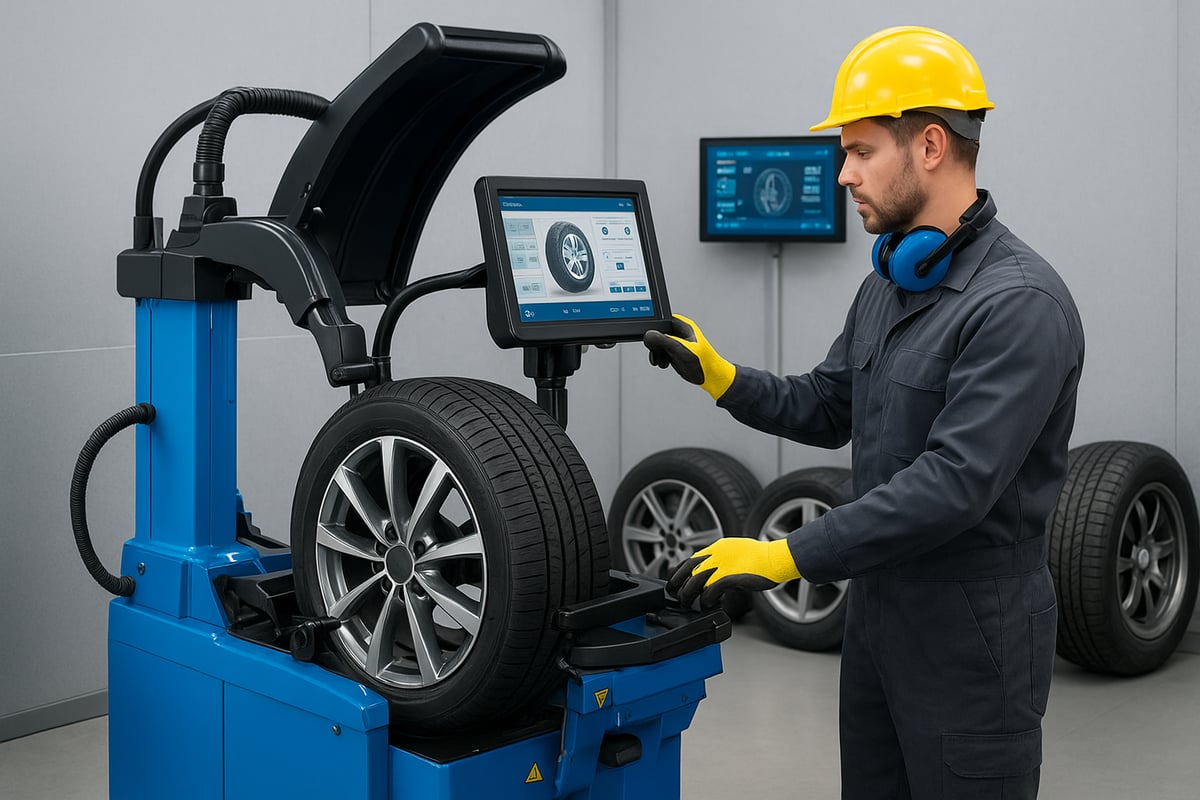
Modern tire changer equipment is packed with automation and digital intelligence. Features like touchscreens, programmable cycles, and IoT connectivity make operation smoother and more precise.
Smart sensors detect rim size, pressure, and alignment, reducing manual errors. Remote diagnostics let technicians troubleshoot issues without opening the machine, saving time and money.
A growing number of tire changer equipment models now offer automated rim clamping and real-time pressure monitoring. In fact, recent reports show over 60% of new machines include smart features. For those seeking a broader range of options, you can browse the Automotive Equipment Category to compare the latest models and innovations.
Safety Enhancements and Ergonomics
Safety is at the heart of every new tire changer equipment design. Built-in safety shields protect operators from flying debris, while emergency stop functions halt the machine instantly if something goes wrong.
Ergonomic improvements are just as important. Adjustable work heights and foot pedal controls help reduce strain and repetitive injuries. Anti-pinch features keep hands safe during the mounting and demounting process.
Shops that invest in OSHA-compliant safety features see a noticeable drop in workplace injuries. These upgrades not only protect staff but also boost morale and productivity.
Compatibility with Modern Tires and Rims
Tire changer equipment in 2025 must keep pace with evolving tire and rim technologies. Run-flat and low-profile tires, as well as large-diameter wheels, demand machines with flexible and protective mounting heads.
Quick-change adapters enable shops to service a wide variety of vehicles, including electric models with unique wheel assemblies. This versatility is crucial for meeting customer needs and staying competitive.
Protective features, like non-marring contact points, help prevent costly rim damage. Shops equipped for servicing modern vehicles see higher customer satisfaction and repeat business.
Durability and Maintenance-Friendly Design
Long-lasting tire changer equipment is built with high-grade materials like stainless steel or reinforced composites. These machines stand up to heavy use and resist corrosion, making them a smart investment for busy shops.
Modular components simplify repairs and upgrades, reducing downtime. Easy-access panels allow for quick inspections and part replacements.
Comparing average lifespans, leading brands offer up to 10 years of reliable service with routine care. Maintenance intervals are predictable, which helps shops plan for future expenses and avoid unexpected breakdowns.
User Experience and Interface
User-friendly tire changer equipment stands out in 2025. Intuitive controls, clear displays, and multilingual support make training new staff faster and easier.
Some models feature built-in troubleshooting guides and video tutorials. These resources cut down on operator errors and speed up service times.
Operator satisfaction is at an all-time high, with surveys showing a 30% decrease in training time for shops using modern interfaces. Investing in equipment that’s easy to use pays off in both efficiency and employee retention.
How to Choose the Right Tire Changer for Your Shop in 2025
Selecting the right tire changer equipment for your shop in 2025 is a decision that shapes your efficiency, customer satisfaction, and bottom line. With evolving technology and a dynamic automotive landscape, making the best choice requires a clear understanding of your business needs and the latest market options.
Assessing Shop Needs and Volume
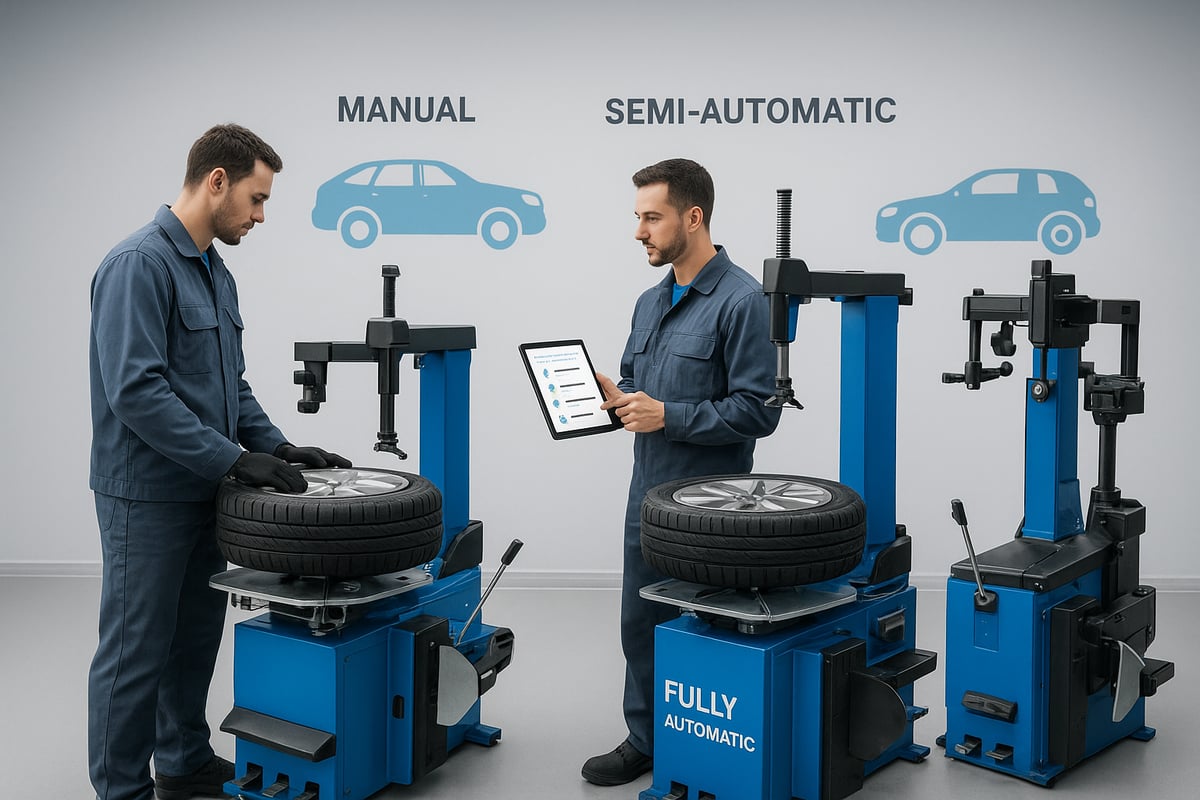
Begin by evaluating your daily tire service volume and the variety of vehicles you serve. Are you primarily servicing sedans, SUVs, or specialty vehicles like motorcycles and trucks? The answer will directly influence your choice of tire changer equipment.
Make a checklist to clarify your requirements:
- How many tire changes do you perform per day?
- What is the range of tire and rim sizes you encounter?
- Do you need to accommodate run-flat or low-profile tires?
- Is portability or a stationary setup more important?
For example, a small mobile service may benefit from a portable manual changer, while a high-volume shop will need more robust, automated solutions. To explore the full range of options tailored by department and vehicle type, visit Shop Equipment by Department.
Budget Considerations and ROI
Balancing upfront investment with long-term savings is crucial when choosing tire changer equipment. Manual models are typically more affordable but may slow down workflow and increase labor. Semi-automatic and fully automatic machines cost more initially, yet their speed and efficiency can boost productivity and reduce operator fatigue.
Consider financing options and look for available tax incentives for new equipment in 2025. Calculate your expected return on investment by factoring in maintenance costs, service volume, and potential labor savings.
| Type | Upfront Cost | Average ROI Period | Labor Required |
|---|---|---|---|
| Manual | Low | 18-24 months | High |
| Semi-Automatic | Medium | 12-18 months | Moderate |
| Fully Automatic | High | 9-15 months | Low |
This comparison can help you determine which tire changer equipment will deliver the best value for your shop.
Evaluating Brand Reputation and Support
The reputation of your chosen brand and the quality of after-sales support can impact your long-term satisfaction with tire changer equipment. Prioritize brands known for reliability, comprehensive warranties, and responsive customer service.
Research online reviews, industry ratings, and ask peers about their experiences with specific models. Leading brands often offer extended warranties and fast service response times, which can minimize downtime and protect your investment.
Check warranty durations and what is covered. A strong support program ensures your tire changer equipment stays operational and up to date, even as new automotive challenges emerge.
Future-Proofing Your Investment
In 2025, it is vital to select tire changer equipment that keeps pace with evolving technologies and vehicle trends. Look for machines with modular components, upgrade paths, and software update capabilities.
Consider compatibility with emerging tire and rim designs, especially as electric and hybrid vehicles become more common. Shops investing in modular equipment can scale their operations and adapt quickly to new service demands.
Many businesses plan for regular upgrades, so choose equipment that can grow with your shop. By future-proofing your purchase, you ensure your tire changer equipment remains a valuable asset for years to come.
Maintenance, Safety, and Best Practices for Tire Changer Longevity
Keeping tire changer equipment in top condition is essential for shop efficiency, operator safety, and return on investment. Proper care and adherence to best practices not only extend equipment life but also ensure compliance with safety standards. Let’s explore the key areas every shop should focus on to maximize the value of their tire changer equipment.
Routine Maintenance Procedures
Routine maintenance is the foundation for reliable tire changer equipment performance. Shops should develop daily, weekly, and monthly inspection schedules. Daily checks might include cleaning surfaces, inspecting for leaks, and verifying air pressure. Weekly tasks focus on lubricating moving parts and inspecting wear components, while monthly routines target deeper inspections and potential part replacements.
A common mistake is neglecting manufacturer-recommended lubrication points, which can lead to premature failure. Using predictive maintenance technologies, such as those described in the Digital Twin Framework for Tire Maintenance, allows shops to monitor tire changer equipment health and anticipate issues before they cause downtime.
Maintenance costs typically account for 3-5% of the equipment’s value annually, but this investment pays off by reducing unexpected repairs and extending overall lifespan. A well-maintained tire changer equipment setup is less likely to experience costly breakdowns, keeping service bays productive and customers satisfied.
Operator Training and Certification
Operator training is crucial for safe and efficient use of tire changer equipment. Proper training reduces the risk of accidents and equipment damage. In 2025, many equipment manufacturers and industry groups offer certification programs that focus on both safety and technical skills.
Certified operators are less likely to make errors that lead to machine downtime or safety incidents. For example, shops that implemented certification programs saw a 30% reduction in workplace accidents involving tire changer equipment.
Key training topics include:
- Safe mounting and demounting techniques
- Emergency stop and safety shield usage
- Routine maintenance tasks
- Recognizing early signs of equipment wear
Continued education ensures operators stay up to date with evolving technology, further protecting both staff and tire changer equipment.
Safety Protocols and Compliance
Adhering to safety protocols is non-negotiable in any shop using tire changer equipment. Compliance with OSHA and industry-specific guidelines keeps both staff and customers safe. Key safety features include emergency stop buttons, built-in shields, and anti-pinch designs.
Personal protective equipment (PPE) is essential. Operators should always wear gloves, safety glasses, and steel-toed boots when working with tire changer equipment. Regular safety audits help identify and correct unsafe practices before incidents occur.
A recent case study showed that after implementing stricter safety protocols, one shop saw a 40% decline in tire changer equipment-related injuries. Consistent use of safety features and following best practices make a measurable impact on workplace safety.
Troubleshooting and Common Issues
Even with proper care, tire changer equipment may occasionally encounter problems. Common issues include air leaks, misalignment of mounting heads, and software errors on digital models. Having a troubleshooting checklist allows operators to quickly diagnose and address these problems.
Quick troubleshooting steps:
- Check for obvious signs of air or hydraulic leaks.
- Inspect alignment of clamps and mounting heads.
- Restart digital systems to clear minor software errors.
- Consult the user manual for error codes.
Shops that prioritize proactive troubleshooting experience less downtime and higher productivity. In fact, the majority of service calls for tire changer equipment are linked to issues that could have been prevented with regular checks and immediate attention.
Extending Equipment Lifespan
To maximize the lifespan of tire changer equipment, shops should follow a preventive care routine. This includes regular cleaning, timely replacement of wear parts, and maintaining a controlled environment to prevent corrosion. Using OEM parts and recommended lubricants is vital for optimal performance.
Some shops report their tire changer equipment lasting over a decade by following strict maintenance protocols. Investing in high-quality tools, such as those highlighted in the Heavy Duty Tools Overview, can further enhance durability, especially in demanding commercial settings.
Table: Lifespan Comparison
| Maintenance Level | Average Lifespan |
|---|---|
| Preventive (OEM parts) | 10+ years |
| Minimal | 4-6 years |
By taking these proactive steps, shops can ensure their tire changer equipment remains reliable, efficient, and ready to meet the demands of 2025 and beyond.
Future Trends in Tire Changer Equipment and the Automotive Service Industry
The landscape of tire changer equipment is transforming rapidly as 2025 approaches. Modern workshops are embracing new technology, smarter workflows, and evolving customer demands. Staying ahead means understanding these future trends and how they will shape your business.
Integration with Digital and Connected Workshops
Workshops are increasingly adopting digital solutions that connect tire changer equipment to cloud-based management systems. IoT-enabled machines now communicate real-time data about usage, maintenance needs, and performance metrics to shop dashboards.
This integration enables predictive maintenance, reducing downtime and maximizing productivity. Technicians receive instant alerts for issues, while managers can track service trends remotely.
For example, some tire changer equipment models now offer remote diagnostics and software updates, making it easier to keep systems current. This shift is transforming routine tire service into a data-driven operation, setting a new standard for efficiency.
Adapting to Electric and Autonomous Vehicles
The rise of electric and autonomous vehicles is reshaping the requirements for tire changer equipment. EVs and AVs often feature heavier wheels, unique tire sizes, and embedded sensors that demand precise handling.
Manufacturers are responding with tire changer equipment designed for increased weight capacity and compatibility with advanced wheel sensor systems. Shops specializing in EV service are investing in machines with protective adapters and programmable clamping systems.
This adaptation ensures that tire changer equipment can safely and effectively service the latest vehicle types, keeping shops competitive as the market rapidly shifts toward electric mobility.
Sustainability and Green Initiatives
Sustainability is now a central focus in the design and operation of tire changer equipment. Manufacturers are introducing eco-friendly materials, energy-efficient motors, and recycling programs for old machines and tires.
New models are engineered to minimize energy consumption, supporting both cost savings and environmental goals. Some shops have adopted green practices, such as using biodegradable lubricants and partnering with recycling companies for end-of-life tire disposal.
Brands leading the way in sustainable tire changer equipment are helping shops meet regulatory requirements and appeal to eco-conscious customers. These initiatives are expected to expand further, shaping the industry’s environmental impact for years to come.
Advanced Automation and AI
Automation and artificial intelligence are revolutionizing tire changer equipment. AI-powered diagnostics, self-adjusting mounting arms, and programmable service cycles are becoming standard features in high-end models.
These advancements reduce manual labor, speed up tire changes, and minimize the risk of operator error. For example, pilot programs using AI-driven tire changers have shown significant improvements in service speed and consistency.
According to the Wheel and Tire Service Equipment Market Trends, automation is a major growth driver, with more workshops investing in smart tire changer equipment to stay ahead of demand.
Evolving Customer Expectations and Service Models
Customers now expect faster, safer, and more convenient tire service. The demand for contactless and mobile service has led to new business models, including on-demand and subscription-based tire care.
Tire changer equipment is evolving in response, with features that support rapid service, damage-free handling, and seamless integration with digital booking platforms. Shops leveraging these innovations are seeing higher customer satisfaction scores and stronger online reputations.
As the industry moves forward, meeting these expectations with advanced tire changer equipment will be crucial for long-term success.
Now that you’ve seen how tire changer equipment is evolving to meet the demands of 2025, you can start making informed decisions for your shop’s future. Whether you’re looking to boost efficiency, improve safety, or stay ahead of industry trends, having the right tools really does make all the difference. KGM Equipment is here to help with reliable, high quality solutions and expert support tailored to your needs. If you’re ready to explore the latest equipment options or want some guidance on what’s best for your business, Learn more and set your shop up for success.

