

Table of Contents
- Autotality vs Professional Alternatives: Quick Comparison
- Where DIY Marketplaces Fall Short in Collision Repair
- Feature-by-Feature Breakdown: Autotality vs Professional Alternatives
- Collision Repair Shop Equipment List: What Actually Matters
- Aluminum Repair Tool Requirements for Modern Shops
- Total Cost of Ownership and Scalability for Growing Shops
- Digital Management Software and Workflow Integration
- Verdict: Which Path Fits Your Shop
- Frequently Asked Questions
Last Updated: September 14, 2026
Autotality vs Professional Alternatives: Quick Comparison
Choosing between a DIY marketplace and a dedicated equipment partner is one of the first big calls a collision shop makes, and it shapes everything from cycle time to technician morale. Autotality is an online marketplace where shops browse and buy collision repair tools and supplies directly, while professional alternatives like KGM Equipment supply specialized collision repair machinery, aluminum repair tools, and technical support built around a shop’s workflow. This guide from KGM Equipment compares both paths on equipment depth, support, and total cost so you can match the choice to how your shop actually operates.
The core difference is simple: a marketplace sells you a product, while a professional partner helps you run a bay. That distinction matters most when a lift goes down on a Friday or when a new aluminum-intensive vehicle rolls in and your techs need tooling that keeps pace.
Below, we break down where each model wins, where it falls short, and which one fits a shop your size.
Where DIY Marketplaces Fall Short in Collision Repair
Marketplaces win on selection and price transparency. You can compare dozens of listings in an afternoon, and for consumables, hand tools, and one-off items, that convenience is hard to beat. The trouble starts when the purchase is a major piece of shop equipment.
What most buyers miss is that a marketplace transaction ends at checkout. There’s no commissioning, no calibration guidance, and no one accountable when a frame rack or welder underperforms. A common mistake is buying “industrial-grade” equipment online without confirming it can handle daily wear in a working bay.
- No installation or commissioning support
- Limited technical help when a machine faults
- No calibration or alignment accuracy verification
- Warranty claims routed through a third party
For a small shop buying hand tools, none of that matters. For a shop investing in lifts, welders, or diagnostic systems, it’s the difference between a tool and a liability.
Feature-by-Feature Breakdown: Autotality vs Professional Alternatives
Professional equipment partners win on support and integration, while marketplaces win on browsing convenience and price comparison. The table below summarizes how the two models stack up on the factors that decide long-term value.
| Factor | Autotality (Marketplace) | Professional Partner (KGM Equipment) |
|---|---|---|
| Equipment range | Broad, mixed brands | Specialized collision and aluminum tools |
| Installation support | None | Guidance on setup and commissioning |
| Technical support | Limited | Direct access to expert support |
| Calibration help | Not offered | Alignment accuracy guidance |
| Durability focus | Varies by listing | Built for daily shop wear |
| Best for | Consumables, one-off tools | Core shop equipment |
The pattern is consistent: marketplaces are great for filling gaps, and professional partners are built for the equipment your revenue depends on. If a tool touches every job, buy it from someone who answers the phone when it breaks.
Collision Repair Shop Equipment List: What Actually Matters
Every collision repair shop equipment list looks long, but only a handful of items decide whether a bay runs or stalls. Prioritize the equipment that touches every job, then fill in the rest.
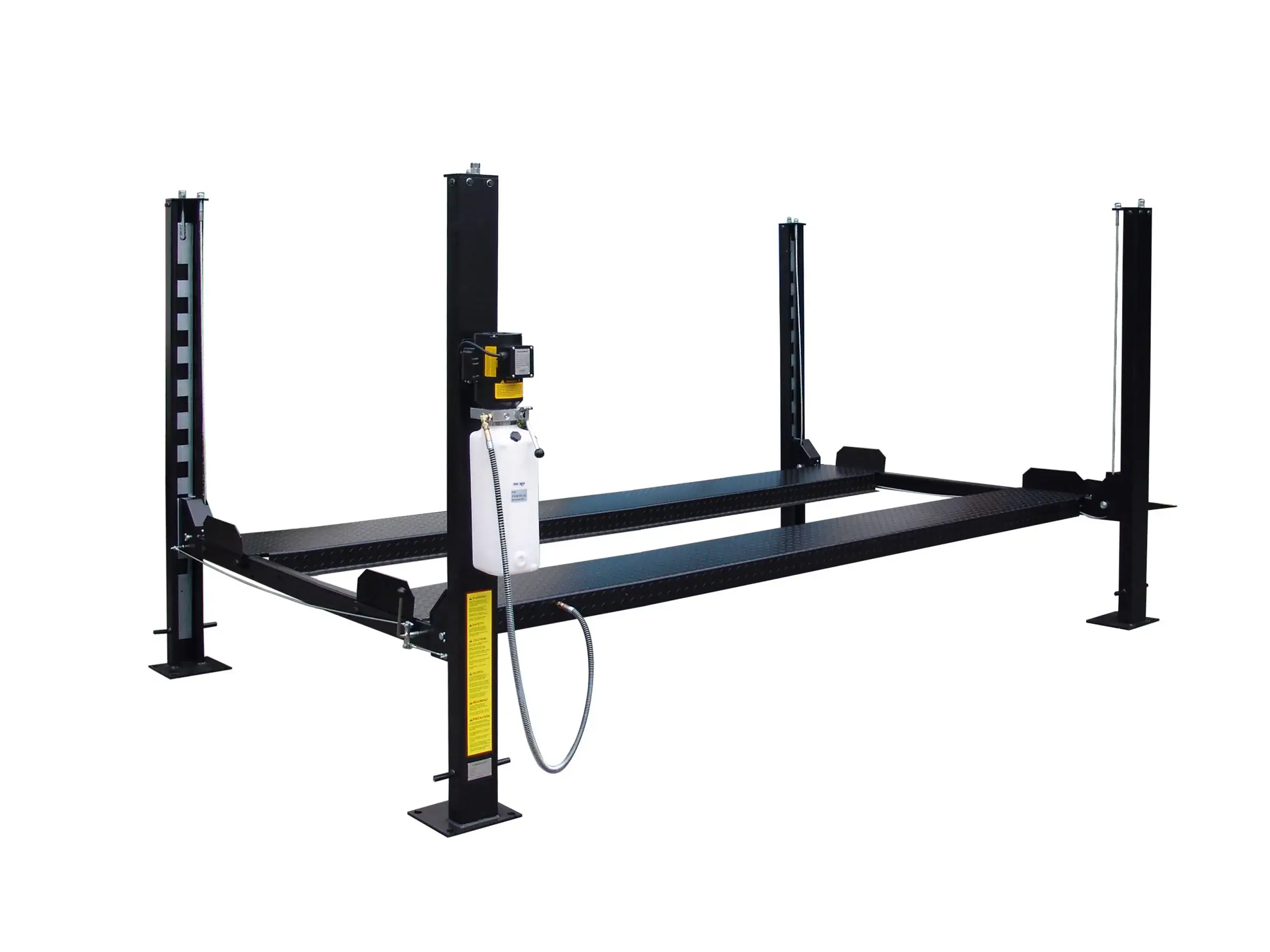
- Vehicle lifts: the backbone of the bay; capacity and safety compliance come first
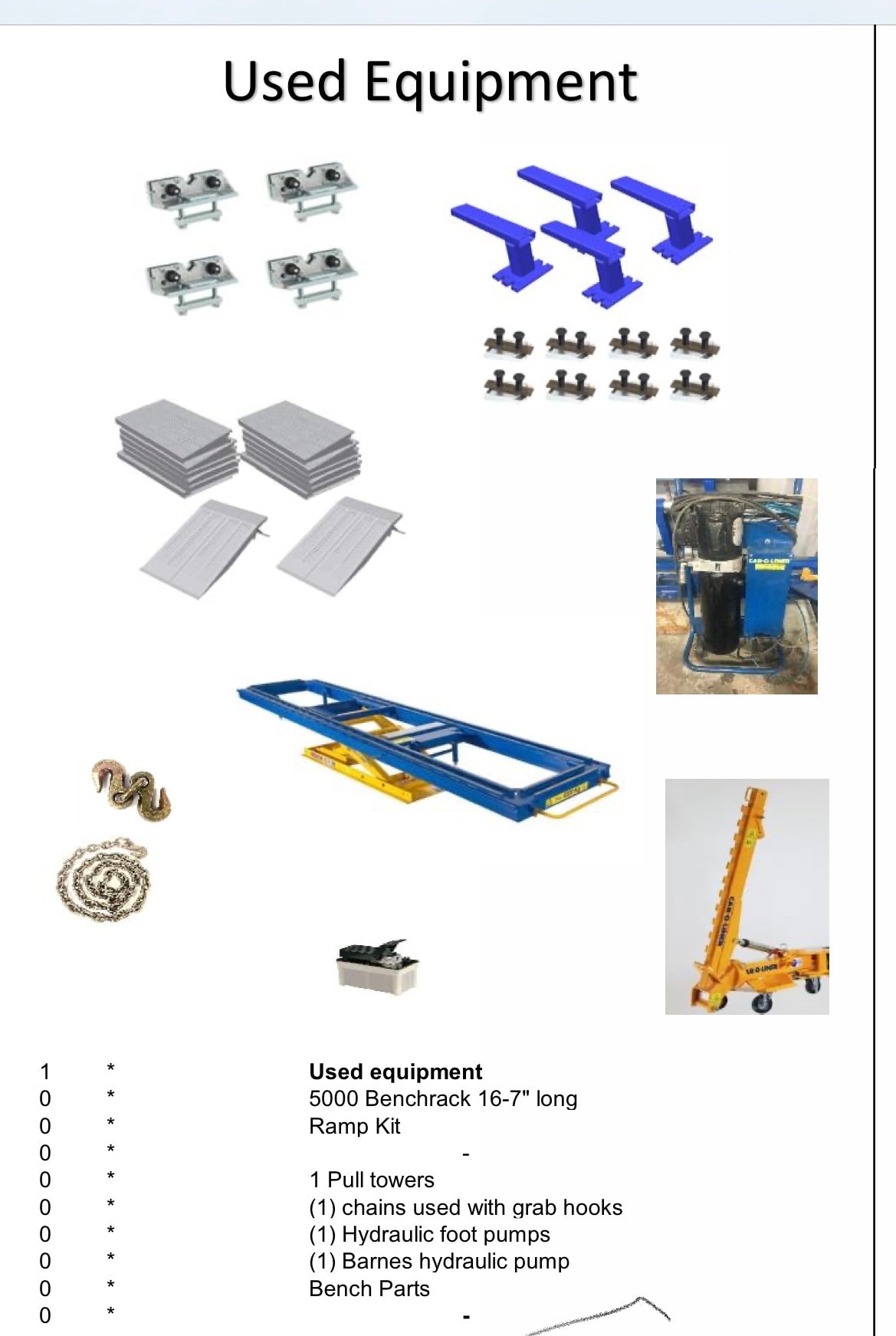
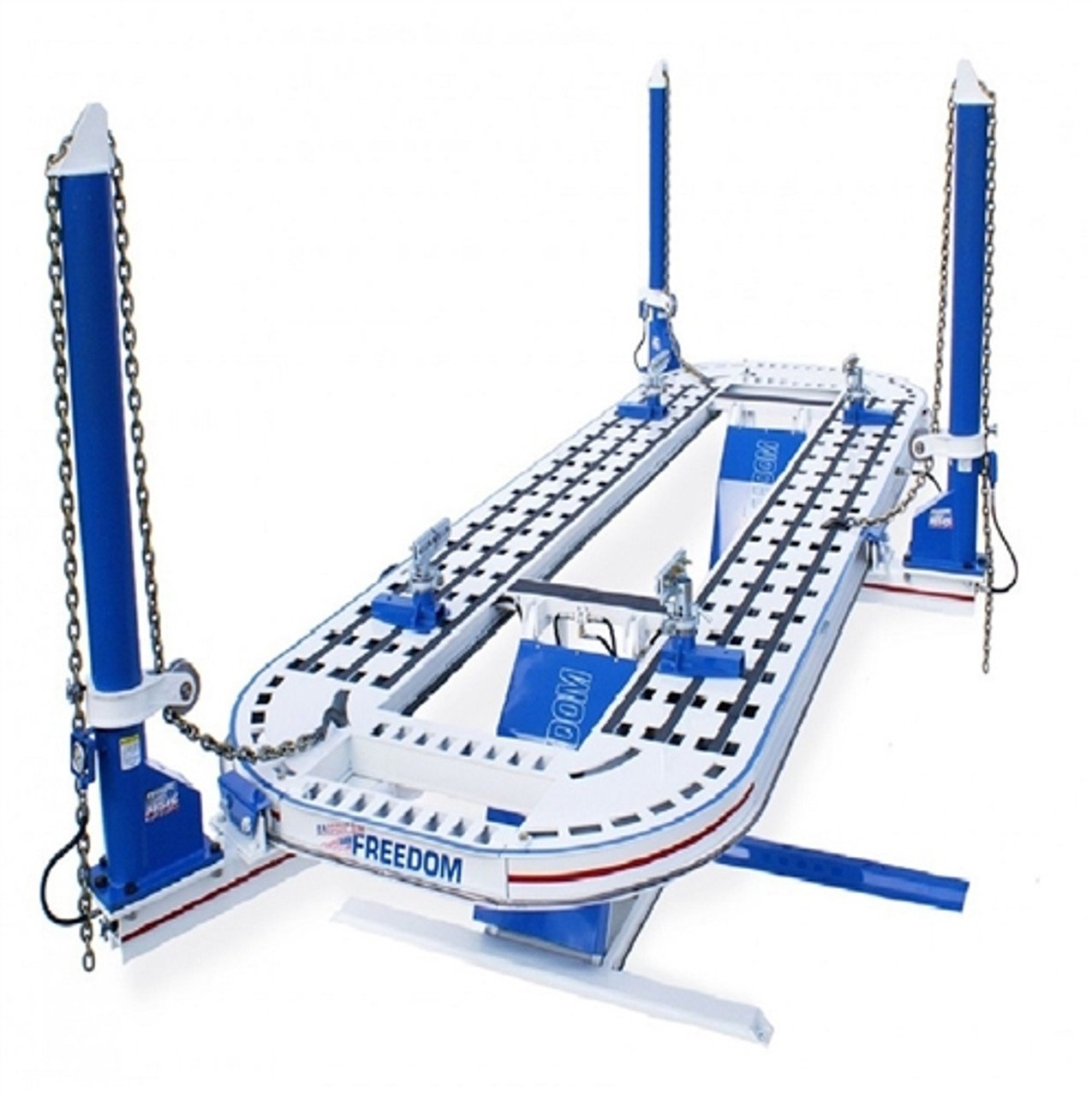
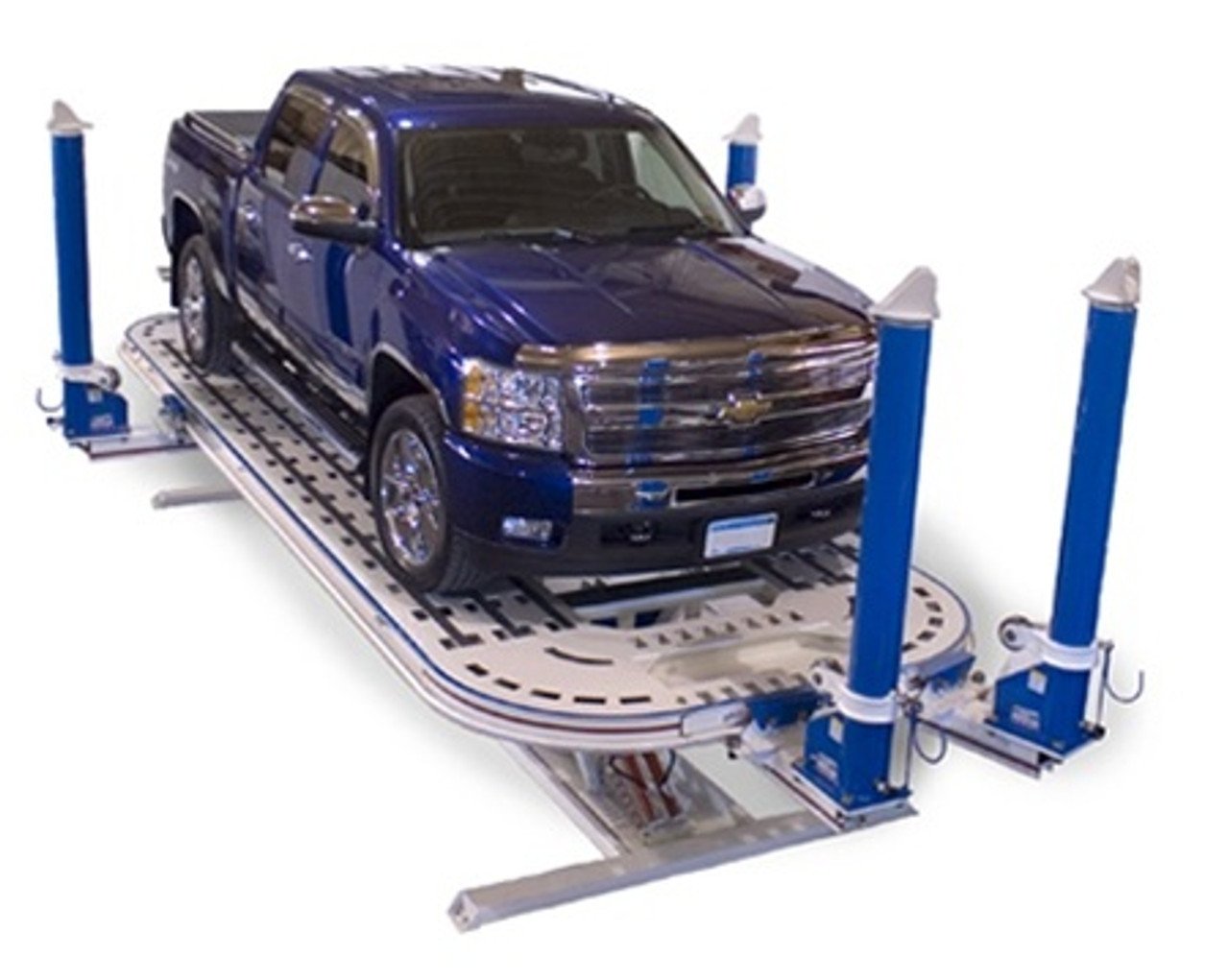
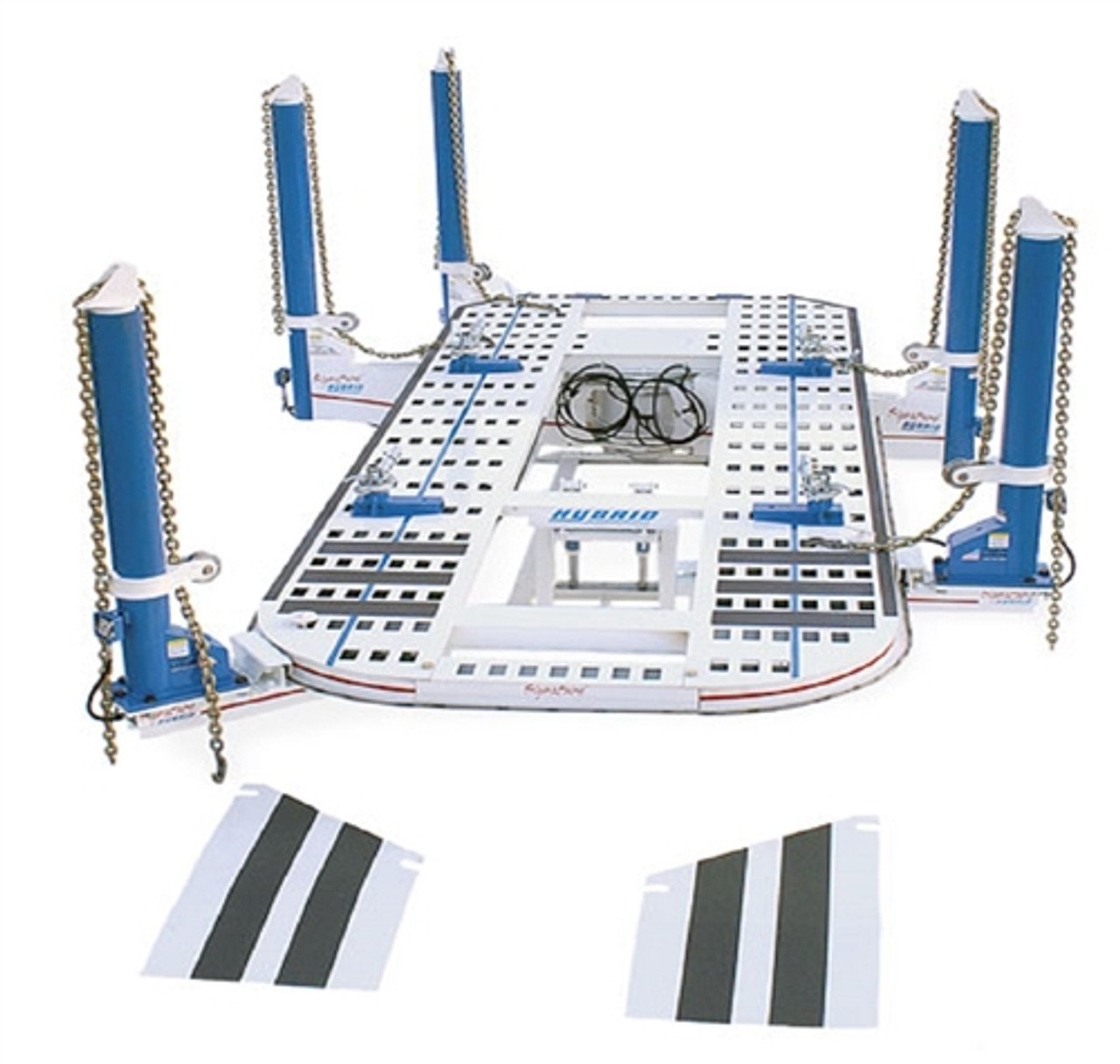
- Frame and measuring systems: pull and square structural damage accurately
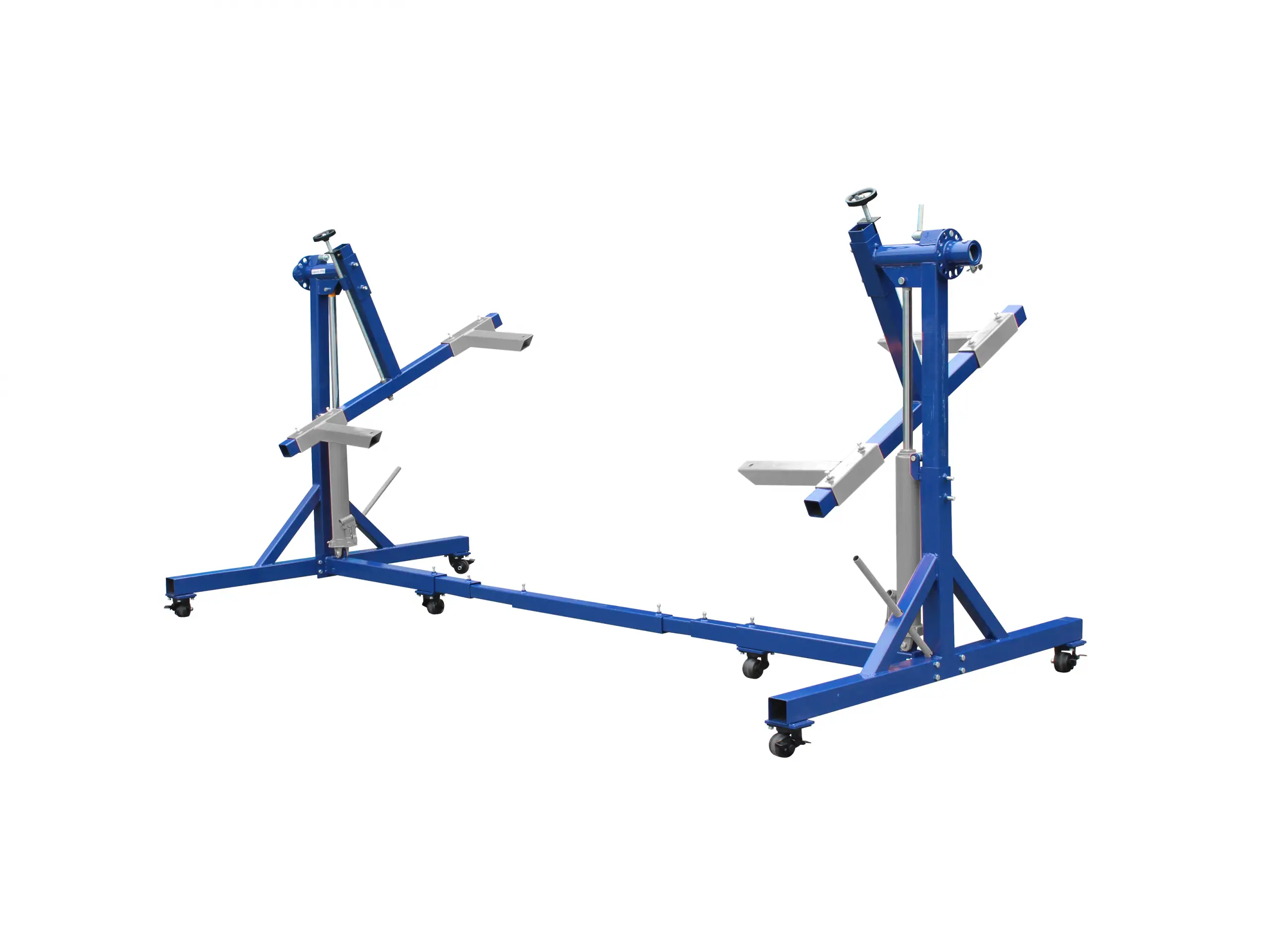
- Aluminum repair tools: dedicated tooling for modern lightweight bodies
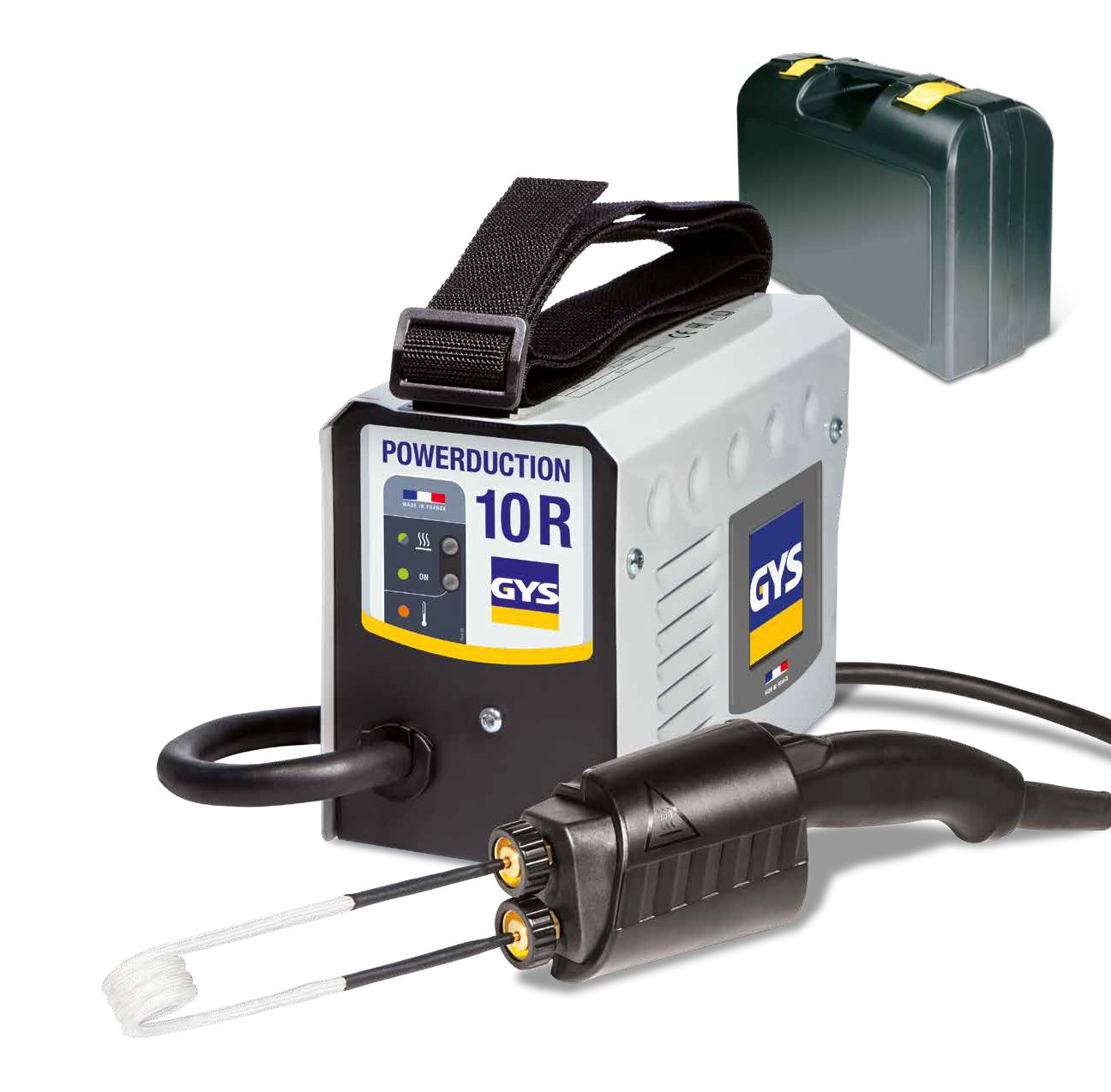
- Welding equipment: spot, MIG, and aluminum-capable setups
- Diagnostic scan tools: for ADAS calibration and module programming
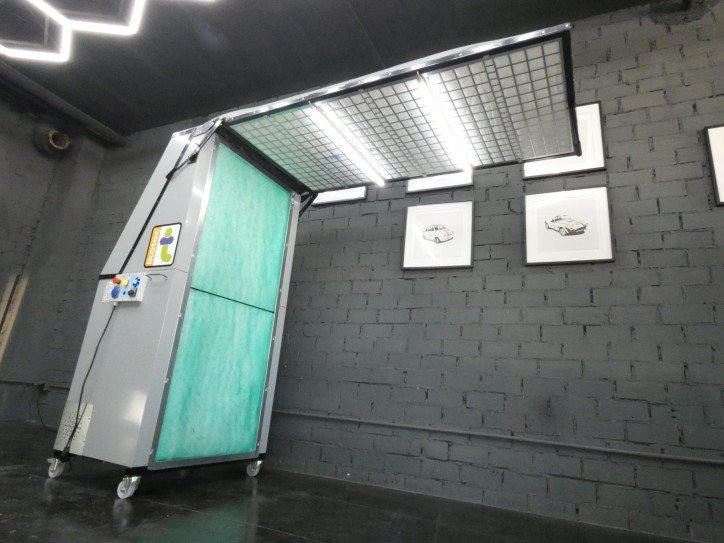
- Dust and fume extraction: keeps the bay safe and compliant
- Compressors and air tools: sized to your busiest bay, not your quietest

Buying a lift without confirming its capacity and safety certification is a common and expensive error. An under-rated lift that fails an inspection can shut a bay down entirely until it’s replaced or recertified.
Aluminum Repair Tool Requirements for Modern Shops
Aluminum repair tool requirements start with separation: aluminum tooling must be kept apart from steel tooling to prevent cross-contamination that weakens the repair. As automakers shift more body panels to aluminum, shops that treat it as a niche are quietly losing work.
A practical aluminum setup includes dedicated hand tools, aluminum-specific welding capability, and a clean, isolated work area. The tools must be light enough for techs to work all day without fatigue, which is where cheap, heavy imports fall apart.
- Dedicated aluminum-only hand tools
- Aluminum-capable MIG or spot welding
- Separate work area to avoid steel contamination
- Lightweight tools that reduce technician fatigue
If your shop does both steel and aluminum, look for equipment that handles both without forcing you to buy two separate setups. That overlap is exactly where a professional partner earns its keep.
Total Cost of Ownership and Scalability for Growing Shops
Total cost of ownership, not sticker price, decides which path is cheaper over five years. A cheaper marketplace tool that fails in year two and costs you a week of downtime is far more expensive than a durable machine that runs for a decade. Most competitors stop at that sentence. Here is how to actually run the numbers.
The five cost buckets to total
Build your comparison around five buckets, not one:
- Acquisition, purchase price plus freight, rigging, and any electrical or air drops the install requires. A marketplace listing rarely quotes these; a professional partner usually bundles or itemizes them up front.
- Commissioning, calibration, alignment verification, and operator training. Skipping this on a frame rack or alignment system shows up later as rework, not as a line item.
- Operating, consumables, filters, nozzles, gas, and the electricity a lift or compressor actually draws over a year.
- Downtime, the cost of a bay sitting idle. A common pattern is to estimate lost labor hours per day of downtime and multiply by your effective labor rate. Even a conservative figure dwarfs the price gap between a cheap tool and a durable one.
- Exit, resale value or disposal cost at end of life. Durable, brand-supported equipment tends to hold resale value; no-name imports often do not.
Why the marketplace price advantage narrows
A marketplace win on price often evaporates once downtime is added. If a welder fails and there is no warranty channel that responds in days, the shop absorbs the lost bay time. Professional partners typically shorten that window through direct support and parts access, which is a TCO input even though it never appears on an invoice.
Ask any supplier how their equipment scales from a five-bay shop to a larger operation before you buy. If the answer is “you’d replace it,” that’s a hidden future cost, not a scalable solution.
Scalability: when to move up a tier
Scalability is the second half of the equation. A five-bay shop doesn’t need the same infrastructure as a twenty-bay collision center, but it does need equipment that can grow with it. Use these triggers to decide when to step up rather than guess:
- Lift capacity: when your heaviest regular job approaches the lift’s rated capacity, you are already overdue, move to a higher-rated or additional lift before it becomes a safety and scheduling problem.
- Bay count: adding a bay usually means adding a lift, air capacity, and extraction, not just floor space. Confirm your compressor and dust/fume system can carry the extra load.
- Vehicle mix: a rising share of aluminum-intensive vehicles is the clearest signal to invest in dedicated aluminum tooling and an isolated work area.
- Throughput ceiling: when jobs queue because a single alignment or frame system is the bottleneck, a second unit or a faster system pays for itself in recovered cycle time.
Buying modular, durable equipment now avoids a full replacement when you add bays later. The goal is a setup where each new bay is an incremental purchase, not a rebuild of what you already own.
Digital Management Software and Workflow Integration
Modern shop equipment increasingly plugs into digital management software, and that integration is where workflow efficiency gets won or lost. Tools that report data into a shop management system reduce manual tracking and surface problems before they become downtime. Most competitors list software names and stop there. The useful question is how the hardware and the software actually talk to each other.
Platforms like Tekmetric’s shop management system and Shop-Ware’s workflow platform connect repair orders, parts, and technician time in one place. When your equipment and your software speak the same language, service department productivity improves because advisors stop chasing paper.
How equipment actually connects
Integration happens at three levels, and it helps to know which one you are buying:
- Data export: the machine logs results (alignment readings, weld parameters, lift cycles) that a tech can export and attach to a repair order. Low effort, but still manual.
- API or direct feed: the equipment pushes data into the shop management system automatically, so a completed alignment or diagnostic session updates the repair order without a tech re-keying it. This is where real time savings live.
- Closed-loop workflow: the software triggers the equipment or the next step, for example, a digital vehicle inspection flagging a suspension issue that routes the vehicle to alignment. Fewer handoffs, fewer dropped steps.
Before you buy, ask the equipment maker two questions: does it expose an API or integration with the shop management system you already run, and is that integration supported or a one-off script? A supported integration survives software updates; a one-off script breaks and nobody owns it.
What integration buys you
- Digital vehicle inspections feed directly into estimates
- Real-time labor tracking shows where bays stall
- Parts ordering integrates with the repair order
- Automated customer updates reduce phone time
- Equipment service history ties to the asset, so warranty and calibration dates are not lost in a binder
Buying equipment with no integration path means paying twice, once for the machine, and again later for a retrofit or manual workaround. Confirm the integration exists before the purchase order, not after.
The gap most shops ignore: equipment purchased in isolation, with no path to connect to the software running the rest of the business. Buying with integration in mind now saves a painful retrofit later, and it is the difference between a tool that reports to your workflow and one your team has to report for.
Verdict: Which Path Fits Your Shop
Pick the marketplace path if you’re buying consumables, hand tools, or one-off items and you know exactly what you need. Pick a professional partner if you’re investing in the core equipment your revenue depends on, where support, durability, and scalability actually decide your return.
For most collision shops, the answer is both, weighted toward a professional partner for anything that touches every job. That’s where KGM Equipment fits: specialized collision repair tools, lightweight aluminum repair equipment, and direct access to expert support when a machine goes down. Durability and efficiency aren’t marketing lines here; they’re the reason a bay keeps running.
Match the buying model to the stakes. Low-stakes, one-off purchases suit a marketplace. High-stakes, revenue-critical equipment suits a partner who supports it for its whole lifecycle.
Frequently Asked Questions
What are the primary features to look for in collision repair equipment?
Focus on durability, ease of use, and support. For aluminum work, look for tools that handle both steel and aluminum without separate setups. Check whether the vendor provides technical support, installation help, and a clear warranty. Also verify that the equipment integrates with your shop management software, so you can track jobs, labor, and parts in one place. The collision repair shop equipment list should start with a frame machine, welders, and a diagnostic scan tool that covers modern protocols like DoIP and CAN FD.
How do professional-grade shop tools compare to entry-level alternatives?
Professional-grade tools are built for daily use, while entry-level options often fail under constant load. A pro-grade aluminum welder or frame machine typically lasts years with regular maintenance, whereas budget alternatives may need replacement within months. The real difference shows up in cycle time and rework rates: reliable equipment keeps your bays productive, while downtime from cheap tools eats into profit. For shops doing more than a few jobs a week, the higher upfront cost usually pays back through fewer comebacks and less technician frustration.
What factors should collision repair shops consider when choosing a vendor?
Look at support responsiveness, parts availability, and training. Ask how fast the vendor responds when a machine goes down on a Friday afternoon, and whether they stock consumables locally. Check if financing is available, since cash upfront can strain a small shop’s budget. Also review the total cost of ownership over five years, including maintenance, software subscriptions, and technician retraining. A vendor that disappears after the sale costs more than one with a higher sticker price but reliable service.
Are there specific benefits to using specialized aluminum repair tools?
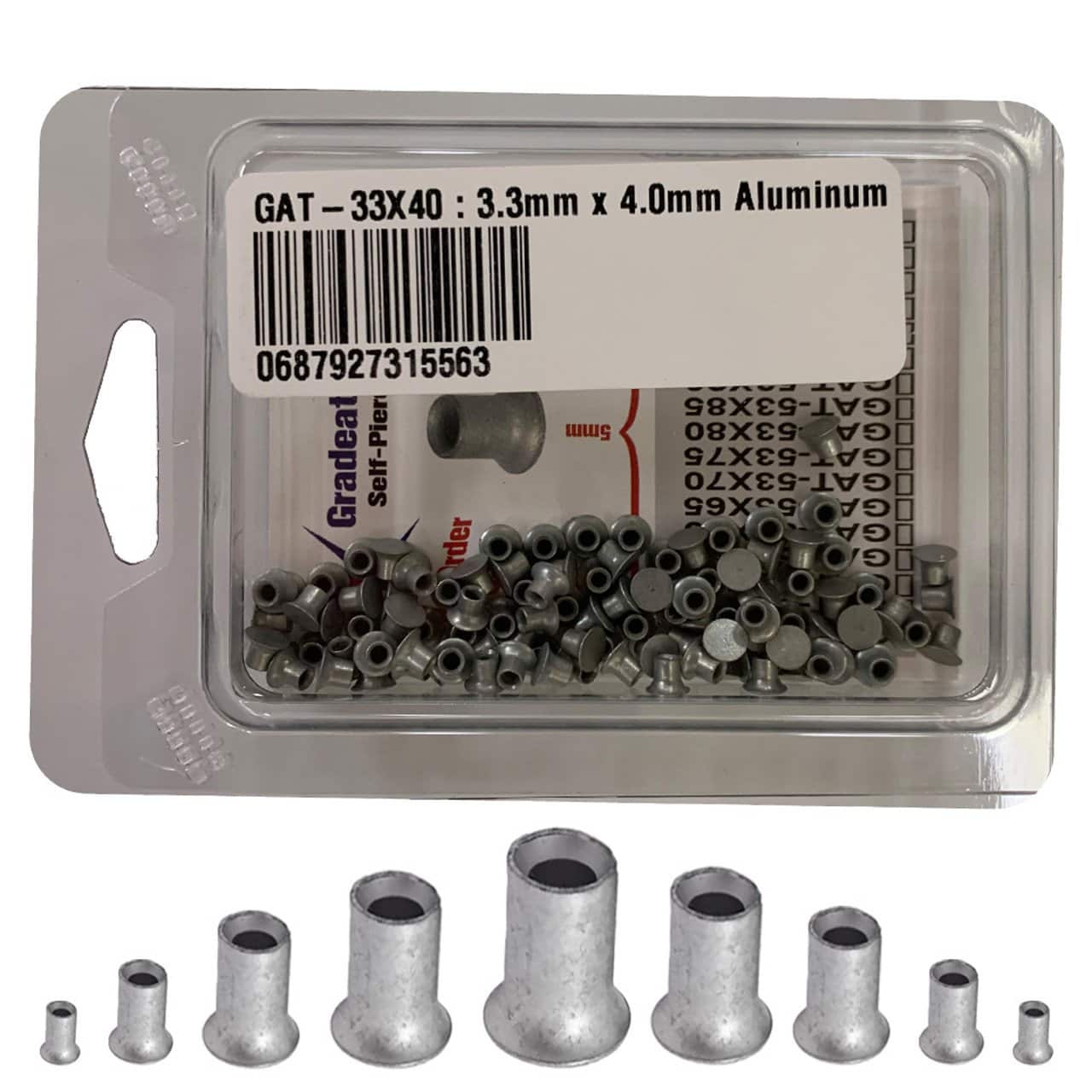
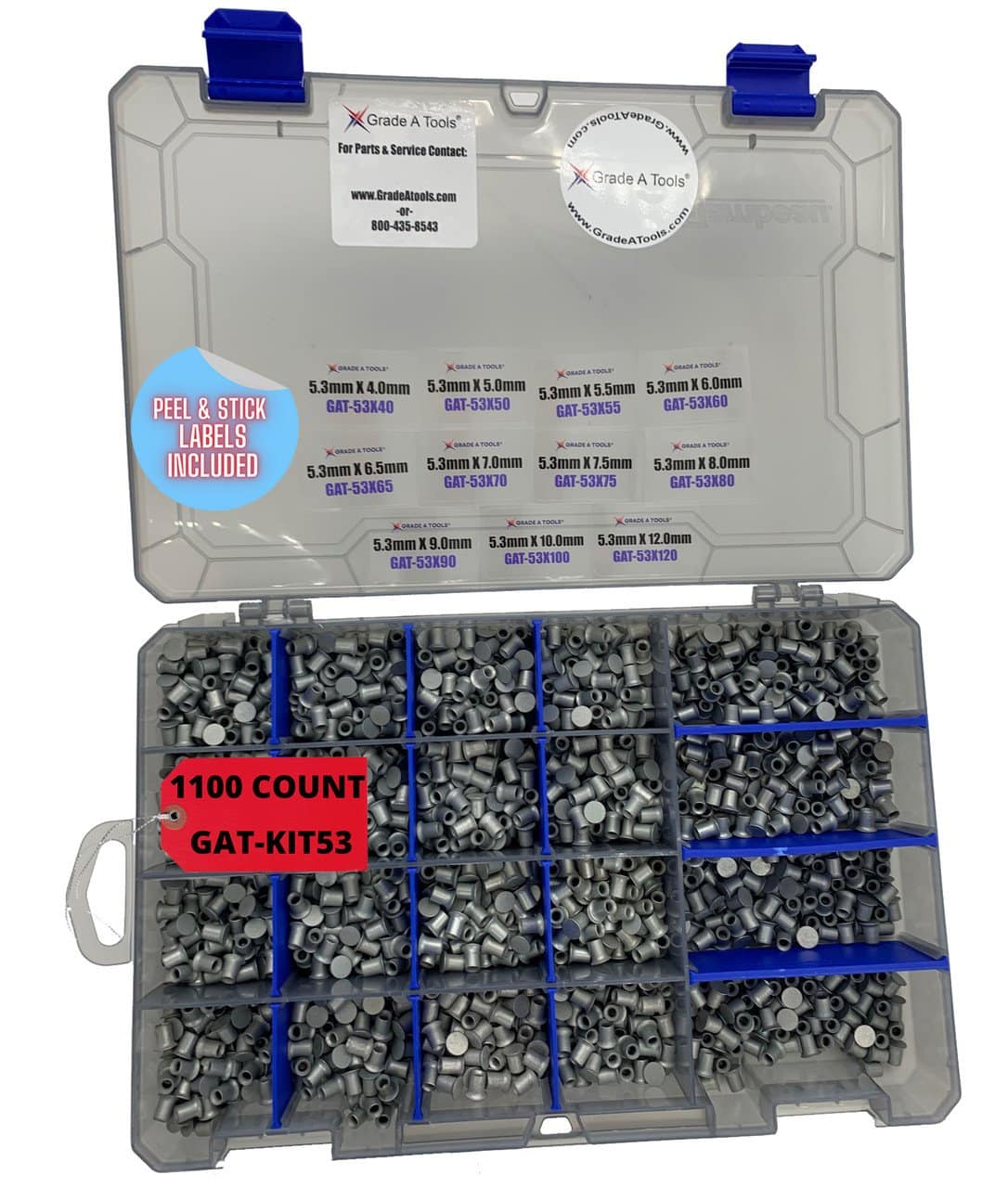
Yes. Aluminum requires different handling than steel because it conducts heat faster and can crack if worked cold. Specialized aluminum repair tools, such as dedicated dent pullers, welding setups, and rivet guns, help technicians avoid damage and meet manufacturer repair procedures. Many modern vehicles mix materials, so a shop that can handle both steel and aluminum without switching entire setups wins more jobs. The aluminum repair tool requirements include separate tooling to prevent cross-contamination, which protects the repair and the customer’s vehicle.
How does equipment reliability impact shop productivity and safety?
Reliability directly affects both. When a lift or welder fails mid-job, the bay sits idle, the technician stops, and the customer waits. That downtime adds up fast, especially for shops with tight cycle times. On the safety side, worn or poorly maintained equipment increases the risk of accidents, and OSHA requires regular inspections for vehicle lifts and other shop machinery. A preventative maintenance schedule, plus a vendor with fast technical support, keeps equipment running and keeps your team safe.
Equipment downtime and unreliable tools cost collision shops far more than the sticker price ever shows. KGM Equipment supplies durable auto body and industrial machinery, specialized collision repair tools, and lightweight aluminum repair equipment, all backed by expert customer support that keeps your operation moving. Get started with KGM Equipment and equip your shop for reliable performance on every job.

