

Table of Contents
- What Is the Average Cycle Time for Auto Body Repair?
- Where Time Disappears: 5 Hidden Bottlenecks in Your Workflow
- Collision Repair Workflow Optimization: The 4-Step Blueprint
- Best Tools for Modern Vehicle Restoration That Save Hours
- The Human Element: Why Training and Retention Drive Speed
- Keep Customers Informed Without Losing Production Time
- Your Cycle Time Reduction Action Plan
- Frequently Asked Questions
Last Updated: September 7, 2026
Auto body shop cycle times remain the single biggest lever on profitability, yet most shops measure them wrong or not at all. Reducing auto body shop cycle times isn’t just about pushing technicians harder; it is about redesigning the workflow so that cars move predictably from intake to delivery.
The shops that win in 2026 treat cycle time reduction as a system-wide goal, recognizing that every hour a car sits idle is lost revenue that can never be recovered. This guide walks through the exact bottlenecks that eat your calendar and a four-step blueprint to fix them.
What Is the Average Cycle Time for Auto Body Repair?
The average cycle time for auto body repair typically falls between 10 and 14 days for standard collision work, though this figure varies widely based on repair complexity, parts availability, and insurer requirements. This metric is the key performance indicator that tracks a vehicle from the initial write-up to final delivery.
Cycle time is the total number of days a repair order stays open in your facility, including waiting time for parts, insurance approvals, and any other delay. A shorter cycle time means more cars through your bays each month, which directly lifts revenue without adding overhead.
How to Measure Your Own Cycle Time Accurately
To measure accurately, capture the date the vehicle arrives and the date it is ready for customer pickup, then calculate the difference in calendar days. Most management systems track this automatically, but manual shops can use a simple spreadsheet. Segment your data by repair type to spot trends, such as whether aluminum repairs consistently take longer than steel work.
Where Time Disappears: 5 Hidden Bottlenecks in Your Workflow
Time rarely disappears during the actual repair. It vanishes in the gaps between steps, where vehicles sit untouched waiting for a decision, a part, or an open machine. The most common hidden bottlenecks include the pre-teardown wait, slow parts procurement, poor paint booth scheduling, idle technician time from unclear instructions, and incomplete delivery-day inspections that send cars back for rework.
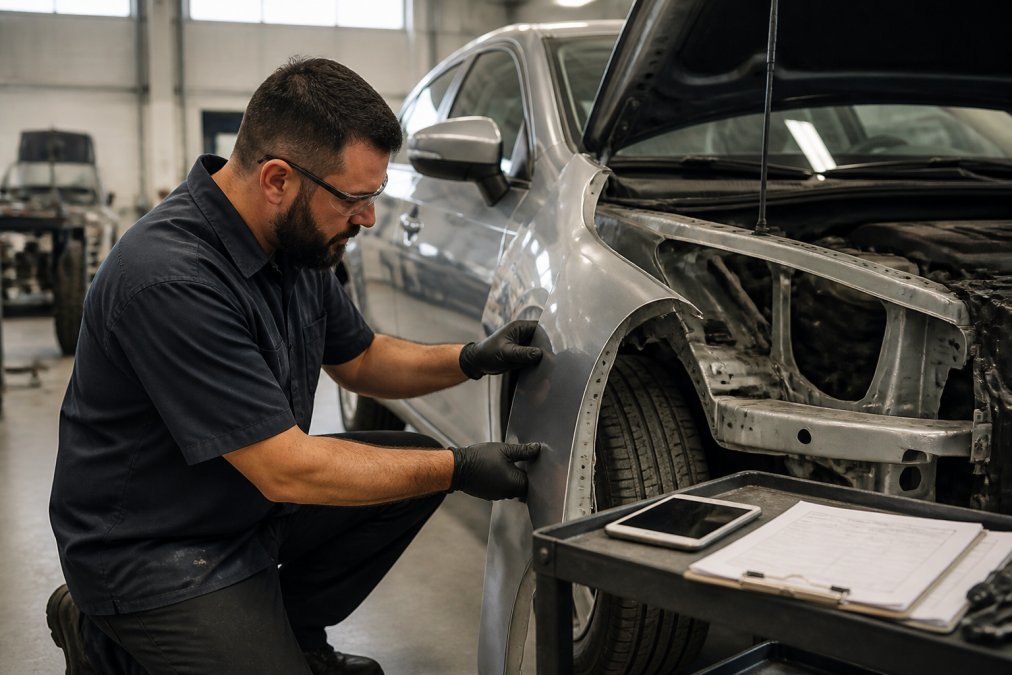
A common mistake is treating the paint booth as the only constraint. In practice, the estimating and parts procurement stages often cause longer delays because they involve external parties you cannot directly control. Mapping your workflow to identify where work-in-progress (WIP) piles up is the first step toward meaningful cycle time reduction.
Collision Repair Workflow Optimization: The 4-Step Blueprint
Collision repair workflow optimization requires moving beyond static process maps to a dynamic system where data from your estimating platform, parts supplier, and shop floor continuously feed a single source of truth. The goal is to create a predictable cadence where every vehicle’s status is visible in real-time, and exceptions are flagged before they become idle days.
Step 1: Standardize the Teardown and Estimating Process with a Digital-First Approach
The teardown process should begin the moment a vehicle is assigned to a bay, not days later. A full teardown, not a visual walk-around, reveals hidden damage that would otherwise stall the repair mid-production. The competitive edge is digitizing this process: technicians should use a tablet to photograph and annotate damage directly into your estimating system, creating an immediate, auditable record that accelerates the supplement approval process. When the estimator writes the initial estimate, they should do so from the teardown data, not a separate walk-around, ensuring the repair plan is accurate from the start and reducing back-and-forth with the insurer.
Step 2: Lock Down Parts Procurement with Real-Time Inventory Visibility
Parts procurement is the most common source of idle time, so ordering must happen immediately after the initial estimate is written. The modern angle is to move beyond ‘ordering early’ and toward ‘knowing what you have and what’s coming’ by integrating your parts ordering system with your suppliers’ live inventory feeds. When a part is not in stock, the system should automatically check multiple suppliers and flag the fastest shipping option. For high-volume parts, set up a min/max inventory system with your primary supplier. Real-time visibility turns the reactive delay of discovering a back-ordered part at install time into a proactive schedule adjustment.
Step 3: Protect Paint Booth Use with a Data-Driven Scheduling System
Paint booth use is the classic bottleneck because it is an expensive, fixed resource that cannot be expanded quickly. The modern implementation is to use a digital scheduling tool that tracks booth time per repair order, showing estimated vs. actual time in the booth. This data reveals which repair types consistently run over their allotted time, allowing you to build more accurate schedules. Treat the booth as a production constraint and use a pull-system: a vehicle should only be scheduled when it is 100% ready for paint. If a car is not ready at its scheduled time, it is pulled and replaced with one that is, preventing the booth from sitting idle. This requires a daily ‘booth readiness’ check by the production manager.
Step 4: Build a Delivery-Day Inspection Routine with a Digital Checklist
A structured inspection before the customer arrives catches defects that would otherwise result in a comeback, which doubles your cycle time for that vehicle. A generic ‘final quality gate’ is not enough. The most effective shops use a digitized, vehicle-specific checklist generated from the original repair order, forcing the inspector to verify each line item from specific panel gaps to the exact paint code match. The inspector should photograph key areas and attach them to the digital record, creating an undeniable record of the vehicle’s condition at delivery. This high-discipline act systematically prevents the most expensive form of waste: rework.
A modern workflow is not a static chart on the wall. It is a live data stream that connects the teardown, the parts room, the paint booth, and the final inspection. The shops that win are those that use this data to make proactive decisions, not reactive ones.
Best Tools for Modern Vehicle Restoration That Save Hours
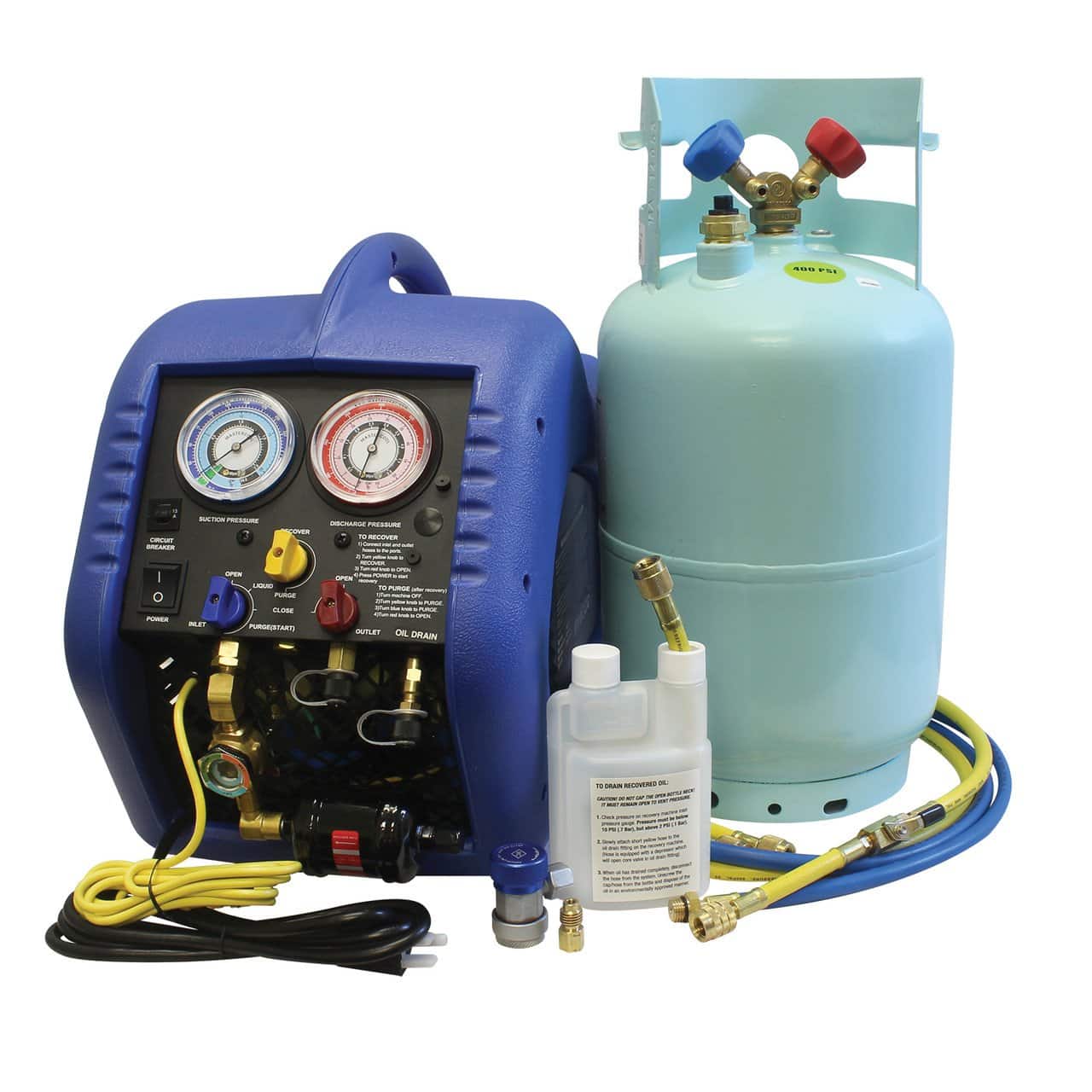
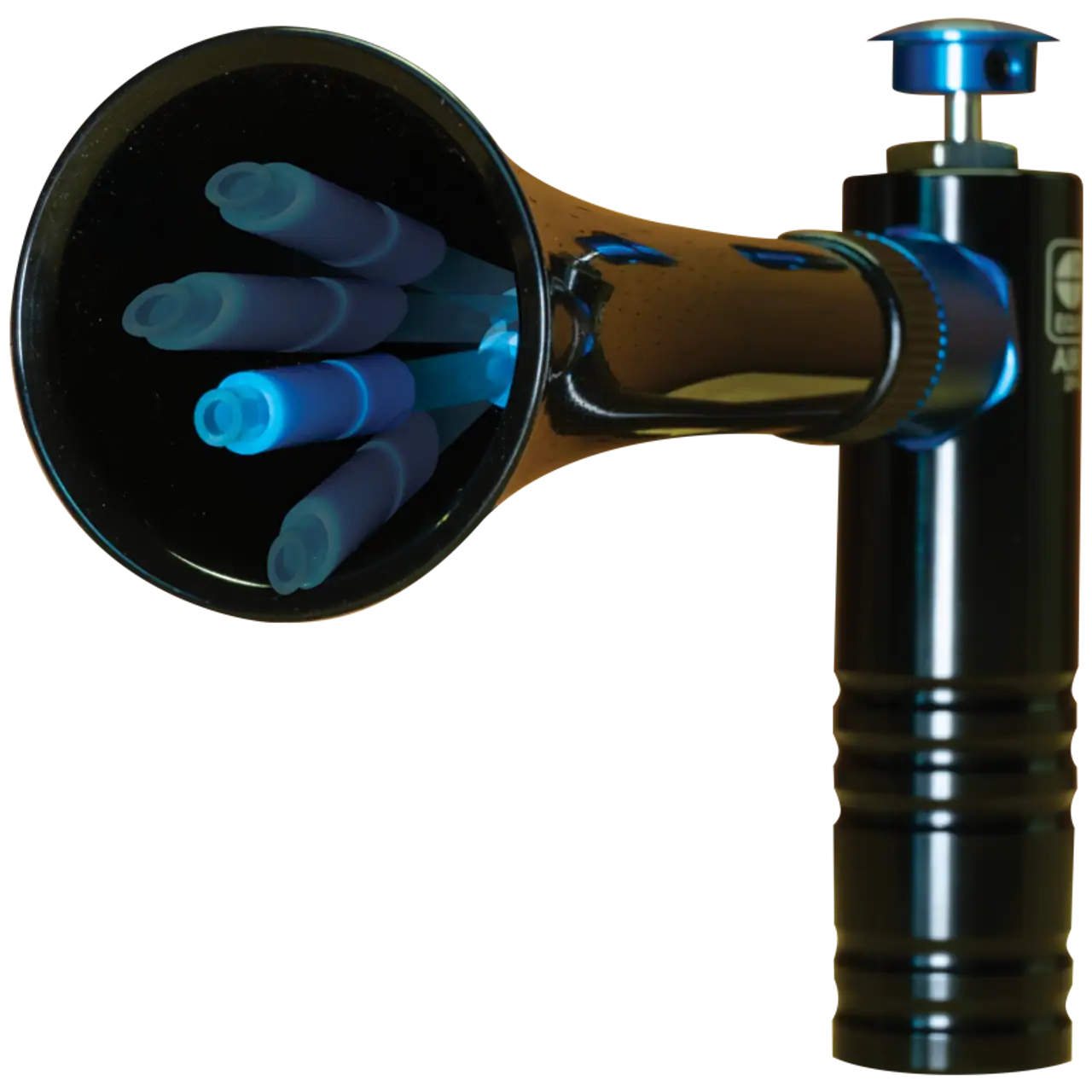
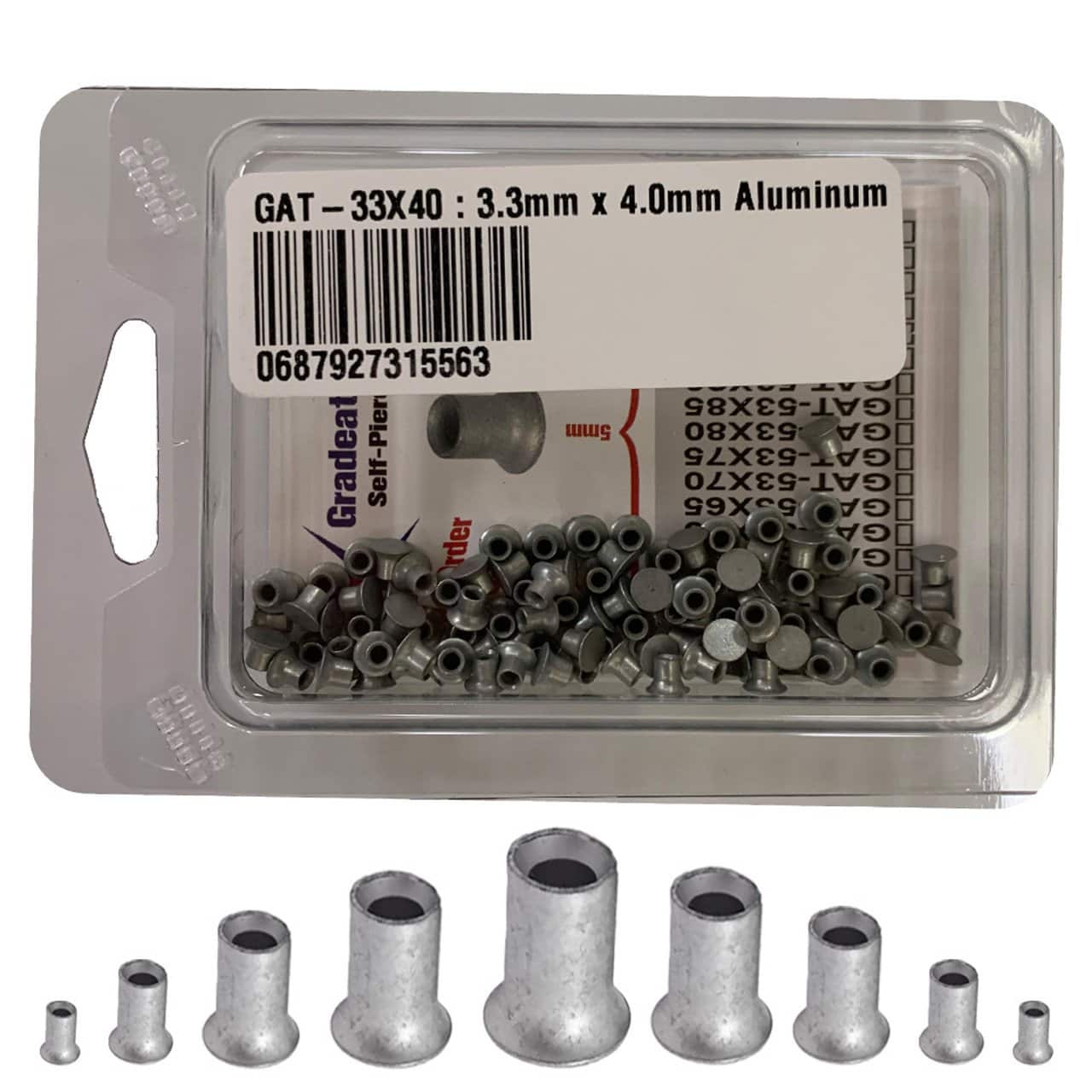
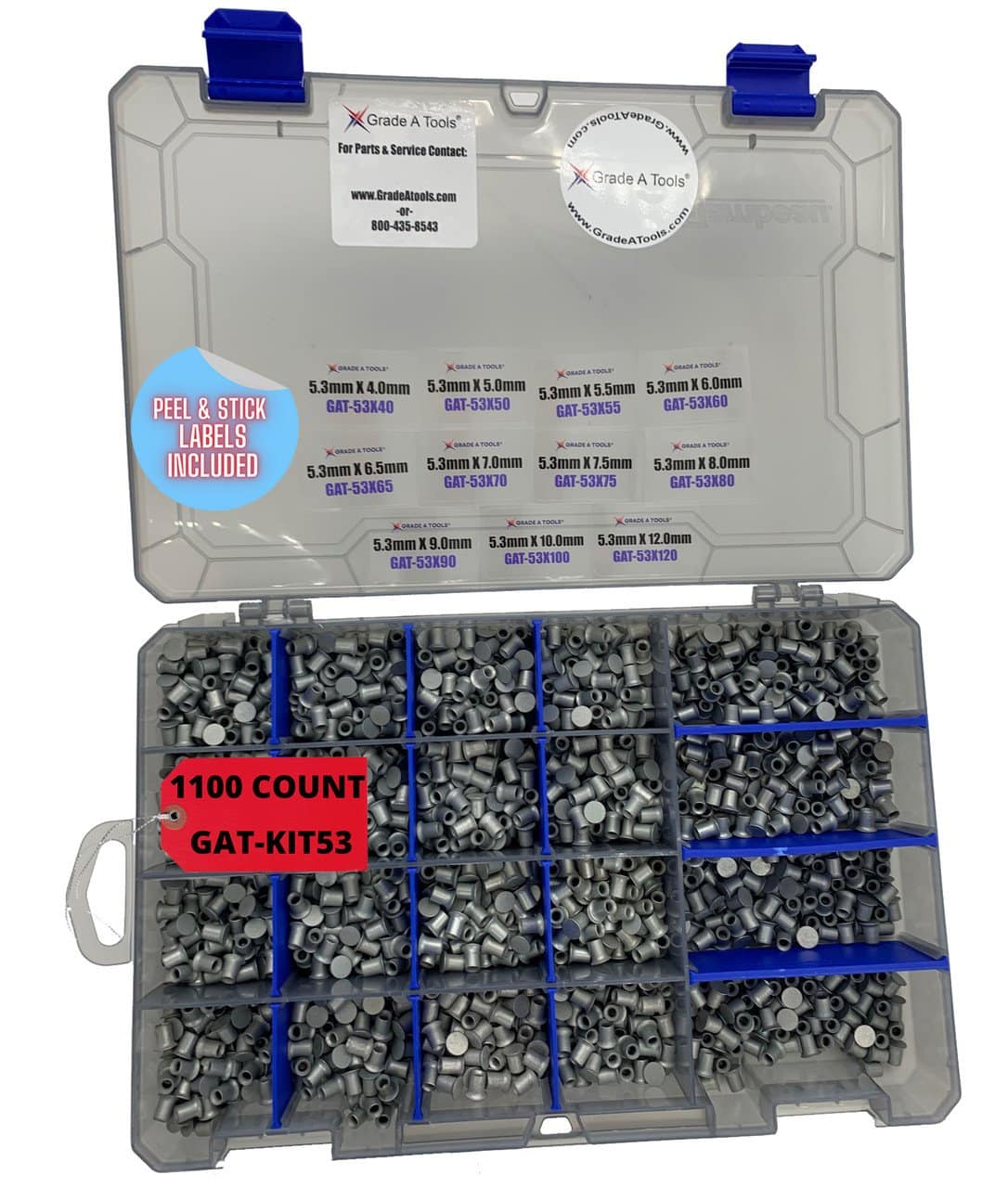
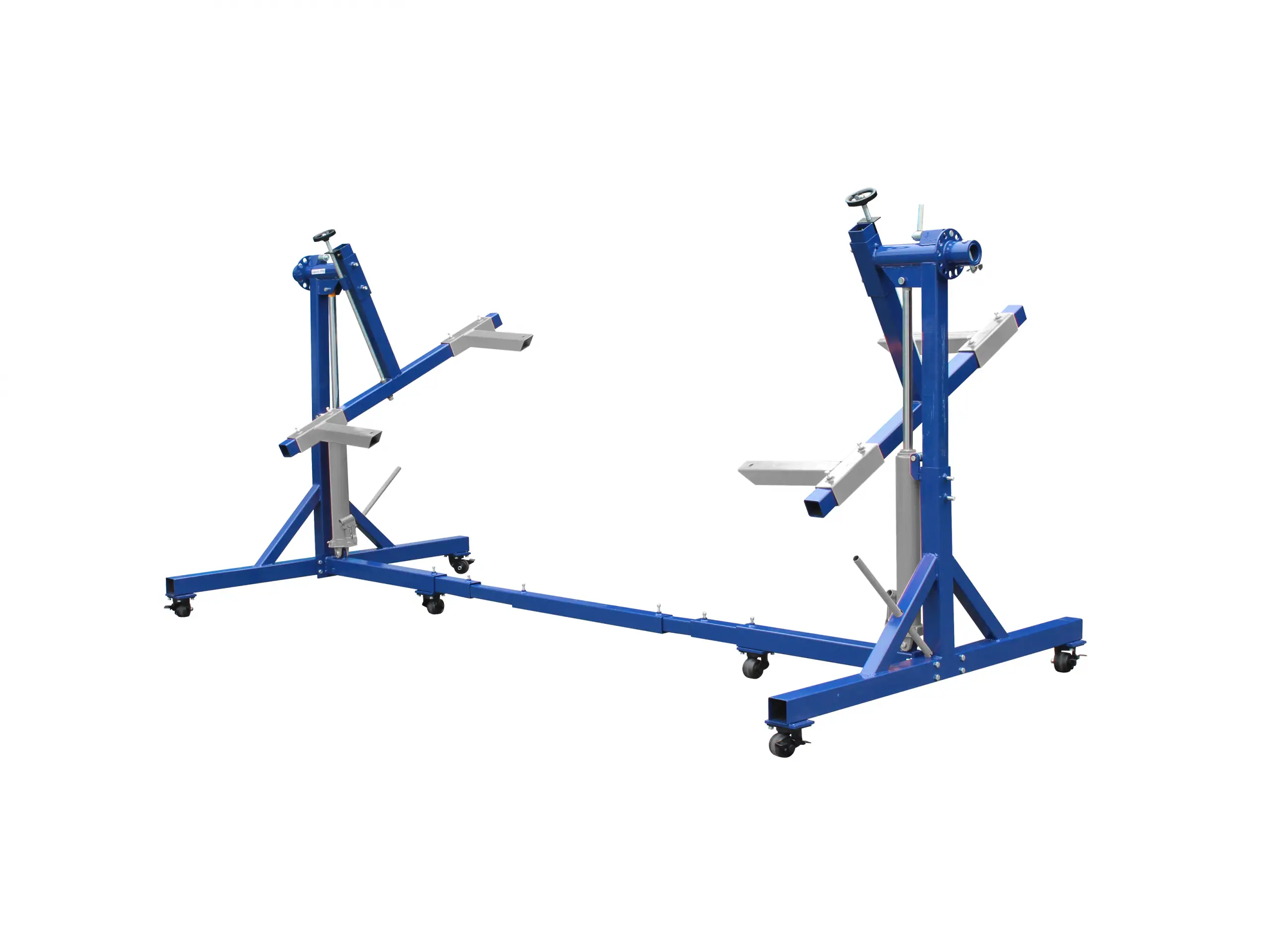
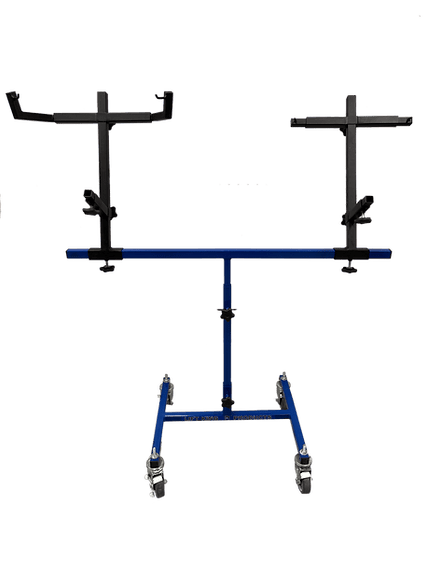
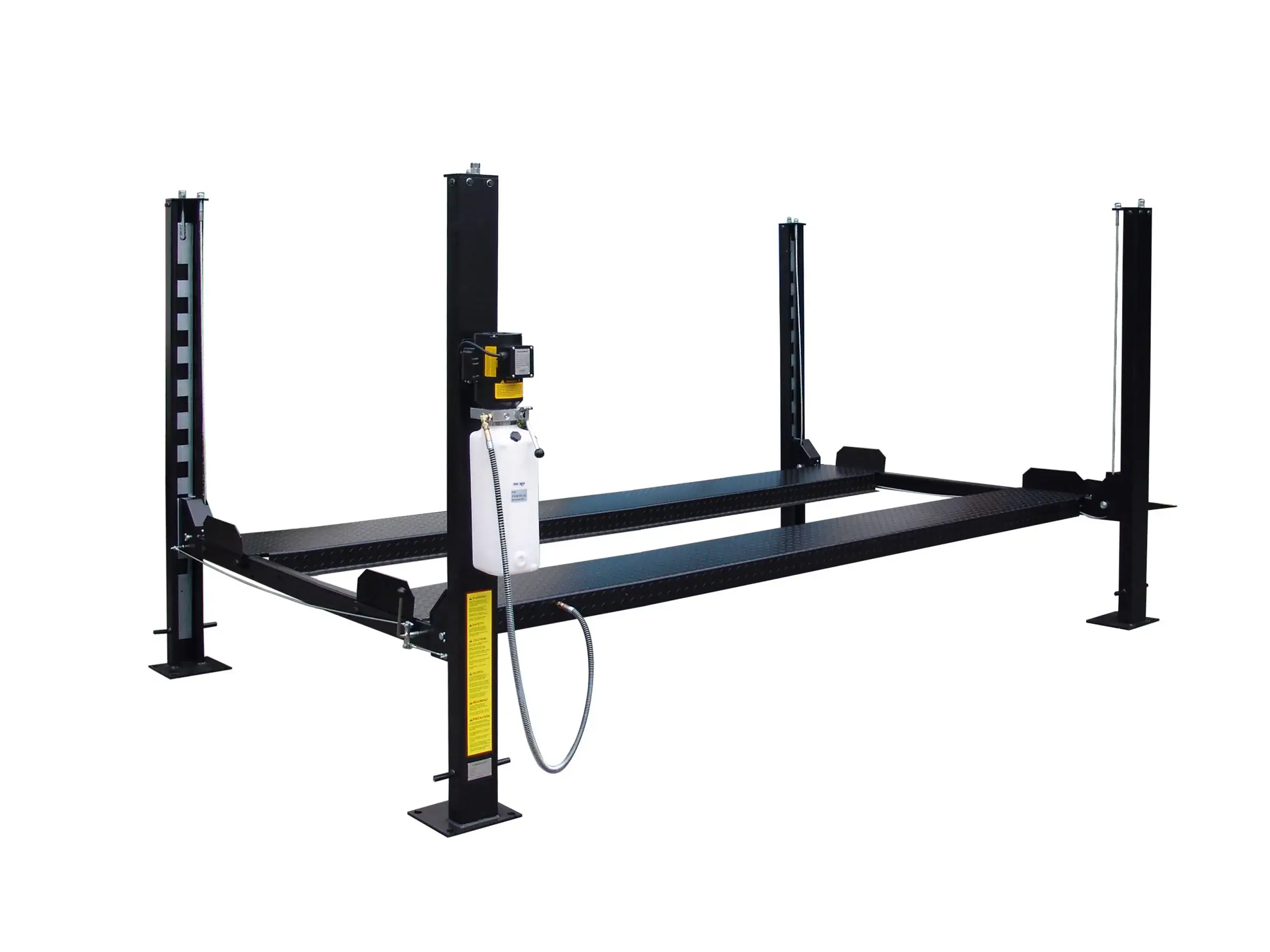
The best tools for modern vehicle restoration go beyond basic hand tools to include equipment that reduces labor on specific tasks. For example, specialized aluminum repair tools allow technicians to work efficiently on lightweight panels without the heat distortion issues common to steel-focused methods. This is where investing in the right machinery pays off directly in reduced repair duration.
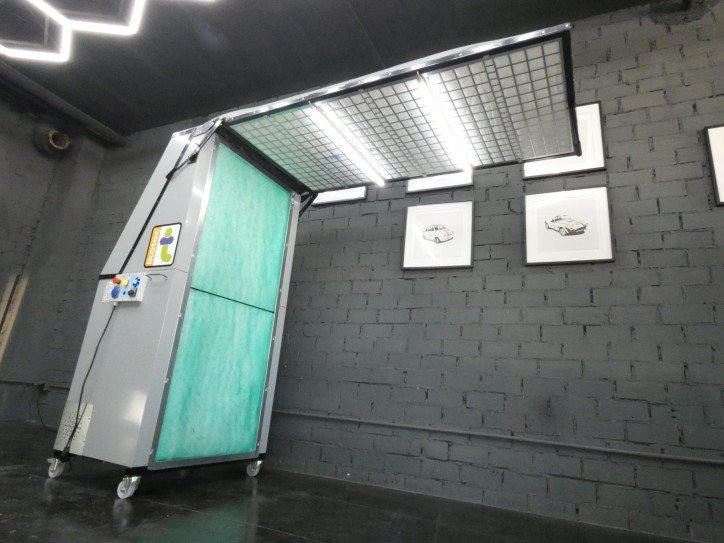
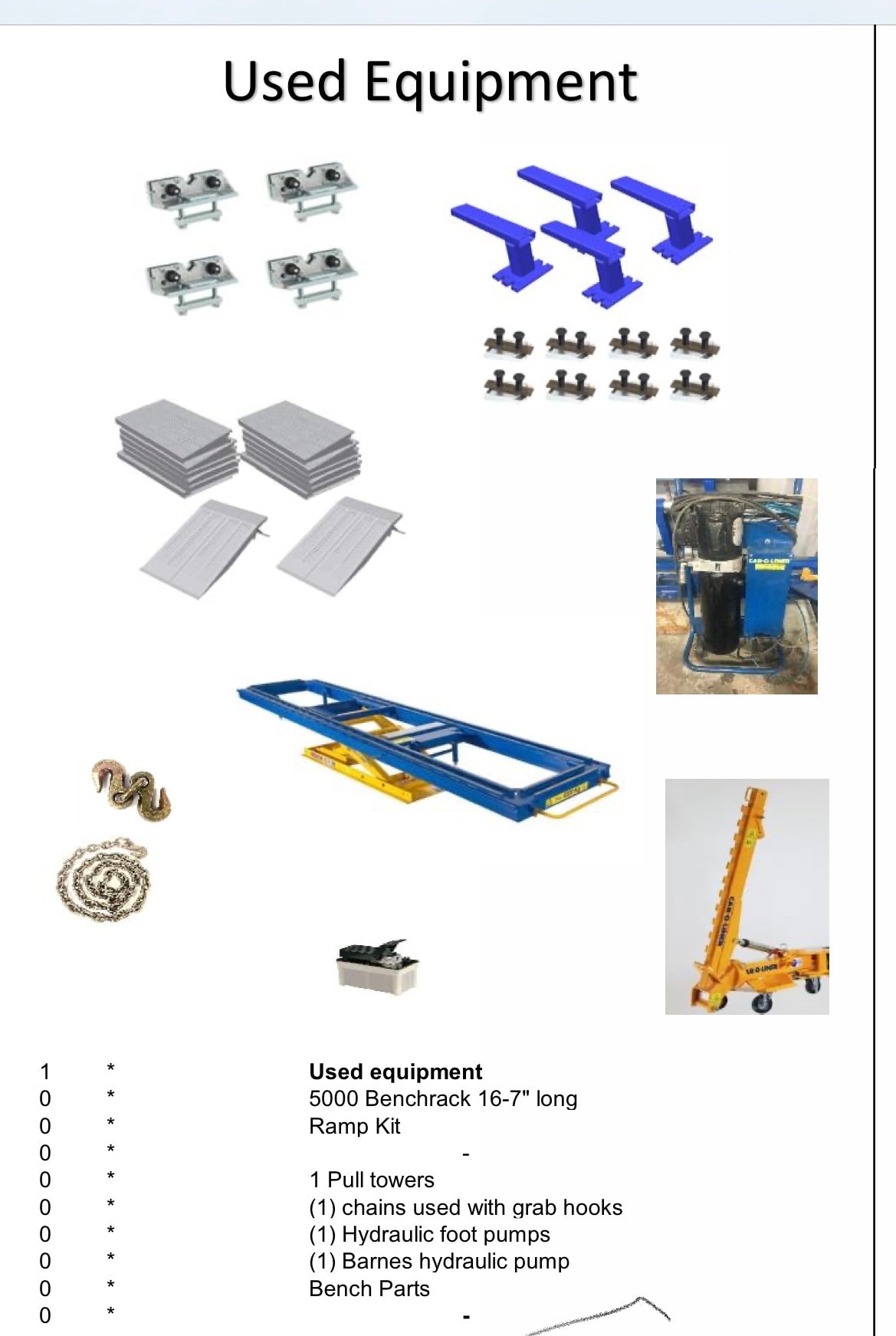
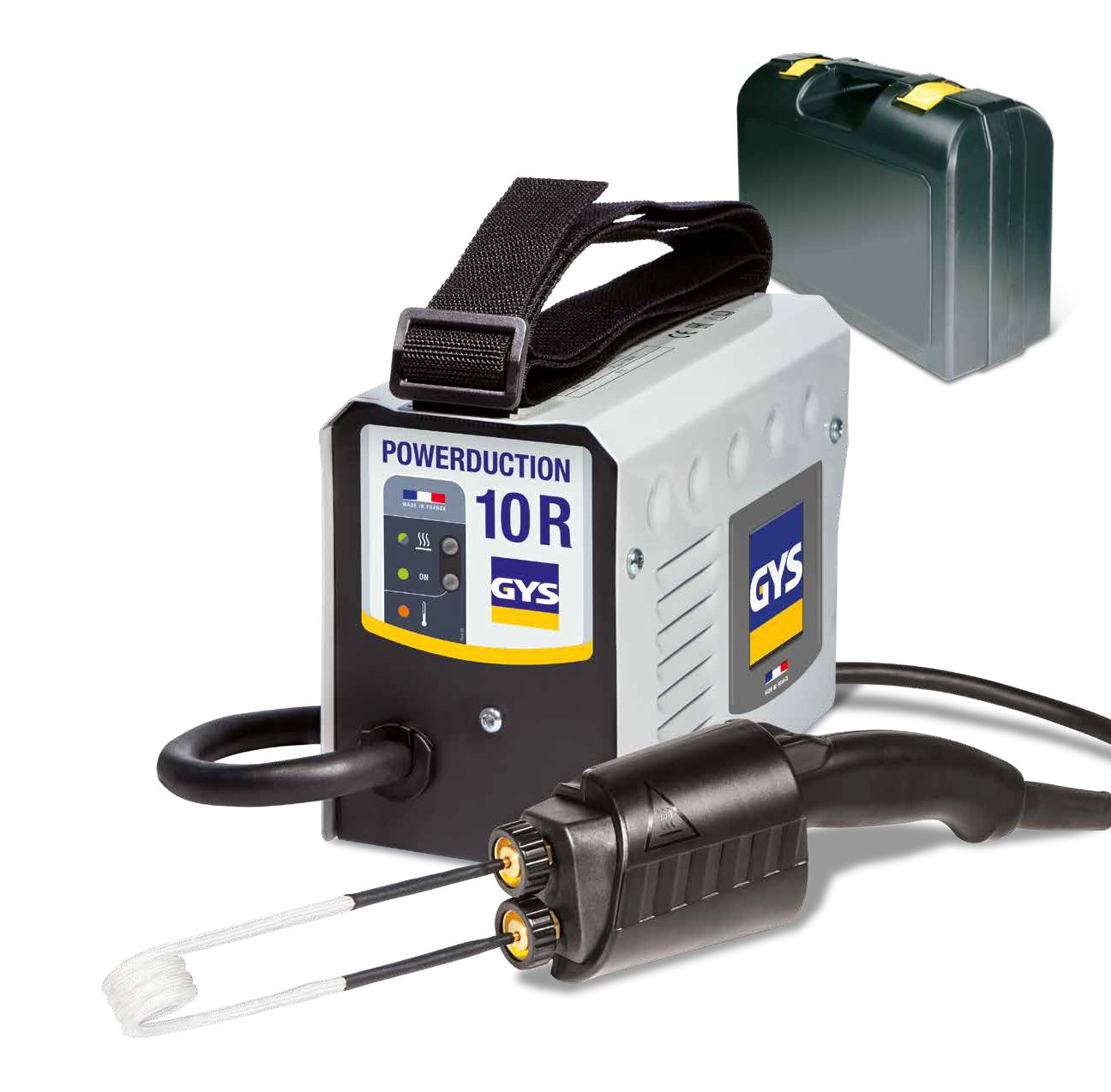
Modern restoration demands precision, and the right equipment minimizes rework. A shop equipped with dedicated spot-welders, multi-function resistance welders, and proper extraction systems completes structural repairs faster and to a higher standard. When evaluating new purchases, consider how each tool reduces a specific step in your process rather than just replacing an older model.
Subscribe to our newsletter! →
When choosing equipment, ask about the manufacturer’s technical support response time. A machine down on a Friday afternoon can halt an entire production line, so vendor reliability is as important as the tool’s specifications. At KGM Equipment, we prioritize responsive support specifically because we know how much downtime costs a busy shop.
The Human Element: Why Training and Retention Drive Speed
The most efficient workflow collapses without skilled technicians to execute it. The link between your workforce and cycle time is more direct and financially significant than most shop owners realize. It is not just about having ‘experienced staff’; it is about the compounding cost of turnover and the hidden drag of untrained labor on every repair order.
The High Cost of Technician Turnover
The cost of replacing a skilled collision repair technician is substantial. The real cost is in lost productivity and increased cycle times. A new technician, even one with experience, takes months to learn your shop’s specific processes, from estimating software to parts suppliers to quality standards. During this ramp-up period, their repair times are longer, their supplement rates are higher, and they require more supervision. A common pattern is that a shop loses 20-30% of a new hire’s productive capacity for the first 90 days. This is why retention is not just an HR issue; it is a cycle time reduction strategy.
Training as a Direct Investment in Throughput
Investing in ongoing training is not an expense; it is a direct investment in reducing cycle time. The most effective training is specific to the materials and methods your shop actually uses. For example, if you are taking on more aluminum repairs, sending a technician to a certified aluminum welding course is a direct investment in reducing the time spent on each aluminum panel and reducing the risk of costly rework. Untrained technicians are more likely to make mistakes, and a mistake means a comeback, which doubles the cycle time for that vehicle. A well-trained technician completes the repair correctly the first time, faster. This is why top-performing shops track training hours per technician and tie them to quality metrics like first-time-through rate.
The Financial Impact on Your Scorecard
Insurance carriers are increasingly using cycle time as a key metric on their repairer scorecards. A shop with high cycle times and a history of comebacks is seen as a liability, which can result in being dropped from a Direct Repair Program (DRP) that represents a significant portion of your volume. Conversely, a shop with a stable, well-trained workforce that consistently delivers cars on time is a valuable partner, leading to better labor rate negotiations and a more consistent flow of work. Your investment in training and retention is a strategic investment in your relationship with the insurance carriers that feed your pipeline.
Do not view training as a discretionary expense. In a market where skilled labor is scarce, the shops that invest in their people are the ones that will have the capacity to grow. The shops that do not will find themselves with empty bays and a reputation for missed deadlines.
Keep Customers Informed Without Losing Production Time
Customer communication loops do not have to consume your estimator’s entire day. Automated text and email updates that trigger at key milestones, such as teardown complete or parts ordered, keep customers informed without requiring manual check-ins, reducing interruptions to your production staff.
A customer who hears nothing for a week will call, pulling a technician or estimator away from productive work. Setting up a simple system of proactive updates cuts these interruptions dramatically, saving hours of reactive phone time every single week.
Your Cycle Time Reduction Action Plan
| Action | Primary Benefit | Implementation Effort |
|---|---|---|
| Standardize teardown process | Uncovers hidden damage early | High |
| Order parts at estimate stage | Eliminates procurement idle time | Medium |
| Schedule paint booth in slots | Maximizes throughput capacity | Medium |
| Automate customer updates | Reduces staff interruptions | Low |
| Invest in technician training | Improves repair quality and speed | Medium |
Start with the lowest-effort, highest-impact change: automate customer updates and review your parts ordering process this week. The key is to pick one bottleneck, fix it completely, and measure the result before moving to the next.
Reducing auto body shop cycle times is the most direct path to higher profitability, but it demands a systematic approach to workflow optimization and process stability. The shops that succeed standardize their teardown, lock down parts early, protect their paint booth schedule, and invest in both their equipment and their people. KGM Equipment supports these efforts with durable collision repair machinery and aluminum repair tools designed for reliable performance on every job site.
Frequently Asked Questions
What is the average cycle time for a collision repair shop?
Industry data suggests the average cycle time for a standard collision repair is between 8 and 12 days. However, this number varies significantly based on repair complexity, parts availability, and insurer requirements. A simple bumper replacement might take 2 days, while a structural repair involving extensive parts procurement can stretch to 3 weeks. To improve your shop’s performance, you must track your own average cycle time by repair type, not just rely on industry benchmarks. This baseline is your starting point for identifying specific bottlenecks in your workflow.
How can I reduce cycle time in my auto body shop?
Start by measuring your current cycle time from the moment the repair order is opened to final delivery. Then, focus on the biggest time leaks. First, streamline your estimating and teardown process so you order parts only once. Second, manage work-in-progress (WIP) levels to prevent cars from sitting idle waiting for a technician. Third, schedule paint booth time in advance to avoid a bottleneck at the end of the repair. Finally, implement standard operating procedures for common repairs so your team follows the same efficient steps every time.
How does cycle time impact auto body shop profitability?
Cycle time directly impacts your shop’s throughput capacity and profitability. A shorter cycle time means you can complete more repair orders in the same month using the same resources. This increases revenue without adding fixed costs. Conversely, longer cycle times tie up your bays, increase your repair backlog, and tie up capital in rental vehicles and parts inventory. Tracking cycle time as a key performance indicator helps you identify workflow bottlenecks and resource allocation issues that are silently reducing your operational efficiency and profit margins.
What are the most common bottlenecks in collision repair workflows?
The most common bottlenecks are usually found in three areas: parts procurement, the paint booth, and the initial teardown process. Waiting on insurance carrier approvals for supplements is another major source of idle time. In the shop, a lack of standard operating procedures leads to inconsistent repair planning and wasted motion. Finally, poor scheduling efficiency often means a car sits waiting for a technician while another tech is overloaded. Identifying which bottleneck occurs most frequently is the first step in effective workflow optimization.
What role does technician training play in improving shop efficiency?
Technician training is critical for reducing cycle times. A well-trained technician performs the teardown process faster, identifies all necessary repairs on the first pass, and completes the repair correctly the first time, avoiding costly rework. Training on new equipment, like aluminum repair tools, also prevents damage and wasted material. Investing in ongoing training boosts technician productivity and employee retention, as techs feel more confident and valued. Skilled technicians work more efficiently, which directly improves your shop’s throughput and reduces repair duration.
What is the 30-60-90 rule for cars?
The 30-60-90 rule is a guideline for used car maintenance, not a collision repair metric. It refers to service intervals, suggesting major inspections at 30,000, 60,000, and 90,000 miles. In an auto body context, a similar principle applies to process stability: you should check your cycle time metrics at 30, 60, and 90-day intervals. This regular review helps you spot trends in repair duration, parts delays, and technician productivity, allowing you to make data-driven adjustments to your workflow before small issues become major bottlenecks.

