






Heavy industry, construction, and automotive repair rely on tools heavy duty to get the job done right, especially as 2025 brings fresh challenges and cutting-edge innovations. The right tools can mean the difference between safe, efficient operations and costly downtime.
This expert guide is designed to equip you with the latest tips, insights, and must-know trends for selecting, using, and maintaining heavy-duty tools. You’ll discover how to choose the right equipment, keep it performing at its best, and stay ahead of industry changes.
Ready to maximize performance and safety? Dive in to explore the essential information you need to make smart decisions and thrive in the year ahead.
Understanding Heavy Duty Tools: Definitions, Types, and Applications
In 2025, professionals across industries depend on tools heavy duty to tackle demanding jobs. With evolving technology and tougher requirements, understanding what qualifies as heavy duty has never been more important. Let's break down the essentials so you can select the right equipment for your toughest tasks.
What Are Tools Heavy Duty in 2025?
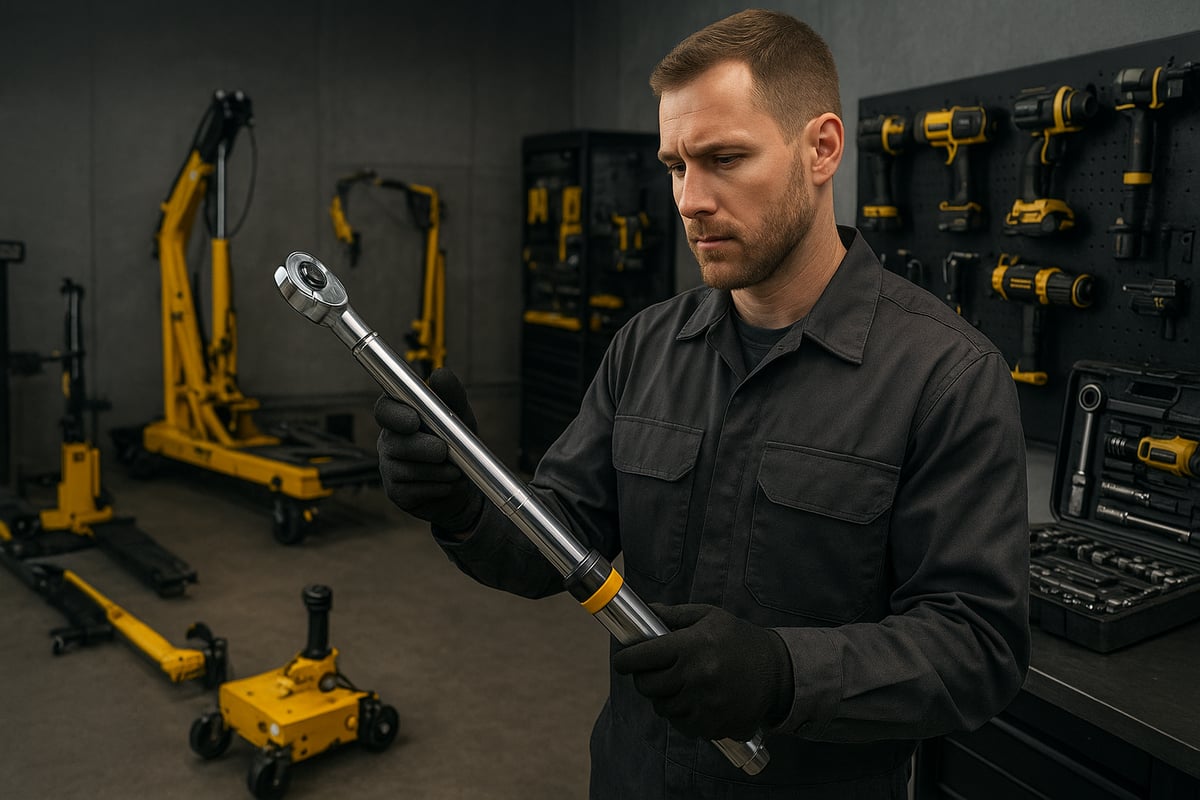
Tools heavy duty are defined by their ability to withstand intense use, deliver high power, and offer broad application scopes. Unlike standard tools, these are engineered for durability and performance under extreme conditions. They often feature reinforced materials, robust construction, and are designed to handle high torque, heavy loads, and repeated usage in professional settings.
Key Types and Main Categories
The main categories of tools heavy duty include:
- Hand Tools: Wrenches, pliers, ratchets, breaker bars, and specialty spanners built for large fasteners and high-force applications.
- Power Tools: Impact drivers, heavy-duty drills, and electric torque wrenches designed for fast, reliable operation.
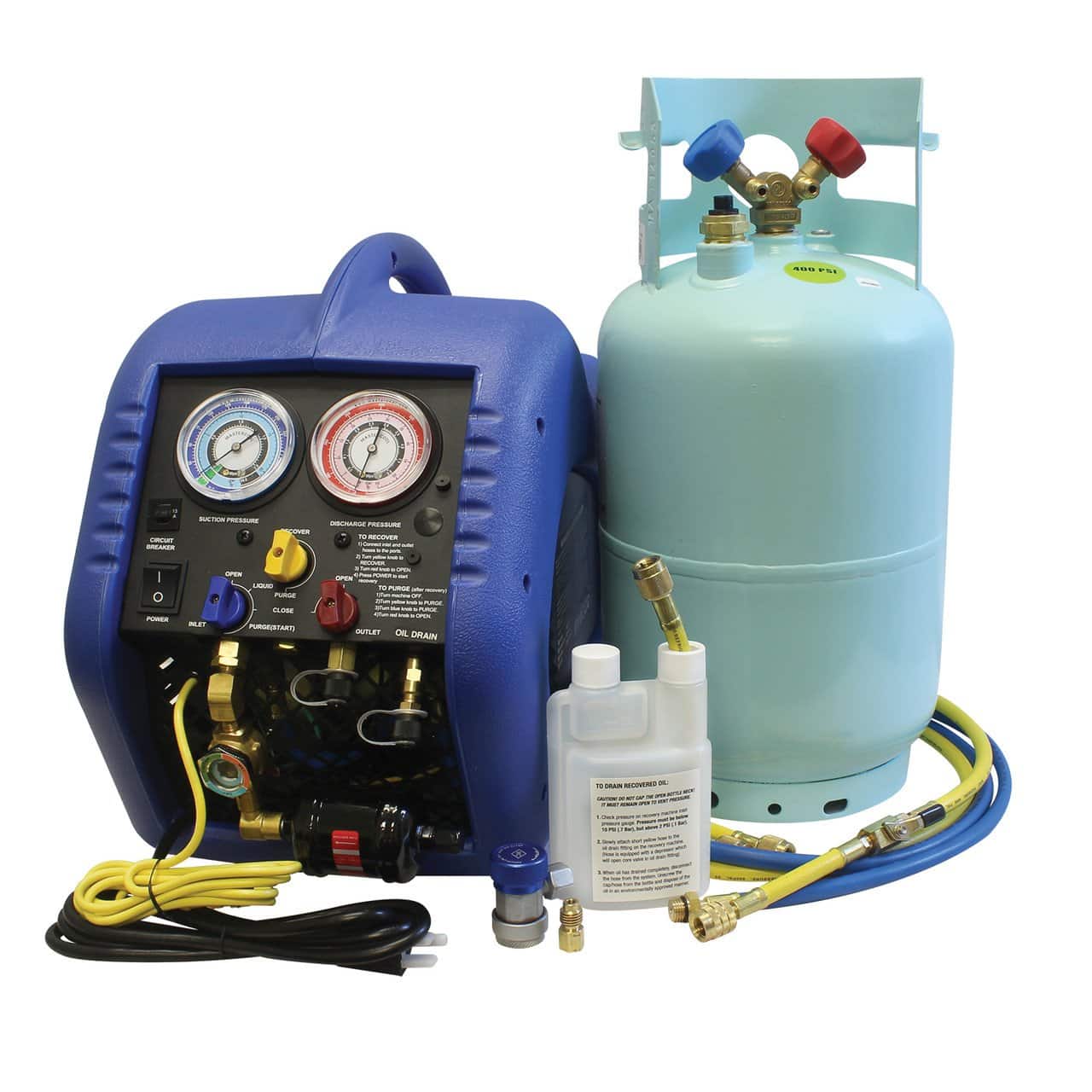
- Specialty Tools: Hydraulic jacks, digital torque meters, telescopic wrench extenders, and ratcheting flare nut wrenches for precise and unique tasks.
Each category is available in sizes and configurations to match the scale of work, whether it’s a compact job or a major structural assembly.
Where Are Heavy Duty Tools Used?
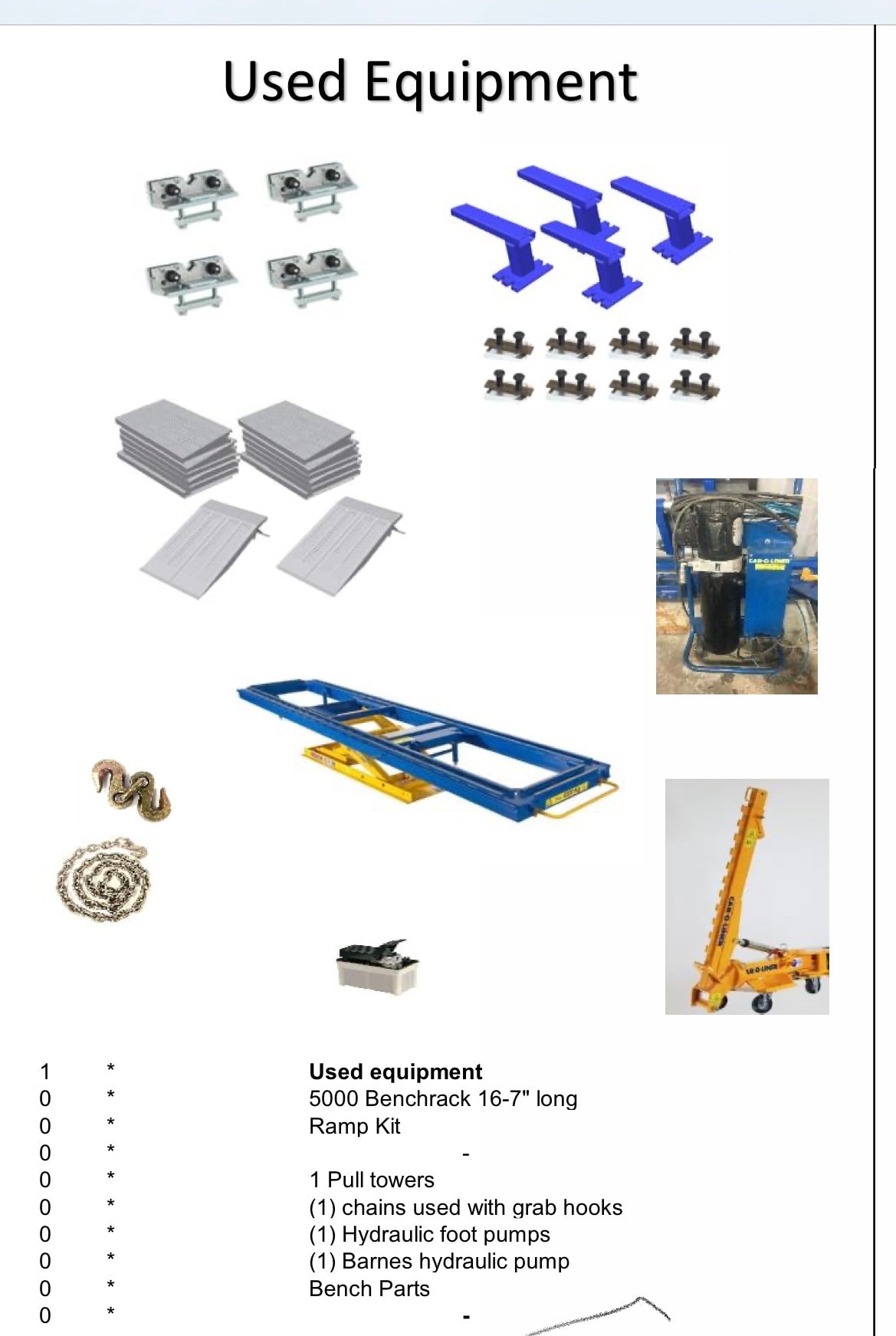
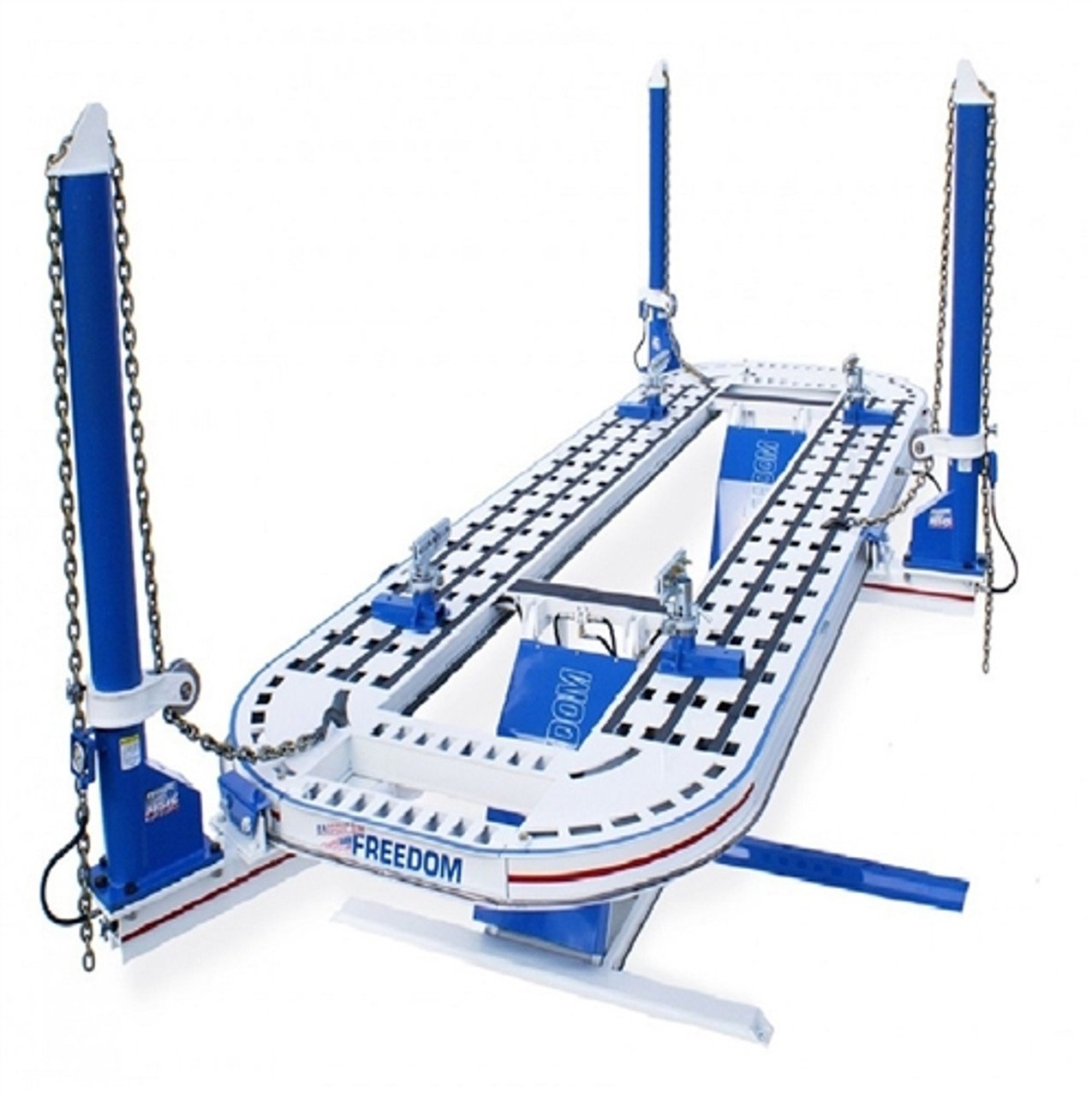
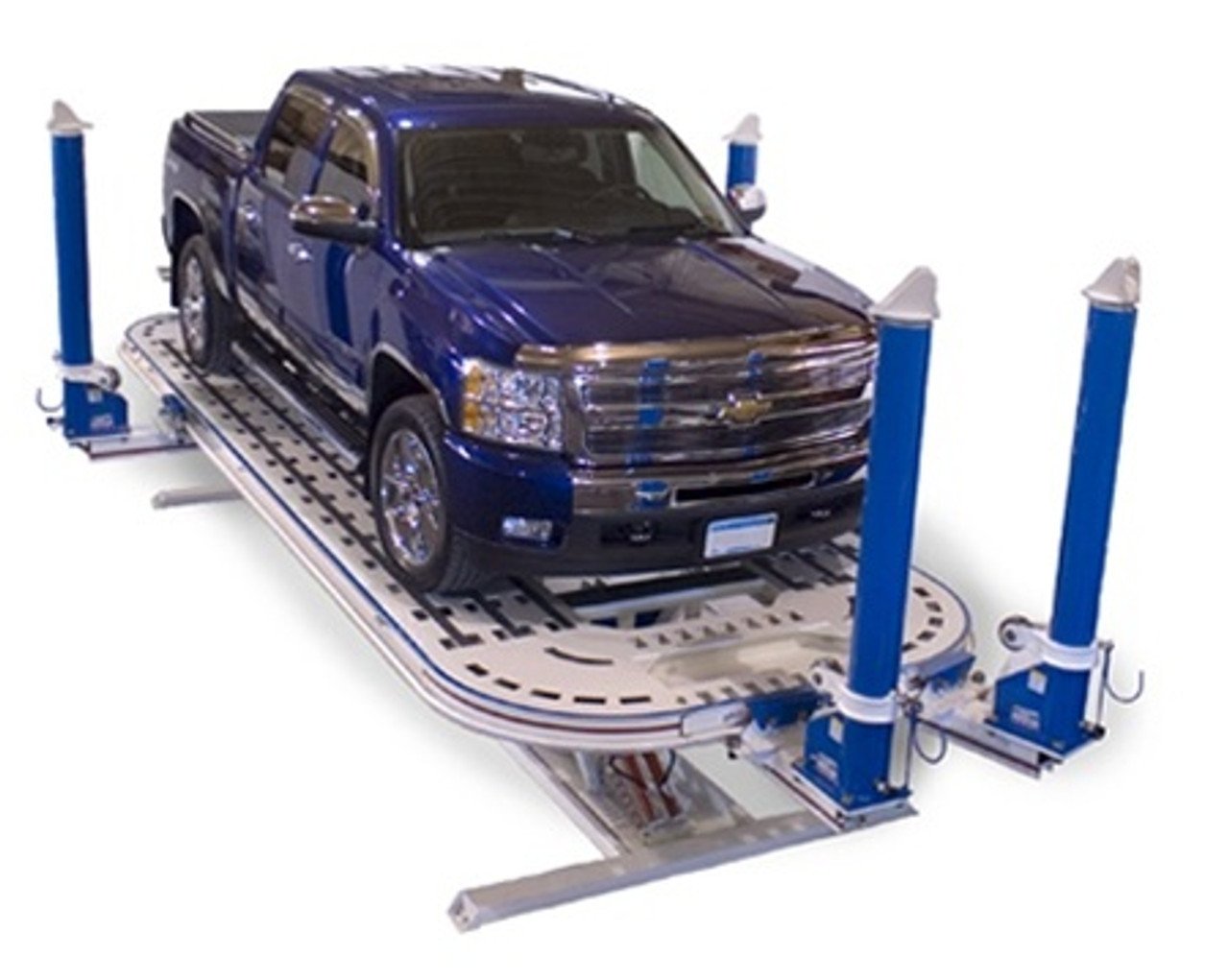
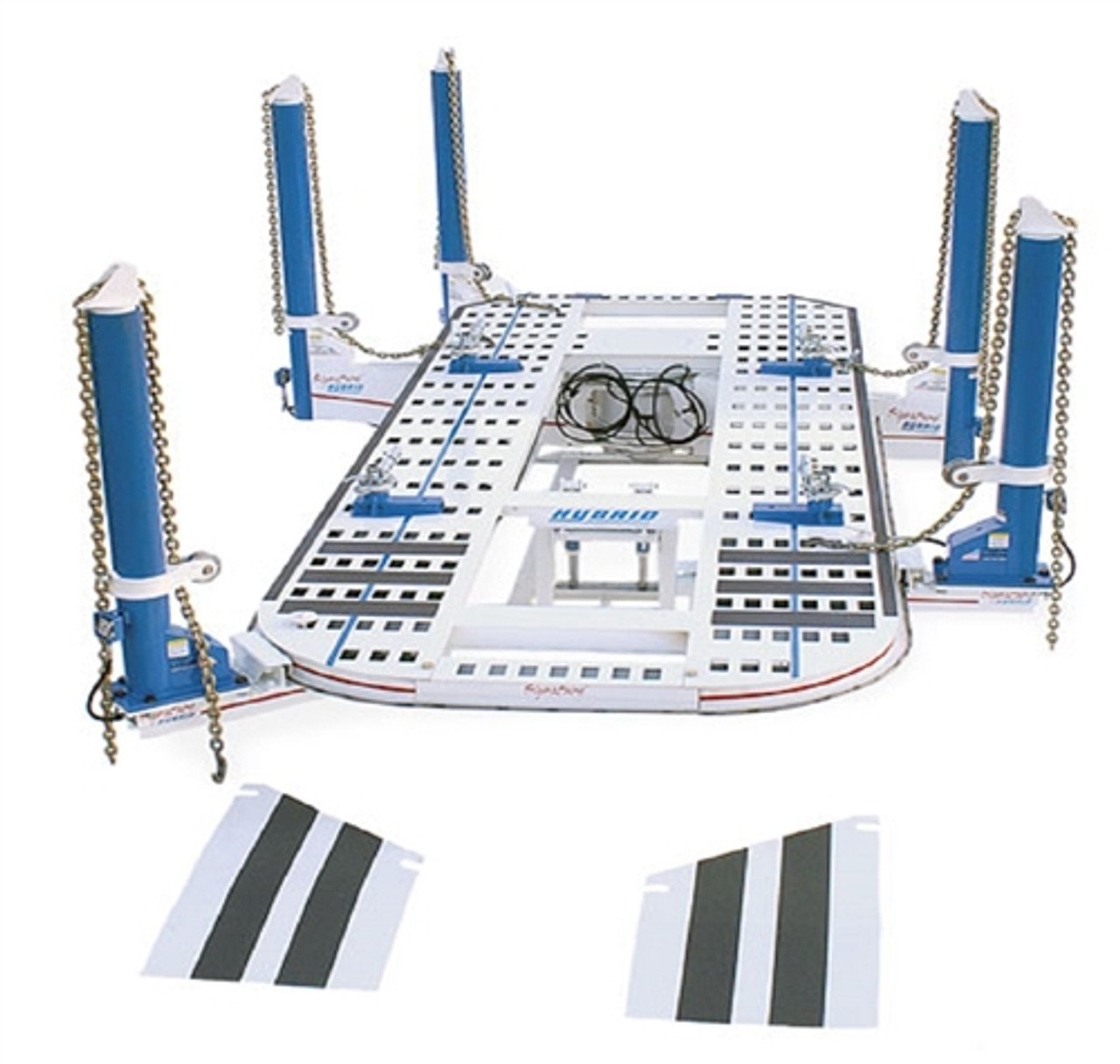
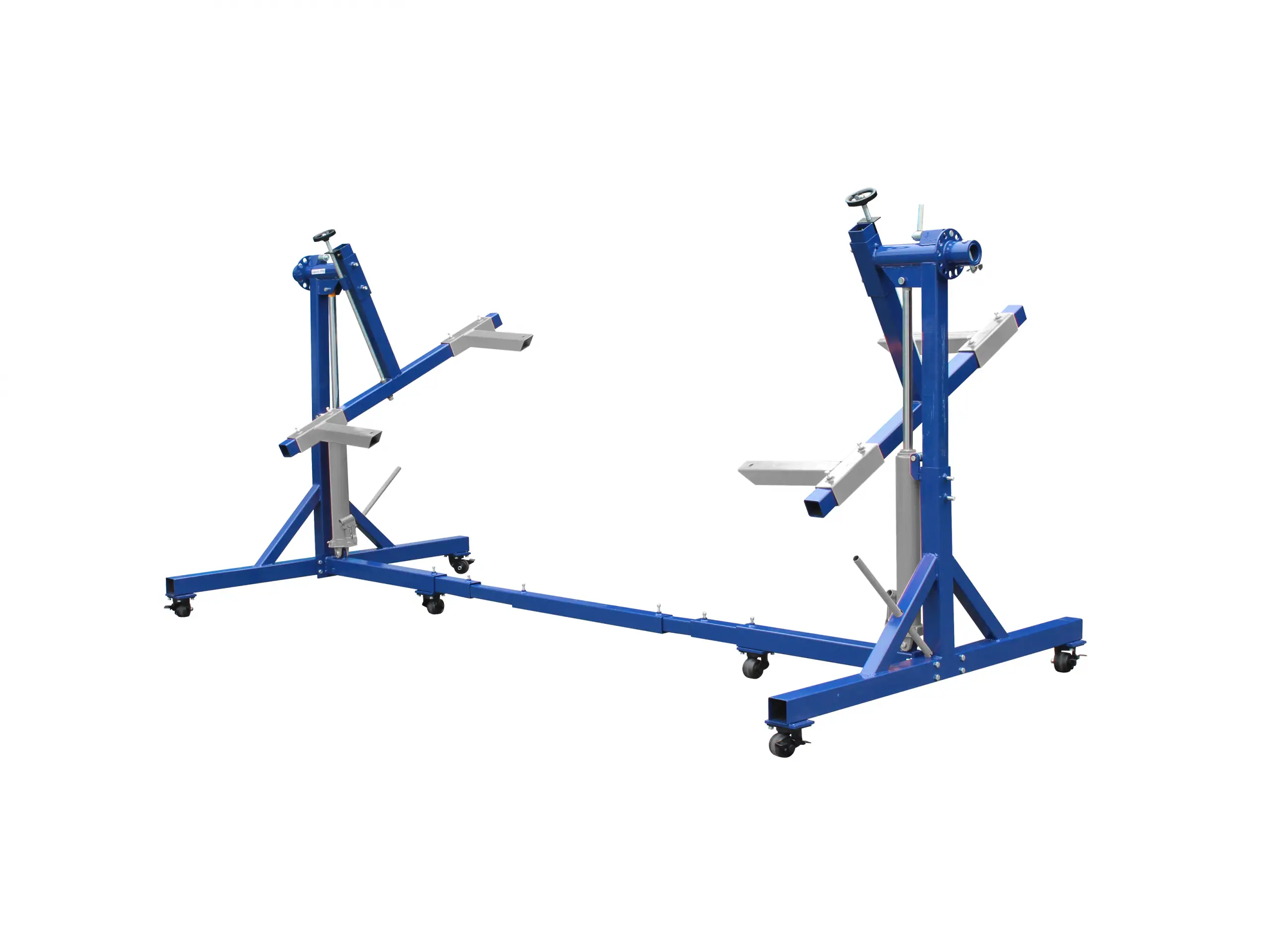
Tools heavy duty are essential in sectors such as automotive repair, construction, manufacturing, and fleet or body shop maintenance. For example, auto body shops rely on Heavy Duty Frame Machines to restore vehicle frames and handle collision repairs with precision.
Fleet maintenance teams use impact wrenches and hydraulic jacks to service trucks, while construction professionals depend on large torque tools for steelwork and assembly. The growing demand in electric and hybrid vehicle service has also fueled a need for insulated and high-voltage safe tools heavy duty.
Standard vs. Heavy Duty: What Sets Them Apart?
| Feature | Standard Tools | Tools Heavy Duty |
|---|---|---|
| Material | Basic steel alloys | Chrome vanadium, reinforced |
| Torque Rating | Lower | High |
| Size | Compact | Larger, extended handles |
| Application Scope | Light to moderate tasks | Heavy, industrial tasks |
Examples include extendable ratchets for large fasteners and ratcheting flare nut wrenches for hydraulic lines. These tools are designed to handle jobs that standard equipment simply cannot match.
Efficiency Through Versatility and Modularity
Versatility is a hallmark of tools heavy duty in 2025. Many brands now offer modular kits that allow professionals to swap attachments, handles, and heads for different tasks. This modular approach increases efficiency, reduces downtime, and ensures that technicians have the right tool for every scenario.
In fleet and electric vehicle service, modular kits and telescopic tools have become especially popular, letting shops adapt quickly as new challenges arise. With ongoing innovation, tools heavy duty continue to set the standard for performance and adaptability across industries.
Essential Tips for Selecting Heavy Duty Tools in 2025
Choosing the right tools heavy duty for your shop or project in 2025 requires a strategic approach. With a rapidly evolving landscape, professionals must weigh quality, compatibility, and long-term value to make informed decisions. Here are the top considerations to help you select tools heavy duty that deliver performance and reliability.
Matching Tools Heavy Duty to Your Job
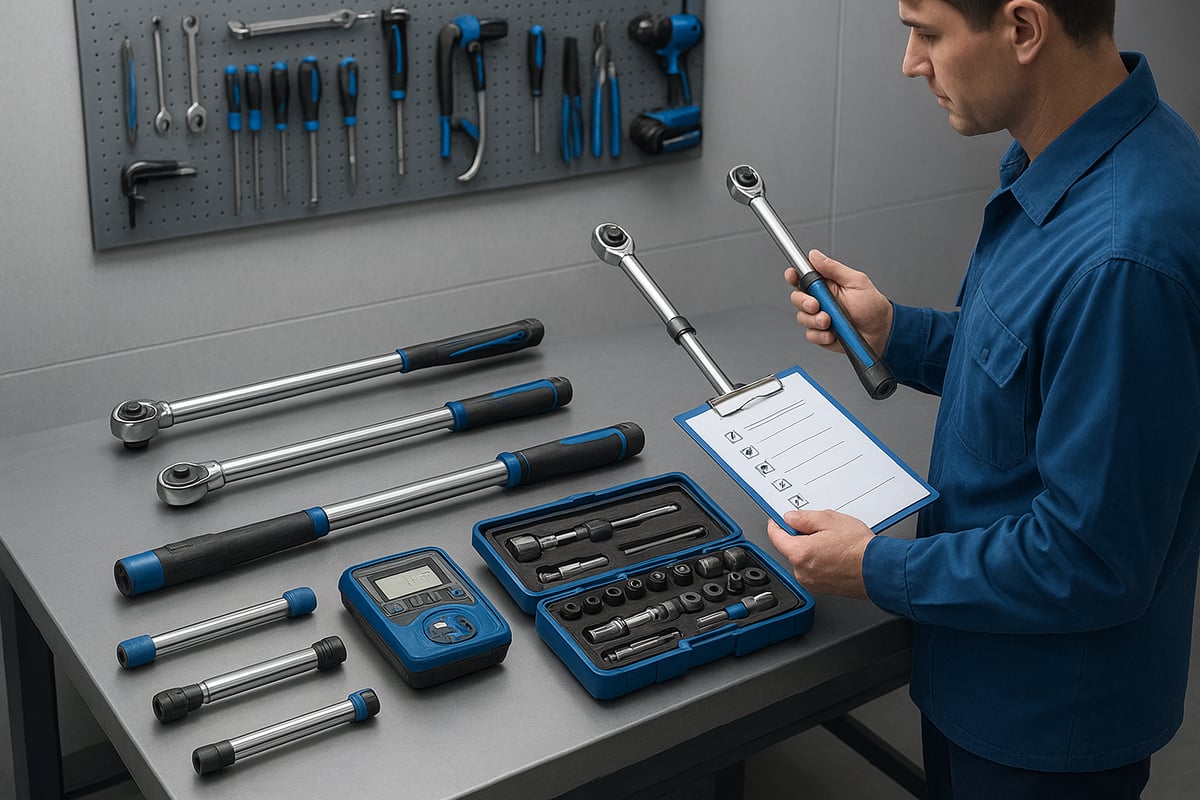
Start by assessing the specific demands of your tasks. Are you working with large truck repairs, structural assembly, or high-torque engine work? The right tools heavy duty must match the torque, size, and frequency of your applications. For example, fleet maintenance or heavy equipment service often requires robust, extendable ratchets and specialty wrenches.
Compatibility with your shop's existing equipment is also crucial. Before purchasing, check that drive sizes, sockets, and attachments will integrate seamlessly. For professionals servicing trucks or large vehicles, explore Truck Repairs Tool Solutions to ensure you have the right fit for demanding jobs.
Evaluating Quality and Compatibility
Not all tools heavy duty are created equal. Inspect build quality closely. Look for strong welds, reinforced joints, and smooth-moving parts. Materials like chrome vanadium steel and corrosion-resistant alloys are industry benchmarks in 2025.
Compatibility extends beyond drive size. Make sure your new tools heavy duty work with your current toolboxes, organizers, and modular kits. Interchangeable heads, flex indexing, and telescopic handles add efficiency for shops handling diverse repairs.
Kits vs. Single Tools: What Works Best?
Should you invest in a master tool kit or buy individual tools heavy duty? Kits offer bundled value and ensure you have a broad selection at hand, which boosts efficiency. Modular kits are especially popular, letting you expand as your shop grows.
Single-purpose tools heavy duty are ideal if you handle repetitive, specialized tasks. However, multi-function kits provide flexibility and can save money over time. A surge in telescopic and modular kits reflects this shift, especially in automotive and industrial sectors.
Comparing Brands, Certifications, and Value
Use the table below to compare key decision factors:
| Factor | Why It Matters | What to Look For |
|---|---|---|
| Brand Reputation | Assurance of quality and support | Strong reviews, industry awards |
| Certifications | Compliance and safety | ISO, ANSI, or similar standards |
| After-Sales Support | Warranty and service | Responsive customer care |
| Price vs. Value | Balancing cost and durability | Long-term performance, not just price |
Always review certifications to ensure your tools heavy duty meet industry standards. Reliable brands with positive customer feedback and robust warranties provide peace of mind.
Price, Value, and Industry Trends
Balancing price with value is key. While upfront costs matter, longevity and performance should drive your choice. Shops report that investing in premium tools heavy duty pays off with fewer breakdowns and longer tool life.
Industry data shows a rise in demand for modular and telescopic kits, especially as electric and hybrid vehicles become more common. For instance, an extendable ratchet kit may offer more versatility than a standard breaker bar, letting you tackle a wider range of repairs with one set.
The right tools heavy duty will not only meet today’s needs but also adapt to future demands, ensuring your shop stays efficient and competitive.
Innovations and Must-Have Heavy Duty Tools for 2025
The landscape for tools heavy duty is evolving rapidly in 2025, with innovation at the forefront of every major product line. Professionals now demand more than just brute strength—they expect intelligence, adaptability, and long-term value from their equipment. This year’s must-have tools are smarter, safer, and more versatile than ever.
Digital and Smart Innovations
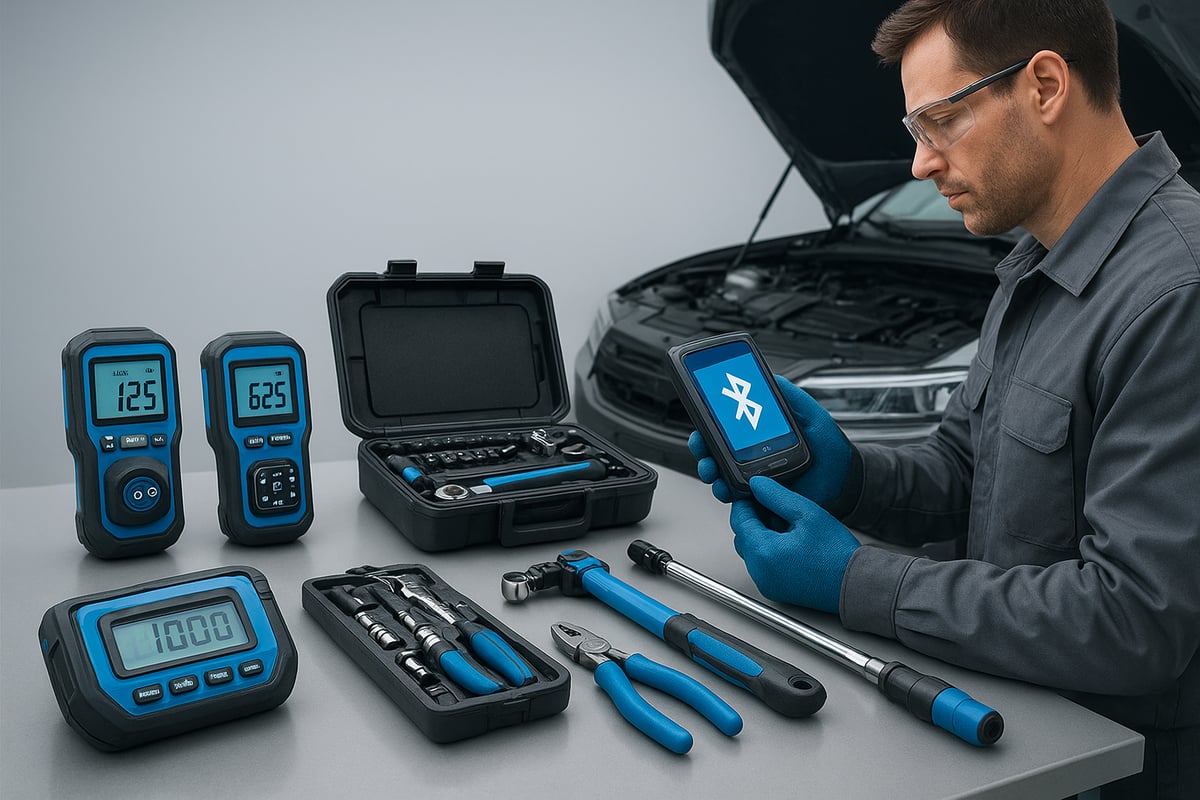
Digital transformation is reshaping tools heavy duty. Smart torque meters now offer digital readouts and Bluetooth connectivity, allowing users to monitor torque settings and log data via mobile apps. This streamlines quality control and ensures precise work, especially in critical applications like frame repairs and engine assembly.
Bluetooth-enabled diagnostics are another leap forward. These tools provide real-time feedback and can diagnose issues faster than traditional methods. For example, some new diagnostic wrenches sync directly with shop management software, helping track tool usage and maintenance schedules.
- Digital angle & torque meters: deliver accuracy and record-keeping.
- Smart pliers: self-adjust and alert users to excessive force.
- Wireless tool tracking: reduces loss and improves accountability.
Next-Gen Tool Designs for 2025
Design innovation is central to the latest wave of tools heavy duty. Modularity is a major trend, with kits that allow users to swap attachments for different tasks. Telescopic ratchets and flex indexing heads offer enhanced reach and flexibility, essential for tight or awkward spaces.
Large flat wrench sets, available in both metric and SAE, are seeing upgrades in material strength and handle ergonomics. These sets are built from reinforced alloys, designed to withstand repeated high-torque use without fatigue.
| Tool Type | 2025 Innovation | Key Benefit |
|---|---|---|
| Telescopic Ratchet Kits | Modular handles | Versatility, reach |
| Flex Indexing Heads | Multi-angle settings | Access in tight spaces |
| Flat Wrench Sets | Alloy upgrades | Durability, lighter feel |
Electric & Hybrid Vehicle Tool Advancements
With the surge in electric and hybrid vehicles, tools heavy duty must meet new standards for insulation and high-voltage safety. Insulated hand tools, digital voltage testers, and EV-specific socket sets are now essential for automotive professionals.
Demand for specialty tools is at an all-time high. XL self-adjusting oil filter pliers, for instance, are designed for larger batteries and powertrains found in modern EVs. Modular kits allow techs to switch between standard and insulated tools seamlessly.
For those looking to future-proof their shop, exploring the latest Electric & Hybrid Vehicle Tools is a smart move. These solutions ensure safety and compliance with evolving industry regulations.
Ergonomic and Sustainability Trends
Manufacturers are prioritizing comfort and environmental impact in tools heavy duty. Lightweight alloys and anti-slip handles reduce user fatigue, while vibration dampening technology minimizes strain during prolonged use.
Sustainability is another focus. Many tools are designed for easy repair, with replaceable parts to extend lifespan and cut down on waste. Packaging is also shifting toward recyclable materials, reflecting a broader industry commitment to eco-friendly practices.
- Vibration dampening grips
- Replaceable tool components
- Recyclable storage cases
Must-Have Tools for Modern Shops
A modern shop’s arsenal of tools heavy duty should include:
- Digital torque meters for precision assembly
- Self-adjusting pliers for variable fastener sizes
- Modular telescopic ratchet kits for flexibility
- Insulated hand tools for EV and hybrid work
- Large flat wrench sets for high-torque jobs
Choosing these essentials helps technicians adapt to a fast-changing industry, maintain safety, and deliver top-tier results.
Data and Market Trends
Industry data shows a sharp increase in demand for tools heavy duty tailored to electric vehicles and large fleet maintenance. Modular tool kits are especially popular, offering cost savings and adaptability.
According to recent forecasts, specialty tool sales are projected to rise by over 15% annually through 2025, driven by new vehicle technologies and a focus on safety and efficiency.
Staying ahead means investing in the latest tools heavy duty. Shops that embrace these innovations will be better positioned for the challenges and opportunities of 2025 and beyond.
Maintenance, Care, and Longevity of Heavy Duty Tools
Proper maintenance is essential for keeping tools heavy duty in peak condition. Whether you run a busy repair shop or manage a fleet, well-maintained equipment boosts productivity, reduces downtime, and ensures safety.
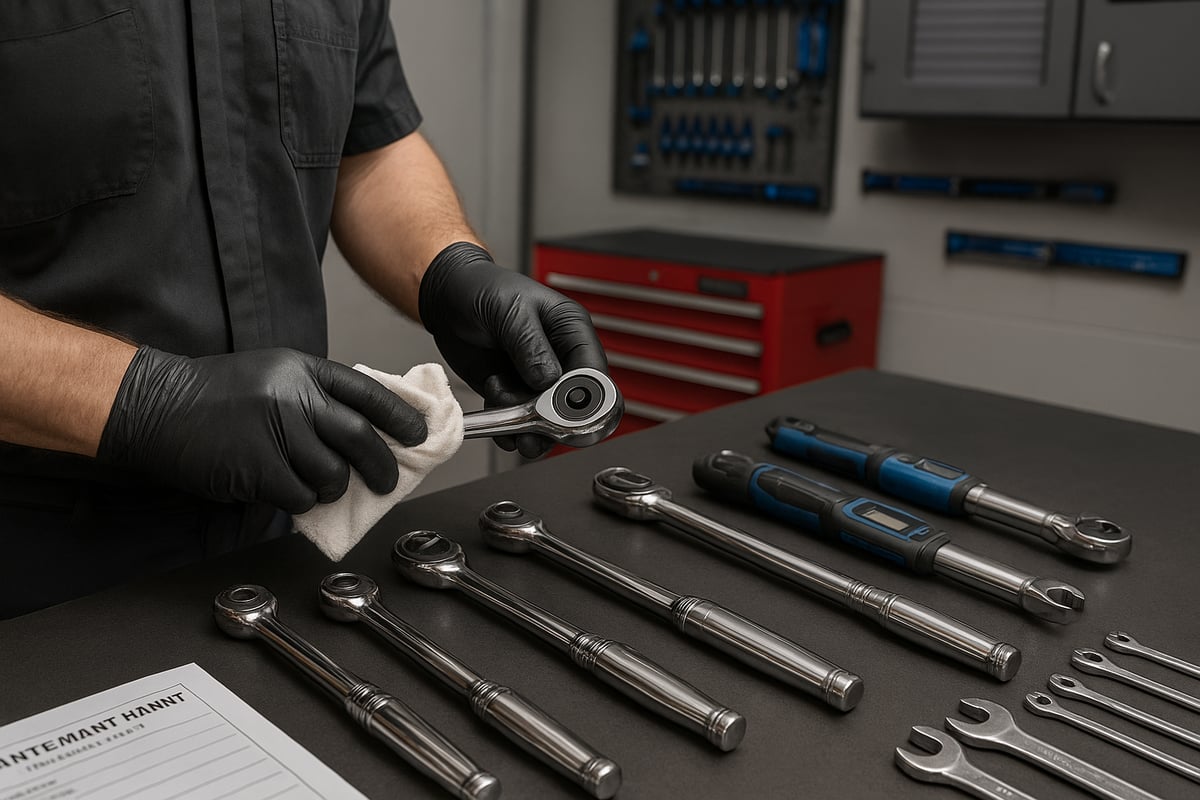
Routine Inspection: Spotting Issues Before They Grow
Regular inspection is the first defense in extending the life of tools heavy duty. Examine each tool for cracks, worn edges, or bent parts before and after use. Early detection helps prevent sudden failures that can disrupt workflow or cause injury.
A simple checklist can make inspections easy:
| Inspection Point | What to Look For | Action |
|---|---|---|
| Surfaces | Cracks, dents, rust | Clean or replace |
| Moving Parts | Stiffness, looseness | Lubricate or tighten |
| Handles | Wear, damage, grip loss | Replace if necessary |
By making inspections part of your daily routine, you catch problems before they grow. This habit is key for any professional relying on tools heavy duty.
Cleaning and Storage: Preventing Rust and Wear
Dirt, oil, and moisture are the enemies of tools heavy duty. Wipe down tools after each use to remove grime that can cause corrosion. Use a soft brush or compressed air to reach tight spaces, especially in ratcheting mechanisms.
Proper storage also protects your investment. Use tool organizers, magnetic rails, and climate-controlled cabinets to keep tools dry and accessible. Avoid leaving tools in damp environments, as this accelerates rust and weakens metal. A clean, organized workspace not only extends tool life but also improves safety and efficiency when working with tools heavy duty.
Lubrication, Calibration, and Knowing When to Replace
Moving parts in tools heavy duty require regular lubrication. Apply light machine oil to hinges, ratchets, and joints to keep them operating smoothly. For digital or precision tools like torque meters, schedule calibration checks to maintain accuracy.
Deciding when to repair or retire a tool is crucial. If a tool no longer performs as needed or has significant structural damage, replacement is safer and more cost-effective. Well-maintained tools deliver more consistent results and reduce the risk of equipment-related accidents.
Warranty, Support, and Maximizing Tool Life
Take advantage of manufacturer warranties and after-sales support for tools heavy duty. Register new purchases and keep records of serial numbers, purchase dates, and service history. This streamlines warranty claims and ensures timely repairs.
Many shops that follow routine maintenance protocols report up to 30% longer tool life compared to those that neglect care. For more insights on digital solutions and shop management strategies, explore the Heavy-Duty Repair Trends and Digital Solutions 2025. Keeping up with new maintenance technologies and best practices will help you get the most from your tools heavy duty year after year.
Safety Protocols and Best Practices for Heavy Duty Tool Use
Safety is the cornerstone of every successful shop using tools heavy duty. Whether you are working in construction, automotive, or industrial settings, prioritizing protective measures keeps your team efficient and injury-free.
Personal Protective Equipment and Workspace Organization
Every operation involving tools heavy duty should start with the right personal protective equipment (PPE). Always wear:
- Cut-resistant gloves for grip and hand protection
- Impact-resistant goggles to shield eyes from debris
- Steel-toed boots and flame-retardant clothing for body safety
A well-organized workspace also reduces risks. Keep tools heavy duty on labeled racks, use magnetic strips for smaller items, and ensure walkways are clear. Good lighting and visible safety instructions make it easy for everyone to follow protocols.
Safe Handling, Training, and Shop Procedures
Proper handling of tools heavy duty means understanding their power and potential hazards. Never use a tool without first inspecting it for cracks, wear, or loose parts. Training is essential, especially with high-torque or electrical equipment. Only certified operators should handle specialized machinery.
Lockout/tagout procedures are non-negotiable. Before maintenance begins, disconnect power sources and use approved tags to prevent accidental activation. Regular safety drills and up-to-date certifications keep everyone prepared for unexpected situations.
Equipment-Specific Safety and Using the Right Tools
Different tools heavy duty demand unique safety steps. For example, when using breaker bars or ratcheting wrenches, always ensure the tool is rated for the torque required. Overloading can cause tool failure and injury.
When lifting vehicles or heavy components, always use certified jacks and stands. For best practices, refer to resources like Shop Equipment Jacks & Stands for guidance on selecting and using lifting gear safely.
Checklist for Safe Tool Use:
| Step | Action |
|---|---|
| Inspect tool before use | Check for damage or defects |
| Use correct PPE | Gloves, goggles, boots, clothing |
| Confirm tool rating | Match tool to job requirements |
| Secure work area | Remove clutter and hazards |
| Follow manufacturer guidelines | Use tools as intended |
Emergency Response and Ongoing Safety Improvements
Accidents can happen, even with the best precautions. Every shop using tools heavy duty should have clear emergency response protocols:
- Know the location of first aid kits and fire extinguishers
- Keep emergency contact numbers visible
- Train all staff on basic first aid and tool accident response
According to OSHA, shops that invest in routine safety training see a significant reduction in workplace injuries. Encourage a culture of reporting near-misses and regularly review incidents to improve safety processes.
By making safety a daily habit, your team can maximize the performance and lifespan of tools heavy duty while minimizing downtime and risk.
Future Outlook: Trends Shaping Heavy Duty Tools in 2025 and Beyond
The future of tools heavy duty is rapidly evolving, bringing both challenges and opportunities for professionals across every sector. As technology advances and industries shift, understanding the trends shaping tools heavy duty in 2025 and beyond becomes crucial for staying ahead.
Smart Technology and Automation
Smart technology is revolutionizing tools heavy duty, with automation playing a major role in boosting both productivity and safety. In 2025, expect to see more Bluetooth-enabled torque wrenches, digital diagnostics, and AI-assisted tool calibration. These innovations allow for precise measurements and real-time feedback, reducing errors and improving workflow. According to the Heavy Equipment Operator Trends for 2025, automation and AI are transforming how tools are used, making them smarter and more adaptive to complex tasks.
Growth of Electric and Hybrid Vehicle Tools
The rise of electric and hybrid vehicles is driving demand for specialized tools heavy duty. Insulated hand tools, high-voltage safety gear, and EV-specific diagnostic equipment are becoming standard in repair shops. This shift is not only expanding the market but also pushing tool manufacturers to innovate with new materials and designs that meet higher safety standards.
Sustainability and Eco-Friendly Design
Sustainability is now a key consideration in the design and manufacturing of tools heavy duty. Companies are prioritizing eco-friendly materials, recyclable packaging, and products designed for long-term use and repairability. This approach helps reduce waste and aligns with broader industry trends toward environmental responsibility.
Modularity, Digital Integration, and Regulatory Changes
Modular tool systems are gaining popularity, offering flexibility and cost efficiency. Digital integration, such as cloud-based tool management and automated inventory tracking, streamlines operations and boosts uptime. Regulatory standards are also evolving, requiring higher compliance and driving improvements in both tool safety and performance. For a broader perspective on market growth and innovation, the Heavy Industry Outlook 2025 highlights significant investment in advanced tool technologies.
Key Trends Table:
| Trend | Impact on Tools Heavy Duty |
|---|---|
| Automation & AI Integration | Increases efficiency and reduces errors |
| Electric/Hybrid Vehicle Tools | Drives demand for new safety features |
| Sustainability Initiatives | Promotes repairable and eco-friendly tools |
| Modularity & Digital Integration | Offers flexibility and smart management |
| Evolving Regulations | Raises safety and compliance standards |
Looking ahead, the demand for tools heavy duty is projected to grow by 15% annually, especially as shops adapt to smart systems and new vehicle technologies. Staying informed about these changes will help you choose the right tools heavy duty for the challenges of 2025 and beyond.
Now that you’ve got a solid understanding of what makes heavy duty tools essential for 2025—from choosing the right materials and features to keeping up with cutting edge tech and proper maintenance—it’s time to put that knowledge to work in your shop. If you’re ready to upgrade your equipment or find the perfect tool tailored to your needs, KGM Equipment has your back with a wide range of professional grade options and expert support. Take the next step toward a safer, more efficient workspace—Shop Now.

