


The automotive auto body industry is transforming rapidly as we head into 2025. Staying updated is crucial, whether you are a car owner, collision repair expert, or industry leader.
This guide will explore the latest automotive auto body trends, innovative repair techniques, and cutting-edge technologies shaping the future. Discover how new materials, smarter workflows, and sustainability efforts are impacting repairs and shop operations.
Ready to stay ahead? Dive in for expert insights and practical tips designed to help you navigate the evolving world of auto body work.
The Evolution of Automotive Auto Body Design
The automotive auto body landscape is transforming rapidly in 2025. New materials, construction techniques, and technology are setting the stage for safer, lighter, and smarter vehicles. For car owners and repair professionals, understanding these shifts is key to effective repairs and long-term vehicle value.
Key Materials Shaping 2025 Vehicles
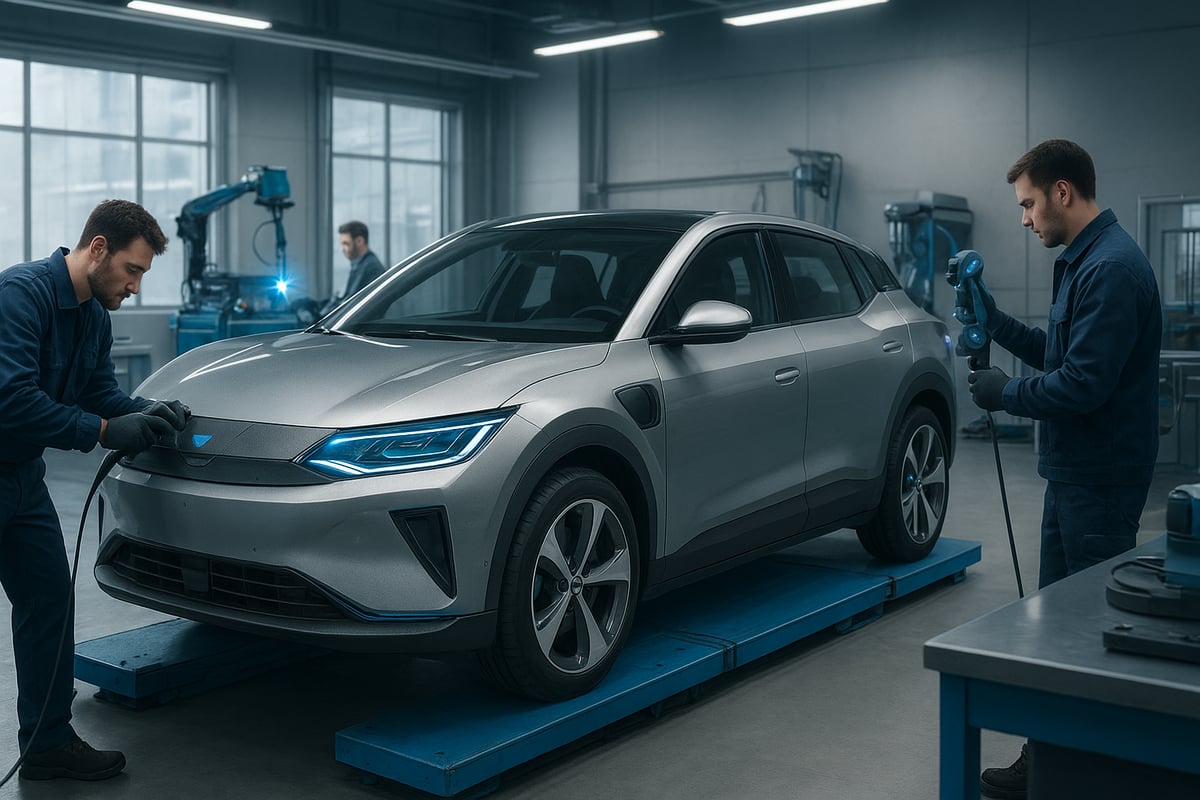
In 2025, automotive auto body design relies heavily on lightweight materials. Aluminum, high-strength steel, and advanced composites now make up 60% of new vehicle construction, according to I-CAR. This shift improves fuel efficiency and performance, but also impacts repairability and cost.
OEMs require specific procedures for each material. For example, the Ford F-150 uses aluminum body panels, demanding specialized repair tools and training. Mixed-material construction challenges body shops to adapt quickly. To explore more about the materials and innovations driving these changes, see the Trends and Innovations in Auto Body Repair.
Repair professionals must stay updated on evolving material trends to ensure every automotive auto body job meets safety and cost expectations.
Advanced Manufacturing and Construction Techniques
Automotive auto body manufacturing in 2025 features modular vehicle architectures and the use of adhesives and laser welding instead of traditional spot welding. These methods make vehicles stronger and lighter, but require body shops to invest in new training and equipment.
Tesla’s gigacasting approach, for example, allows for larger, single-piece castings, which simplifies assembly but creates new repair challenges. Technicians must learn how to safely cut, join, and reinforce these parts.
The evolution of automotive auto body construction means repair shops need to adapt rapidly to remain competitive and compliant with OEM standards.
Design Trends Impacting Body Repairs
Modern automotive auto body design is now shaped by sleek body lines, hidden sensors, and integrated ADAS components. Features like radar and lidar windows built into bumper covers demand extreme precision during repairs.
Maintaining aesthetics and safety after a collision is more complex than ever. Shops must follow OEM repair procedures closely, as even minor misalignments can affect sensor performance or vehicle appearance.
These trends in automotive auto body design highlight the importance of specialized skills and tools to restore both function and form after an accident.
Safety and Crashworthiness Innovations
Innovations in automotive auto body safety are reducing injuries and saving lives. New crumple zones, advanced airbags, and pedestrian protection features are becoming standard. The NHTSA reports a 15% reduction in injuries thanks to advanced body engineering.
Repair shops face added responsibility to restore these features exactly as designed. Any deviation can compromise safety. Properly repairing an automotive auto body means understanding the latest crashworthiness technologies and adhering to OEM guidelines.
Safety innovations will continue to shape the future of auto body repair, making ongoing training critical.
The Role of Electric and Hybrid Vehicle Bodies
Electric and hybrid vehicles are transforming automotive auto body work in 2025. With an estimated 35% market share, EVs and hybrids introduce new repair challenges. Battery placement, high-voltage systems, and reinforced structures require specialized tools and strict safety protocols.
Shops handling automotive auto body repairs for these vehicles must invest in training and equipment for both traditional and electric platforms. As the market grows, expertise in EV and hybrid repairs will be essential for long-term success in the collision repair industry.
Essential Auto Body Repair Processes in 2025
In 2025, automotive auto body repair is a precise blend of digital innovation and hands-on expertise. Each step is designed to restore vehicles safely, efficiently, and in line with new materials and technologies. Let’s break down the essential processes every professional and car owner should know.
Step 1: Initial Assessment and Digital Diagnostics
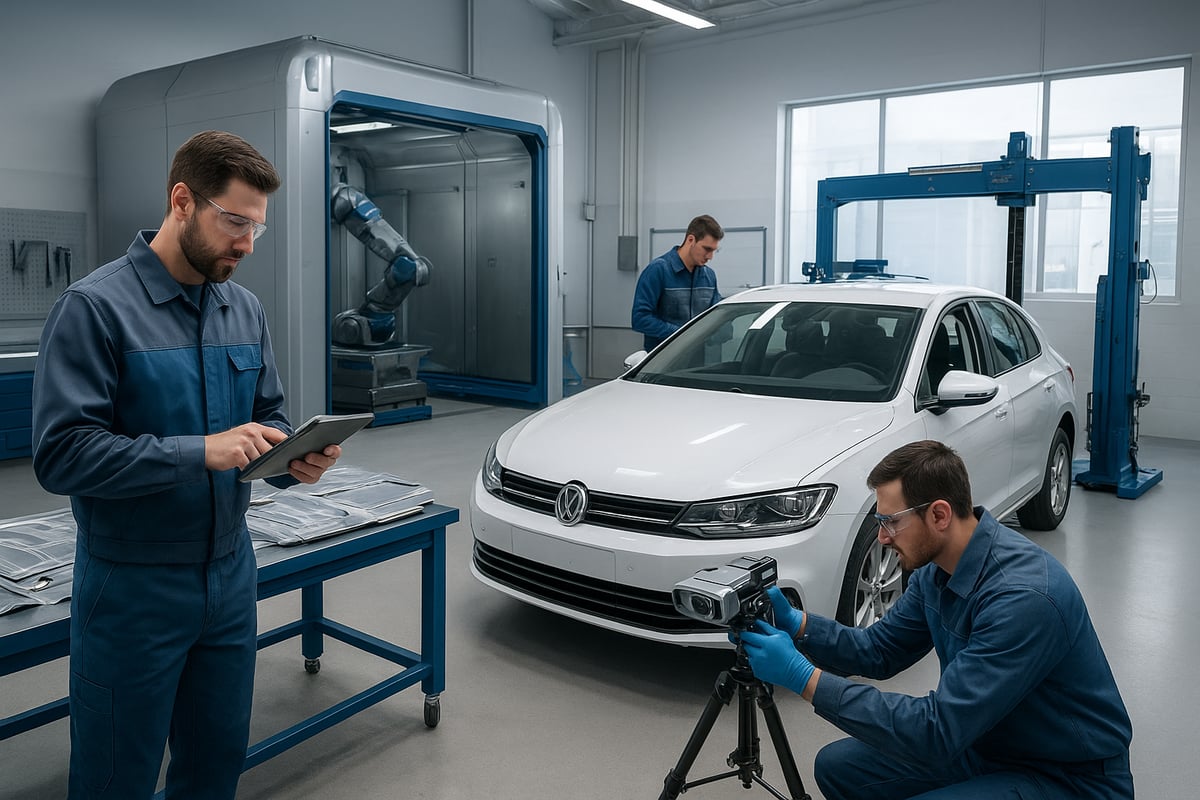
The first step in the automotive auto body repair process is a thorough initial assessment. Today’s shops use 3D scanning and AI-driven diagnostics to analyze vehicle damage. These tools provide precise, real-time data, ensuring that nothing is missed.
Accurate estimates are crucial for insurance approvals and repair planning. Digital platforms, like CCC Intelligent Solutions’ AI photo analysis, streamline this process by converting images into actionable repair data. This technology not only improves efficiency but also supports transparency for customers.
For anyone involved in automotive auto body work, mastering digital diagnostics is now a necessity. It sets the foundation for a smooth repair journey and helps prevent costly surprises down the line.
Step 2: Disassembly and Damage Mapping
After diagnostics, the next phase is careful disassembly and digital damage mapping. Technicians remove panels and components systematically, revealing hidden issues that could impact safety or performance.
Digital mapping tools document every damaged area, creating a repair blueprint. This step is essential for accurate parts ordering and insurance records. According to BodyShop Business 2024, shops using digital mapping see repair cycle times reduced by 20 percent.
In modern automotive auto body repair, detailed documentation and transparency are key. This approach ensures accountability at every stage and helps maintain high repair standards.
Step 3: Structural and Frame Repairs
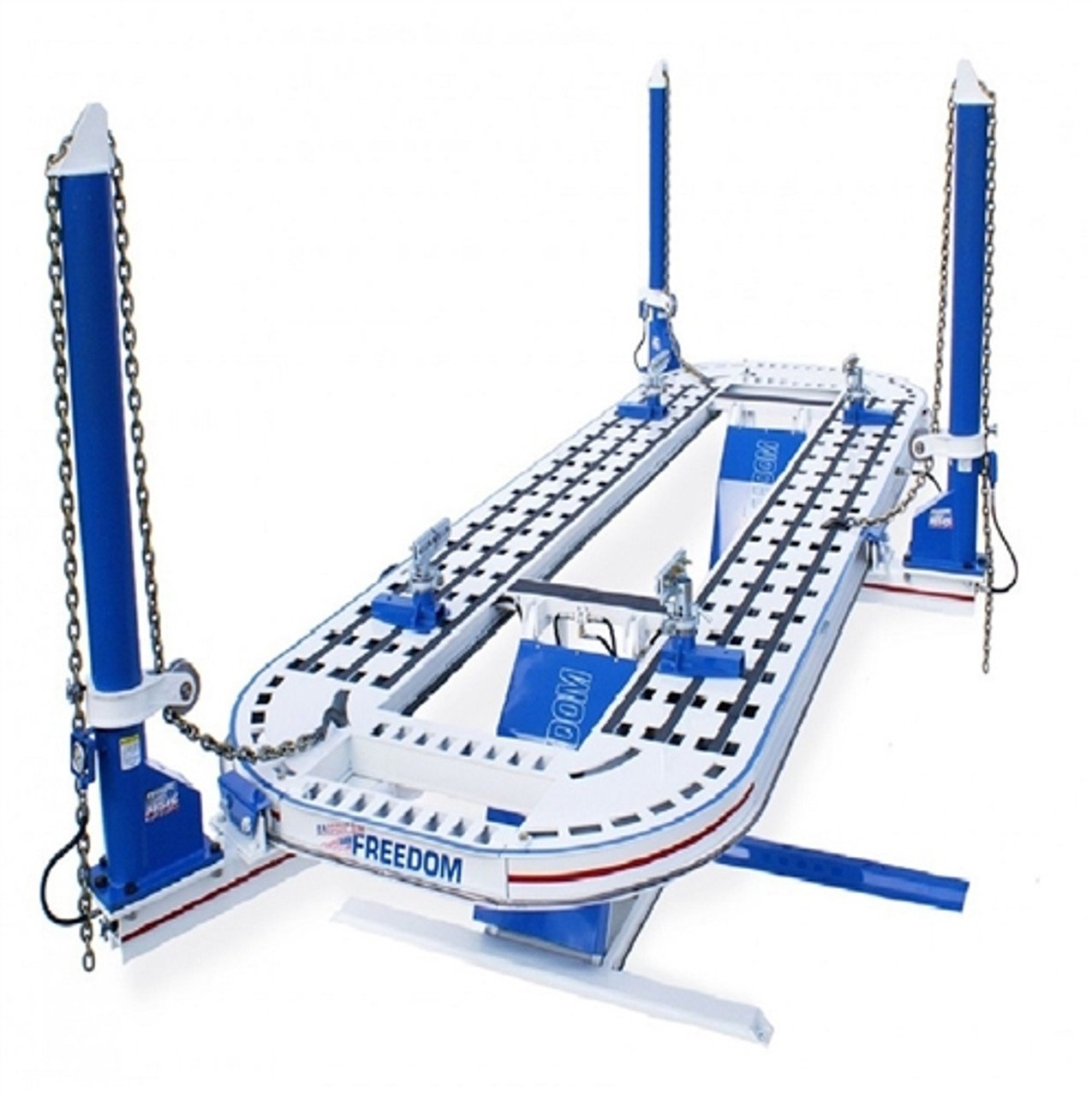
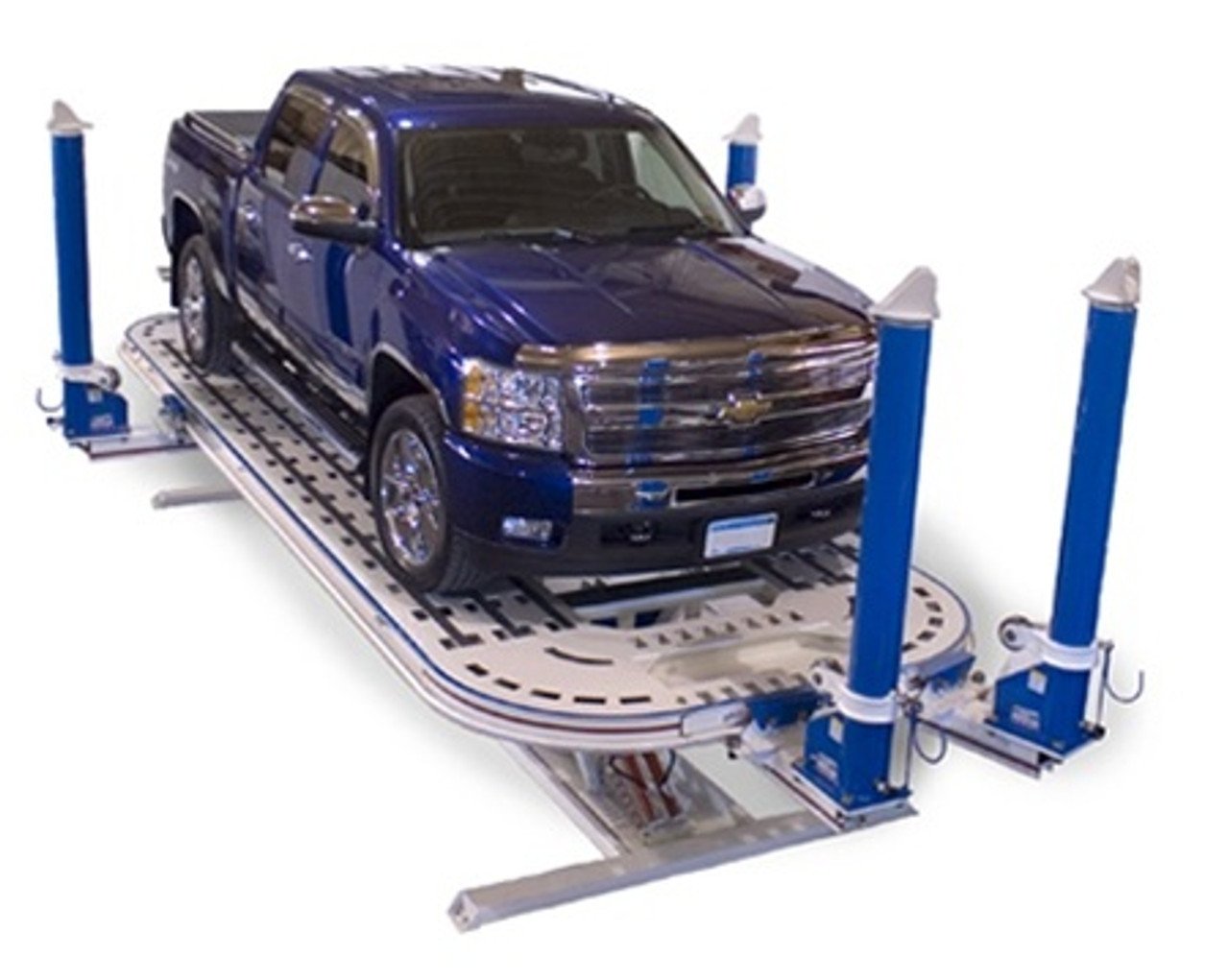
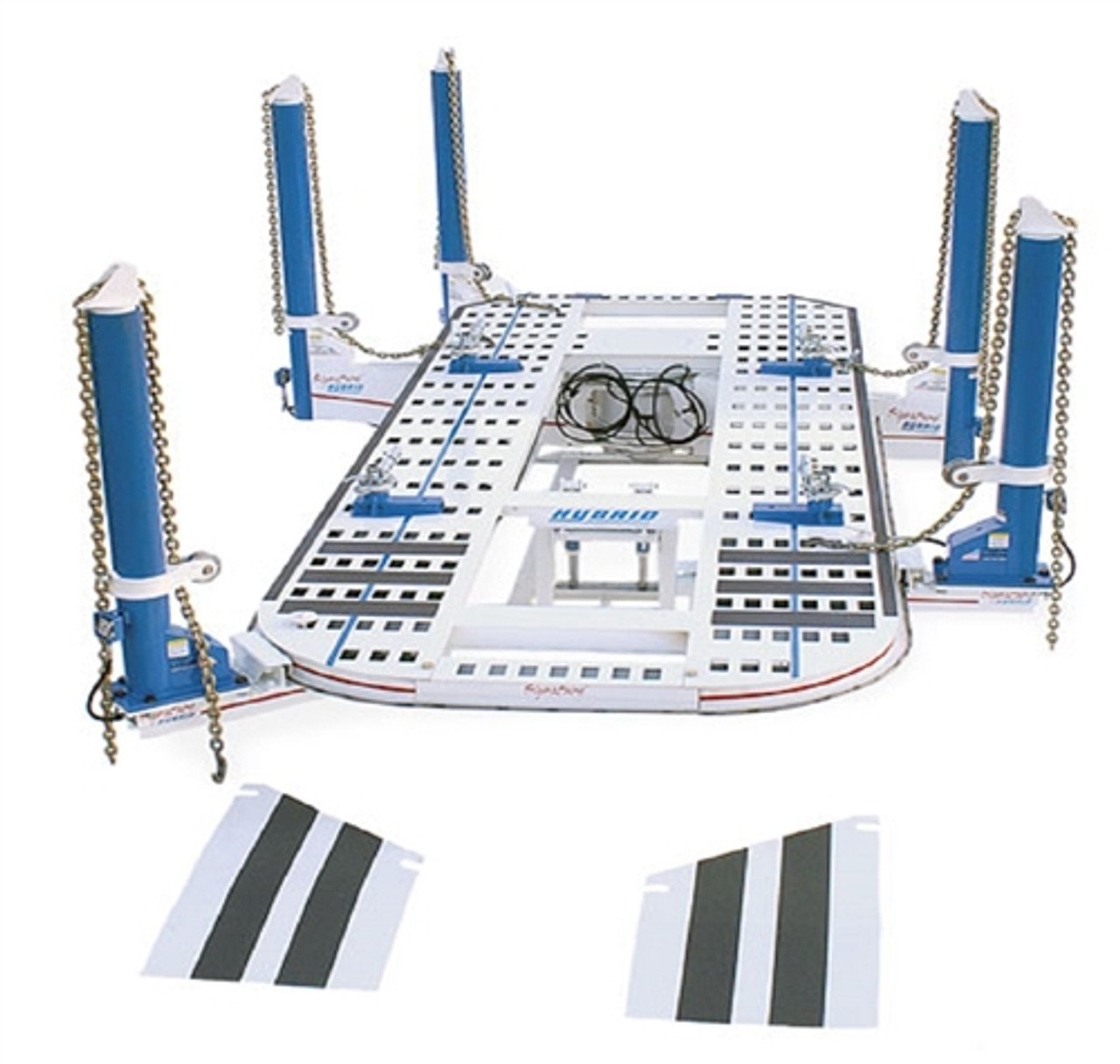
Structural and frame repairs are the backbone of the automotive auto body process. Advanced frame alignment systems use lasers and computer controls to restore vehicles to OEM specifications. This is critical for both safety and drivability.
With the rising use of high-strength steel and aluminum, repair techniques have evolved. Technicians must understand material properties and use specific welding, bonding, or riveting methods. Precision is non-negotiable, as even a millimeter of misalignment can compromise crashworthiness.
For more details on the importance of proper frame work and quality standards, see these comprehensive Auto body repair insights. Staying current with structural repair methods is vital for anyone working in automotive auto body.
Step 4: Panel Repair and Replacement
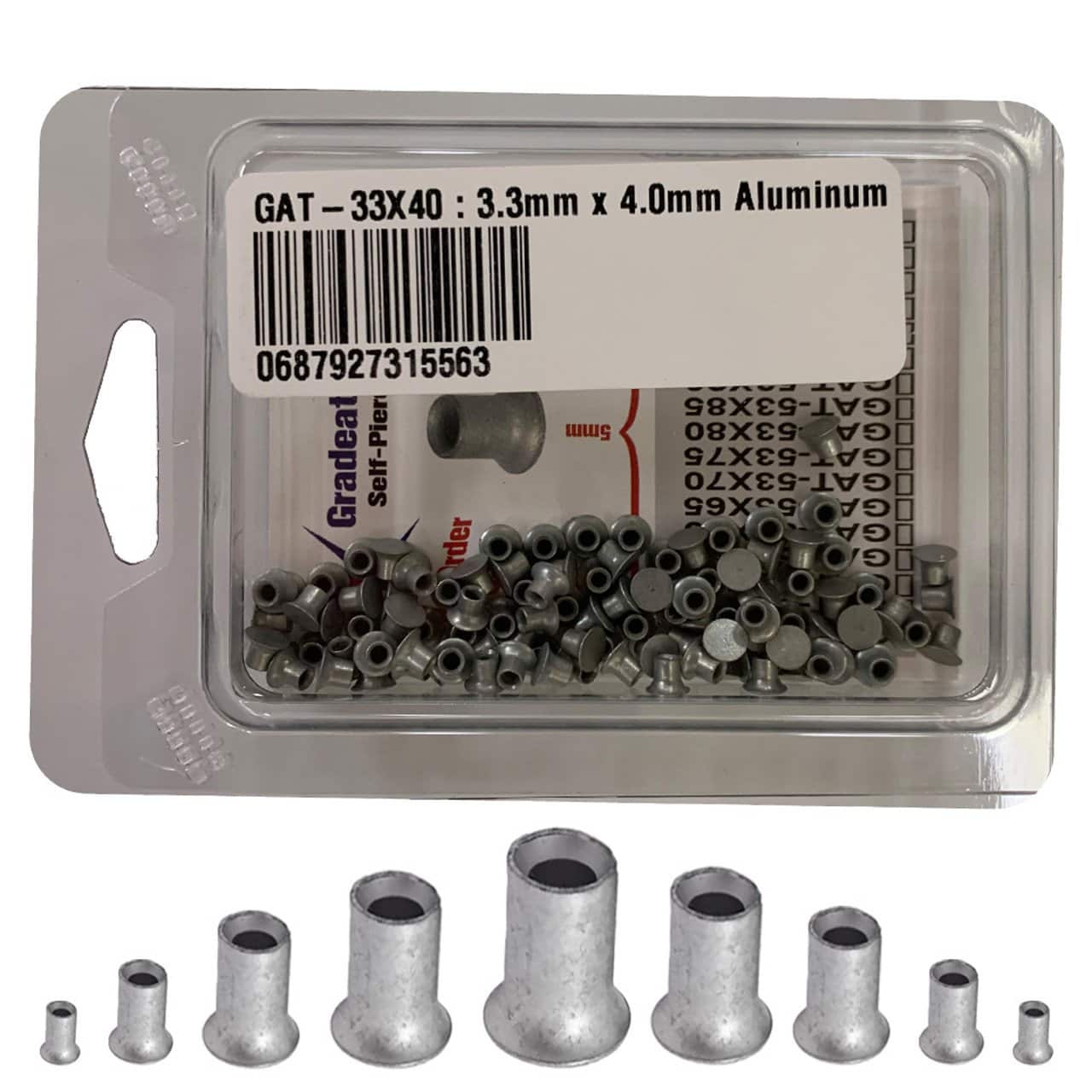
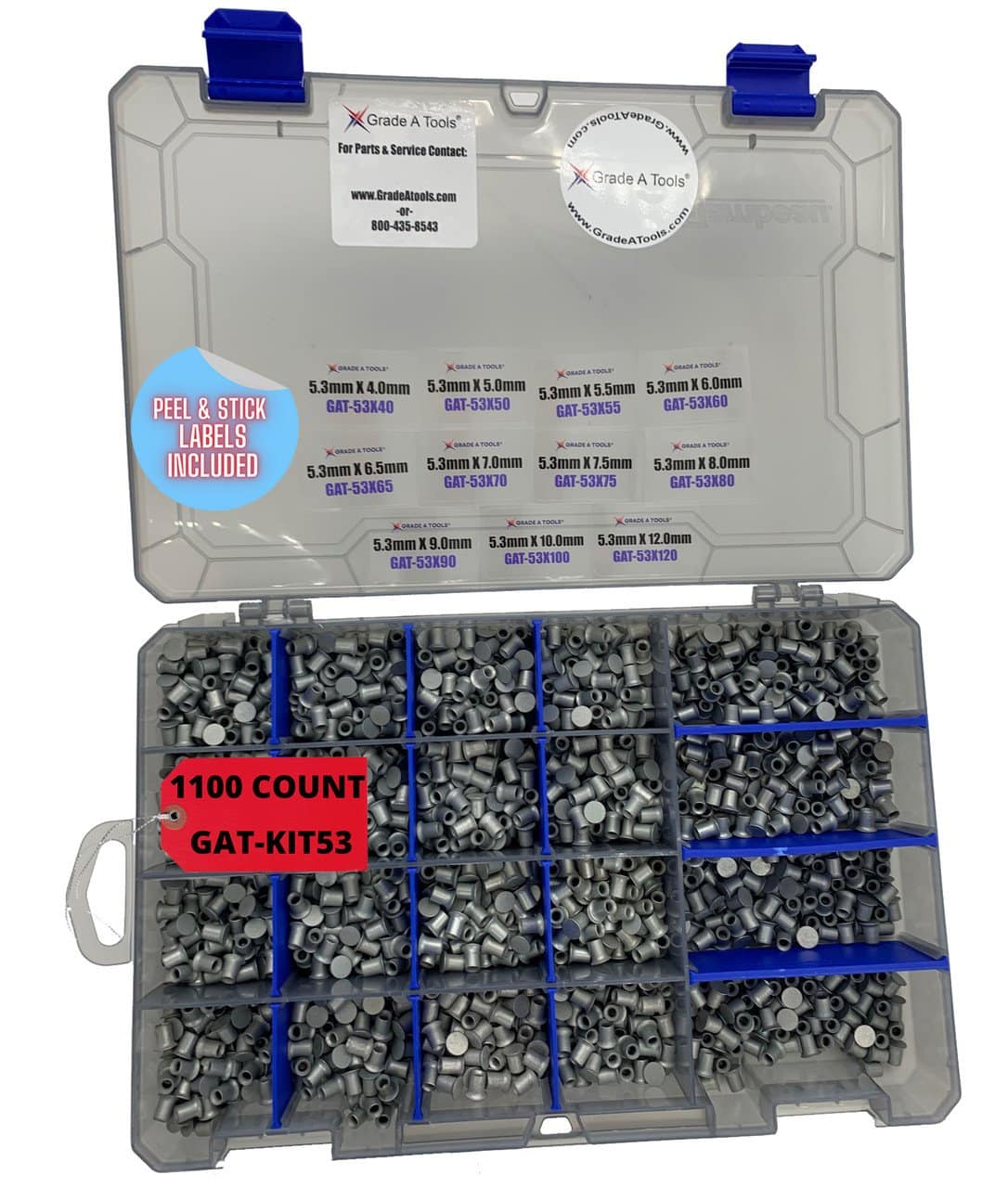
Panel repair and replacement is where skill and technology meet. Techniques like paintless dent repair, advanced welding, and bonding are tailored to each material. For example, aluminum panels often require self-piercing rivets instead of traditional spot welding.
The choice of method depends on the vehicle’s construction. Mastering these techniques ensures the automotive auto body repair maintains both appearance and structural integrity. Shops that invest in training and specialized tools can handle everything from composite panels to mixed-material assemblies.
Every successful repair preserves the vehicle’s original safety and design.
Step 5: Paint Preparation and Application
Paint preparation and application have become highly sophisticated. Waterborne and low-VOC paints are now standard, meeting strict environmental regulations without sacrificing finish quality.
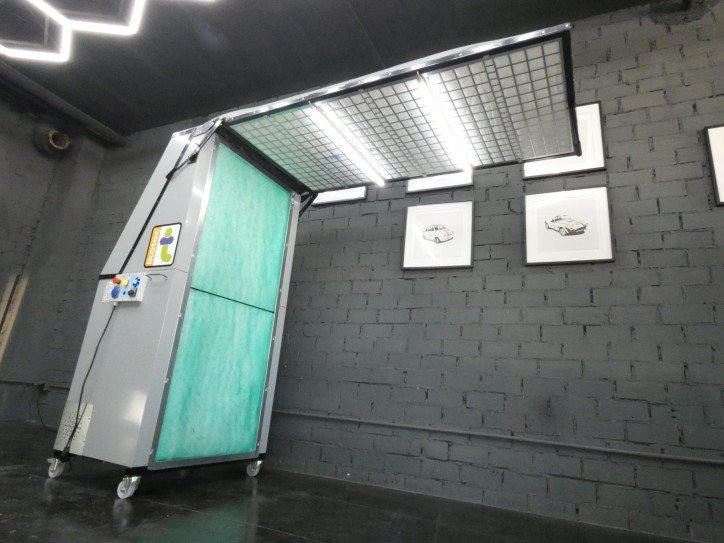
Robotic paint booths and digital color matching ensure a flawless appearance. Tools like Axalta’s digital spectrophotometers guarantee a perfect color match, even on complex finishes. This technology reduces waste and speeds up turnaround.
In the automotive auto body field, the right paint process not only protects the vehicle but also restores it to showroom condition. Consistency and compliance are the hallmarks of a top-tier shop.
Step 6: Reassembly, Calibration, and Quality Control
The final step is reassembly, calibration, and quality control. Modern vehicles are loaded with ADAS sensors and cameras that require precise recalibration after repairs. Technicians use advanced software and tools to ensure every system functions correctly.
Final inspections are conducted to OEM standards, verifying both safety and aesthetics. According to the Society of Collision Repair Specialists, 80 percent of late-model vehicles now require some form of post-repair calibration.
For the automotive auto body industry, this step is critical. It ensures customer satisfaction and keeps vehicles road-ready, reflecting the professionalism of the shop.
Technology Integration in Modern Auto Body Shops
Technology is transforming the automotive auto body industry at a rapid pace. Modern repair shops are adopting advanced systems and tools to keep up with evolving vehicles and customer demands. Let us explore how digital workflow, cutting-edge equipment, and specialized training are shaping the future of auto body work.
Digital Workflow and Shop Management
Digital workflow systems are revolutionizing how automotive auto body shops operate. Cloud-based management tools streamline scheduling, inventory, and customer communications, offering transparency and efficiency for every job. Real-time updates keep technicians, managers, and customers informed throughout the repair process.
Shops now rely on digital estimating platforms to create precise repair plans, reducing errors and improving insurance claim accuracy. Features like automated parts ordering and repair tracking have become standard. According to Auto Body Management Software Market Trends, the adoption of shop management software is accelerating as businesses seek to stay competitive.
By embracing digital workflow, automotive auto body professionals can boost productivity and deliver a seamless customer experience.
Advanced Tools and Equipment for 2025
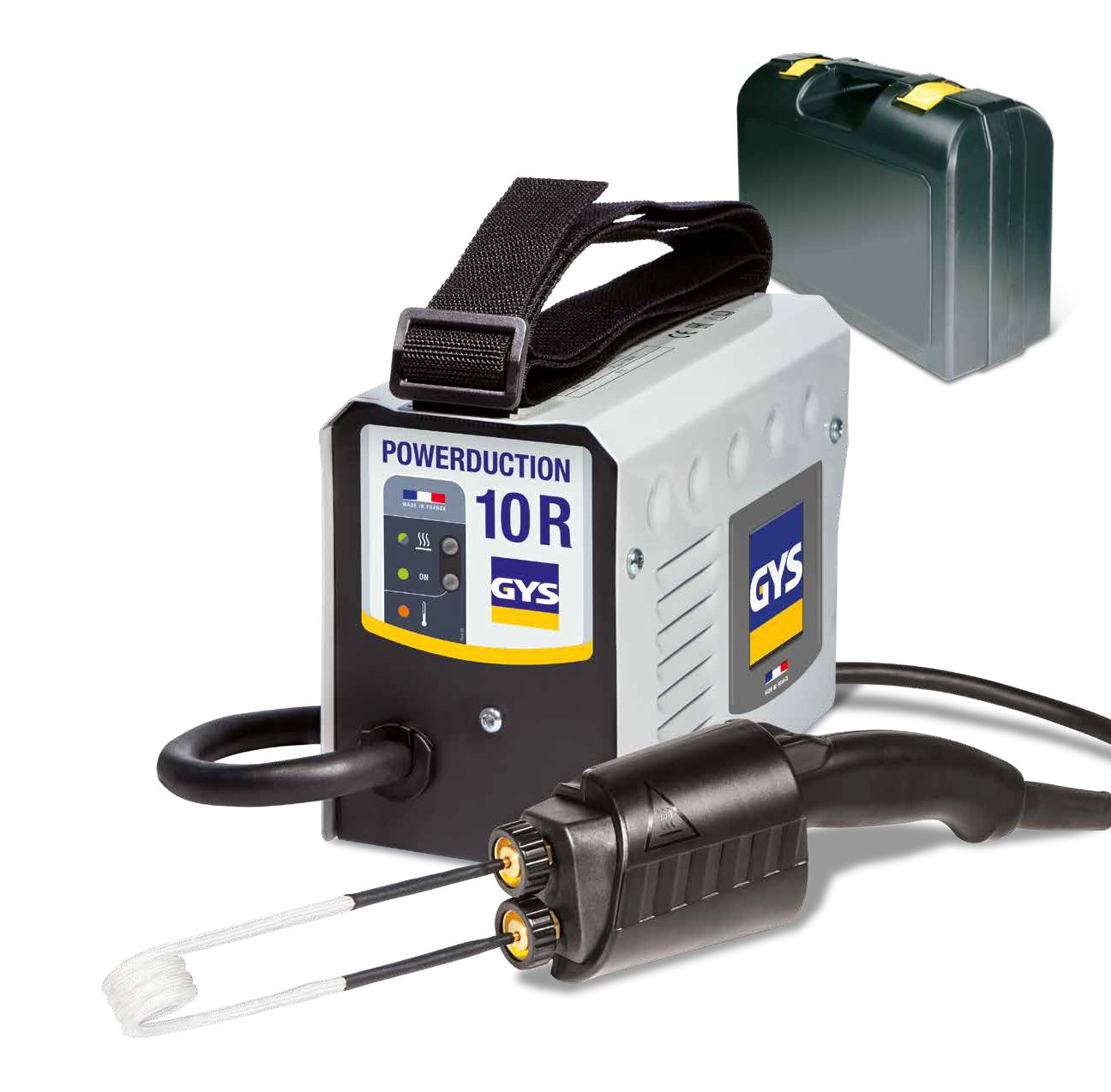
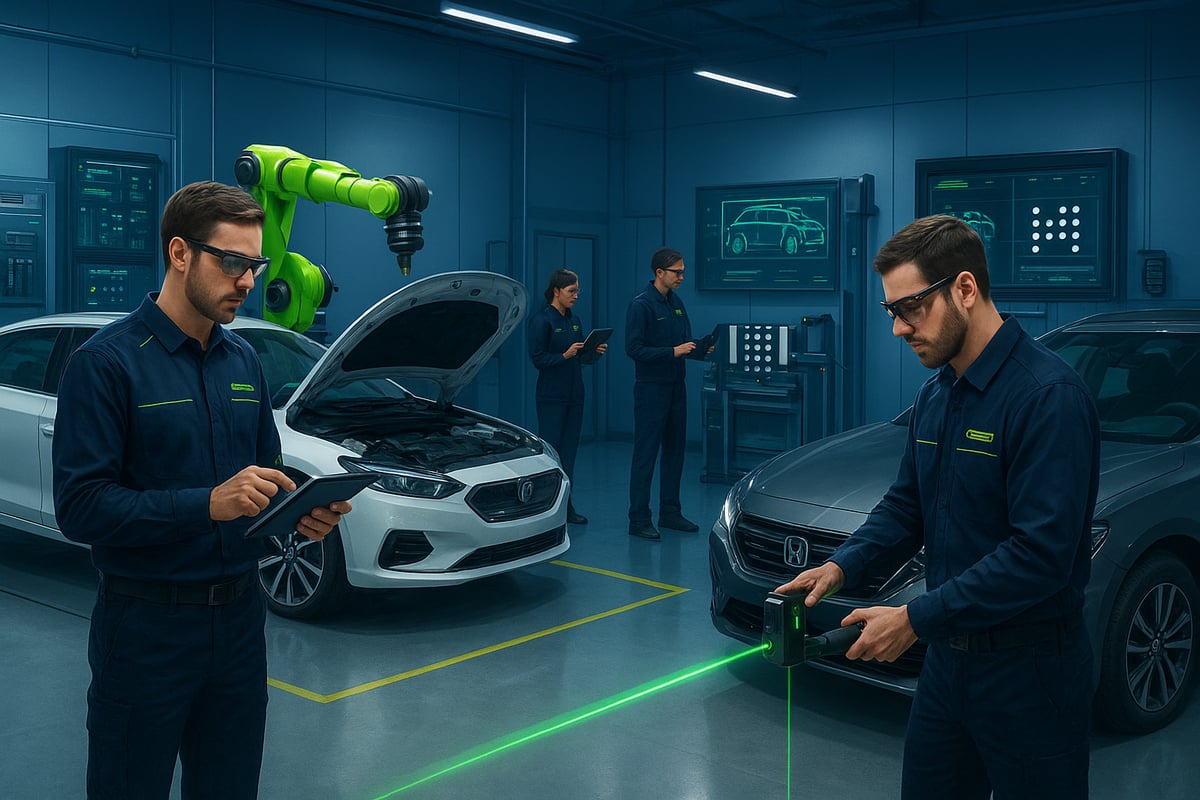
The automotive auto body landscape in 2025 demands sophisticated tools and equipment. Laser measuring systems allow technicians to assess vehicle frames with exceptional accuracy. Induction welders and aluminum repair stations are vital for handling modern materials like high-strength steel and composites.
Automation is on the rise, with robotics taking on repetitive or high-precision tasks such as welding and panel alignment. Chief’s Meridian Live Mapping System, for example, enables real-time structural analysis, helping shops maintain safety and quality standards.
Investing in advanced equipment ensures that automotive auto body shops remain equipped to repair the latest vehicle models efficiently and safely.
ADAS and Sensor System Repairs
Modern vehicles are packed with advanced driver-assistance systems (ADAS) and sensors. Repairing these components requires specialized knowledge and precision equipment. Technicians use calibration tools to align radar, lidar, and cameras, ensuring every system functions as intended after repairs.
Regular updates to calibration software are essential, as automotive auto body shops must keep pace with new sensor technologies. Industry data shows that 70% of new 2025 vehicles include at least one ADAS feature, making sensor repairs a core part of daily operations.
Proper calibration is crucial for both safety and vehicle performance, highlighting the importance of technical expertise in automotive auto body work.
Training and Certification for Technicians
The rapid evolution of automotive auto body technology calls for ongoing education. Technicians must stay current with new materials, electronics, and repair techniques. OEM certification programs provide training on manufacturer-specific procedures, tools, and safety protocols.
I-CAR’s Gold Class program is a leading standard in the industry, recognizing shops and technicians who meet rigorous training requirements. Continuous learning ensures that repairs meet the highest quality standards and keeps automotive auto body professionals up to date with industry advancements.
Certification also builds trust with customers and insurers, making it a valuable asset for any modern shop.
KGM Equipment: Your Partner in Collision Repair Technology
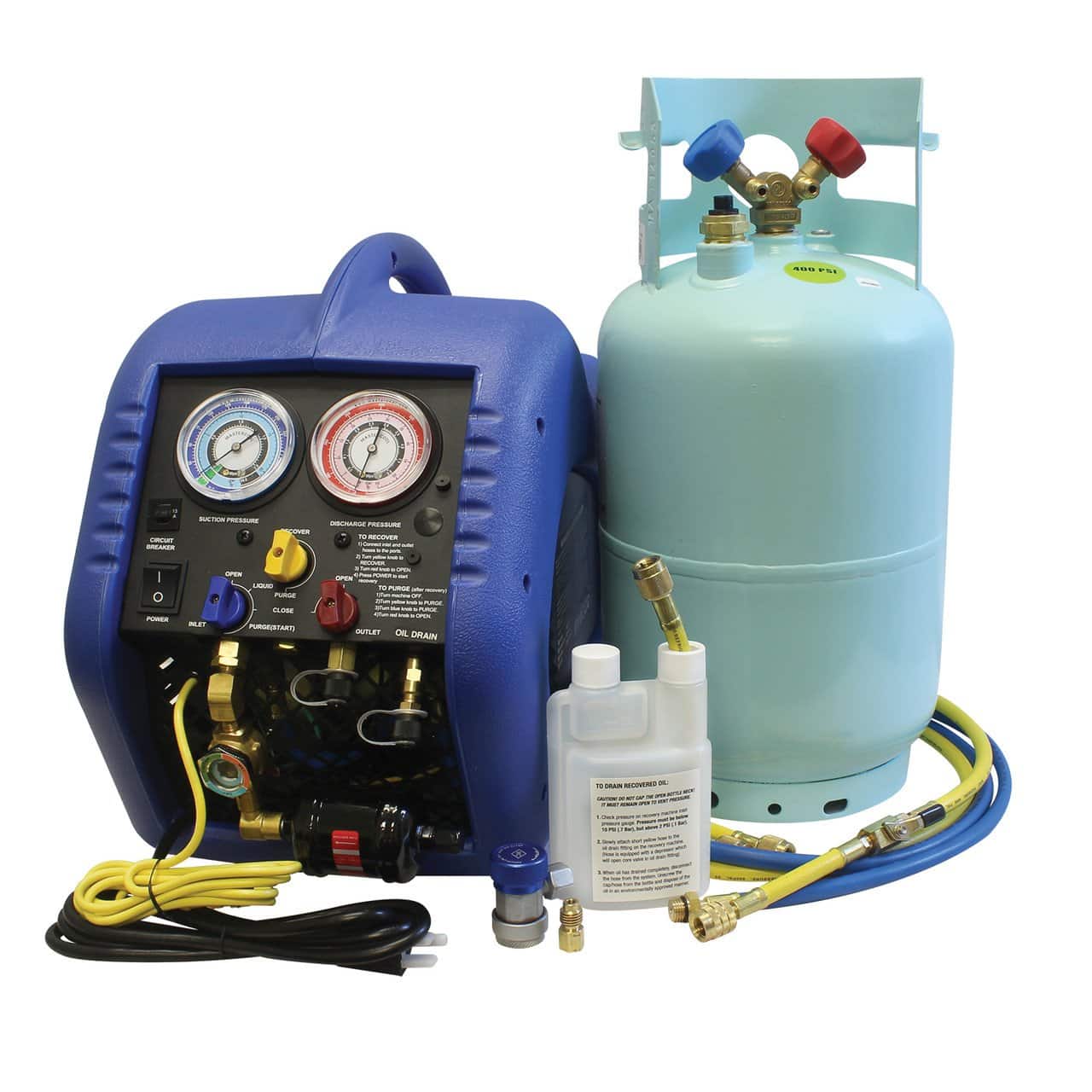
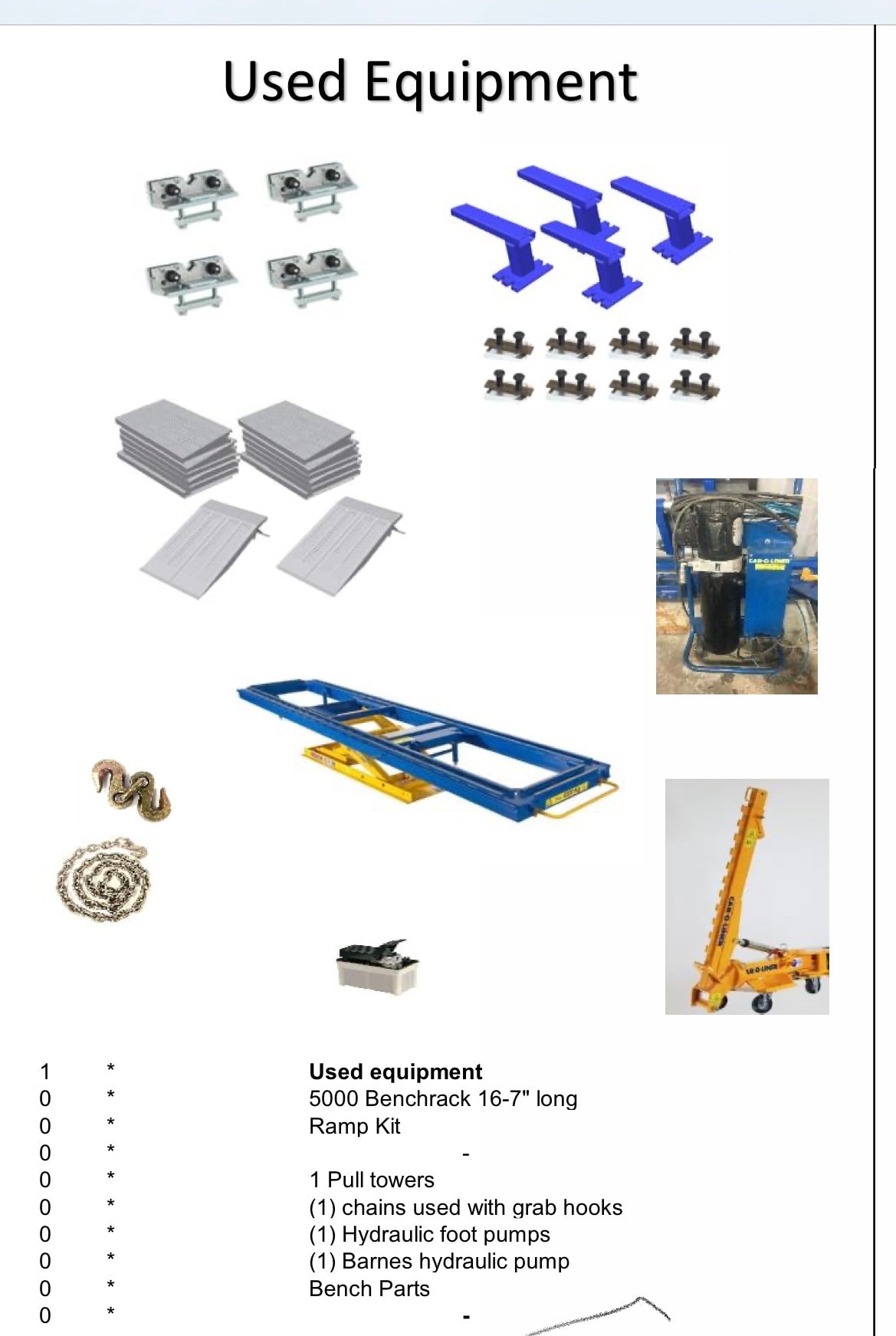
When it comes to equipping an automotive auto body shop for the future, KGM Equipment stands out as a trusted partner. They offer a wide selection of collision repair tools, from frame machines and dent pullers to spot welders and advanced diagnostic devices.
KGM Equipment provides tailored solutions for both traditional vehicles and the growing EV and hybrid market. Their expert support and flexible financing options help shops invest in the latest technology without straining budgets.
With a reputation for quality and reliability, KGM Equipment empowers automotive auto body professionals to deliver outstanding results in an ever-changing industry.
Sustainability and Environmental Responsibility in Auto Body Repair
Sustainability is no longer optional in the automotive auto body industry. Repair shops, manufacturers, and vehicle owners are all looking for ways to reduce environmental impact while keeping quality high. Let’s explore how greener practices are changing every part of automotive auto body work.
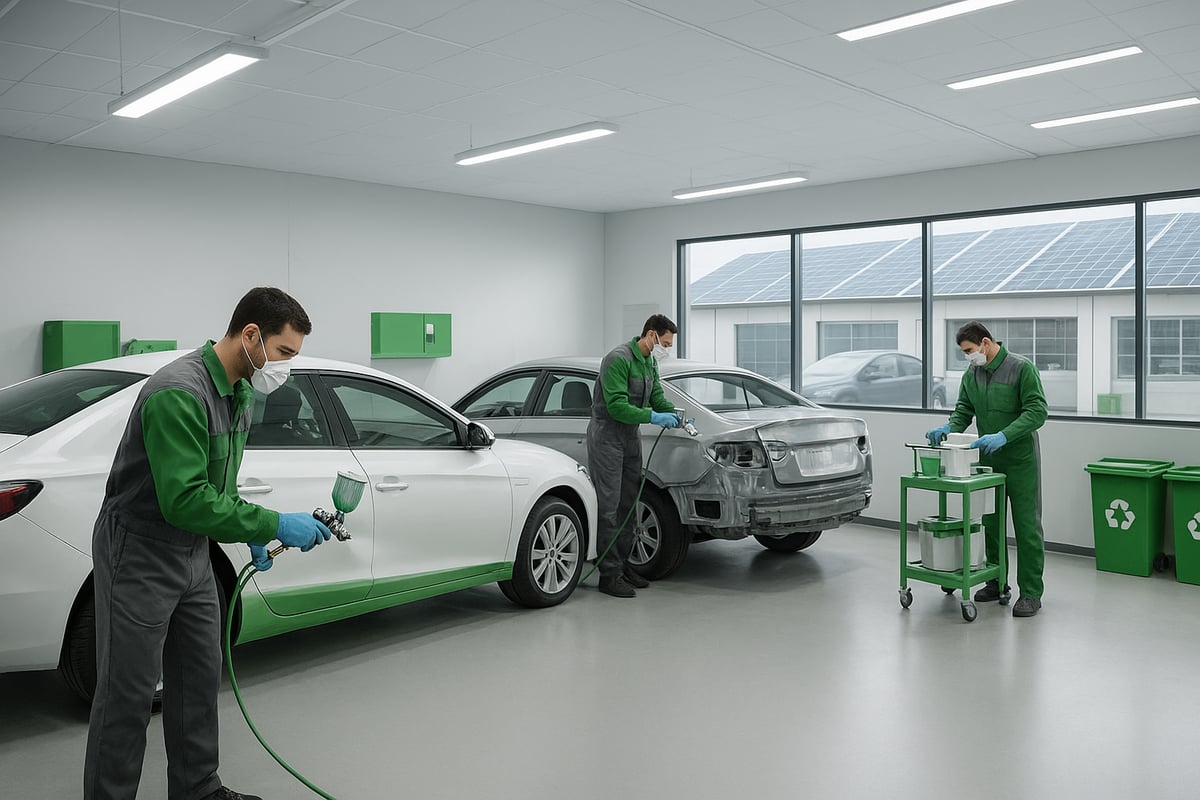
Eco-Friendly Paints and Materials
The shift to waterborne paints and low-VOC coatings is transforming automotive auto body refinishing. These products emit fewer harmful chemicals, making the shop safer for both workers and the environment. Many shops also use recycled or recyclable body panels, further reducing waste.
Some manufacturers, like BASF, offer eco-efficient refinish systems that meet strict environmental standards. Adopting eco-friendly body work practices helps automotive auto body shops attract environmentally conscious customers and comply with regulations. Using sustainable products is a win for the planet and the bottom line.
Energy Efficiency in Shop Operations
Automotive auto body shops are improving energy efficiency by upgrading to LED lighting, high-efficiency HVAC systems, and even integrating solar panels. These upgrades reduce electricity use and operating costs, making shops more sustainable.
According to the EPA SmartWay program, shops that invest in energy-efficient technology report a 15 percent reduction in operating costs. Simple changes, like using programmable thermostats or motion-activated lights, can have a big impact. Energy savings benefit both the environment and the shop’s financial health, making it a smart move in automotive auto body operations.
Waste Management and Recycling Initiatives
Proper waste management is essential for any automotive auto body shop. Shops must handle hazardous materials like solvents, batteries, and airbags with care to prevent environmental harm. Many partner with certified recycling providers to ensure safe disposal and maximize recycling.
Industry groups such as the Automotive Recyclers Association promote best practices for sorting and recycling materials. By focusing on waste reduction and recycling, automotive auto body professionals help create a cleaner, safer community. Responsible waste handling is now a standard expectation in the industry.
Compliance with Environmental Regulations
Staying compliant with EPA and local environmental rules is a must for every automotive auto body shop. This includes keeping detailed records of paint use, solvent disposal, and recycling efforts. Shops must be ready for audits and inspections at any time.
Non-compliance can result in hefty fines, but proactive management brings benefits like smoother operations and improved reputation. By prioritizing compliance, automotive auto body businesses build trust with customers and regulators. Regulations are evolving, so ongoing training and process updates are crucial.
The Business Case for Green Auto Body Shops
Going green is good for business in the automotive auto body sector. Eco-friendly shops attract customers and insurers who value sustainability, giving them a competitive edge. Green certifications and marketing set a shop apart in a crowded field.
According to Cox Automotive, 40 percent of consumers prefer shops with green certifications. Sustainable practices improve community relations and can even open doors to new business partnerships. Investing in sustainability is an investment in the long-term success of any automotive auto body shop.
Future Trends and Expert Predictions for the Auto Body Industry
Automotive auto body professionals are preparing for a future filled with rapid change. As technology, materials, and consumer expectations evolve, the industry is seeing new challenges and opportunities. Let’s explore what experts predict will shape auto body shops in the coming years.
The Rise of Electric and Autonomous Vehicles
Electric and autonomous vehicles are revolutionizing the automotive auto body industry. With more EVs and self-driving cars on the road, repair shops must adapt to new protocols for battery safety and sensor integration. Battery packs often require special handling, and the placement of sensors means even minor collisions can affect critical systems.
Shops now invest in advanced training and tools to service these vehicles safely. According to Collision Repair Industry Statistics 2025, the complexity of repairs is increasing as these technologies become mainstream. Staying ahead in automotive auto body repair means understanding how these trends impact workflows and safety standards.
Smart Materials and Self-Healing Coatings
Materials science is transforming automotive auto body repairs. Manufacturers are introducing smart materials and self-healing coatings that can repair minor scratches on their own. These innovations reduce the need for traditional paint and bodywork, saving time for both shops and customers.
For example, some automakers use nano-coatings that fill in small dings when exposed to heat or sunlight. The adoption of these advanced materials means technicians must learn new repair techniques and stay updated on OEM recommendations. Investing in training ensures an automotive auto body shop can handle the latest vehicle finishes and coatings.
The Impact of Artificial Intelligence and Automation
Artificial intelligence is streamlining the automotive auto body repair process. AI-powered diagnostics can quickly assess damage, suggest repair plans, and even automate some repetitive tasks. Technicians use advanced software to create estimates, reducing claim cycle times and improving accuracy.
Automation is also making a mark with robotic systems that handle welding, painting, and part replacement. According to the Automotive Collision Repair Market Forecast 2025-2030, shops embracing these technologies are seeing significant efficiency gains. For the automotive auto body field, AI and automation are quickly becoming essential for staying competitive.
Changing Insurance Models and Claims Processing
Insurance is evolving alongside automotive auto body technology. Many carriers now use AI-driven, photo-based claims, making the process faster for customers and repair shops alike. Direct repair programs and closer partnerships between insurers and shops are becoming standard.
This shift means shops must integrate digital communication and claims management tools into their daily operations. Staying current with these changes positions an automotive auto body business to attract more insurer referrals and streamline the repair process for clients.
The Growing Importance of OEM Certification
Original Equipment Manufacturer (OEM) certification is becoming a must-have for automotive auto body shops. As vehicles become more complex, manufacturers require certified repairs using approved parts and procedures. Insurers increasingly demand that repairs on advanced vehicles happen at certified facilities.
Certification programs ensure technicians are trained on the latest techniques and technologies. For shops, earning OEM status not only builds trust with customers but also opens doors to more high-value repair work. Maintaining up-to-date certification is now a key part of any forward-looking automotive auto body operation.
Workforce Development and the Skills Gap
The automotive auto body industry faces a growing skills gap. As technology advances, the need for well-trained technicians increases. Shops are partnering with organizations for apprenticeships and ongoing education, focusing on both traditional skills and new tech like EV systems and ADAS calibration.
Initiatives from groups like ASE and I-CAR provide structured training and certification paths. By investing in workforce development, automotive auto body businesses can ensure they have the talent needed to thrive in a rapidly changing market.
As we explore how auto body repair is evolving in 2025, it’s clear that having the right tools and support makes all the difference—whether you’re a seasoned technician or just starting out. From innovative materials and advanced diagnostics to specialized equipment for electric vehicles, staying ahead means working smarter, not just harder. If you’re ready to elevate your shop’s capabilities and keep pace with the industry’s latest trends, you’ll find a wide range of reliable tools and expert guidance at KGM Equipment. Take the next step in mastering modern auto body repair—Learn more.

