



Car dent repair is about to change the way you care for your vehicle in 2025. Dents and dings are not just frustrating, they can quickly drain your wallet and lower your car’s value if left untreated.
Imagine fixing dents with the latest expert-approved techniques, saving both time and money. New advancements in car dent repair now empower everyday drivers and professionals to achieve flawless results, often without the need for a full body shop visit.
Ready to restore your vehicle’s appearance and protect its worth? Follow this guide to explore the most up-to-date repair methods, essential tools, step-by-step processes for both minor and major dents, cost breakdowns, and a glimpse into the future of car dent repair.
Understanding Car Dents: Types, Causes, and Assessment
Car dents are a common frustration for vehicle owners, and effective car dent repair starts with understanding what you are dealing with. Not all dents are the same. The type, cause, and severity of a dent determine the right approach for repair and whether a DIY solution or professional help is needed.
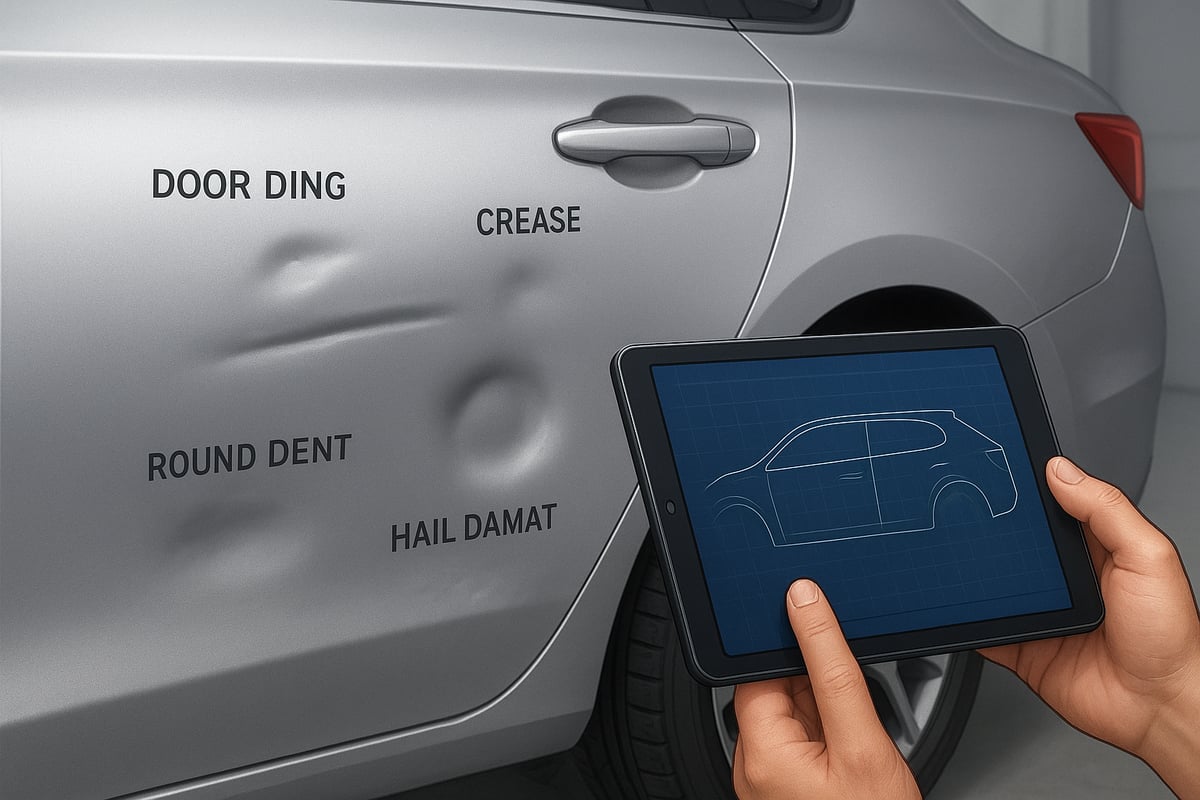
Types of Car Dents and Their Characteristics
Car dents come in several shapes and sizes. The most frequent are:
- Door dings: Small, shallow dents often found on side panels from parking lot mishaps.
- Creases: Long, narrow dents with a sharp line, usually from scraping against objects.
- Round dents: Smooth, circular indentations, typically caused by balls or minor impacts.
- Sharp dents: Pointed, deep dents resulting from forceful contact with corners or edges.
- Hail damage: Multiple small, round dents scattered across the surface after a hailstorm.
Each type impacts car dent repair differently. For instance, a door ding is often easier to fix with simple tools, while a deep crease may require advanced skills and equipment. Consider a door ding from a shopping cart—usually shallow and localized—versus widespread hail damage, which can affect multiple panels and need systematic repair.
Common Causes of Car Dents in 2025
Modern driving brings new challenges that increase the risk of dents. The most common causes today include:
- Urban congestion and narrower parking spots, which lead to accidental bumps.
- Severe weather events, especially hailstorms, are on the rise, with hail-related insurance claims up 15% in 2024.
- Distracted driving, which increases the chance of low-speed collisions.
- Changes in vehicle design, such as lighter materials, make panels more susceptible to dents.
These realities mean that car dent repair is more relevant than ever. As urban areas grow and climate patterns shift, drivers face higher odds of encountering dents in daily life.
Assessing Dent Severity and Repair Needs
A careful visual inspection is key before starting any car dent repair. Look for:
- Paint damage: Chips, cracks, or missing paint signal more complex repairs.
- Dent depth and width: Shallow dents are often suitable for DIY fixes, while deep or large dents may need professional attention.
- Metal stretch: If the metal looks rippled or feels loose, specialized tools might be required.
Digital assessment tools and smartphone apps can help estimate repair needs. Knowing when a dent is manageable at home versus when to seek expert help is crucial. For a deeper dive into practical solutions and decision-making, check out Solutions for Car Dents.
Importance of Early Dent Repair
Addressing dents quickly prevents bigger problems. Untreated dents can expose metal, leading to rust and paint cracking. This not only affects your car's appearance but also its value. Studies show that visible dents can reduce resale value significantly, making early car dent repair a smart investment.
Case Example: Real-World Assessment
Imagine comparing a minor door ding from a car door in a parking lot with a deep crease left after scraping a concrete post. The door ding may only require a basic puller and a few minutes of work. In contrast, the deep crease likely needs professional-grade car dent repair tools, more time, and sometimes even repainting.
Essential Tools & Materials for Car Dent Repair in 2025
Getting the right tools and materials is the first step toward successful car dent repair. Whether you are a DIY enthusiast or a professional technician, having modern equipment and safety gear will make all the difference in results, efficiency, and safety.
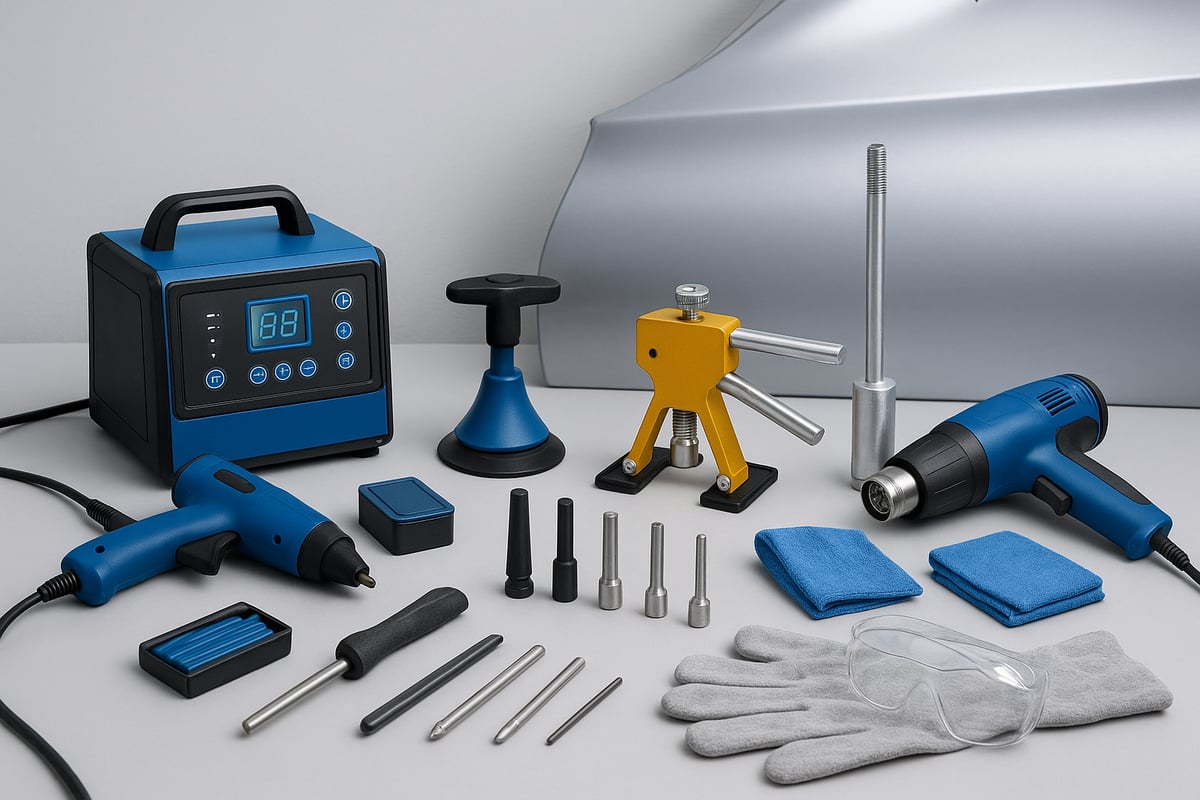
Must-Have Tools for DIY and Professional Repairs
To tackle car dent repair, you need a reliable set of tools. Start with basic dent pullers, available in both suction and glue-based styles. Slide hammers are essential for pulling deeper dents, while knockdown punches help refine the panel shape. For 2025, smart dent removal kits featuring digital sensors are gaining popularity, offering precise control and feedback.
- Dent pullers (suction and glue-based)
- Slide hammers for deep dents
- Knockdown punches and plastic-tipped hammers
- Heat guns for metal relaxation
- Smart digital dent removal kits
Using the right tool for each step of car dent repair can significantly improve your results.
Materials and Consumables
Every car dent repair job requires high-quality materials to ensure a smooth finish. Sandpaper ranging from 1500 to 3000 grit is ideal for prepping and finishing. Microfiber cloths help avoid scratches during cleaning and polishing. You will also need rubbing compounds, touch-up paint, glue tabs, adhesives, and release agents for glue-based repairs.
- Sandpaper (1500–3000 grit)
- Microfiber cloths
- Rubbing compounds
- Touch-up paint
- Glue tabs and adhesives
These consumables are crucial for achieving a seamless car dent repair that restores your vehicle's appearance.
Safety Equipment and Best Practices
Safety should never be overlooked in car dent repair. Always wear eye protection and gloves to guard against flying debris and chemicals. Adequate workspace ventilation is important when working with paints or adhesives. Avoid inhaling fumes and ensure your area is clutter-free to reduce the risk of accidents.
- Eye protection (goggles)
- Chemical-resistant gloves
- Proper ventilation
- Organized and clean workspace
Following these best practices keeps your car dent repair process safe and efficient.
Tool Selection Tips for 2025
Choosing the best tools for car dent repair in 2025 requires attention to your vehicle's construction. Many modern cars use aluminum or composite panels, which respond differently to force than steel. Aluminum panels, now featured on around 40 percent of new vehicles, demand specialized pullers and gentler techniques.
- Match tool type to panel material
- Use non-marring tools for aluminum
- Check compatibility with electric and hybrid vehicles
Selecting the right equipment for your specific car dent repair project helps prevent further damage and ensures a professional finish.
KGM Equipment: Your Partner in Collision Repair Tools
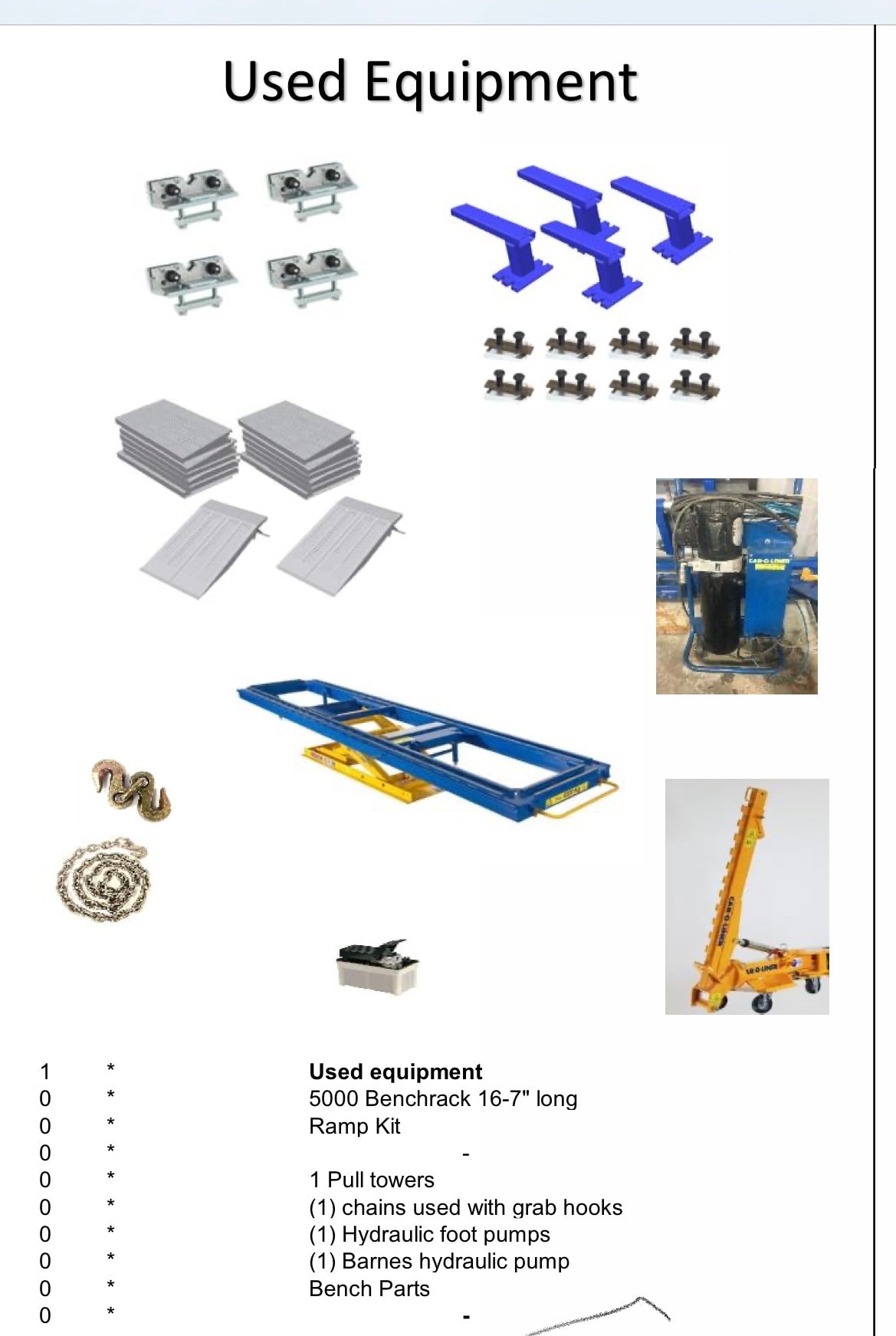
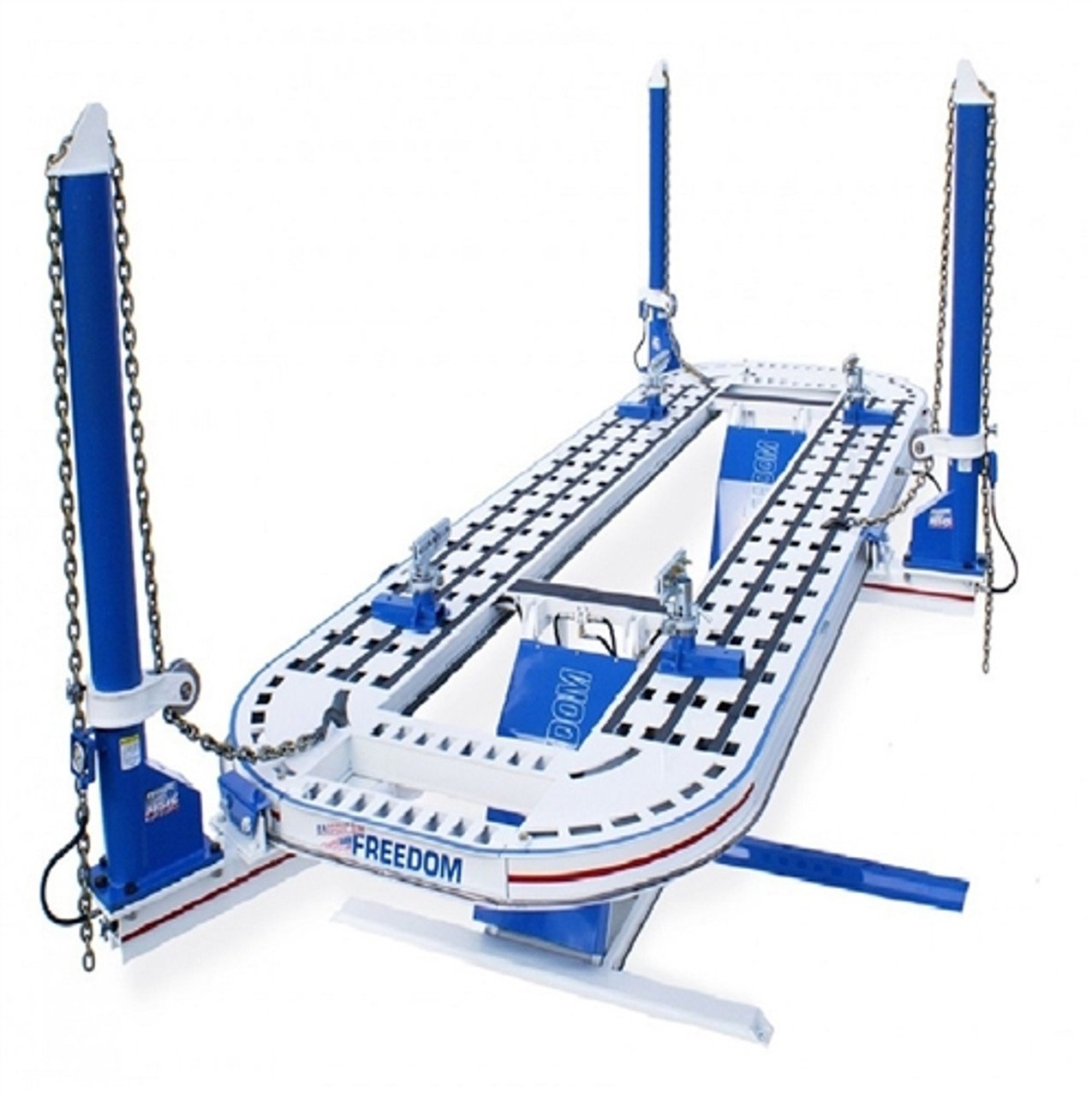
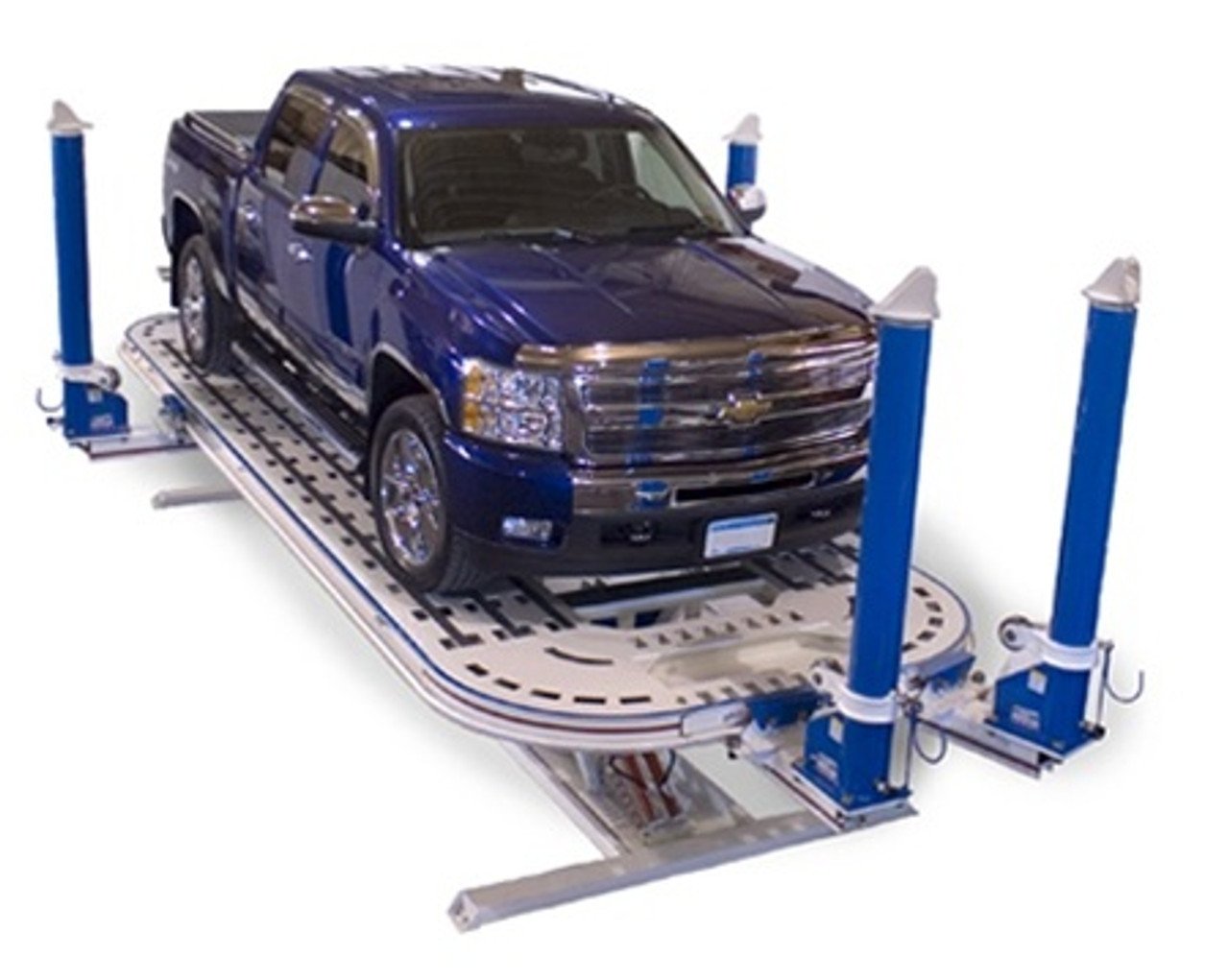
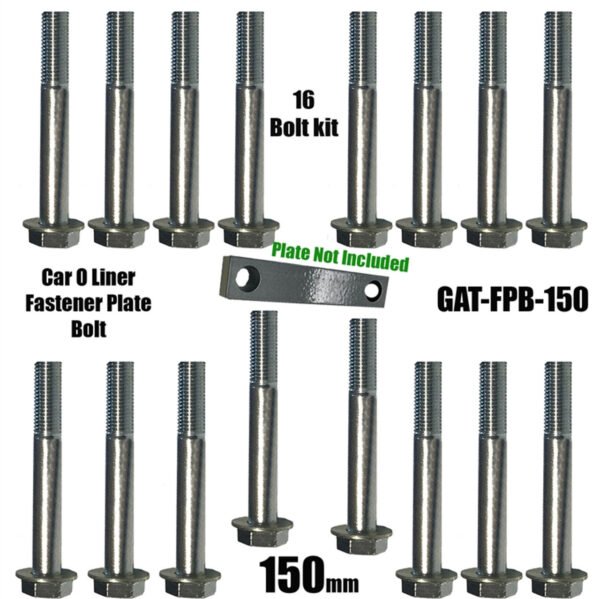
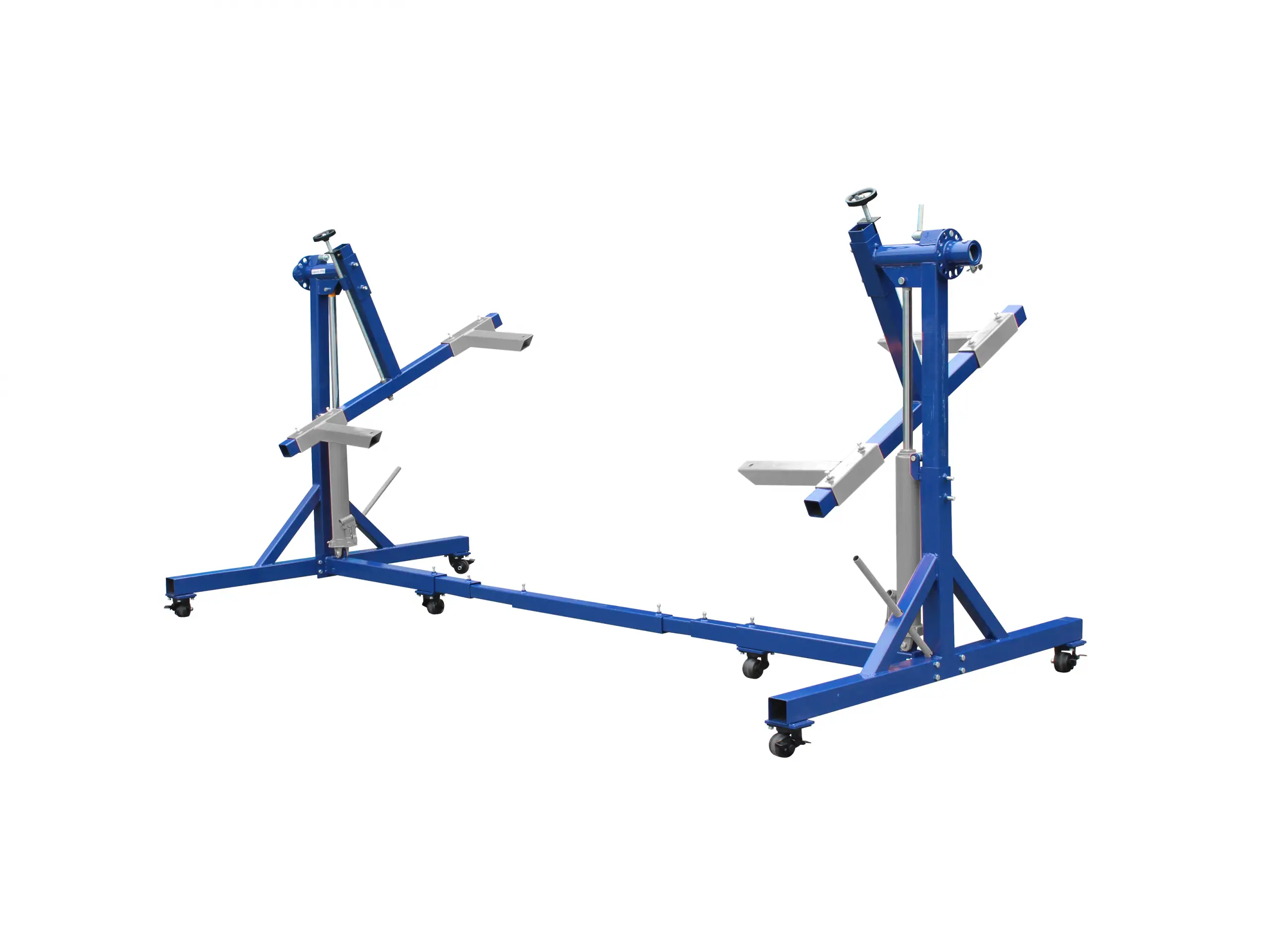
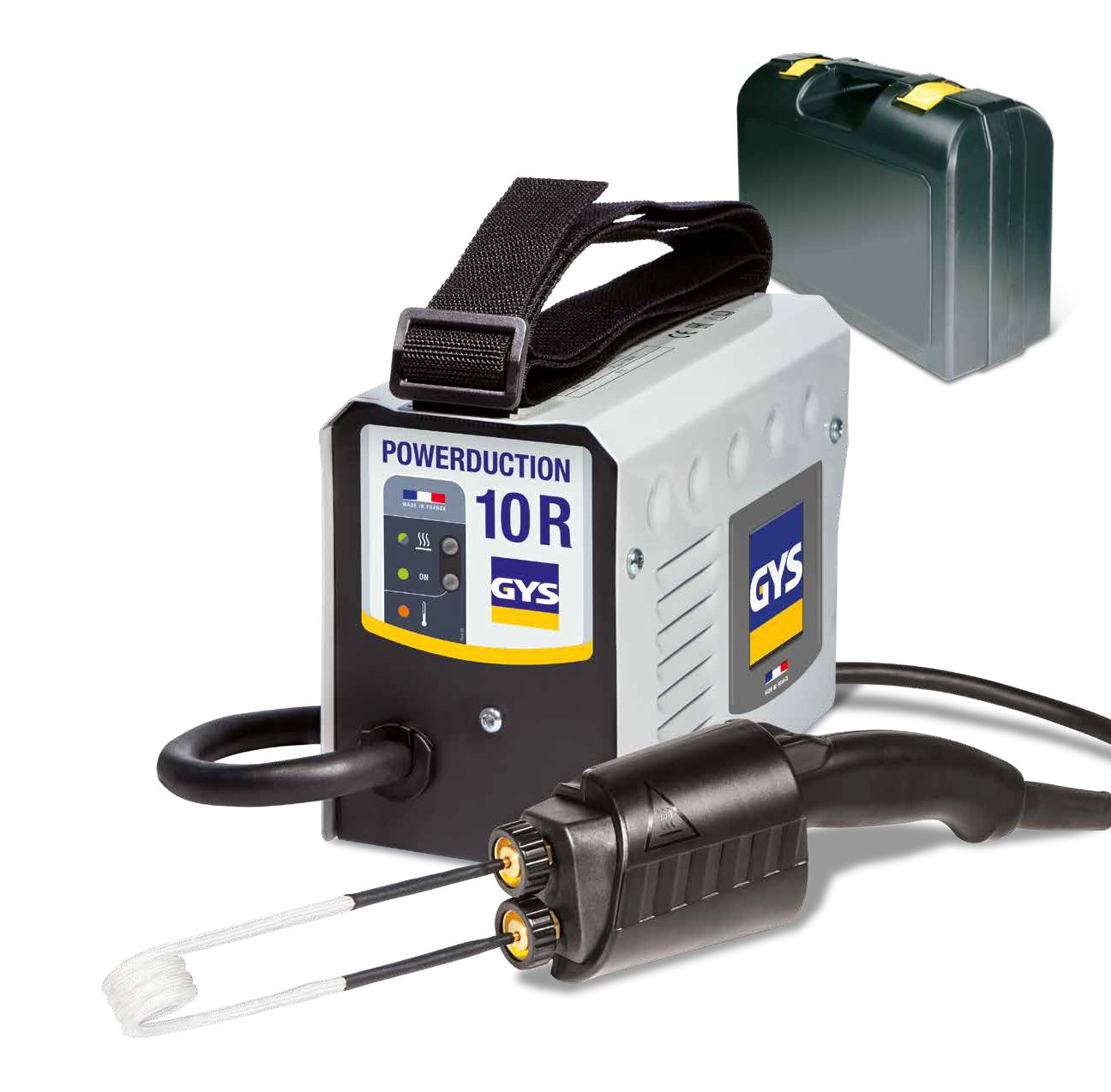
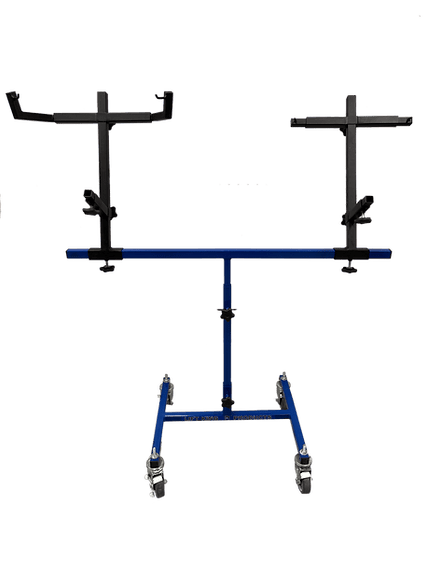
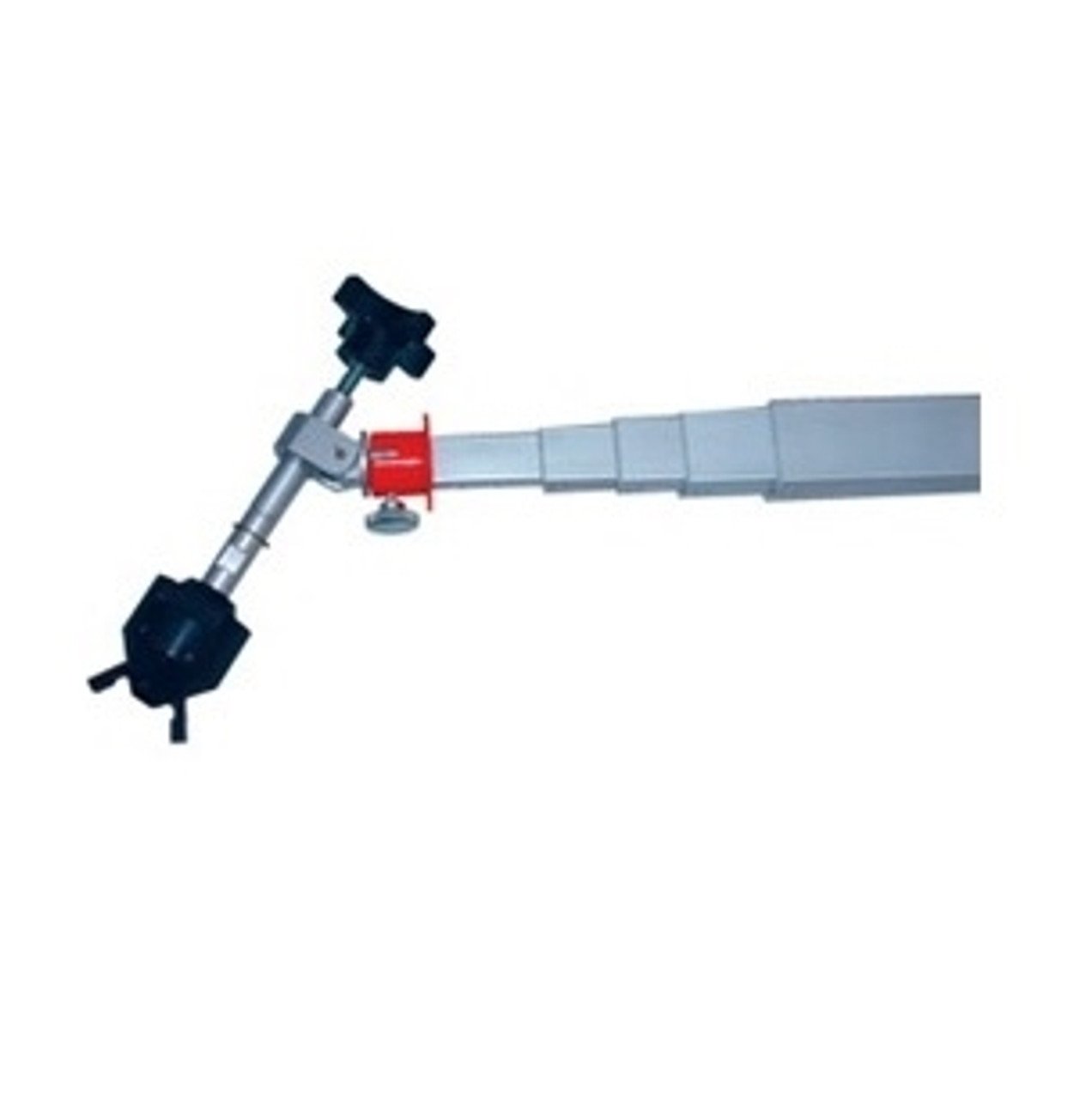
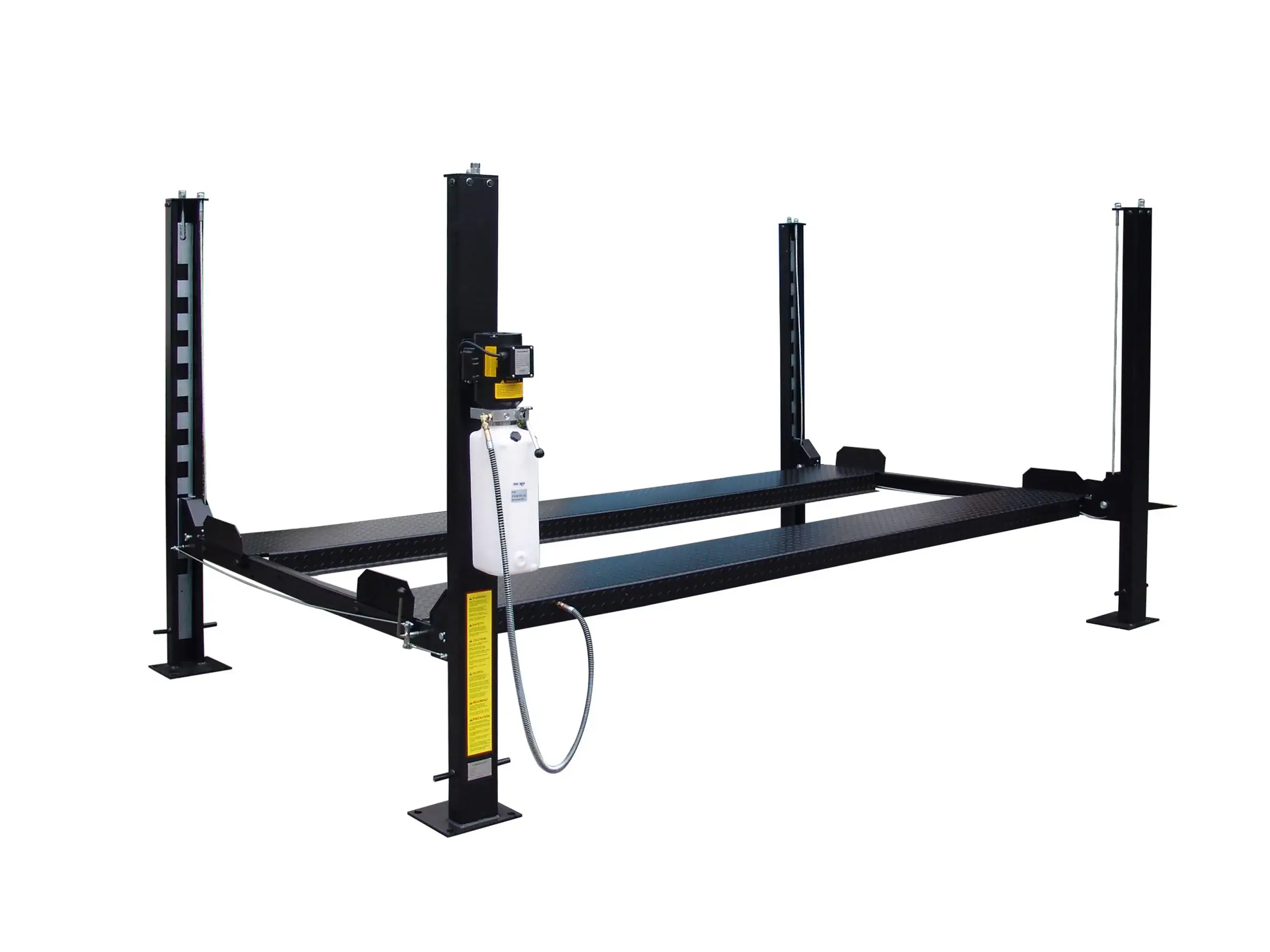
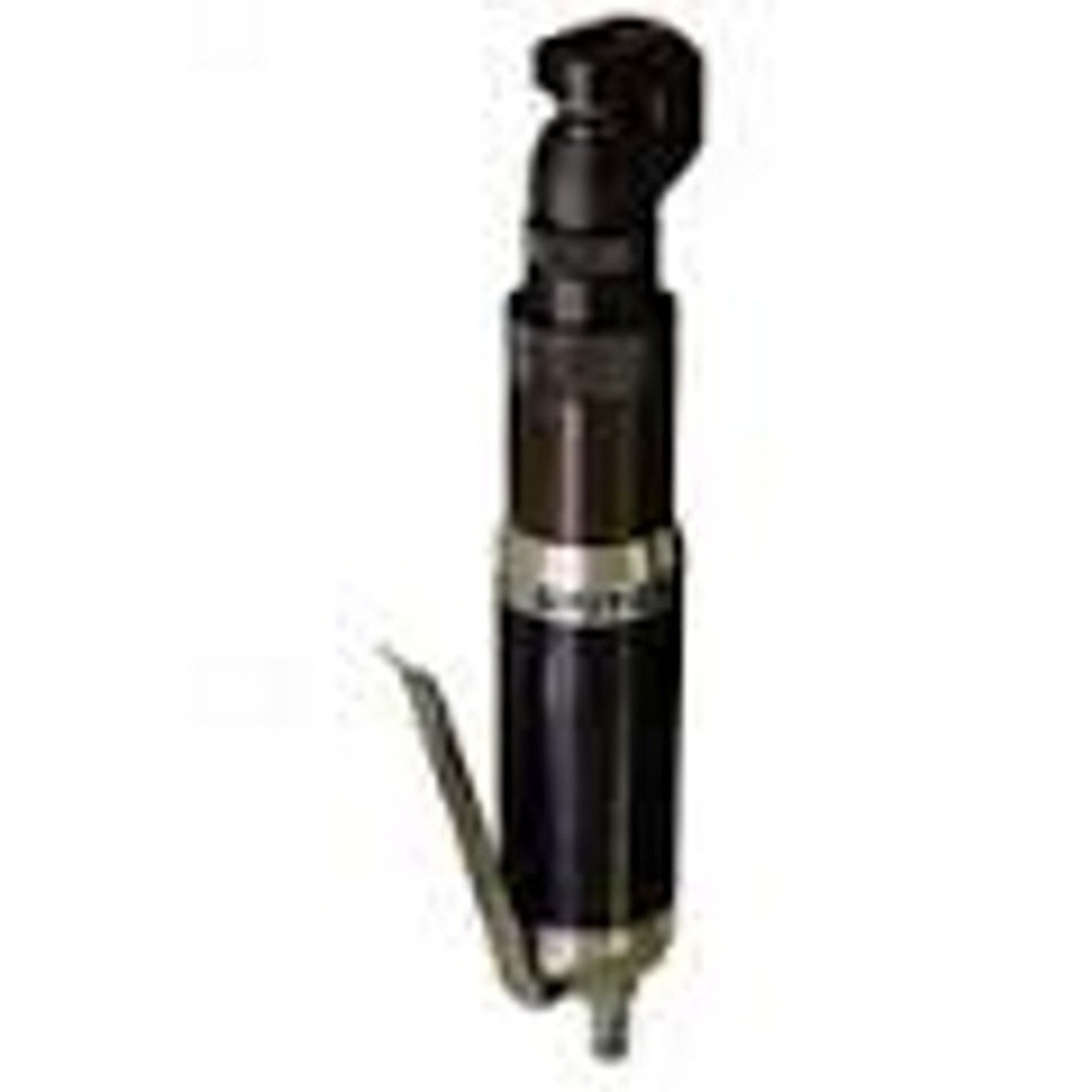
For both seasoned professionals and serious DIYers, Professional Dent Repair Equipment from KGM Equipment offers a comprehensive range of car dent repair tools. They supply high-quality brands, industry expertise, and tailored solutions for all types of auto body work. KGM also supports shops working on electric and hybrid vehicles, and they offer financing or used equipment to fit any budget.
Their expert support can make a real difference, helping you stay current with 2025's car dent repair trends and technologies.
Step-by-Step Guide: Repairing Small Car Dents (Paintless Dent Repair)
Repairing small dents yourself can save time and give you a sense of accomplishment. This section breaks down the car dent repair process using paintless techniques, guiding you from setup to finishing touches. Whether you are a beginner or a seasoned DIYer, following each step closely will improve your results.
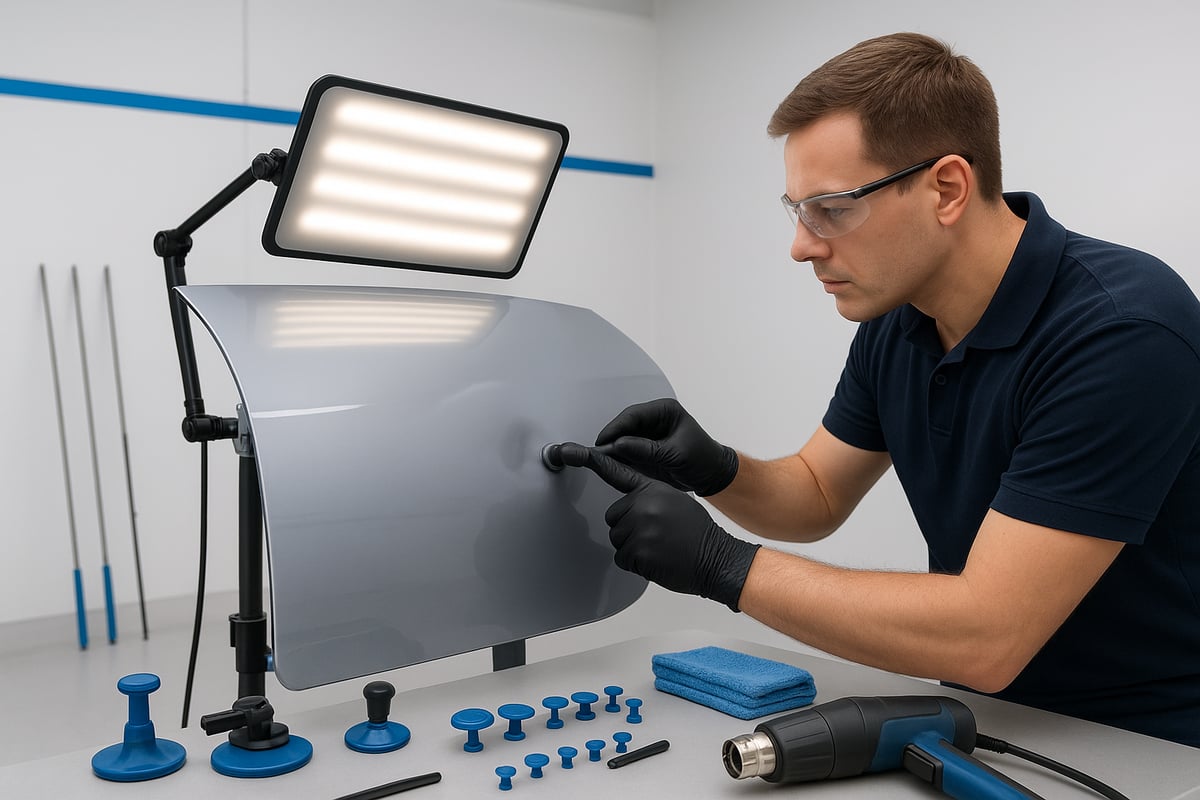
Preparation and Workspace Setup
Before starting car dent repair, clean and dry the damaged area thoroughly. Dirt or residue can interfere with tools and make it hard to see the dent clearly. Use a microfiber cloth and a gentle cleaner.
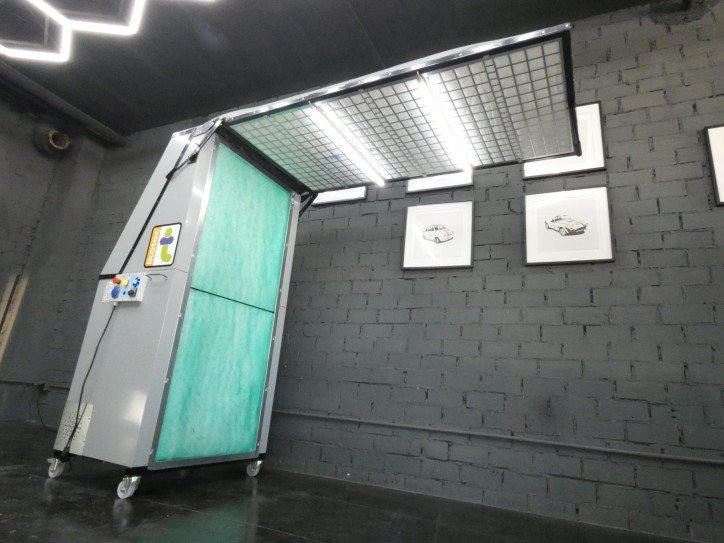
Set up your workspace with strong, even lighting. LED boards or reflective panels help you spot every contour. Many DIYers underestimate the difference lighting makes. Compare results with and without a dedicated LED board, and you will see how much easier it is to catch subtle dents.
Gather essential tools like suction or glue pullers, rods, and a heat gun. For a detailed list, consult the Dent Repair Tools Guide to ensure you have everything needed for a successful repair.
Step 1: Assessing Dent Accessibility
Start your car dent repair by evaluating how accessible the dent is. Can you reach it from behind the panel, or is it blocked by reinforcements?
If the area behind the dent is open, you can use rods or levers for more control. In some cases, you might need to remove an interior door panel or trunk liner. Always check the manufacturer’s instructions for safe removal to avoid damaging clips or wiring.
Accessible dents are easier to repair and less likely to cause additional paint or metal damage. This assessment step saves time and helps you choose the right tools for the job.
Step 2: Applying Heat to Relax Metal
Applying gentle heat is a crucial part of car dent repair. Modern vehicle paints are flexible, but sudden temperature changes can cause cracking. Use a heat gun or hair dryer to warm the dented area.
Keep the temperature between 120°F and 150°F for most finishes. Move the heat gun in circles, holding it 6–8 inches from the surface. This softens the metal and paint, allowing the dent to move without splitting the finish.
Do not overheat—excessive heat can cause the paint to bubble or discolor. Always test a small spot before applying heat to the entire area.
Step 3: Using Dent Pullers and Rods
With the panel warmed, you can now use tools to pull the dent. For shallow dents, a suction-based puller is often effective in car dent repair. Position the suction cup in the center of the dent, press firmly, and pull with steady pressure.
Glue-based pullers are ideal for slightly deeper dents or when suction is not enough. Apply a glue tab to the center, attach the pulling tool, and gently pull until the metal pops back. For dents accessible from behind, insert a rod and use slow, controlled pushes.
Always work gradually. Rushing this step can stretch the metal or worsen the dent. Each dent, even the smallest, has its own “memory” that responds best to gentle, repeated movements.
Step 4: Fine-Tuning with Knockdown Tools
After pulling, the panel may have high spots or small creases. Here is where knockdown tools come into play during car dent repair. Use a plastic-tipped hammer or punch to tap down raised areas carefully.
Focus on the edges of the dent first, then move toward the center. Alternate between pulling and tapping until the surface is as smooth as possible. This step is key for a seamless finish, especially on reflective or dark paint colors.
Patience is critical. Fine-tuning can take several rounds, but the end result is worth the extra effort.
Step 5: Finishing Touches
With the dent removed, finishing is the last part of car dent repair. Start by wet sanding the area with 1500 to 3000 grit sandpaper to blend any minor imperfections. Keep the surface wet to avoid scratching.
Buff the area with a rubbing compound and a microfiber cloth. This restores gloss and removes sanding marks. If you notice minor paint scratches, apply touch-up paint sparingly and let it cure completely.
Inspect the repair under good lighting. A flawless finish will boost your confidence and your vehicle’s value.
Troubleshooting Common Issues
Sometimes, challenges arise during car dent repair. If you notice paint damage, stop and reassess. Small chips may be fixed with touch-up paint, but larger cracks often need professional help.
Stubborn dents may not respond to pulling or tapping. Check if the metal is overstretched or if internal bracing is blocking your tools. In these cases, repeating earlier steps or consulting a technician may be necessary.
If you accidentally create a crease, do not panic. Go back to using heat and gentle pressure. The right approach and a bit of patience can resolve most issues before they become major problems.
Advanced Techniques: Repairing Large or Complex Dents
Repairing large or complex dents requires a different approach than minor dings. These repairs challenge both DIYers and professionals, demanding precision, patience, and the right technology. To master car dent repair for big or intricate damage, it is essential to understand the structure of the dent, choose the right tools, and follow a strategic process.
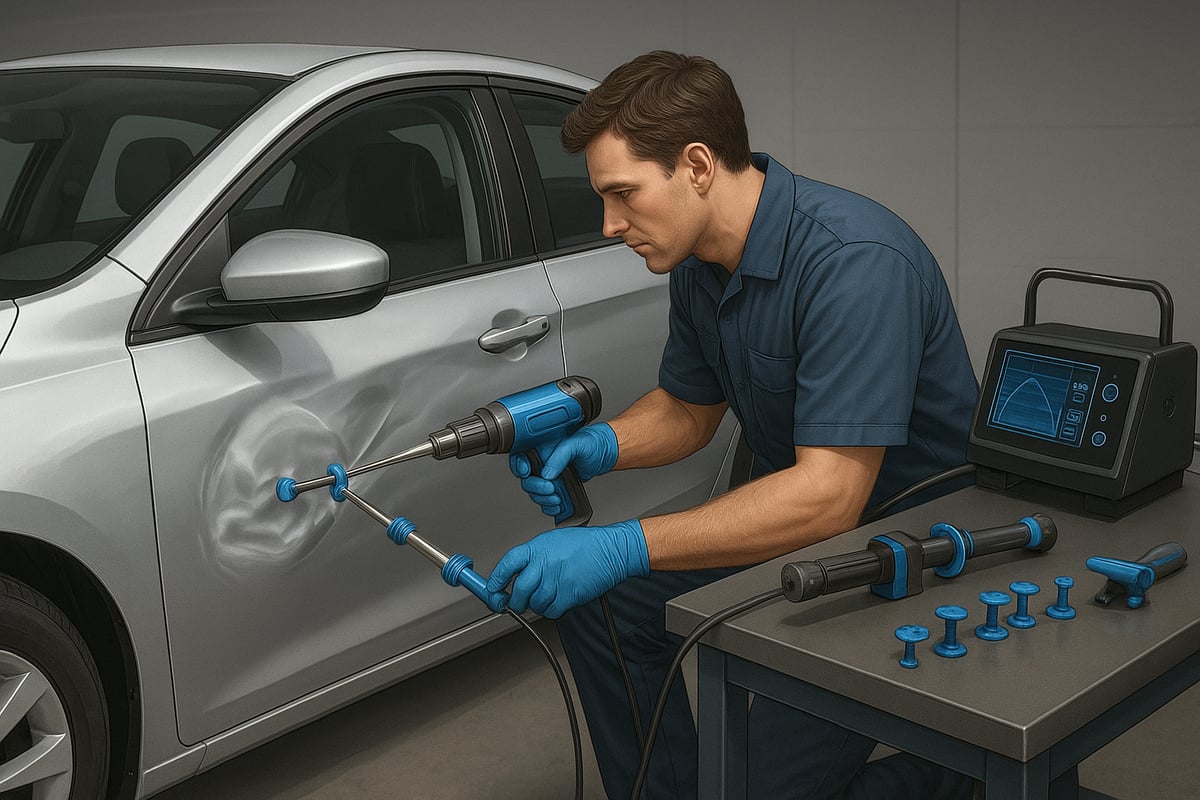
Understanding Large Dent Dynamics
Large dents behave differently than small ones due to their size and complexity. When performing car dent repair on these areas, the metal often has multiple tension and compression points. If you pull from only one spot, you risk creating new creases or stretching the metal further.
Staged or multi-point pulling is the key. This technique involves working on several parts of the dent at once, distributing force evenly. For example, a dent from a minor collision may have a deep center and raised edges, both requiring attention. The right approach prevents further panel distortion during car dent repair.
Step 1: Assessing Direction and Impact Zones
Begin by identifying the direction of impact and mapping out zones of tension and compression. Successful car dent repair relies on recognizing where the panel is stretched or compressed, as this determines your pulling strategy.
Use a straightedge or digital gauge to spot uneven surfaces. In complex dents, multiple glue tabs can be placed along both the center and the edges. For instance, a door dent with both a sharp center and an elongated crease will need tabs applied at each feature. This careful assessment ensures that car dent repair progresses without causing new problems.
Step 2: Multi-Tool Approach
Large dent removal often requires a combination of tools for effective car dent repair. Professionals and skilled DIYers use slide hammers, glue tabs, rods, and knockdown punches in sequence.
Here is a typical workflow:
- Attach glue tabs along the perimeter and center of the dent.
- Use a slide hammer for deeper areas.
- Insert rods behind the panel, if accessible, to gently push out low spots.
- Employ knockdown tools to flatten any high points.
Working from the edges inward, rather than pulling the center first, reduces stress and helps maintain the original shape during car dent repair.
Step 3: Managing Metal Stretch and Memory
When metal is stretched by a heavy impact, it loses its original shape and “memory.” To address this during car dent repair, use controlled heat and cooling cycles.
A heat gun can be applied to relax the metal, making it easier to reform. For excessive stretching, specialized shrinking tools or cold compressed air may be necessary. Alternate heating and cooling gradually, avoiding overheating the paint. This careful management helps restore the panel’s integrity, supporting a successful car dent repair outcome.
Step 4: Addressing Paint Damage and Finishing
Not all large dents can be fixed with paintless car dent repair. If paint is cracked or missing, traditional methods such as filler, sanding, and repainting may be needed.
Blending new paint with the existing finish is crucial for a seamless result. Professional shops use color-matching technology to ensure accuracy. According to Collision Repair Industry Statistics 2025, advanced repair solutions are becoming more common as vehicles adopt complex materials and finishes. Always finish with polishing and protective coatings to maintain the car’s value after car dent repair.
Professional Tips for Complex Repairs and When to Seek Help
Patience is your best ally in advanced car dent repair. Work slowly, making incremental adjustments rather than forcing the metal. Thousands of small movements produce the smoothest results.
Here is a quick table to help decide when to DIY or seek professional help:
| Dent Type | DIY Appropriate | Professional Recommended |
|---|---|---|
| Small round, shallow dent | Yes | No |
| Large crease or sharp dent | No | Yes |
| Paint cracked or missing | No | Yes |
| Aluminum/composite panels | Sometimes | Yes |
If you encounter deep creases, sharp dents, or extensive paint damage, professional car dent repair is worth the investment. Experts bring experience, specialized tools, and warranties for peace of mind.
Cost Considerations and Value Analysis for Dent Repair
Understanding the true cost of car dent repair is essential for any vehicle owner or professional. Whether you are considering a DIY approach or seeking professional help, knowing what to expect helps you make informed choices and protect your investment.
Let us start by comparing the most common options for car dent repair. DIY kits can range from $40 to $150, while professional paintless dent repair typically costs between $75 and $200 per dent. For larger dents that require traditional body shop work and repainting, costs often reach $300 to $1,000 or more.
| Repair Method | Average Cost (2024) | Typical Use Case |
|---|---|---|
| DIY Dent Repair Kit | $40–$150 | Minor dings, light hail |
| Professional PDR | $75–$200 per dent | Moderate dents, no paint damage |
| Traditional Body Shop | $300–$1,000+ | Large dents, paint damage |
Several factors influence the final price of car dent repair. These include the size and location of the dent, the material of your vehicle’s panels, and the type of paint finish. Newer cars with advanced materials or custom paint may cost more to repair, as highlighted by the Rising Repair Costs and Vehicle Technology report.
Insurance can help offset car dent repair costs, especially for damage caused by hail or collisions. However, filing a claim may affect your premiums, and some policies have high deductibles for minor repairs. Always check if your repair qualifies for coverage and whether it impacts your warranty, especially on leased or luxury vehicles.
Timely car dent repair offers long-term value. Untreated dents can lead to rust, paint cracking, and further damage. Data shows that visible dents can reduce a car’s resale value by up to 10 percent. By addressing repairs early, you maintain your vehicle’s appearance and avoid bigger expenses later.
A real-world example: One owner who tackled three small dents using a DIY kit saved over $400 compared to shop quotes. While car dent repair at home is often cost-effective for minor damage, larger or more complex dents may require a professional touch for best results.
Choosing between DIY and professional car dent repair comes down to the dent’s severity, your comfort with tools, and the value of your vehicle. Investing wisely ensures your car looks its best and retains its worth.
Future Trends in Car Dent Repair: 2025 and Beyond
Staying ahead in car dent repair means understanding the rapid changes shaping the industry. In 2025, technology, materials, and consumer habits are transforming how professionals and DIYers approach dent repairs. Let’s explore the innovations and trends you need to know.
Technological Innovations in Dent Repair Tools
2025 brings a wave of high-tech solutions to car dent repair. Smart dent detection apps let users scan panels, instantly identifying dent depth and size. Digital measurement systems provide pinpoint accuracy for repairs, while AI-assisted kits recommend the best tools and techniques. Augmented reality overlays now guide users step-by-step, bridging the gap between novice and expert.
These advancements help technicians deliver consistent, high-quality results. For DIYers, user-friendly apps and digital kits make tackling minor dents more accessible than ever.
Materials Evolution: Impact on Repair Methods
The rise of aluminum and composite panels is changing car dent repair fundamentals. Modern vehicles often feature mixed-material construction, with 40 percent of new cars in 2025 using blends of steel, aluminum, and composites. This shift impacts tool selection and repair strategies.
Repairing these advanced materials requires specialized approaches. For a deeper look at how the market is evolving, check the Global Paintless Dent Repair Market Growth report for regional trends and future projections.
Eco-Friendly and Sustainable Repair Practices
Sustainability is now a priority in car dent repair. Shops increasingly use low-VOC adhesives, reusable tools, and energy-efficient equipment. Paintless dent repair (PDR) stands out as an eco-friendly method, reducing the need for fillers and paints.
These green practices not only help the environment but also appeal to eco-conscious consumers looking for responsible repair solutions.
Training and Certification for Modern Technicians
As vehicles evolve, so must technician skills. Updated PDR training programs now include modules on electric, hybrid, and sensor-equipped vehicles. Ongoing education ensures repair professionals stay current with the latest tools and materials.
Certification is more important than ever, signaling expertise and reassuring customers that their vehicles are in capable hands.
Consumer Trends: DIY vs. Professional Services
The surge in online tutorials and smart repair kits is fueling a growth in DIY car dent repair. In 2024, 60 percent of car owners tried at least one DIY repair, reflecting a desire for cost savings and empowerment.
At the same time, complex damage and advanced vehicle features often require professional expertise. To understand how these trends affect claims and services, see U.S. Car Parc Factors Impacting Collision Repair Trends.
Predicting the Next Wave: Autonomous Vehicle Panels and Sensors
The future of car dent repair will include new challenges as autonomous vehicles become common. Sensor-equipped bumpers and panels require delicate handling and specialized tools. Technicians will need to future-proof their skills, staying ready for evolving vehicle technology.
Staying informed on these trends ensures you remain prepared for whatever comes next in car dent repair.
Whether you’re tackling a small door ding or planning a full-scale repair for complex dents, having the right tools makes all the difference. Throughout this guide, we’ve walked through the latest techniques, smart equipment, and practical tips to help you achieve professional results—no matter your skill level. If you want to put these solutions into action, it’s worth exploring top-quality dent repair tools designed for 2025’s vehicles. I recommend checking out KGM Equipment’s selection for reliable, up-to-date options and expert support tailored to both DIYers and pros.
Shop Now

