


Imagine your vehicle’s structure taking a hit in an accident. Where do you turn for trustworthy repairs? Choosing the right automobile frame shop can mean the difference between restored safety and lasting problems.
This essential guide will walk you through everything you need to know about automobile frame shop services in 2025. We’ll explain the latest repair technologies, outline step-by-step processes, break down costs, and share how to pick a reputable provider.
By the end, you’ll understand the risks of improper repairs, discover new advancements, and gain tips for ensuring your car is safe and valuable for years to come.
Understanding Automobile Frame Shop Services
Imagine your vehicle suffers a serious collision. Where do you turn for structural repairs that guarantee both safety and value? Enter the world of the automobile frame shop—a vital resource for modern drivers and repair professionals. This section unpacks what an automobile frame shop does, the kinds of frame damage it addresses, the range of services provided, why professional repairs matter, and how frame shops have evolved for 2025.
What is an Automobile Frame Shop?
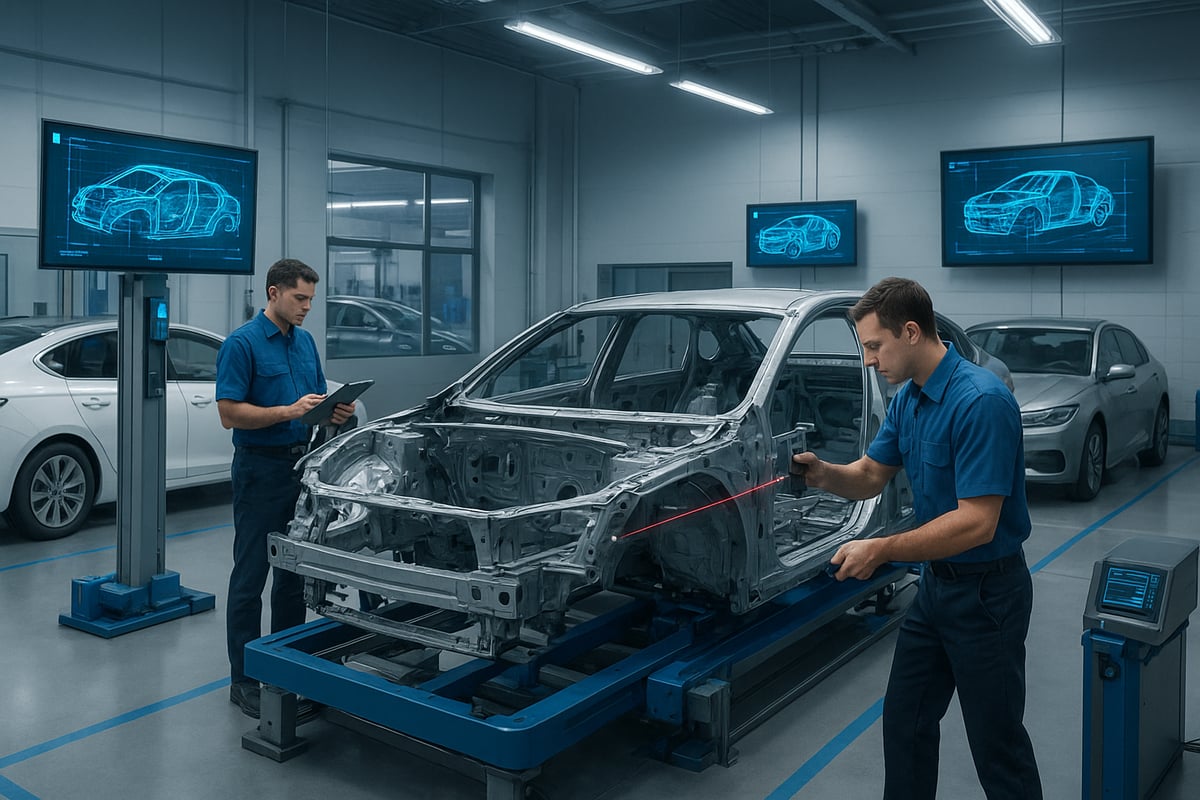
An automobile frame shop is a specialized facility focused on diagnosing, repairing, and restoring the structural frame of vehicles. Unlike general auto body shops, which handle cosmetic repairs like paint and minor dents, an automobile frame shop is equipped to address underlying structural damage that can affect a vehicle's safety and drivability.
Frame integrity is crucial—any compromise can threaten airbag deployment, crumple zones, and overall crashworthiness. Automobile frame shops typically service a wide range of vehicles, including cars, trucks, and SUVs. For example, after a major collision that bends the chassis, only an automobile frame shop has the tools and expertise to restore the vehicle to manufacturer standards.
Types of Frame Damage
Understanding frame damage starts with the two main vehicle frame types: unibody (common in cars and crossovers) and body-on-frame (used in trucks and some SUVs). Each construction type responds differently to impacts and stress.
| Frame Type | Common Vehicles | Typical Damage |
|---|---|---|
| Unibody | Cars, Crossovers | Bends, twists |
| Body-on-frame | Trucks, SUVs | Cracks, misalignments |
Frame damage often results from collisions, corrosion, or everyday wear and tear. Symptoms include uneven tire wear, misaligned doors, and abnormal road handling. Industry data shows up to 50% of vehicles in collisions experience frame misalignment. Ignoring such issues can lead to unsafe driving conditions and costly future repairs.
Core Services Offered
A modern automobile frame shop offers a comprehensive suite of services to address every aspect of frame repair. These include:
- Frame straightening and alignment using hydraulic equipment
- Structural welding and reinforcement for damaged sections
- Replacement of severely compromised frame components
- Advanced diagnostic measuring with digital systems
- Post-repair inspections and certifications for safety
For instance, after a T-bone accident, a frame shop uses specialized tools to realign the chassis exactly to factory specifications. Curious about the essentials behind these processes? You can learn more about frame measuring tools explained, which are critical for accurate diagnosis and repair in any automobile frame shop.
The Importance of Professional Frame Repair
Choosing a professional automobile frame shop for structural repairs is vital for several reasons. Improper repairs can compromise your vehicle’s crash safety, reduce its resale value, and even void your insurance coverage. Many insurers require documentation from certified shops, and legal regulations often mandate repairs meet specific safety standards.
A real-world example: an insurance claim for collision damage may be denied if DIY repairs are detected. With advanced driver-assistance systems (ADAS) now integrated into most vehicles, precise repairs are more important than ever. Only a professional automobile frame shop can ensure all systems function safely after structural work.
How Frame Shops Differ in 2025
The automobile frame shop of 2025 looks very different from shops of the past. Today, shops use digital measuring and laser-guided systems for pinpoint accuracy. Repairs involve high-strength steel and aluminum, requiring specialized knowledge and equipment.
Compliance with OEM repair standards is now the norm, and automobile frame shops are increasingly equipped to handle electric and hybrid vehicles. For example, shops skilled in aluminum frame repairs can service popular models like the Tesla or Ford F-150, ensuring every vehicle meets manufacturer safety and performance guidelines.
The Modern Frame Repair Process: Step-by-Step
Every automobile frame shop in 2025 follows a detailed, technology-driven process to restore your vehicle’s structural integrity. Understanding what happens at each stage helps you appreciate the value of professional frame repairs and ensures you know what to expect when your car is in the shop.
Step 1: Initial Assessment and Damage Diagnosis
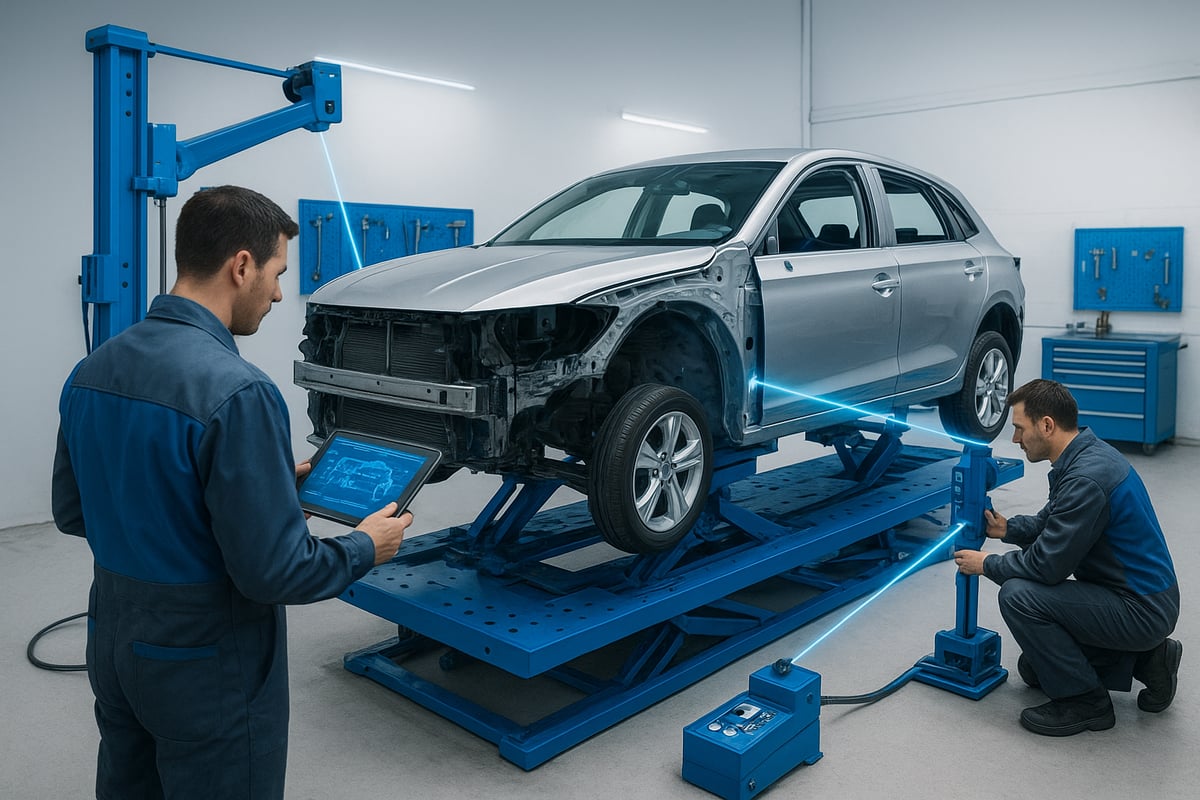
When your vehicle arrives at the automobile frame shop, the team begins with a thorough visual inspection. Technicians use advanced digital diagnostic tools to uncover both obvious and hidden frame issues.
Sophisticated computerized measurement systems scan your vehicle, mapping out even minute misalignments that the naked eye can miss. This step is crucial for accurate repair planning, as missing any damage can compromise safety. For example, 3D laser measurement in a 2025 shop can pinpoint frame deviations within a millimeter, ensuring nothing is overlooked.
Step 2: Disassembly and Preparation
Next, the automobile frame shop removes body panels, trim, and interior parts to gain full access to the frame. This careful disassembly uncovers hidden damage that may not have been visible during the initial assessment.
Technicians document all findings, creating a comprehensive repair plan. For electric and hybrid vehicles, special safety protocols are used to disconnect batteries and prevent electrical hazards. Data shows that nearly 30 percent of frame damage hides beneath the surface, making this step essential for a complete repair.
Step 3: Frame Straightening and Alignment
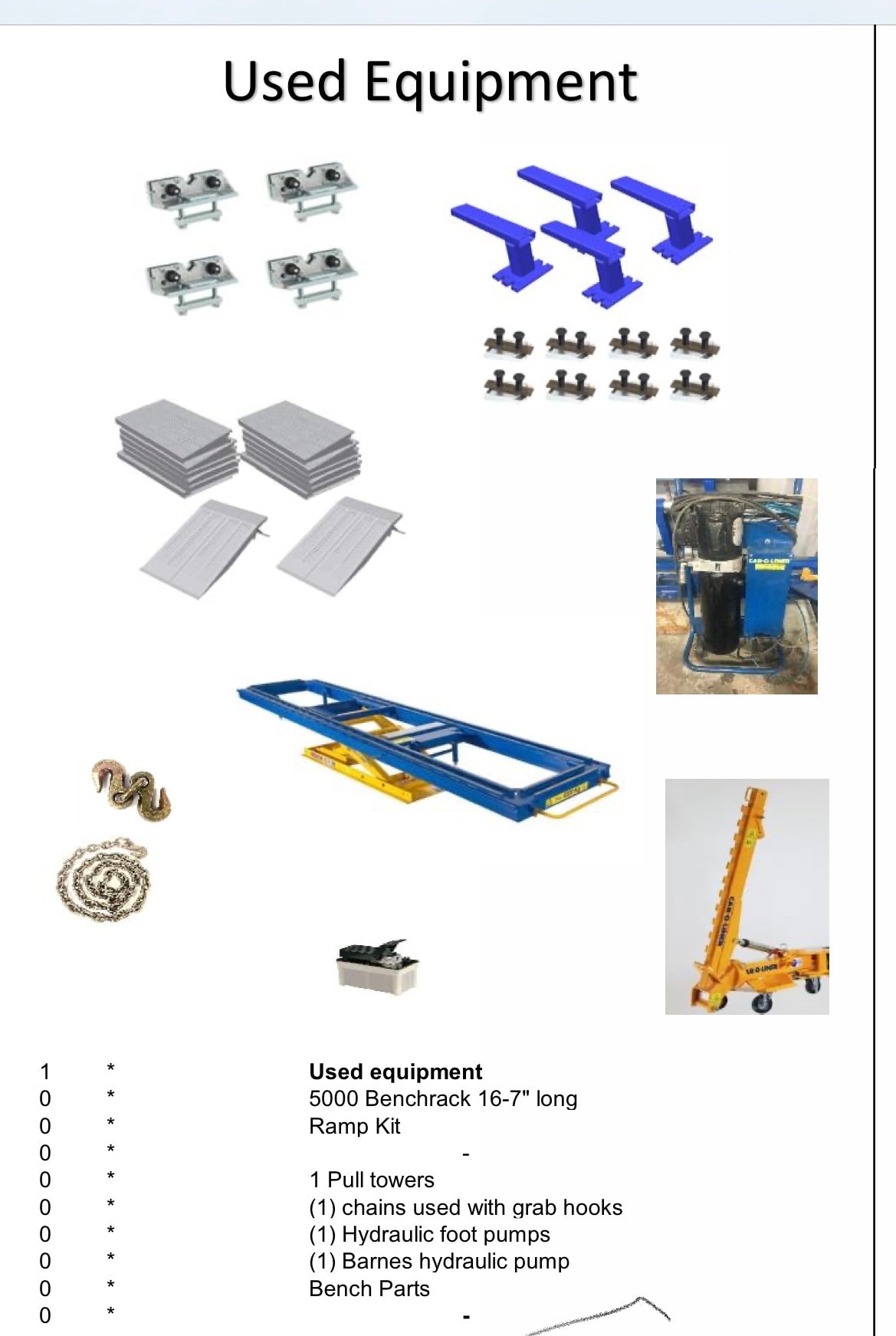
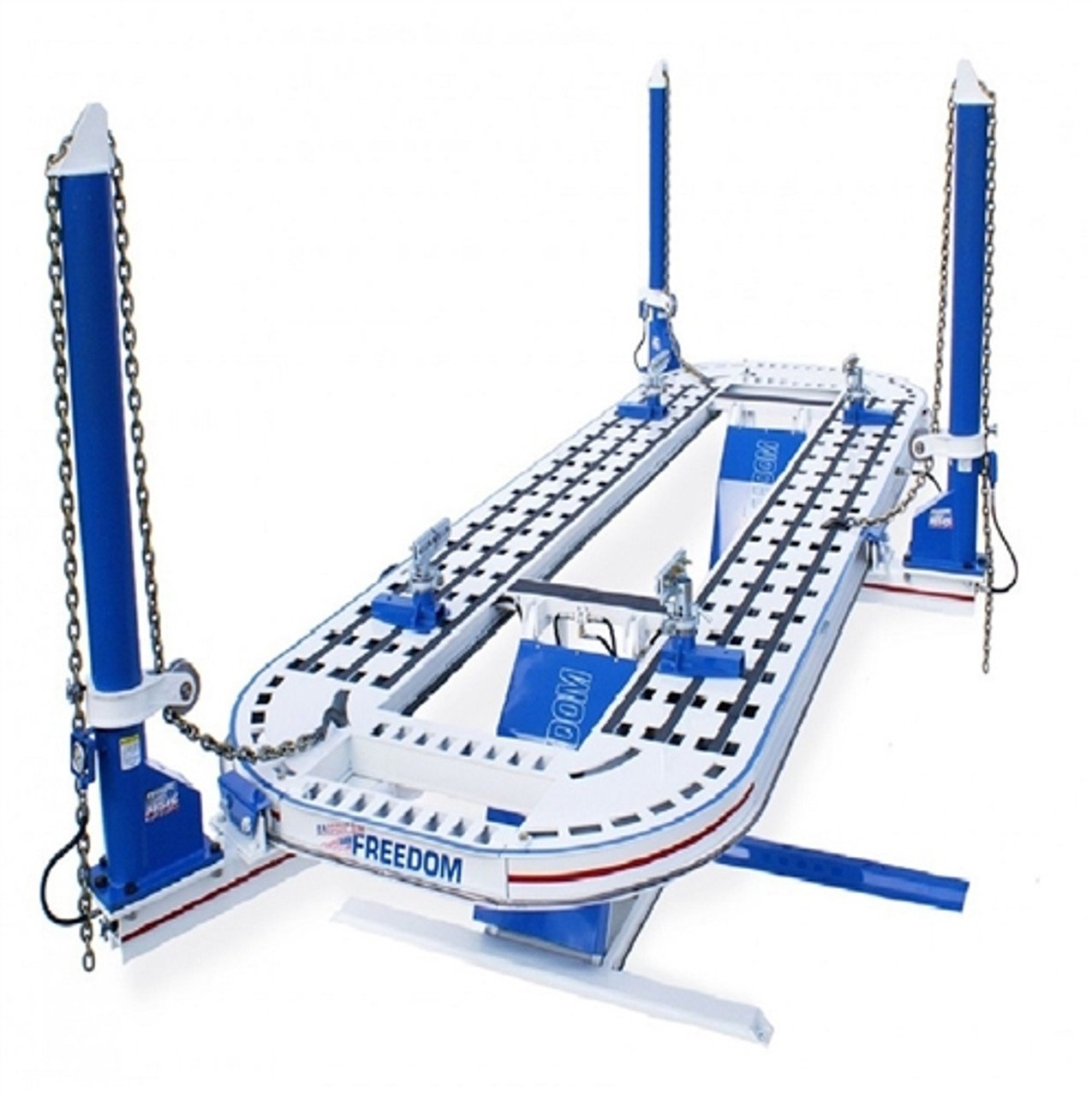
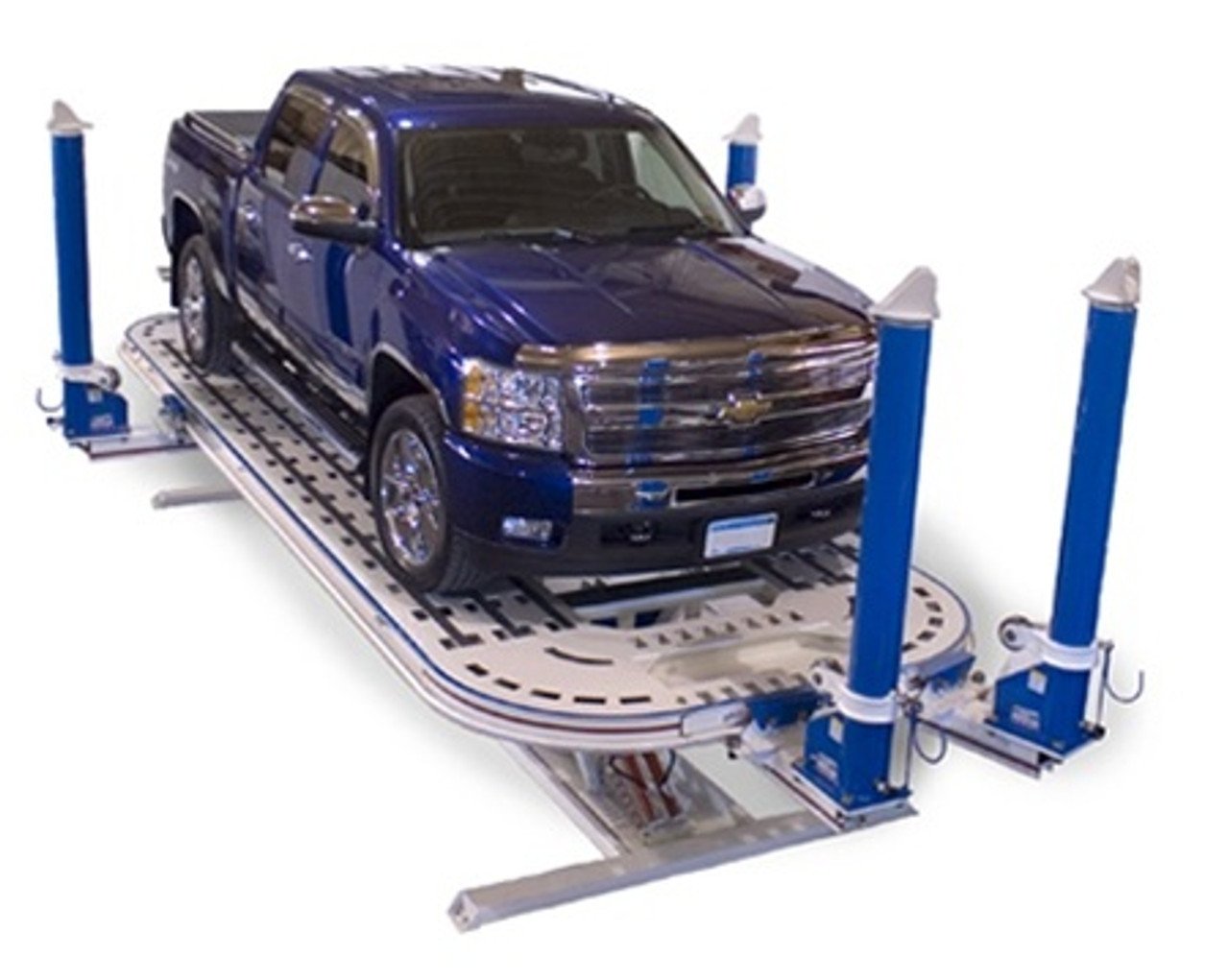
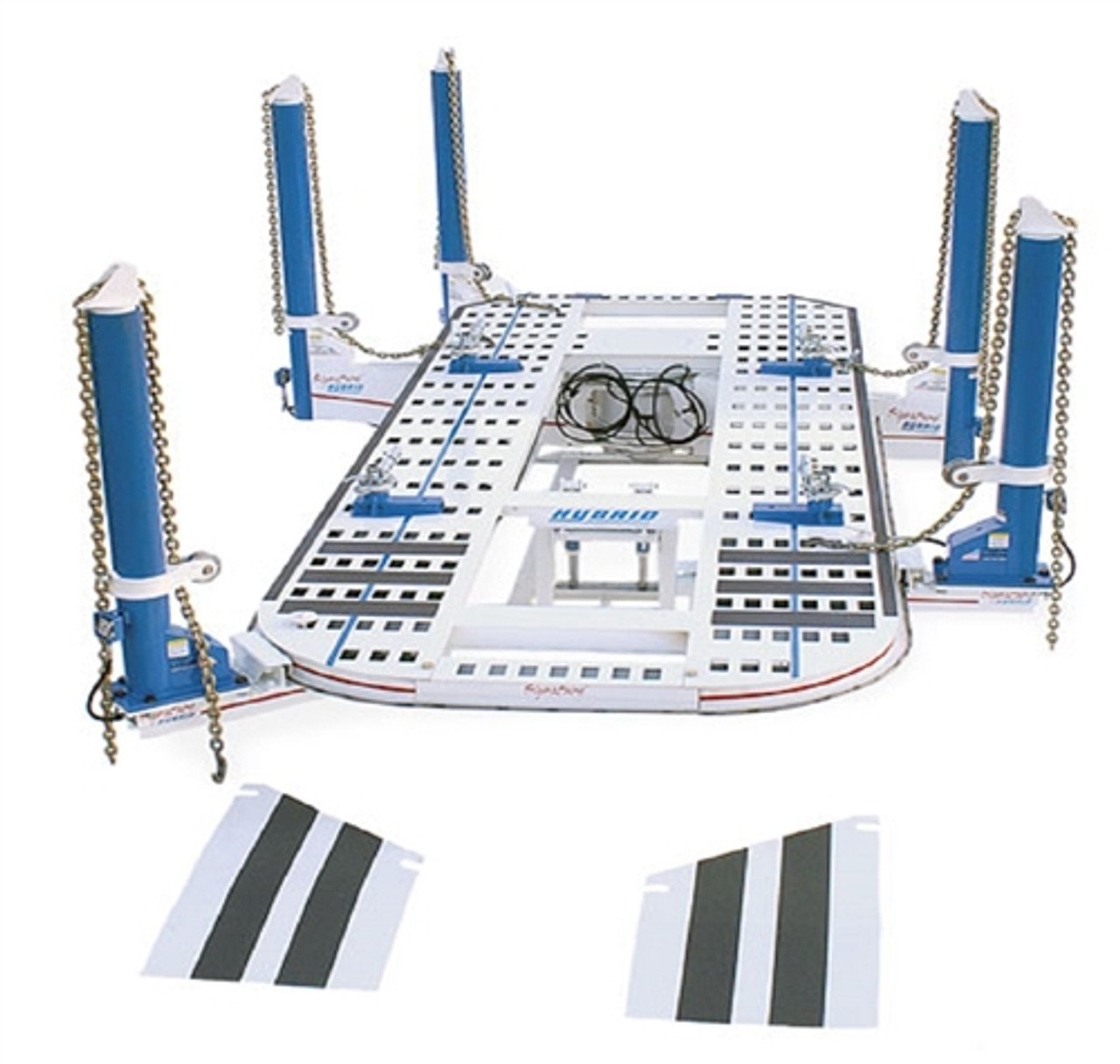
At this stage, the automobile frame shop uses hydraulic frame machines and pulling towers to restore your car’s structural geometry. Laser-guided alignment tools provide real-time feedback, helping technicians achieve factory specifications with precision.
Modern equipment, such as modern auto frame machines, protects advanced safety systems during the process. For example, after a side impact, the shop carefully monitors each adjustment to ensure the vehicle’s frame aligns perfectly, preserving both safety and resale value.
Step 4: Welding, Reinforcement, and Replacement
With the frame aligned, the automobile frame shop moves on to welding, reinforcement, or replacing damaged sections. Technicians use MIG, TIG, or spot welding techniques, depending on whether the frame is steel or aluminum.
Sectioning is sometimes required if only part of the frame is beyond repair. All repairs follow OEM-approved methods and comply with strict manufacturer safety standards. This attention to detail ensures the vehicle regains its original crashworthiness.
Step 5: Reassembly, Inspection, and Quality Control
After structural repairs, the automobile frame shop reinstalls all removed parts. Technicians run a final digital measurement to verify the frame’s alignment matches factory specs.
The vehicle then undergoes road testing, and all safety systems, such as airbags and ADAS sensors, are recalibrated. Detailed documentation is prepared for insurance and warranty purposes, confirming that all repairs meet industry standards.
Step 6: Post-Repair Certification and Reporting
Finally, the automobile frame shop issues post-repair certifications, providing proof of professional work. The shop submits repair details to insurance companies and vehicle history databases, which can influence your car’s future resale value.
Customers receive education on warranty coverage and recommended maintenance. For example, a completed Carfax report shows proper frame repairs, giving buyers confidence and protecting your investment.
Advanced Technologies and Equipment in 2025 Frame Shops
Staying ahead in the world of automobile frame shop services now means embracing cutting-edge technology. In 2025, repair shops are transforming with digital systems, AI, and eco-friendly tools. These upgrades improve safety, precision, and efficiency for every vehicle that comes in.
Digital Measuring and Diagnostic Systems
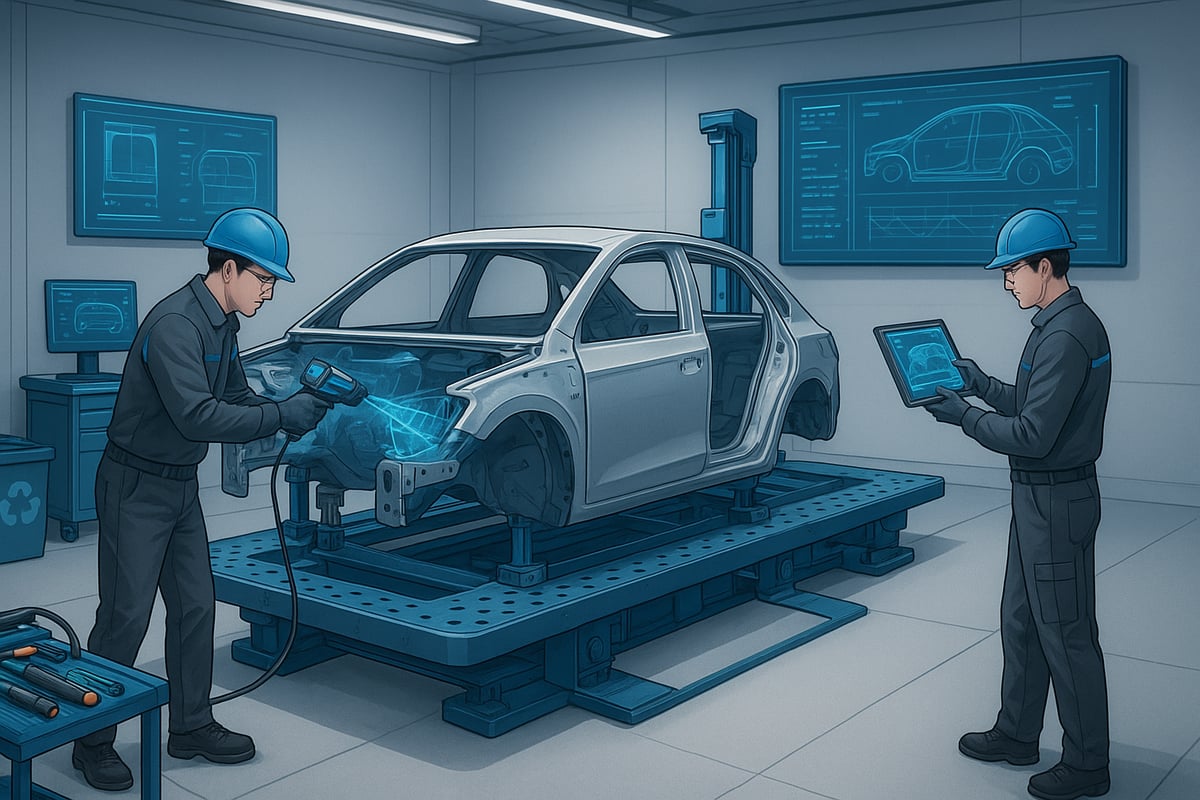
Automobile frame shop operators in 2025 rely on advanced digital measuring systems. These tools have replaced manual gauges with 3D laser mapping, offering unmatched accuracy. Technicians can quickly scan a vehicle's chassis and pinpoint even the slightest misalignment.
Benefits include:
- Fast, precise measurements
- Digital documentation for insurance and repairs
- Better tracking of frame integrity over time
Touchless laser systems allow shops to assess both visible and hidden damage. This technology helps ensure that every automobile frame shop can restore structural safety to original specifications.
Frame Machines and Hydraulic Equipment
Frame machines are the backbone of every modern automobile frame shop. In 2025, shops use multi-point anchoring racks and computer-controlled hydraulic systems. These machines adapt to various vehicle types, including those with aluminum or high-strength steel frames.
Key features:
- Customizable clamps for unique frame shapes
- Automated pressure control for consistent results
- Compatibility with electric and hybrid cars
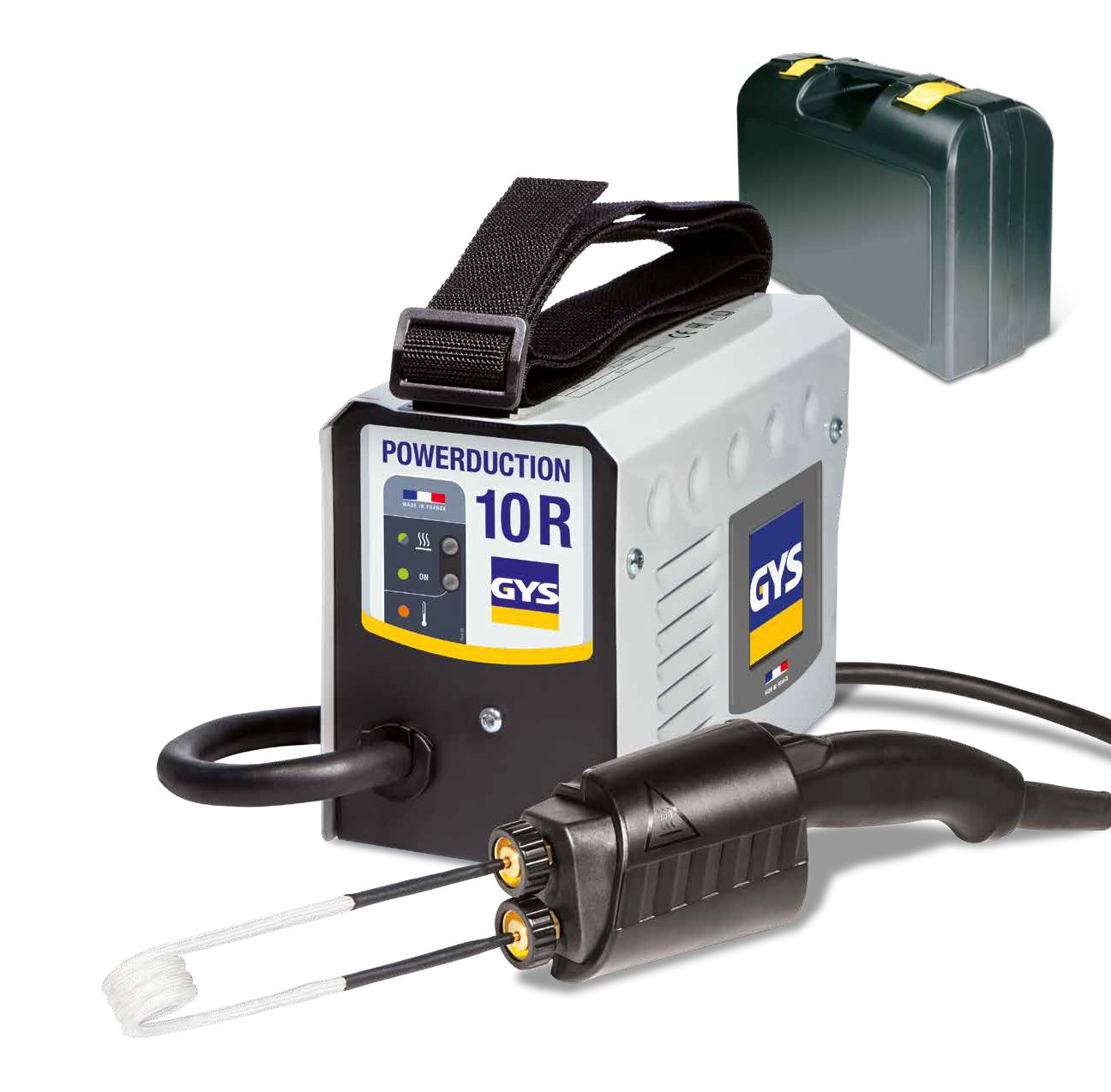
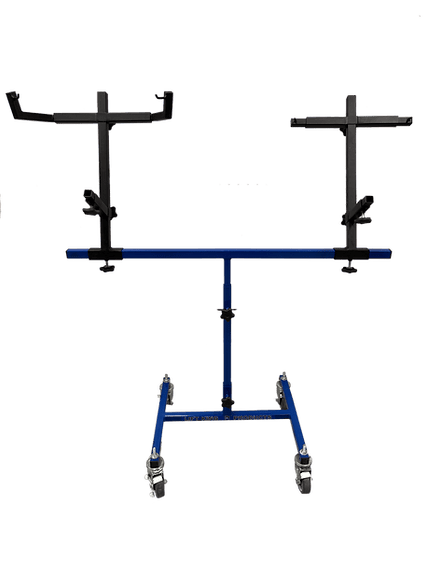
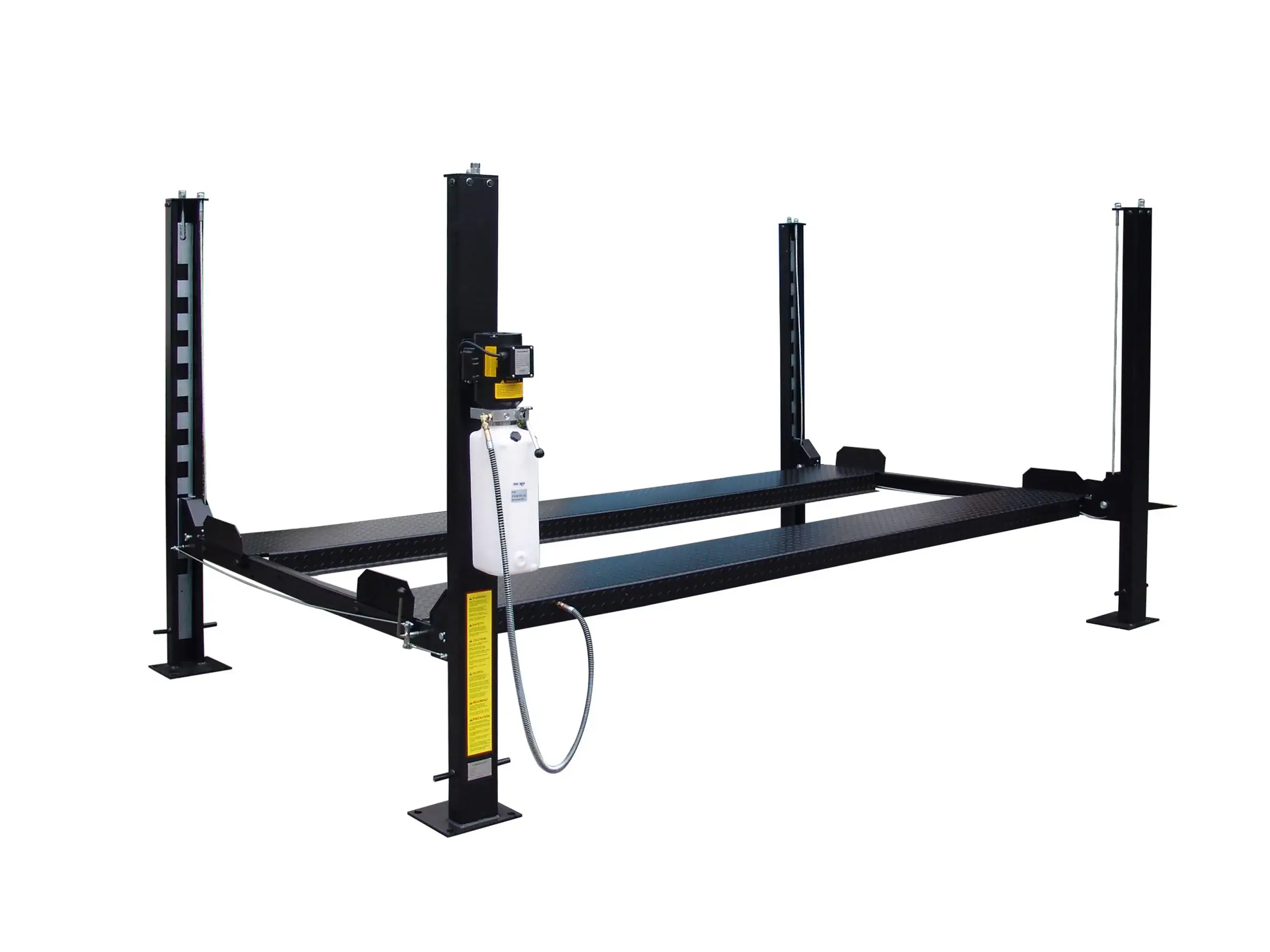
For readers interested in the latest options, the Frame machine equipment category showcases a wide range of specialized systems used in today's leading shops.
Welding and Bonding Innovations
Welding technology has advanced dramatically in the automobile frame shop industry. Shops now use MIG, TIG, and spot welding for precision repairs on lightweight metals. Aluminum and high-strength steel require specialized equipment and techniques.
Innovations also include:
- High-strength adhesives for structural bonding
- Spot welders that mimic factory processes
- Sensors ensuring weld quality and safety
These methods help restore a vehicle's original crashworthiness, especially as manufacturers adopt new materials.
Specialized Tools for Electric and Hybrid Vehicles
Electric and hybrid vehicles require unique care in an automobile frame shop. Insulated tools, non-conductive mats, and battery-safe equipment are standard. Technicians follow strict protocols to avoid damaging high-voltage components.
Considerations include:
- Safe removal of battery packs before frame work
- Special lifting equipment for heavy battery modules
- Protective gear designed for electrical hazards
For example, sectioning the frame of a Tesla Model Y demands both technical knowledge and the right tools to maintain safety and performance.
Integration of AI and Automation
Artificial intelligence is rapidly changing how an automobile frame shop operates. AI-powered systems can scan vehicles, detect hidden issues, and recommend repair steps. Automated pulling and alignment machines further reduce human error.
Impact includes:
- Faster diagnostics and repair planning
- Lower labor costs and reduced turnaround times
- Consistent, high-quality results for every repair
This shift allows technicians to focus on complex tasks, while automated systems handle routine but critical adjustments.
Environmental and Safety Enhancements
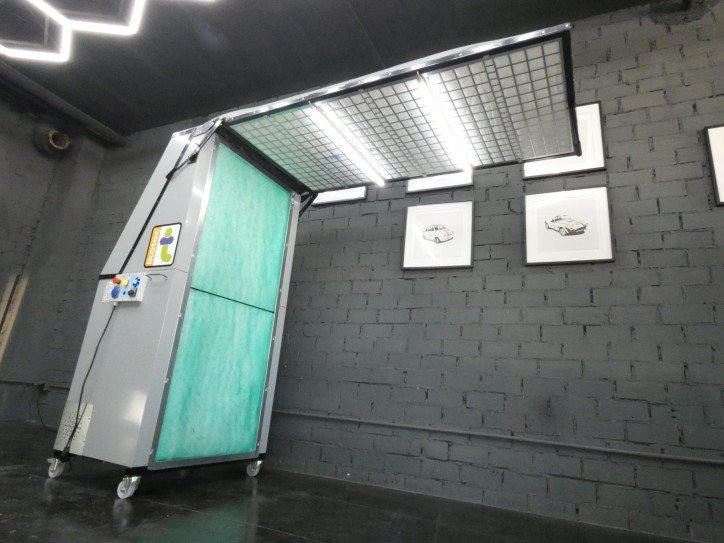
Eco-friendly practices are essential in the modern automobile frame shop. Shops now use low-VOC paints, recycled materials, and energy-efficient equipment. Advanced air filtration systems improve air quality for workers and customers.
Other improvements:
- Waste management protocols for hazardous materials
- Enhanced technician safety with ergonomic tools
- Smart monitoring of shop environment and equipment
These steps not only benefit the environment but also create a safer, more pleasant workspace for everyone.
Choosing the Right Frame Shop: Key Considerations
Choosing the right automobile frame shop is crucial for ensuring your vehicle’s safety, value, and long-term performance. With so many options available in 2025, it’s important to know what separates a top-tier shop from the rest. Here are the essential factors to consider before you trust any shop with your car’s structural repairs.
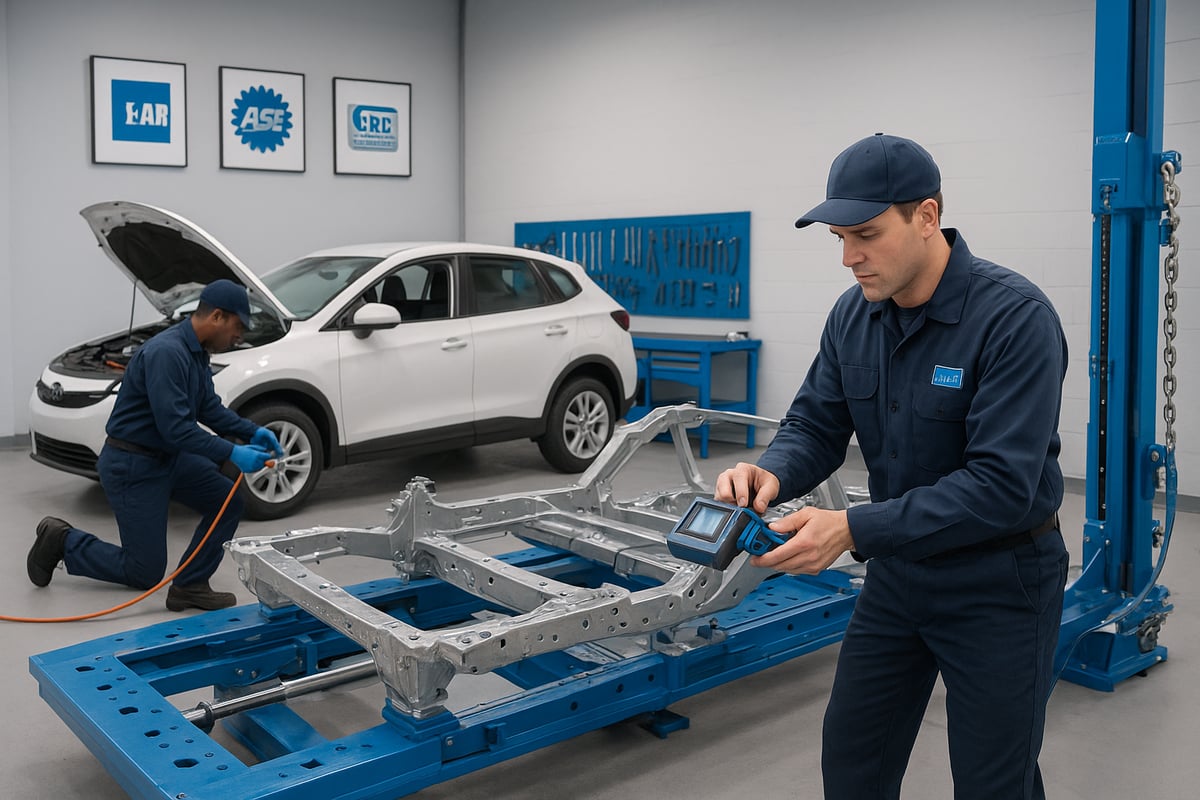
Certifications and Training
Look for an automobile frame shop with up-to-date certifications like I-CAR, ASE, and manufacturer-specific credentials. These ensure technicians are trained to handle the latest vehicles and repair methods. In 2025, ongoing education is essential, especially with evolving materials and technology. Always verify a shop’s certifications, which should be clearly displayed and easy to confirm online or in-person. Choosing a certified shop means your repairs are more likely to meet industry and safety standards, protecting both your vehicle and your investment. Before authorizing any work, ask about technician training and recent courses completed.
Equipment and Facility Standards
A reputable automobile frame shop invests in modern frame machines, digital diagnostic tools, and specialized equipment for aluminum and electric vehicle repairs. Cleanliness and organization reflect a commitment to quality and safety. For example, shops equipped for modern vehicles often feature touchless measurement systems and advanced welding stations. To learn more about the essential tools and standards, visit Auto body repair essentials. When touring a facility, look for safety protocols, visible maintenance logs, and a layout designed for efficient workflow. These details signal a shop’s readiness to handle complex repairs.
Reputation, Reviews, and Guarantees
A trustworthy automobile frame shop will have a strong reputation, visible through online reviews, customer testimonials, and high ratings. Check for consistent positive feedback regarding repair quality, communication, and timeliness. Many leading shops offer written warranties on frame repairs, providing peace of mind long after you leave. Compare experiences between certified and non-certified shops to understand the value of professional standards. Ask for references or case studies if you’re unsure. Remember, reputable shops are transparent about their work and stand behind every repair they complete.
Insurance Partnerships and Claims Processing
Many customers prefer an automobile frame shop that partners with major insurers through direct repair programs. These relationships can speed up claim approvals and simplify paperwork. In 2025, about 70 percent of customers choose shops recommended by their insurance providers. Ask whether the shop handles digital claims submissions and communicates directly with insurers. This can reduce delays and ensure repairs meet both insurance requirements and manufacturer guidelines. A good shop will explain your coverage options and help you navigate the claims process, making the experience less stressful.
Convenience and Customer Support
The best automobile frame shop offers more than quality repairs. Look for services like loaner vehicles, pickup and drop-off, and real-time repair tracking apps. Clear, upfront estimates and regular communication keep you informed every step of the way. Many shops now provide digital photo updates and direct messaging, so you never feel out of the loop. Prioritize shops with strong customer support teams who are responsive to questions and concerns. These conveniences make the repair process smoother and demonstrate a genuine commitment to customer satisfaction.
Cost Factors and Insurance Considerations for Frame Repairs
Understanding what goes into the cost of repairs at an automobile frame shop can help you make informed decisions and avoid surprises. Whether you are dealing with a minor alignment or major structural work, several elements affect your final bill. Let us break down the most important factors.
Breakdown of Frame Repair Costs
When you bring your vehicle to an automobile frame shop, the total cost is usually divided between labor and parts. Labor charges account for technician expertise, equipment use, and time spent on diagnostics, repairs, and inspections. Parts costs depend on whether frame components, fasteners, or specialty materials like high-strength steel or aluminum are needed.
| Cost Component | Typical Range (USD) |
|---|---|
| Labor (per hour) | $75–$150 |
| Parts | $200–$2,500+ |
| Diagnostics | $100–$300 |
| Total Repair | $800–$4,000+ |
The make, model, and material of your vehicle can significantly influence these numbers. For example, repairing an aluminum frame may be pricier than steel due to specialized tools. Always request a detailed estimate from your chosen automobile frame shop before authorizing any work.
Factors Affecting Pricing in 2025
Repair costs at an automobile frame shop have evolved with vehicle technology. In 2025, complex frames built from high-strength steel or aluminum require advanced diagnostics and calibrated equipment. This need for cutting-edge technology increases both labor and part costs.
Regional labor rates also play a major role. Urban areas with higher living expenses may see higher shop rates. Market trends, such as increased demand for EV and hybrid frame repairs, also influence pricing. For insight into how the industry is changing, see the Automotive Collision Repair Market Report, which details current trends and projections that can impact what you pay at an automobile frame shop.
Insurance Coverage and Claims Process
Most comprehensive auto policies cover frame damage, especially if caused by a collision or covered event. When using an automobile frame shop, your insurer may recommend approved providers, streamlining claims and payment.
The claims process usually follows these steps:
- File a claim and get approval for repairs.
- The shop provides an estimate and communicates with your insurer.
- Repairs are completed and inspected.
- Payment is arranged directly or through reimbursement.
It is crucial to select an automobile frame shop familiar with insurance paperwork and requirements so your claim is processed smoothly.
Out-of-Pocket vs. Insurance Repairs
Choosing between paying out-of-pocket or filing an insurance claim depends on repair cost, deductible, and future premiums. Minor repairs at an automobile frame shop may be more affordable without involving insurance, especially if costs are close to your deductible.
However, insurance covers larger repairs, protects your finances, and maintains vehicle value. According to recent data, the average out-of-pocket cost for minor frame repair in 2025 is around $1,000 to $1,500. Consider your vehicle’s age, value, and repair complexity when making a decision.
Avoiding Hidden Costs and Ensuring Transparency
Transparency is key when working with any automobile frame shop. Always ask for an itemized estimate, detailing labor, parts, and any diagnostic fees. Be wary of vague or very low quotes, which could signal incomplete damage assessment or hidden charges.
Questions to ask your shop:
- What is included in the estimate?
- Are OEM parts used?
- Will all repairs be documented for insurance and resale?
Clear communication and documentation help ensure you get quality repairs without unexpected expenses from your automobile frame shop.
The Future of Automobile Frame Shop Services
The future of automobile frame shop services is rapidly evolving, driven by technology, sustainability, and changing consumer needs. Staying ahead means understanding how these shops are adapting to new vehicle designs, digital tools, and stricter industry standards. This forward-thinking approach is vital for anyone who wants their vehicle repaired safely and efficiently.
Emerging Trends and Technologies
Automobile frame shop services are embracing game-changing technologies. AI-driven diagnostic tools now scan vehicles for hidden frame issues, making repair plans more precise and efficient. Integration with connected vehicles allows shops to receive real-time data, enabling predictive maintenance and faster service.
Automation is also transforming repair processes. Robotic arms and automated pulling systems reduce manual labor and improve accuracy. According to the Frame Machine Market Analysis, frame machines with digital controls and multi-point anchoring are becoming standard, supporting complex repairs on high-tech vehicles.
These innovations make the modern automobile frame shop a hub for advanced vehicle care.
Sustainability and Green Repair Practices
Many automobile frame shop facilities are shifting toward eco-friendly practices. Shops are now using recycled metals, water-based paints, and energy-efficient equipment to minimize environmental impact. Air filtration systems and proper waste management are also standard, ensuring cleaner workspaces and reduced emissions.
A growing number of shops are seeking green certifications, reflecting a commitment to sustainability. In fact, industry data shows that by 2025, 40% of frame shops are expected to have adopted green practices. This benefits not only the environment but also meets the expectations of eco-conscious customers who value responsible repairs.
Adapting to Electric and Autonomous Vehicles
The rise of electric vehicles (EVs) and autonomous vehicles (AVs) is reshaping the automobile frame shop landscape. Shops must now handle unique challenges, such as safely working around high-voltage battery packs and integrating complex sensors into frame repairs.
Technicians need specialized equipment and training to service these modern vehicles. OEM guidelines for EV and AV repairs are becoming more detailed, requiring shops to stay updated on the latest standards. As a result, automobile frame shop services are investing heavily in new tools and safety protocols to ensure they can meet the demands of next-generation vehicles.
The Growing Role of Data and Digital Records
Data is becoming a cornerstone of the automobile frame shop industry. Blockchain and secure digital records are now used to track every stage of the repair process. This not only improves transparency but also gives vehicle owners confidence in the accuracy of their repair histories.
Digital documentation is essential for insurance claims and resale value. Buyers and insurers can easily verify the quality of past repairs, reducing the risk of hidden frame issues. This emphasis on data-driven transparency sets a new standard for trust and accountability in the industry.
Workforce Evolution and Skills Development
As technology advances, the workforce in the automobile frame shop sector is evolving, too. There is a rising demand for technicians who understand digital diagnostics, robotics, and advanced materials. Training programs are expanding to cover high-strength steel, aluminum, and electric vehicle systems.
Partnerships between manufacturers and trade schools are growing, ensuring that new technicians are ready for the challenges of tomorrow. According to the Automotive Body and Glass Repairers Occupational Outlook, employment in this field is expected to remain steady, with a focus on higher skills and certifications.
Consumer Expectations and Industry Standards
Consumers now expect more from their automobile frame shop experience. Speed, transparency, and convenience are top priorities. Many shops offer digital repair tracking, real-time updates, and paperless billing.
Industry standards are also rising, with a push for consistent repair quality and certification. The future points toward a fully digital, customer-centric repair journey, where trust, speed, and safety are always front and center. As the industry evolves, the automobile frame shop will continue to play a crucial role in keeping vehicles safe and roadworthy.
After exploring what makes modern frame shop services so vital—from advanced diagnostics to the latest repair technologies—it’s clear that having the right equipment is essential for precise and safe repairs. Whether you’re a shop owner looking to upgrade your tools or someone eager to understand what professionals use behind the scenes, investing in quality gear can make a real difference. If you’re ready to see the latest in collision repair equipment, trusted by industry experts and backed by top-notch support, Shop Now and take the first step toward better, safer repairs in 2025.

