


Tired of seeing dents ruin your car’s look or worrying about expensive repairs? The search for the ultimate car dent fix ends here. In this guide, you’ll unlock expert-backed solutions designed for 2025, combining the latest professional insights, effective DIY methods, and high-tech trends.
We’ll break down the different types of dents, show you how to assess damage, and walk you through advanced repair techniques. Explore cost factors, compare DIY versus pro options, and discover what’s new in the world of dent repair this year. Get ready for step-by-step advice that restores your car’s appearance with confidence.
Understanding Car Dents: Types, Causes, and Impact
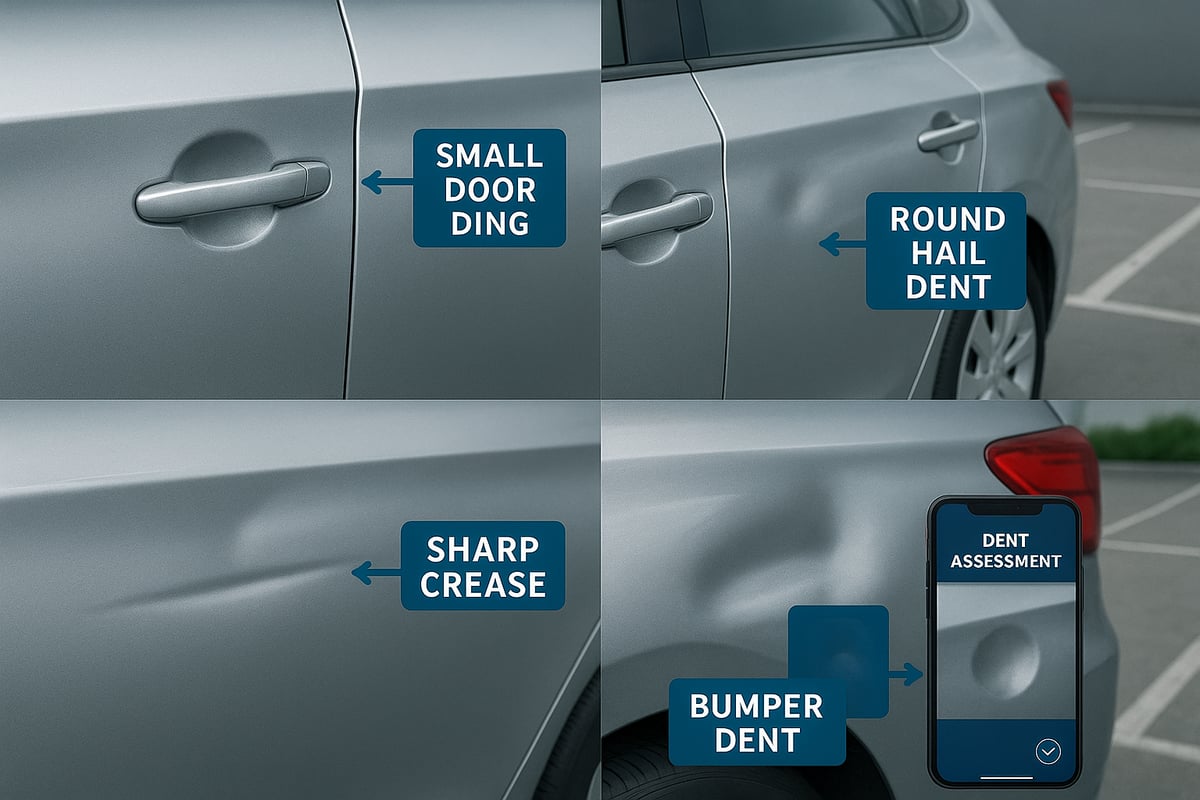
Car dents are a common frustration for vehicle owners, but not all dents are the same. Knowing what kind of dent you are dealing with is the first step in any successful car dent fix. Dents typically fall into categories such as dings, creases, round dents, and sharp dents. For example, small "door dings" often occur in parking lots, while round dents may result from hail. Creased dents, which have a sharp fold, are much more complex to repair. According to RAC data, doors and bumpers are the most frequent locations for dents. The type and location of a dent greatly influence repair difficulty and, ultimately, your vehicle’s resale value. For more details on the tools professionals use for each dent type, check out the Dent Fix Tools and Equipment available to both pros and DIYers.
Types of Car Dents
Car dents can happen for many reasons. The most frequent causes include parking accidents, minor collisions, severe weather like hail, or stray shopping carts. Doors, bumpers, and fenders are especially vulnerable due to their location and exposure. Interestingly, modern vehicles with thinner metal panels are more prone to dents compared to older models with heavier steel. In urban areas, door dents are particularly widespread, with statistics showing that crowded parking lots see the highest frequency. Understanding the cause is important for planning your car dent fix and preventing future incidents.
Causes of Car Dents
Before starting a car dent fix, it is essential to assess the severity and impact of the dent. Begin by evaluating the depth and size, as well as checking for paint damage. Sometimes, a dent may look minor on the surface but hide structural issues underneath, especially in the case of deep creases. For example, a sharp crease on a door panel could mean the frame is affected, which might compromise safety or cause alignment problems. Always look for signs like misaligned panels or unusual gaps. A thorough inspection ensures you choose the right repair approach and avoid missing hidden problems.
Assessing the Severity and Impact
A proper car dent fix does more than improve your car’s appearance. It prevents rust and corrosion from forming on exposed metal, which can lead to costly repairs later. Keeping your vehicle free from visible dents also helps maintain its value. Insurance may cover dent repairs, especially if you have comprehensive coverage. In fact, professional dent repairs can recoup up to 80% of lost resale value, making it a smart investment. Proper documentation and timely repairs ensure you get the most out of your car, both now and in the future.
Step-by-Step Assessment: Preparing for Dent Repair
Getting the right start with your car dent fix is essential for a smooth repair process. Before you reach for any tools, a careful assessment sets the foundation for lasting results and helps you avoid common pitfalls.
Initial Inspection and Documentation
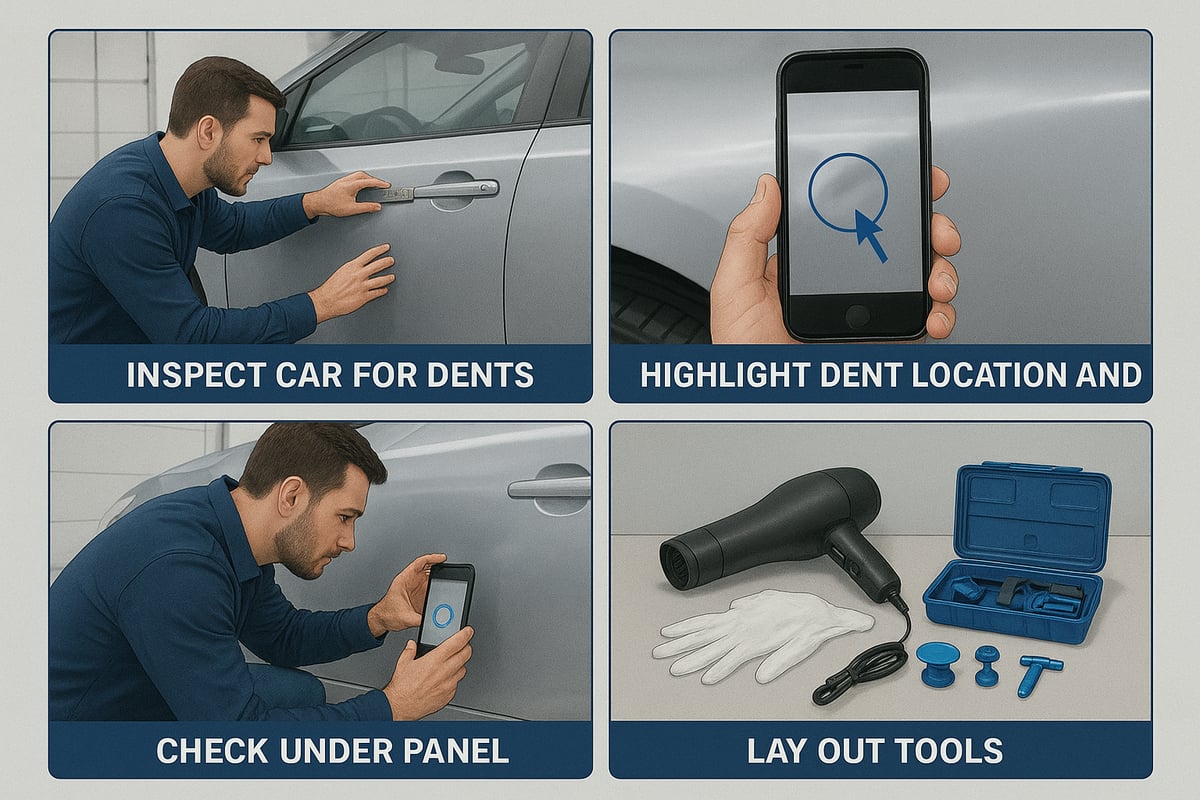
Start your car dent fix by inspecting the affected area from multiple angles and under different lighting. Move around the vehicle, look for subtle changes in reflections, and note the exact size and depth of the dent.
Use a ruler or a specialized app to measure the dent. Take clear photos from several directions. These images are crucial for insurance claims or when consulting a repair shop. For a tech-savvy approach, consider AI-assisted tools that detect and document minor dents automatically, as described in this A Curated Dataset and Deep Learning Approach for Minor Dent Detection in Vehicles.
Clear, organized documentation sets the stage for an effective car dent fix.
Identifying Hidden Damage
Not all car dents are created equal. During your car dent fix assessment, check for signs of hidden damage. Look for misaligned doors or panels, uneven gaps, or mounting points that seem off.
Inspect the inner side of the affected panel if you can. Paint cracks or unusual bulges might signal underlying frame issues. Sometimes, what looks like a simple dent hides more serious problems that could affect safety or function.
By uncovering these issues now, you avoid surprises later in your car dent fix journey.
Deciding DIY vs. Professional Repair
Choosing between a DIY car dent fix and professional repair depends on a few key factors. For dents less than three inches wide, shallow, and with intact paint, DIY is often an option if you have the right tools and patience.
However, deep creases, paint damage, or dents on aluminum panels usually require expert attention. Assess your own skill level honestly. If the damage seems complex or affects structural parts, seeking help from a certified shop is the safer route.
Remember, the right decision protects your car’s appearance and value during any car dent fix project.
Gathering Tools and Materials
Before you begin your car dent fix, gather everything you need for safety and efficiency. Essentials include a hair dryer or heat gun, plunger, specialized repair kits, and a set of gloves.
Safety gear is a must. Use protective gloves and eye protection to avoid injury. Prepare your workspace by cleaning the area and ensuring good lighting. For some temperature-based methods, you may need compressed air or dry ice.
Having the right setup makes your car dent fix process smoother and helps you achieve professional-looking results.
Professional Dent Repair Solutions: 2025 Standards and Innovations
Professional car dent fix solutions in 2025 have evolved to combine precision, speed, and long-lasting results. Whether your vehicle has a small ding or a deep crease, understanding the range of modern repair options can help you choose the right path to restore your car’s appearance and value.
Paintless Dent Repair (PDR): The Gold Standard
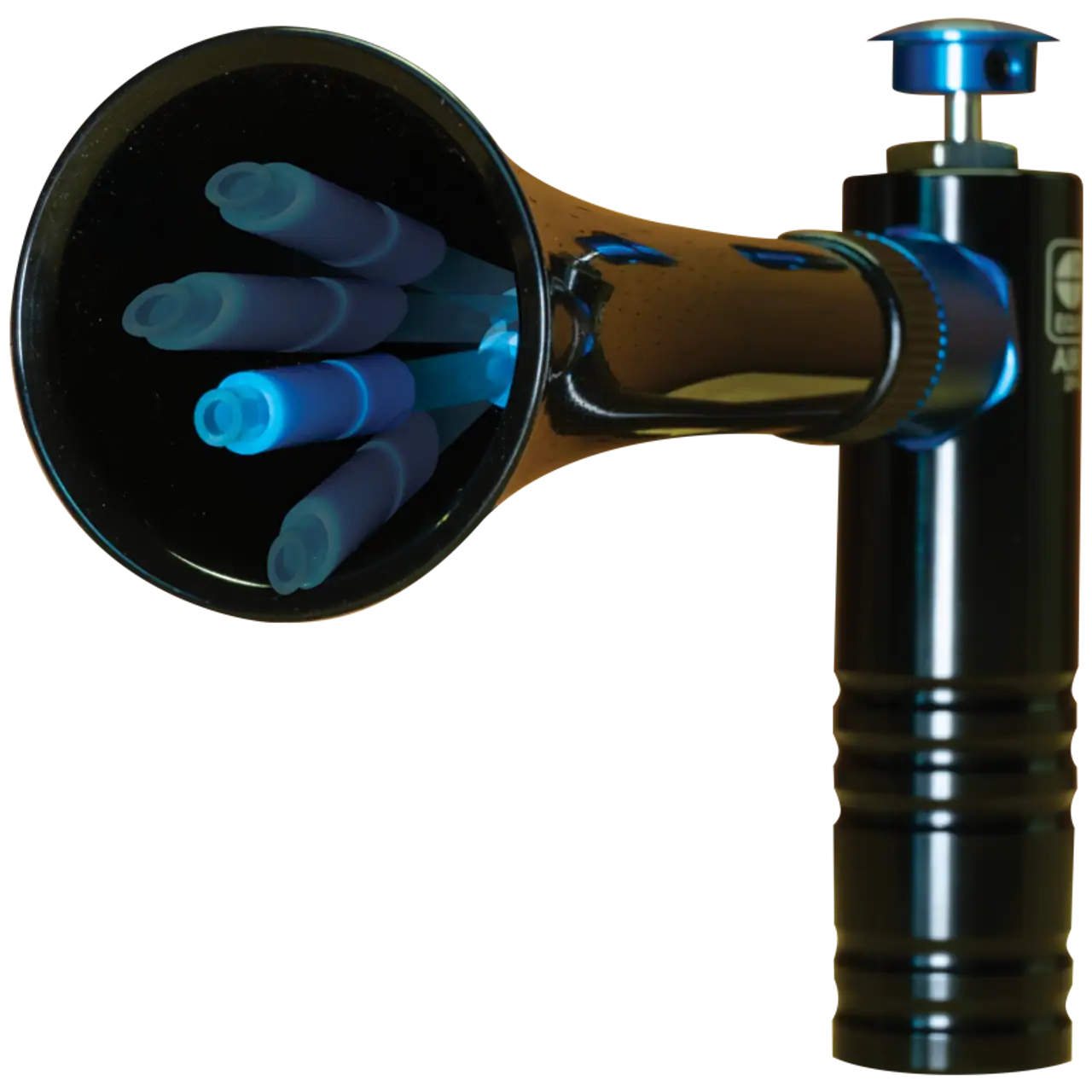
Paintless Dent Repair, or PDR, is now the preferred car dent fix method for minor, shallow dents where the paint remains intact. This technique involves gently massaging and manipulating the metal from behind the panel using specialized rods, glue pullers, and LED lighting to reveal every contour.
PDR is ideal for hail damage, door dings, and other non-creased dents. It preserves the original factory paint, which is a major advantage for maintaining your car’s value. In fact, PDR is used in about 80 percent of minor dent cases due to its effectiveness and cost efficiency.
Technicians rely on advanced tools, such as Paintless Dent Repair Attachments, to achieve flawless results. For example, a skilled professional can remove multiple hail dents from a roof panel in a single session, leaving no trace of the original damage. This approach delivers a seamless car dent fix without the need for repainting or body fillers.
Advanced Body Shop Repairs
Not every dent qualifies for PDR. When a car dent fix involves deep creases, paint damage, or stretched metal, advanced body shop repairs come into play. These traditional methods include panel beating to reshape the metal, applying body filler to smooth imperfections, and sanding for a flawless finish.
Color matching is critical, so technicians use OEM paint codes to ensure the repaired area blends perfectly with the rest of your car. For example, repairing a dent with paint loss on a quarter panel requires careful layering and curing of paint to prevent future corrosion.
Shops also prioritize corrosion protection, using sealants and primers to defend against rust. Proper curing under controlled conditions ensures that your car dent fix stands the test of time, both in appearance and durability.
Panel Replacement: When Repair Isn’t Enough
Sometimes, a car dent fix is not possible through repair alone. Severe creases, torn metal, or stretched panels may require full panel replacement. This approach is common after major accidents or when structural integrity is compromised.
Replacing a damaged panel, such as a door or fender, ensures that the vehicle remains safe and maintains its original shape. While panel replacement can be more costly than repair, it delivers long-term reliability and peace of mind.
For example, after a high-impact collision, installing a new door panel not only restores the car’s look but also protects passengers by maintaining the vehicle’s crashworthiness. Weighing the cost versus the benefit is essential when considering this level of car dent fix.
Quality Control and Warranty
Quality control is a cornerstone of professional car dent fix services in 2025. Repair shops conduct multi-stage inspections, checking for perfect alignment, consistent finish, and proper gloss across panels. These steps ensure the repair is virtually invisible.
Most certified shops offer multi-year or even lifetime warranties on both paint and structural repairs. Keeping detailed documentation and repair records is vital, especially for insurance claims or future resale.
According to industry data, certified facilities are more likely to provide extended warranties, giving you extra confidence in your investment. This commitment to quality sets professional car dent fix solutions apart from quick fixes or unverified services.
Choosing the Right Repair Shop
Selecting the best facility for your car dent fix is crucial for optimal results. Look for shops with I-CAR Gold or Platinum status, or manufacturer certifications. These credentials reflect ongoing technician training and adherence to industry standards.
Request a detailed repair plan that outlines the process, materials, and whether OEM parts will be used. Always check customer reviews, before and after portfolios, and warranty details before making a decision.
For instance, comparing two shops might reveal differences in repair quality, turnaround time, or warranty coverage. Choosing a certified, reputable shop increases the likelihood of a successful, long-lasting car dent fix.
KGM Equipment: Professional-Grade Collision Repair Tools
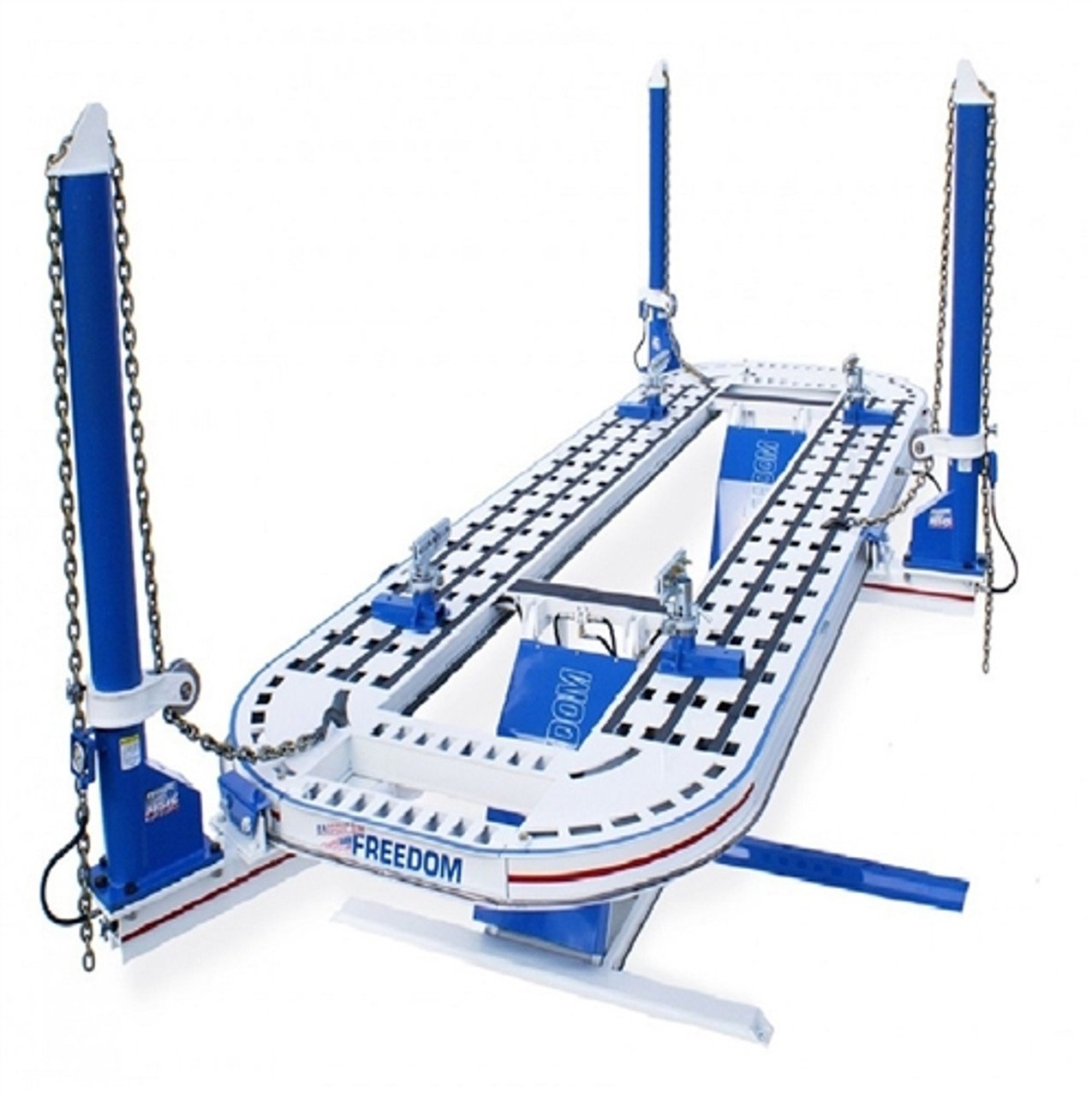
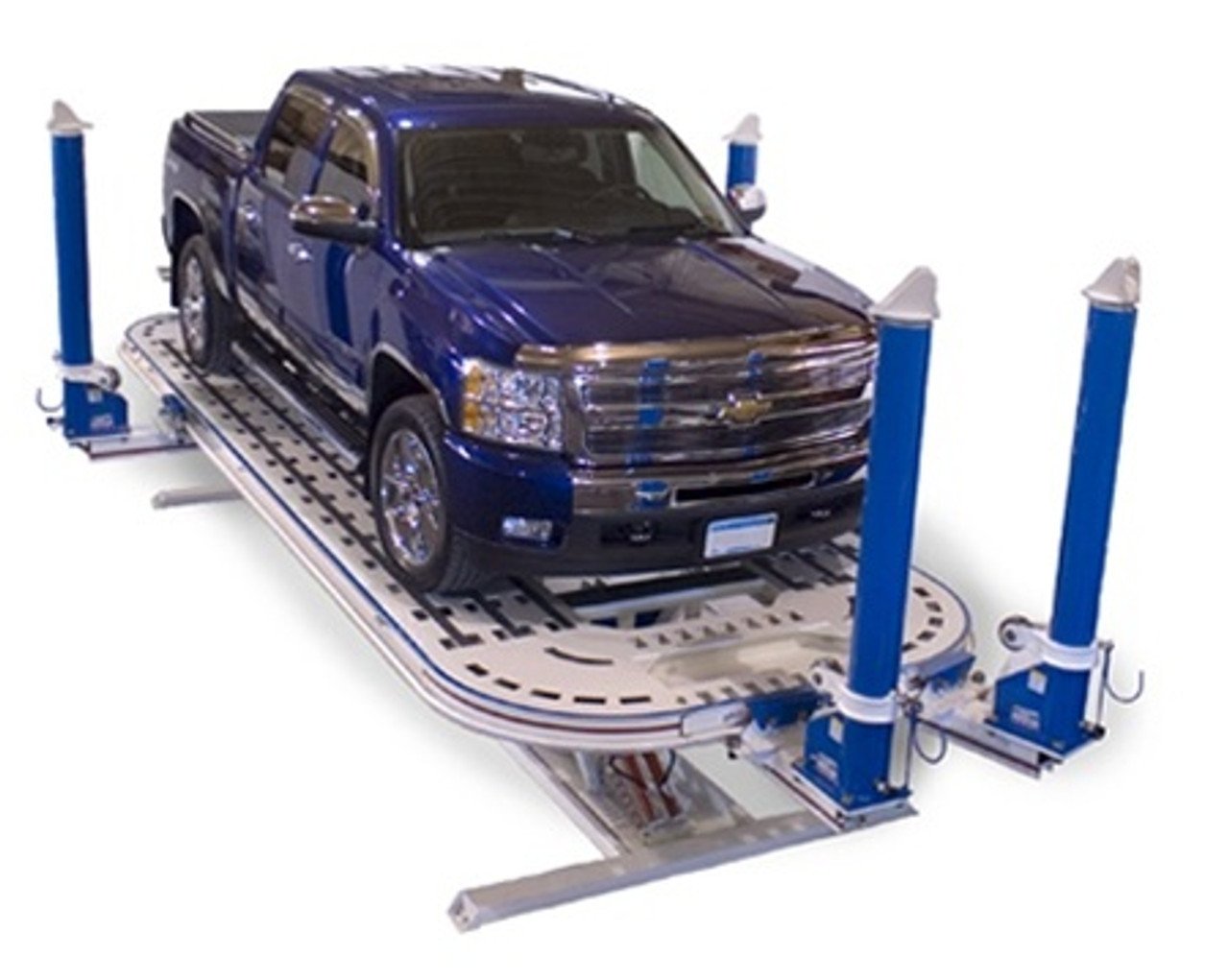
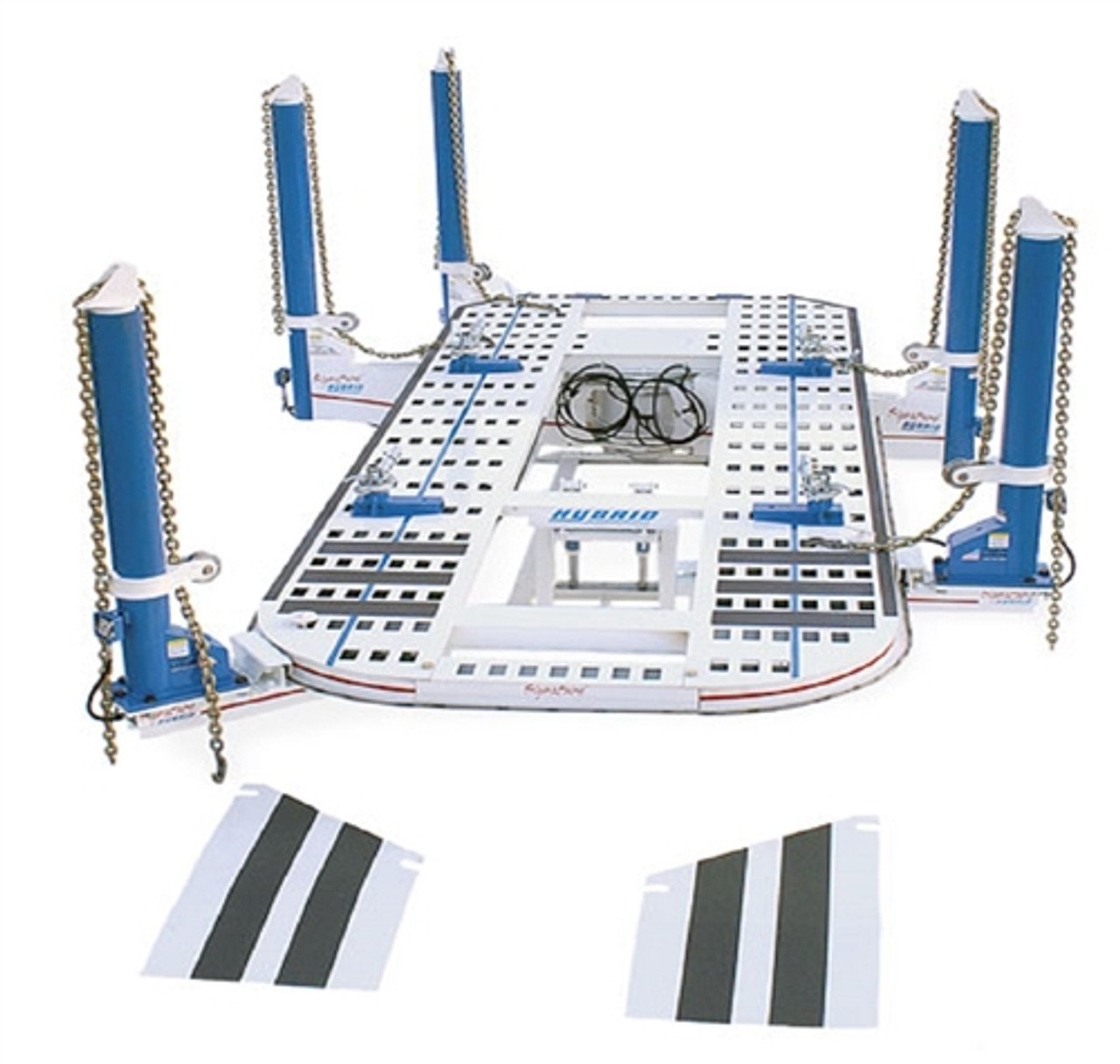
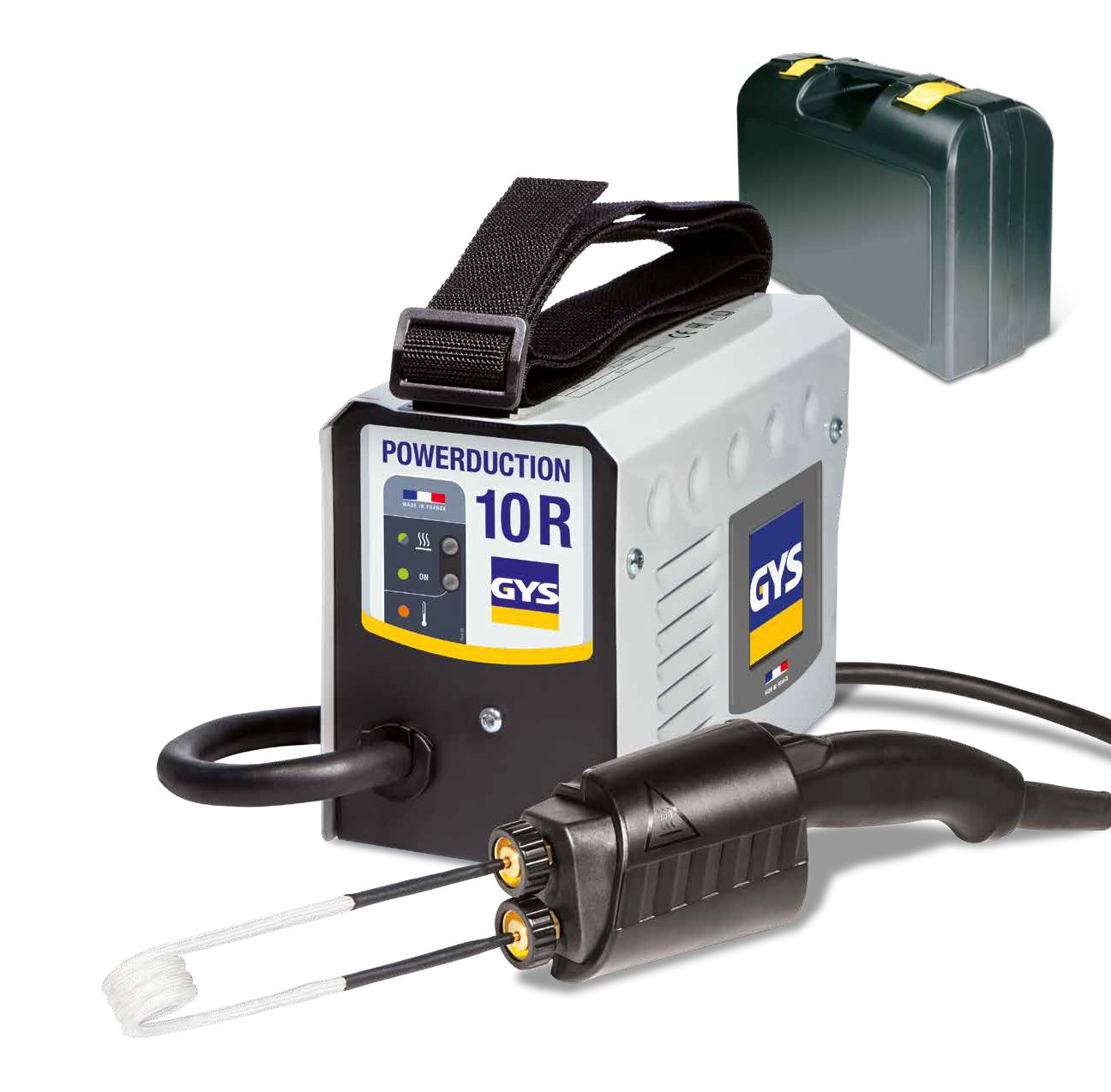
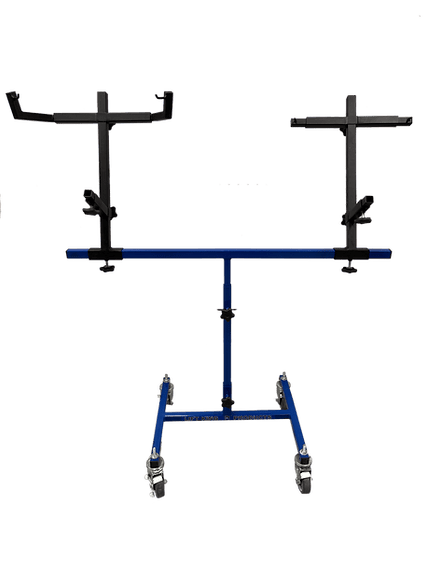
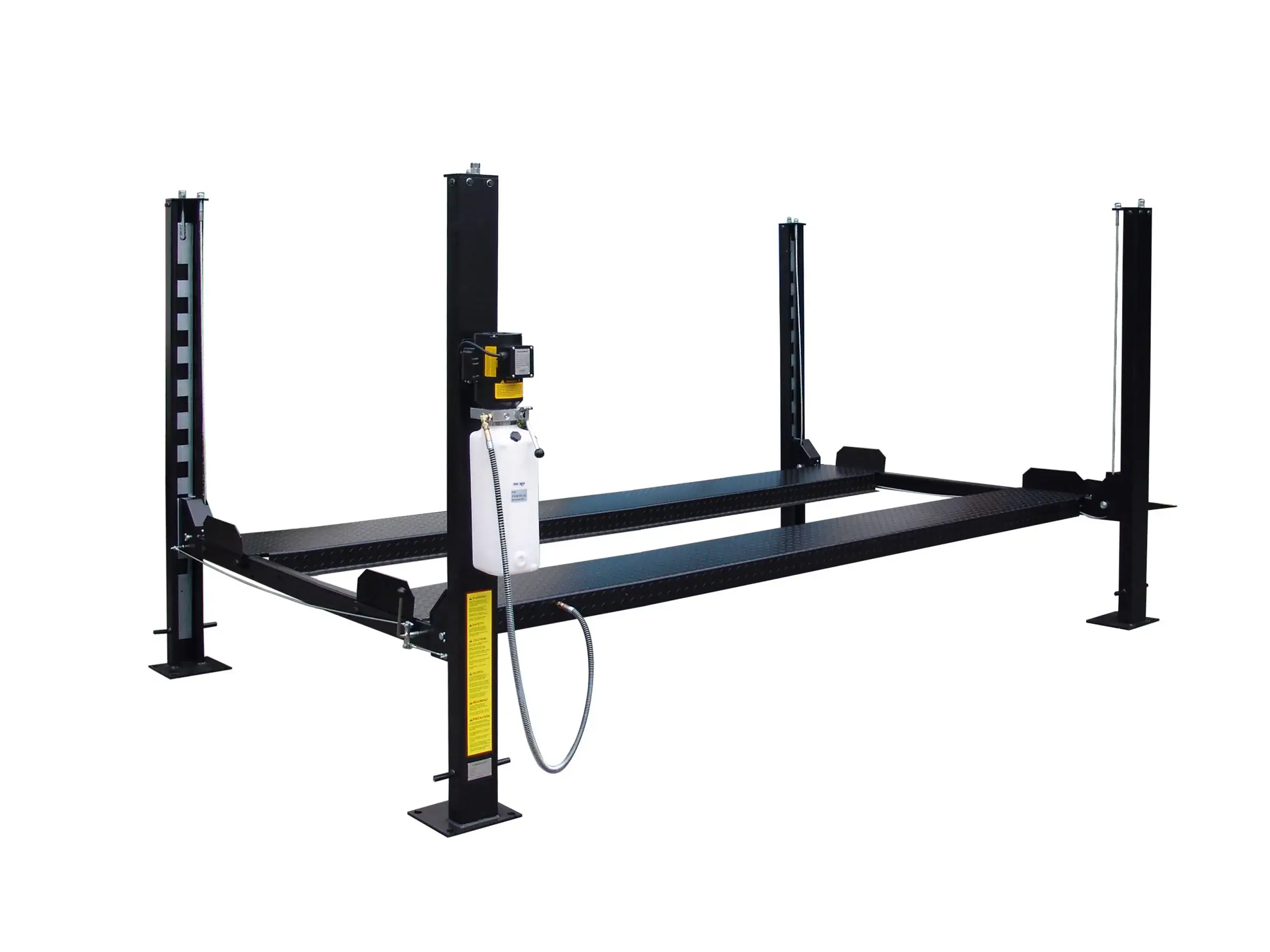
Leading repair shops rely on advanced tools to deliver the highest standard of car dent fix solutions. KGM Equipment is a trusted provider of professional-grade collision repair products, supporting auto body professionals with state-of-the-art frame machines, dent pullers, and welding systems.

Their equipment enables precise repairs, whether you’re restoring a minor door ding or addressing major structural damage. KGM’s solutions are used by dealerships, independent shops, and collision centers that want to meet the latest repair standards for 2025 vehicles.
For example, technicians use KGM’s dent pullers and frame machines to achieve efficient, accurate, and high-quality results on every car dent fix. By staying ahead with innovative tools, repair shops can ensure every vehicle leaves the shop looking its best.
DIY Dent Repair Methods: Safe, Effective, and Modern Approaches
Car owners searching for a car dent fix in 2025 have more safe and effective options than ever before. With the right knowledge and tools, you can address many minor dents yourself and restore your vehicle’s look without breaking the bank. This section explores how to assess if DIY is right for your situation, step-by-step methods, the best use of repair kits, and mistakes to avoid for a successful outcome.
Evaluating Suitability for DIY
Before you attempt a car dent fix at home, evaluate the dent’s size, depth, and location carefully. Small, shallow dents—especially those under 3 inches wide—are typically the best candidates for DIY. These are most often found on doors and bumpers, where the metal or plastic is accessible and the paint remains undamaged.
However, avoid DIY on deep creases, dents with chipped or cracked paint, or those on complex curves. Aluminum panels, found on many new vehicles, require specialized tools and expertise, making DIY less effective and riskier.
Ask yourself:
- Is the dent less than 3 inches wide and shallow?
- Can you reach the back of the panel?
- Is the paint completely intact?
- Are you confident using basic hand tools?
If you answer yes to these, a car dent fix at home could save you money and time. For example, removing a shallow door ding is often simple and satisfying. But if the damage is on a sharp crease or if the paint is damaged, professional help is the safer path.
Step-by-Step DIY Methods
There are several proven DIY techniques for a car dent fix, each suited for different dent types and materials. Let’s break down the most popular ones:
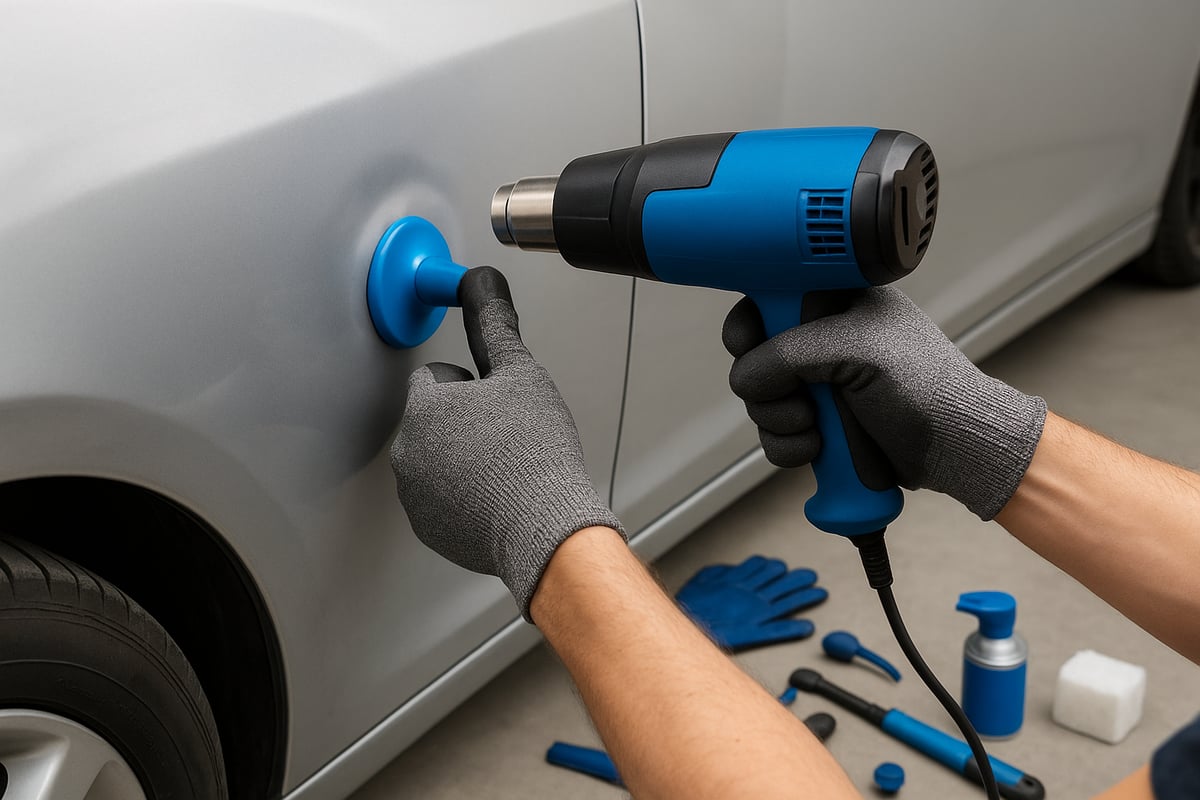
Hair Dryer and Compressed Air
- Heat the dented area for 2-3 minutes.
- Quickly cool it with compressed air.
- The rapid temperature change can pop the dent out.
- Best for small, shallow dents with no paint damage.
Plunger Method
- Great for plastic bumpers and flat panels.
- Pour hot water over the area to soften the plastic.
- Use a clean plunger to create suction and pull.
- Often removes bumper dents in minutes.
- For more stubborn plastic dents, consider using a Plastic Repair and Welding Kit for added reinforcement and professional results.
Vacuum Cleaner and Bucket
- Tape a bucket with a hole to the dented area.
- Attach a vacuum cleaner to create strong suction.
- Works best for flat, shallow dents on roofs or hoods.
Dry Ice and Aluminum Foil
- Heat the dent with a hair dryer, cover with foil, then rub dry ice over it.
- The quick cooling can contract the metal, popping the dent out.
- Always wear insulated gloves for safety.
Each method offers a cost-effective car dent fix, but success depends on following instructions and observing safety tips. Avoid overheating paint or forcing tools, as this can worsen the damage.
Using Dent Repair Kits
Dent repair kits designed for car dent fix tasks have become more advanced and user-friendly. These kits typically include glue tab pullers, tapping tools, and push rods, allowing you to tackle a variety of minor dents at home.
To use a kit:
- Clean the dented area thoroughly.
- Attach the glue tab to the center of the dent.
- Use the provided puller to gently draw the dent outward.
- Remove any glue residue with the kit’s solvent.
- For finishing, use the tapping tool to smooth high spots.
Dent repair kits are especially effective for round dents on doors or hoods. They often cost between $20 and $80, making them a fraction of the price of professional repairs. Compare this to shop repairs, which can easily exceed $500 for similar issues. Always read the instructions and practice on a scrap panel if possible to perfect your car dent fix technique.
Common Mistakes to Avoid
Even with the best intentions, mistakes can happen during a car dent fix. Here are the most frequent pitfalls and how to steer clear:
- Skipping the cleaning step, which can trap dirt and scratch paint.
- Overheating the panel, leading to paint blistering or warping.
- Using excessive force with pullers or plungers, causing new dents or stretching the metal.
- Attempting DIY on sharp creases, deep dents, or areas with cracked paint.
- Ignoring safety gear, like gloves and eye protection.
One common scenario is a DIY attempt on a complex dent that ends up making the problem worse, requiring a more expensive professional repair later. Always assess your confidence and the dent’s complexity before starting your car dent fix. When in doubt, consult a professional for advice.
Cost Factors, Insurance, and Value Considerations
Understanding what shapes the cost of a car dent fix is key to making smart repair choices. From minor dings to major bodywork, several factors can influence your final bill. Knowing these details helps you budget and decide on the best repair route for your vehicle.
What Drives the Cost of Dent Repair?
Several variables impact how much you pay for a car dent fix. The most important include the severity of the dent, its location, any paint damage, and how easy it is to access the area. For example, a small door ding may only cost $100 using paintless dent repair, while a deep crease on a quarter panel could reach $1,000 or more. Labor rates also play a big role, with some regions charging over £100 per hour.
Here’s a quick comparison:
| Dent Type | Typical Cost (USD) | Repair Method |
|---|---|---|
| Small door ding | $100 – $200 | PDR |
| Bumper dent | $150 – $450 | PDR or bodywork |
| Creased quarter panel | $500 – $1,200 | Body shop repair |
For a deeper dive into repair costs and trends, see the 2025 CarMD® Vehicle Health Index™.
DIY vs. Professional: Cost-Benefit Analysis
Choosing between a DIY car dent fix and a professional service can save you money, but it comes with trade-offs. DIY methods might cost under $50 for tools or kits, especially for small dents with no paint damage. However, the risks include lower repair quality or even making the dent worse, which could lead to higher costs later.
Professional repairs are more expensive upfront, often starting at $100 and climbing depending on complexity. The benefits include expert results, warranties, and the use of advanced tools. In the long run, a professional car dent fix can better preserve your car’s value and appearance.
Insurance Coverage and Claims
Wondering if your insurance covers a car dent fix? Most comprehensive policies include dent repairs, especially for damage from hail or minor collisions. However, it’s important to weigh the cost of your deductible and potential premium increases against the repair estimate.
- Claim for extensive or multiple dents
- Consider out-of-pocket payment for minor fixes
- Document damage with photos for your insurer
For example, if you have several dents from a hailstorm, making a claim might be worthwhile. But for a single, small dent, paying directly for a car dent fix could save you money in the long term.
Value of Quality Repairs for Resale
A professional car dent fix does more than just improve appearance—it can also boost your vehicle’s resale or trade-in value. Visible dents often reduce buyer confidence and can lower offers by hundreds or even thousands of dollars. In fact, industry data shows that high-quality repairs can recoup up to 80% of lost value caused by dents.
When selling your car, always keep documentation from certified shops. Before-and-after photos of your car dent fix can reassure potential buyers and help you negotiate a better price.
Future Trends in Car Dent Repair: What to Expect in 2025
As we move into 2025, the world of car dent fix solutions is evolving rapidly. New technologies, advanced materials, and sustainability efforts are shaping how dents are assessed and repaired. Let's explore the trends that are set to redefine the industry and what they mean for vehicle owners and repair professionals.
Emerging Technologies in Dent Repair
Digital transformation is at the heart of car dent fix innovations. AI-powered assessment tools are now common, providing instant, precise evaluations of damage. Technicians use mobile apps and 3D scanners to generate accurate repair estimates and match paint colors perfectly. These advancements reduce guesswork and speed up the repair process. According to the Automotive Collision Repair Market Analysis Report 2025-2034, digital estimating platforms are enhancing both repair accuracy and customer satisfaction. The car dent fix experience is becoming smarter, faster, and more reliable as a result.
Materials Evolution: Aluminum and Composite Panels
Modern vehicles are making car dent fix more challenging due to the rise of lightweight aluminum and composite panels. Manufacturers like Tesla and other EV brands use these materials to improve efficiency, but they require specialized tools and advanced skills to repair. Traditional methods often fall short, so shops are investing in new equipment and training. The Paintless Dent Repair (PDR) Service Market Set for Rapid Expansion: Insights into 2025-2032 Growth Prospects highlights the growing demand for efficient and cost-effective solutions that work with these new materials. For anyone considering a car dent fix, understanding your vehicle's construction is now more important than ever.
Sustainability and Eco-Friendly Repairs
Sustainability is a rising priority in the car dent fix industry. Repair shops are turning to low-VOC paints, water-based fillers, and recyclable materials to minimize environmental impact. Green-certified facilities are gaining traction with consumers who want eco-friendly options. These practices not only benefit the planet but also improve workplace safety for technicians. If you value sustainability, look for shops that highlight their green credentials when seeking a car dent fix. As demand grows, expect more eco-friendly solutions to become standard in 2025.
Training, Certification, and Industry Standards
The evolution of car dent fix methods means repair professionals need ongoing training and up-to-date certifications. New standards focus on advanced materials, electric vehicles, and digital repair technologies. Programs like I-CAR and manufacturer-backed courses are now essential for technicians working on the latest models. When choosing a shop for your car dent fix, always ask about their certifications and recent training. These credentials ensure your vehicle receives safe, high-quality repairs that meet 2025 standards.
DIY or Pro? Making the Right Choice for Your Car
Choosing between a DIY approach and hiring a professional for a car dent fix can feel overwhelming. The right option depends on several practical factors, each influencing the results and your overall satisfaction.
Key Decision Factors
Several factors determine whether a DIY car dent fix or professional service is best. Consider dent size, depth, and location first. Shallow dents under three inches on flat, accessible panels are often good candidates for DIY. Evaluate your skill level and comfort with tools. Examine the paint: if it is cracked or chipped, DIY is risky. Think about warranty and insurance concerns, as self-repairs might void coverage. Use a flowchart or checklist to weigh these points before starting any car dent fix. Making an informed choice prevents regrets and costly mistakes.
Risks and Rewards of DIY
A DIY car dent fix offers cost savings and personal satisfaction. You might spend less than $50 on tools and materials for minor repairs. However, risks include damaging the paint, making the dent worse, or missing hidden issues. Attempting DIY on complex dents or unfamiliar surfaces can lead to incomplete repairs or more expensive fixes later. If you notice the dent is deep, on a crease, or near structural parts, it is wise to stop and consult a professional. Always prioritize safety and vehicle value with every car dent fix attempt.
Benefits of Professional Services
Professional car dent fix services provide access to advanced tools, expert paint matching, and warranty protection. Technicians use specialized equipment, such as Frame Machines for Collision Repair, to restore structural panels and ensure perfect alignment. This level of precision is especially important for larger or complex dents. You also benefit from certified repairs and a higher likelihood of invisible results. For structural or safety-related damage, professional shops give peace of mind that your car dent fix will last.
Tips for a Successful Outcome
Ensure a successful car dent fix by preparing properly. If you choose DIY, practice techniques on scrap panels and follow instructions closely. Clean and prep the area thoroughly before starting. For professional repairs, vet shops by checking certifications, reading reviews, and requesting detailed repair plans. Keep before and after photos, as well as documentation, to support insurance claims or boost resale value. This attention to detail ensures your car dent fix delivers the results you want and protects your investment.
After exploring the latest techniques for flawless dent repair and understanding the tools professionals trust, you might be wondering how to put this knowledge into action or upgrade your own repair setup. Whether you’re a DIY enthusiast aiming for pro-level results or a shop owner wanting to stay ahead for 2025, having reliable, high-quality equipment makes all the difference. That’s where KGM Equipment shines—they offer everything from dent pullers to advanced frame machines, designed specifically for precision and quality. If you’re ready to take your repairs to the next level, Shop Now and see what makes KGM the go to choice for collision repair pros.

