





Dents and dings can happen to any vehicle, often when you least expect them. With new advances arriving in 2025, restoring your car’s surface is now faster and easier.
This essential guide gives you the latest insights on dent repair, empowering both car owners and professionals. You’ll learn about the most common causes of dents, discover cutting-edge techniques, and see how modern tools are changing repairs.
Explore step-by-step DIY tips, professional solutions, costs, and future trends. Ready to protect your vehicle’s value and make smart choices? Start your journey to mastering dent repair right here.
Understanding Vehicle Dents: Types, Causes, and Impact
Dents can appear on any car, at any time, and understanding their types, causes, and effects is the first step toward effective dent repair. Let’s break down what you need to know to keep your vehicle looking its best.
Common Types of Vehicle Dents
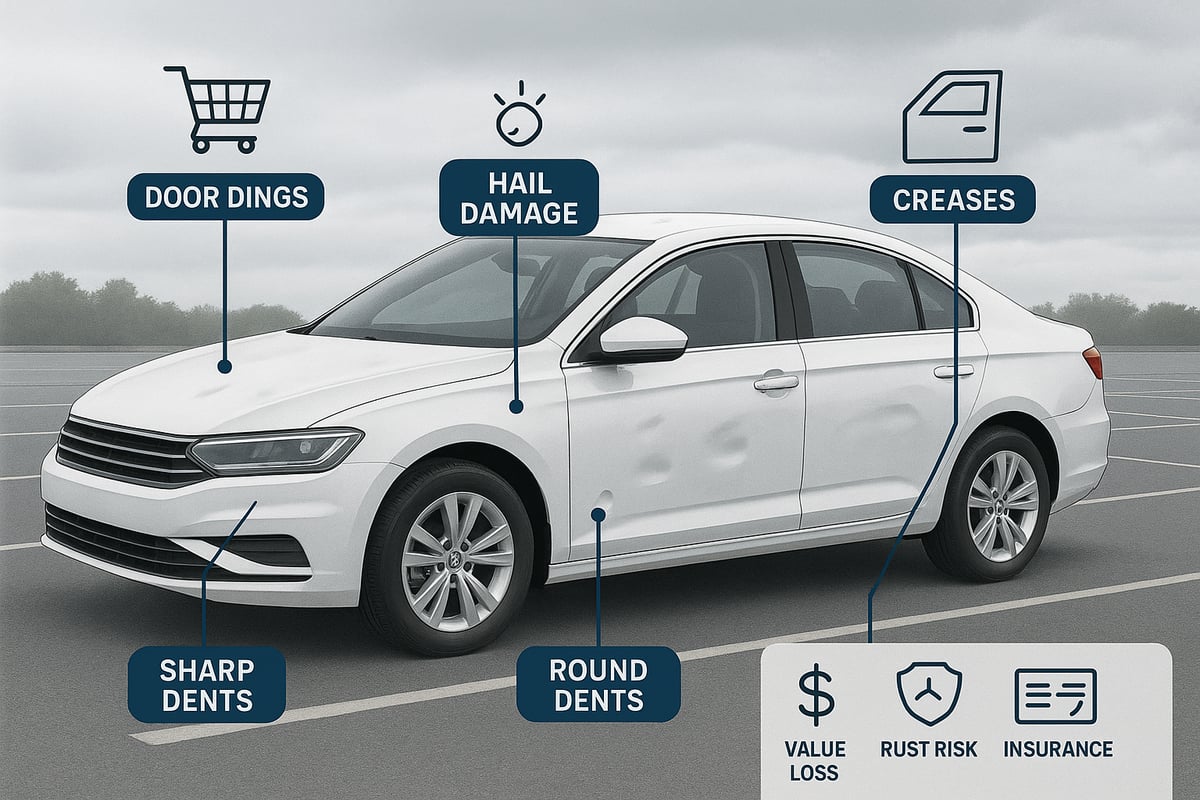
Vehicle dents come in several forms, each with its own challenges for dent repair. The most common types include:
- Door dings: Small, shallow dents often caused by adjacent vehicles in parking lots.
- Hail damage: Multiple small, round dents from hailstones impacting the surface.
- Creases: Linear dents usually resulting from sharp objects or low-speed brushes.
- Sharp dents: Deep, pointed indentations from forceful contact with objects.
- Round dents: Smooth, circular dents, often from sports balls or similar impacts.
For example, a trip to the supermarket can easily result in a door ding, while a sudden hailstorm can leave your hood covered in small craters. Each type may require a different approach to dent repair.
Causes of Dents
Most dents are the result of everyday incidents. Parking mishaps, such as opening a door into a post or another car, are frequent culprits. Weather events, especially hailstorms, can cause widespread damage. Minor collisions at low speeds, like bumping into a pole or getting tapped in a parking lot, are also leading causes.
Hail alone is responsible for over $1 billion in vehicle damage every year in the US, making weather a significant factor in the need for dent repair. No matter how careful you are, these scenarios are often unavoidable.
The Impact of Dents on Vehicle Value and Safety
Even minor dents can have a big impact on your car’s value. Appraisers might lower your vehicle’s resale price by hundreds of dollars for a single visible dent. More importantly, if the paint is broken, it exposes the metal underneath to moisture and air, increasing the risk of rust and corrosion.
Over time, untreated dents can lead to further paint damage and even affect your car’s structural integrity. For anyone considering selling or trading in their car, prompt dent repair is crucial for maintaining both appearance and value.
When Is Dent Repair Necessary?
Determining if dent repair is needed comes down to a few key factors. If the paint is chipped, the dent is deep, or the location is near a body panel edge, immediate repair is recommended. Dents that break the paint can lead to rust, which spreads quickly.
Insurance companies may also factor in unrepaired dents when processing claims, sometimes reducing coverage or increasing premiums. Timely dent repair can help you avoid bigger issues and protect your investment.
DIY vs. Professional Assessment
Deciding between DIY and professional dent repair depends on the dent’s size, depth, and location. Small, shallow dents with intact paint are often good candidates for at-home kits. However, if you notice cracked paint, sharp creases, or if the dent is in a tricky area, professional assessment is the safer choice.
For a step-by-step look at repair options and guidance on which method suits your situation, check out this Car Dent Repair Guide. Making the right call between DIY and professional dent repair will save you time and money down the road.
Dent Repair Methods in 2025: Traditional vs. Modern Techniques
Restoring your car's appearance requires understanding the evolution of dent repair. In 2025, both traditional and modern techniques are available, each with its own benefits and limitations. Knowing the right approach can save time, money, and help preserve your vehicle’s value.
Traditional Dent Repair Methods
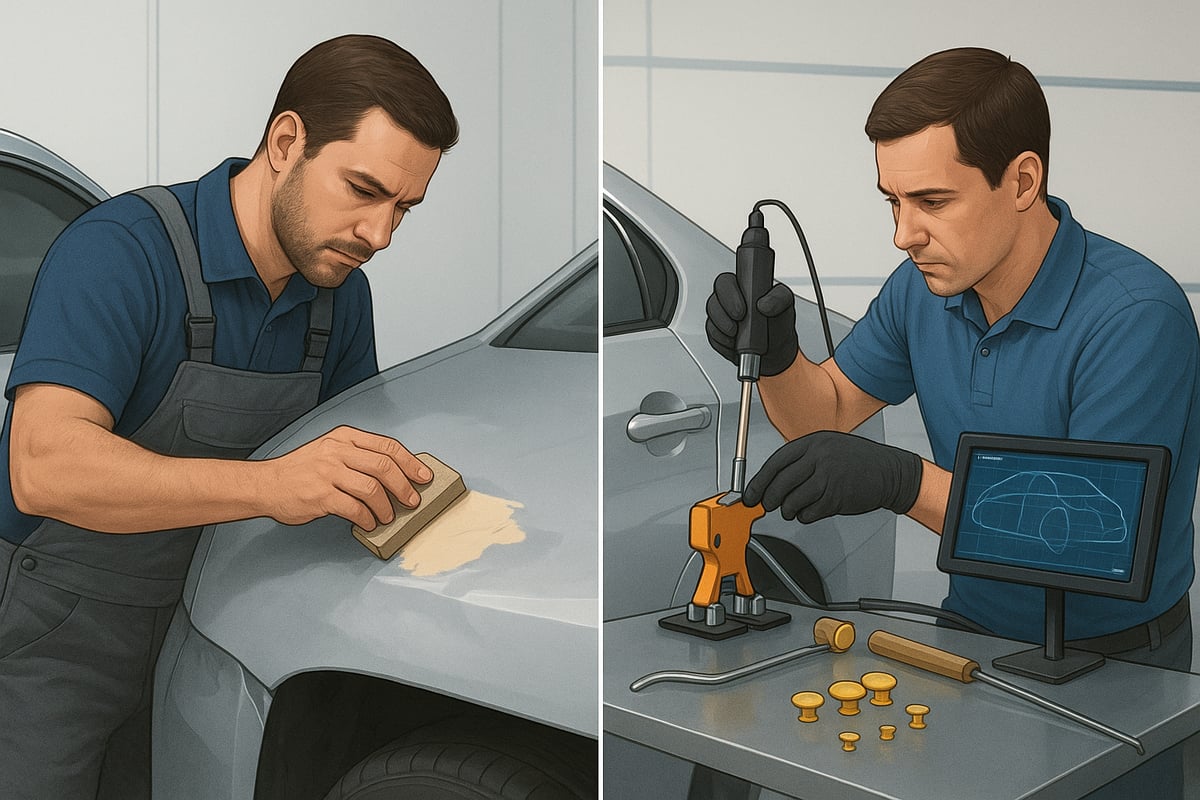
Traditional dent repair typically involves body filler, sanding, and repainting. After cleaning the affected area, technicians fill dents with a compound, sand it smooth, and then repaint the panel. This process is effective for deep dents or when paint is already damaged.
Pros:
- Can fix severe or paint-damaged dents
- Works on any panel type or vehicle age
Cons:
- Removes original factory finish
- Longer repair times
- Higher material and labor costs
Traditional dent repair is best for situations where the vehicle's paint is cracked or when structural integrity is compromised. While reliable, it may reduce resale value because the repaired area no longer has the original paint.
Paintless Dent Repair (PDR)
Paintless Dent Repair, or PDR, has become a preferred method for many minor dents. Originating in the mid-20th century, PDR uses specialized rods and glue tabs to gently push or pull dents from behind the panel, preserving the original paint.
The dent repair process for PDR is fast and eco-friendly. Technicians access the dent, then use tools to massage the metal back into shape without affecting the paint.
Advantages:
- Maintains factory paint finish
- Faster turnaround, often within hours
- Lower cost and environmentally friendly
However, paintless dent repair has limitations. It is not suitable for deep dents, sharp creases, or cases where the paint is chipped or cracked. For many shallow or round dents, PDR is the ideal dent repair solution.
Technological Advances in Dent Repair (2025)
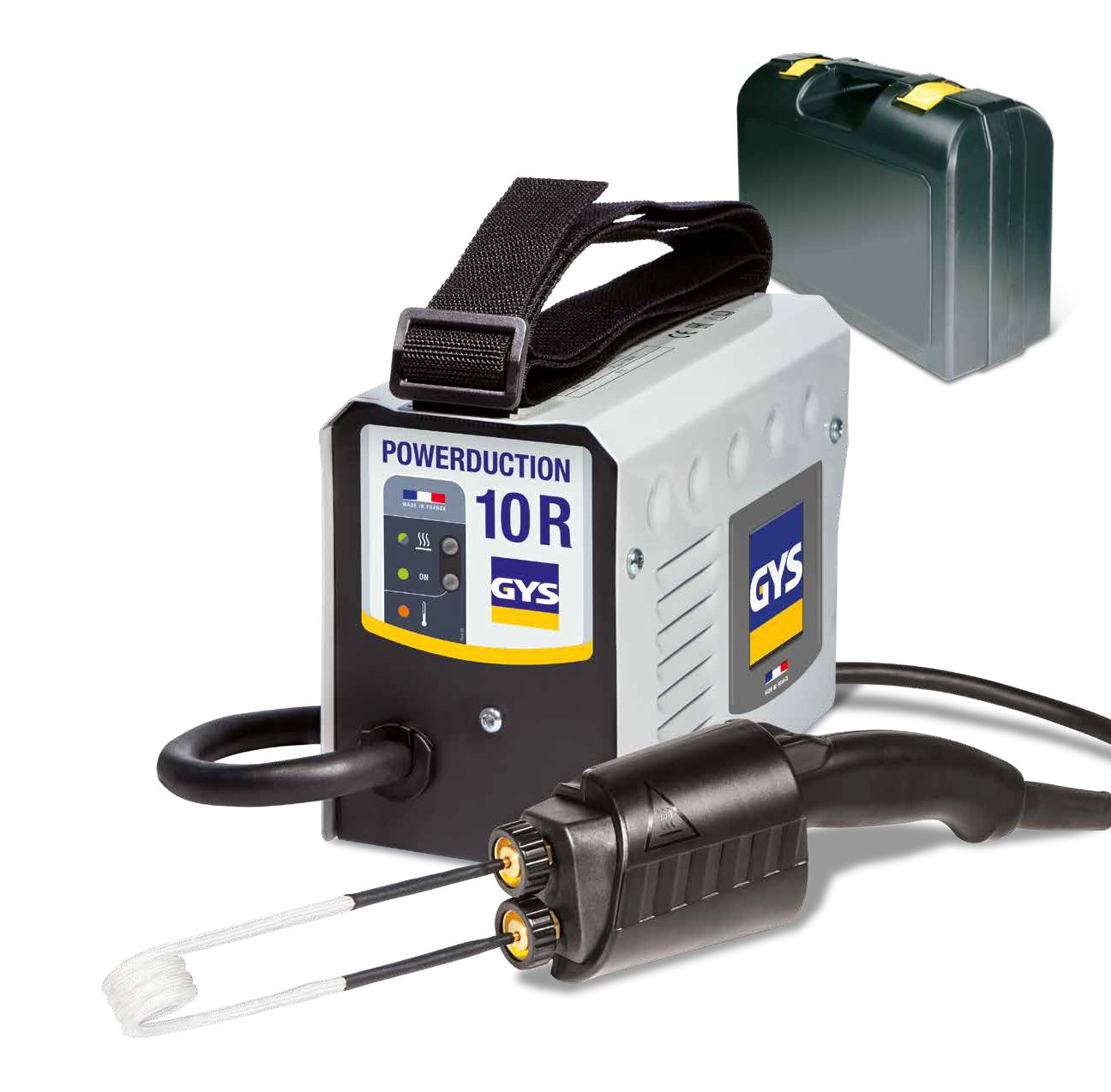
In 2025, dent repair benefits from significant technological advances. New tools like digital dent mapping and power boxes allow technicians to evaluate and repair dents with greater precision. Advanced glue-pulling systems and flexible rods are now designed specifically for aluminum panels, making repairs less invasive and more accurate.
Materials have also improved. High-strength adhesives and lightweight, ergonomic tools speed up the dent repair process and reduce the need for body filler. Techniques such as “Push to Paint” and “Push to Prep” minimize the use of traditional fillers, streamlining repairs.
For more on the equipment powering these advances, see Auto Body Equipment Insights.
Choosing the Right Method
Selecting the best dent repair approach depends on several factors:
- Dent size and depth: Shallow, small dents are ideal for PDR, while deeper or larger dents may require traditional repair.
- Paint condition: If paint is intact, PDR is preferred. Damaged paint needs conventional methods.
- Panel material: Aluminum panels often need specialized tools.
Here’s a quick comparison:
| Method | Best For | Preserves Paint | Average Cost | Time Required |
|---|---|---|---|---|
| Traditional | Deep/paint-damaged dents | No | $200+ | 2–5 days |
| Paintless Dent Repair | Minor/shallow dents | Yes | $75–$150 | 1–3 hours |
Always assess the dent repair options based on your vehicle’s needs, your budget, and the desired outcome.
Step-by-Step Guide: DIY Dent Repair for Car Owners
Dealing with unsightly dents is a common frustration for car owners, but with the right approach, you can tackle many minor issues yourself. This step-by-step guide demystifies the dent repair process, highlighting essential preparation, proven DIY methods, tips for success, and when to call in the pros. Whether you’re aiming to save money or simply enjoy a hands-on project, mastering dent repair at home is within reach.
Preparing for DIY Dent Repair
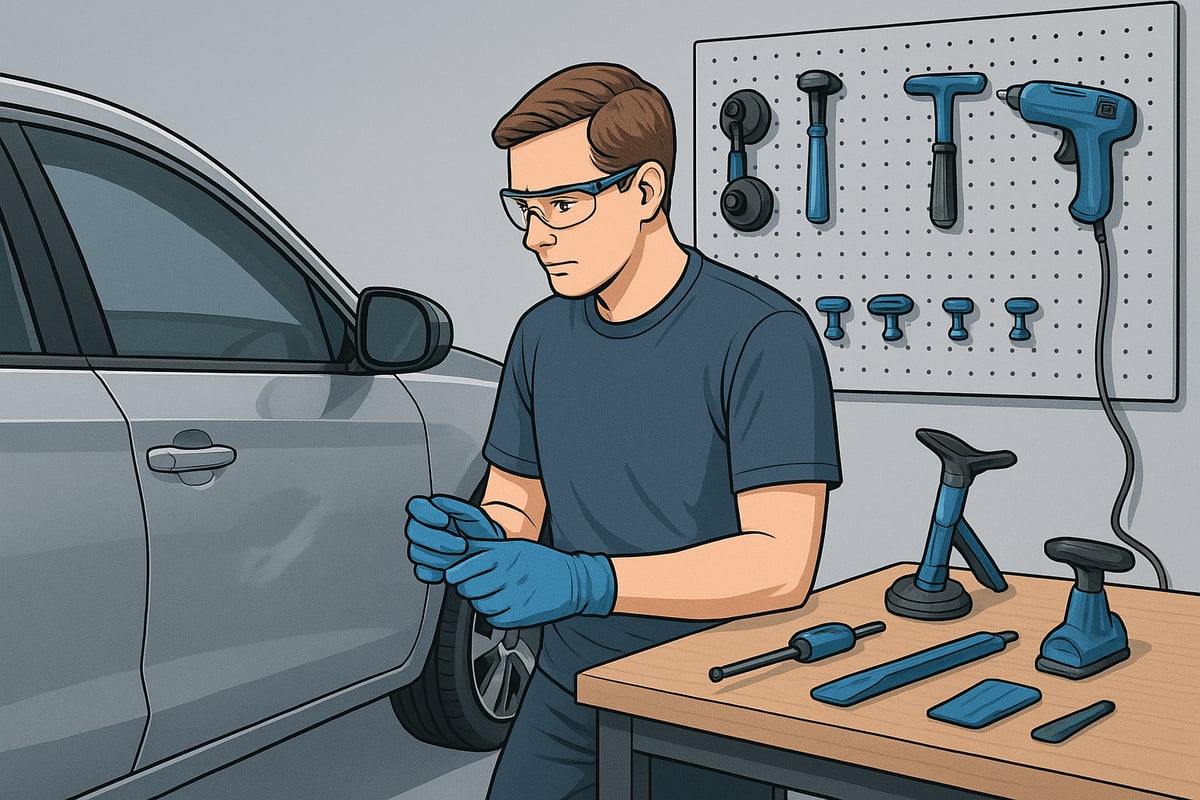
Before starting any dent repair, ensure you have a safe and organized workspace. Wear gloves and eye protection to avoid injuries from sharp edges or tools. Set up your area in a well-ventilated, well-lit space to see all details clearly.
Evaluate the dent to decide if it is suitable for DIY dent repair. Shallow dents with intact paint and easy access are best for at-home fixes. If you notice deep creases, sharp edges, or cracked paint, professional intervention may be necessary. Gather required tools, such as suction cups, glue pullers, heat guns, and PDR rods.
Safety Checklist:
- Gloves and safety glasses
- Stable, clutter-free workspace
- All tools within easy reach
Proper preparation is the foundation of successful dent repair and ensures both safety and efficiency.
DIY Dent Repair Methods
Several proven techniques can help restore your vehicle’s appearance. The suction method is ideal for shallow, round dents. Clean the area, firmly attach the suction cup, and pull gently to pop the dent outward. For larger or irregular dents, try glue pulling: apply specialized glue to a pulling tab, adhere it to the dent, and use a puller to draw out the dent. Afterward, clean off any residue.
Heat and cold methods can also be effective. Gently heat the dented area with a heat gun, then apply a cold pack or compressed air. The rapid temperature change can cause the metal to contract and pop back into shape. Always follow manufacturer instructions for all products and avoid overheating.
For a comprehensive list of practical solutions, check out these Solutions for Car Dents.
Tips for Success and Common Mistakes to Avoid
Success in dent repair depends on patience and attention to detail. Work slowly to prevent paint cracking or metal overstressing. Avoid excessive force, which can cause high spots or additional damage.
Common Mistakes:
- Over-pulling or pushing, resulting in raised areas
- Attempting DIY repairs on deep, sharp, or paint-damaged dents
- Using improper tools or skipping safety gear
Keep these tips in mind to maximize your chances of a flawless finish and minimize risk.
When to Stop and Seek Professional Help
Not all dents are suitable for DIY dent repair. If you notice the dent worsening or paint beginning to chip, stop immediately. Modern vehicles often have sensors and electronics behind panels, so be cautious. Attempting repairs in these areas can lead to costly damage.
Professional assessment is necessary when the dent is too deep, the paint is cracked, or you feel unsure about proceeding. Insurance may require documentation of professional repairs for certain claims.
Example Scenarios
Let’s walk through two common dent repair scenarios:
Fixing a Door Ding with Suction:
- Clean the dented area.
- Attach the suction cup to the center of the dent.
- Pull steadily until the dent pops out.
Removing a Hail Dent with Glue Pulling:
- Apply glue to the pulling tab and place on the dent.
- Use the puller to gently draw out the dent.
- Remove glue residue and inspect the area.
Refer to the table below to determine which method suits your situation:
| Dent Type | Method | DIY Suitability |
|---|---|---|
| Door ding | Suction/Glue | High |
| Hail dent | Glue/Heat-Cold | Moderate |
| Deep crease | Professional | Low |
Following these steps for dent repair empowers you to handle minor issues confidently and maintain your vehicle’s appearance.
Professional Dent Repair: What to Expect and How to Choose a Service
Getting professional dent repair can feel overwhelming, especially with so many options and new technologies available. Knowing what to expect at each step makes the process smoother and helps you get the best result for your vehicle.

The Professional Repair Process
When you bring your car in for dent repair, the shop will begin with a thorough inspection using digital mapping tools. This step helps pinpoint the exact size and depth of each dent.
Next, technicians assess the best repair method. For minor dents, paintless dent repair is often preferred. For deeper or paint-damaged dents, traditional methods like body filler and repainting may be necessary. Throughout the process, quality control is key, with technicians checking for a seamless finish before returning your vehicle.
A professional approach ensures your car regains its original look and value.
How to Choose a Reputable Dent Repair Shop
Selecting the right shop is crucial for effective dent repair. Start by checking certifications such as I-CAR, ASE, or PDR-specific credentials. These indicate that technicians are trained and up to date with industry standards.
Look for shops with strong reviews, clear warranties, and a reputation for excellent customer service. Be cautious of any business offering unusually low prices or lacking transparency in their process.
Trustworthy shops will provide a clear estimate and explain their chosen repair methods, helping you feel confident in your decision.
Cost Factors and Insurance Considerations
Dent repair costs vary based on dent size, location, and technique. For example, paintless dent repair for a dime-sized dent typically ranges from $75 to $150, while traditional repairs may exceed $200.
Insurance coverage can impact your out-of-pocket expenses. Comprehensive policies often cover dent repair from hail or other events, but deductibles apply. Collision insurance may also help if the damage is accident-related.
Here's a quick comparison:
| Repair Method | Typical Cost | Insurance Coverage |
|---|---|---|
| Paintless Dent Repair | $75–$150 | Comprehensive/Collision |
| Traditional Repair | $200+ | Comprehensive/Collision |
Understanding these factors helps you plan and budget for repairs.
Questions to Ask Before Committing
Before choosing a dent repair provider, ask key questions to ensure you get quality service:
- What is the estimated repair timeline?
- Do you offer any guarantees or warranties on your work?
- Will you use OEM parts if replacements are needed?
- Does your team have experience with my vehicle make and model?
Clear communication up front helps avoid surprises later and ensures your expectations are met throughout the dent repair process.
The Role of Advanced Tools in Professional Repairs
Modern dent repair shops are embracing technology to improve results. Advanced tools like power boxes, high-tech glue systems, and digital mapping devices allow for greater accuracy and efficiency.
Recent updates in paintless dent repair programs, such as expanded photographic documentation and digital calculators, are helping technicians provide more precise estimates and faster turnarounds. For example, the Paintless Dent Repair (PDR) program enhancements highlight these advancements and the importance of digital tools in today's repair landscape.
Staying informed about these innovations ensures your dent repair is performed using the best methods available.
Preventing Dents: Best Practices and Protective Measures
Keeping your vehicle free from dents not only preserves its appearance but also saves you the hassle and cost of frequent dent repair. By adopting a few simple habits and investing in protective measures, you can greatly reduce your risk of unexpected dings and damage.
Parking and Driving Habits
Choosing the right place to park can make all the difference in avoiding unnecessary dent repair. Always look for end spots or areas away from high-traffic zones to minimize the risk of door dings. Avoid squeezing into tight spaces, even if it means walking a bit farther.
When driving, be mindful of shopping carts, careless drivers, and obstacles that could bump your vehicle. Using door guards or protective strips also helps shield your car from accidental impacts. These habits are your first line of defense against everyday dents.
Weather Protection
Mother Nature can be unpredictable, and weather-related events like hailstorms are a major cause of dent repair needs. Parking your vehicle in a garage or under a carport is the best way to avoid hail damage. If indoor parking is not available, consider using a portable hail cover or shelter.
According to studies, vehicles parked indoors have an 80 percent lower risk of hail damage. Staying alert to weather forecasts and acting quickly can prevent costly repairs and keep your car looking its best.
Maintenance Tips to Minimize Dent Risks
Regular inspections are essential for catching small dings before they develop into bigger problems requiring dent repair. Check your vehicle after parking in crowded lots or during stormy seasons. Early detection allows you to address issues before rust or paint damage sets in.
Modern technology is making inspections easier. For example, the 2025 CarMD Vehicle Health Index highlights how proactive checks can reduce repair costs and improve longevity. Incorporate visual checks into your routine for best results.
Protective Products and Accessories
Investing in quality protective products can reduce your chances of needing dent repair in the future. Paint protection film and ceramic coatings offer a barrier against minor impacts and scratches. Body side moldings add an extra layer of defense against careless doors.
Here's a quick comparison:
| Product | Protection Level | Cost | Ease of Use |
|---|---|---|---|
| Paint Protection Film | High | $$$ | Professional |
| Ceramic Coating | Moderate | $$ | Professional/DIY |
| Body Side Moldings | Moderate | $ | DIY |
| Door Edge Guards | Basic | $ | DIY |
Choose the option that fits your budget and lifestyle to keep your car protected year-round.
Educating Family and Drivers
Prevention is a team effort. Make sure everyone who drives or parks your vehicle understands the basics of dent repair prevention. Share tips on choosing safe parking spots, avoiding risky driving behaviors, and using protective accessories.
Encourage family members to report minor dings early so you can address them before they worsen. By staying proactive and informed, you can help everyone play a part in keeping your vehicle dent-free.
The Future of Dent Repair: Trends and Innovations for 2025 and Beyond
The world of dent repair is entering a new era, fueled by technology and changing consumer expectations. As vehicles become smarter and materials evolve, the process of fixing dents is transforming rapidly. From artificial intelligence to eco-friendly repairs, let’s explore the trends shaping dent repair in 2025 and beyond.
Smart Detection and Digital Mapping
One of the biggest game-changers in dent repair is the integration of AI-powered sensors and digital mapping. Modern vehicles now use embedded sensors to detect even minor dents as soon as they occur. These sensors feed data to advanced software, which creates a detailed 3D blueprint of the dented area.
This technology allows technicians to assess damage with incredible accuracy. For example, deep learning models can now analyze dents automatically, enhancing inspection speed and precision, as discussed in Deep learning for minor dent detection.
For car owners, this means faster diagnostics and more reliable repair plans. The result is less guesswork and better outcomes for every dent repair job.
Advancements in Repair Tools and Materials
The tools used for dent repair are evolving rapidly. Lightweight, ergonomic devices are now designed specifically for modern materials like aluminum and composites. New adhesives are both stronger and more flexible, making them suitable for a wider range of repairs.
Eco-friendly compounds are replacing older chemical-heavy solutions. This shift not only benefits the environment but also improves safety for technicians and vehicle owners. High-strength adhesives and flexible rods allow for precise repairs with minimal impact on the original paint.
These advancements are making dent repair more efficient, accurate, and sustainable than ever before.
Integration with Connected Vehicles
Connected vehicles are transforming how dent repair is managed. Many new cars use telematics systems to monitor impacts and alert owners to potential dents in real time. This instant feedback enables prompt action, reducing the risk of further damage.
Remote diagnostics are also on the rise. Car owners may soon receive repair estimates directly to their phones, thanks to smart vehicle connectivity. The U.S. Automotive Collision Repair Market Forecast highlights how AI-powered diagnostics and connected services are driving industry growth.
These developments streamline the dent repair process, saving time and reducing uncertainty for both professionals and drivers.
Sustainability and Green Repair Practices
Eco-conscious dent repair is a priority for 2025. Paintless dent repair (PDR) reduces the need for harsh chemicals and excess paint, lowering environmental impact. Shops are adopting recycling programs for old materials and responsibly disposing of waste.
Green adhesives and compounds are becoming industry standards. The reduced use of paint and fillers not only helps the planet, but also preserves the vehicle’s factory finish. As a result, sustainability is now a key consideration in every dent repair decision.
The Evolving Role of Technicians & Consumer Empowerment
Technicians must now master advanced digital tools, AI diagnostics, and new repair materials. Upskilling is essential, as the demand for certified PDR specialists grows. Training programs increasingly focus on digital workflows and eco-friendly techniques.
At the same time, consumers are more empowered than ever. App-based repair guides and AR-assisted tutorials give car owners step-by-step support for minor dent repair at home. Smart DIY kits are making professional-quality results more accessible.
This blend of expertise and technology is reshaping the future of dent repair, offering better outcomes for everyone involved.
Now that you’ve explored the latest dent repair strategies for 2025, from handy DIY tips to the most advanced professional tools, you’re in a great position to tackle your next project with confidence. Whether you’re a seasoned pro or learning the ropes, having the right equipment makes all the difference in achieving quality results and saving time. If you’re curious about the tools mentioned or want to upgrade your gear for even better repairs, you can find everything you need with trusted support and top-notch products.
Shop Now

