



Dents and dings can quickly ruin your car’s appearance and drop its value, making every scratch feel like a costly setback. Professional repairs often come with high bills and long wait times, adding to the frustration. The good news is, in 2025, auto car dent repair is easier, more affordable, and accessible for everyone. With the right tools and expert tips, you can restore your car’s look yourself or make informed choices at the shop. This guide breaks down the latest methods, essential tools, and industry trends so you can confidently tackle car dents and protect your investment.
Understanding Car Dents: Types, Causes, and Risks
Dents and dings are a fact of life for car owners, but knowing what causes them and how to address them is essential for effective auto car dent repair. Whether it is a small ding from a shopping cart or damage from a hailstorm, understanding the basics can save you time, money, and stress.
Common Causes of Car Dents
Everyday driving exposes your car to many dent risks. Parking lot mishaps are among the most frequent causes. Shopping carts, swinging car doors, and even careless drivers can leave unwanted marks.
Weather is another major culprit. Hailstorms, falling branches, or flying debris during storms can create sudden, noticeable damage. Minor collisions, like bumping into poles or barriers, also contribute to the problem.
Urban driving and tight parking spaces increase the odds of dings. According to insurance reports, hail and parking lot accidents are the top causes requiring auto car dent repair. Even routine commutes can lead to unwanted surprises, making vigilance and smart parking choices important.
Types of Car Dents and Their Characteristics
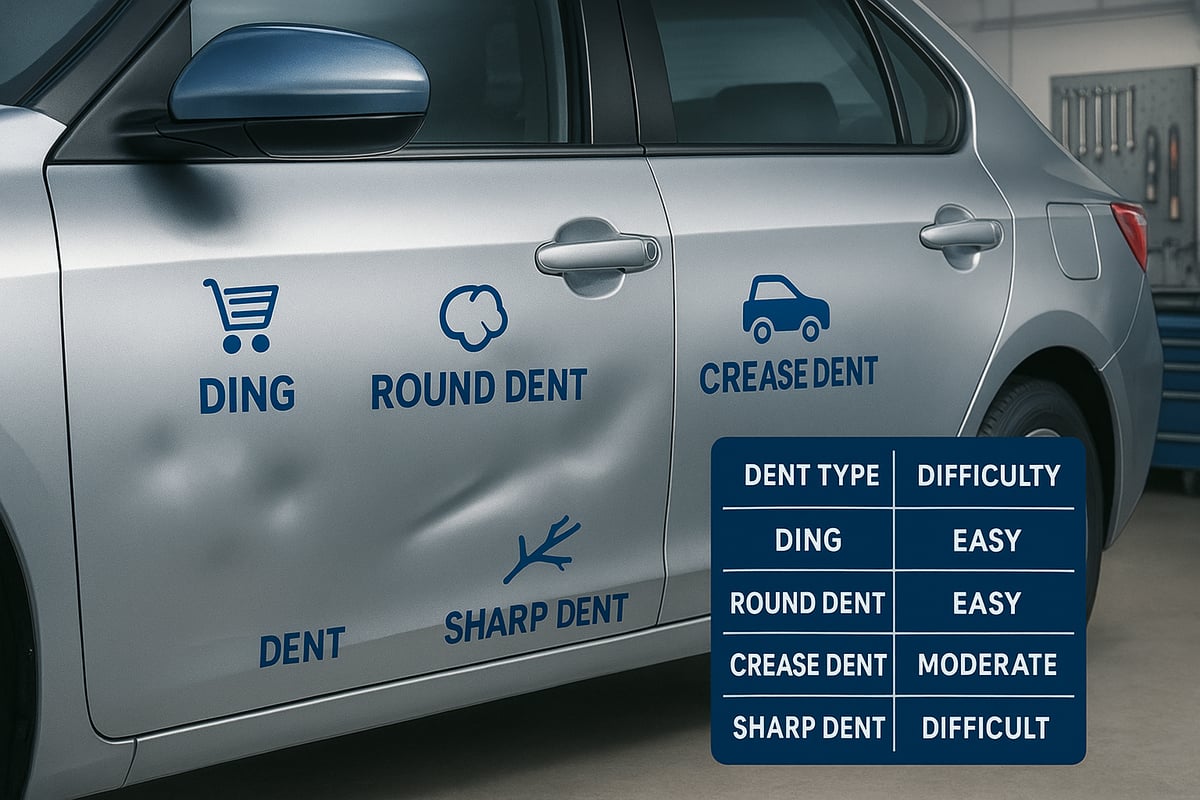
Not all dents are created equal. Dings are usually small, shallow, and often caused by minor impacts. Dents are larger, deeper, and may involve more significant force. Shapes also vary: round dents, sharp dents with pointed centers, crease dents with a visible line, and serious structural dents that may affect the car’s frame.
Material matters. Metal panels react differently than plastic bumpers, and the removal process can change depending on the surface. It is also important to check if the dent is paintless or if the paint has cracked or chipped.
Here is a quick comparison of common dent types and their removal difficulty:
| Dent Type | Typical Cause | Removal Difficulty |
|---|---|---|
| Ding | Car door, cart | Easy |
| Round Dent | Hail, ball | Moderate |
| Sharp Dent | Debris, pointed object | Hard |
| Crease Dent | Sliding object, scrape | Very Hard |
| Structural Dent | Collision, major impact | Professional Only |
If you are unsure about the type or best approach, check out this Car Dent Solutions Guide for tips on auto car dent repair and matching the right method to your situation.
Why Prompt Dent Repair Matters
Delaying auto car dent repair can have bigger consequences than you might expect. Exposed metal from dents can quickly develop rust, especially in wet climates. Paint flaking may also occur, leading to more extensive damage over time.
Unrepaired dents lower your car’s appearance and resale value. In fact, leaving dents untouched can reduce trade-in or private sale offers by hundreds of dollars. Sometimes, dents hide deeper structural issues that only worsen if ignored.
Insurance also plays a role. Filing a claim for minor dents might not be worth the deductible or potential premium increases, so addressing repairs early can save hassle and money. Timely repair keeps your vehicle looking sharp and helps maintain its value for years to come.
Essential Tools and Materials for Dent Repair in 2025
Having the right tools is the foundation of successful auto car dent repair. Whether you are tackling a small ding or a stubborn crease, modern equipment and materials make the process easier, safer, and more effective than ever. Let’s explore the essentials you need in your toolkit for 2025.
Must-Have Tools for DIY Dent Repair
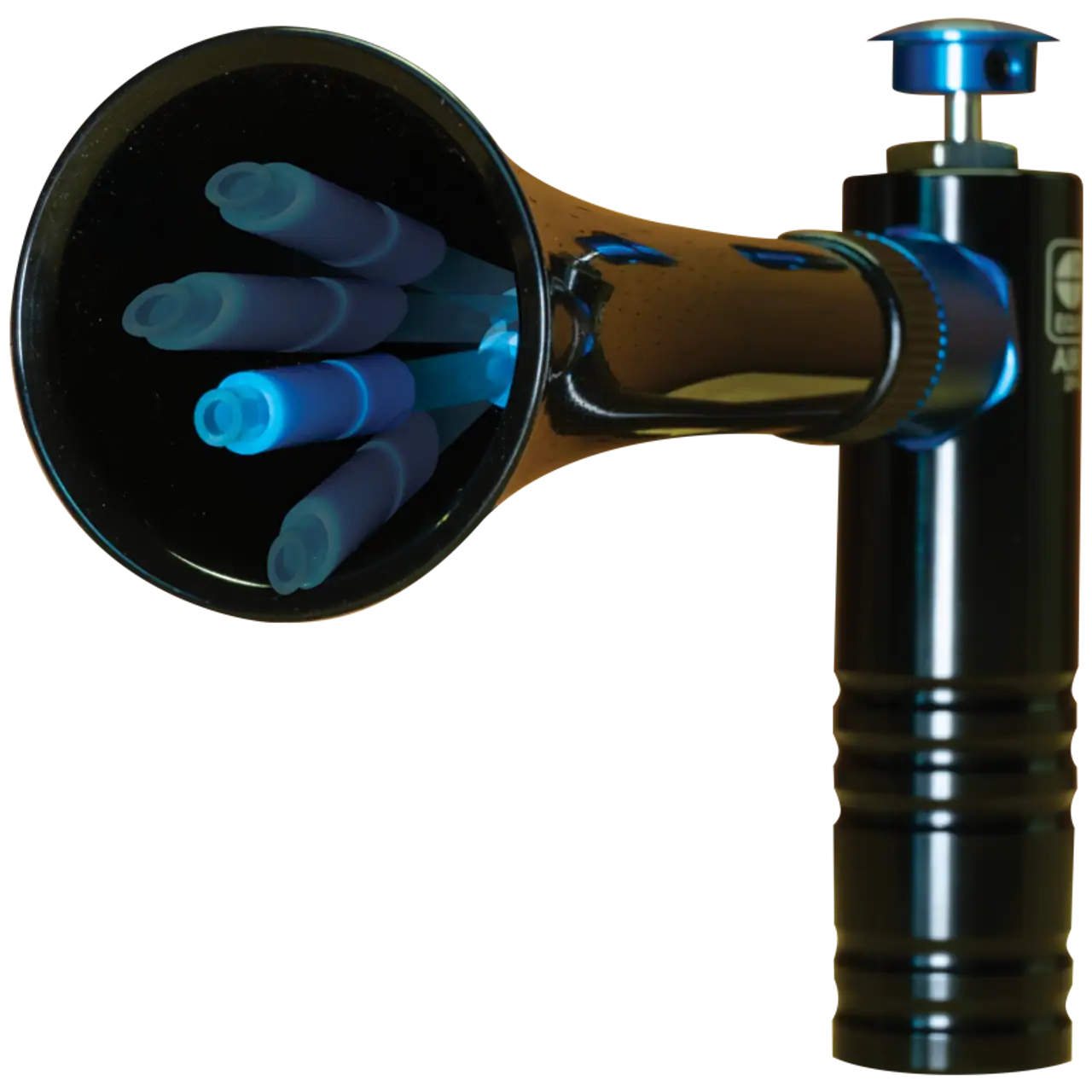
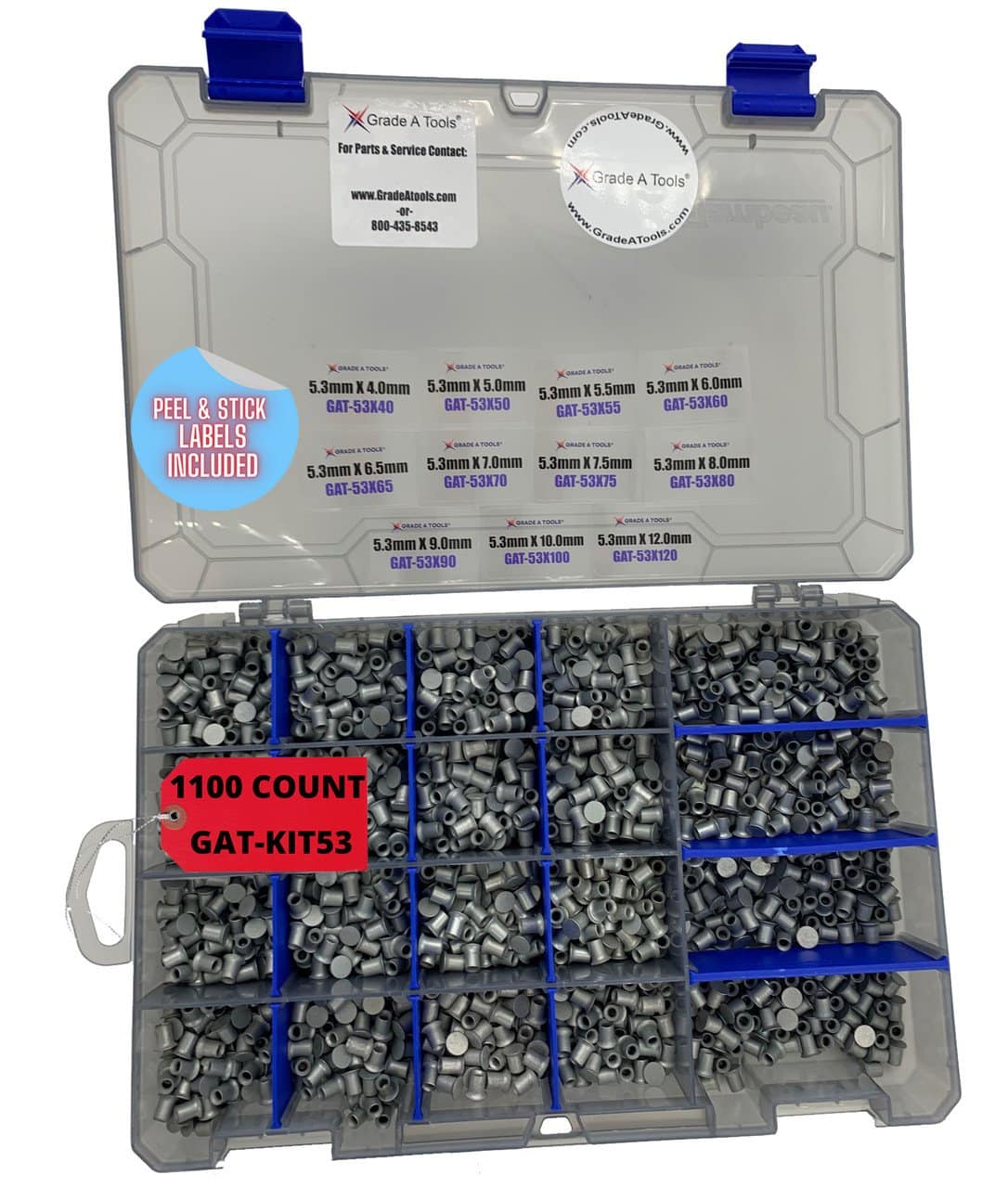
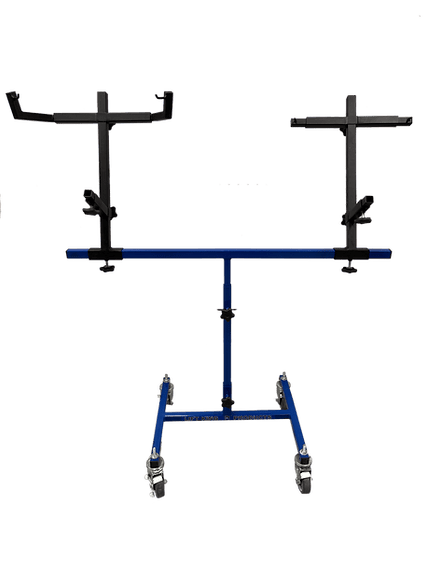
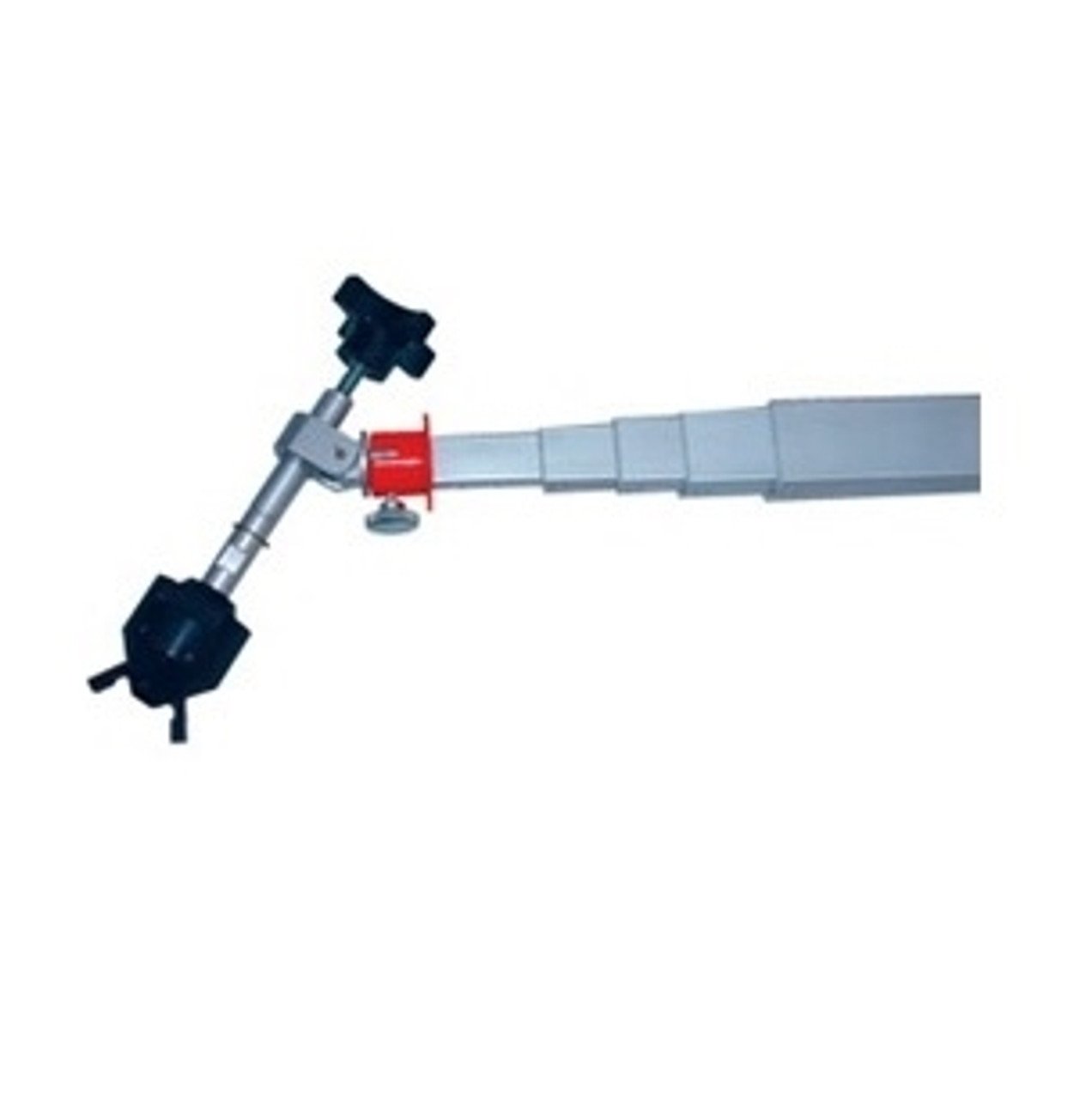
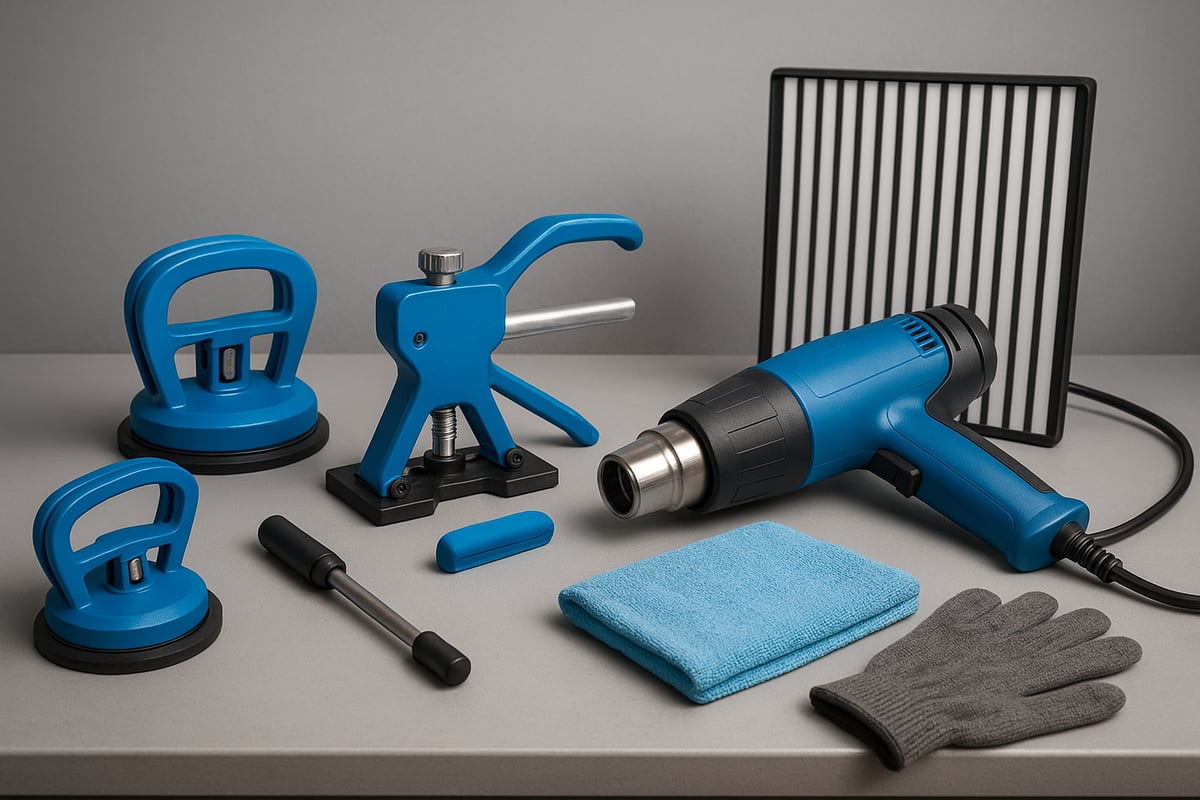
When it comes to auto car dent repair at home, a few core tools are indispensable. Suction cup pullers are perfect for shallow, accessible dents, while glue pullers and specialized tabs handle deeper or more awkward spots. Slide hammers can help with larger dents, offering strong pulling force.
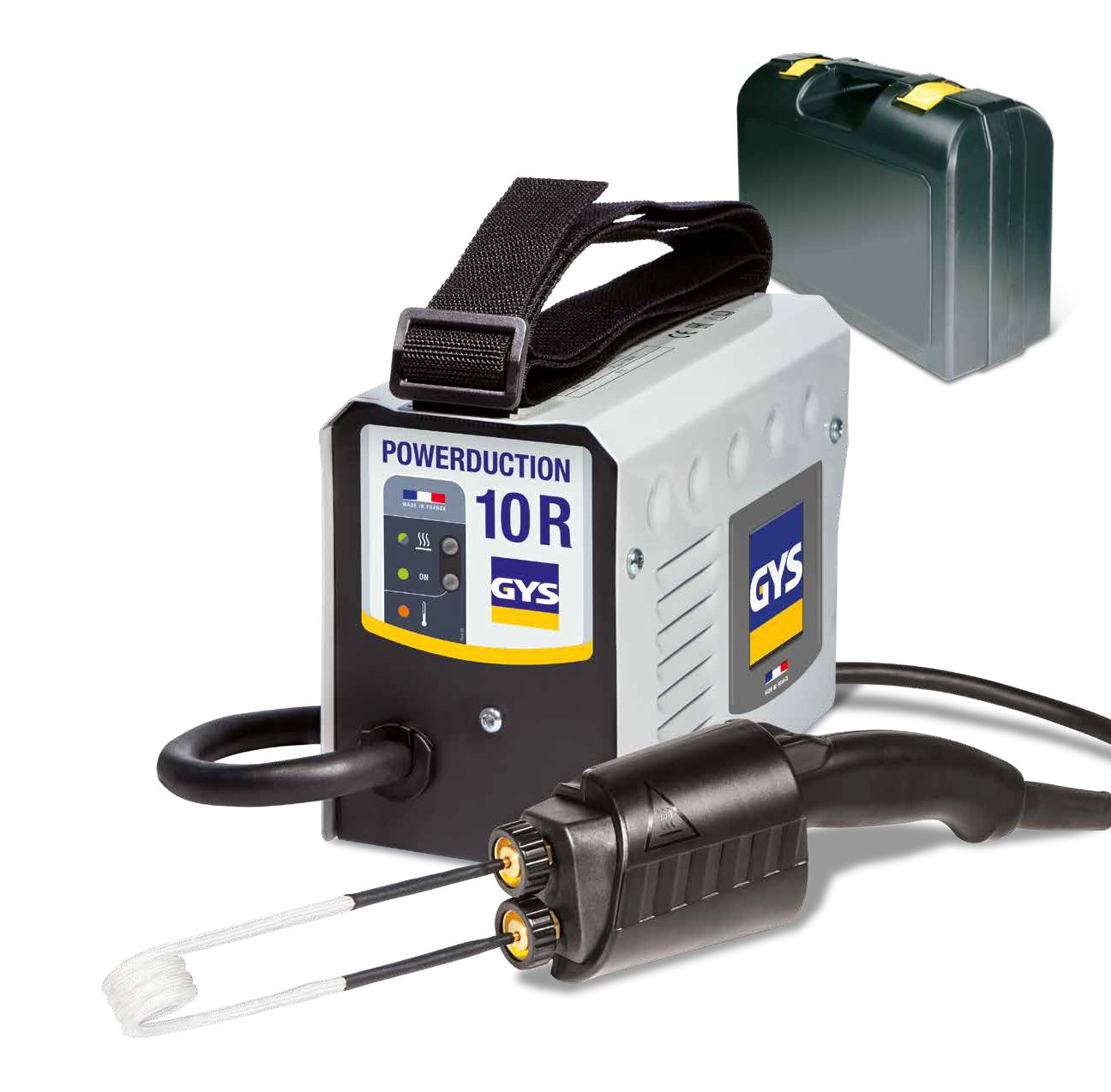
A reliable heat source is key. Heat guns and even hairdryers help relax metal or plastic, making dents easier to shape. Good lighting, such as LED line boards, ensures you see every contour and imperfection.
To tackle finishing touches, knock-down punches and plastic-tipped hammers help flatten high spots. Dent removal rods reach behind panels for precise work. Wet sanding materials, like 1500–3000 grit sandpaper, allow you to blend repairs seamlessly.
Modern glue pullers are now safer for paint than older versions. For a detailed list and comparison of essential tools, check out Auto Body Repair Equipment for the latest options.
Choosing Professional-Grade Equipment
Investing in professional-grade tools for auto car dent repair brings better results and reduces the risk of paint damage. High-quality dent pullers and precision lighting help you avoid creasing and over-pulling. These tools offer more control, especially on complex or delicate repairs.
Digital dent mapping is a game-changer for 2025. Smart repair kits now feature integrated heat sensors, allowing you to monitor surface temperature and avoid damaging paint. These innovations make even tricky repairs achievable for skilled DIYers and professionals alike.
For example, smart glue pullers with built-in sensors alert you if the metal gets too hot. Using these advanced solutions in auto car dent repair can mean the difference between a flawless finish and a costly mistake. Always consider the benefits of upgrading your toolkit to the latest technology.
Safety and Preparation Materials
Safe and effective auto car dent repair starts with proper preparation. Always wear gloves, safety glasses, and a dust mask to protect yourself from debris and chemicals. Clean microfiber cloths and automotive soap ensure the surface is spotless before you begin.
Use degreasers and paint-safe cleaners to prep the area. This step is critical. Proper cleaning removes contaminants that could scratch the paint during repair. Skipping prep can cause more harm than good, so never rush this stage.
Having the right safety and prep materials in place not only protects your vehicle but also leads to a professional-quality result. Careful preparation sets the stage for success with every auto car dent repair project.
DIY Dent Repair Methods: Step-by-Step Expert Guide
Tackling auto car dent repair yourself can be rewarding and cost-effective if you follow proven steps. With the right tools and a bit of patience, you can make dents disappear and restore your vehicle’s appearance. Let’s break down the process so you can confidently handle common dents at home.
Preparing Your Car for Dent Repair
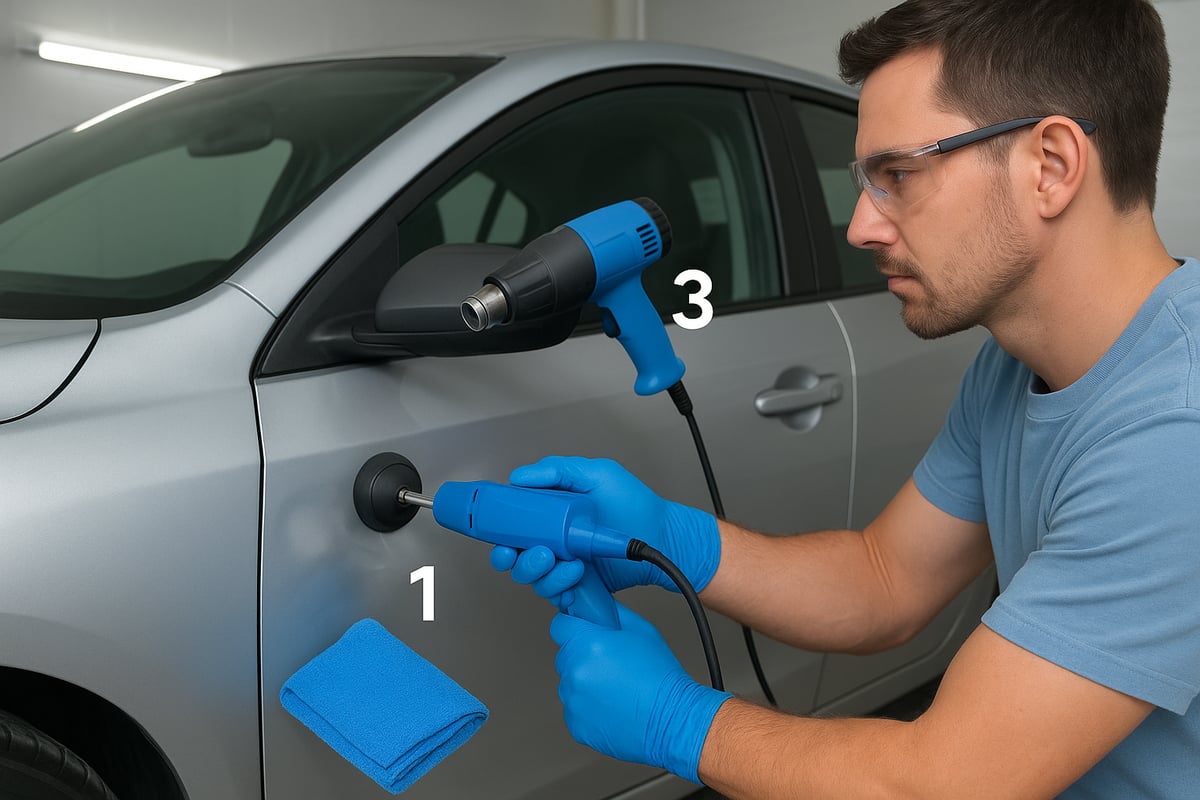
Preparation is the foundation of successful auto car dent repair. Begin by washing and drying the area around the dent thoroughly. Any dirt or debris left behind can scratch the paint during the repair process.
Set up your workspace with plenty of lighting, ideally using an LED line board. Mark the edges of the dent with painter’s tape or a washable marker to keep your repair precise. Good visibility is crucial for spotting high and low spots as you work.
Check if the back of the dent is accessible, especially if it’s on a rear panel. Some dents may be blocked by interior trim or structural components. Skipping prep leads to poor results and even more scratches, so take your time with these initial steps.
Step 1: Assessing the Dent
The next step in auto car dent repair is to evaluate the dent’s type and severity. Is it a shallow ding, a sharp crease, or a larger round dent? Identifying the dent type helps you choose the right method.
Decide if the repair can be done paintless or if conventional methods are needed. Look closely for cracked paint or exposed metal. If you spot any, traditional repair may be necessary to prevent rust.
Some dents, like long creases or those with significant paint damage, are best left to professionals. When in doubt, consult a body shop before starting your repair to avoid making the issue worse.
Step 2: Applying Heat
Heat plays a critical role in auto car dent repair, especially on metal panels. Use a heat gun or a hairdryer to warm the dented area. This relaxes the metal or plastic, making it more pliable for pulling.
Aim for a temperature that’s warm to the touch but not so hot that the paint blisters. Typically, warming the area for 2-3 minutes is enough. Reheat as needed if the panel cools during the process.
Be cautious, as overheating can cause permanent paint discoloration. Always move the heat source in a circular motion and check the temperature frequently with your hand. Proper heating sets the stage for a smoother dent removal.
Step 3: Pulling Out the Dent
Now you’re ready for the main event in auto car dent repair: pulling the dent. For shallow, accessible dents, a suction cup puller can sometimes pop the panel back into shape. Deeper or hard-to-reach dents often require glue pullers or slide hammers.
Apply the glue tab to the center of the dent, let it set, then use the puller to gently draw the metal outward. Work in small increments, pulling gradually to avoid overcorrecting.
For complex dents, using multiple glue tabs can help distribute force evenly. Modern tools like the Dent Fix 900B Tool Overview offer advanced features to make this process safer for your car’s paint and more effective for tough dents.
Step 4: Finishing and Smoothing
Once the dent is mostly out, it’s time to refine your work. Use a knock-down punch or a plastic-tipped hammer to tap down any high spots. This step ensures the surface is level with the surrounding area.
For a seamless finish, wet sand the repaired spot with 1500–3000 grit sandpaper. Always keep the area moist to prevent scratching. Follow up with polishing compound and a microfiber cloth to restore shine.
Finally, apply a coat of wax to protect the paint and help blend the repair. Taking your time with these finishing touches is key to a professional-looking auto car dent repair.
Troubleshooting Common DIY Issues
If the dent refuses to budge, double-check your heat application and pulling technique. Sometimes dents need several pulls or a combination of suction and glue tabs. Avoid forcing it, as aggressive attempts can stretch or crack the metal.
If you notice cracked paint or exposed metal during auto car dent repair, stop and reassess. Addressing these issues quickly prevents rust and further paint damage. Apply touch-up paint or consult a pro if needed.
Know your limits. Large, sharp, or structural dents often require professional attention. When in doubt, it’s better to seek expert help than risk making the problem worse. With patience and the right approach, most small dents can be fixed at home.
Professional Dent Repair: When and Why to Call the Experts
Dents can be tricky. Sometimes, a DIY approach works, but there are moments when calling a professional is the smartest move for auto car dent repair. How do you know when it is time to put away your tools and trust the experts? Let us break down the key signs, repair methods, and what to look for in a great specialist.
Signs You Need a Professional Repair
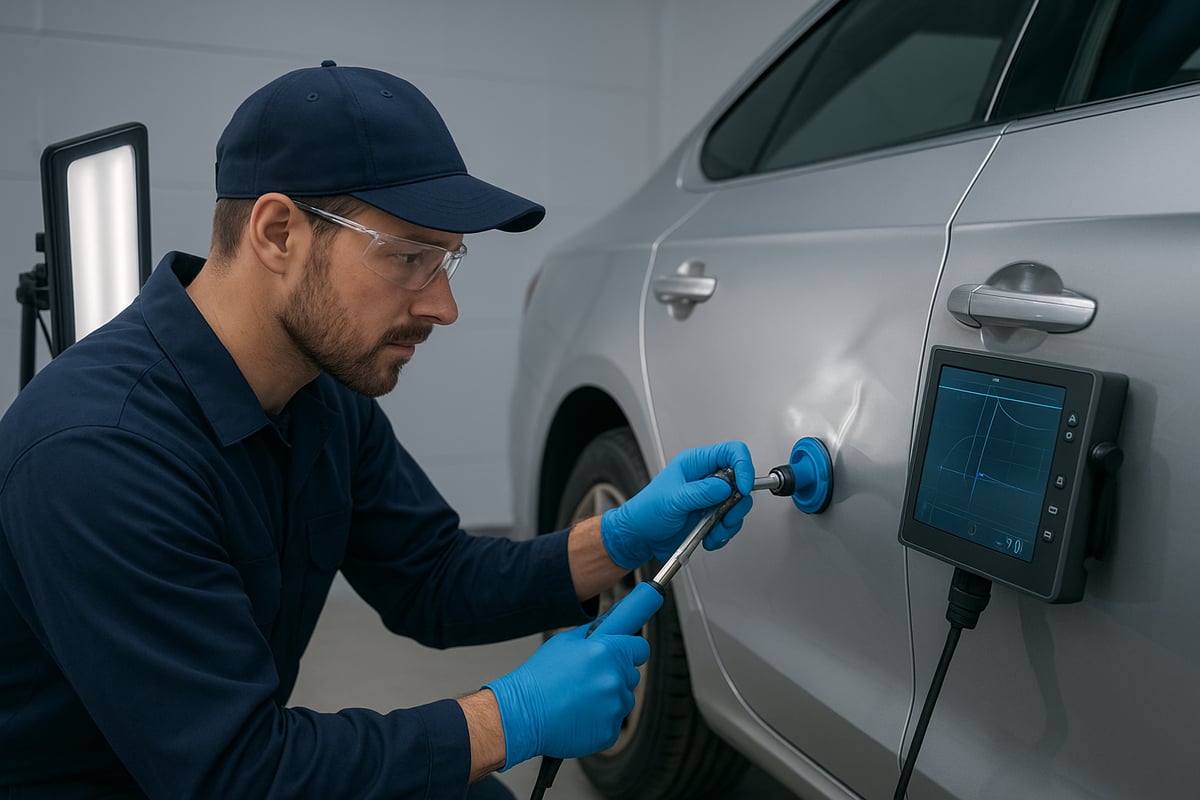
Not all dents are equal. Certain types call for expert attention. Deep, sharp, or crease dents—especially those with cracked or missing paint—are best left to professionals. Dents on body lines or near structural parts can affect your car’s safety if not repaired correctly.
Aluminum panels are becoming common in newer vehicles. These can be challenging for DIY fixes since they require special tools and skills. If your bumper has sensors or electronics nearby, a professional should handle the auto car dent repair to avoid costly mistakes.
Multiple or overlapping dents further complicate the repair process. If you spot any of these issues, it is time to book a consultation instead of risking further damage.
Paintless Dent Repair (PDR) Explained
Paintless Dent Repair is a popular method for many auto car dent repair jobs. Technicians access the backside of panels and gently massage the dented area until it returns to its original shape. This keeps your factory paint intact, which is a huge benefit.
PDR is usually fast and cost-effective. It is ideal for minor dents without paint damage. However, if the dent is too deep, on a sharp crease, or the paint is cracked, PDR may not work. According to industry data, PDR can cost 60 to 70 percent less than traditional repairs, making it a great option for many situations.
If you want to learn more about emerging repair trends and advanced PDR tools for 2025, check out Collision Repair Trends in 2025.
Conventional Dent Repair and Body Shop Solutions
Sometimes, dents are too severe for PDR. In those cases, traditional auto car dent repair methods come into play. This often means filling, sanding, and repainting the damaged area. For major damage or cracked paint, a replacement panel may be needed.
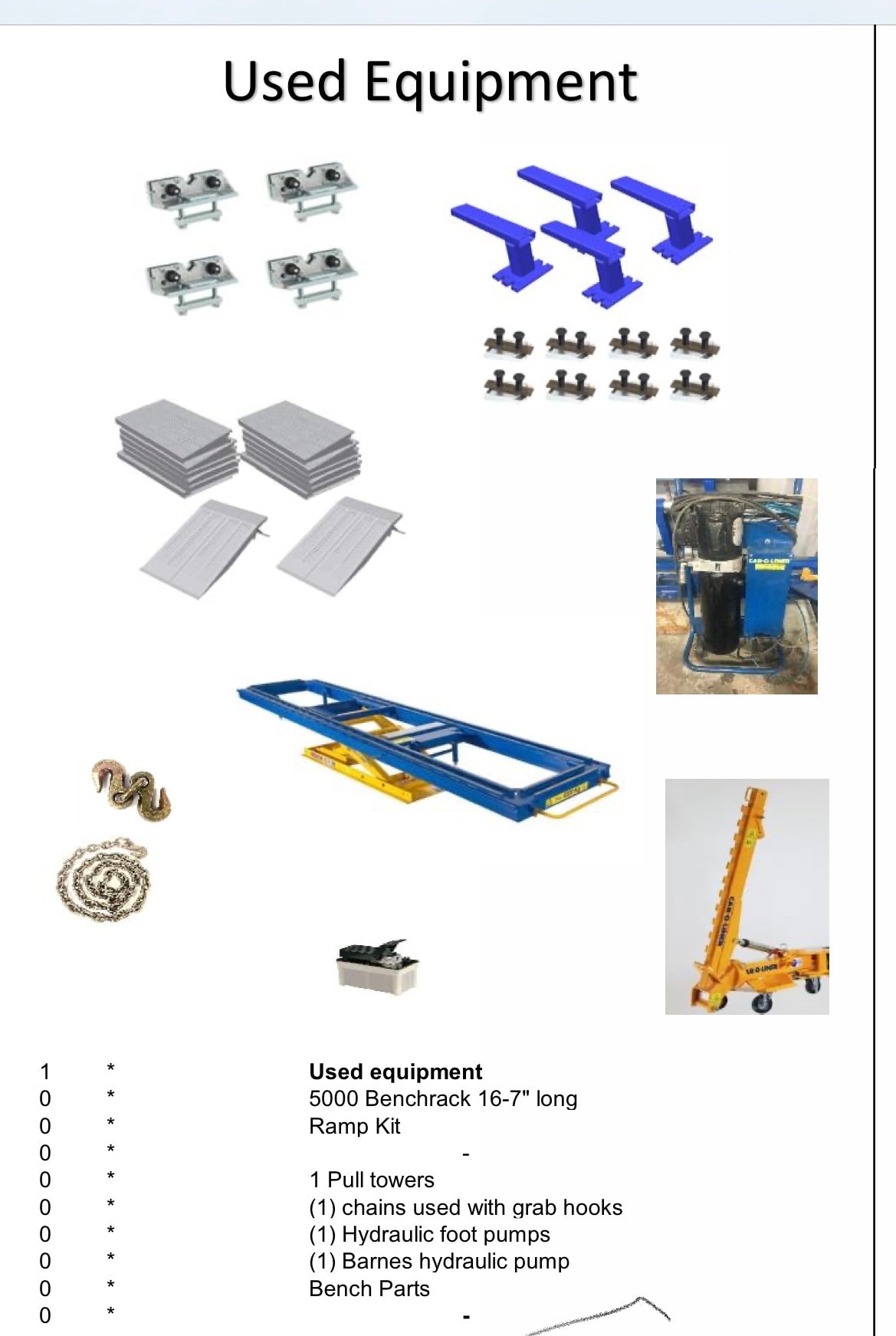
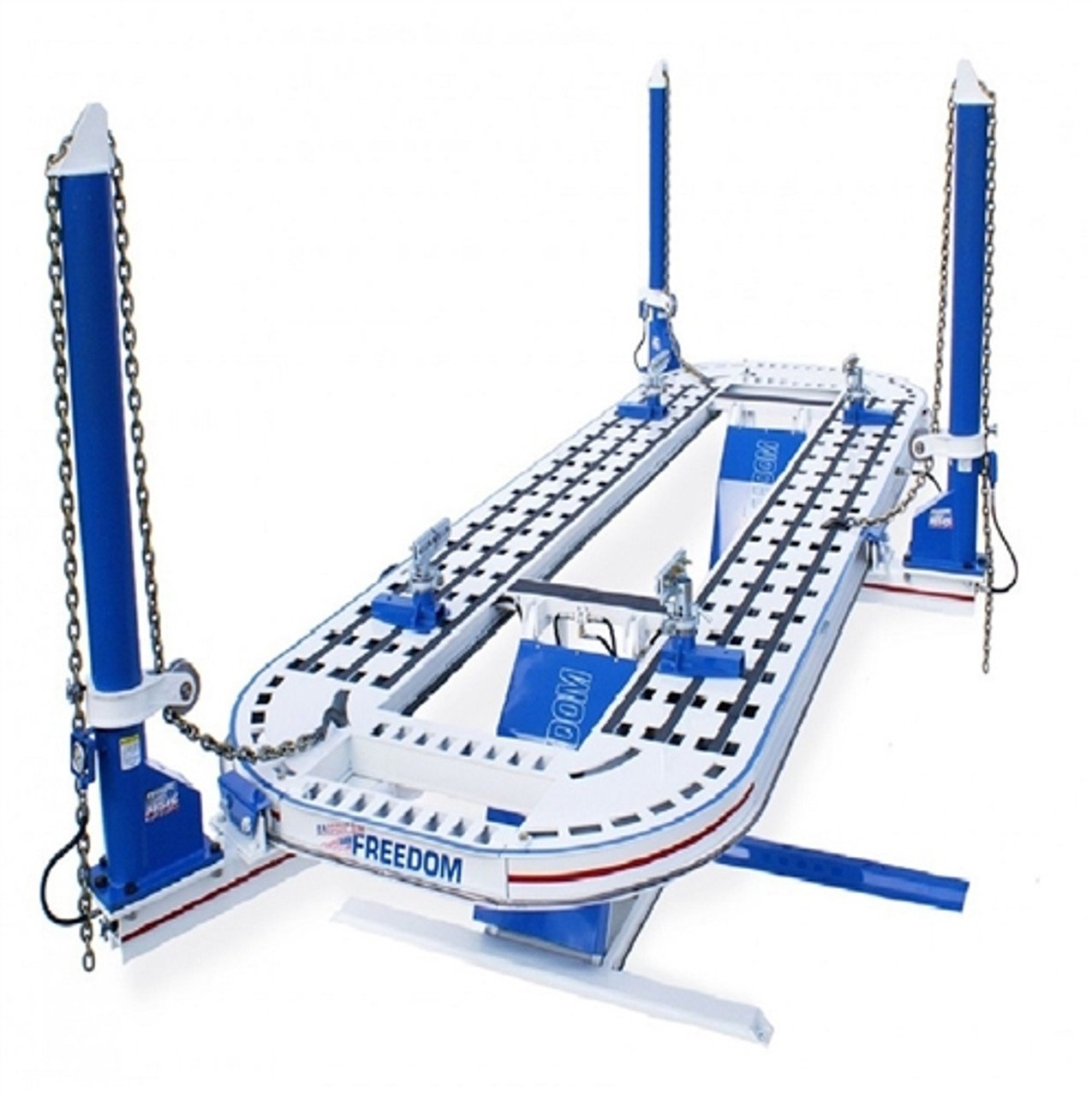
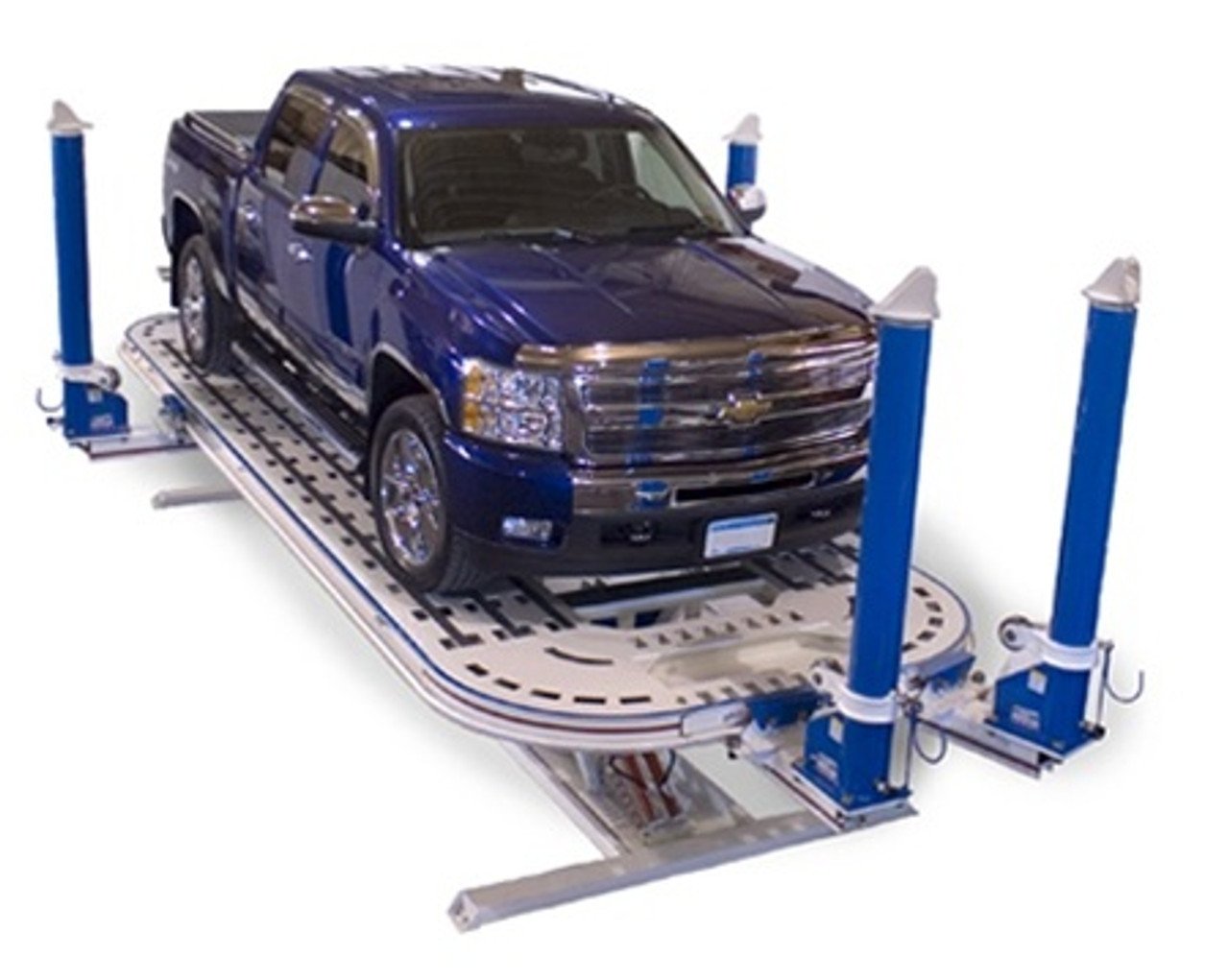
Body shops use specialized equipment to restore your car’s shape and finish. Timeframes and costs vary. On average, conventional repairs can range from 150 to 500 dollars per dent, depending on size and location. Crease dents or those with structural damage almost always need professional attention for both safety and cosmetic reasons.
How to Choose a Qualified Dent Repair Specialist
Choosing the right expert for auto car dent repair is key to getting the best results. Look for certifications from recognized automotive organizations, as these reflect training and commitment to quality. Ask about warranties and whether the shop partners with your insurance provider.
Read online reviews and request estimates before making a decision. Shops that use digital mapping and advanced measurement systems can provide more accurate repairs. Taking these steps helps ensure your car is restored safely and looks its best after the repair.
Cost Considerations and Repair Options in 2025
Deciding how to handle auto car dent repair in 2025 means weighing your options carefully. Costs can add up quickly, so understanding what you’ll pay for DIY kits, professional services, and insurance can help you make the smartest choice for your car and budget.
DIY vs. Professional Repair: Cost Breakdown
When it comes to auto car dent repair, costs can vary widely. DIY repair kits are the most affordable, typically ranging from $20 to $100. These kits include tools like suction pullers or glue tabs, ideal for minor dings.
Professional paintless dent repair (PDR) offers a middle ground, with prices from $75 to $200 for small dents. PDR is a popular choice for preserving original paint and ensuring fast results. Conventional body shop repairs, needed for larger or paint-damaged dents, run higher at $150 to $500 or more per dent. Factors such as dent size, location, and whether sensors or complex materials are involved can increase the cost.
| Repair Option | Typical Cost | Best For |
|---|---|---|
| DIY Kits | $20–$100 | Small, shallow dents |
| Professional PDR | $75–$200 | Larger or hard-to-reach dents |
| Body Shop Repair | $150–$500+ | Paint damage, bumpers, sensors |
According to Collision Repair Industry Statistics, the average cost for auto car dent repair continues to rise as vehicles become more sophisticated. Understanding these price points helps you budget and choose the right method.
Financing and Insurance for Dent Repair
Paying for auto car dent repair can involve more than just out-of-pocket expenses. If your repair exceeds your insurance deductible, filing a claim might make sense, especially for multiple dents or severe damage. However, frequent claims can impact your premium.
Financing options are expanding in 2025, with many repair shops offering payment plans or special credit cards like the Synchrony Car Care Card. This lets you spread out the cost of repairs, making it easier to handle unexpected expenses.
Before committing, check your insurance policy for dent repair coverage and claim thresholds. Some policies exclude cosmetic damage, so read the fine print. The Automotive Dent Repair Market Outlook notes that as the market grows, more insurers are offering flexible options for auto car dent repair, making it easier for drivers to manage costs.
Weighing Repair Options: Value, Time, and Quality
Choosing between DIY, mobile technicians, and body shops for auto car dent repair depends on your priorities. DIY methods save money and time, making them great for minor dings. However, they require patience and a steady hand.
Professional PDR services provide fast, high-quality results, often completed in a few hours. This is ideal if you want to protect your car’s value or need a seamless finish. Body shops offer the most comprehensive repairs, handling severe dents, paint damage, and bumper sensors—but expect longer turnaround and higher costs.
Pros and Cons Table:
| Option | Pros | Cons |
|---|---|---|
| DIY | Low cost, quick | Skill required, risk of error |
| Mobile PDR | Professional finish, fast | Mid-range cost, not for all dents |
| Body Shop | Handles any damage | High cost, longer wait |
Balancing value, time, and quality ensures your auto car dent repair meets your needs without overspending or sacrificing results.
Preventing Car Dents: Proactive Tips and 2025 Innovations
Dents are inconvenient, but with proactive strategies and the newest innovations, you can avoid costly auto car dent repair. Prevention is not just about being careful—it’s about using the best tools, habits, and technologies available in 2025. Let’s explore how you can keep your car looking its best for years to come.
Smart Parking and Driving Habits
The best way to avoid auto car dent repair is to adopt smart parking and driving strategies. Choose parking spots away from crowded areas and shopping cart zones. Covered parking can shield your car from falling branches or hail, which are frequent causes of dents. Defensive driving, especially in urban settings, reduces the risk of minor collisions that often lead to dings.
Simple habits make a difference:
- Park at the end of lots where fewer cars are present.
- Avoid tight spaces next to large vehicles.
- Stay alert for obstacles and moving carts.
Developing these habits helps you avoid unnecessary trips for auto car dent repair.
Protective Accessories and Coatings
Investing in protective accessories is a wise move for anyone aiming to reduce the need for auto car dent repair. Door edge guards and bumper protectors are effective at absorbing minor impacts. Car covers provide an extra layer of defense against hail and debris, especially if you park outside regularly.
Consider advanced coatings:
- Ceramic coatings repel dirt and minor abrasions.
- Paint protection films can absorb small impacts and prevent scratches.
- Magnetic pads for temporary protection in high-risk areas.
These solutions not only minimize damage but also make future auto car dent repair less frequent and less severe.
Latest 2025 Technologies for Dent Prevention
Technology is transforming how we prevent dents, making auto car dent repair less of a worry. Many 2025 vehicles now include smart sensors that detect nearby threats such as shopping carts or swinging car doors. Advanced parking aids can guide you into safer spots and warn you of tight clearances.
Innovative materials are also gaining popularity:
- Dent-resistant body panels reduce the impact of minor bumps.
- Self-healing polymers can fix small dings automatically.
- Integrated vehicle alert systems notify you of potential hazards in real time.
With these advancements, auto car dent repair is becoming more about prevention than reaction.
Regular Maintenance and Inspections
Regularly inspecting your vehicle helps you spot issues before they require major auto car dent repair. After parking in public areas or during stormy weather, walk around your car to check for new dents or scratches. Keeping paint and protective coatings in top shape can prevent rust and further damage.
Routine steps to follow:
- Clean your car frequently to reveal hidden dents.
- Address small dings promptly to avoid larger repairs.
- Reapply protective coatings as needed.
Staying proactive with maintenance means you’ll face fewer surprises and less need for auto car dent repair.
Community Awareness and Safe Environments
Community efforts play a big role in reducing the demand for auto car dent repair. Supporting safer parking lot designs, like adding cart corrals and protective barriers, helps protect everyone’s vehicles. Advocacy for better parking etiquette and property respect encourages a dent-free environment.
Industry trends are also driving prevention. As highlighted in the Automotive Collision Repair Market Forecast, the market is focusing more on innovative solutions and community-based prevention, signaling a shift toward smarter, safer car care for everyone.
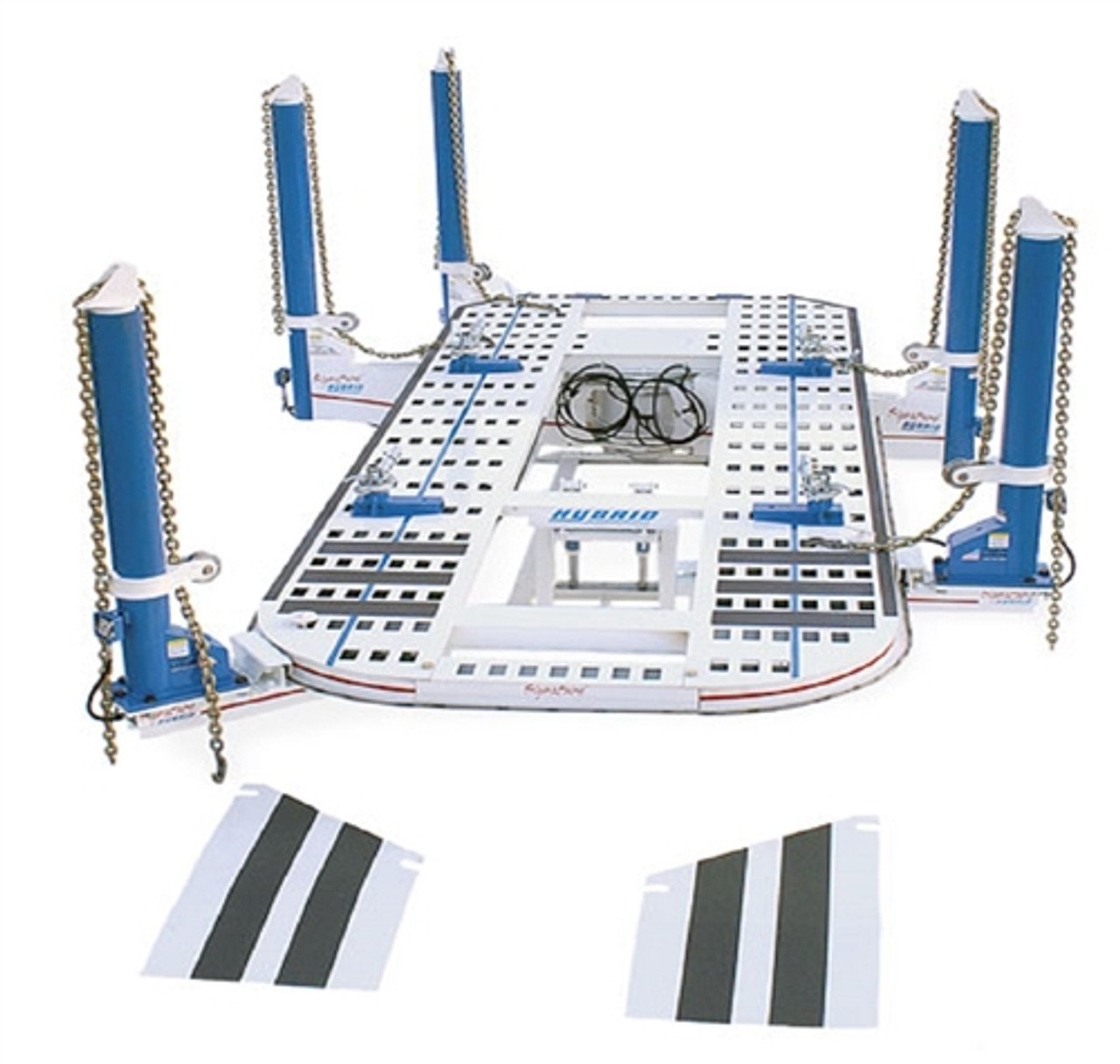
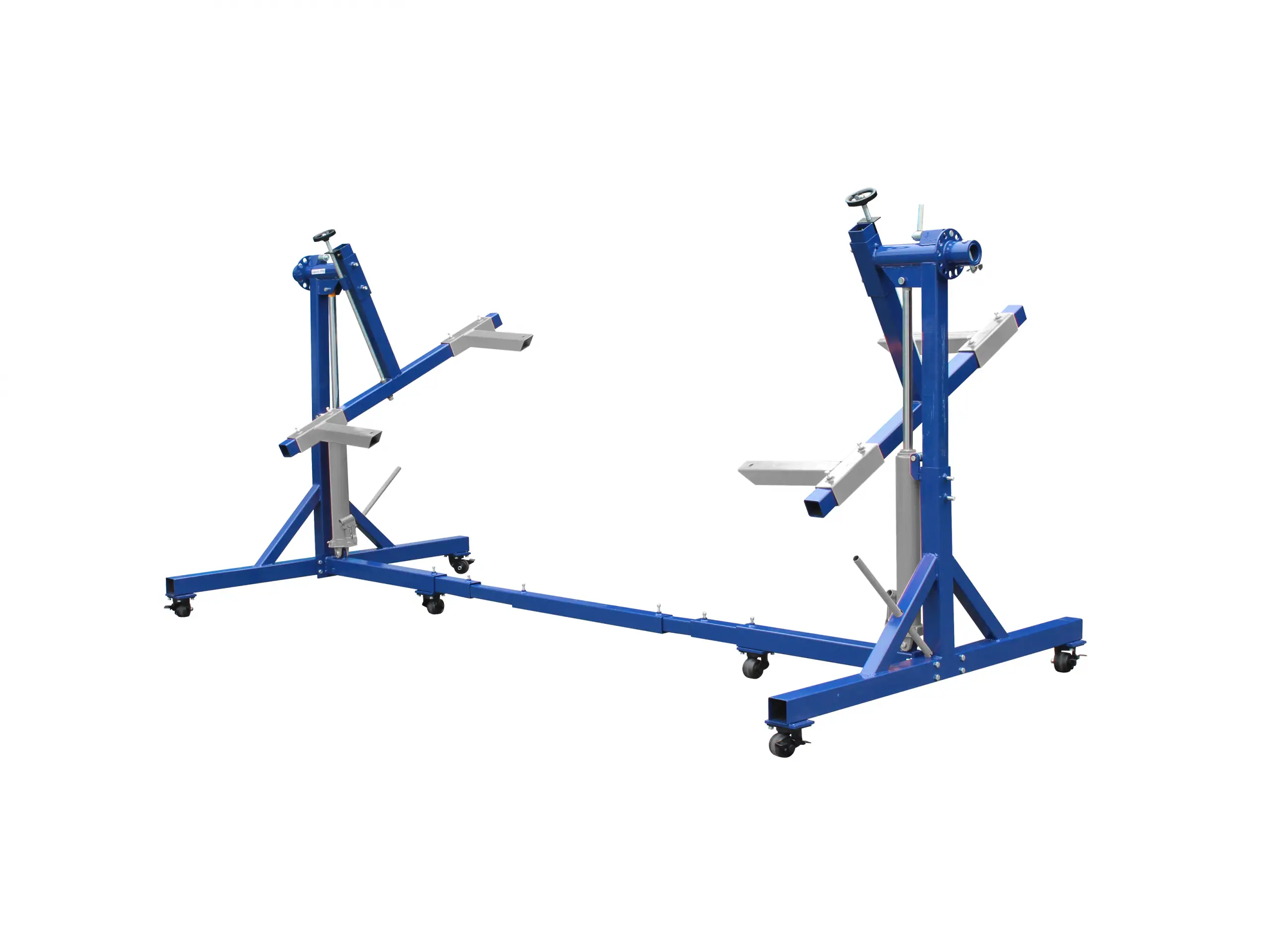
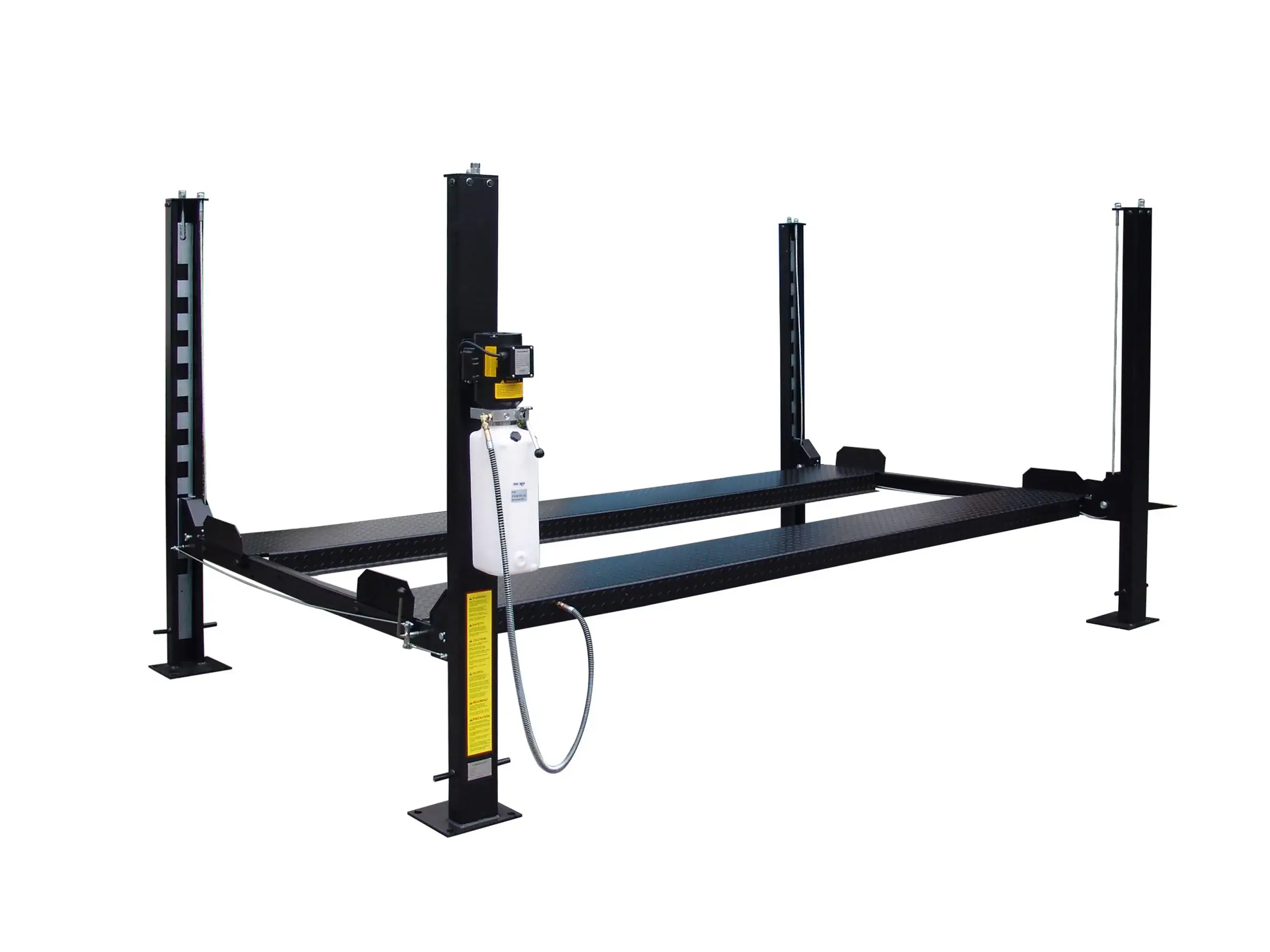
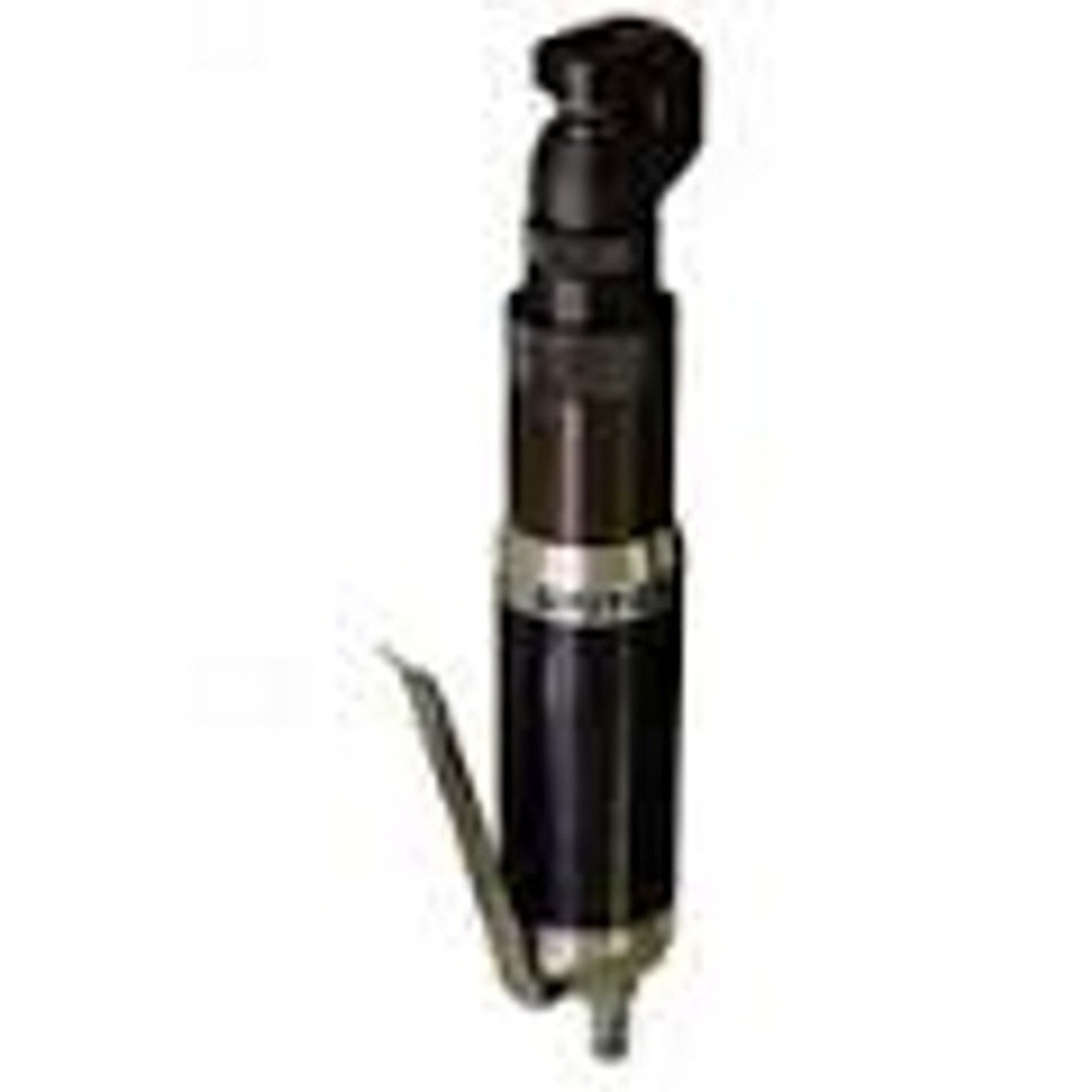
Now that you’ve seen the latest techniques and expert tips for tackling car dents in 2025, you know just how much the right approach and quality tools matter. Whether you’re planning to handle repairs yourself for some quick savings or want to upgrade your auto body shop’s equipment, having reliable gear can make all the difference in your results. At KGM Equipment, you’ll find professional-grade dent pullers, frame machines, and all the essentials trusted by industry pros. Ready to get started or curious about the best tools for the job? Shop Now and take your repair skills to the next level.

