


Auto repair body work is entering a new era in 2025, with rapid advances reshaping the industry. From cutting-edge materials to smarter technologies and updated repair standards, staying ahead is essential for every shop owner and technician.
This guide equips you with expert insights and practical steps to master these changes. Explore emerging trends, discover must-have equipment, follow the latest repair processes, learn about modern materials, and ensure top-notch quality assurance.
Ready to future-proof your skills and shop? Dive in for the knowledge and tools you need to succeed in the evolving world of auto repair body work.
The Changing Landscape of Auto Body Repair in 2025
The auto repair body industry is entering a transformative era in 2025. Shifts in technology, materials, labor, and regulations are driving shops to adapt. Staying ahead means understanding these changes and preparing your team, tools, and processes for a more complex, digital, and eco-conscious future.
Advances in Vehicle Materials and Construction
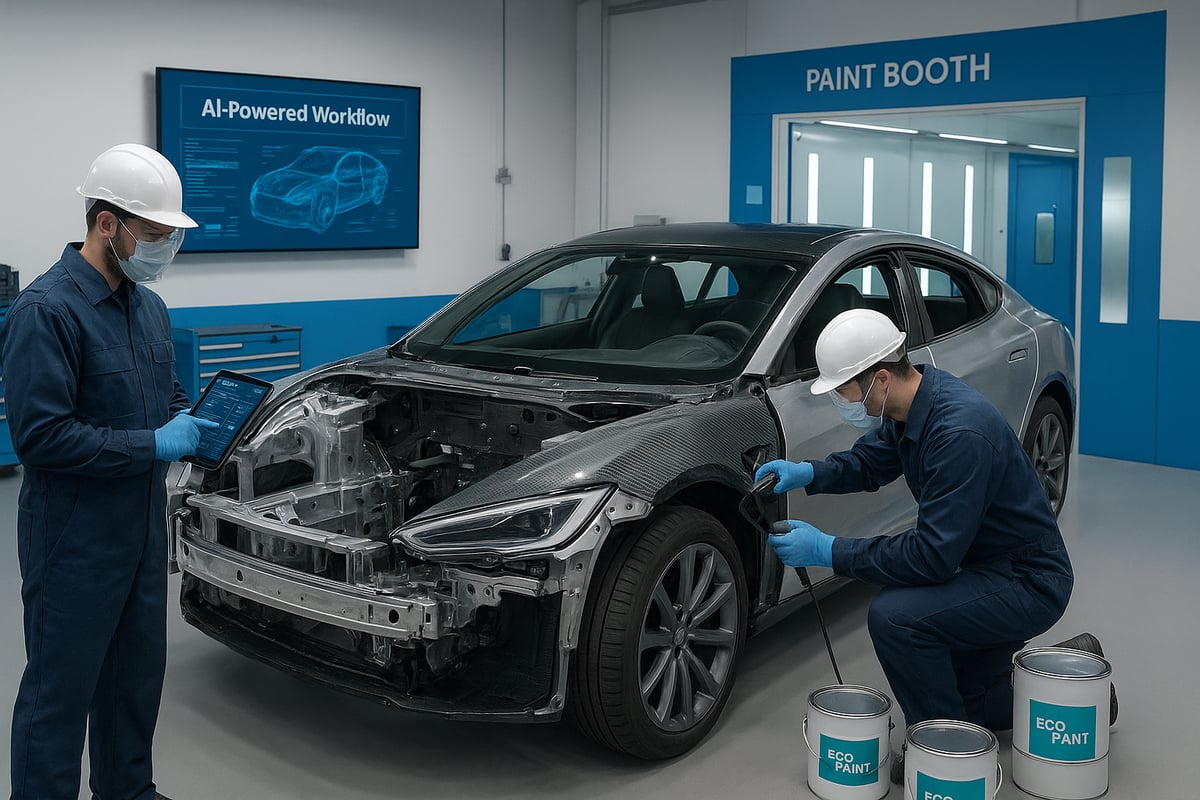
Modern vehicles now rely on lightweight materials like aluminum, high-strength steel, carbon fiber, and composites. These innovations help improve fuel efficiency and safety, but they also require new repair methods and specialized tools. For example, the Ford F-150’s move to aluminum body panels forced many shops to upgrade equipment and retrain staff. Today, shops must isolate workspaces for different metals and invest in proper welders and riveters. For a deeper understanding of essential techniques and tools, explore Auto body repair essentials. Staying updated on these trends ensures your auto repair body shop can handle repairs accurately and efficiently.
Integration of Advanced Driver Assistance Systems (ADAS)
ADAS is now standard in nearly every new vehicle. Over 90% of 2025 models are expected to feature systems like sensors, cameras, and radar. This technology enhances safety but increases the complexity of repairs. Even a minor collision can affect ADAS alignment, making calibration critical after any bodywork. Technicians must follow strict procedures and use advanced scan tools to ensure all features function as intended. An auto repair body shop that ignores ADAS calibration risks customer safety and liability.
Environmental and Regulatory Pressures
Regulations around emissions and materials are tightening globally. Paints now face stricter VOC limits, pushing the industry toward waterborne and eco-friendly options. Many shops have already transitioned to waterborne paints, reducing environmental impact and compliance risks. This shift means updating spray booths, training staff, and adjusting workflows. An auto repair body business that embraces green practices not only meets regulations but also appeals to environmentally conscious customers.
Labor Market Shifts and Skills Gap
The demand for skilled technicians in the auto repair body sector is climbing, but the talent pool is shrinking. A projected 20% shortage of collision repair technicians is expected by 2025. New vehicle materials and electronics require specialized training and certifications. Shops must invest in ongoing education and support for their teams. By prioritizing training, an auto repair body shop ensures safe, high-quality repairs and stands out in a competitive market.
Digitalization and Workflow Automation
Technology is streamlining every aspect of the auto repair body process. Shops now use digital management software for scheduling, parts ordering, and workflow tracking. AI-driven damage assessment tools help identify damage more accurately, while remote estimating and virtual inspections speed up the repair process. Digital diagnostics are essential for modern vehicles, helping auto repair body shops avoid costly mistakes and improve customer satisfaction.
Insurance and Customer Expectations
Insurance companies are pushing more shops into direct repair programs (DRPs), which come with strict requirements for documentation and fast turnaround times. Customers, in turn, expect transparency, real-time updates, and digital communication. An auto repair body shop must invest in systems that track repairs, document every step, and keep clients informed. Meeting these expectations builds trust and loyalty, setting your shop apart as a leader in the evolving industry.
Essential Tools and Equipment for Modern Auto Body Shops
Equipping your shop for the future means investing in the right technology and tools. The auto repair body industry is evolving quickly, and having modern equipment is crucial for accuracy, efficiency, and customer satisfaction. From foundational machines to advanced diagnostics, every tool plays a role in setting your shop apart.
Core Equipment Every Shop Needs
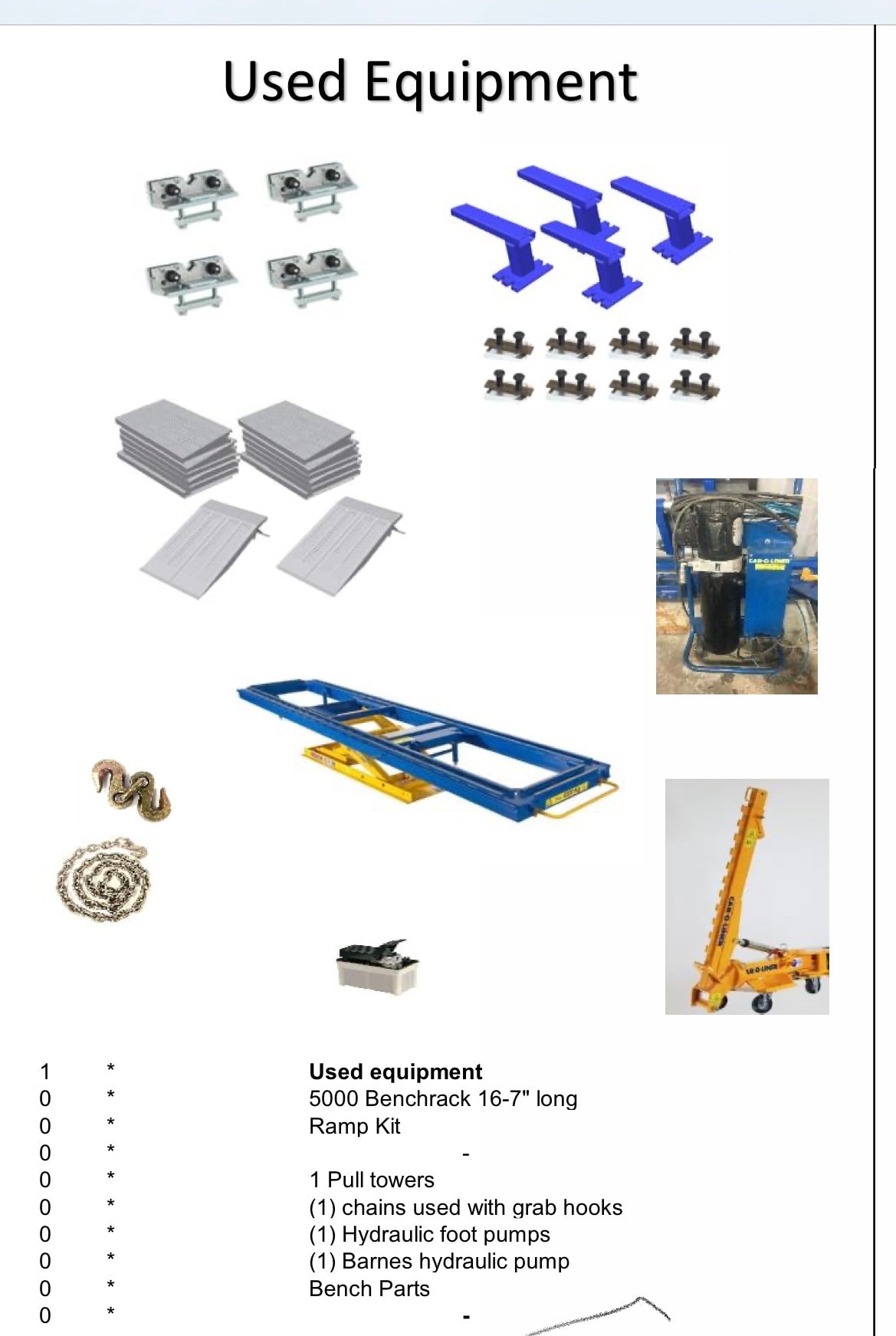
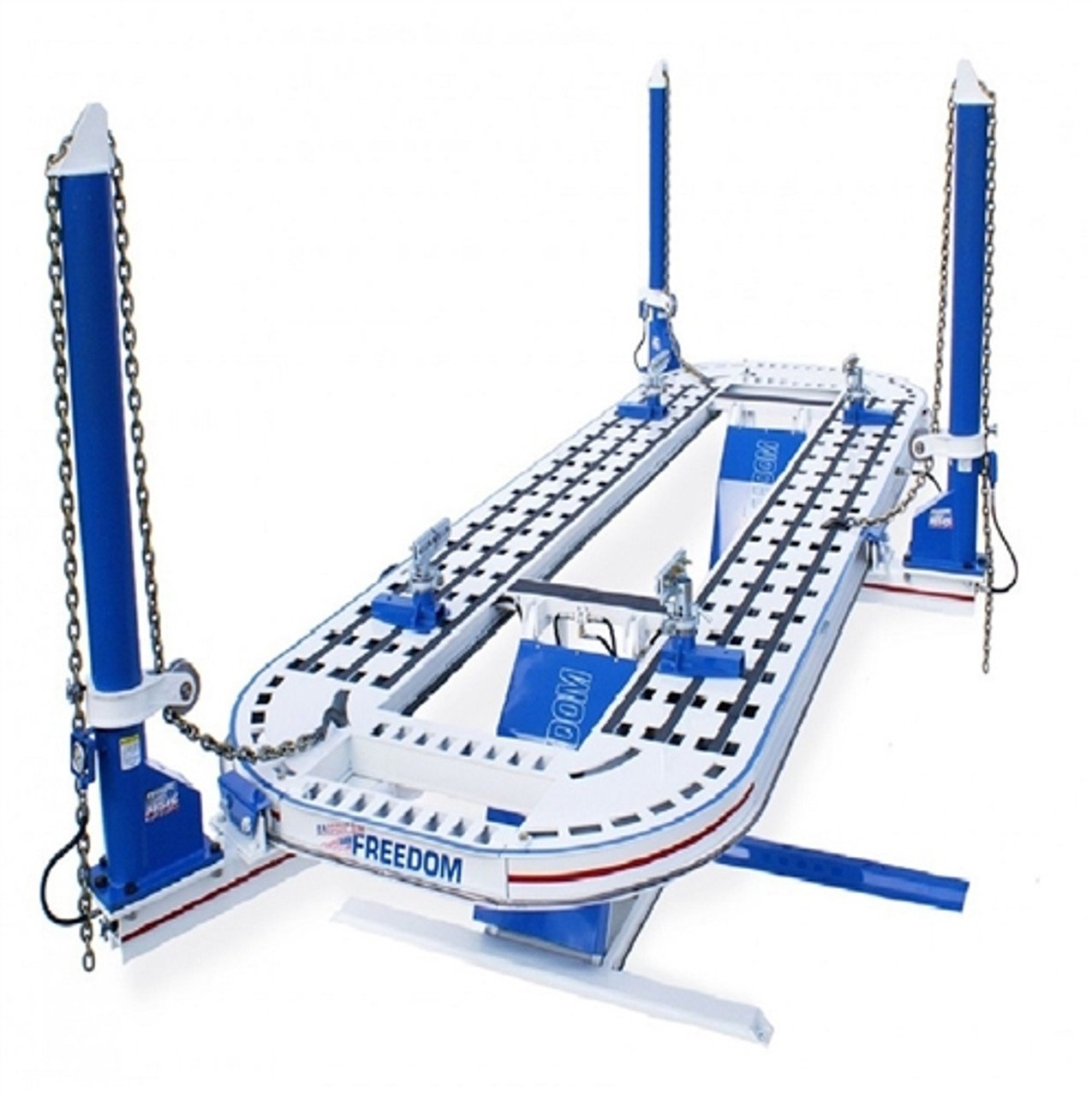
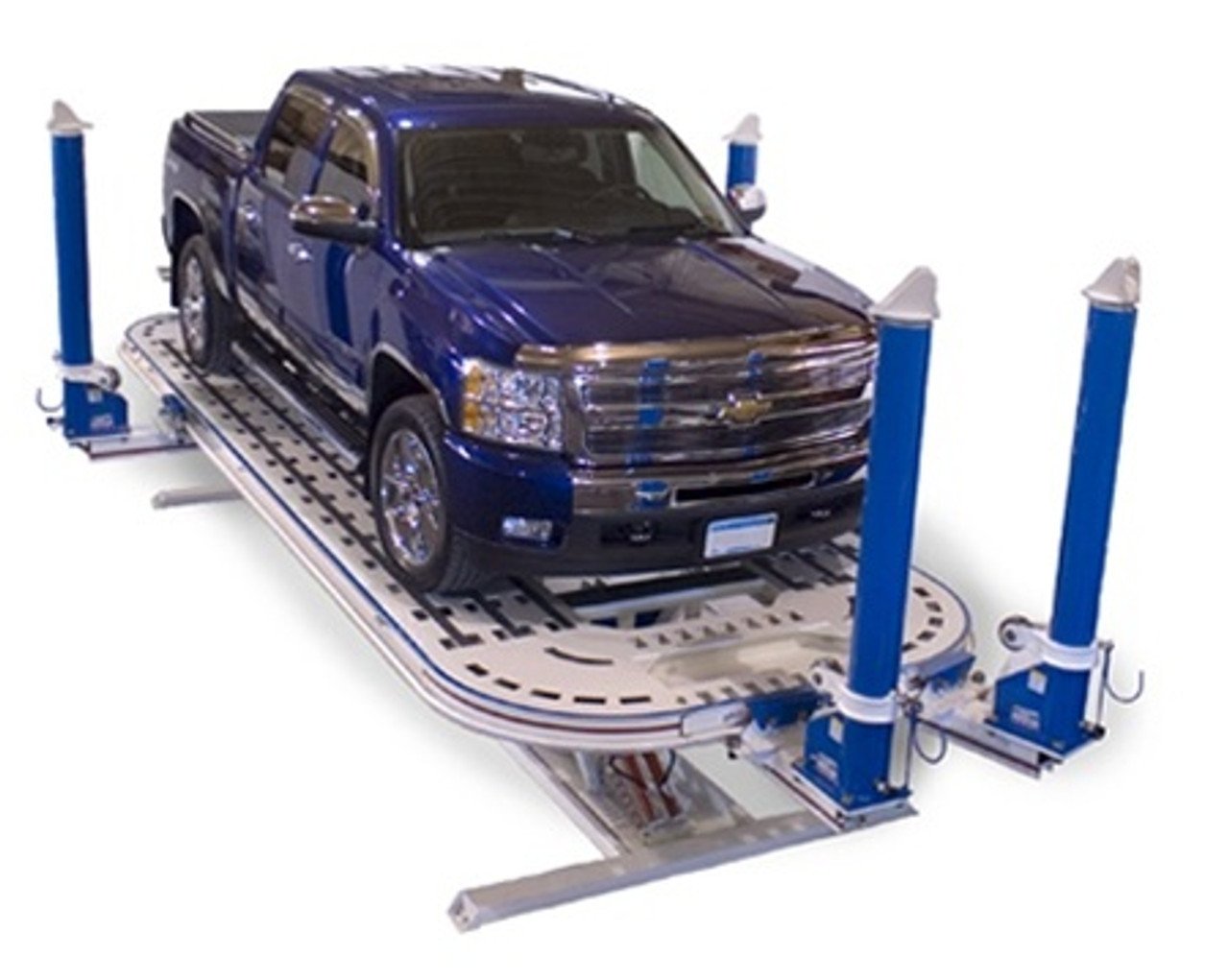
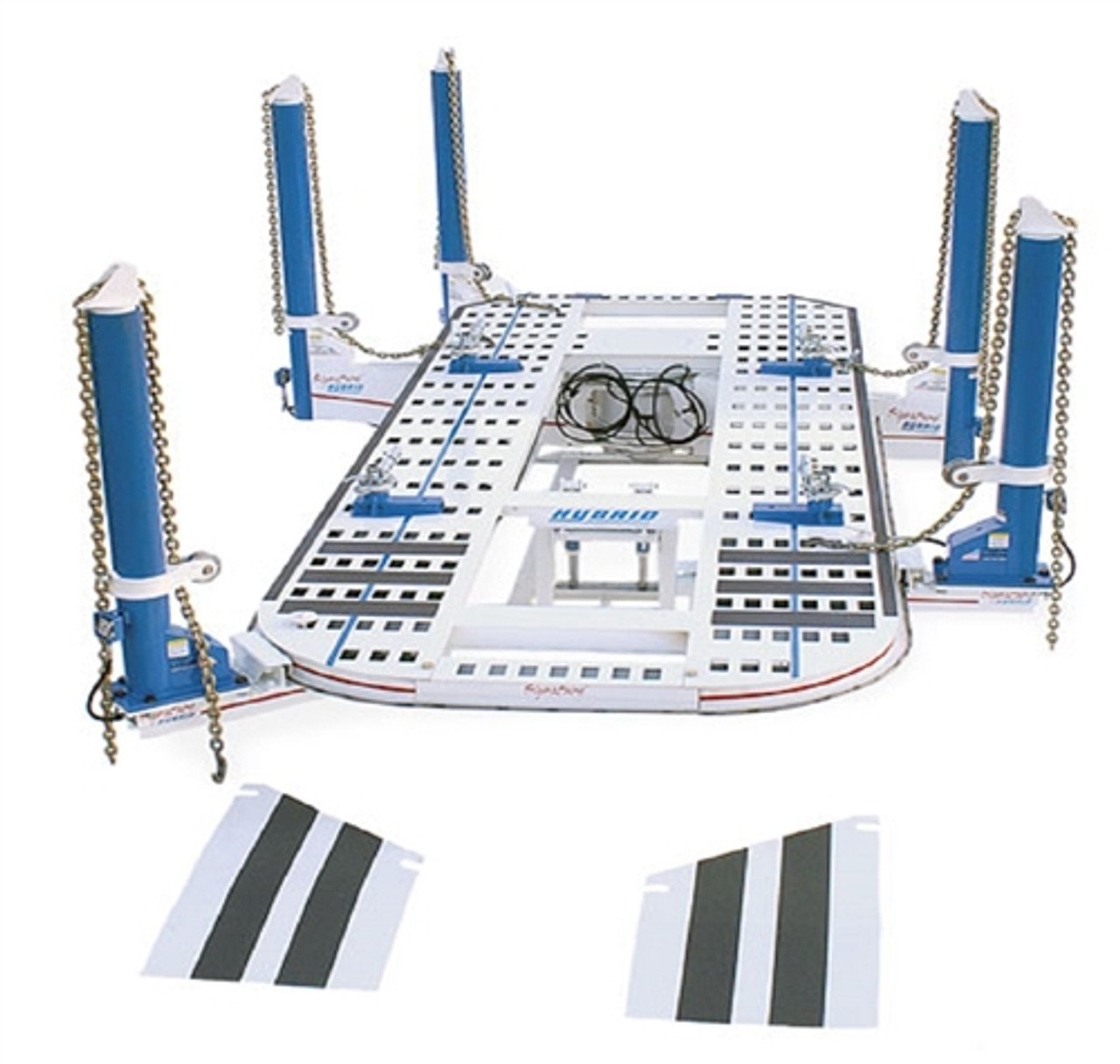
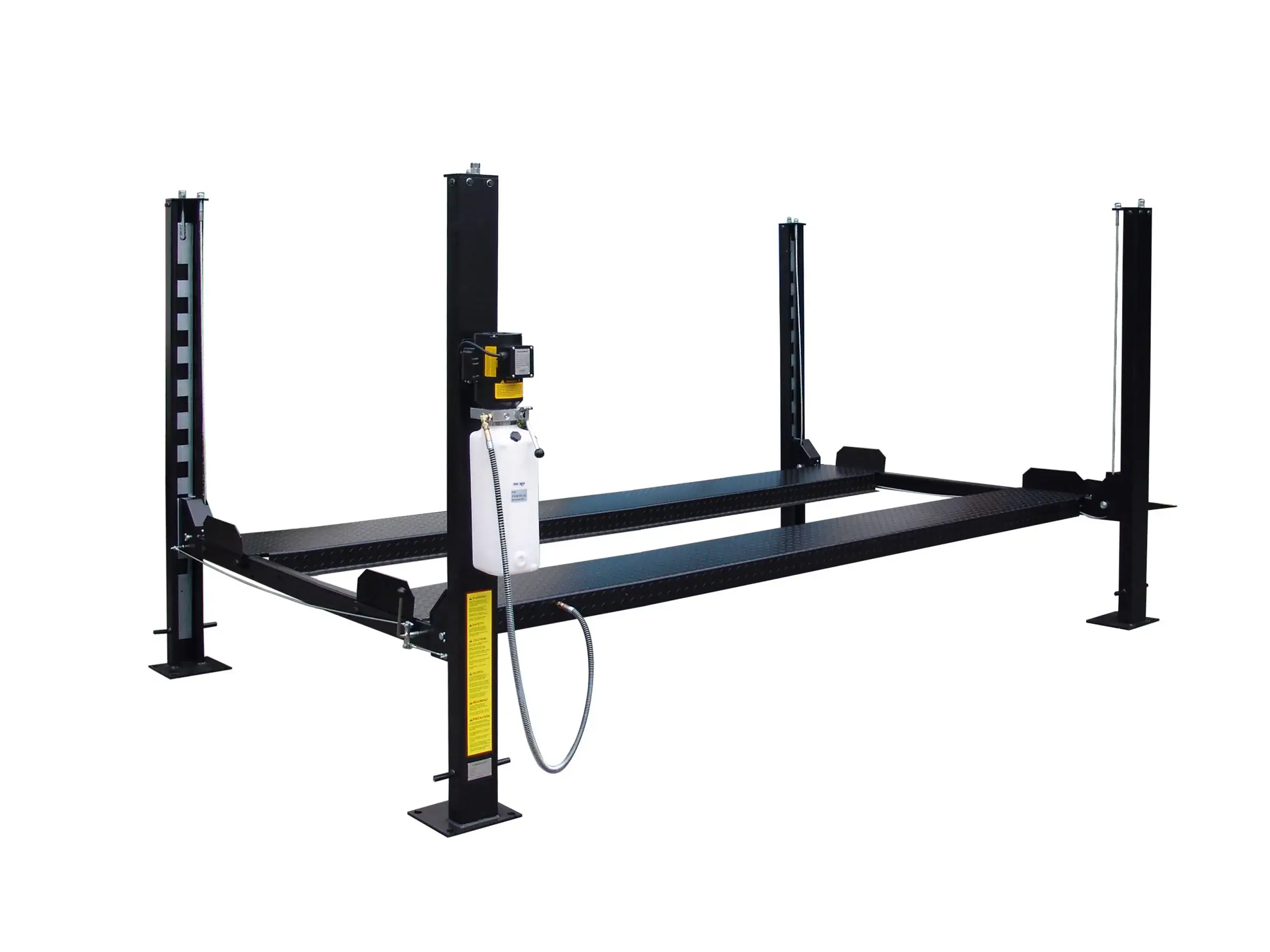
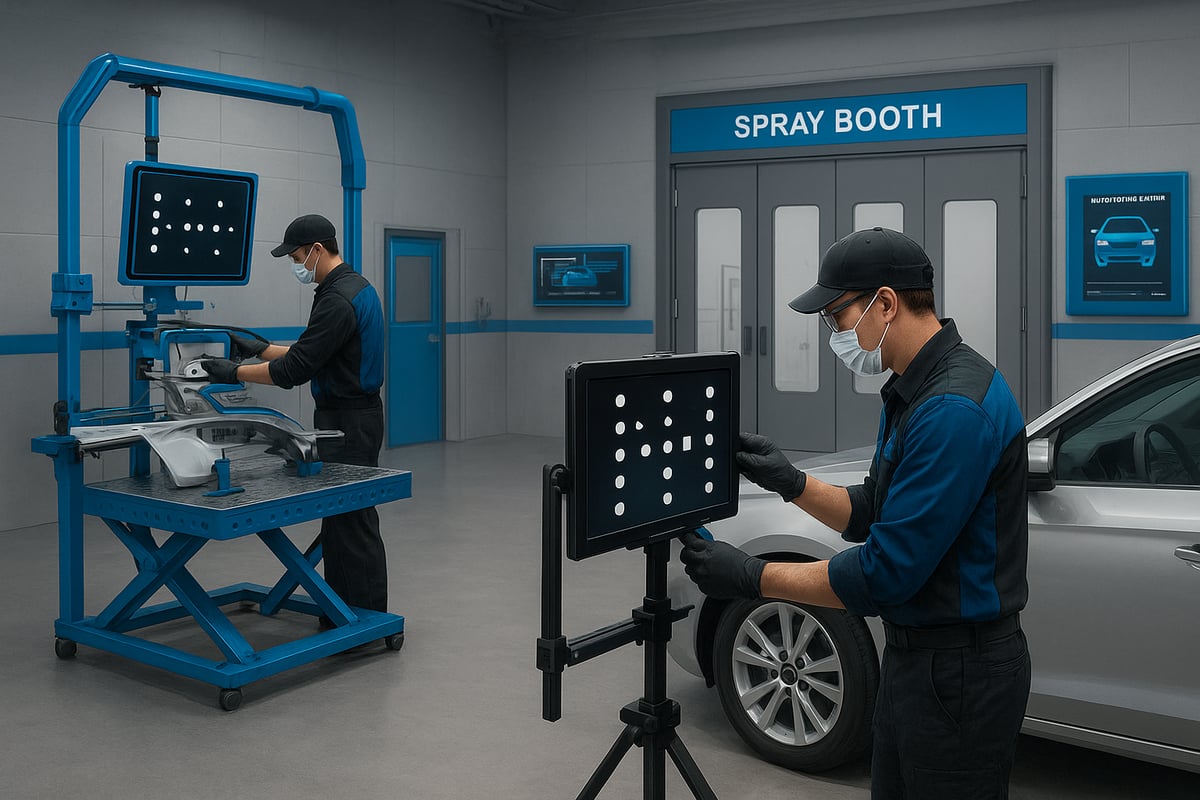
Every auto repair body shop relies on core equipment to deliver precise results. Frame machines are essential for straightening vehicle structures, while electronic measuring systems provide real-time data to confirm alignment. Spot welders ensure strong, safe joins in body panels.
Precision is non-negotiable. In fact, shops using advanced electronic measuring tools often catch hidden structural issues that manual methods miss. Want to learn more about these critical tools? Check out this Frame measuring tools guide for in-depth insights.
Investing in these basics builds the foundation for reliable, high-quality auto repair body work.
Specialized Tools for New Materials
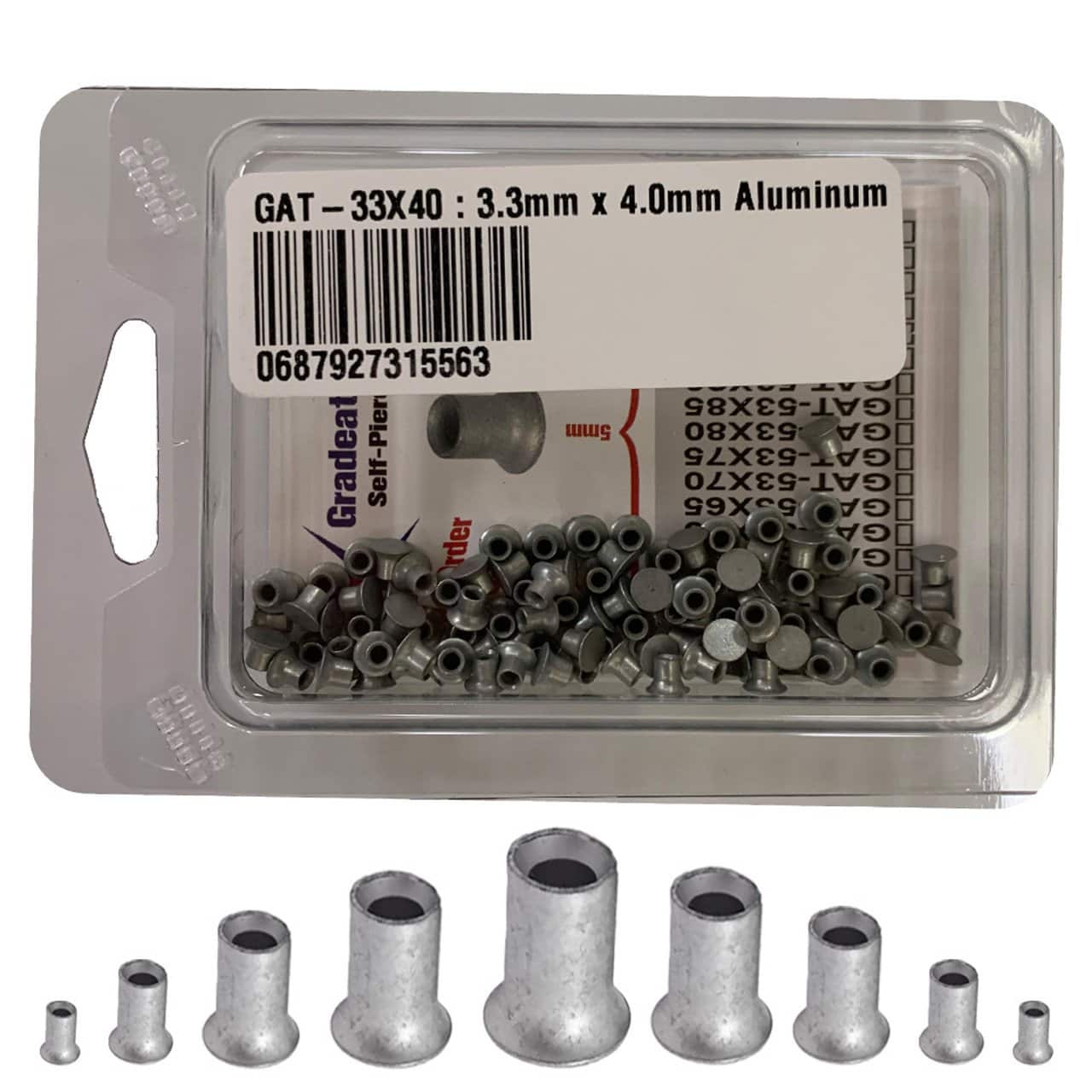
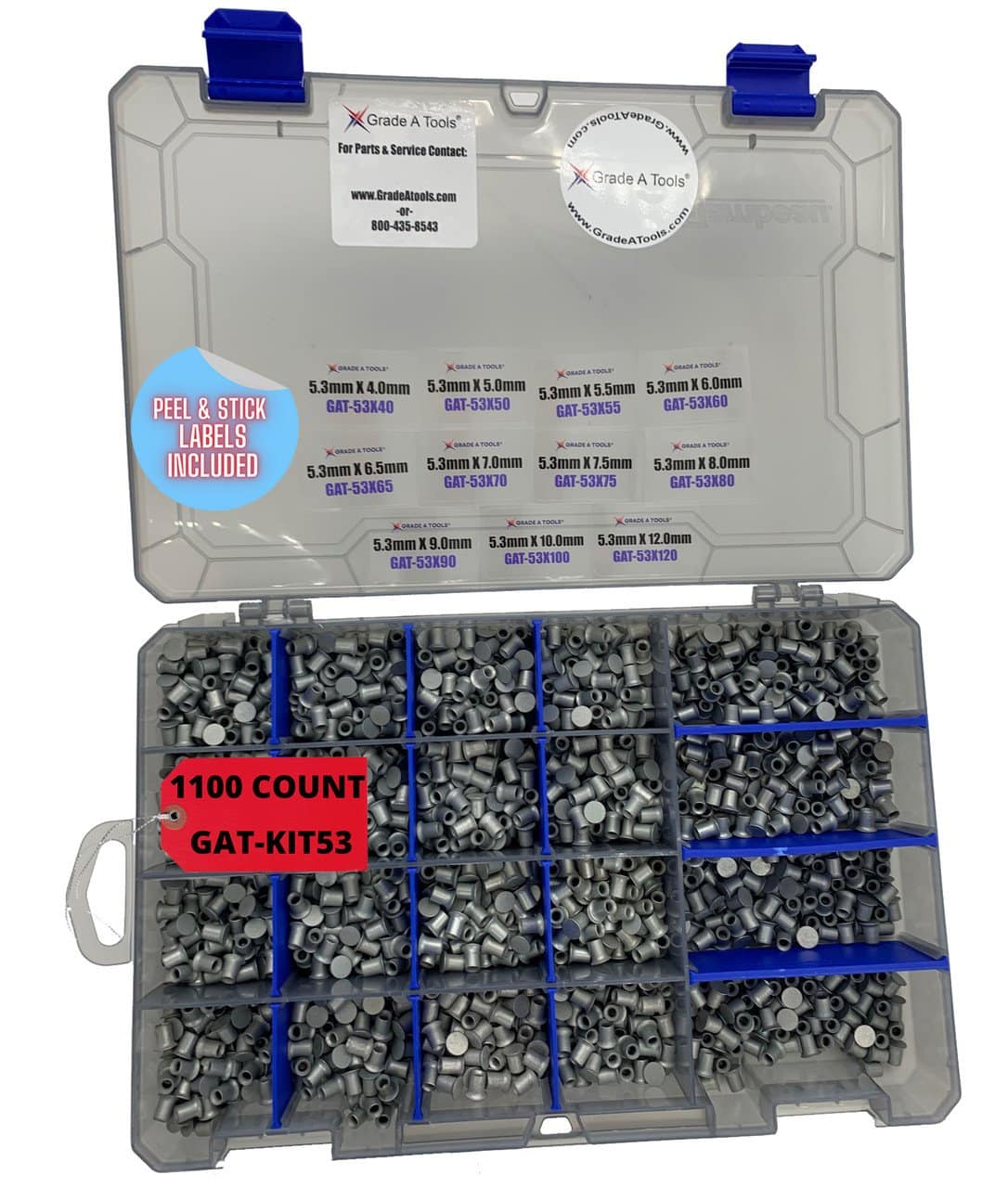
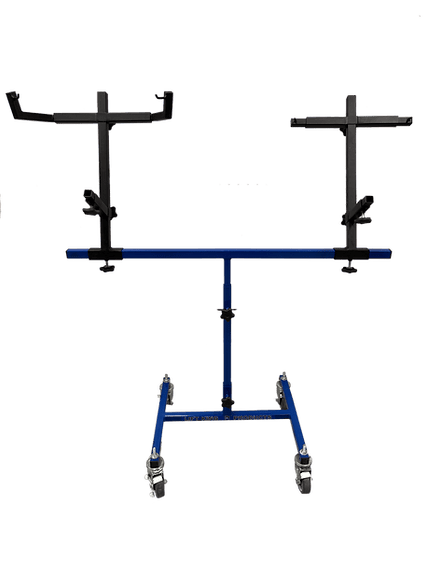
Modern vehicles use a mix of aluminum, high-strength steel, and composites. To keep up, auto repair body shops need specialized tools. Aluminum repair stations prevent cross-contamination and protect vehicle integrity. Non-ferrous welders are designed specifically for lighter metals, reducing the risk of warping.
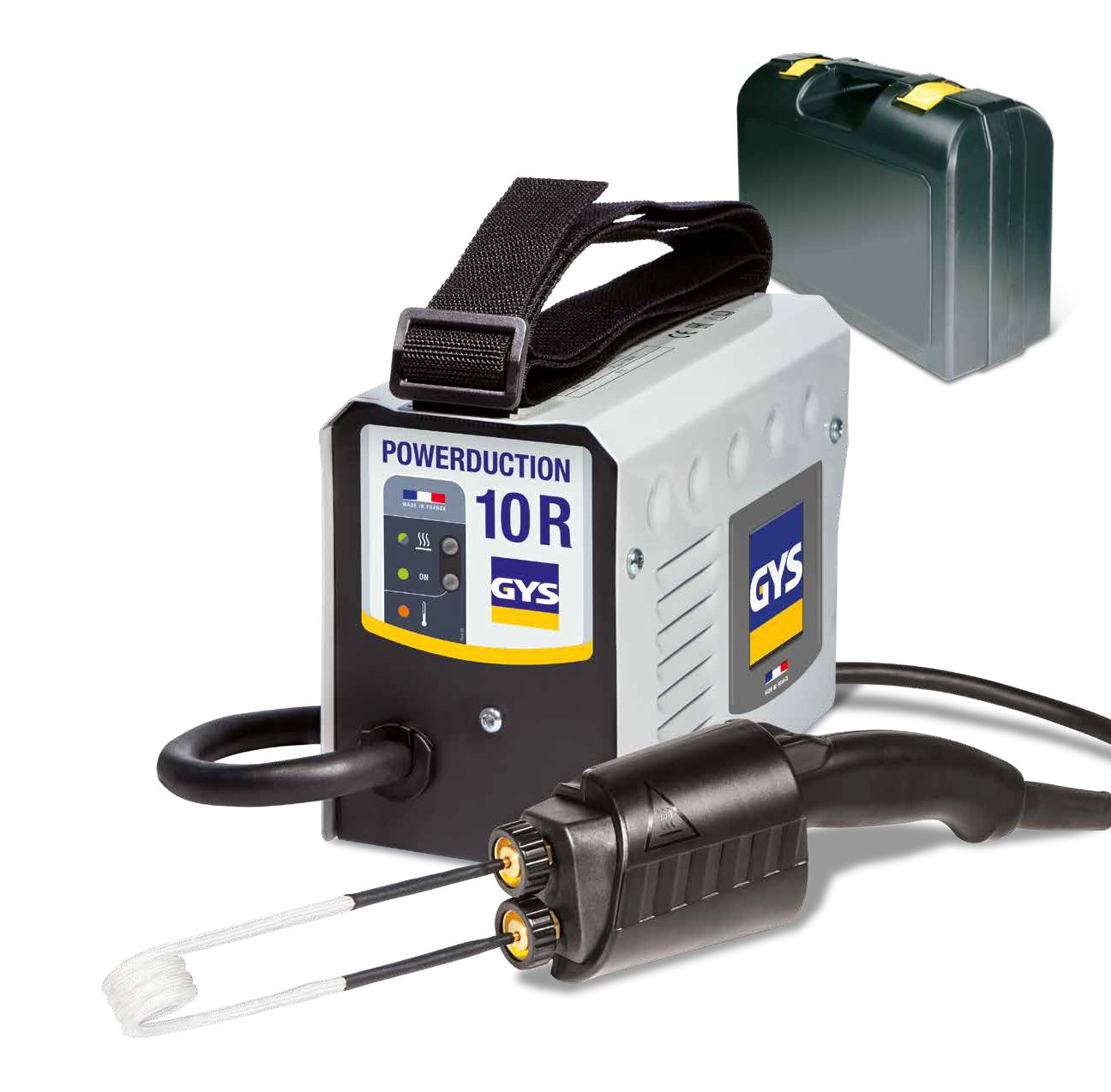
Induction heaters make glue and panel removal safer and faster. As of 2024, 65% of shops have invested in aluminum-specific repair tools to stay competitive. Adapting to these materials is essential if your auto repair body shop wants to handle the latest models and manufacturer requirements.
Paint Booths and Finishing Systems
A professional finish is vital in every auto repair body project. Modern spray booths with advanced filtration systems control dust and fumes, creating a clean environment for painting. UV and infrared curing lamps are game-changers, speeding up the drying process and improving paint adhesion.
Shops using IR curing technology have reduced drying times by 50 percent, increasing throughput. Eco-friendly paints and waterborne systems are now standard, helping shops meet regulations while delivering high-quality finishes. Investing in advanced finishing systems elevates your auto repair body shop above the competition.
Safety and Compliance Equipment
Safety is more than a checklist in the auto repair body industry. Personal protective equipment, like respirators and gloves, keeps technicians safe from chemicals and debris. Ventilation and fume extraction systems reduce exposure to hazardous materials.
Regulatory compliance is also critical. Shops must follow strict guidelines for handling and disposing of paints, solvents, and waste. Investing in safety equipment and compliance training protects your team and reputation, making your auto repair body shop a trusted choice for customers.
Diagnostic and Calibration Tools
With vehicles packed full of electronics, diagnostic and calibration tools are now essential in any auto repair body shop. ADAS calibration systems and advanced scan tools ensure that sensors, cameras, and safety features work correctly after repairs.
Calibration errors can lead to costly rework and compromise safety. Shops that invest in these tools can handle modern vehicles confidently, providing peace of mind for both technicians and customers. Keeping up with diagnostic technology is a must for any forward-thinking auto repair body business.
KGM Equipment: Your Partner in Collision Repair Tools
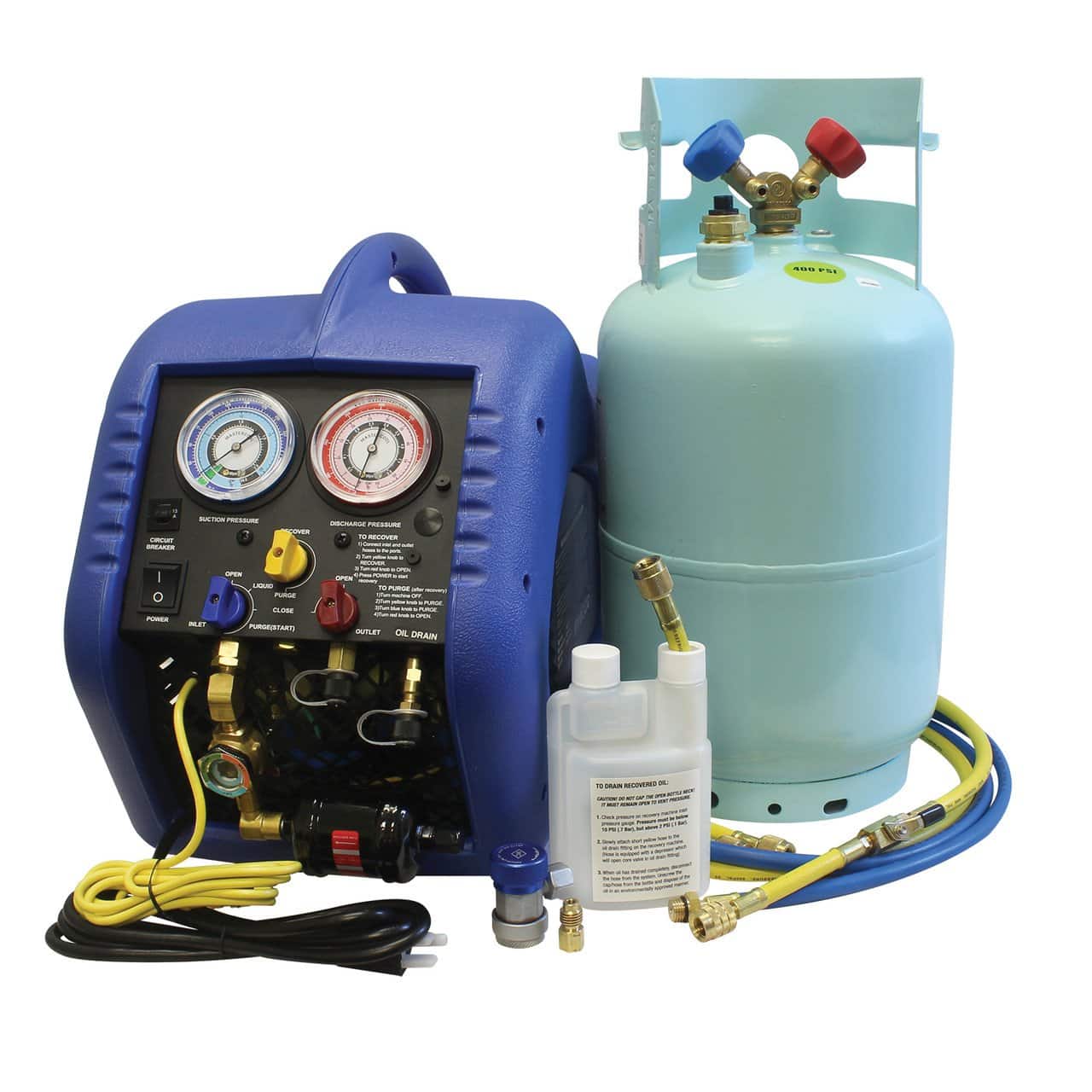
When it comes to sourcing equipment, partnering with a trusted provider makes all the difference. KGM Equipment offers a full range of auto repair body tools, from frame machines to dent pullers and spot welders.
Their specialized offerings support the latest repair standards and boost technician efficiency. Working with a dedicated collision repair supplier means you get reliable support, training, and access to cutting-edge technology. Upgrading your auto repair body shop with KGM Equipment ensures you are ready for the demands of 2025 and beyond.
Step-by-Step Auto Body Repair Process for 2025
Auto repair body work in 2025 is a blend of advanced technology, skilled craftsmanship, and strict quality standards. Shops must follow a precise step-by-step process to deliver safe, high-quality repairs that meet customer and industry expectations. Let’s break down each stage so you know what to expect from a modern auto repair body workflow.
Step 1: Initial Assessment and Digital Damage Analysis
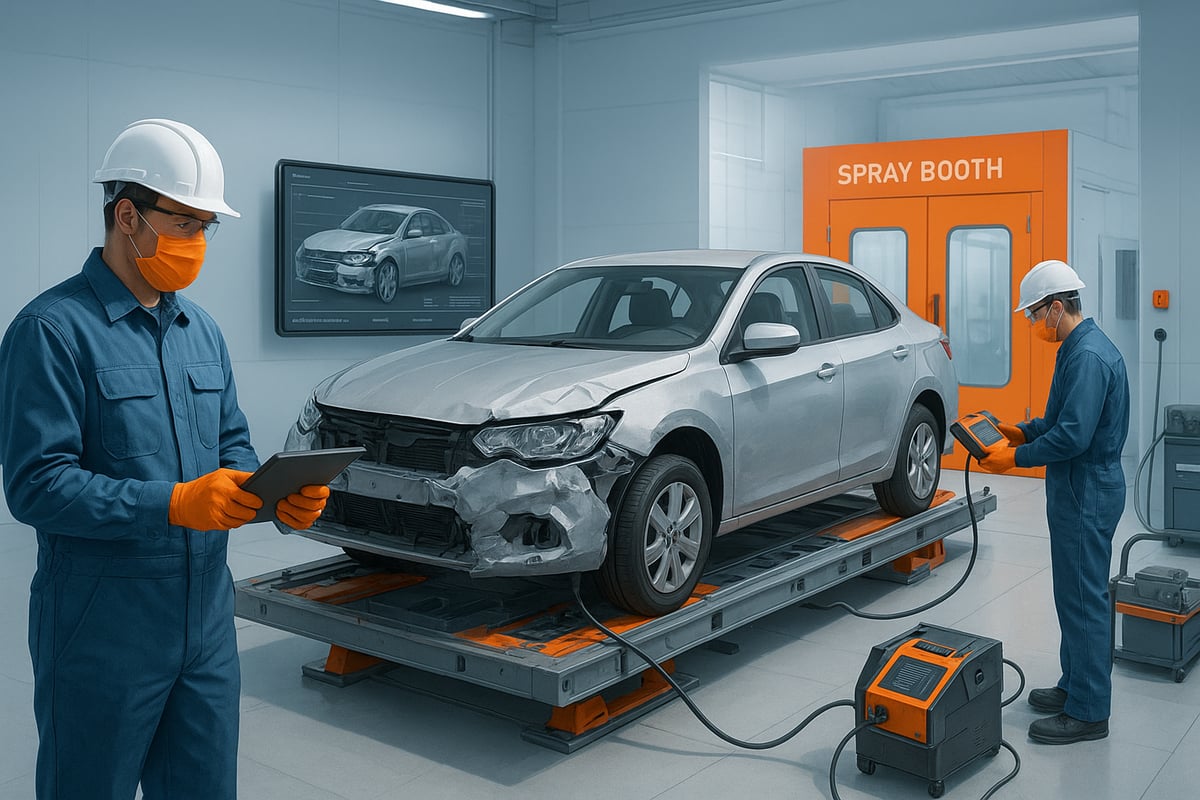
The auto repair body process starts with a thorough assessment. Technicians conduct a detailed visual inspection, looking for obvious and subtle damage. In 2025, digital tools play a key role. AI-driven estimating software scans the vehicle’s surface and underlying structure, identifying issues that might be missed by the human eye.
This digital approach reduces missed problems by up to 30 percent. Technicians use tablets to record findings, ensuring transparency and accuracy from the beginning. Customers receive a clear, itemized estimate, setting expectations for the entire auto repair body job.
Step 2: Disassembly and Parts Identification
Disassembly is more than just removing panels. It’s about uncovering hidden damage that might affect the repair. Technicians carefully catalog each part, deciding what can be repaired and what must be replaced.
Following OEM (Original Equipment Manufacturer) guidelines is crucial at this stage. This ensures that every part used in the auto repair body process maintains the vehicle’s safety and performance. Proper documentation helps streamline insurance approvals and keeps the workflow organized.
Step 3: Structural and Frame Repairs
Next, technicians focus on the vehicle’s structure. Using frame machines and electronic measuring systems, they restore the frame and chassis to factory specs. This is especially important for vehicles with advanced driver assistance systems, where even a slight misalignment can cause issues.
Aluminum and high-strength steel frames require special tools and techniques. Technicians use dedicated equipment for these materials, following strict procedures to ensure the auto repair body process is both safe and precise. For ADAS-equipped vehicles, realignment is verified with digital measuring tools.
Step 4: Panel and Surface Repairs
With the structure secure, attention shifts to the vehicle’s panels and surfaces. Modern materials like aluminum, composites, and high-strength steel demand new repair methods. Technicians choose between traditional dent removal, welding, or non-invasive techniques like glue pulling.
Shops using glue pullers can complete dent repairs 40 percent faster, improving efficiency and reducing turnaround time. For more on these evolving methods, explore Car body repair techniques. The right technique ensures the auto repair body maintains both appearance and integrity.
Step 5: Paint Preparation and Application
Before painting, the surface is cleaned, sanded, and masked with precision. Eco-friendly primers and waterborne paints are now the industry standard, helping shops meet strict environmental regulations. Advanced spray booths with filtration systems minimize VOC emissions.
Some shops use infrared or UV curing lamps to speed up drying, cutting paint cure times by 50 percent. This step is critical to achieving a flawless finish and protecting the auto repair body from the elements.
Step 6: Reassembly and System Calibration
Once the paint has cured, technicians carefully reassemble the vehicle. Every component, from sensors to trim pieces, is installed according to OEM specifications. With the rise of ADAS and complex electronics, system calibration is now a must.
Technicians use digital scan tools to recalibrate sensors, cameras, and radar units. A final post-repair scan verifies that all systems are functional. This step ensures the auto repair body process restores the vehicle’s safety features and performance.
Step 7: Quality Control and Final Inspection
The final step is all about quality assurance. Shops perform multi-point inspections, checking fit, finish, and function. Any issues are addressed before delivery to the customer.
Clear communication and detailed repair documentation build trust. Shops with rigorous quality control reduce comebacks by 25 percent. This attention to detail sets apart a top-tier auto repair body shop in 2025.
Navigating Modern Materials: Repair Techniques and Challenges
Modern vehicles present new challenges for every auto repair body shop. As materials evolve, technicians must adapt their approach for safety, efficiency, and long-lasting results. Understanding how to work with aluminum, high-strength steel, plastics, and electric vehicle components is now essential.
Aluminum and Mixed-Material Repairs
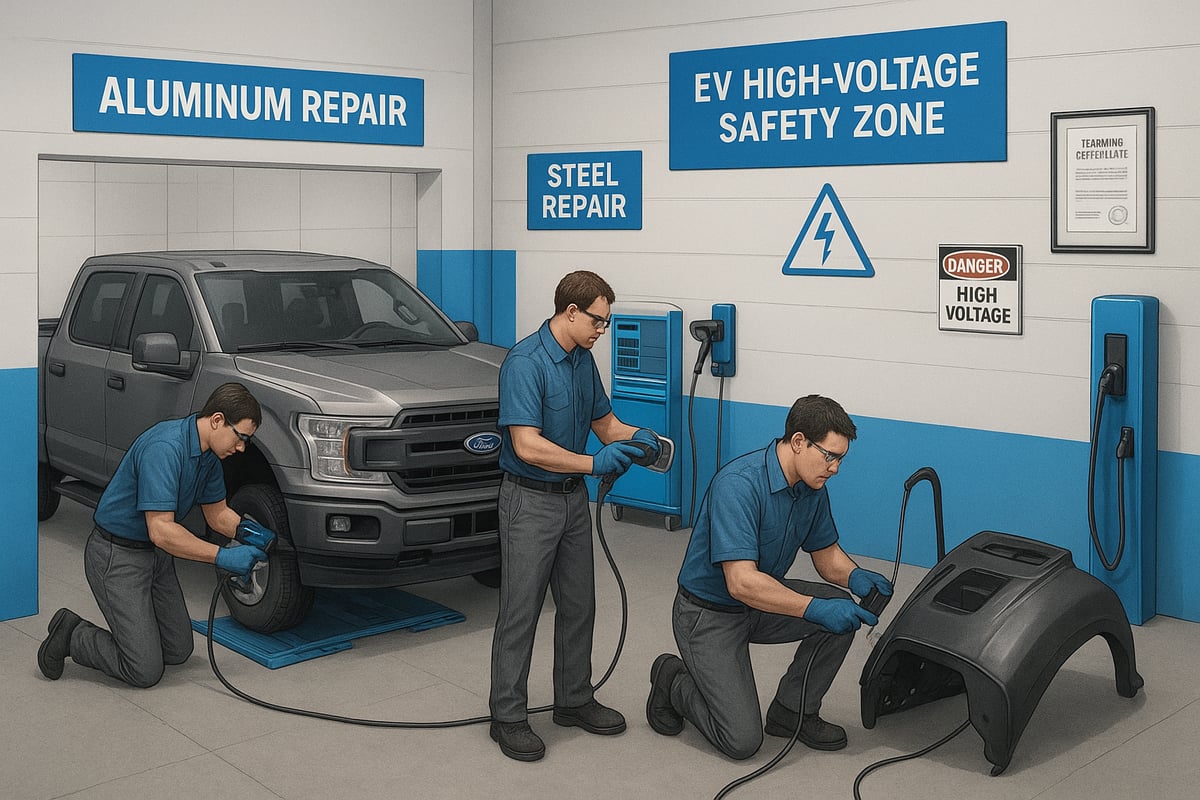
Aluminum is now a staple in auto repair body work, especially with popular models like the Ford F-series using it for panels. Unlike steel, aluminum is prone to galvanic corrosion if it contacts other metals. Shops must isolate work areas and use tools dedicated solely to aluminum repairs.
Key practices include:
- Setting up separate aluminum work bays
- Using non-ferrous welders and specialized rivet guns
- Regularly cleaning tools to prevent cross-contamination
These steps protect vehicle integrity and ensure safety. Dedicated equipment is vital, as improper methods can compromise repairs and void warranties. As mixed-material vehicles become more common, auto repair body professionals must master these protocols.
Repairing High-Strength Steel and Composites
High-strength steels now make up about 70% of new vehicles, impacting auto repair body techniques. These materials require different cutting, welding, and bonding methods compared to traditional steel. Using the wrong technique can weaken the repair and put occupants at risk.
Best practices involve:
- Checking OEM repair guidelines before starting work
- Using advanced spot welders and induction heaters
- Monitoring heat levels to avoid damaging surrounding panels
Composites introduce their own challenges, demanding non-invasive repairs and special adhesives. Safety is key, as improper handling of high-strength components can result in injuries or failed repairs.
Plastic and Polycarbonate Panel Repairs
Plastic and polycarbonate panels are common in bumpers and trim, requiring unique strategies in auto repair body processes. Deciding between plastic welding and full replacement depends on the extent of the damage and the part's role in vehicle safety.
Technicians often use:
- Hot-stapling tools for cracks and tears
- Specialty fillers and adhesives for seamless finishes
- Surface texturing to match OEM appearance
For more in-depth guidance on restoring dented panels, see Car dent repair solutions. Mastering these repairs improves efficiency and customer satisfaction.
EV and Hybrid Vehicle Considerations
Electric and hybrid vehicles are reshaping the auto repair body landscape. High-voltage systems require strict safety protocols and specialized tools, especially during repairs near battery packs or electrical components.
Key safety steps include:
- Powering down and isolating high-voltage systems before repairs
- Using insulated tools and PPE rated for EV work
- Following manufacturer guidelines for battery removal and reinstallation
With EVs making up a growing share of the market, shops that invest in proper training and gear can handle a wider range of auto repair body jobs and attract more customers.
Training and Certification for New Materials
Continuous learning is essential for any auto repair body professional. OEM and I-CAR certifications are now standard, especially for shops aiming to maintain manufacturer warranties and meet insurance requirements.
Ongoing education covers:
- New material science and repair techniques
- Hands-on practice with the latest tools and adhesives
- Updates on safety protocols and digital diagnostics
Many manufacturers mandate specific training for technicians working on their vehicles, ensuring both safety and quality. Staying current is not just about compliance but also about delivering the best possible results for every auto repair body project.
Quality Assurance and Safety in Auto Body Repairs
In 2025, quality assurance and safety are crucial for any auto repair body shop aiming to stand out. With vehicles growing more complex and regulations tightening, every stage of the repair process needs a sharp focus on standards, training, and technology. Let’s break down the key pillars shaping modern shop performance.
Establishing Standard Operating Procedures (SOPs)
Standard Operating Procedures are the backbone of consistent, high-quality auto repair body work. Clear SOPs guide every technician through step-by-step processes, reducing errors and variability.
A well-documented SOP ensures each repair follows the same quality checks, from initial assessment to delivery. For example, shops that adopt robust SOPs report higher customer satisfaction and fewer reworks.
By implementing SOPs, your team can deliver reliable results, build trust, and protect your reputation in the competitive auto repair body market.
Technician Training and Certification
Continuous training is essential as auto repair body technology evolves. Today’s technicians must master repairs on advanced materials, electronics, and ADAS systems.
Industry certifications, such as I-CAR, ASE, or OEM-specific programs, validate a technician’s expertise. Certified shops often see 30% fewer comebacks, proving the value of skilled labor.
Investing in ongoing training ensures your auto repair body shop stays ahead, meets warranty requirements, and delivers repairs that meet manufacturer standards.
Safety Protocols and Shop Compliance
Safety is non-negotiable in any auto repair body environment. Shops must comply with OSHA regulations, use proper PPE, and manage hazardous materials with care.
Key safety measures include:
- Regular equipment inspections
- Clear labeling of hazardous zones
- Proper ventilation and fume extraction
- Emergency response training
A strong safety culture not only protects your team but also boosts efficiency and reduces workplace injuries by up to 40% in the auto repair body industry.
Post-Repair Inspections and Documentation
Thorough post-repair inspections are vital for quality assurance in every auto repair body shop. Multi-point checks confirm the fit, finish, and safety of each vehicle before returning it to the customer.
Digital documentation, including inspection reports and photos, builds transparency and trust. These records streamline insurance claims and help resolve disputes quickly.
According to the Collision Repair Market Analysis Report, digital platforms are enhancing customer satisfaction and repair accuracy in the auto repair body sector.
Embracing Technology for Quality Control
Modern auto repair body shops are embracing technology to raise the bar for quality control. Digital checklists, workflow management systems, and automated alerts help prevent missed steps and compliance gaps.
AI-driven tools now automate inspections and flag inconsistencies in real time. Shops using these systems report fewer comebacks and improved efficiency. For a deeper look at how emerging technologies are transforming the industry, see Advancements in Auto Body Repair Technology.
By integrating technology, your auto repair body shop can maintain high standards, adapt quickly to change, and deliver top-tier results.
Future Trends in Auto Body Repair: What to Expect Beyond 2025
The future of auto repair body work is set to transform rapidly as technology, sustainability, and customer expectations evolve. Staying ahead of these changes is essential for any shop aiming to thrive in a competitive landscape.
Increasing Vehicle Complexity and Connectivity
Vehicles are becoming more complex, featuring advanced sensors, connectivity, and autonomous driving capabilities. This impacts auto repair body processes, requiring shops to master diagnostics and repairs for systems like LiDAR, radar, and vehicle-to-everything (V2X) communication.
Technicians must be adept at handling integrated electronics. Secure diagnostics are also crucial as cars become targets for cyber threats. Shops that invest in training and equipment will be better positioned to address these challenges in the evolving auto repair body sector.
Sustainability and Green Repair Initiatives
Environmental responsibility is reshaping the auto repair body industry. Shops are adopting biodegradable materials, energy-efficient practices, and low-VOC paints. Waterborne paint systems are replacing traditional options, reducing harmful emissions.
Recycling programs and closed-loop paint systems are gaining traction, minimizing waste and boosting efficiency. According to Auto Care Industry Growth Projections, the industry is expanding, driving further innovation in sustainable repair solutions for auto repair body professionals.
Remote Diagnostics and Mobile Repair Solutions
Remote diagnostics are revolutionizing the auto repair body landscape. Telematics allow shops to assess damage remotely, streamlining estimates and triage. Mobile repair services are on the rise, offering minor repairs at the customer's location.
This trend increases convenience and reduces shop downtime. As more vehicles come equipped with advanced connectivity, expect remote and mobile auto repair body solutions to become standard offerings, helping shops meet customer needs faster and more efficiently.
AI and Robotics in Auto Body Repair
AI and robotics are redefining auto repair body work. Automated systems handle sanding, painting, and even inspection, delivering consistent quality and reducing labor time. AI-driven workflow tools optimize scheduling and resource allocation, minimizing errors.
Robotic paint booths, for example, achieve near-perfect finish consistency. As these technologies mature, they will further enhance productivity and safety in the auto repair body industry, offering shops a competitive edge.
Evolving Customer Expectations and Digital Experience
Customers now expect real-time updates, digital estimates, and seamless online interactions. Auto repair body shops are responding by offering customer portals, online booking, and status tracking.
Shops providing transparent communication and digital convenience see higher satisfaction and loyalty. Embracing these digital tools is key to meeting modern expectations and building lasting client relationships.
As we’ve explored together, staying ahead in auto body repair for 2025 means understanding new materials, adopting advanced tools, and never compromising on quality or safety. If you want to equip your shop for success and confidently tackle everything from aluminum frames to ADAS calibrations, you deserve tools that match your expertise. I recommend checking out KGM Equipment’s range of collision repair solutions—they’re dedicated to helping professionals like us work smarter, not harder. Ready to see what the right equipment can do for your business? Learn more about how KGM can support your next repair.

