


Is your body auto repair shop ready to thrive in 2025’s rapidly changing automotive world? The industry is shifting fast, with new technologies, customer expectations, and compliance requirements shaping the future.
This guide is designed to help shop owners and managers gain a real competitive edge. You’ll discover proven strategies, must-have tools, and practical insights for building a resilient, future-ready business.
Explore the essentials of modern shop setup, the latest technology, smart staffing, workflow improvements, customer experience tips, and key compliance updates. Start preparing now to lead in 2025.
Setting Up a Modern Body Auto Repair Shop
Opening a successful body auto repair shop in 2025 means more than just turning wrenches. Today’s shops must blend strategic planning, advanced technology, and a customer-focused environment. Let’s break down the essentials for building a modern, future-proof operation.
Location, Layout, and Facility Design
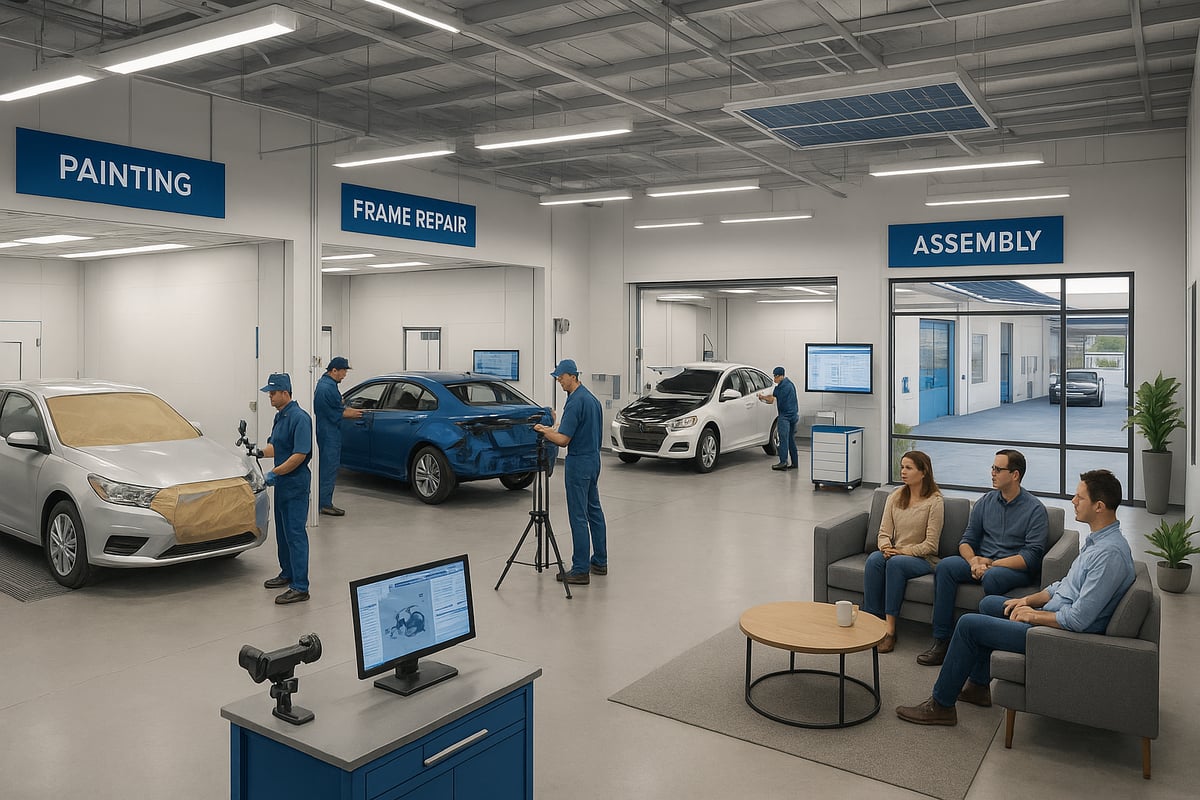
Choosing the right site for your body auto repair shop is vital for success. A strategic location near main roads or dealerships attracts customers and builds strong insurance partnerships. Modern layouts boost workflow efficiency and keep technicians safe.
Divide your space into dedicated repair zones, such as paint, frame, and assembly areas. Shops that optimize their layout can increase throughput by 20 percent. Make sure your facility is ADA compliant and accessible, which widens your customer base.
Eco-friendly features like LED lighting and solar panels cut costs and appeal to today’s eco-conscious drivers. In fact, 35 percent of consumers prefer shops with modern, sustainable facilities. Investing in design now sets your body auto repair shop apart for years to come.
Essential Equipment and Tools for 2025
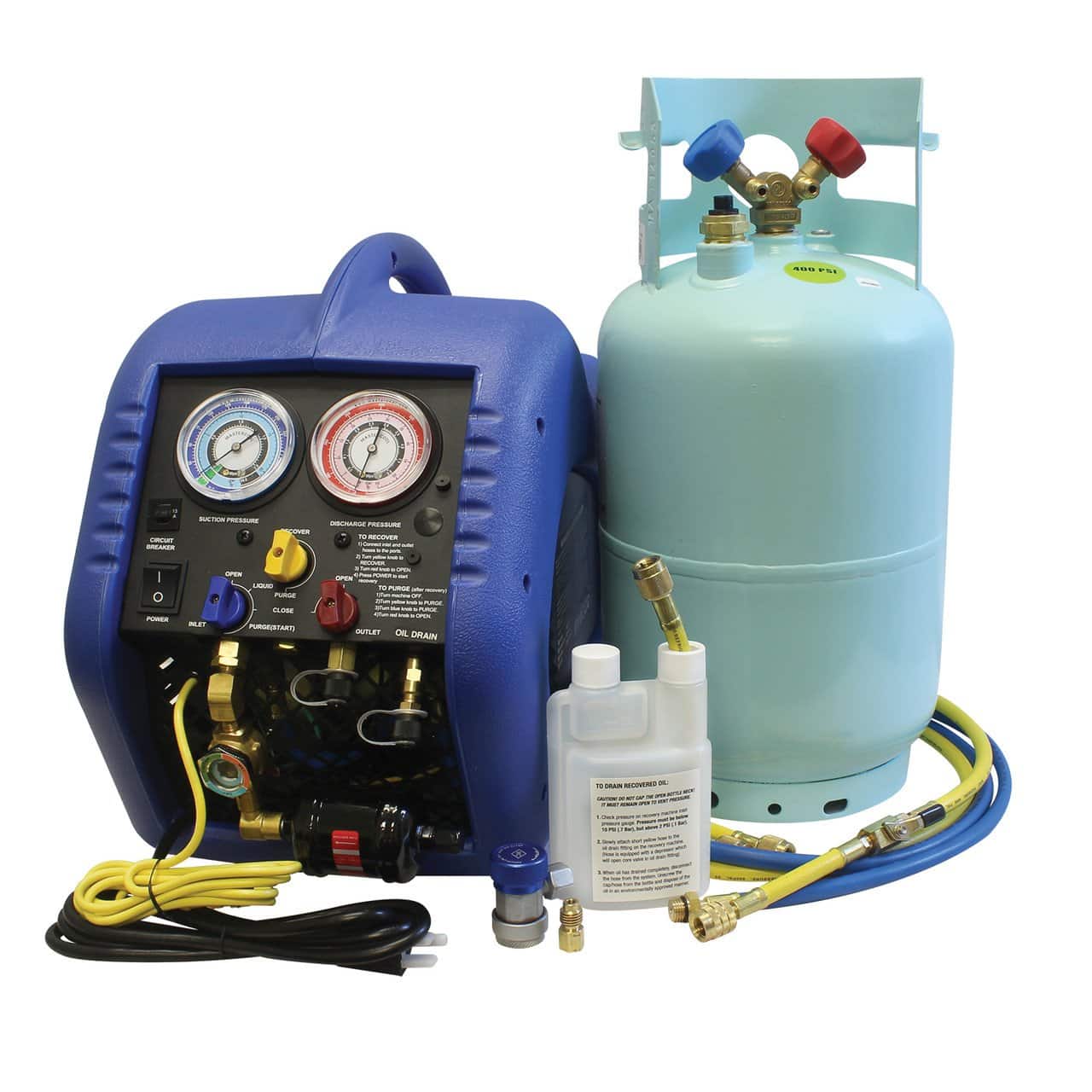
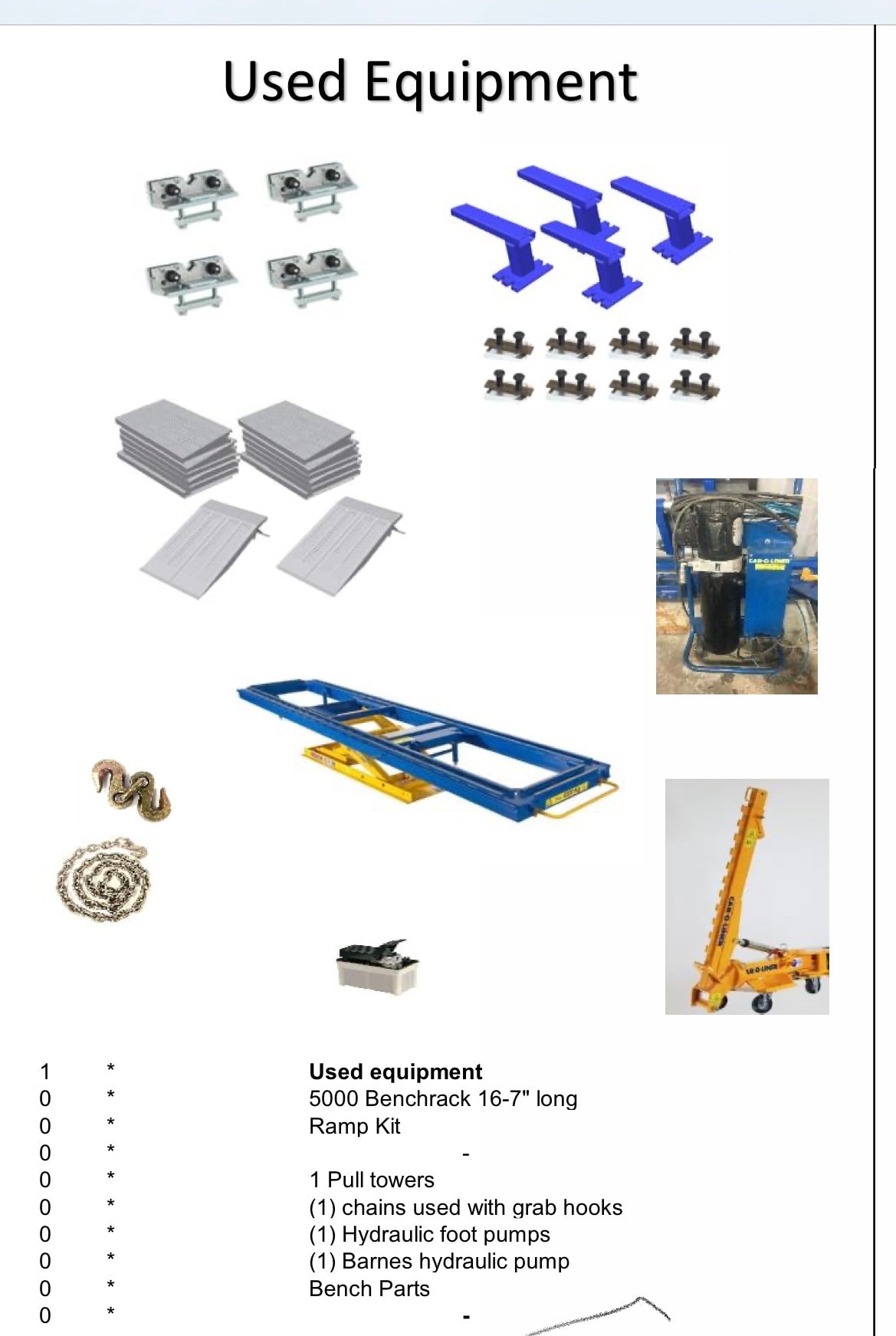
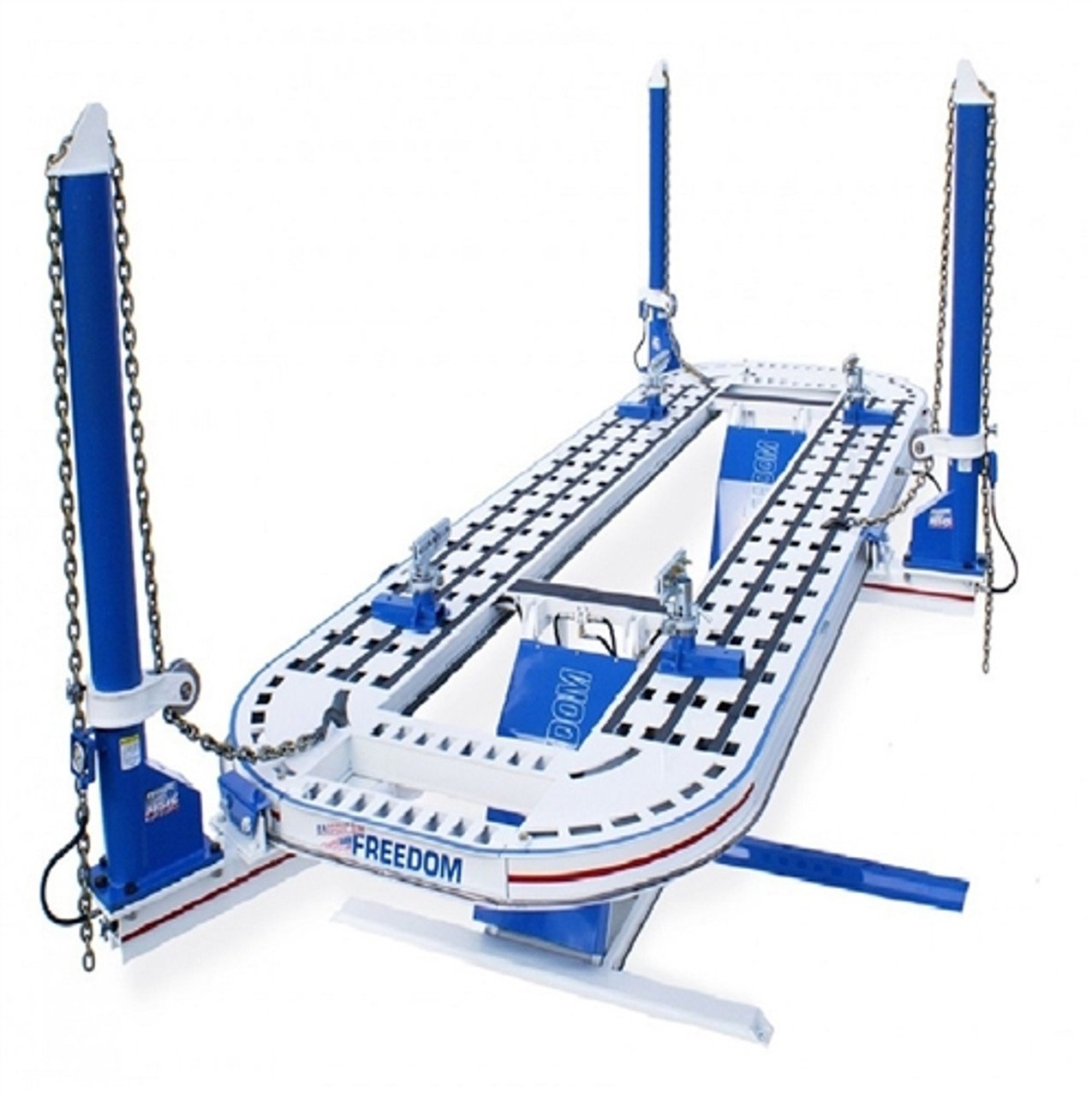
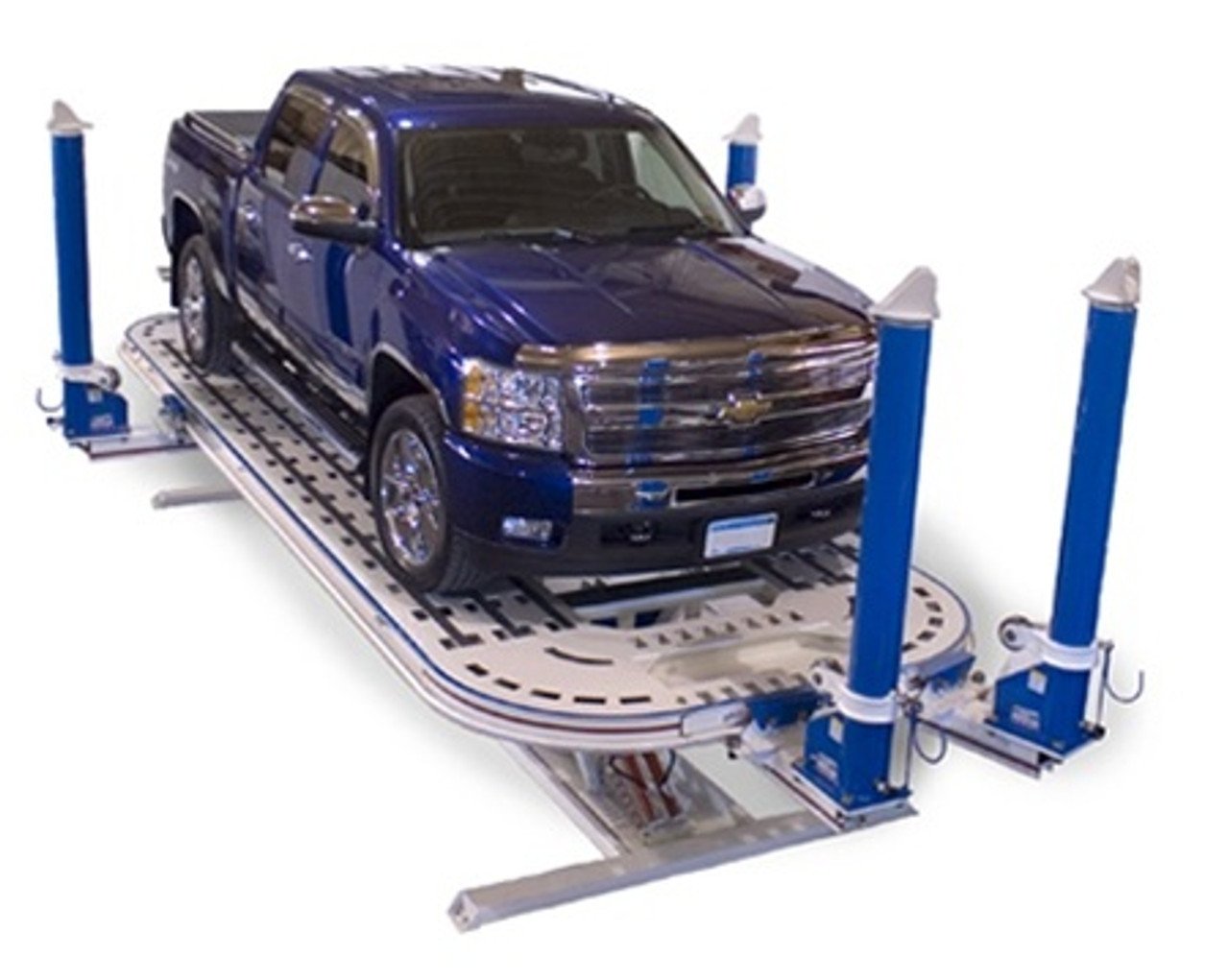
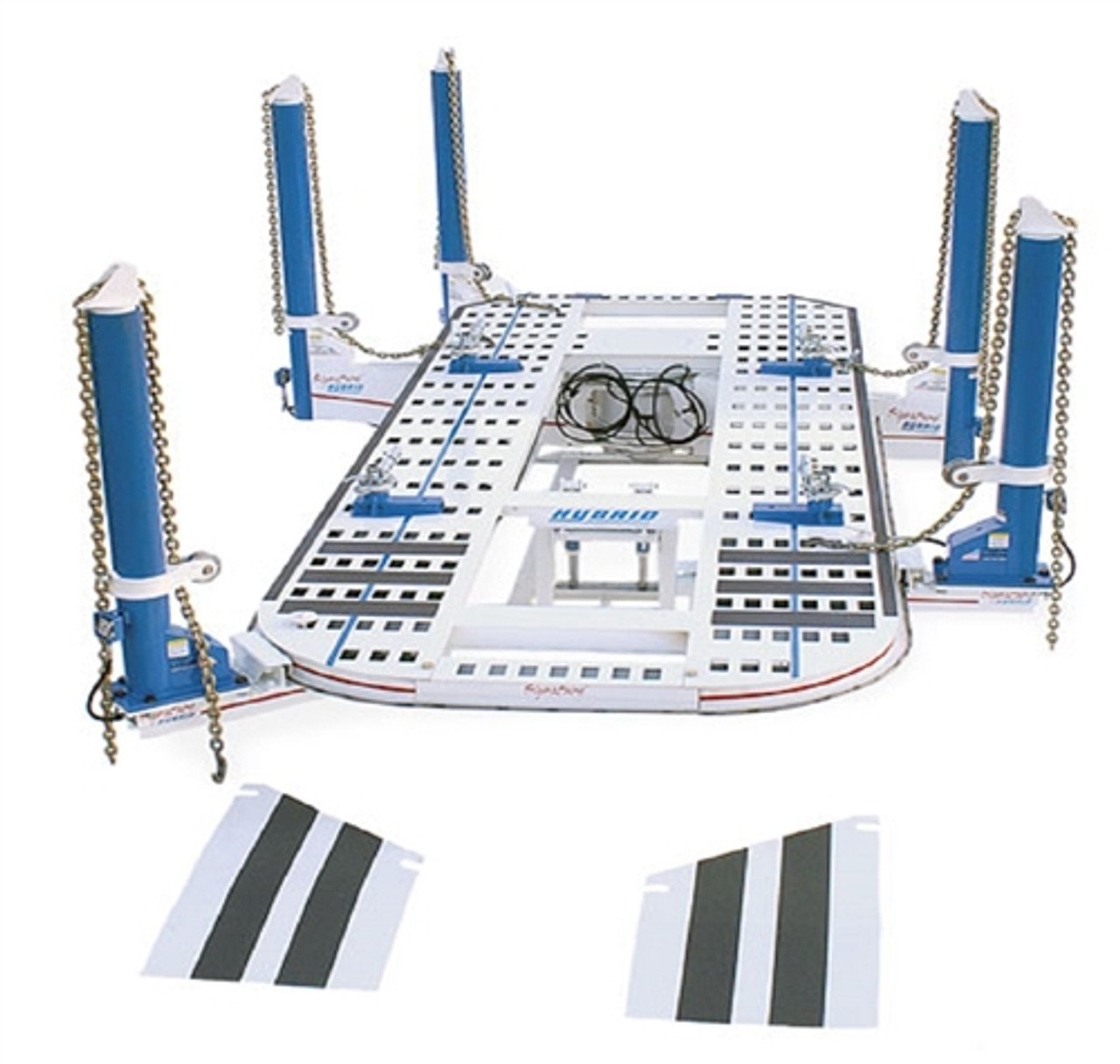
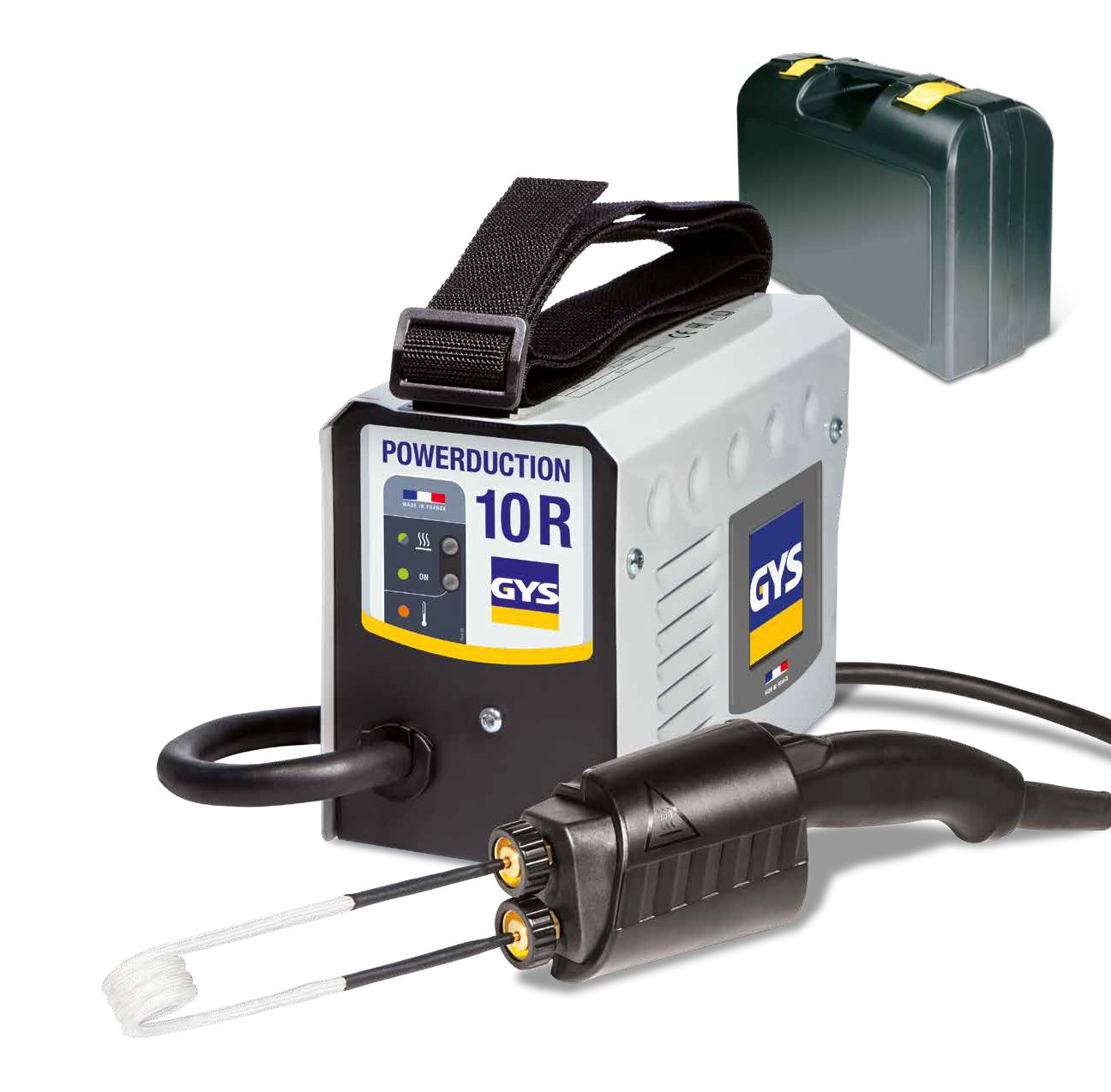
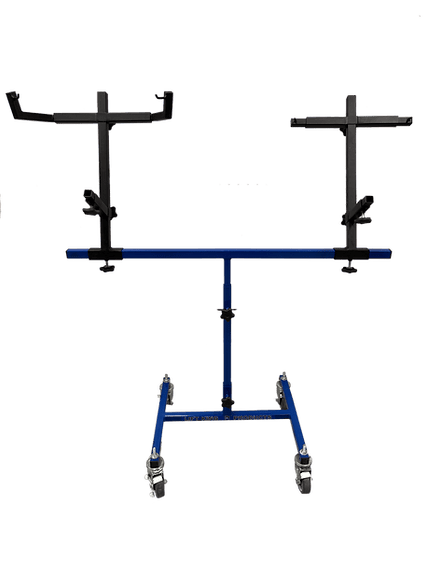
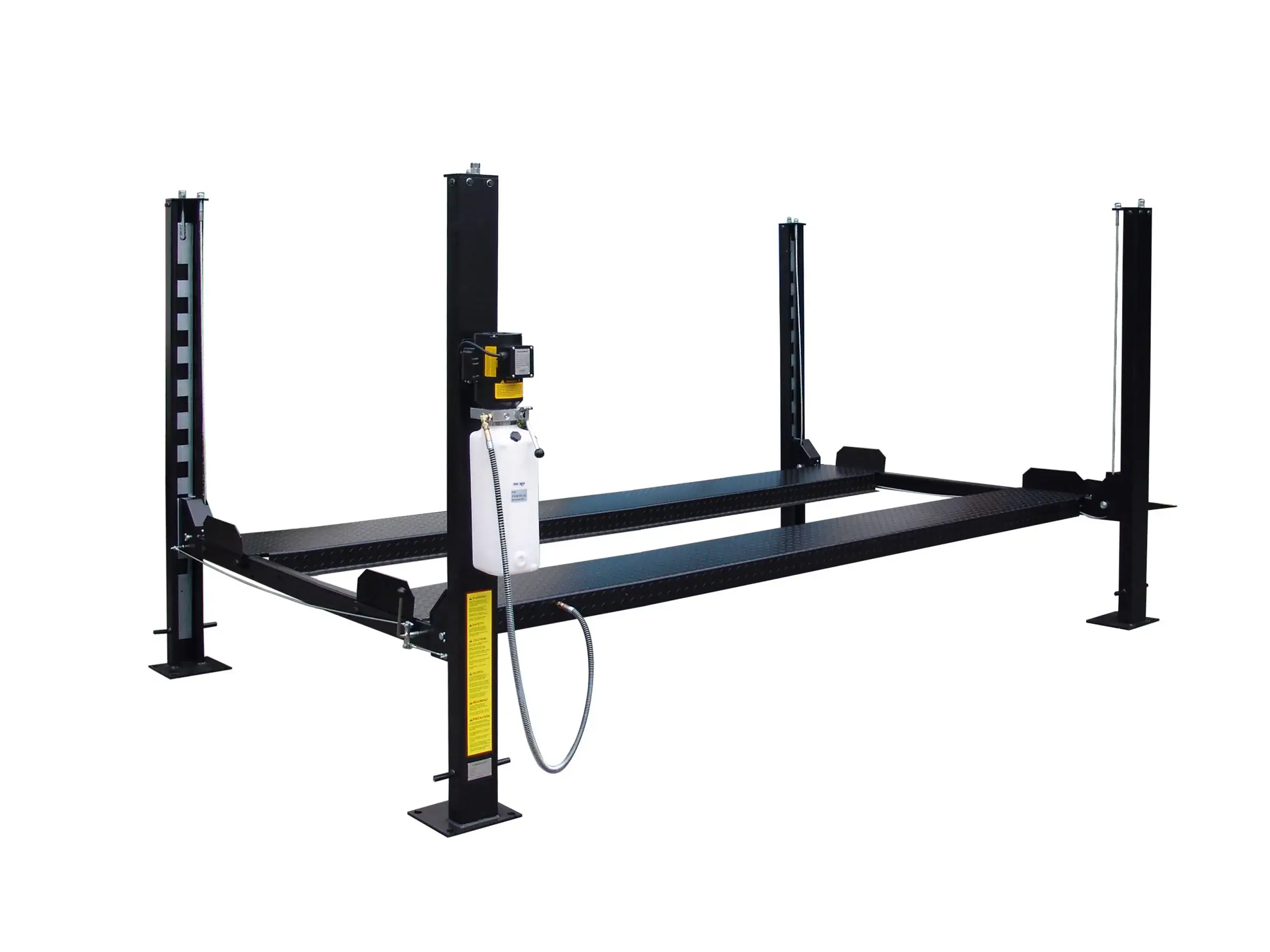
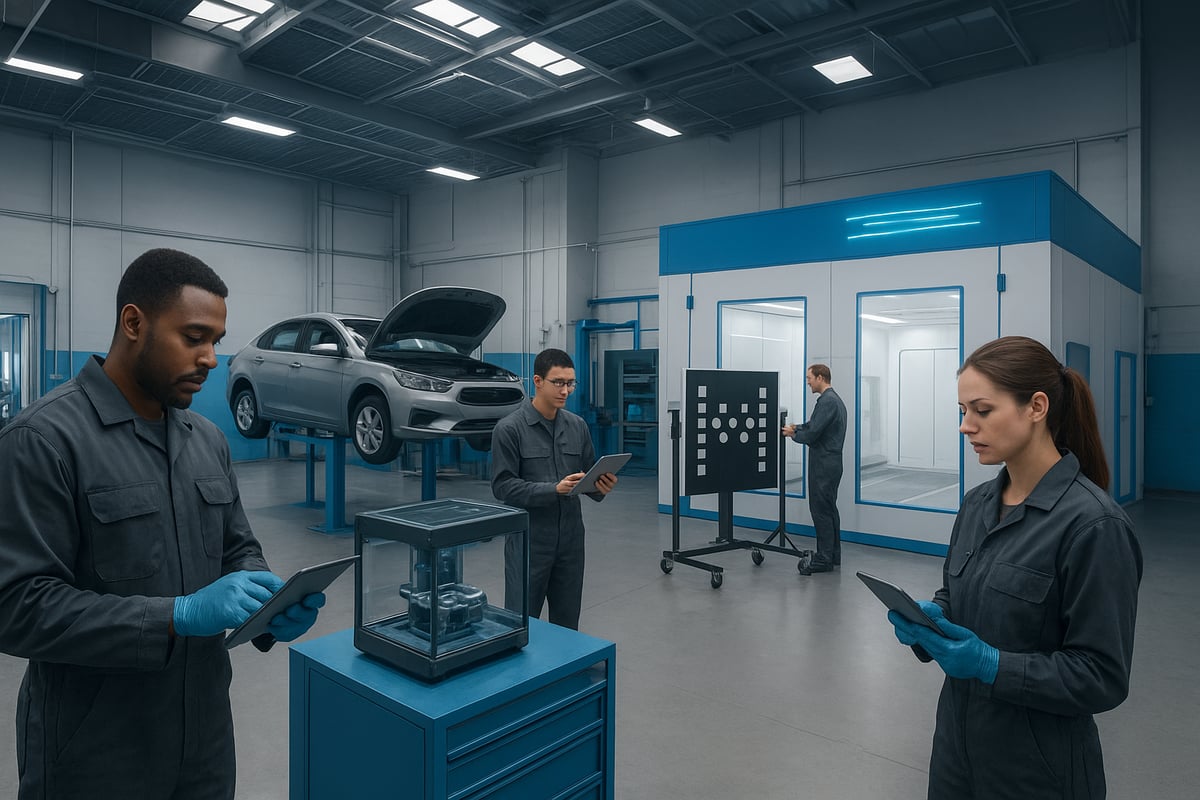
Equipping your body auto repair shop with the right tools is non-negotiable. Must-haves include frame machines, spray booths, and advanced diagnostic scanners. As vehicles become more complex, integrating ADAS calibration systems and aluminum repair stations is a smart move.
The return on investment for modern equipment is clear. Many shops now invest 15 percent more in tech upgrades each year. Unsure about purchasing? Leasing options make it easier to stay current. For precision repairs, 3D measuring systems are making a big impact.
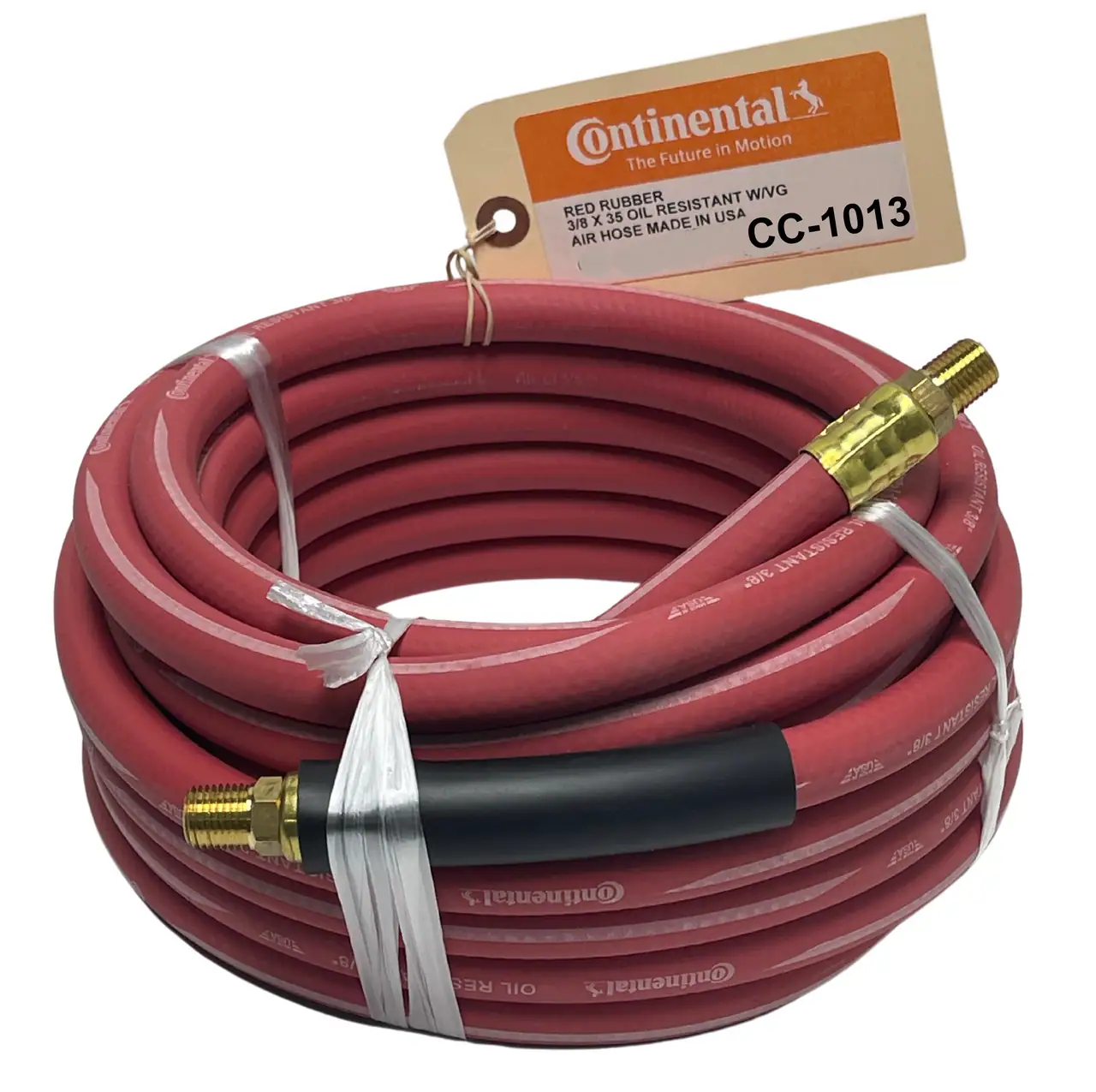
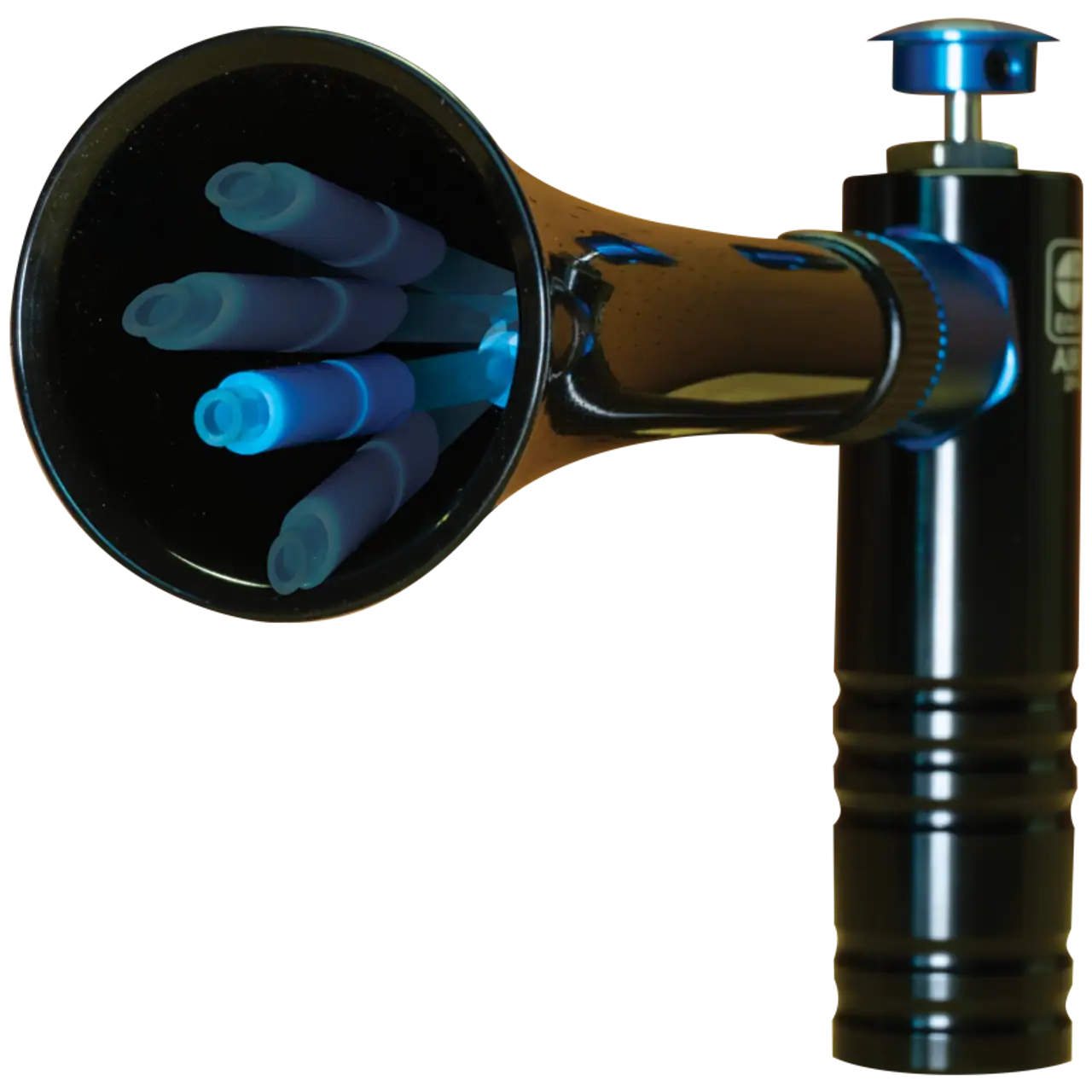
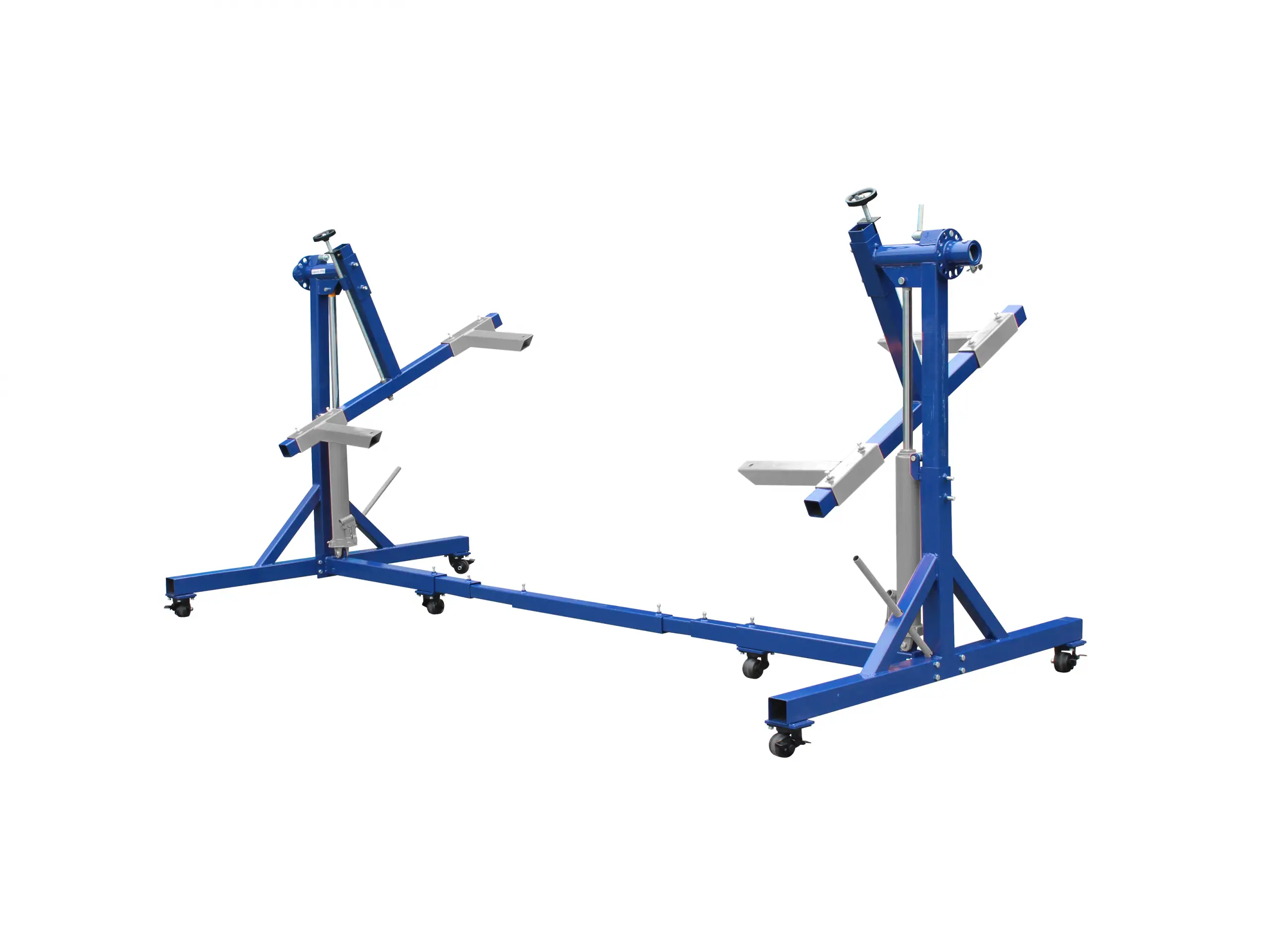
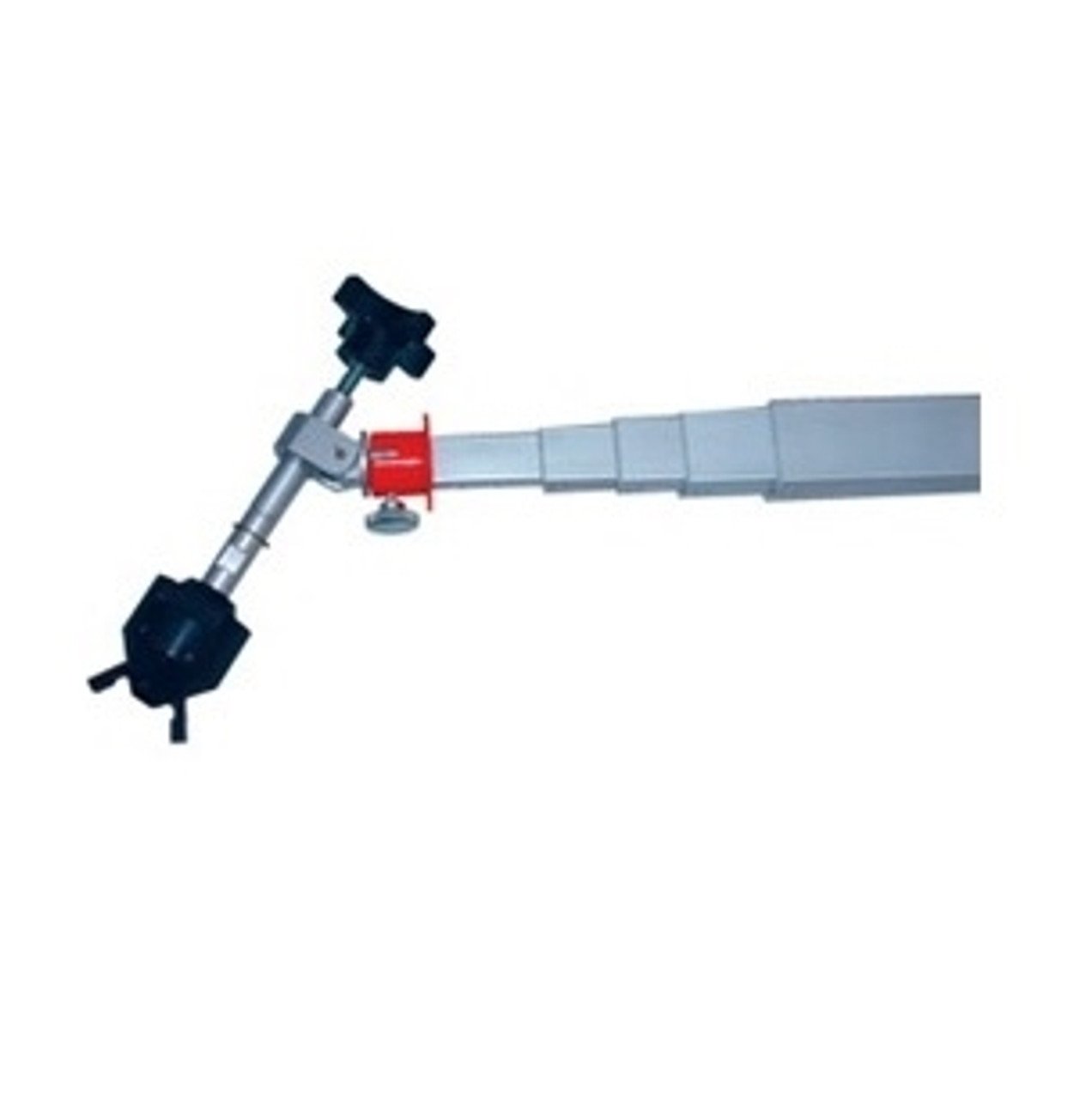
Explore a wide selection of Auto Body Shop Tools & Equipment to ensure your shop is ready for anything. The right setup positions your body auto repair shop as a leader in quality and efficiency.
Technology Infrastructure and Software
A modern body auto repair shop relies on robust technology to manage daily operations. Shop management software streamlines scheduling, estimates, and invoicing, reducing manual errors and saving time. Digital vehicle inspections and photo documentation create transparency with customers and insurance partners.
Seamless integration with insurance portals and OEM repair databases ensures compliance and accuracy. Cloud-based data storage boosts security and allows access from anywhere. In fact, 50 percent of top-performing shops now use cloud management systems for greater flexibility and protection.
Investing in the right tech infrastructure future-proofs your body auto repair shop and keeps you competitive in a digital-first world.
Compliance, Licensing, and Certifications
Every body auto repair shop must meet local and state licensing requirements. Check zoning permits before you open your doors. Compliance with OSHA and EPA standards keeps your staff and customers safe, while proper waste disposal prevents costly penalties.
Certifications like I-CAR Gold Class, ASE, and OEM credentials showcase your expertise. These not only improve repair quality but also increase your chances for insurance referrals, with 60 percent of referrals going to certified shops.
Handle hazardous materials carefully and document all procedures. Staying compliant builds trust and protects your body auto repair shop from legal risks.
Financial Planning and Insurance Considerations
Solid financial planning is the backbone of a thriving body auto repair shop. Break down your start-up and operational costs, from facility upgrades to payroll. Secure comprehensive insurance, including liability, property, and workers’ compensation.
Building relationships with insurers and joining direct repair programs (DRP) can boost your customer volume by 25 percent. Manage cash flow carefully and set aside a budget for future upgrades and training.
Here’s a summary table for key financial elements:
| Financial Aspect | Details |
|---|---|
| Start-up Costs | Facility, equipment, licensing |
| Operational Expenses | Payroll, materials, utilities |
| Insurance Types | Liability, property, workers’ comp |
| DRP Partnerships | Increases customer flow by 25 percent |
| Upgrade Budget | Plan for tech and staff development |
Smart financial decisions ensure your body auto repair shop remains profitable and resilient in a changing industry.
Embracing Advanced Technologies in Auto Body Repair
Staying competitive in 2025 means your body auto repair shop must keep pace with fast-moving technology. From ADAS calibration to green practices, advanced tools and smart systems are changing how shops operate. Let’s explore how adopting the latest innovations can position your business at the cutting edge.
The Role of ADAS and Vehicle Electronics
Advanced Driver Assistance Systems (ADAS) are now standard in nearly every new vehicle. For a body auto repair shop, this means investing in specialized calibration tools and ongoing training. ADAS features like lane-keeping, adaptive cruise control, and blind-spot detection increase repair complexity and liability.
In fact, 90% of new cars in 2025 are expected to have at least one ADAS feature. Shops that adapt can manage these challenges and attract more insurance referrals. For a closer look at how ADAS is transforming collision repair, the Impact of ADAS on Collision Repair report offers valuable insights.
Paint and Materials Innovations
Paint technology and materials science are evolving rapidly in the body auto repair shop industry. Waterborne paints are replacing older solvents, reducing emissions and improving air quality. UV-cured and quick-dry paint systems boost efficiency, allowing faster turnaround.
Mixed-material vehicles, with aluminum and high-strength steel, are now common. Shops must master new repair techniques and invest in dedicated aluminum repair stations. Data shows 40% of repairs now involve mixed-material vehicles, making adaptability critical for success.
Digital Estimating and Workflow Automation
Efficiency is the new currency for any body auto repair shop. AI-powered estimating tools now deliver fast, accurate quotes, while automated parts ordering and inventory management keep jobs moving smoothly.
Digital platforms connect shops with insurance companies and customers, streamlining approvals and communication. Many shops have cut estimate times by 60% using these tools, freeing up staff for higher-value tasks and improving customer satisfaction.
3D Printing and Advanced Fabrication
3D printing has become a game-changer for the modern body auto repair shop. Technicians can fabricate rare or discontinued parts on-site, slashing both costs and wait times.
For example, some shops now use 3D printing for custom brackets, trim pieces, or specialty components. This technology not only saves money but ensures vehicles are repaired to OEM standards, even when parts are hard to source.
Sustainability and Green Shop Practices
Sustainability is more than a buzzword for today’s body auto repair shop. Eco-friendly waste management, solar power, and energy-efficient lighting are now standard for green-certified shops.
Implementing recycling programs and using waterborne paints can help meet environmental regulations. Green shops attract 30% more eco-conscious customers, proving that sustainability can drive growth as well as environmental responsibility.
Training and Upskilling for New Technologies
Continuous learning is a must for every body auto repair shop team. With vehicles getting smarter, technicians need ongoing education to stay current.
Partnering with vocational schools and OEM training programs ensures access to the latest knowledge. Shops that invest in training see repair accuracy double, boosting both customer trust and shop reputation. Blended learning, with online and hands-on modules, is now preferred by 70% of technicians.
Recruiting, Training, and Retaining Top Talent
Attracting and keeping the right people is the backbone of any successful body auto repair shop. In 2025, a skilled team is more crucial than ever to deliver advanced repairs, adapt to new technologies, and provide the high level of service customers expect.
Hiring Strategies for 2025
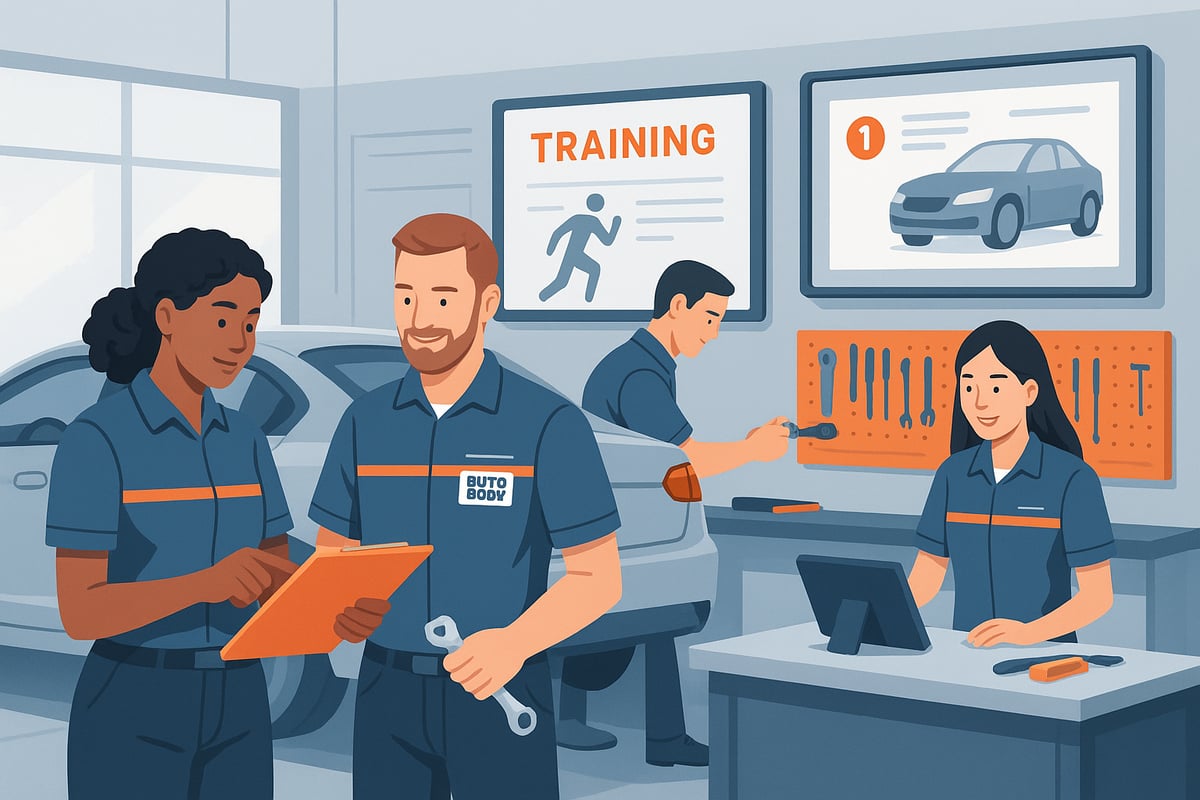
Finding qualified technicians for your body auto repair shop starts with a proactive approach. Tap into local trade schools, apprenticeship programs, and specialized job boards to reach new talent pools. Prioritizing diversity and inclusion in your hiring process not only broadens your candidate options but also leads to better customer experiences.
Shops with diverse teams have reported 20% higher customer satisfaction. Consider structured interviews and technical assessments to ensure candidates have the right mix of certification and hands-on skill. Building relationships with local training centers can create a steady talent pipeline for your body auto repair shop.
Onboarding and Continuous Training
A thorough onboarding program sets new hires up for success in your body auto repair shop. Start with clear guidelines, safety protocols, and an overview of shop culture. Use online training platforms and simulators to provide hands-on learning experiences, which 70% of technicians now prefer in a blended format.
Regular skills assessments and certification renewals keep your team up to date with the latest industry advancements. Encourage technicians to pursue ongoing education, whether through OEM training, vocational partners, or in-house workshops, to maintain a high standard in your body auto repair shop.
Employee Retention and Workplace Culture
Retaining top talent at your body auto repair shop requires more than competitive pay. Offer strong benefits packages, opportunities for career growth, and a positive, safety-focused environment. Foster open communication and recognize achievements to build team loyalty.
Shops with low turnover often provide mentorship programs and encourage peer support. A strong team environment not only reduces hiring costs but also boosts productivity and customer satisfaction. Investing in culture pays off for every body auto repair shop.
Leadership and Management Best Practices
Effective leadership is key to a thriving body auto repair shop. Set clear performance expectations and use key performance indicators (KPIs) to track progress. Practice open communication and resolve conflicts quickly to maintain a cooperative atmosphere.
Empower your staff through mentorship, regular feedback, and opportunities to lead projects. Shops with strong management see 15% higher productivity, highlighting the value of investing in your people. Prioritizing leadership development helps your body auto repair shop stand out in a competitive market.
Streamlining Shop Operations and Workflow
Smooth, efficient operations are the heartbeat of any successful body auto repair shop. In 2025, shops face rising expectations for speed, accuracy, and transparency. Embracing digital tools, optimizing processes, and focusing on quality helps your shop stand out in a crowded market. Let’s break down the key areas where your workflow can truly excel.
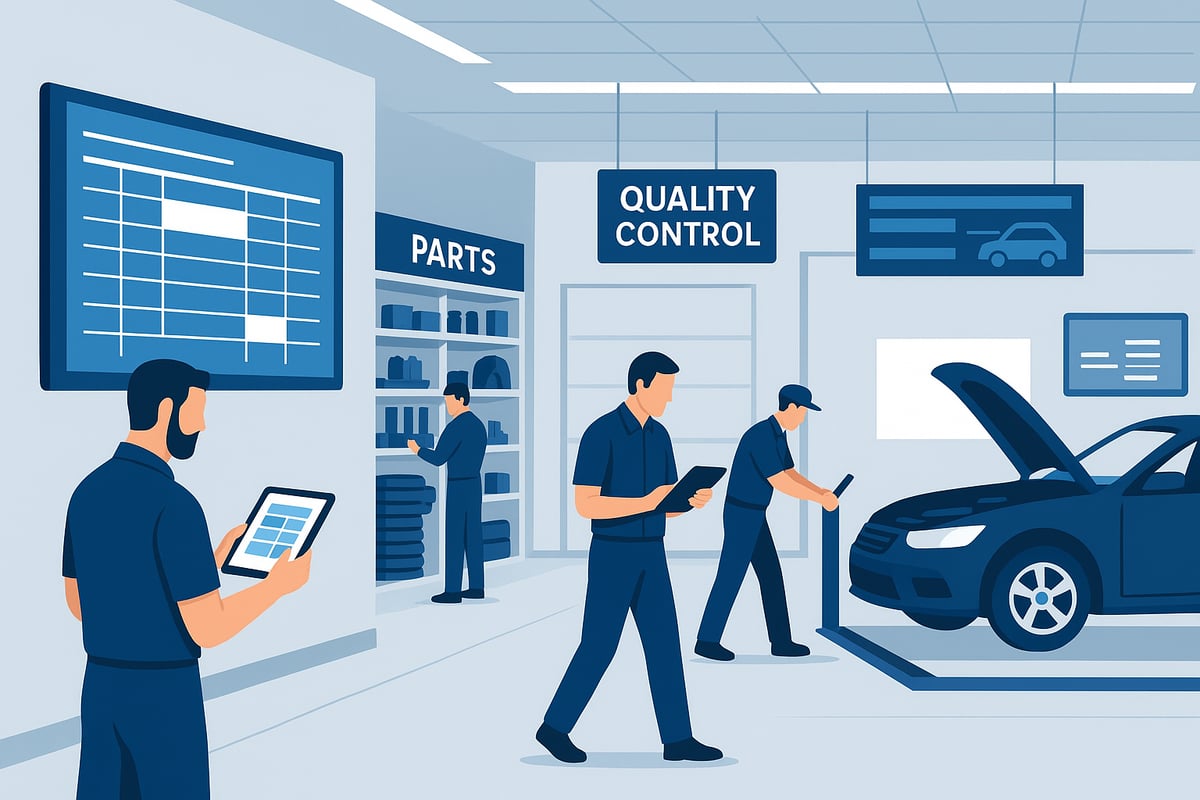
Efficient Scheduling and Job Management
Efficient scheduling is vital for any body auto repair shop aiming to maximize productivity. Digital scheduling tools help balance technician workloads, prioritize jobs based on parts availability, and keep all tasks organized.
For example, many shops now use management software that automatically assigns jobs, adjusts for delays, and sends reminders. This minimizes bottlenecks and ensures each repair moves smoothly from start to finish. Shops leveraging Digital Transformation in Auto Repair are seeing up to 30% reductions in lead times.
Here’s how digital scheduling benefits your shop:
- Tracks repair progress in real time
- Prioritizes urgent or high-value jobs
- Alerts staff about parts or approval delays
By making scheduling a cornerstone of your body auto repair shop, you improve customer satisfaction and shop throughput.
Inventory and Parts Management
Inventory management is a major challenge for every body auto repair shop. Real-time tracking systems are now the industry standard, helping you avoid delays and lost revenue from missing parts.
Shops that use digital inventory tools can:
- Monitor stock levels instantly
- Automate reordering for fast-moving items
- Compare OEM versus aftermarket parts in one dashboard
Building strong relationships with parts suppliers is also crucial. By using data-driven inventory control, you can reduce costs by 12% annually. This ensures your body auto repair shop is always ready for the next job, with the right parts on hand.
Quality Control and Inspection Processes
Quality control is the backbone of a reputable body auto repair shop. Multi-point inspections before, during, and after repairs are now standard practice. Digital checklists and photo documentation add transparency and accountability.
A solid quality process includes:
- Pre-repair assessments for hidden damage
- In-process checks to verify correct parts use
- Post-repair inspections and customer sign-off
Shops with robust QC programs see 25% fewer rework cases. This not only saves money but also boosts your shop’s reputation. Making quality a central value in your body auto repair shop builds trust and drives repeat business.
Customer Communication and Updates
Today’s customers expect real-time updates from their body auto repair shop. Automated text and email notifications keep clients informed at every step. Digital photos and video updates add transparency, helping customers understand repair progress.
Effective communication means:
- Sending instant status updates
- Handling estimates, approvals, and payments online
- Creating a feedback loop for concerns or questions
Statistics show that 80% of customers prefer digital communication over phone calls. By making communication a priority, your body auto repair shop creates a seamless, stress-free experience that keeps customers coming back.
Data Analytics and Performance Monitoring
Modern body auto repair shop operations rely heavily on data. Tracking key performance indicators, like cycle time, profit margins, and customer satisfaction scores, helps you identify trends and areas for improvement.
Using dashboards and analytics software, top shops can:
- Benchmark performance against industry standards
- Spot inefficiencies or bottlenecks quickly
- Set actionable goals for continuous improvement
For example, shops in the top quartile use analytics to improve efficiency by 18%. By making data-driven decisions, your body auto repair shop stays agile and competitive in a rapidly evolving market.
Delivering Exceptional Customer Experience
Creating a standout customer experience is essential for any body auto repair shop aiming to thrive in 2025. The journey begins the moment a customer approaches your shop and continues long after repairs are complete. Focusing on first impressions, transparency, dispute resolution, and effective follow-up builds trust and loyalty, setting your shop apart from the competition.
First Impressions and Shop Branding
First impressions can make or break a customer's decision to choose your body auto repair shop. A clean, organized facility with professional branding signals quality and reliability. Invest in visible signage, fresh paint, and a tidy parking lot to attract walk-ins and referrals.
Inside, offer a comfortable waiting area with amenities like Wi-Fi, refreshments, and informative displays about your services. Encourage staff to greet customers promptly and courteously. Remember, 60% of customers base their shop choice on online ratings and reviews, so showcase positive testimonials in your shop and on your website. Consistent branding across uniforms, documents, and digital platforms reinforces trust and professionalism for your body auto repair shop.
Transparent Estimates and Repair Process
Transparency is a cornerstone of customer satisfaction in any body auto repair shop. Start by providing clear, detailed estimates that explain costs, timelines, and the repair process. Use digital estimating tools to create accurate, itemized quotes and share them with customers via email or text.
Explain procedures and warranties in simple terms, inviting questions to ensure clients feel informed and confident. This approach builds trust and reduces misunderstandings. Shops that prioritize transparency typically see 35% repeat business, as customers appreciate honesty and clarity. Always document and communicate any changes in scope or pricing promptly, so your body auto repair shop is seen as reliable and trustworthy.
Handling Customer Concerns and Disputes
Even the best body auto repair shop will occasionally face customer concerns or disputes. The key is to address issues proactively and professionally. Train staff to listen with empathy, acknowledge the problem, and propose fair solutions quickly.
Implement feedback channels such as surveys, suggestion boxes, or online forms to capture customer input. Use this feedback to improve processes and prevent future issues. Quick dispute resolution increases loyalty by 22%, as customers value shops that stand behind their work. Document all communications and resolutions for accountability. A customer-first mindset ensures your body auto repair shop consistently turns challenges into opportunities for growth.
Post-Repair Follow-Up and Retention
The customer experience does not end when the vehicle leaves the body auto repair shop. Implement post-repair follow-up strategies like check-in calls, satisfaction surveys, or thank-you emails to show you care about long-term results. Offer loyalty programs, discounts on future services, or referral incentives to encourage repeat business.
Here are effective retention tactics:
- Automated appointment reminders
- Seasonal maintenance tips
- Personalized service offers
Shops with strong follow-up programs see retention rates double, as customers feel valued beyond the initial repair. Consistently nurturing these relationships ensures your body auto repair shop remains top-of-mind for future needs.
Adapting to Industry Trends and Regulatory Changes
Staying ahead in the body auto repair shop industry means constantly adapting to new trends, insurer expectations, and regulatory updates. In 2025, change is the only constant, and successful shops are those that anticipate and respond quickly. Let’s break down the essentials for thriving in this evolving landscape.
Evolving Insurance and DRP Relationships
Insurance companies and direct repair programs (DRPs) play a major role in the body auto repair shop workflow. Navigating the requirements of different insurers is crucial for maximizing both efficiency and profitability.
- Build strong relationships with adjusters to ensure smooth claims processing.
- Understand each DRP’s unique rules, documentation needs, and performance metrics.
- Prioritize fast, accurate communication to meet insurer expectations.
Did you know that DRP shops handle around 60% of all collision claims? For your body auto repair shop, joining DRP networks can mean higher volumes and steadier work. However, it’s important to balance insurer needs with your shop’s quality standards and profitability goals.
Keeping Up with Vehicle Design and Materials
Vehicle technology is evolving at an unprecedented rate. Electric vehicles (EVs) and hybrids are becoming more common, and by 2025, 25% of repairs are projected to involve EVs. This shift requires body auto repair shop owners to invest in training and equipment for new substrates and repair methods.
- Stay updated on OEM repair procedures for the latest models.
- Equip your shop for aluminum, high-strength steel, and mixed-material repairs.
- Train staff to safely handle high-voltage systems in EVs.
Adaptability is key. As more advanced vehicles enter your bays, your body auto repair shop must be ready to handle their unique challenges to remain competitive.
Regulatory Compliance and Safety Standards
Regulatory compliance is non-negotiable for every body auto repair shop. OSHA, EPA, and state regulations are constantly evolving, with non-compliance fines averaging $7,000 per incident. Implementing robust safety protocols protects both staff and customers.
- Conduct regular safety training and maintain up-to-date documentation.
- Ensure proper hazardous material handling and waste disposal.
- Prepare for audits with organized records and compliance checklists.
Incorporating Sustainability Practices in Auto Shops can help your shop meet new environmental standards while appealing to eco-conscious clients. Staying compliant isn’t just about avoiding penalties—it’s a foundation for long-term trust and business growth.
Industry Networking and Continuing Education
Active participation in industry associations and events is a game changer for any body auto repair shop. Networking offers access to OEM repair updates, regulatory news, and best practices from peers.
- Attend trade shows, workshops, and manufacturer training sessions.
- Engage in online forums and local association meetings.
- Share knowledge and learn from others’ experiences.
Shops that invest in ongoing education see improved repair accuracy, customer satisfaction, and profitability. Peer networking also helps your body auto repair shop anticipate industry shifts before they become challenges.
Future-Proofing Your Business
To stay ahead, future-proofing your body auto repair shop is essential. This means investing in technology, staff development, and service diversification.
- Expand offerings to include detailing, glass, and calibration services.
- Budget for regular tech upgrades and facility improvements.
- Use scenario planning to prepare for economic and industry changes.
According to Auto Care Industry Growth Projections, shops with diversified services grew 18% in 2024. By taking proactive steps now, your body auto repair shop can thrive in any market condition, turning challenges into opportunities and setting the stage for long-term success.
As you look to set your shop up for success in 2025, remember that having the right tools and support can make all the difference—whether you’re updating your equipment, optimizing your workflow, or staying ahead with the latest repair technologies. We’ve walked through the essentials, from smart shop layouts to advanced diagnostics and everything in between. If you’re ready to equip your team with reliable, professional-grade tools and want a partner who truly understands the demands of modern collision repair, Shop Now and see how KGM Equipment can help you take your business to the next level.

