

Table of Contents
- Quick Comparison: Top 5 Dent Pulling Systems for Small Body Shops
- 1. KGM Equipment: Professional-Grade Dent Pulling Systems Built for Small Shops
- 2. Dent Fix MAXI 110-Volt Dent Removal System (DF-505110V)
- 3. CHAMP Olympian 10-Ton Pulling Post Starter Kit
- 4. Manelord Dent Puller/Remover with T-Bar
- 5. Royadve Dent Puller & Dent Removal Repair Kit
- Stud Welder vs Glue Puller for Body Shops: Which One Do You Need?
- Aluminum Dent Repair Tools for Technicians: What to Look For
- Frequently Asked Questions
Last Updated: September 24, 2026
Quick Comparison: Top 5 Dent Pulling Systems for Small Body Shops
Finding affordable dent pulling systems for small body shops in 2026 means balancing professional-grade durability against a tight equipment budget. This guide from KGM Equipment breaks down five systems that deliver real shop-floor value without the enterprise price tag. Below, we compare entry cost, pulling method, and best-fit use cases so you can match a system to your bay count and workflow.
| System | Method | Entry Cost | Best For |
|---|---|---|---|
| KGM Equipment | Professional-grade systems | Quote-based | Shops needing durable, scalable tools |
| Dent Fix MAXI DF-505110V | Stud welder | $1,999 | Steel panel repair |
| CHAMP Olympian 10-Ton | Mechanical post | $3,899.59 | Structural damage |
| Manelord T-Bar | Manual PDR | $25-$40 | Minor cosmetic dents |
| Royadve Repair Kit | Glue puller | $30-$50 | Shallow door dings |
1. KGM Equipment: Professional-Grade Dent Pulling Systems Built for Small Shops
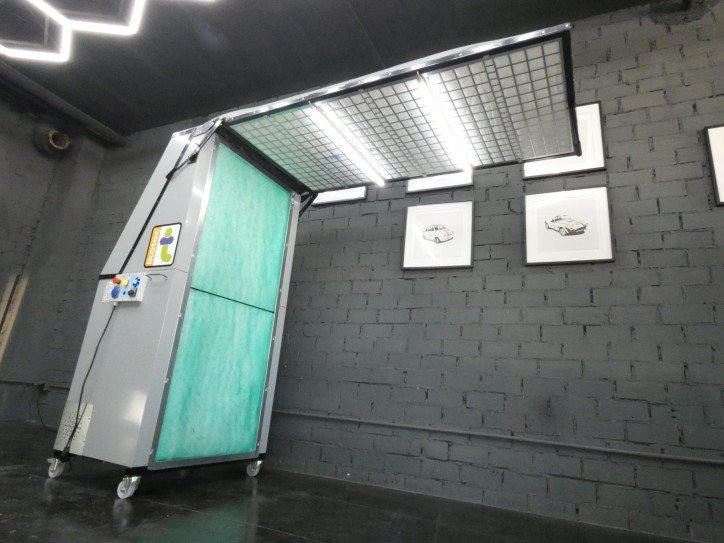
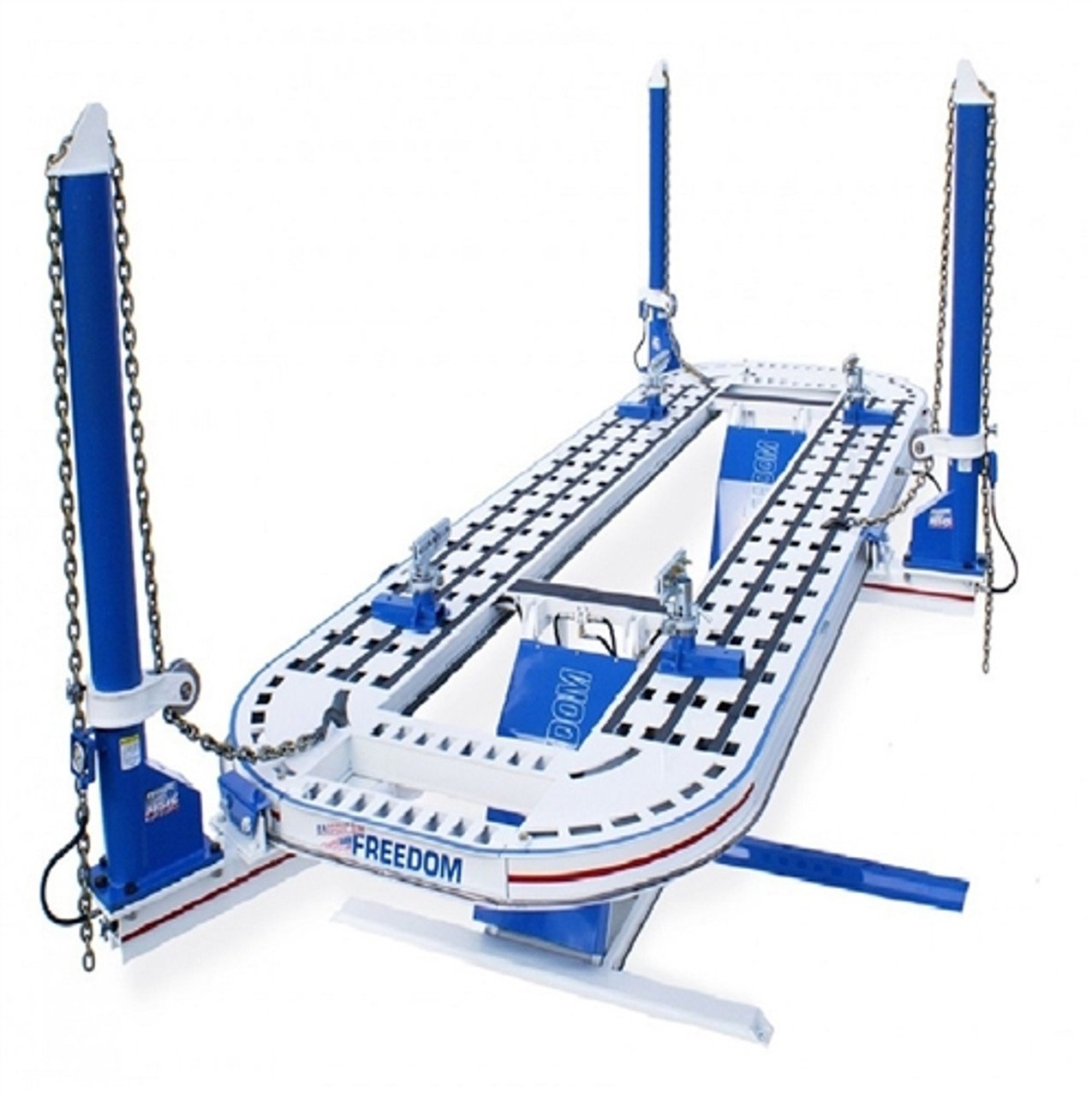
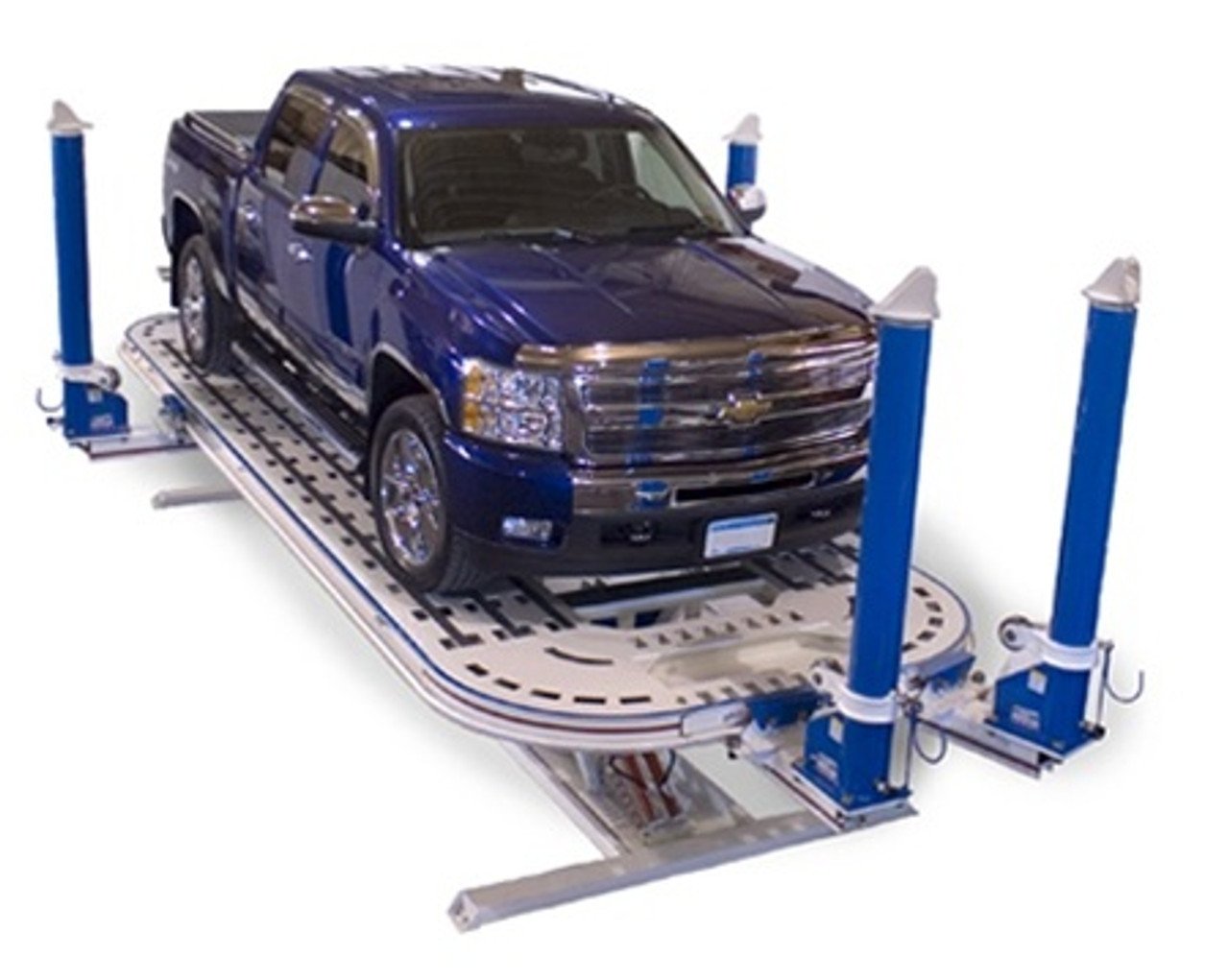
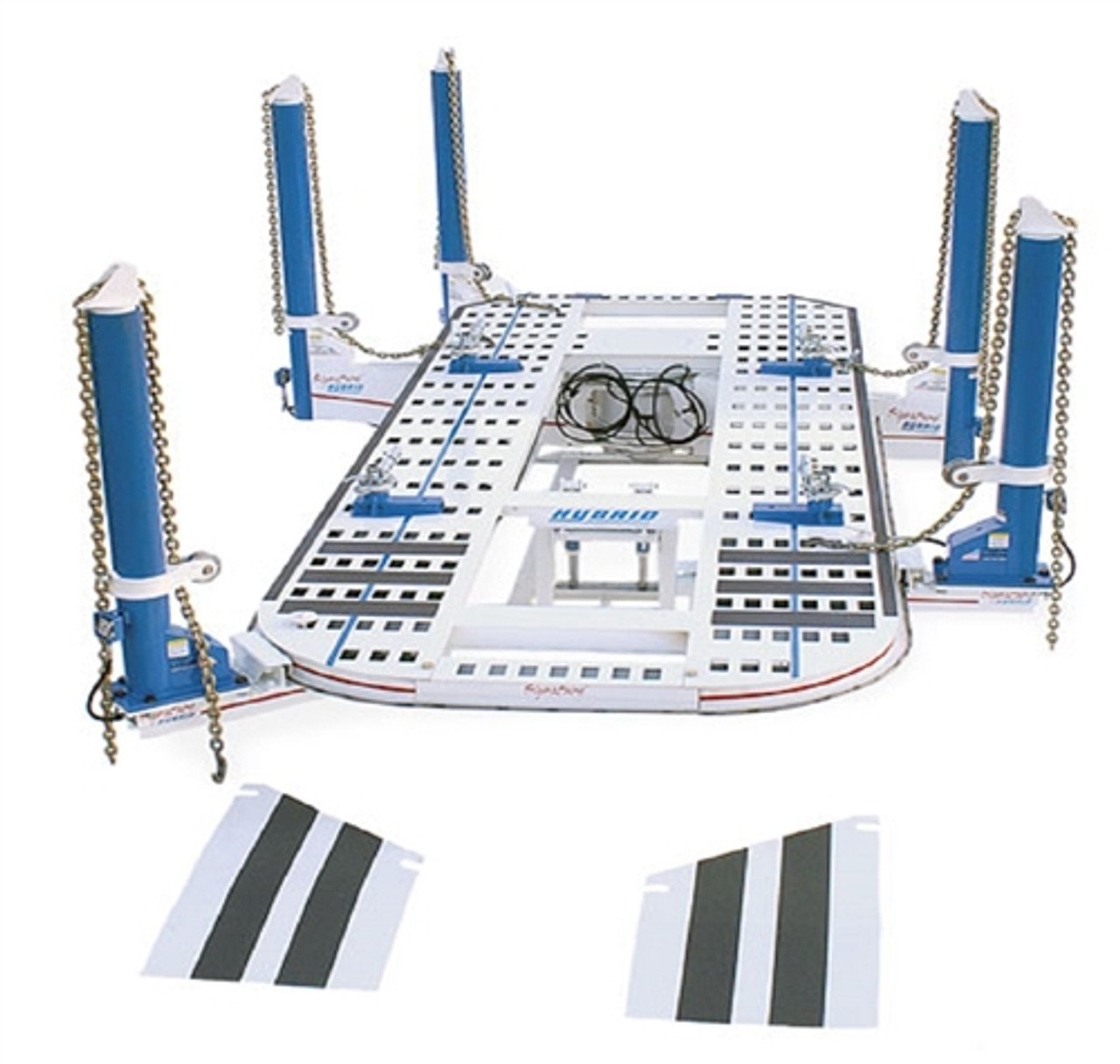
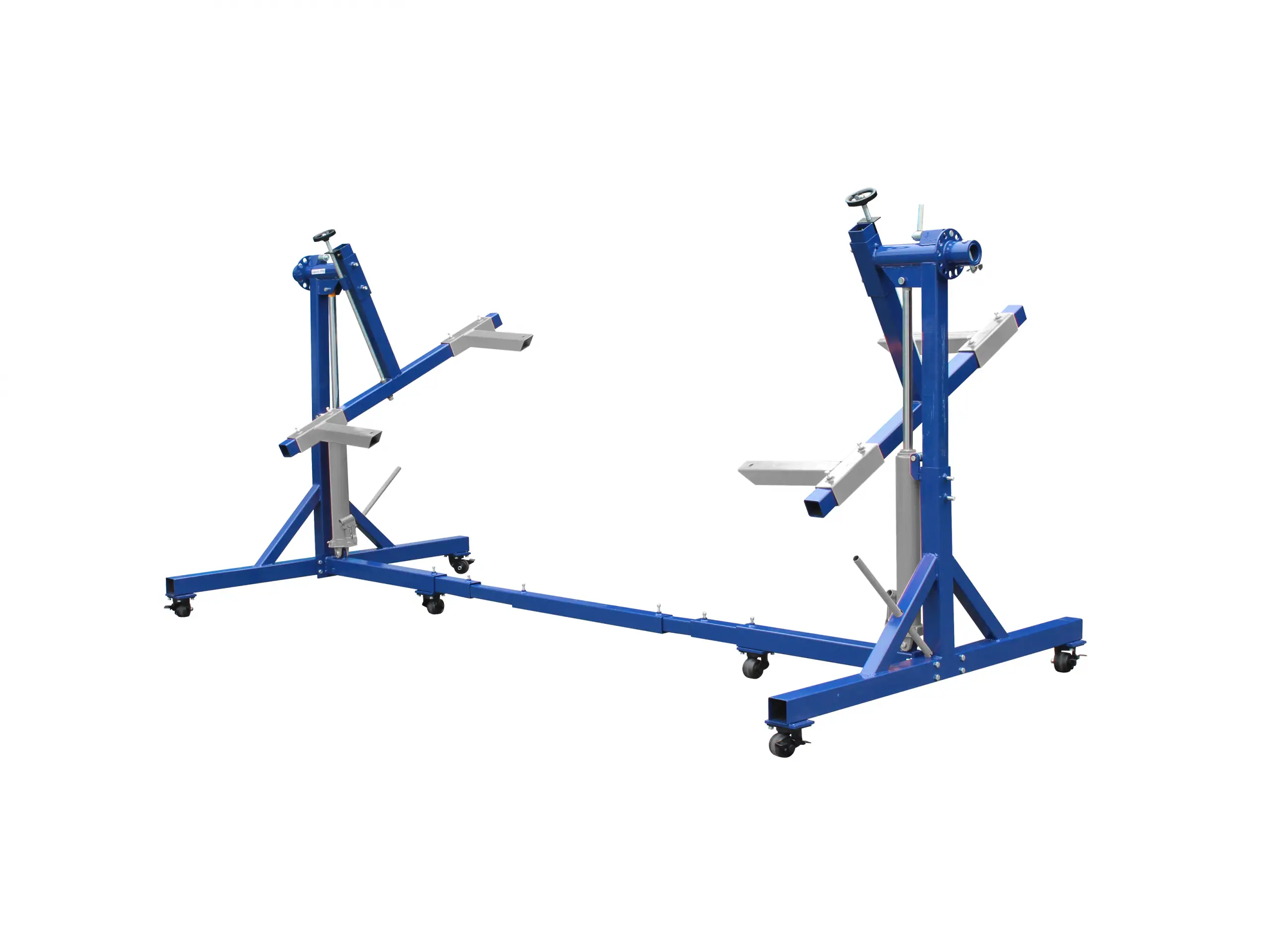
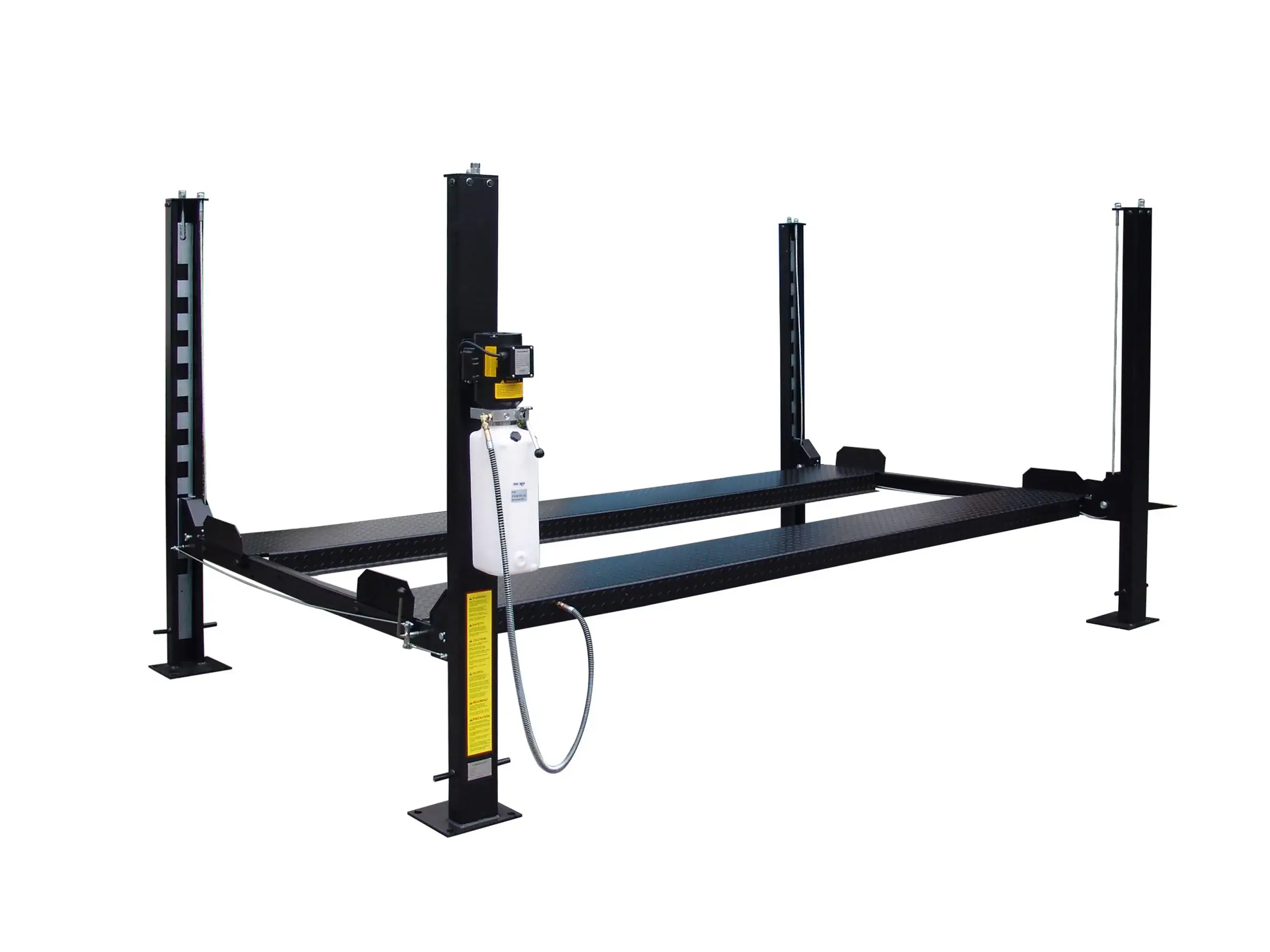
KGM Equipment is a supplier of auto body and industrial machinery focused on collision repair, including lightweight aluminum repair tools. For small shops, the appeal is durability without overbuying capacity you won’t use. The lineup covers both steel and aluminum panel work. What most guides miss is that a five-bay shop rarely needs the same pulling force as a high-volume collision center.
Pricing and ROI for Small Shops
KGM Equipment does not publish fixed pricing, and that’s worth understanding before you compare systems. Pricing depends on the specific configuration, quantity, and delivery requirements, so the honest answer is to request a quote rather than anchor on a number that doesn’t apply to your shop. The ROI question matters more than the sticker price: a system that reduces cycle time on every repair pays for itself.
When comparing quotes, ask each supplier for the consumables cost per job, not just the machine price. Glue sticks, tabs, and welding studs add up fast, and a lower machine price can hide a higher per-repair cost.
2. Dent Fix MAXI 110-Volt Dent Removal System (DF-505110V)
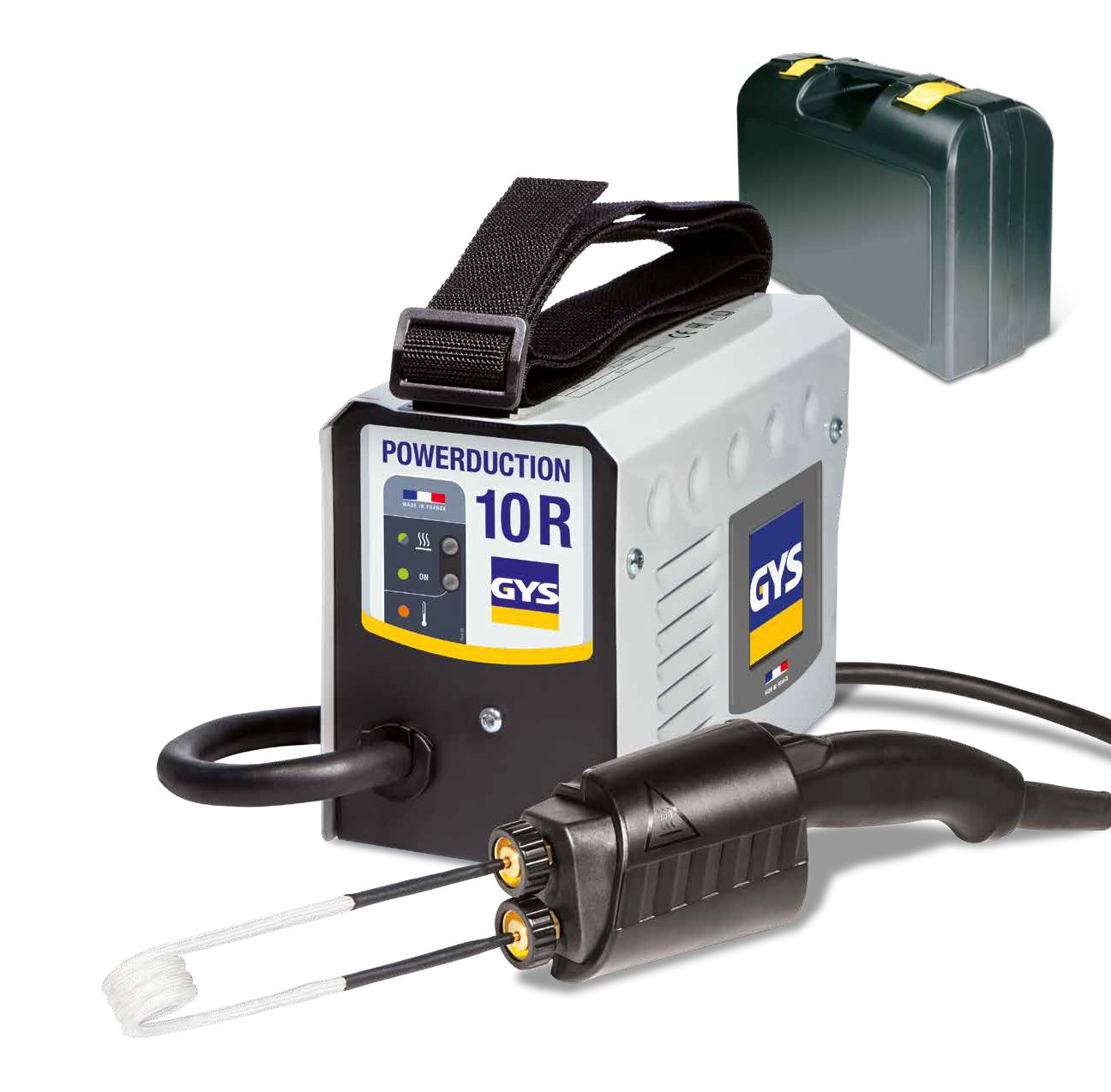
The Dent Fix MAXI is a professional-grade stud welder built for pulling steel body panels, and it runs on standard 110-volt power, which means most small shops can plug it in without electrical upgrades. At $1,999, it sits well above DIY kits but delivers welding capacity that holds up to daily collision work. It ships with pulling attachments sized for different dent shapes, so you’re not improvising a pull on an awkward crease.
Pros and Cons
Pros:
- Industry-standard reliability for steel repair
- Strong pulling power for deep dents
- Standard 110-volt compatibility
Cons:
- Higher entry price than manual kits
- Not built for aluminum panels without additional tooling
3. CHAMP Olympian 10-Ton Pulling Post Starter Kit
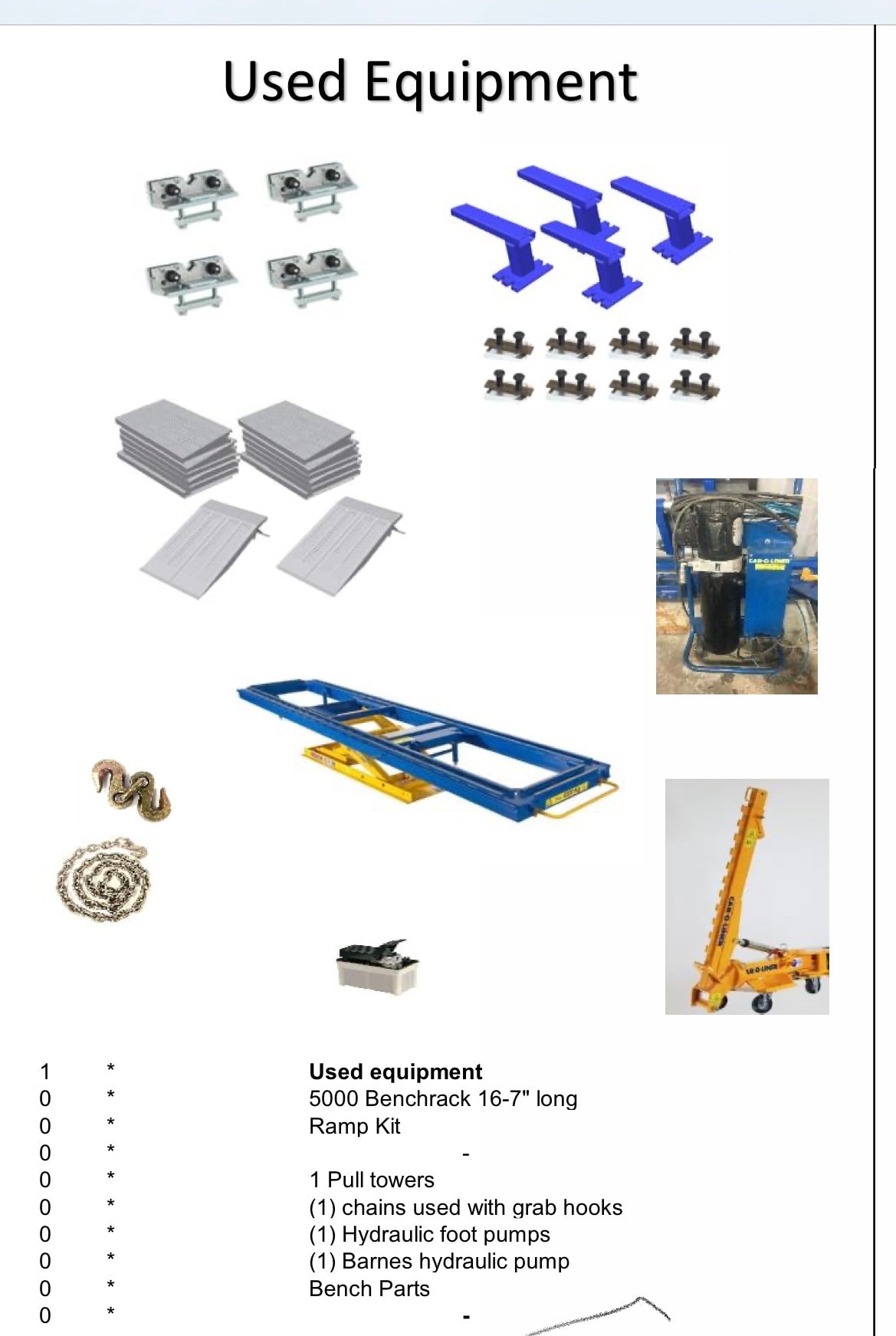
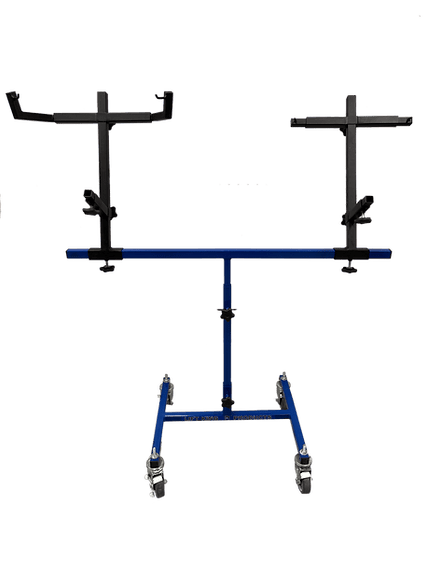
For structural and deep panel damage, the CHAMP Olympian brings 10 tons of pulling capacity, which is a different category of tool entirely. The modular post design lets you reposition the pull for different damage angles, and the kit includes the chains and hooks you need to get started. At $3,899.59, it’s the most expensive option here, and it earns that price only if you’re regularly handling heavy collision work.
Pros and Cons
Pros:
- High structural pulling capacity
- Durable construction for long-term shop use
- Modular setup adapts to different damage
Cons:
- Requires significant floor space
- Overkill for shops doing mostly cosmetic work
4. Manelord Dent Puller/Remover with T-Bar
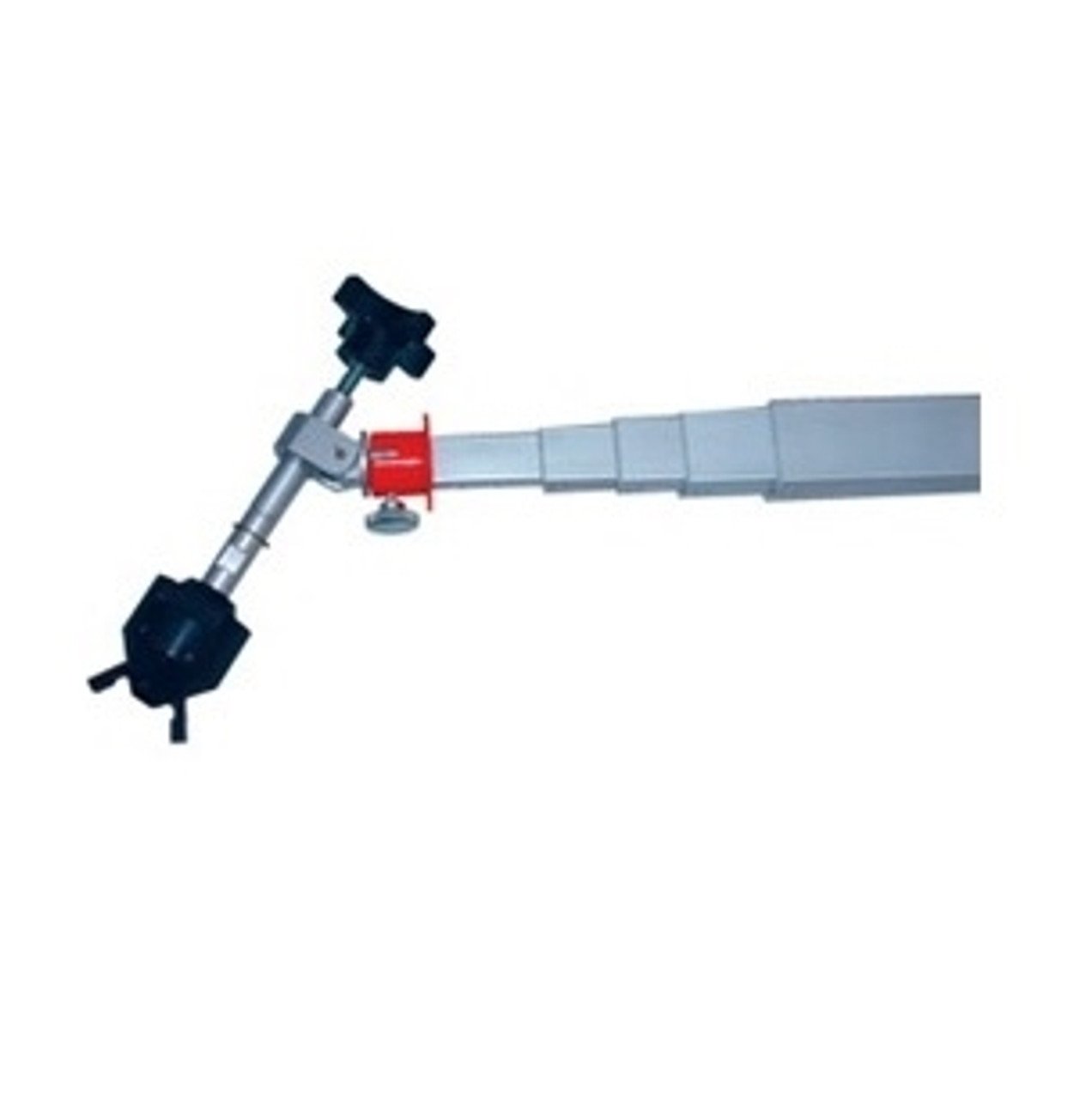
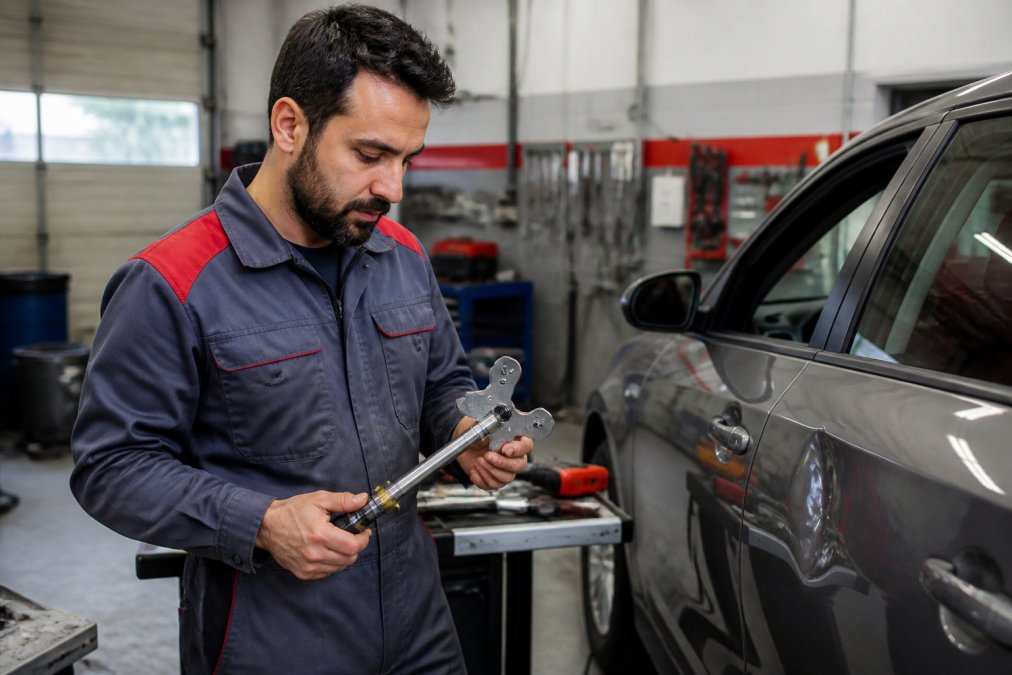
The Manelord kit is a manual paintless dent repair tool built around a T-bar slide hammer, and at $25 to $40 it is the cheapest way to start pulling minor dents. The adjustable T-bar gives you controlled force, and the multiple suction tabs of varying sizes cover a range of small dents. The ergonomic handle matters more than it sounds: manual pulling is repetitive work, and a comfortable grip reduces fatigue across a full day.
Where a Manual T-Bar Actually Fits in a Shop
Most guides frame the Manelord as a beginner’s tool and stop there. That misses the real value for a small shop: it is a triage tool, not a production tool. A manual T-bar earns its place in three specific scenarios.
- Same-day cosmetic work. A door ding or a shallow hail dent that a customer wants gone before lunch does not justify firing up a stud welder or a pulling post. A T-bar pull takes minutes, produces no weld marks, and requires no panel prep.
- Pre-estimate verification. Before you commit a repair to the paint pipeline, a quick manual pull tells you whether the dent is PDR-eligible or whether it needs filler and refinish. That single check can keep a job out of the booth and save a full refinish cycle.
- Supplemental pulls on mixed jobs. When a larger repair leaves a small secondary dent near a body line, a T-bar reaches areas a pulling post cannot without repositioning the whole rig.
Durability and Consumables at Shop Volume
This is where a $25 to $40 kit separates from professional-grade equipment, and the honest answer is that it is not built for daily production. The tabs are the wear item. Suction and glue tabs lose their grip after repeated heat cycles, and the slide hammer shaft on budget kits can develop play at the joint. A common pattern in small shops is to treat the Manelord as a consumable tool: buy two or three, keep them in different bays, and replace them rather than repair them.
If you buy a budget T-bar for shop use, buy spare tabs at the same time. Running out of a $2 tab mid-job and waiting on shipping costs far more in downtime than the tabs themselves.
Pros and Cons
Pros:
Subscribe to our newsletter! →
- Very affordable entry point
- Portable and easy to store
- Good for quick cosmetic fixes and dent triage
- No weld marks, no panel prep, no booth time
Cons:
- Not suitable for deep or sharp-creased dents
- Limited pulling force compared to powered systems
- Tabs and slide-hammer joints wear out under daily use
- Not a substitute for a stud welder on structural steel damage
5. Royadve Dent Puller & Dent Removal Repair Kit
The Royadve kit uses a bridge-style puller that distributes pressure evenly across the dent, which reduces the risk of over-pulling and creating a high spot. It includes glue sticks, a glue gun, and a variety of puller tabs for different dent diameters, all for $30 to $50. The glue-pull method is non-invasive, so you are not drilling or welding, which keeps the factory finish intact on shallow door dings.
The ROI Case for a Glue Puller in a Small Shop
This is the angle almost no competitor covers, and it is the one that matters most to a shop owner. A glue puller does not compete with your stud welder, it competes with the refinish booth. Every shallow dent you can pull without breaking the factory finish is a job that skips sanding, priming, sealing, base coat, clear coat, and bake time.
Consumables Cost Per Job
Glue sticks and tabs are the recurring cost, and they are the number most buyers ignore. A single shallow door ding typically consumes one or two glue sticks and one tab. Tabs are reusable if you clean them properly and reheat the glue rather than scraping it off cold. The shops that get the best economics out of a glue puller are the ones that treat tab cleaning as a standard step, not an afterthought.
Glue pulling on aluminum requires lower heat and gentler pulls than steel. Aluminum work-hardens and can tear if you apply the same force you would use on a steel panel. Confirm your glue gun has adjustable temperature control before using it on aluminum-bodied vehicles.
How It Fits Your Existing Workflow
A glue puller slots into the front end of your process, not the middle. The natural sequence is: estimate, glue-pull the shallow damage, reassess, and only then route the vehicle to body filler and paint if the pull did not fully restore the panel. That reassessment step is what separates shops that use a glue puller well from shops that own one and never touch it.
Pros and Cons
Pros:
- Non-invasive repair preserves the finish
- Easy to learn for basic repairs
- Complete kit with glue gun included
- Can eliminate an entire refinish cycle on shallow dents
Cons:
- Requires patience and practice for professional results
- Best suited to shallow dents only
- Glue sticks and tabs are an ongoing consumable cost
- Not appropriate for creased or stretched metal
Stud Welder vs Glue Puller for Body Shops: Which One Do You Need?
The choice between a stud welder and a glue puller comes down to panel material and dent severity. Stud welders weld a stud to the panel and pull it out with a slide hammer or pulling post, making them the right tool for steel panels and deeper dents. Glue pullers use hot glue adhesive and a tab to pull the metal, which works on both steel and aluminum and leaves no weld marks.
Aluminum Dent Repair Tools for Technicians: What to Look For
Aluminum panels behave differently from steel, and the tools have to match. Aluminum work-hardens and tears more easily, so pulling force needs to be gentler and more controlled than on steel. Look for tools designed specifically for aluminum, with lower pulling capacity and softer contact points that won’t stretch the panel. KGM Equipment specializes in lightweight aluminum repair tools built for this exact problem, which matters if your shop is seeing more aluminum-bodied vehicles.
Frequently Asked Questions
What is the best dent pulling system for a small collision repair shop?
The best system depends on your mix of steel and aluminum work. For steel panels, a stud welder like the Dent Fix MAXI handles deep dents well. For paintless dent repair on shallow dings, a glue puller kit such as the Royadve or GLISTON set works. KGM Equipment offers professional-grade dent pulling systems that scale for small shops and include reliable support. Match the tool to your most common repair type first.
Are budget-friendly dent pullers reliable for professional body work?
Entry-level manual kits under $100 handle light door dings and shallow creases, but they wear faster under daily shop use. For consistent professional results, invest in a system with durable construction and replacement parts. Stud welders and heavier pullers cost more upfront but reduce cycle times and hold up to high-volume work. A small shop can start with a quality mid-range tool and add specialized equipment as volume grows.
How does KGM Equipment compare to other dent repair tool brands?
KGM Equipment focuses on durable collision repair tools built for small and mid-size shops, with aluminum repair capabilities and expert customer support. Pricing depends on the specific system and configuration, so check the website for current quotes. KGM provides technical help when equipment goes down, which matters when you have jobs waiting.
What features should a small shop look for in a dent pulling system?
Prioritize power source compatibility (110-volt is standard in most shops), pulling capacity for the dent types you see most, and tool durability for daily use. For paintless dent repair, look for a glue puller with adjustable tabs and a bridge puller for even pressure. For steel, a stud welder with multiple attachments saves time. Also check whether replacement parts and consumables are easy to source.

