



DIY automotive maintenance is booming in 2025 as more car owners discover the rewards of tackling repairs on their own. With advanced vehicles on the road, having the right automotive tools is more important than ever for both savings and peace of mind.
This article uncovers the 9 essential automotive tools every DIY mechanic needs in 2025. You will learn about each tool’s features, key benefits, and real-world use cases, plus expert tips to help you build a toolkit ready for any challenge.
Start your journey toward safer, more efficient repairs. Get inspired to upgrade your toolkit and take control of your automotive projects.
The Importance of Having the Right Automotive Tools in 2025
The world of car maintenance is changing fast. In 2025, vehicles are more advanced than ever, with electric powertrains, hybrid systems, and smart electronics. This evolution has reshaped what it means to be a DIY mechanic. Having the right automotive tools is not just convenient—it is absolutely essential for anyone hoping to keep up with these changes.
Modern cars are packed with features that require precise care. Up-to-date automotive tools are needed to safely work on electric and hybrid vehicles, as well as those loaded with sensors and computers. For example, a standard wrench might still work for some jobs, but specialized equipment is now required for battery packs, advanced diagnostics, and delicate wiring. Relying on outdated gear can mean more than just frustration—it can lead to costly mistakes or even safety hazards.
Safety is a top concern when working on today’s vehicles. The right automotive tools help minimize risk by ensuring each repair is done properly. For instance, a properly calibrated torque wrench prevents over-tightening bolts, and insulated tools protect you from electric shocks when working on high-voltage systems. Investing in quality gear reduces the chance of injury and helps prevent accidental damage to expensive parts.
Statistics show that more people are taking car repairs into their own hands. According to recent industry reports, the DIY auto repair market continues to grow each year. Interest in automotive tools has surged, with the global market projected to expand steadily through 2025. This trend is driven by both cost-conscious car owners and a desire for greater control over vehicle care. As highlighted in Trends in automotive tools 2025, tech-driven innovations and new tool designs are making it easier for DIYers to tackle complex jobs.
Using the wrong or outdated automotive tools can cause more problems than they solve. Stripped bolts, damaged connectors, and incomplete repairs are common issues when the right gear is missing. Over time, this can mean higher repair bills and wasted effort. By contrast, investing in a set of modern automotive tools saves money in the long run. Quality tools last longer, perform better, and open the door to a wider range of repairs.
Here are some examples of jobs that now demand specialized automotive tools:
- Diagnosing error codes on a hybrid’s onboard computer
- Servicing regenerative braking systems
- Changing batteries on electric vehicles
- Calibrating advanced driver-assistance sensors
Professional mechanics agree: having the right automotive tools is the foundation of safe, efficient, and successful repairs. Whether you are a weekend tinkerer or a dedicated DIYer, upgrading your toolkit is the smartest way to keep pace with automotive technology in 2025.
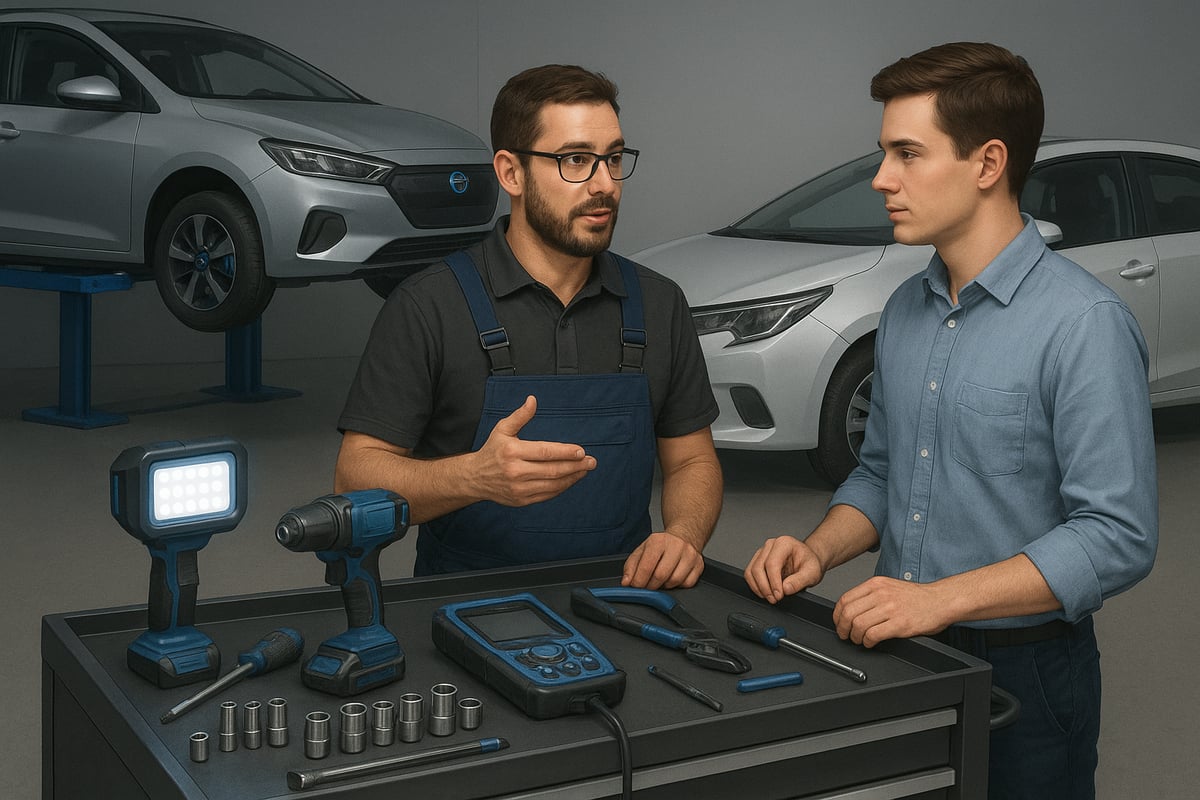
9 Essential Automotive Tools Every DIY Mechanic Needs in 2025
Building a future-ready toolkit is crucial for any car enthusiast or at-home mechanic. The right automotive tools not only make your life easier but also ensure you can safely and effectively tackle both routine maintenance and complex repairs. In 2025, the best toolkits combine timeless essentials with new, tech-driven gadgets. When selecting automotive tools, focus on versatility, durability, compatibility with modern vehicles, and user-friendly designs.
Below, you'll find the nine essential automotive tools every DIY mechanic should own, along with their features, benefits, and expert tips. Whether you're upgrading your garage or starting from scratch, these recommendations balance classic reliability with the demands of today's advanced vehicles. For a broader look at the latest options, you can explore the Automotive Tools Category for inspiration and product details.
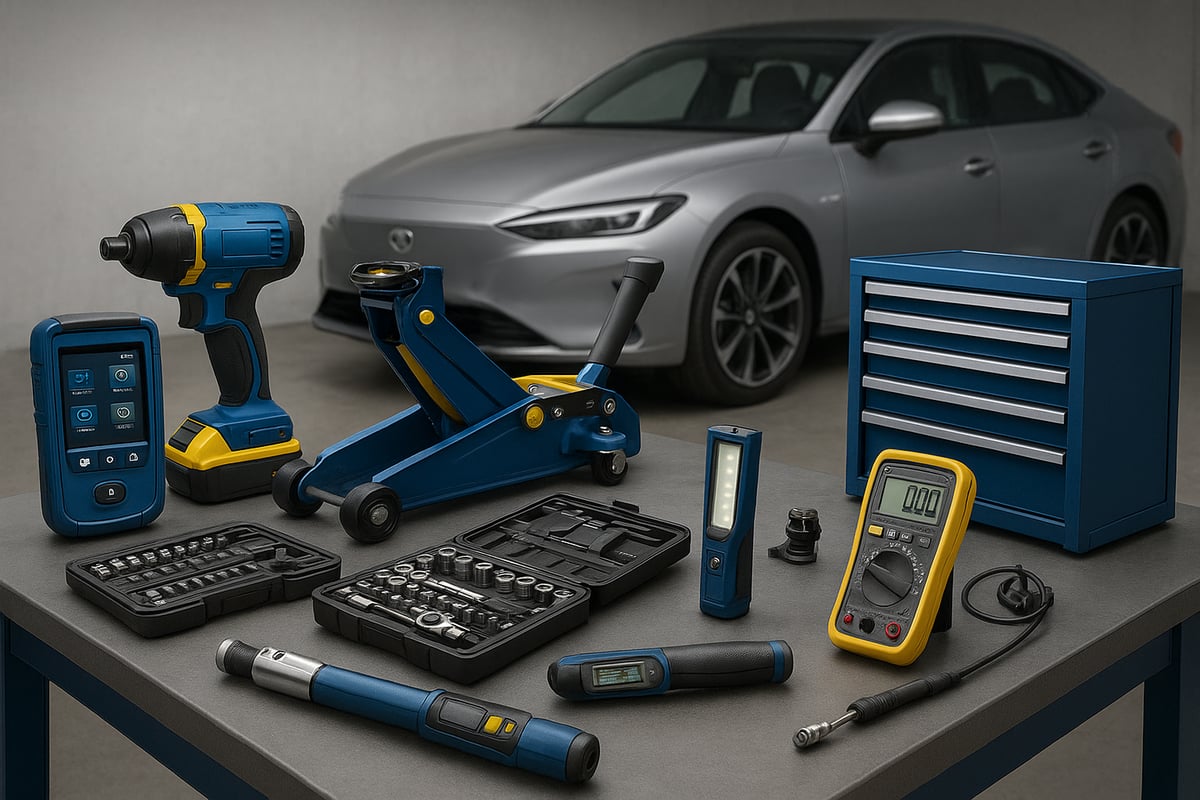
1. Digital Diagnostic Scanner
A digital diagnostic scanner is the gateway to understanding your vehicle's health. Modern scanners offer OBD-II/EOBD compatibility, wireless or Bluetooth connectivity, real-time data streaming, and advanced error code analysis. Pricing ranges from $80 to $400, depending on features and brand.
Benefits:
- Instantly identifies engine and system issues
- Supports a wide range of vehicles, including hybrids and EVs
- Saves time and money on diagnostics
Ideal For: Tech-savvy DIYers, owners of modern vehicles, and anyone looking to maintain their car’s performance.
Pros:
- Intuitive interface and portable design
- Regular software updates
- Can pair with mobile apps for enhanced features
Cons:
- Advanced models can be pricey
- Some require app subscriptions
Example: Quickly diagnosing a check engine light on a 2025 hybrid, saving a costly trip to the dealership.
2. Cordless Impact Wrench
A cordless impact wrench is a game-changer for removing and fastening lug nuts, bolts, and other fasteners. Modern versions feature lithium-ion batteries, brushless motors, variable torque settings, and ergonomic grips. Prices typically fall between $120 and $350.
Benefits:
- Dramatically reduces manual effort
- Speeds up tire changes and suspension work
Ideal For: Tire swaps, suspension repairs, and frequent home mechanics.
Pros:
- Cordless portability
- High torque output
- Ergonomic and easy to handle
Cons:
- Battery limitations require planning
- Heavier than manual alternatives
Example: Swapping out wheels during a roadside emergency in just minutes, thanks to this essential piece of automotive tools.
3. Hydraulic Floor Jack with Safety Locks
A hydraulic floor jack with advanced safety locks is vital for safely lifting today's vehicles, especially those with low ground clearance. Look for a 2-3 ton lift capacity, quick-lift pump, built-in safety locks, and a low-profile design. Expect to pay $80–$200.
Benefits:
- Enables safe and stable vehicle lifting
- Compatible with modern electric and hybrid cars
Ideal For: Oil changes, brake jobs, undercarriage inspections.
Pros:
- Robust and stable construction
- Easy maneuverability
- Essential for safe DIY repairs
Cons:
- Needs a flat, stable surface
- Can be heavy to transport
Example: Lifting an EV to inspect the battery compartment, demonstrating the need for reliable automotive tools.
4. Professional Socket and Ratchet Set
A comprehensive socket and ratchet set is the backbone of any toolkit. Choose sets with both metric and SAE sizes, deep and shallow sockets, quick-release ratchets, and a sturdy case. Prices range from $50 to $200.
Benefits:
- Versatility for various repairs
- Ensures proper fit for any bolt
Ideal For: Engine work, interior repairs, and general maintenance tasks.
Pros:
- Organized storage
- Durable and long-lasting
- Covers a wide range of fasteners
Cons:
- Specialty sockets may be sold separately
Example: Removing intake manifold bolts on a turbocharged engine, highlighting the necessity of quality automotive tools.
5. Torque Wrench (Digital or Click-Type)
Torque wrenches ensure bolts are tightened to manufacturer specifications, preventing over- or under-tightening. Modern options include digital displays, audible/visual alerts, and precise measurement capabilities. Expect to spend $40–$150.
Benefits:
- Critical for safety and component longevity
- Prevents costly mistakes
Ideal For: Wheel installation, engine assembly, suspension work.
Pros:
- High accuracy
- Easy-to-read settings
- Essential for proper maintenance
Cons:
- Requires periodic calibration
- Digital models need batteries
Example: Installing cylinder head bolts to exact torque specs, a task only possible with reliable automotive tools.
6. Work Light (Rechargeable LED)
A bright, rechargeable LED work light is indispensable for illuminating hard-to-reach areas. Key features include high-lumen output, adjustable brightness, magnetic bases, and USB charging. Prices vary from $25 to $80.
Benefits:
- Enhances visibility during night repairs or in dim spaces
- Hands-free operation with magnetic or hook mounts
Ideal For: Under-hood work, roadside emergencies, and garage repairs.
Pros:
- Portable and versatile
- Long battery life
- Multiple mounting options
Cons:
- Some models are fragile
- Limited runtime on highest settings
Example: Diagnosing wiring issues in a dimly lit garage, proving the value of the right automotive tools.
7. Mechanic’s Tool Chest or Organizer
A sturdy tool chest or organizer keeps your automotive tools secure, organized, and easily accessible. Look for multiple drawers, lockable compartments, heavy-duty wheels, and modular configurations. Pricing ranges from $150 to $600.
Benefits:
- Reduces time spent searching for tools
- Protects your investment
Ideal For: Home garages, frequent DIYers, expanding tool collections.
Pros:
- High capacity and organization
- Durable construction
- Lockable for security
Cons:
- Bulky and heavy
- High-end models can be costly
Example: Efficiently storing and accessing a growing collection of specialty automotive tools.
8. Multimeter (Automotive-Grade)
An automotive-grade multimeter is essential for diagnosing electrical systems. Top models measure voltage, current, resistance, and offer auto-ranging and circuit protection. Expect to pay $30–$120.
Benefits:
- Pinpoints electrical faults quickly
- Essential for battery, fuse, and sensor testing
Ideal For: Modern vehicles with complex electronics.
Pros:
- Accurate and versatile
- Essential for troubleshooting
- Safe for automotive circuits
Cons:
- Steeper learning curve for beginners
- Probes can be delicate
Example: Testing alternator output on a hybrid vehicle, showcasing how automotive tools enable advanced diagnostics.
9. Brake Bleeder Kit (Manual or Pneumatic)
A brake bleeder kit streamlines brake maintenance, allowing one-person operation and ensuring air-free hydraulic systems. Features include multiple adapters, clear tubing, and, on pneumatic models, a pressure gauge. Prices range from $25 to $90.
Benefits:
- Simplifies brake upgrades and fluid flushes
- Improves brake performance and safety
Ideal For: Brake upgrades, routine maintenance, fluid flushes.
Pros:
- Time-saving
- Reduces mess
- Essential for proper brake care
Cons:
- Pneumatic kits require air compressor
- Manual kits can be slower to use
Example: Flushing brake fluid on a 2025 crossover SUV, highlighting the practicality of specialized automotive tools.
How to Choose the Best Automotive Tools for Your Needs
Selecting the right automotive tools in 2025 is all about matching your purchases to your actual needs and the vehicles you work on. Start by listing your most frequent repair tasks. Do you often change oil, swap brake pads, or troubleshoot electrical gremlins? Pinpointing these jobs helps you prioritize which automotive tools will deliver the most value right away.
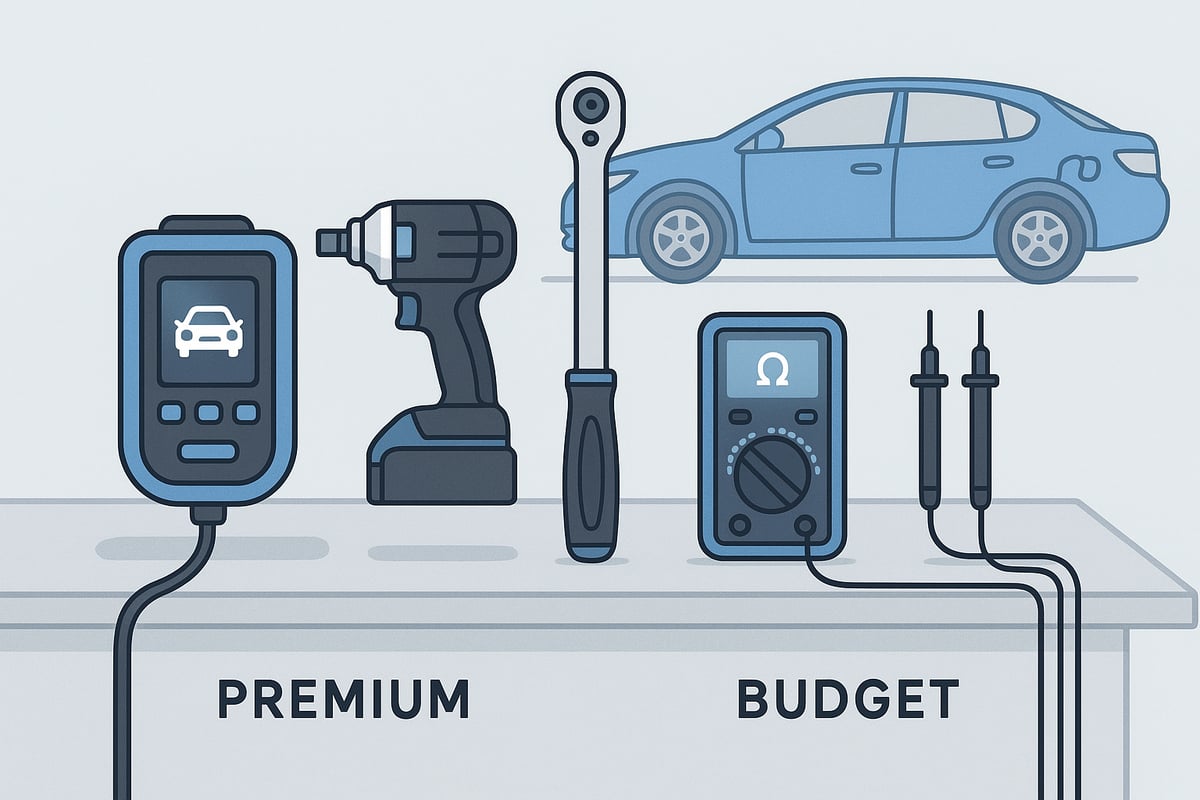
Next, compare the materials, build quality, and warranty coverage of different tools. Premium automotive tools typically use hardened steel and offer longer warranties, while budget options might save money up front but wear out faster. Here’s a quick comparison to help you decide:
| Feature | Premium Tools | Budget Tools |
|---|---|---|
| Material Quality | High-grade steel | Standard alloys |
| Warranty | 5+ years | 1 year or less |
| Durability | Excellent | Moderate |
| Price | Higher | Lower |
It’s crucial to consider compatibility with modern vehicles, especially if you own an electric or hybrid model. Many new cars require specialized equipment to safely perform diagnostics or maintenance. For example, investing in Electric and Hybrid Vehicle Tools ensures you can safely work on advanced drivetrains and high-voltage systems without risk.
When evaluating automotive tools, don’t overlook ergonomics and ease of use. Tools with comfortable grips, balanced weight, and intuitive controls will make long projects far less tiring. This is especially important if you spend hours in the garage or tackle complex repairs.
Another factor is whether to buy complete tool sets or individual pieces. Starter sets offer good value and organization, especially for beginners. However, as your skills grow, you might prefer to invest in high-quality individual items tailored to your specific needs. Always check that your set includes the essentials and won’t leave you searching for missing sizes during a crucial repair.
Before making a purchase, seek advice from online forums, expert reviews, and professional mechanics. For example, browsing lists like the Best OBD-II scanners in 2025 can help you avoid common pitfalls and choose a reliable diagnostic tool.
Finally, maintaining and calibrating your automotive tools is just as important as buying the right ones. Regularly clean, inspect, and calibrate items like torque wrenches and multimeters to ensure safety and accuracy. Investing in quality now, and caring for your tools, will pay off through years of trouble-free repairs.
Tips for Maintaining and Storing Your Automotive Tools
Keeping your automotive tools in top condition is essential for safe, efficient DIY repairs. Well-maintained automotive tools last longer and deliver reliable performance every time you reach for them. Whether you work on your car weekly or just a few times a year, a few simple habits will protect your investment and ensure your equipment is always ready for the next project.
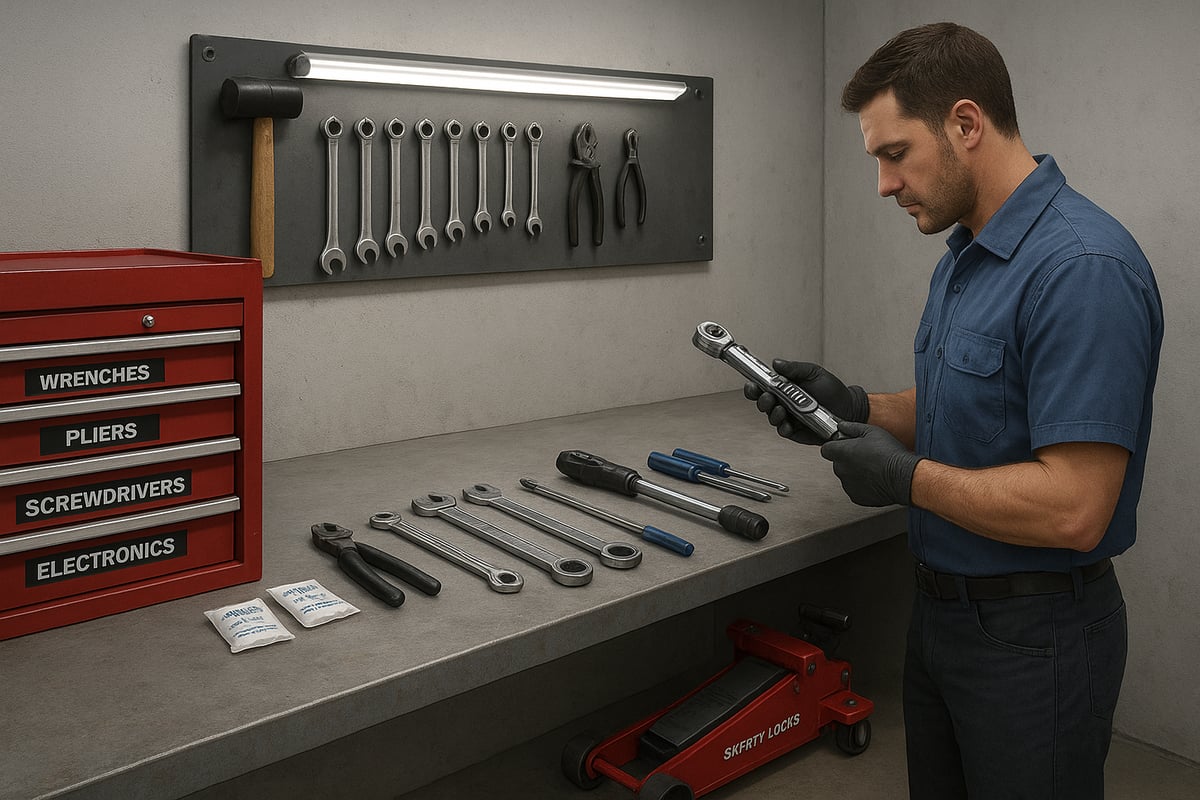
Cleaning and Inspection
After every use, wipe down your automotive tools to remove grease, dirt, and debris. Moisture and grime can cause rust or premature wear if left unchecked. Inspect moving parts for signs of damage or sticking. For hydraulic tools like jacks, check for leaks and clean any exposed metal.
- Use a soft cloth and mild cleaner
- Dry tools thoroughly before storage
- Inspect for cracks, bends, or worn grips
Regular cleaning keeps your automotive tools safe and reliable for every job.
Proper Storage and Organization
Storing your automotive tools in a dry, organized space prevents rust and makes it easy to find what you need. Use a lockable tool chest, wall-mounted racks, or drawer organizers to keep everything in place. In humid climates, add silica gel packs or a dehumidifier to your storage area.
- Keep tools off the floor to avoid moisture
- Group similar items together for quick access
- Label drawers and bins for efficiency
For larger equipment like hydraulic jacks, consult Jacks and Stands Equipment for proper storage solutions and maintenance tips.
Lubrication, Calibration, and Replacement
Moving parts on wrenches, ratchets, and jacks should be lubricated regularly to prevent sticking and reduce friction. Schedule periodic calibration for precision tools such as torque wrenches and multimeters. If you notice any signs of excessive wear or damage, replace those automotive tools promptly to maintain safety.
- Apply light machine oil to hinges and joints
- Follow manufacturer guidelines for calibration intervals
- Discard or recycle broken tools
Inventory and Efficiency Tips
Keep a running inventory of your automotive tools to avoid losing track of essential items. Label each tool or drawer, and consider using a digital spreadsheet or app to monitor your collection. This habit saves time and ensures you have the right tools on hand for any repair.
- Update your inventory after each new purchase
- Check tool sets for missing pieces
- Organize tools by task or frequency of use
By caring for your automotive tools with these strategies, you protect your investment and make every repair smoother and safer.
Now that you’ve seen how the right tools can make your DIY auto repairs safer, easier, and more rewarding, why not take the next step and start building your toolkit? Whether you’re just getting started or looking to upgrade to professional-grade equipment, having quality tools at your fingertips is a game changer. At KGM Equipment, you’ll find everything from advanced diagnostic scanners to sturdy tool chests, all designed to meet the unique demands of today’s vehicles. Ready to get your hands on the essentials for 2025 and beyond?
Shop Now

