

Auto repair and body shop services are changing fast as vehicles get smarter and more complex each year. Today, car owners, DIY fans, and professionals all need to understand these new advancements to keep vehicles running smoothly.
Staying informed about the latest trends and best practices can help you ensure quality repairs and extend the life of your car. This guide is designed to make the 2025 auto repair and body shop landscape clear and accessible.
Inside, you’ll find the essential knowledge, tools, and step-by-step advice you need for effective repairs. You’ll also discover how to choose the right shop, manage costs, and anticipate future changes.
Ready to take control of your auto repair and body shop experience? Read on for expert insights, practical tips, and a roadmap to navigate the industry with confidence.
The Evolving Landscape of Auto Repair and Body Shops in 2025
The auto repair and body shop industry is undergoing rapid transformation. In 2025, new technologies, changing regulations, and shifting consumer expectations are shaping how shops operate and deliver services. Understanding these changes is essential for anyone involved in the world of auto repair and body shop work.
Key Industry Trends and Statistics
The rise of electric and hybrid vehicles is reshaping the auto repair and body shop sector. These vehicles require new diagnostic skills and equipment, especially as advanced driver-assistance systems (ADAS) become standard.
The market is expanding fast. According to Auto Care Industry Growth Projections, the global auto repair industry is set to surpass $800 billion by 2025. Eco-friendly practices, such as using sustainable materials, are also gaining traction. Meanwhile, customers now expect digital service tracking and transparency, with leading automakers integrating repair histories into vehicle apps.
Regulatory Changes and Compliance
New safety and emissions regulations are having a significant impact on auto repair and body shop standards. Technicians must stay certified and up-to-date with ongoing training to meet these evolving requirements.
Data privacy laws now govern how diagnostic tools access and store customer information. For example, updated EPA guidelines require safer paint and solvent usage, encouraging shops to adopt materials that minimize environmental impact. Shops that fail to comply risk fines or losing their licenses, making regulatory awareness a top priority.
Technological Advancements in Body Shops
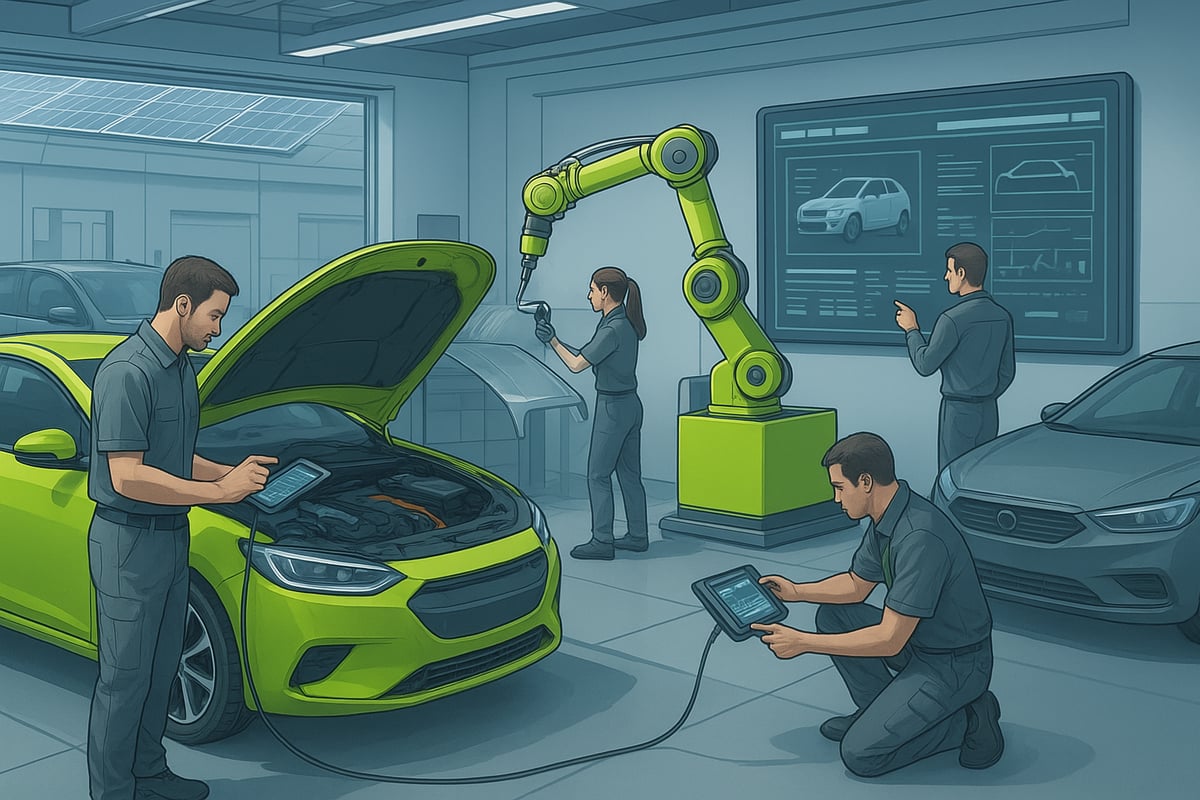
Body shops in 2025 are embracing technology like never before. 3D printing is increasingly used for fabricating custom parts, speeding up repairs and reducing waste. AI-powered diagnostic tools and repair planning software help identify issues quickly and accurately.
Robotics are transforming tasks such as painting and welding, delivering precision results. Some shops use augmented reality for damage assessment, allowing technicians to visualize repairs before starting. These advancements help auto repair and body shop professionals provide faster, more reliable service to their customers.
The Role of Customer Experience
Customer experience is at the forefront of the auto repair and body shop industry. Digital appointment scheduling and remote consultations are more common, giving customers flexibility and convenience.
Shops are prioritizing fast turnaround times and offering quality guarantees to build trust. Online reviews and reputation management play a major role in attracting new business. For example, some shops now provide mobile repair services, meeting customers where they are and enhancing convenience.
Challenges Facing the Industry
Despite progress, the auto repair and body shop sector faces challenges. Skilled labor shortages make it difficult for shops to keep up with demand, and retaining qualified technicians is an ongoing struggle.
Investing in new technology and equipment can be costly, especially for smaller operations. Supply chain disruptions continue to impact the availability of parts and materials. For instance, delays in sourcing OEM parts due to global logistics issues can extend repair times and frustrate customers.
Essential Tools and Technology for Modern Auto Repair
Staying ahead in the auto repair and body shop industry requires a keen understanding of the latest tools and technology. As vehicles become more advanced, shops must adapt with cutting-edge equipment and digital solutions to ensure accurate diagnostics, efficient repairs, and lasting results.
Diagnostic Tools and Scanners
Modern diagnostic tools are the backbone of any successful auto repair and body shop. Onboard diagnostics (OBD-II) systems, along with wireless scanners, allow technicians to quickly identify vehicle issues, from engine codes to complex electronic faults.
Today's advanced scanners can read error codes specific to electric and hybrid vehicles, providing essential insights for accurate repairs. Many shops now use cloud-connected devices, enabling remote access to diagnostic data and faster troubleshooting.
According to industry reports, nearly 70% of auto repair and body shop facilities have upgraded to advanced diagnostics since 2020. These investments not only speed up repairs but also help prevent misdiagnoses, saving both time and money for customers.
Body Shop Equipment and Innovations
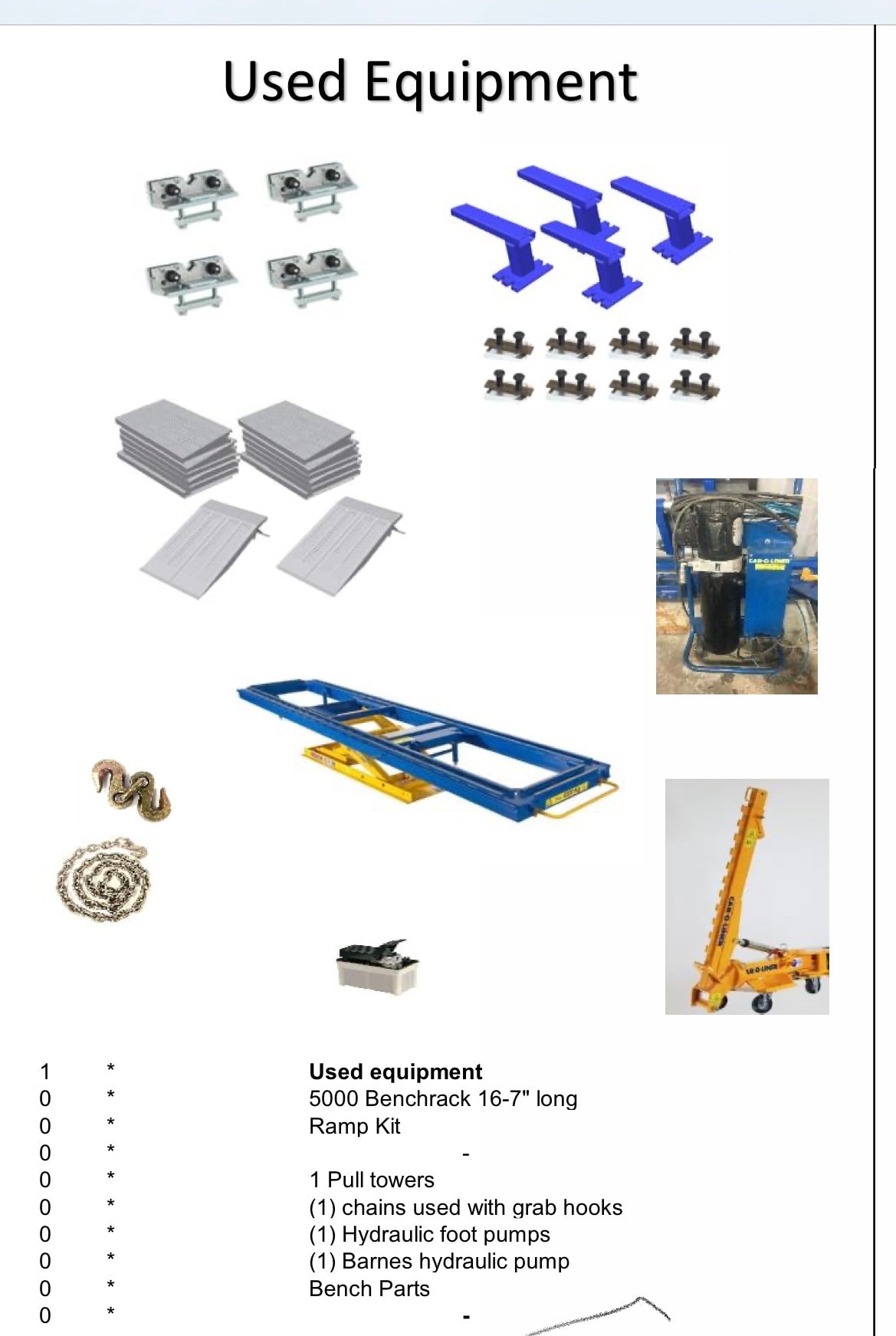
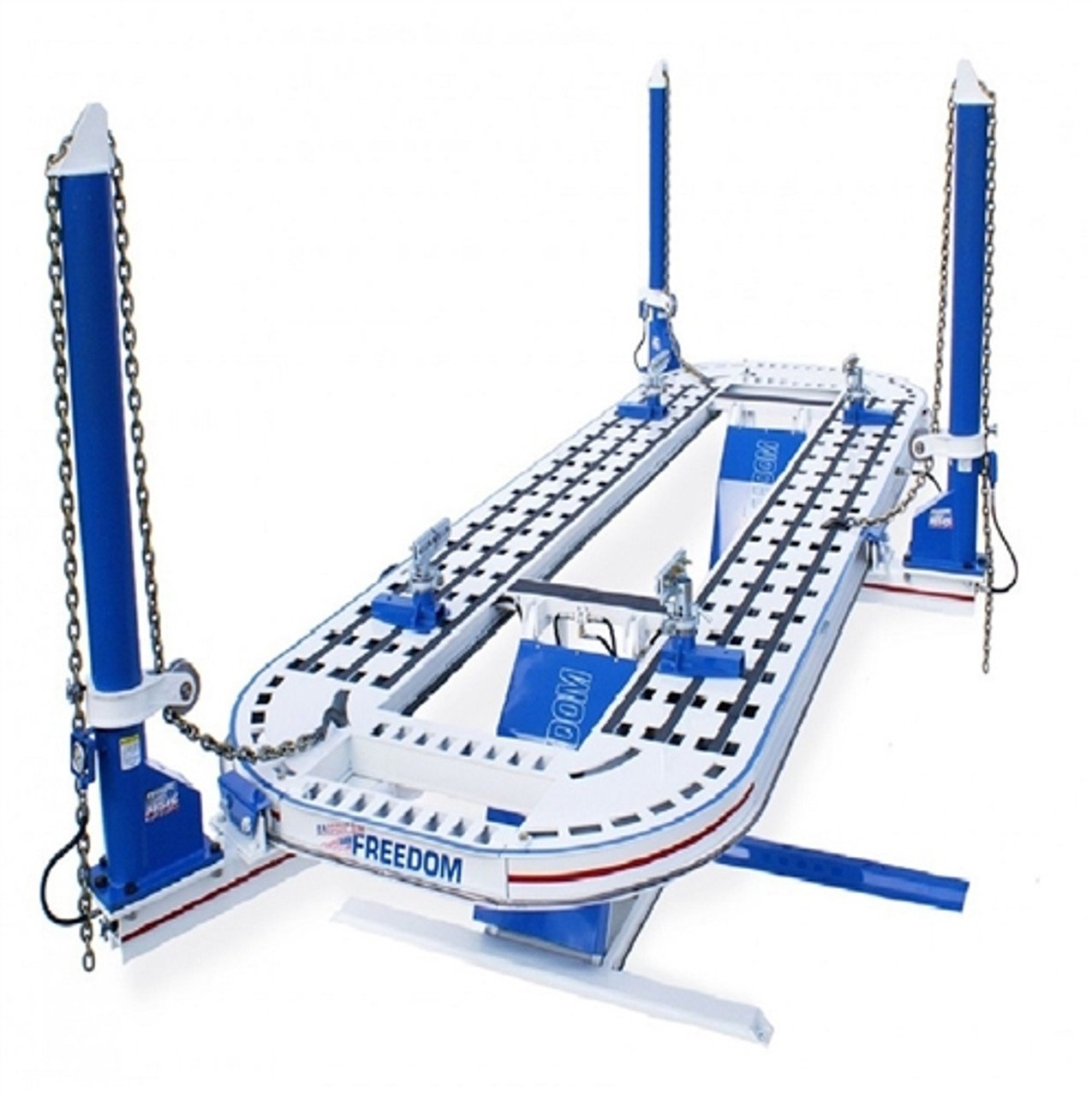
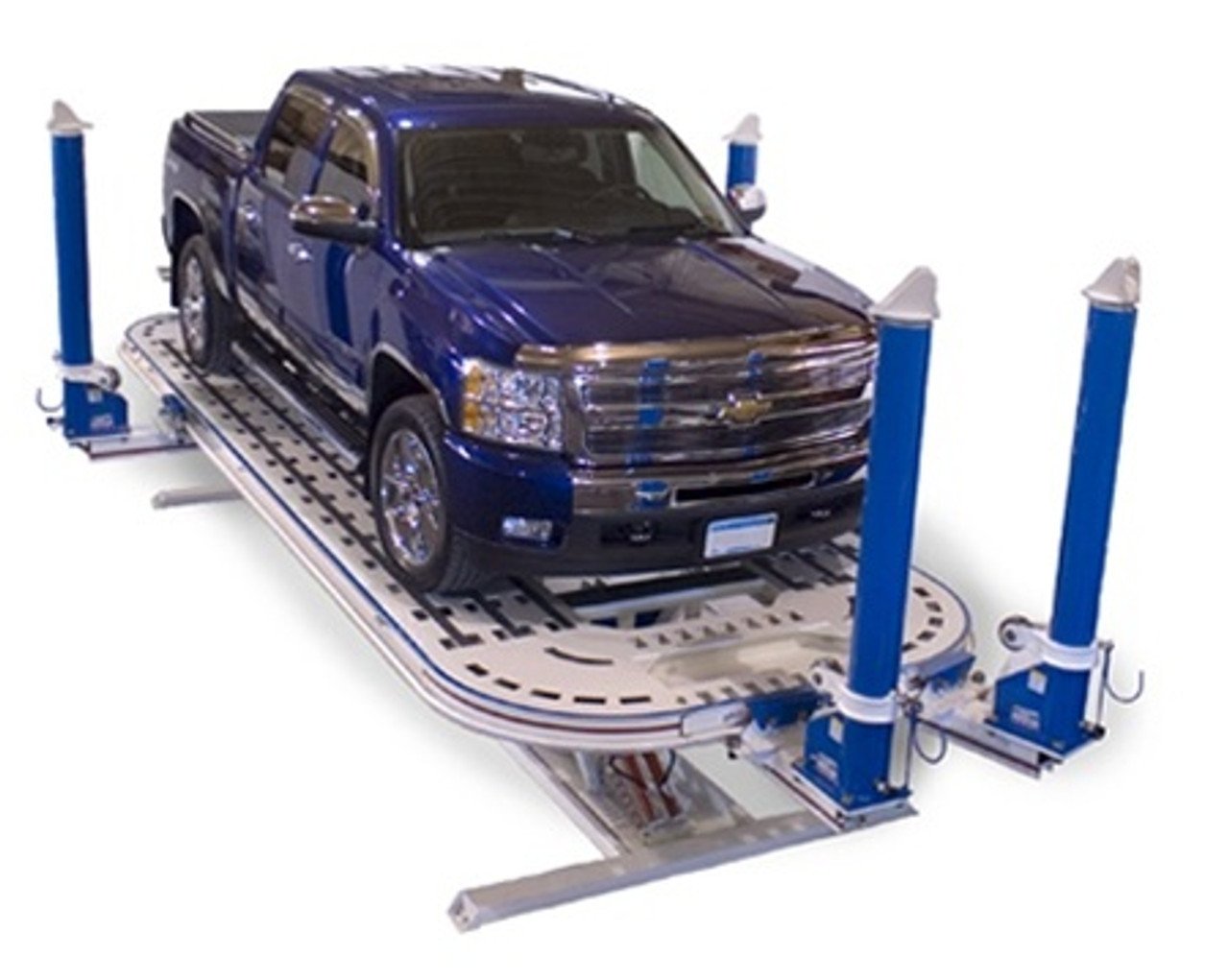
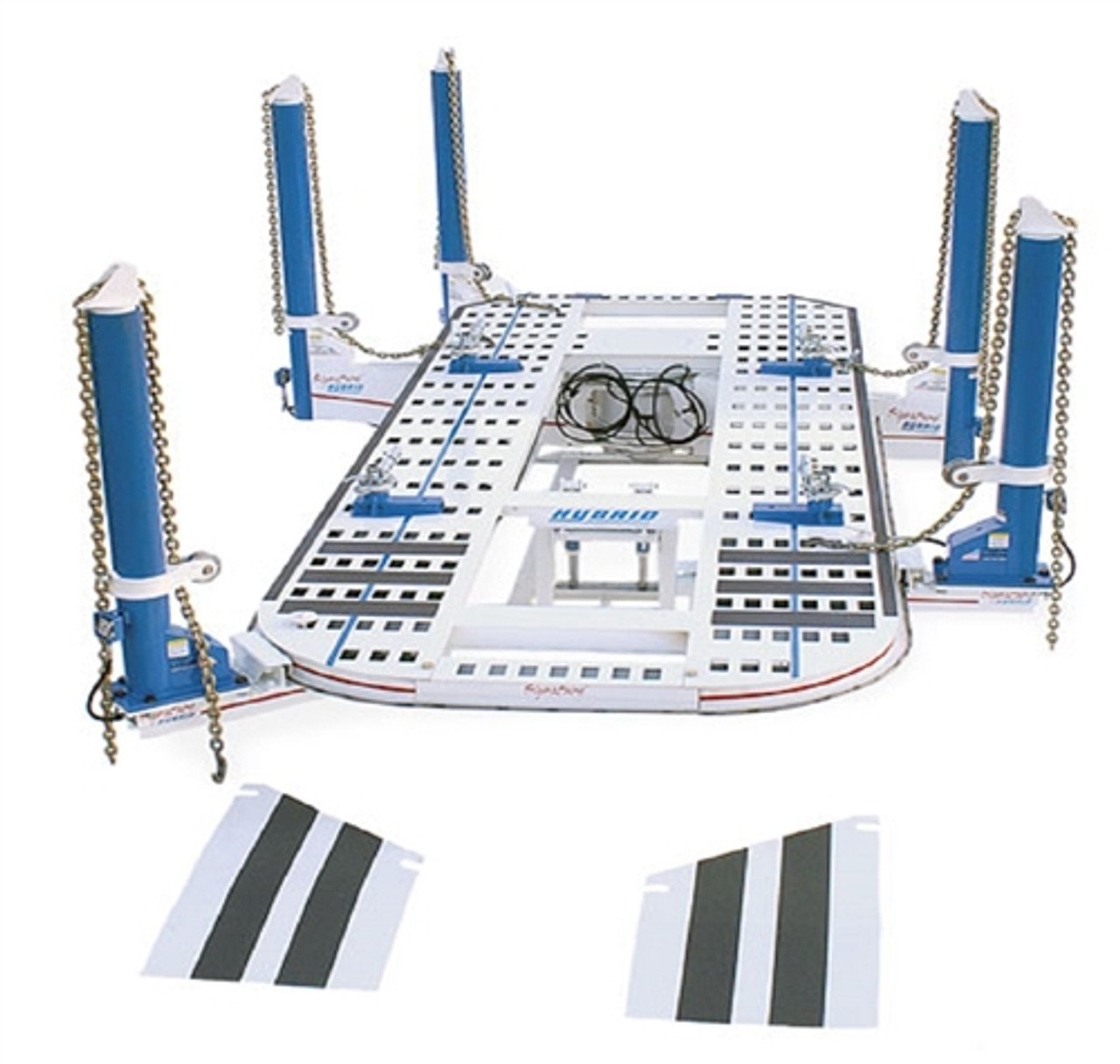
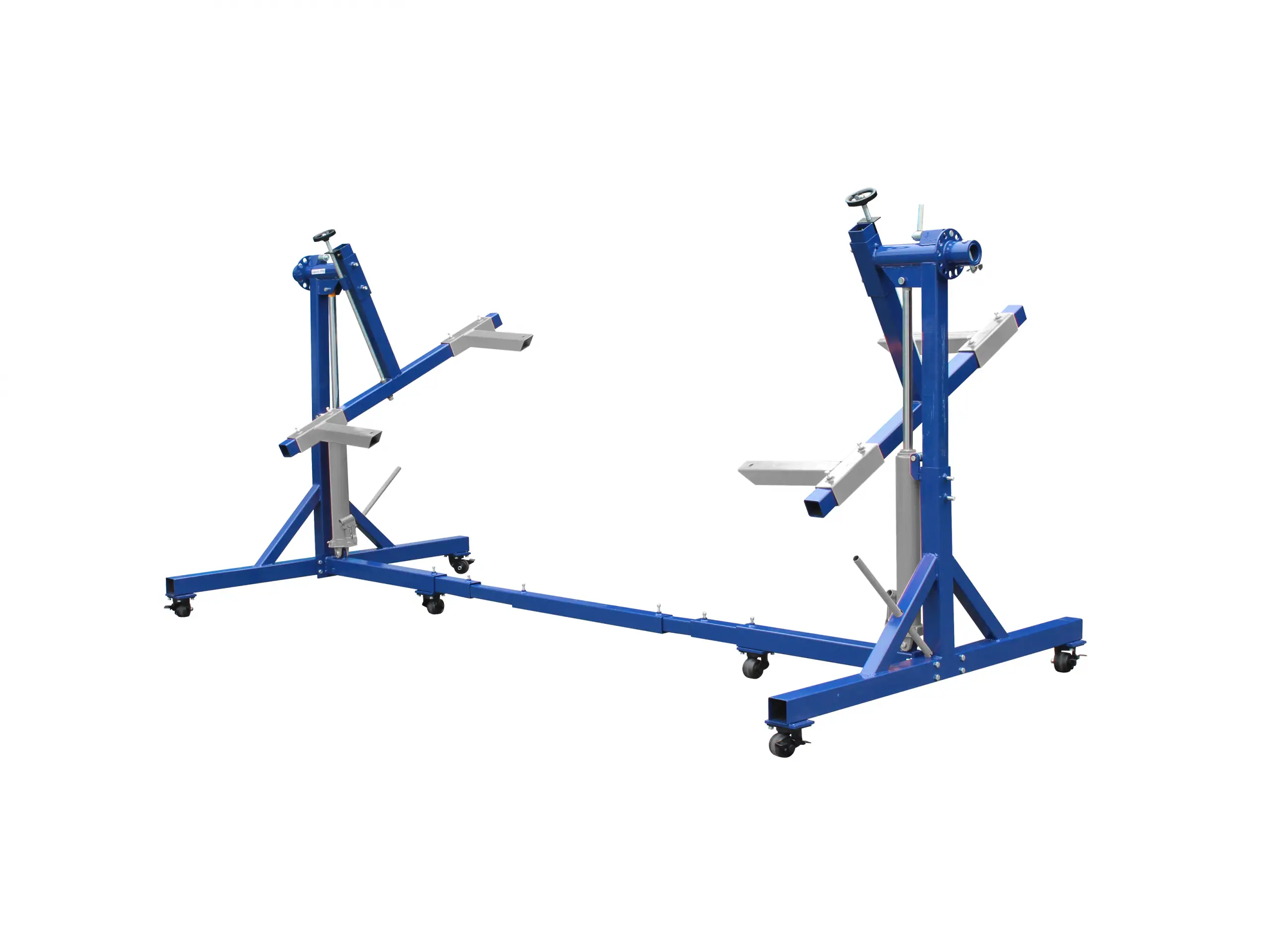
High-quality repairs in any auto repair and body shop depend on the right equipment. Frame machines, dent pullers, and paint booths are now enhanced with digital controls and precision measuring systems. Shops are adopting automated paint mixing, which can reduce waste by up to 30%, and dust extraction systems that keep the workspace safe and clean.
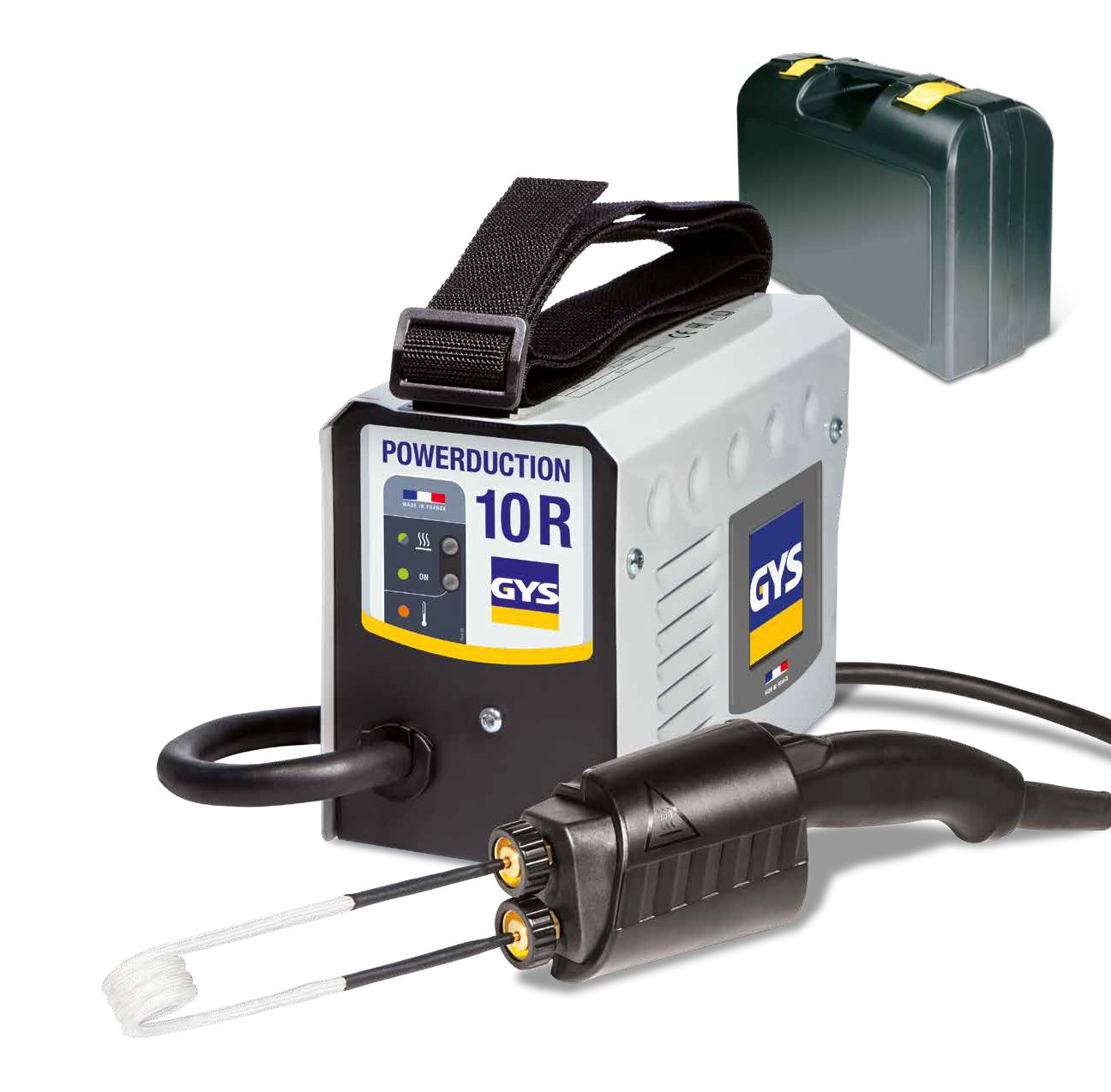
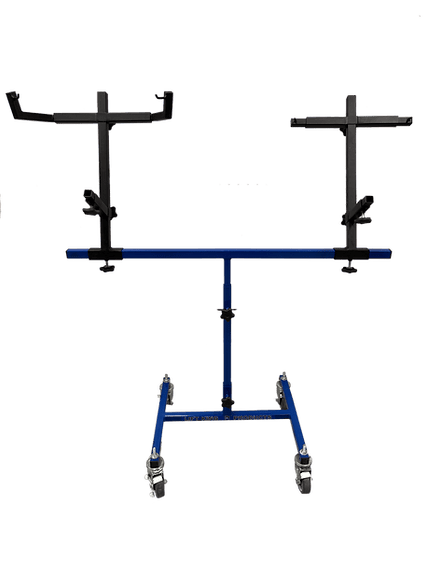
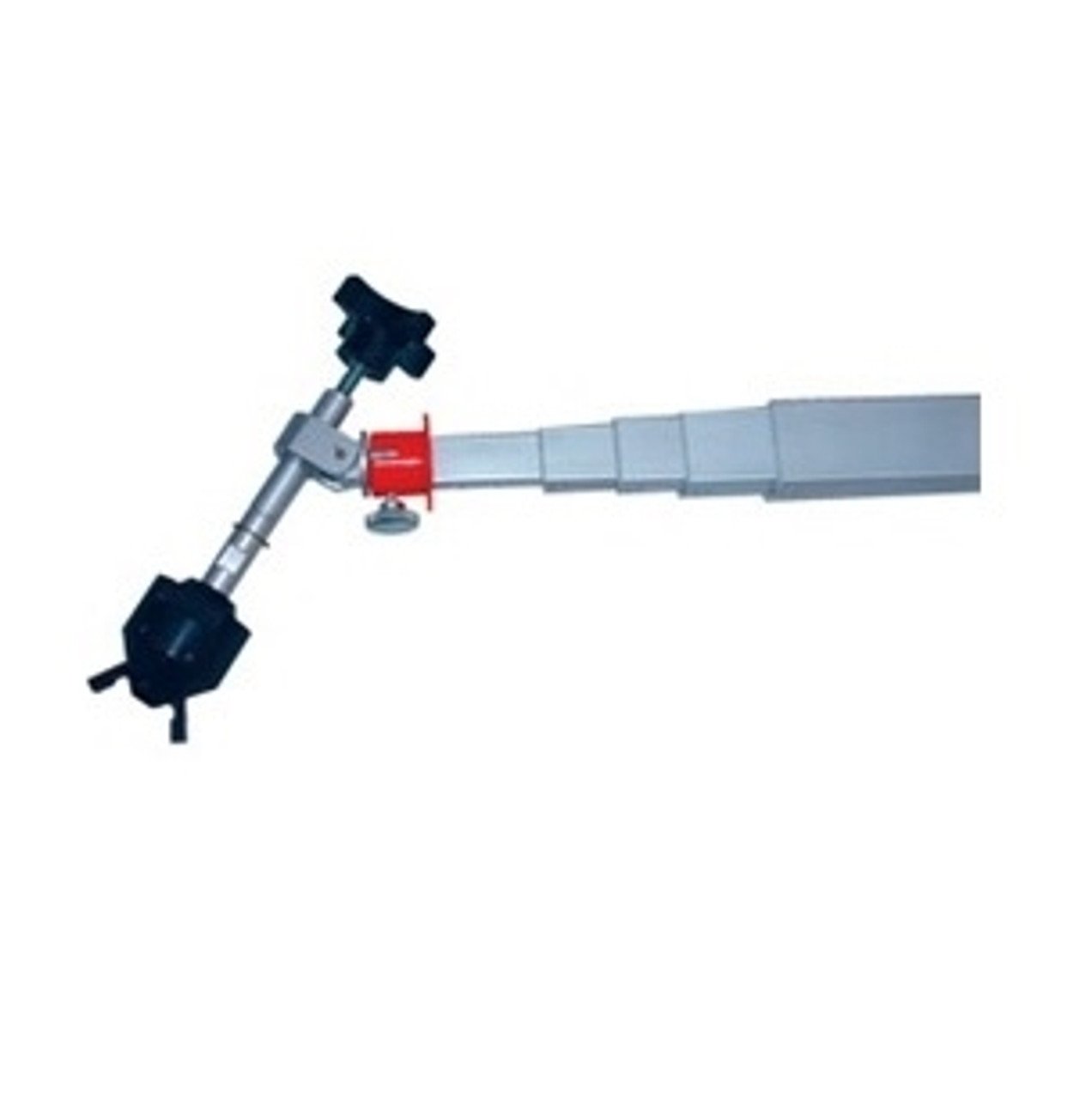
Innovative spot welders and aluminum repair tools are essential for working on modern vehicle materials. For a comprehensive look at essential equipment, check out the Essential Auto Body Shop Tools resource, which covers must-have tools for professionals.
Automation and precise technology ensure that repairs meet manufacturer standards and improve turnaround times.
Specialty Tools for Electric and Hybrid Vehicles
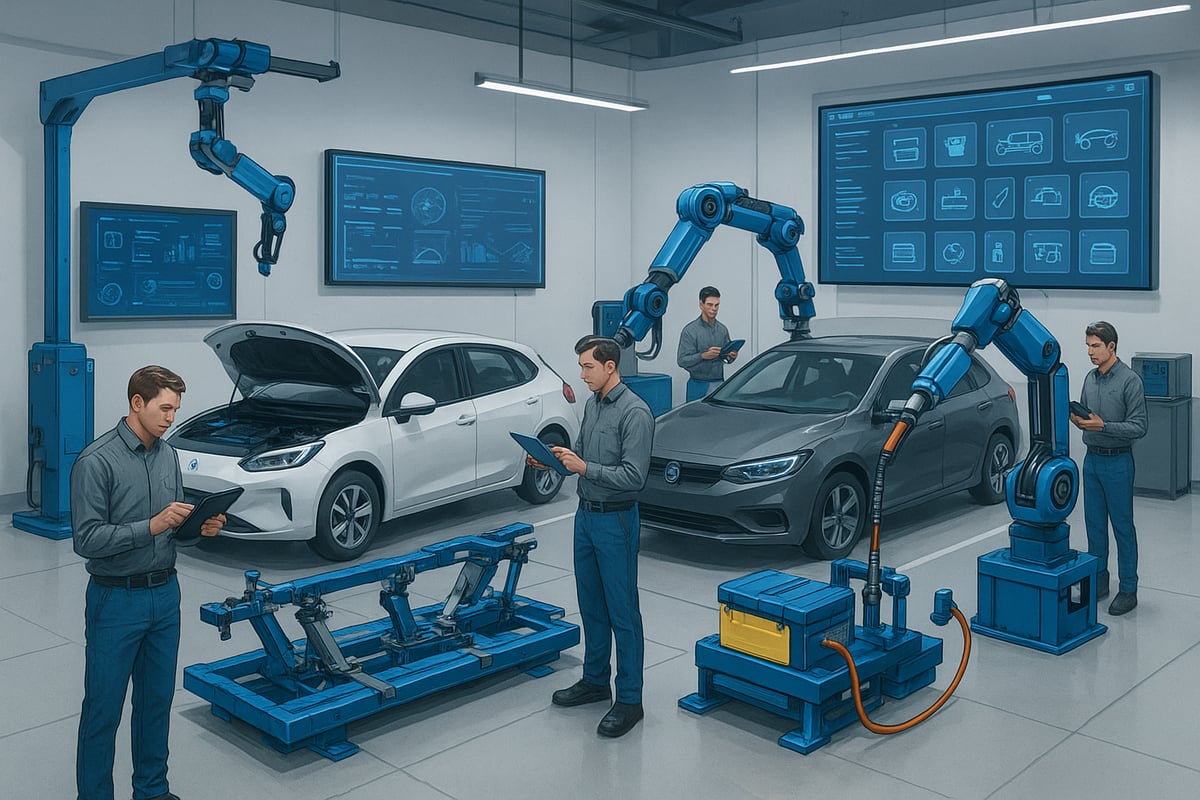
Electric and hybrid vehicles have transformed the auto repair and body shop landscape. Working on these cars requires insulated tools for high-voltage systems, along with specialized battery management devices and thermal imaging cameras to ensure safety.
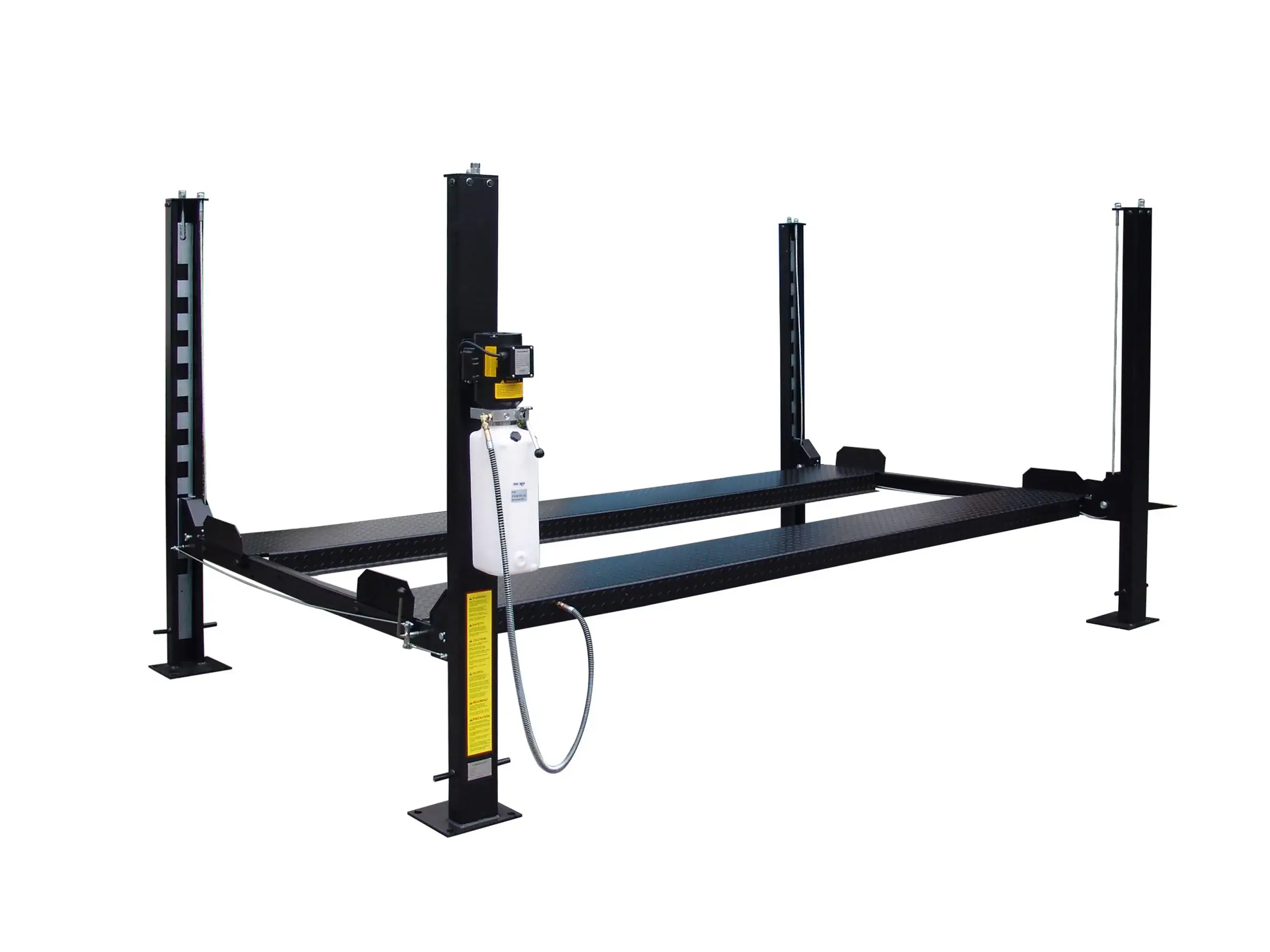
Shops are investing in EV-specific lift tables to safely access undercarriage components and battery packs. These innovations are crucial for maintaining the integrity of electric drivetrains and avoiding costly mistakes.
With the rise of EVs, every auto repair and body shop must equip itself with tools that address unique challenges and ensure technician safety.
Software and Digital Solutions
Technology is not limited to physical tools in the auto repair and body shop environment. Digital repair management platforms streamline workflow, track inventory, and integrate parts ordering for greater efficiency.
Cloud-based systems now enable remote estimates and real-time updates for customers. This digital transformation means 60% of body shops use management software to enhance communication and transparency.
By leveraging these digital solutions, an auto repair and body shop can deliver better service, reduce errors, and keep pace with rapid industry changes.
Step-by-Step Guide to the Auto Repair and Body Shop Process
Navigating the auto repair and body shop process can feel overwhelming, but understanding each step makes it more manageable. Whether you are new to this world or experienced, having a roadmap ensures your vehicle receives the care it deserves.
This guide will walk you through each stage, highlighting how modern shops operate and what you can expect during your visit.
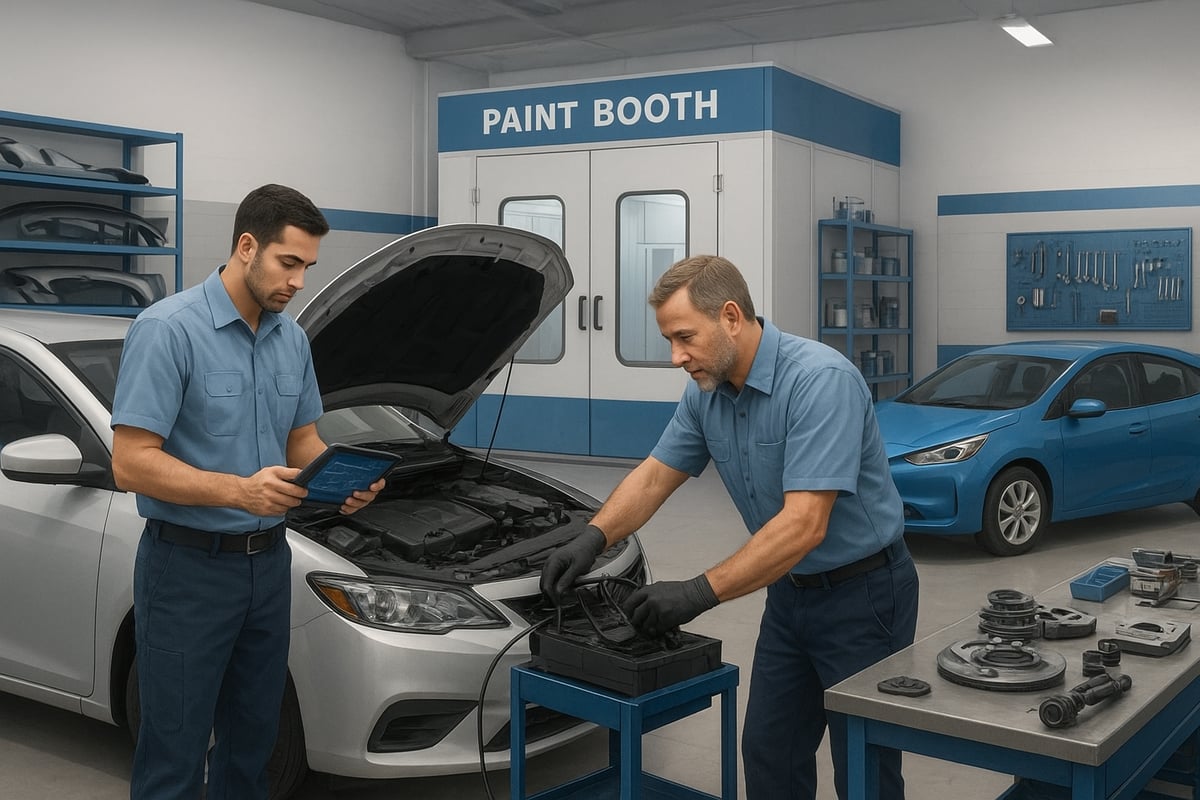
Step 1: Initial Assessment and Damage Diagnosis
The first step at any auto repair and body shop is a thorough assessment. Technicians begin with a visual inspection, carefully looking for visible damage on the body, frame, and mechanical systems.
Next, they use advanced diagnostic tools to scan for hidden issues. These devices can identify error codes, electrical faults, and even subtle frame misalignments.
Technicians also gather information from you about the vehicle's history and recent incidents. Digital imaging is commonly used to document the damage, especially for insurance claims. This step ensures all problems are identified before repairs begin.
Step 2: Estimating and Documentation
After diagnosing the damage, the auto repair and body shop team creates a detailed estimate. Specialized software helps them calculate labor, parts, and paint costs with precision.
Technicians take clear photographs and write thorough reports to document all findings. This documentation is essential for insurance purposes and helps keep the repair process transparent.
Open communication is key. Shops will often review the estimate with you, answer questions, and explain what repairs are necessary. This clarity builds trust and sets the stage for a smooth repair process.
Step 3: Disassembly and Further Inspection
Once you approve the estimate, the auto repair and body shop begins disassembly. Damaged panels, bumpers, or mechanical components are carefully removed.
This step allows technicians to inspect hidden areas for additional damage. Sometimes, issues like frame misalignment or internal cracks are only visible after removing certain parts.
If new problems are found, the shop updates the estimate and discusses changes with you. For example, discovering a bent frame after removing a bumper is common. This approach ensures all repairs are addressed before moving forward.
Step 4: Parts Sourcing and Ordering
With a complete damage assessment, the auto repair and body shop decides which parts are needed. Choices include OEM (original equipment manufacturer), aftermarket, or recycled components.
Shops manage supply chains carefully, using online platforms to check real-time availability and delivery timelines. This helps speed up repairs and reduce downtime.
If a part is delayed, the shop will communicate updates and explore alternatives. The goal is to source quality parts quickly while balancing cost, performance, and your preferences.
Step 5: Structural and Mechanical Repairs
Now, the auto repair and body shop focuses on structural and mechanical repairs. This includes frame straightening, alignment, and fixing components like suspension, steering, or electronics.
Precision is crucial. Technicians use advanced measuring tools to ensure repairs meet manufacturer standards. For a deeper understanding, you can read the Frame Measuring Tools Guide to see why accuracy is vital in this stage.
Frame machines and alignment systems help restore the vehicle to its original safety and performance levels. Detailed measurements ensure that every repair is exact, supporting both safety and resale value.
Step 6: Bodywork and Paint Preparation
With the structure restored, the auto repair and body shop moves to bodywork and paint prep. Technicians repair dents, replace panels, and sand surfaces to create a flawless base.
Paint matching is a critical skill. Shops use digital tools to find the exact color code, then mix paint for a seamless finish. Many modern shops use waterborne paints, which are more eco-friendly and produce excellent results.
Surface preparation ensures the new paint will adhere properly, resist chipping, and look great for years to come. This attention to detail sets professional shops apart.
Step 7: Painting and Finishing
The painting stage at an auto repair and body shop involves several layers. First, technicians apply primer to protect surfaces, then a basecoat for color, and finally a clearcoat for shine and durability.
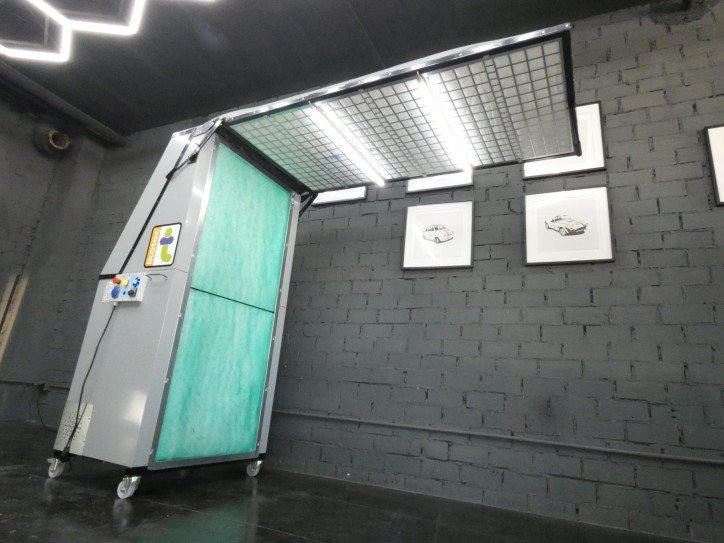
Spray booths with advanced filtration keep dust and contaminants away from freshly painted surfaces. Curing technologies, such as infrared lamps, speed up drying times and improve the finish.
Before moving on, the team conducts quality checks to ensure the paint is smooth, even, and matches the rest of the vehicle. This commitment to quality guarantees a professional result.
Step 8: Reassembly and Final Inspection
In the final stage, the auto repair and body shop carefully reassembles the vehicle. All repaired or replaced parts are installed, and technicians double-check that everything fits and functions as intended.
A comprehensive inspection follows. Technicians look for both safety and aesthetics, making sure all systems work properly and the vehicle looks like new. Often, a test drive is performed to confirm mechanical repairs.
The shop will then review the final results with you, answer any questions, and provide documentation of the work completed. This thorough process ensures your vehicle is ready for the road.
How to Choose the Right Auto Repair and Body Shop
Selecting the best auto repair and body shop can feel overwhelming, especially with so many options and new technologies emerging in 2025. To make a confident choice, focus on credentials, reputation, equipment, and customer support.
Credentials and Certifications to Look For
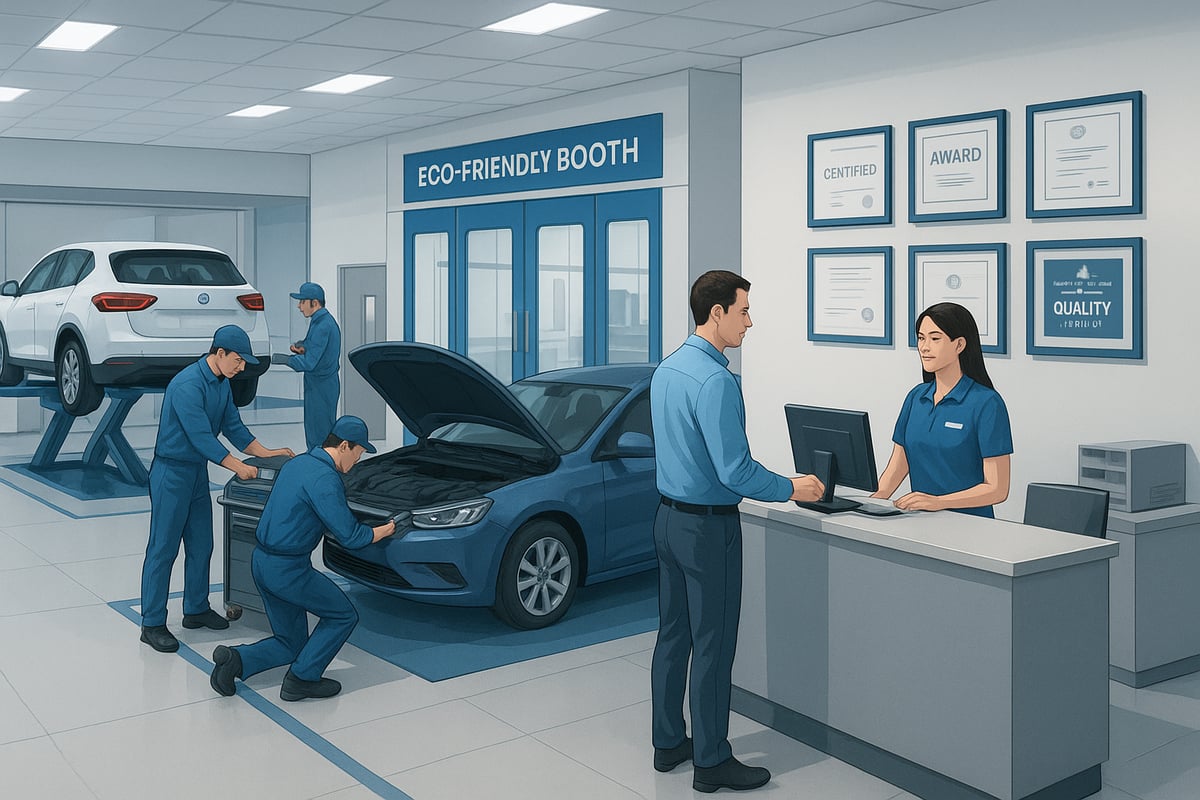
When evaluating an auto repair and body shop, always check for industry-recognized credentials. Look for ASE (Automotive Service Excellence) and I-CAR (Inter-Industry Conference on Auto Collision Repair) certifications, which indicate a commitment to high standards and ongoing training.
Shops with manufacturer-specific certifications are often better equipped to handle newer vehicle technologies. Technician training is also crucial, as modern vehicles require expertise in advanced safety systems and electronics.
For more tips on selecting a reliable shop, visit Choosing the Right Auto Repair Shop. Asking about the shop’s experience with your vehicle type can help ensure quality repairs.
Evaluating Reputation and Customer Service
A reputable auto repair and body shop will have a strong track record for customer satisfaction. Read online reviews and testimonials to gauge previous clients’ experiences. High ratings often reflect transparency in estimates, clear communication, and timely service.
Some shops offer satisfaction guarantees or warranties, which can give you peace of mind. Do not hesitate to ask friends or family for recommendations, as personal referrals often highlight shops with excellent customer care.
A shop’s willingness to answer your questions and explain the repair process is a good sign of strong service.
Facility, Equipment, and Technology
Touring the auto repair and body shop before committing is a smart move. Pay attention to cleanliness, organization, and the presence of modern diagnostic tools and repair equipment. State-of-the-art facilities are more likely to deliver precise results, especially for complex repairs.
Look for shops that have invested in eco-friendly paint booths or dust extraction systems. Advanced equipment, like frame machines and digital scanners, shows a commitment to staying current with industry standards.
A clean, well-equipped shop reflects professionalism and helps ensure your vehicle receives the best possible care.
Warranty, Insurance, and Payment Options
Before authorizing repairs, ask about warranty coverage on both parts and labor. A trustworthy auto repair and body shop will explain their warranty terms in detail, so you know what is covered and for how long.
Check if the shop works with your insurance provider and whether they assist with claims. Many shops now offer flexible payment options, including financing plans, to make repairs more manageable.
Understanding these factors can help you avoid surprises and ensure a smooth repair experience from start to finish.
Cost Considerations and Insurance in 2025
Understanding the financial landscape of auto repair and body shop services in 2025 is more important than ever. With new technologies, industry trends, and insurance changes, knowing what drives costs and how to navigate insurance can help you make smarter decisions about your vehicle’s care.
Factors Affecting Repair Costs
Several factors influence the cost of auto repair and body shop work in 2025. Labor rates continue to rise as skilled technicians become more valuable, and the complexity of modern vehicles means repairs often require specialized knowledge and equipment. Parts pricing is another major variable, especially as more vehicles use advanced driver-assist systems and electric components.
Recent tariffs on imported auto parts have added to the price pressures, making it essential for consumers to understand how global events can impact their bills. According to Impact of Tariffs on Auto Repair Costs, new trade policies are raising costs across the auto repair and body shop industry. For example, recalibrating ADAS features or sourcing OEM parts can lead to higher expenses compared to traditional repairs.
Working with Insurance Companies
Navigating insurance is a key part of the auto repair and body shop process. In 2025, most insurance companies use digital platforms to streamline claims and approvals. Direct repair programs (DRPs) are common, where insurers refer customers to preferred shops for faster service and easier paperwork.
However, insurance policies may dictate the use of aftermarket or remanufactured parts instead of OEM, which can affect both cost and quality. Always review your coverage details and ask your provider about repair options before authorizing work. Transparency between your chosen shop and insurer ensures you avoid unexpected expenses and delays.
Cost-Saving Tips for Consumers
There are several ways to save money on auto repair and body shop services. First, always compare estimates from multiple shops to get a sense of fair pricing. Don’t hesitate to ask about the use of recycled or remanufactured parts, which can offer significant savings without sacrificing safety.
Some shops provide discounts for bundling multiple repairs or offer seasonal promotions. Staying informed about your vehicle’s maintenance needs can also prevent costly breakdowns. Remember, clear communication with your shop and insurer can uncover additional cost-saving opportunities.
Trends in Repair Financing and Coverage
As repair costs rise, more auto repair and body shop businesses are offering flexible payment solutions. Repair financing and payment plans are increasingly available, making it easier for consumers to manage large bills. In fact, 25% of shops now provide in-house financing options in 2025.
Insurance coverage is also expanding to include modern vehicle systems like electric drivetrains and ADAS components. This shift helps protect consumers from the higher costs associated with advanced technology repairs. Reviewing your coverage annually ensures you’re prepared for any unexpected issues.
The Future of Auto Repair and Body Shops: Trends to Watch
The auto repair and body shop industry is experiencing rapid transformation. As we look ahead, several trends will shape how shops operate and how consumers experience service. From new vehicle technologies to workforce development, staying informed is key for anyone involved in auto repair and body shop work.
Electrification and Autonomous Vehicles
Electrification is reshaping the auto repair and body shop landscape. With more electric and hybrid vehicles on the road, technicians must understand high-voltage systems and safety protocols. Repairs now often involve advanced sensors, cameras, and onboard computers found in autonomous vehicles.
Specialized shops are emerging to handle ADAS calibration and battery maintenance. The complexity of these vehicles demands ongoing training and new diagnostic equipment. For those in the auto repair and body shop field, mastering these changes is essential for future success.
If you want to learn more about how technology is influencing repair methods, check out this overview of Technological Advancements in Auto Body Repair.
Sustainability and Green Repair Practices
Sustainability has become a core focus for every auto repair and body shop. Shops are adopting water-based paints, recyclable materials, and energy-efficient designs. Many facilities now integrate solar panels and LED lighting to reduce their environmental footprint.
Green certifications are gaining popularity, with about 40 percent of new shops meeting eco-friendly standards. Using sustainable practices not only benefits the planet but can also attract environmentally conscious customers. As expectations rise, the shift toward green repair is a defining trend for the industry.
Digital Transformation and Remote Services
The digital revolution is changing how auto repair and body shop services are delivered. Virtual estimates, mobile repair units, and predictive maintenance powered by AI are becoming standard. Many businesses now offer apps for remote repair status updates, giving customers real-time transparency.
AI-driven diagnostics help technicians identify issues faster and more accurately. For a deeper look at how artificial intelligence is shaping the industry, explore this resource on AI Integration in Auto Repair.
Digital tools are streamlining workflow and enhancing customer experience, making them essential for any modern auto repair and body shop.
Workforce Development and Skills Gap
As technology evolves, the auto repair and body shop industry faces a growing skills gap. Attracting and training new technicians is critical. Many shops are partnering with technical schools and offering apprenticeships to build a pipeline of skilled workers.
Scholarship programs and ongoing education initiatives are helping bridge the gap. Investing in workforce development ensures shops can keep up with rapid changes and deliver quality service. By focusing on training, the industry can meet the demands of tomorrow’s vehicles and customers.
After diving into the latest trends shaping auto repair in 2025, exploring must-have tools, and breaking down every step of the repair process, you’re now equipped with the essentials to make smart choices for your vehicle or shop. If you’re ready to take your repair game to the next level or need reliable equipment trusted by professionals, let’s keep learning together. KGM Equipment offers everything from advanced frame machines to precision spot welders, all backed by expert support. Whether you’re a seasoned pro or just getting started, you can find exactly what you need—Learn more

